

Industry News
Skid Steer Loader Tyres for Farming vs Construction Use
May
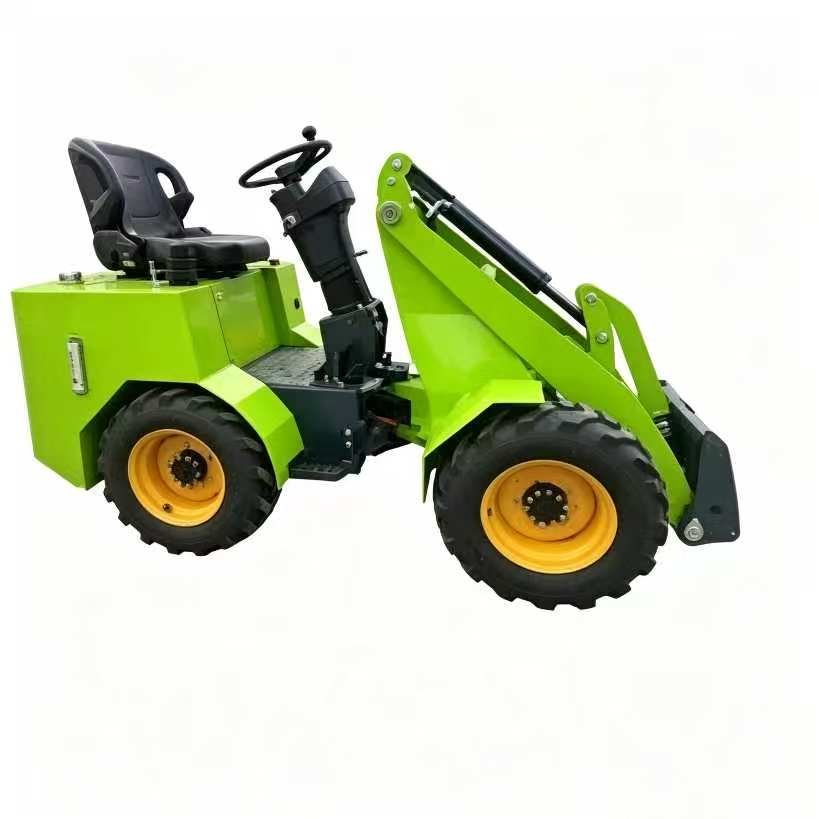
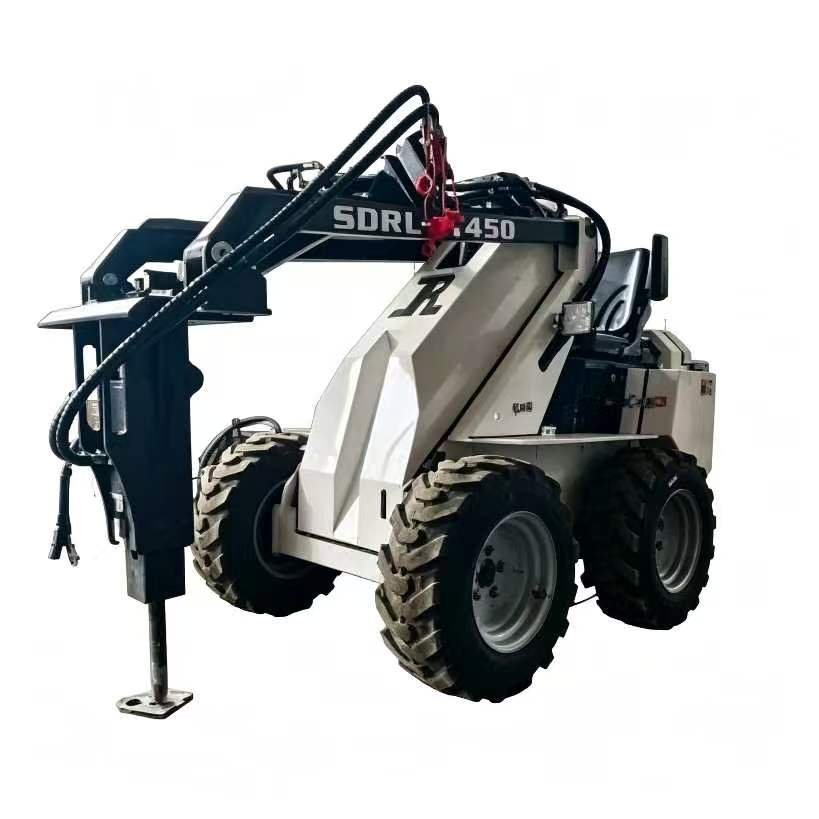
Skid steer loaders are among the most versatile machines used in agriculture and construction today. Their compact size, maneuverability, and ability to support multiple attachments make them essential for a wide range of tasks. However, the performance of a skid steer loader depends heavily on choosing the right tyres for the working environment. Farming and construction applications require different tyre designs, tread patterns, durability levels, and traction capabilities. Selecting the correct skid steer loader tyres not only improves machine efficiency but also enhances safety, reduces maintenance costs, and extends equipment lifespan.
Understanding the Importance of Skid Steer Loader Tyres
Tyres are one of the most critical components of a skid steer loader because they directly affect traction, stability, load handling, fuel efficiency, and machine productivity.
Different working environments place different demands on skid steer tyres. Agricultural operations often involve soft soil, mud, grass, and uneven terrain, while construction sites typically include concrete, gravel, rocks, and abrasive surfaces.
Using the right tyres for the intended application ensures better machine performance and helps operators maintain efficiency in challenging conditions.
How Farming Conditions Affect Tyre Selection
Agricultural environments require tyres that can perform effectively on soft ground while minimizing soil disturbance.
Farm operations commonly involve:
• Muddy terrain
• Wet soil
• Grass surfaces
• Loose dirt
• Uneven fields
In these conditions, skid steer tyres need strong traction and flotation capabilities to prevent excessive sinking or soil compaction.
Farmers often prioritize tyre designs that protect crops and reduce damage to agricultural land. Smooth machine movement across soft terrain is essential for maintaining field quality and improving operational productivity.
Key Features of Farming Skid Steer Tyres
Farming tyres are designed specifically to improve traction and reduce ground pressure on soft surfaces.
Common features include:
• Deep tread patterns
• Wider tyre profiles
• Enhanced self-cleaning capability
• Improved mud traction
• Lower ground compaction
Deep treads help tyres grip loose soil and muddy terrain more effectively. Wider tyres distribute machine weight more evenly, reducing the risk of sinking into soft ground.
Self-cleaning tread designs also help remove mud buildup, allowing tyres to maintain traction during continuous operation in wet conditions.
These features make agricultural tyres highly suitable for farming activities such as land preparation, livestock management, feed handling, and crop transportation.
Construction Environments Require Different Tyre Performance
Construction sites present a completely different set of challenges for skid steer loaders.
Machines operating in construction environments frequently encounter:
• Concrete surfaces
• Gravel roads
• Sharp debris
• Heavy loads
• Rough terrain
Construction tyres must prioritize durability, puncture resistance, and wear resistance to handle these demanding conditions.
Unlike farming tyres, construction tyres are designed to withstand hard surfaces and abrasive materials while maintaining machine stability under heavy loads.
Key Features of Construction Skid Steer Tyres
Construction skid steer tyres are engineered for strength and durability.
Important features often include:
• Thick sidewalls
• Reinforced rubber compounds
• Heavy-duty tread patterns
• High puncture resistance
• Increased load capacity
Construction sites can expose tyres to nails, rocks, metal scraps, and sharp materials. Reinforced tyre structures help reduce the risk of punctures and improve operational reliability.
Heavy-duty tread designs also improve traction on gravel, asphalt, and uneven construction surfaces.
For contractors and construction operators, durable tyres contribute to lower downtime and more efficient project completion.
Tread Patterns Play a Major Role
Tread design is one of the biggest differences between farming and construction skid steer tyres.
Agricultural tyres typically use aggressive tread patterns with wider spacing to improve traction in mud and loose soil.
Construction tyres often feature block-style or industrial tread patterns that provide:
• Better wear resistance
• Enhanced surface contact
• Improved stability
• Stronger load support
The correct tread pattern helps maximize performance while reducing unnecessary tyre wear.
Operators working across multiple environments may also consider hybrid tread designs that balance traction and durability.
Soil Compaction Matters in Agriculture
One of the most important concerns in farming applications is soil compaction.
Excessive ground pressure can damage crop roots, reduce water absorption, and negatively affect long-term soil health.
Agricultural skid steer tyres are often designed to distribute machine weight evenly across the ground surface. Lower ground pressure helps preserve soil structure and supports healthier crop production.
Tyre selection can significantly influence farming productivity because healthier soil conditions contribute to improved agricultural performance.
Durability Is Critical for Construction Sites
Construction projects place continuous stress on skid steer tyres due to rough terrain and heavy workloads.
Durability becomes essential because construction machines often operate for long hours while carrying heavy materials.
High-quality construction tyres help operators achieve:
• Longer service life
• Reduced tyre replacement frequency
• Better resistance to cuts and abrasions
• Improved machine stability
Strong tyre durability also contributes to safer job site operations and more reliable machine performance.
Radial vs Bias Tyres for Skid Steer Loaders
Skid steer loader tyres are commonly available in radial and bias-ply constructions.
Radial tyres offer:
• Better ride comfort
• Improved fuel efficiency
• Enhanced traction
• Reduced heat buildup
Bias-ply tyres provide:
• Stronger sidewall protection
• Better resistance to impacts
• Improved durability in harsh conditions
Farm operators often prefer radial tyres for improved flotation and traction, while construction environments may favor bias-ply designs for increased toughness.
Choosing between radial and bias tyres depends largely on operating conditions and workload requirements.
Air-Filled vs Solid Skid Steer Tyres
Another important consideration is whether to use pneumatic or solid tyres.
Air-filled tyres provide:
• Better shock absorption
• Smoother ride quality
• Improved traction on uneven surfaces
Solid tyres offer:
• Maximum puncture resistance
• Longer service life
• Reduced maintenance needs
Construction sites with sharp debris often benefit from solid tyres, while farming operations typically prefer air-filled tyres for softer terrain performance.
Seasonal Conditions Affect Tyre Performance
Weather conditions can also influence skid steer tyre selection.
Wet farming conditions may require tyres with deeper tread patterns for mud traction, while dry construction environments may prioritize wear resistance and stability.
Seasonal changes such as rain, snow, or extreme heat can affect tyre performance, traction, and durability.
Selecting tyres designed for local environmental conditions helps maintain year-round machine efficiency.
Proper Tyre Maintenance Improves Performance
Regular tyre maintenance is essential for both farming and construction applications.
Proper maintenance practices include:
• Monitoring tyre pressure
• Inspecting tread wear
• Checking for cuts or damage
• Rotating tyres when necessary
• Cleaning debris from treads
Well-maintained tyres improve fuel efficiency, machine stability, and overall productivity.
Routine inspections also help prevent unexpected downtime and extend tyre lifespan.
Choosing the Right Tyres for Multi-Purpose Use
Some skid steer loaders are used for both agricultural and construction tasks. In these cases, operators often seek versatile tyre options that can handle multiple environments.
Hybrid tyres may offer a balanced combination of:
• Moderate tread aggressiveness
• Improved durability
• Multi-surface traction
• Enhanced load stability
Versatile tyre solutions help operators maximize equipment flexibility without frequently changing tyres.
Technology Is Improving Modern Tyre Design
Advancements in tyre engineering continue improving skid steer loader performance.
Modern tyre technologies now include:
• Advanced rubber compounds
• Enhanced tread engineering
• Improved puncture protection
• Better heat resistance
• Optimized traction systems
Manufacturers continue developing tyres that improve efficiency, reduce operational costs, and support demanding industrial applications.
As skid steer loaders become more advanced, tyre technology will remain an important factor in machine performance optimization.
Choosing the right skid steer loader tyres is essential for maximizing machine performance in both farming and construction environments. Agricultural applications require tyres that provide excellent traction, reduced soil compaction, and reliable performance on soft terrain. Construction environments demand highly durable tyres capable of handling abrasive surfaces, heavy loads, and challenging job site conditions.
Understanding the differences between farming and construction tyre requirements helps operators improve efficiency, reduce maintenance costs, and extend equipment lifespan.
As modern industries continue evolving, advanced tyre technology will play an increasingly important role in supporting productivity, safety, and long-term operational success.