








Industry News
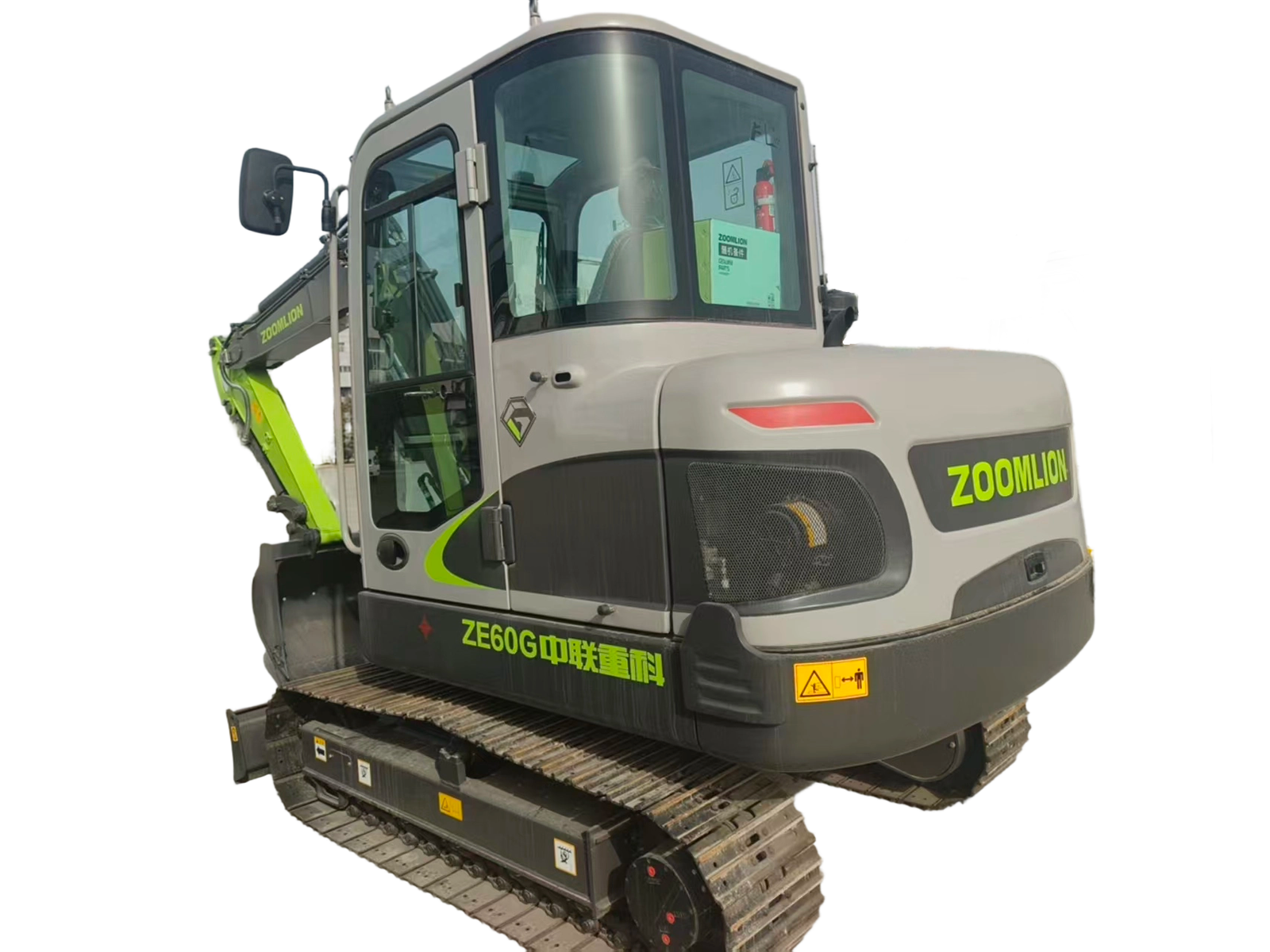
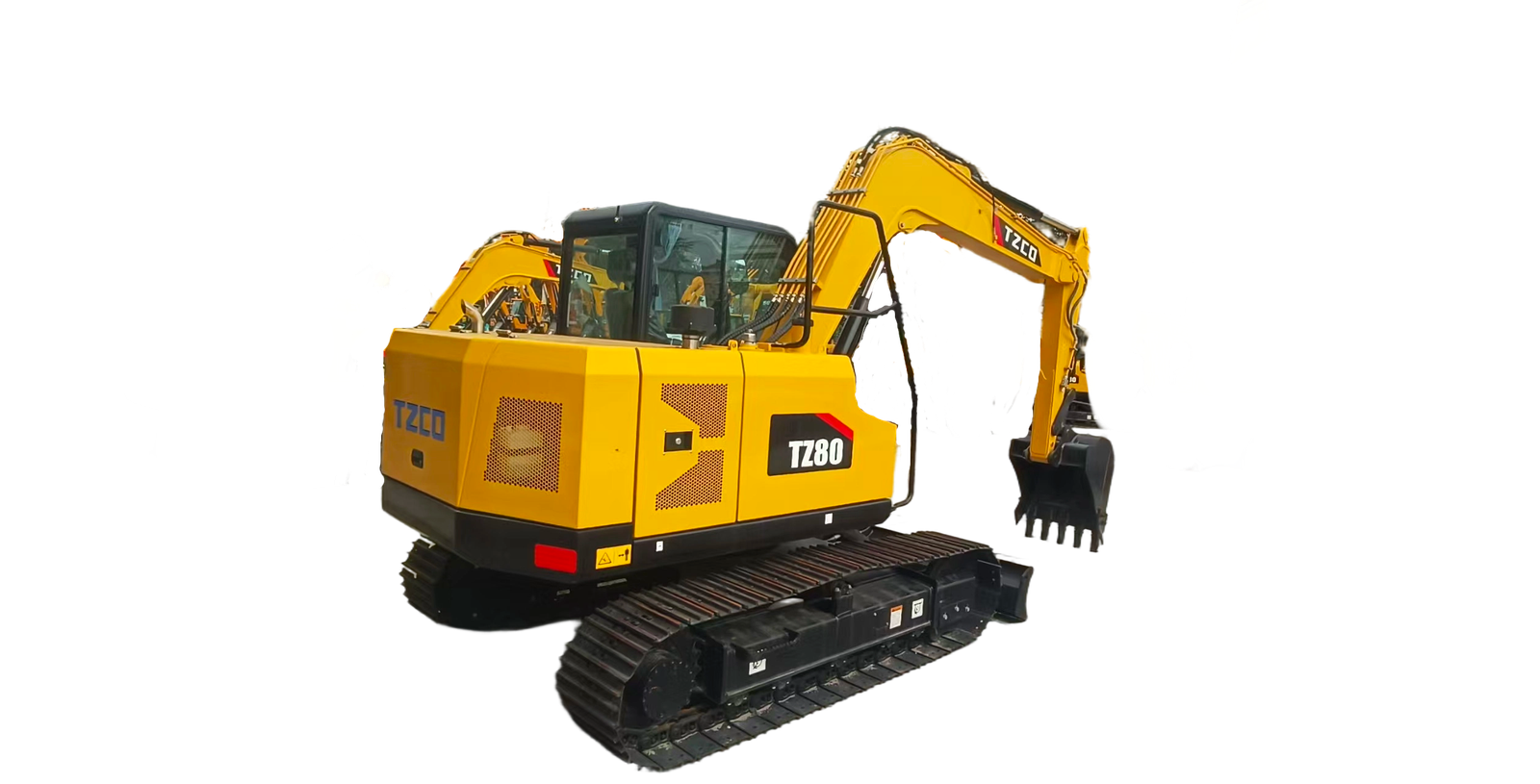
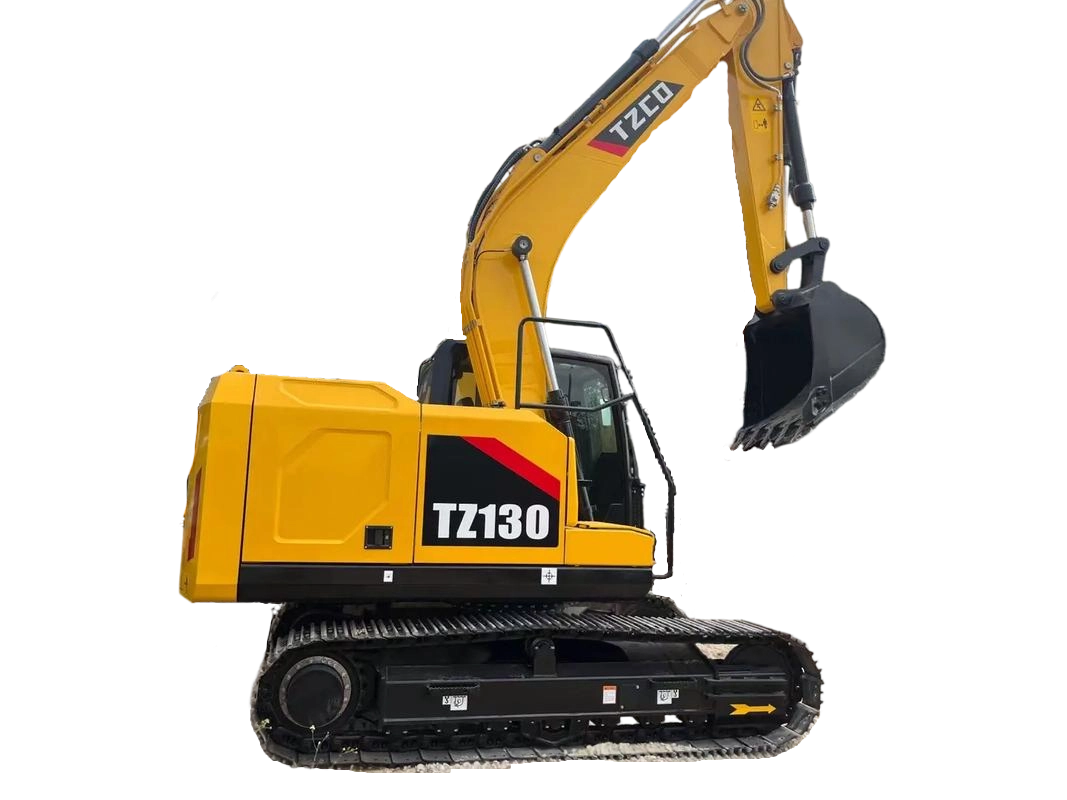
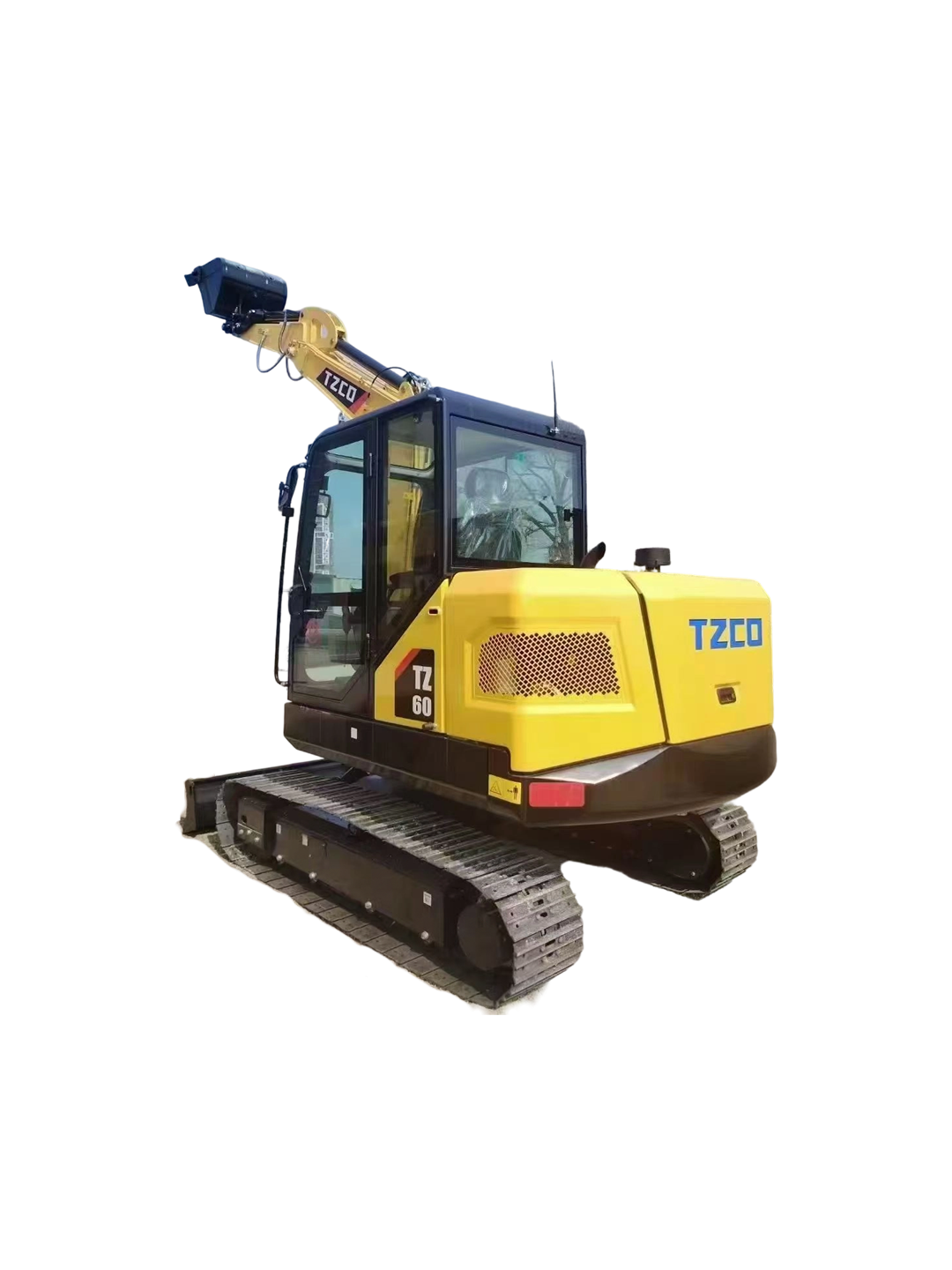
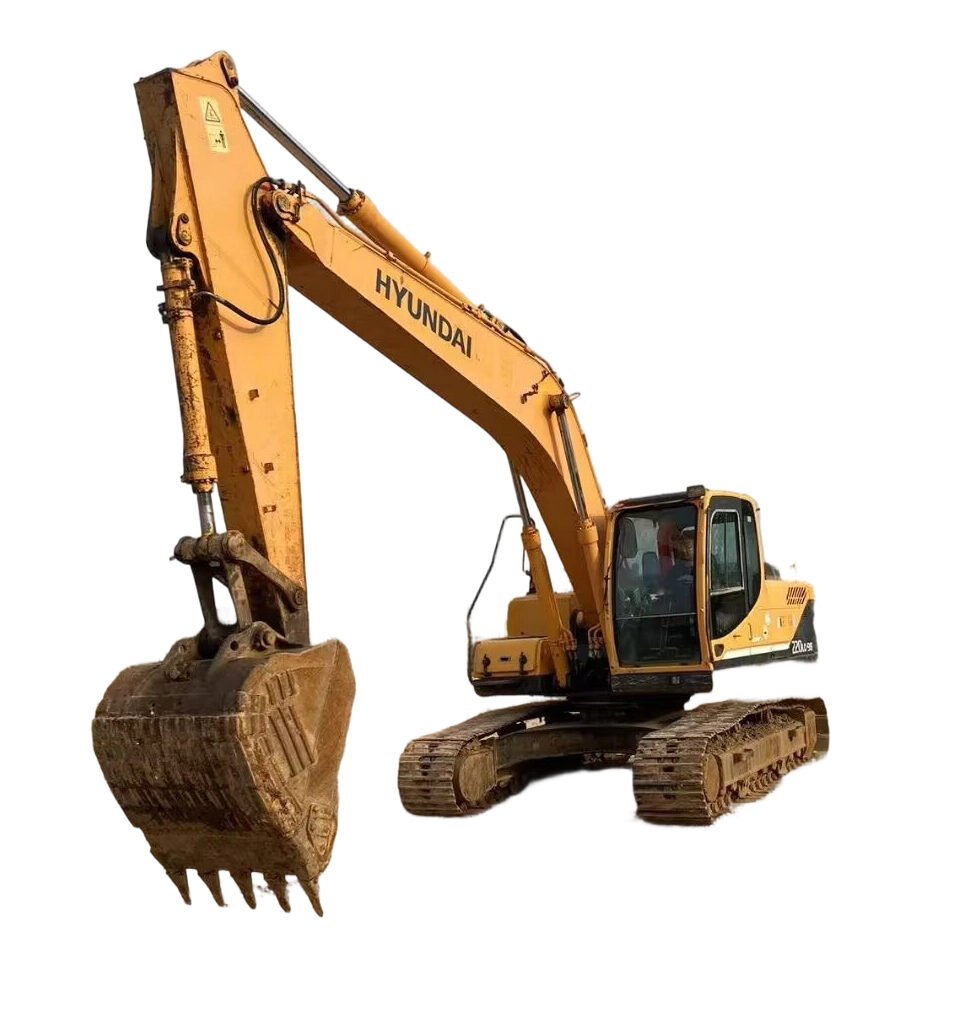
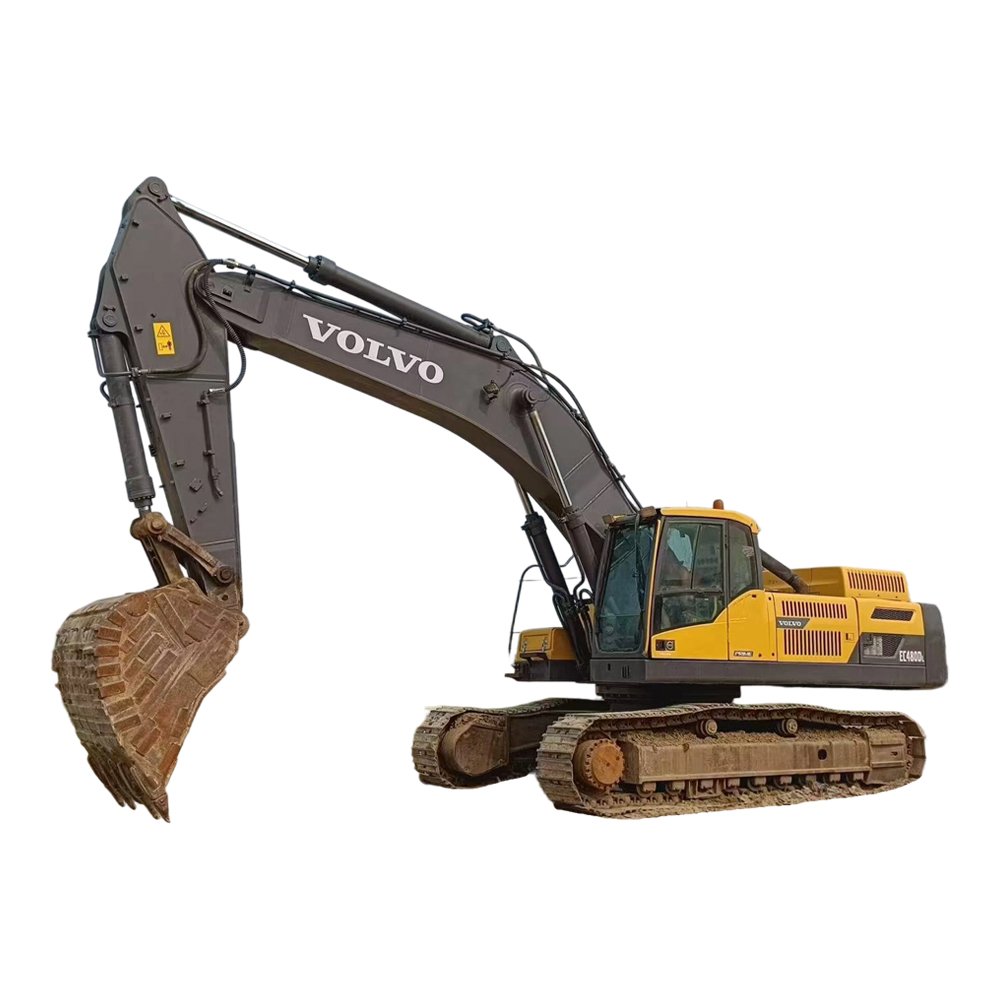
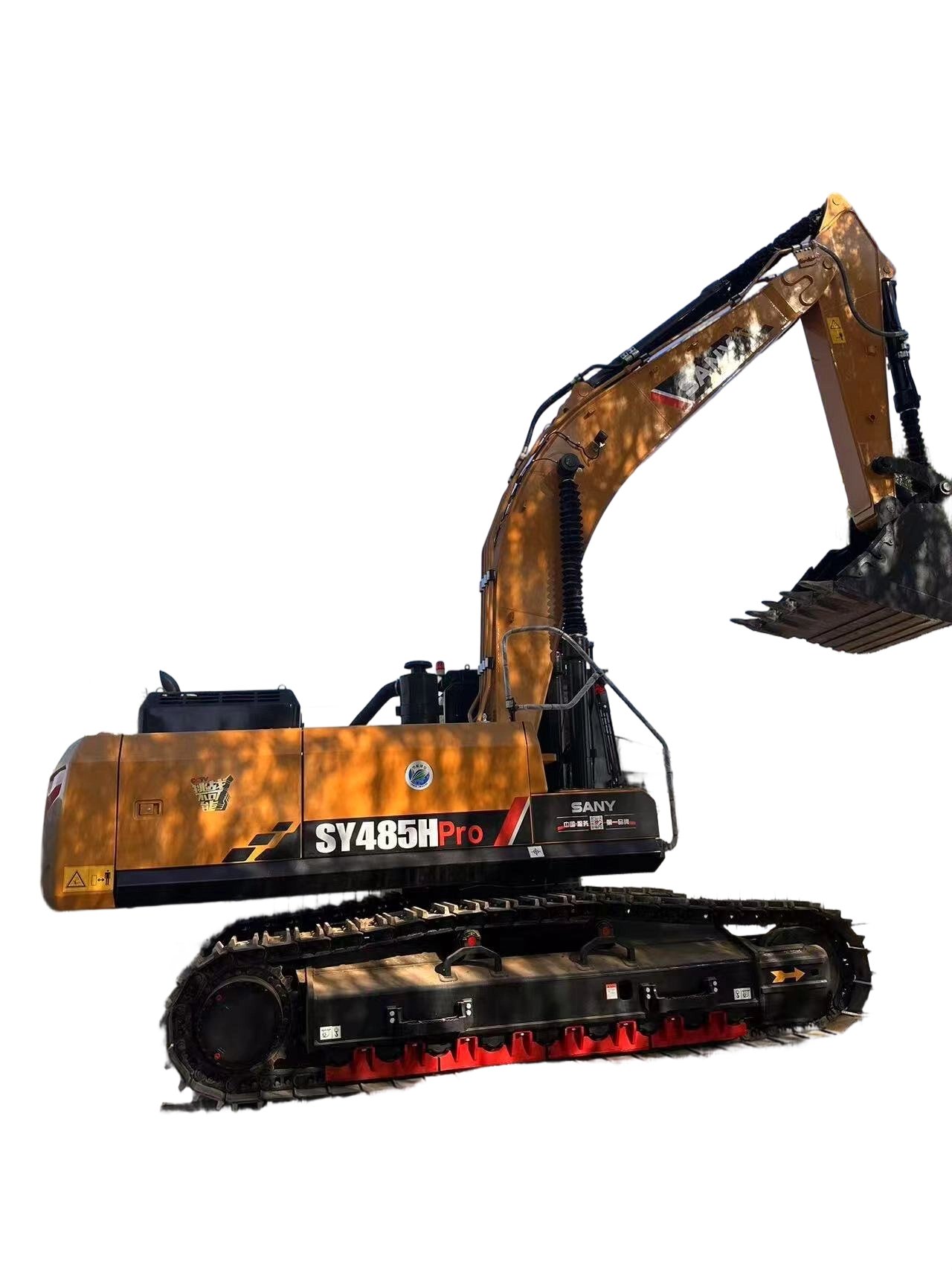
2nd hand excavator Key Factors To Judge Machine Condition When Buying
Jul
Purchasing a 2nd hand excavator can be a practical decision for construction companies, contractors, and small business owners who need reliable equipment while managing project budgets effectively. A used excavator with good working condition can provide excellent productivity for earthmoving, landscaping, road preparation, demolition, and agricultural projects.
However, choosing the right machine requires more than checking appearance or comparing prices. The real value of a second-hand excavator depends on its operating condition, maintenance history, key component performance, and suitability for your specific job requirements.
Before making a purchase, buyers should understand how to evaluate important machine areas, including the engine, hydraulic system, undercarriage, working equipment, and overall operating performance. A careful inspection helps ensure the excavator can handle daily workloads and deliver stable performance on different job sites.
For buyers who need professional support when selecting used construction equipment, suppliers such as THBSMN provide experienced guidance and access to inspected excavator options for different applications.
Check Engine Performance and Operating Stability
The engine is one of the most important parts of any excavator because it directly affects working efficiency and fuel consumption. When evaluating a second-hand excavator, buyers should pay close attention to engine starting performance, sound, exhaust condition, and operating stability.
A well-maintained engine should start smoothly and maintain consistent power during different working conditions. During inspection, it is important to observe whether the engine responds properly when the excavator performs digging, lifting, or traveling operations.
Construction projects often require machines to work for many hours every day. For example, a contractor using an excavator for foundation digging needs reliable engine performance to maintain project schedules. A machine that performs well during inspection is more likely to support long-term productivity.
Checking maintenance records can also provide useful information. Regular servicing, proper oil changes, and professional maintenance usually indicate that the machine has received appropriate care throughout its working life.
Evaluate Hydraulic System Performance Carefully
The hydraulic system is the core power system of an excavator. It controls essential movements such as boom lifting, arm operation, bucket movement, and machine rotation. A strong hydraulic system allows operators to complete tasks smoothly and efficiently.
When inspecting a used excavator, buyers should test different hydraulic functions at the same time. For example, operating the boom, arm, and bucket together can help determine whether the system provides stable power and responsive control.
For landscaping projects, operators often need precise movements when working around existing structures or delicate areas. For large construction sites, strong hydraulic performance helps improve digging efficiency and handling capability.
The hydraulic components should be carefully checked during the evaluation process. A professional inspection can help buyers better understand the machine’s working condition and make more confident purchasing decisions.
Inspect Undercarriage Condition for Long-Term Use
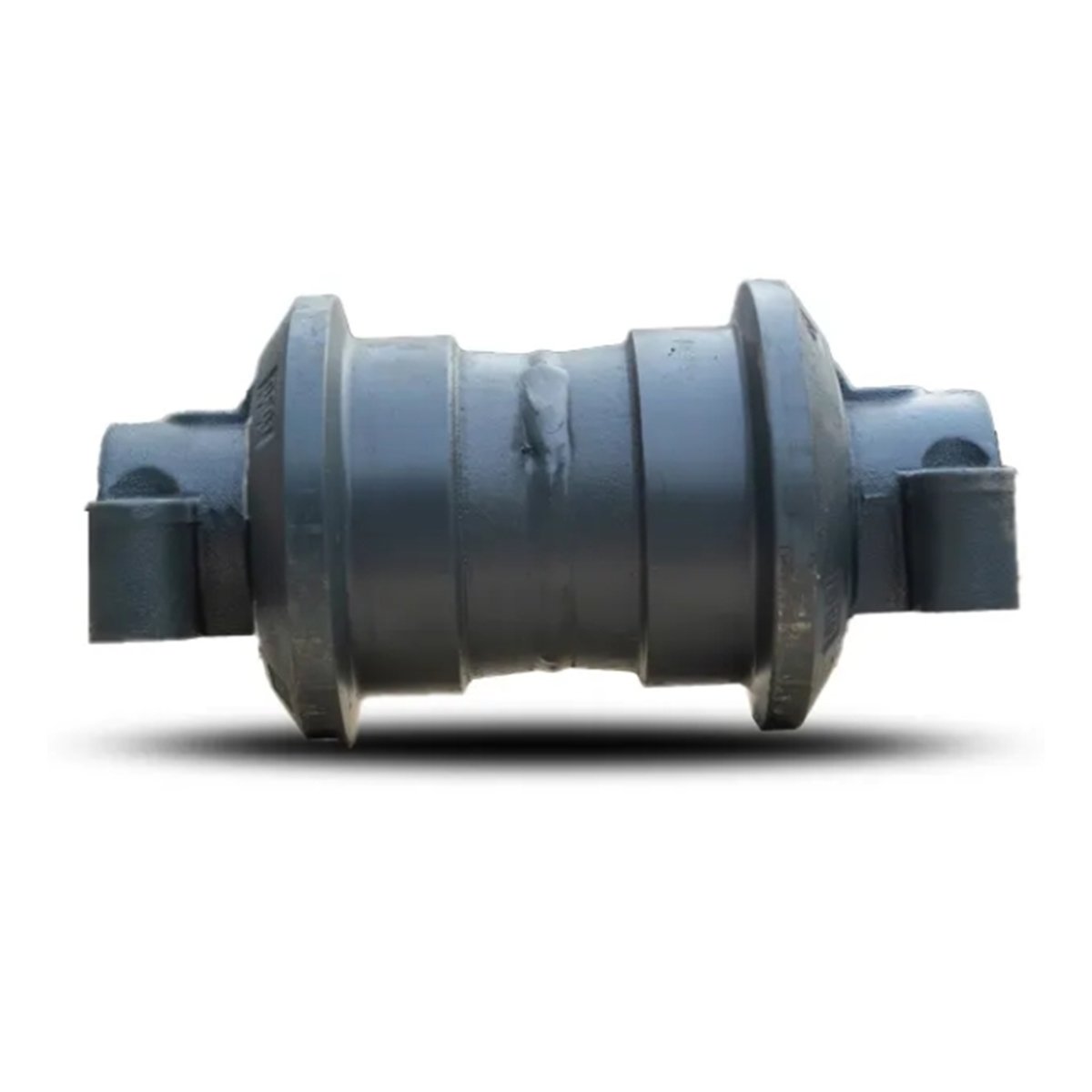
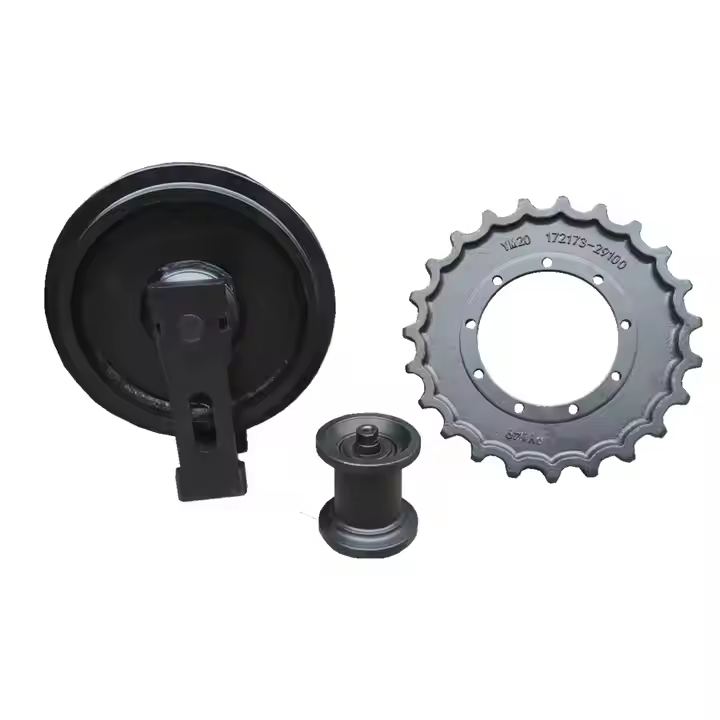
The undercarriage is another important area that directly influences excavator performance. Components such as tracks, rollers, sprockets, and chains experience continuous contact with the working environment, especially on construction sites with uneven ground conditions.
A buyer should carefully examine undercarriage wear because it affects machine stability, movement efficiency, and future operating costs. Excavators used in different industries may experience different levels of wear depending on working conditions.
For example, a machine used for mining-related applications may have different usage characteristics compared with one used for residential landscaping projects. Understanding previous working environments helps buyers judge whether the excavator matches their intended application.
Choosing a machine with a suitable undercarriage condition helps improve job site efficiency and provides better value over the equipment’s remaining service life.
Review Working Attachments and Structural Components
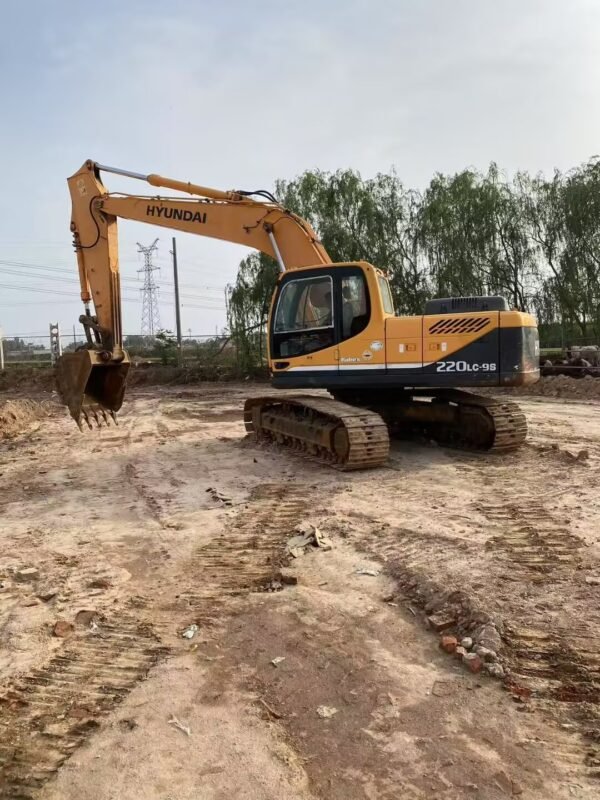
Excavators are often used with different attachments depending on project requirements. Buckets, hydraulic breakers, grapples, and other tools allow machines to perform various tasks.
When buying a second-hand excavator, buyers should inspect the condition of the boom, arm, bucket connection points, and attachment systems. These areas directly influence working accuracy and operational safety.
A construction company working on residential development projects may require precise digging performance, while agricultural users may need equipment suitable for land preparation and drainage work. Selecting an excavator with appropriate working components improves overall efficiency.
A detailed inspection of structural parts also helps buyers understand how the machine has been used. Professional suppliers like THBSMN can help customers identify suitable excavator models according to project requirements and working conditions.
Consider Operating Hours and Maintenance Records
Operating hours are an important reference when evaluating a used excavator, but they should not be considered the only factor. A machine with proper maintenance and professional operation can continue providing reliable performance even after significant working hours.
Maintenance records provide valuable information about how the excavator has been managed. Buyers should review service history, replacement records, and previous usage details whenever possible.
For contractors, understanding the machine’s background helps reduce uncertainty when planning future projects. A properly maintained excavator can support different applications, from construction and landscaping to infrastructure development.
Professional equipment suppliers usually provide detailed information about machine conditions, helping buyers make decisions based on practical needs rather than appearance alone.
Match Excavator Size With Your Project Requirements
Selecting the correct excavator size is essential for improving work efficiency. A machine that is too large may not be practical for smaller projects, while a machine that is too small may not provide enough working capability for demanding tasks.
Before purchasing, buyers should consider factors such as job site size, digging depth, transportation requirements, and attachment needs.
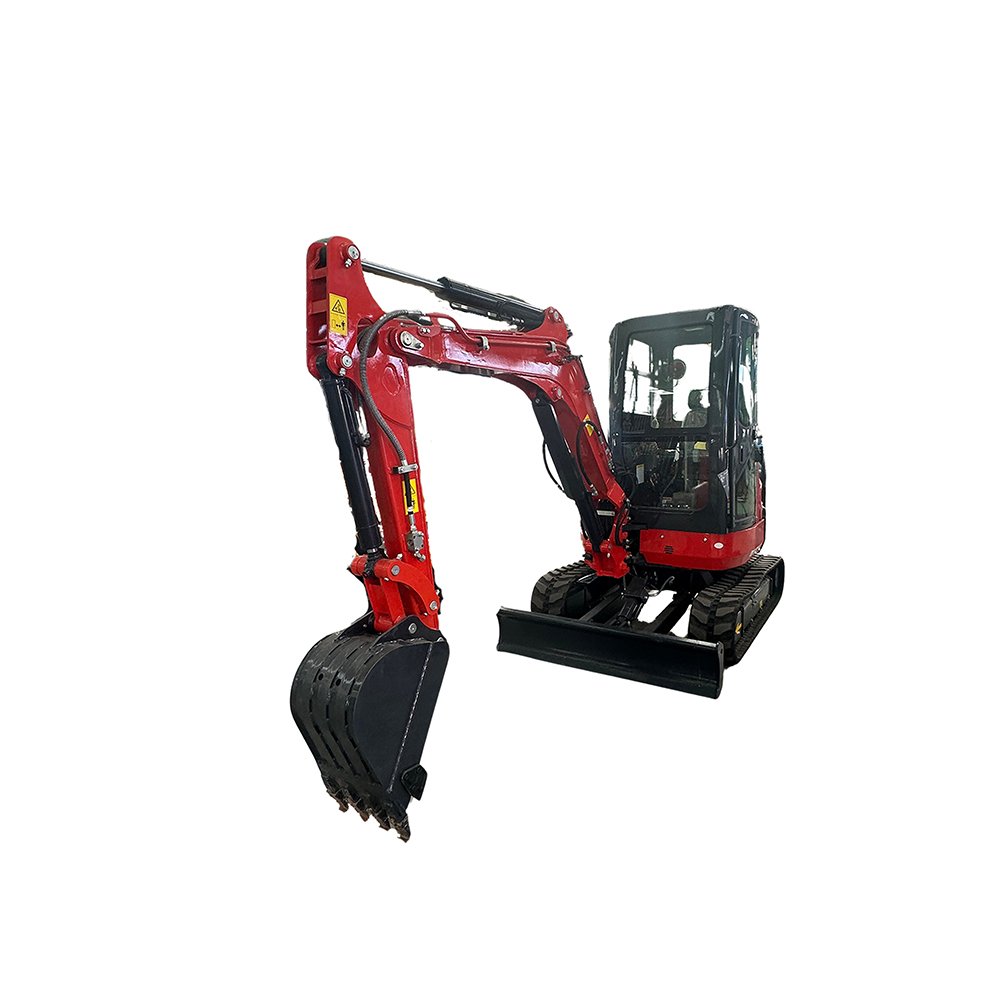
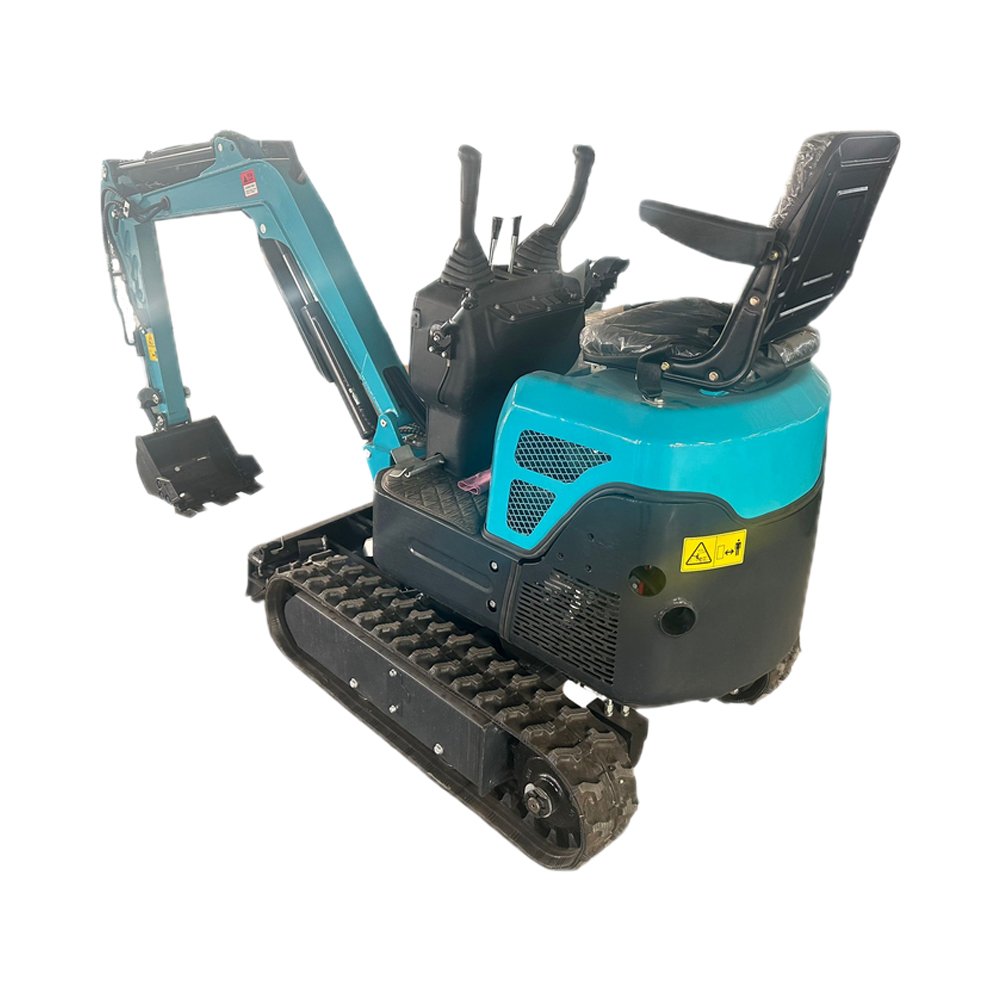
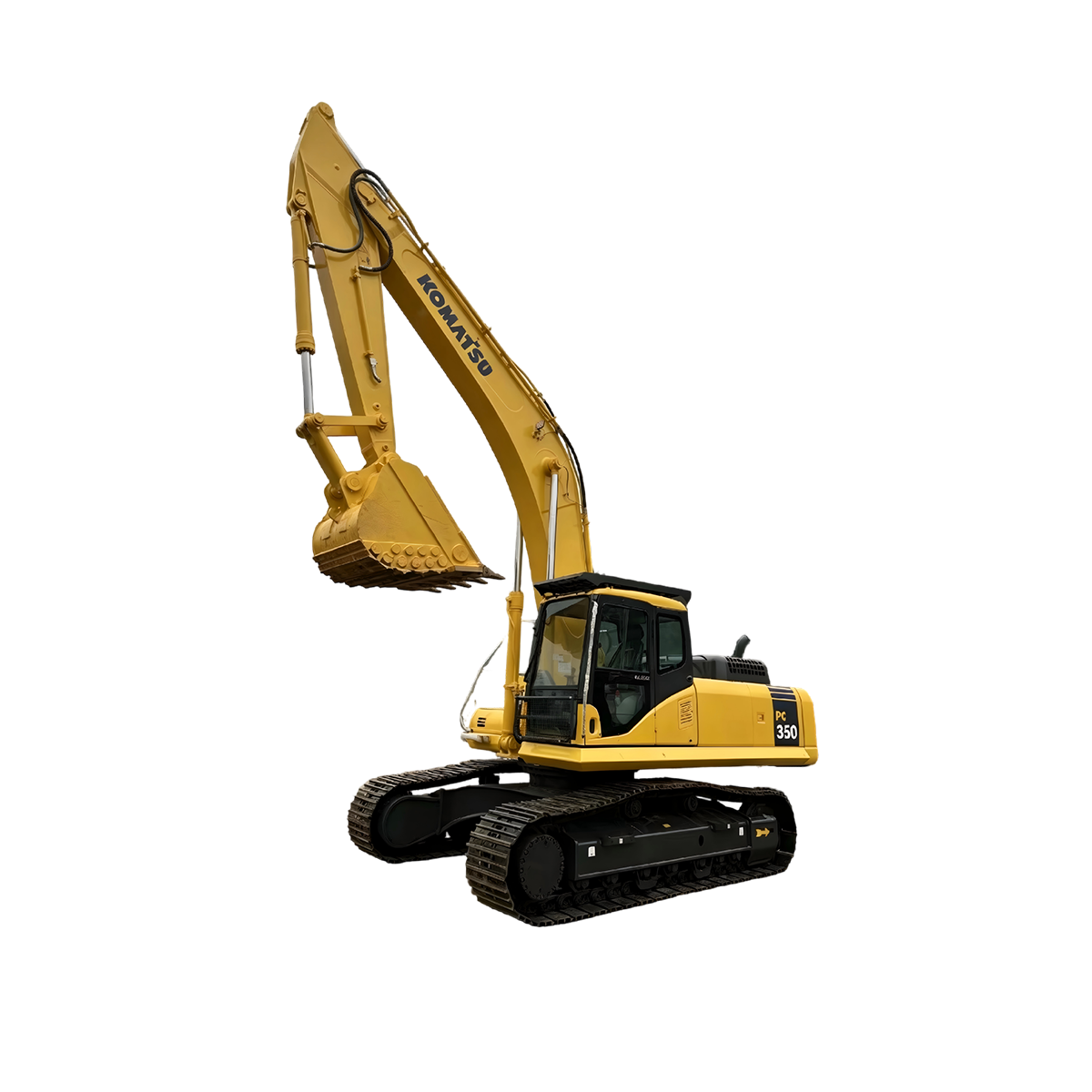
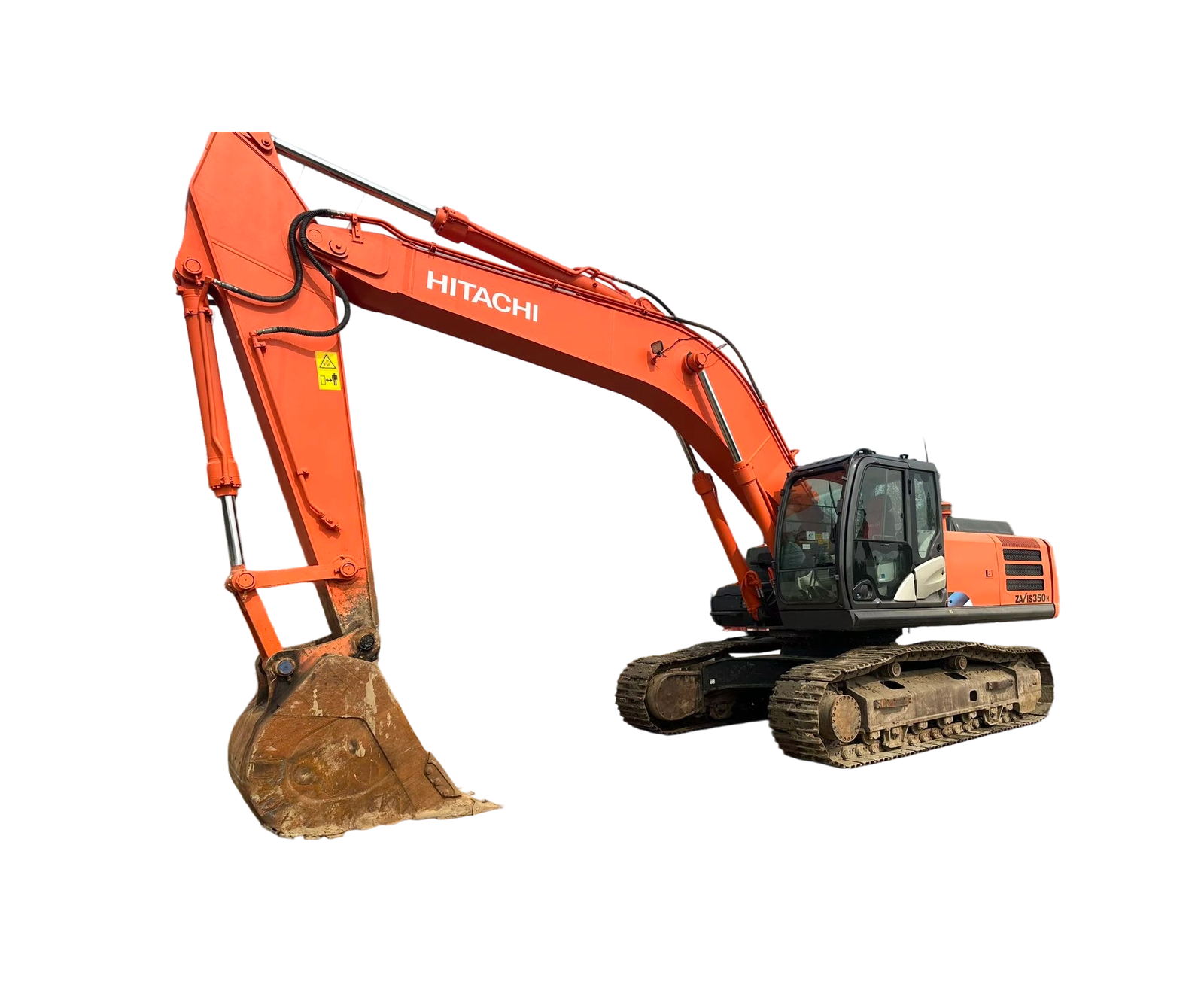
For example, a small contractor handling garden construction and utility work may benefit from a compact excavator with flexible operation. A larger construction company working on commercial projects may require stronger digging capacity and higher productivity.
THBSMN offers different used excavator solutions to support various application requirements, helping customers choose equipment that matches their operational goals.
Make a Smart Purchase Decision Through Professional Evaluation
Buying a 2nd hand excavator is a major investment decision. Taking time to inspect important components, understand machine history, and evaluate project requirements can help buyers select equipment with better performance and value.
A reliable excavator should provide stable operation, efficient productivity, and adaptability for different working environments. By focusing on actual machine condition rather than only appearance, buyers can make more informed choices.
Working with an experienced supplier can simplify the purchasing process. THBSMN supports customers by providing used excavator solutions designed around practical construction needs, helping businesses find suitable machines for their projects.
With careful evaluation and professional support, a 2nd hand excavator can become a valuable asset that supports construction work, improves efficiency, and delivers long-term operational benefits.