








Industry News
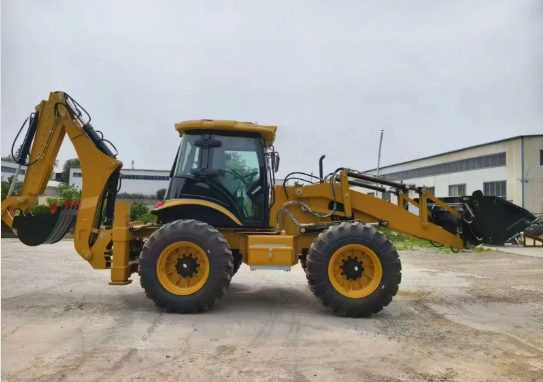
Backhoe Wheel Loader Low Failure Rate Reduce Unnecessary Downtime Loss
Jul
In modern construction, agriculture, municipal engineering, and infrastructure development, equipment reliability directly affects project progress and operational efficiency. A backhoe wheel loader is often expected to perform multiple tasks every day, including digging, loading, transporting materials, trenching, and site preparation. When machinery operates continuously under different working conditions, stability and reliability become essential factors for business success.
For contractors and equipment owners, reducing unnecessary downtime is not only about avoiding repair interruptions. It also helps maintain project schedules, improve workforce efficiency, and achieve better cost control. A reliable backhoe wheel loader allows operators to complete daily tasks with greater confidence and supports smoother workflow management.
Choosing equipment with a low failure rate requires attention to engineering quality, component performance, maintenance design, and supplier experience. Companies that invest in dependable machinery can achieve better long-term value by improving equipment availability and reducing unexpected operational disruptions.
How Low Failure Rate Design Supports Daily Operations
Construction sites often involve complex environments, including uneven ground, heavy materials, changing weather conditions, and long working hours. A backhoe wheel loader must maintain stable performance while handling different tasks throughout the day.
A machine designed with reliable components and efficient systems can reduce unnecessary interruptions during operation. For example, when contractors work on road projects, they often need equipment that can switch between excavation and material loading quickly. Stable machine performance helps operators maintain productivity without frequent adjustments.
The design of key systems, including the engine, hydraulic system, transmission, and structural components, influences overall equipment reliability. Balanced engineering helps the machine handle regular workloads while maintaining consistent performance.
For businesses managing multiple construction projects, reliable equipment also makes scheduling easier. When machinery can operate efficiently according to planned timelines, project managers can better allocate workers, materials, and transportation resources.
Reducing Downtime Costs In Construction Projects
Downtime creates challenges beyond equipment repair. When a backhoe wheel loader is unavailable, project progress may slow down, affecting multiple activities connected to the same workflow.
For example, in commercial construction, excavation work often needs to be completed before foundation installation, underground utilities, and landscaping activities can continue. A dependable loader helps maintain project continuity by supporting timely completion of essential tasks.
In agricultural applications, equipment reliability is equally important. Farmers and land development companies often rely on machinery for land preparation, drainage construction, and material handling. Reliable operation helps ensure that seasonal projects can move forward according to planned schedules.
Reducing downtime allows businesses to maximize equipment utilization. Instead of spending additional resources managing unexpected interruptions, companies can focus on improving productivity and completing projects more efficiently.
Choosing Equipment Based On Real Working Conditions
Selecting the right backhoe wheel loader requires understanding the specific requirements of each application. Different projects may involve different materials, working environments, and operating schedules.
For urban construction, equipment flexibility and maneuverability are often important because work areas may have limited space. A practical backhoe wheel loader should provide efficient digging and loading capabilities while adapting to various site conditions.
For larger infrastructure projects, businesses may focus more on continuous operation capability and overall productivity. Equipment selection should consider workload intensity, transportation needs, and expected operating hours.
Professional suppliers can provide valuable guidance by helping customers evaluate equipment specifications according to actual project requirements. THBSMN offers backhoe wheel loader solutions designed for businesses looking for reliable construction equipment and practical operational performance.
Maintenance-Friendly Design Improves Equipment Availability
Regular maintenance plays an important role in keeping construction equipment operating efficiently. A well-designed backhoe wheel loader should allow easier inspection, servicing, and daily management.
Equipment with accessible maintenance points helps operators and technicians complete routine checks more efficiently. Monitoring important areas such as hydraulic performance, engine condition, and working components allows businesses to maintain stable operation.
For equipment owners, maintenance planning is an important part of long-term cost management. Preventive care helps maintain machine performance and supports consistent project execution.
Reliable suppliers also understand that equipment value extends beyond the initial purchase. Providing machines with practical maintenance features helps customers manage ownership more effectively throughout the equipment lifecycle.
Supporting Multiple Industries With Versatile Performance
One reason backhoe wheel loaders are widely used is their ability to handle different applications. Their combination of digging and loading functions makes them suitable for various industries.
In construction, they support foundation work, material transportation, trench excavation, and site preparation. In agriculture, they assist with land improvement, irrigation projects, and farm infrastructure development. In municipal projects, they help maintain roads, drainage systems, and public facilities.
This versatility allows businesses to improve equipment utilization. Instead of using specialized machines for every individual task, a multifunctional backhoe wheel loader can support a wider range of daily operations.
For companies looking to improve productivity, selecting equipment that matches multiple working scenarios can create stronger investment value.
Building Long-Term Business Value With Reliable Equipment
Heavy equipment is a long-term investment, and reliability is one of the most important factors affecting return on investment. A backhoe wheel loader with stable performance helps businesses reduce operational uncertainty and maintain consistent project progress.
When evaluating equipment options, companies should consider not only purchase cost but also productivity, maintenance requirements, working efficiency, and long-term usability.
Working with an experienced supplier can help businesses make better equipment decisions. THBSMN provides backhoe wheel loader options with a focus on practical applications, helping customers select equipment suitable for different industries and operating environments.
Reliable machinery creates more than operational convenience. It supports better project planning, improves resource management, and helps companies build stronger competitiveness in the construction and engineering markets.
Creating More Efficient Operations With Reliable Backhoe Wheel Loaders
As construction requirements continue to evolve, equipment reliability has become increasingly important for businesses seeking stable growth. A low failure rate backhoe wheel loader helps reduce unnecessary downtime, improve productivity, and support smoother daily operations.
From construction sites to agricultural projects and municipal applications, dependable equipment provides long-term value by helping businesses complete work more efficiently.
By selecting suitable machinery, maintaining proper service practices, and partnering with experienced suppliers, companies can create more efficient operating systems and achieve better results from their equipment investment.