








Industry News
Best Second Hand Excavator Buying Guide
May
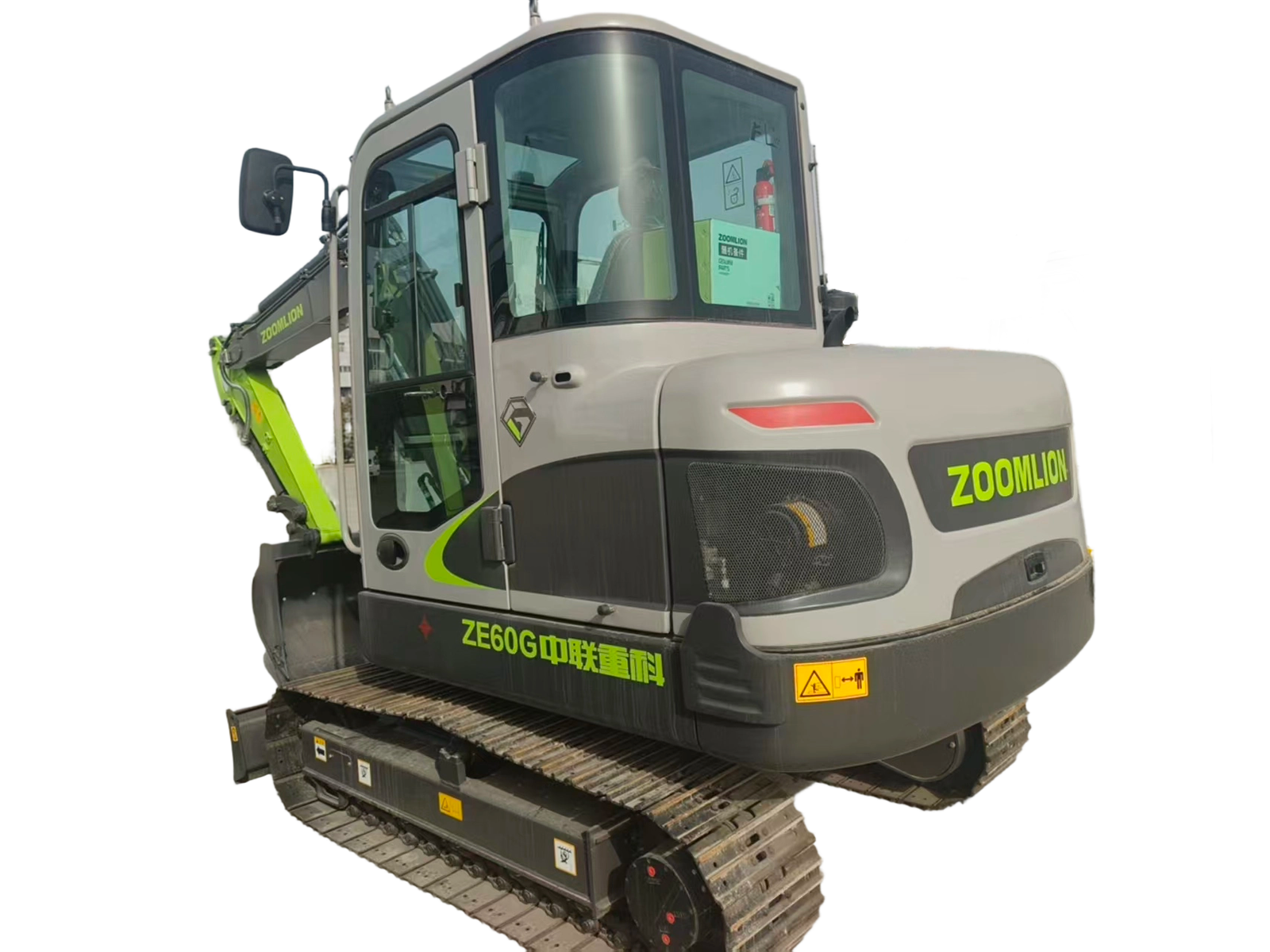
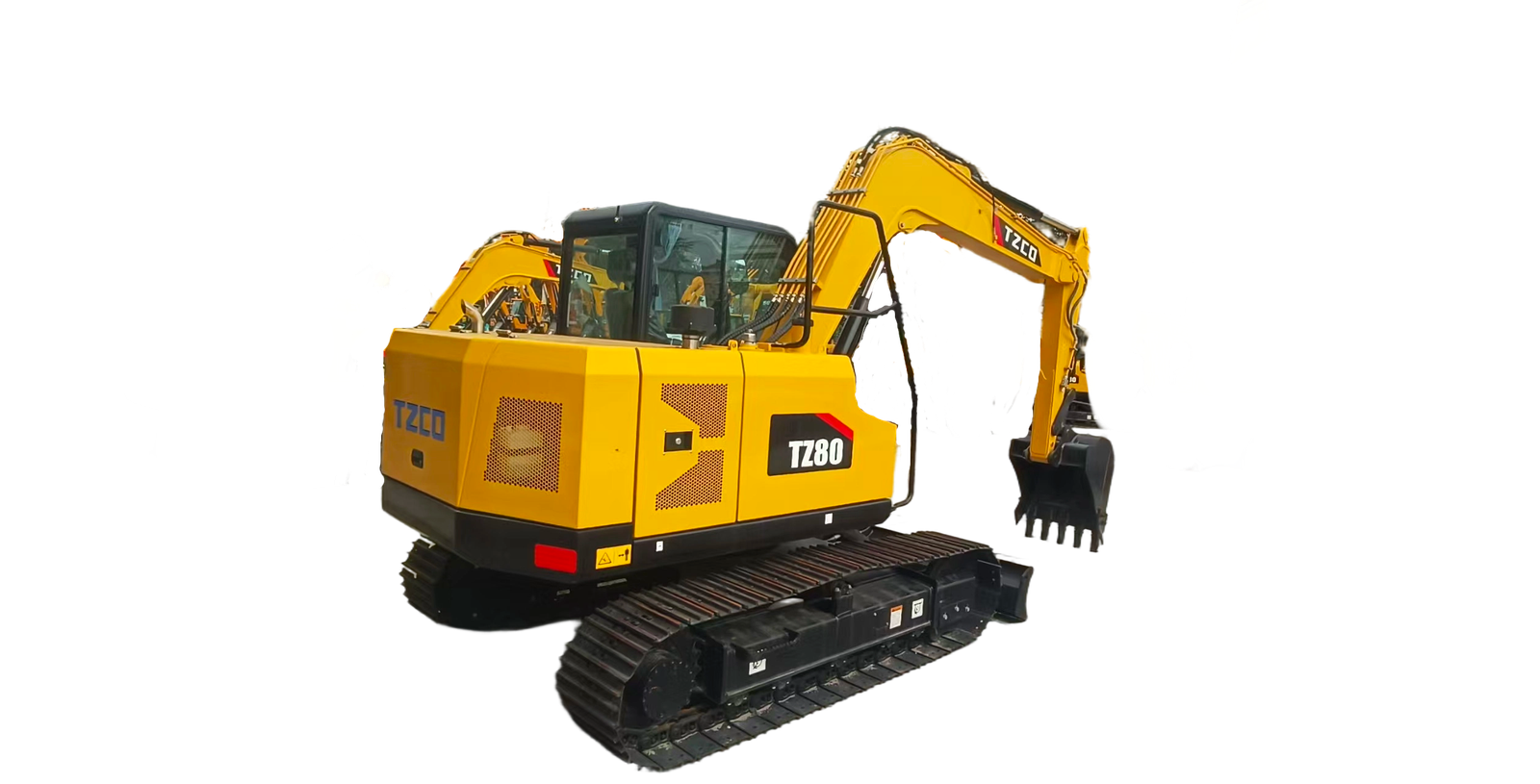
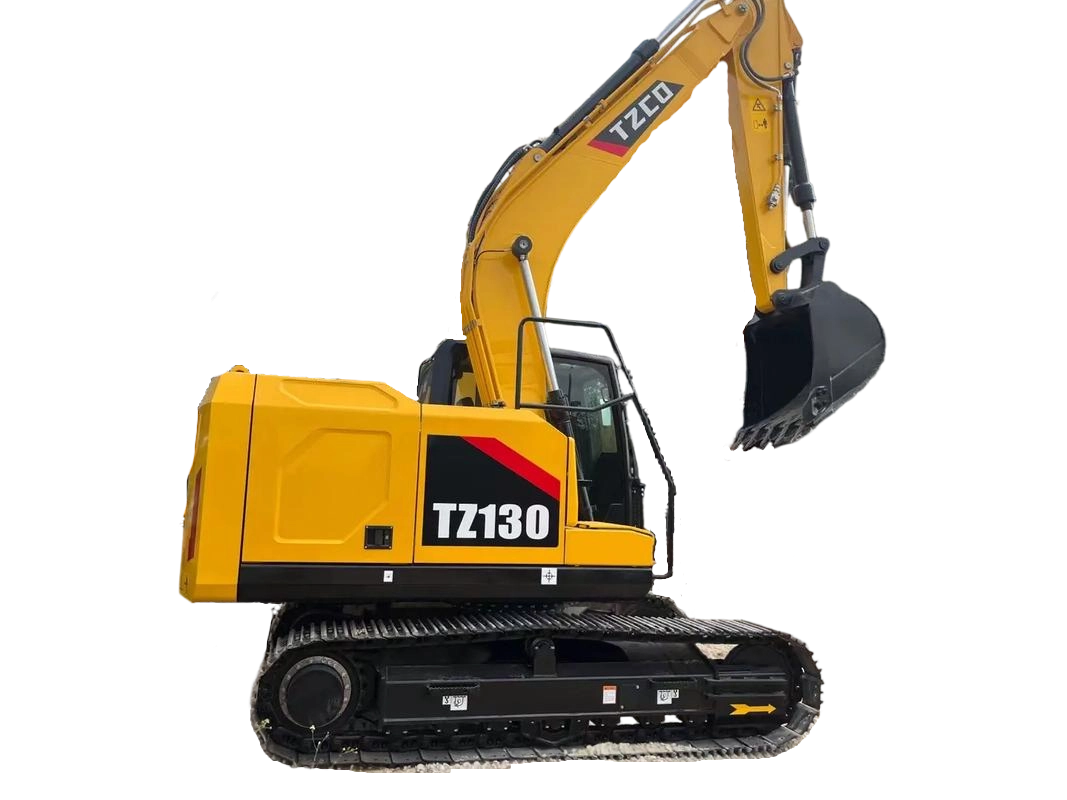
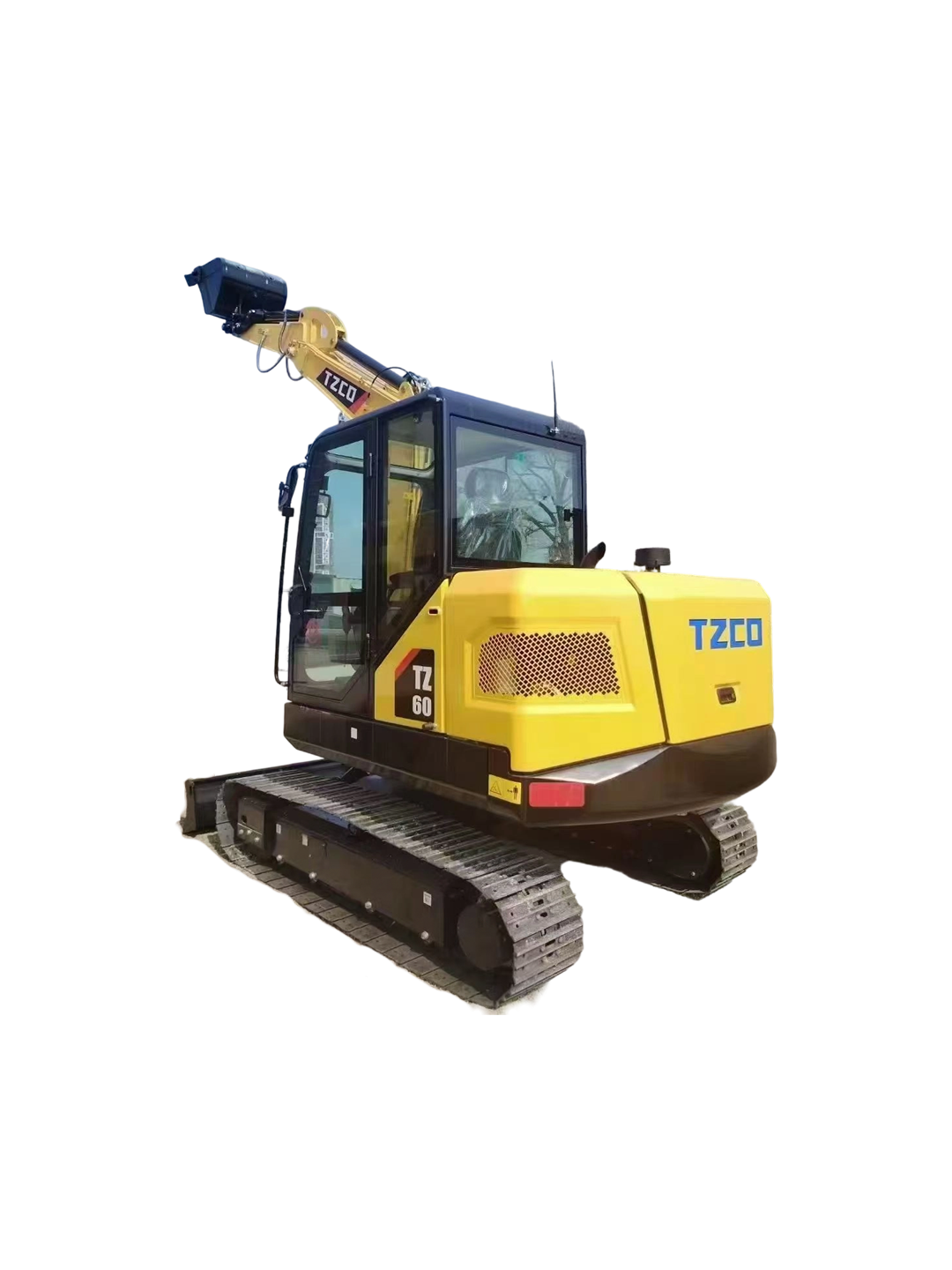
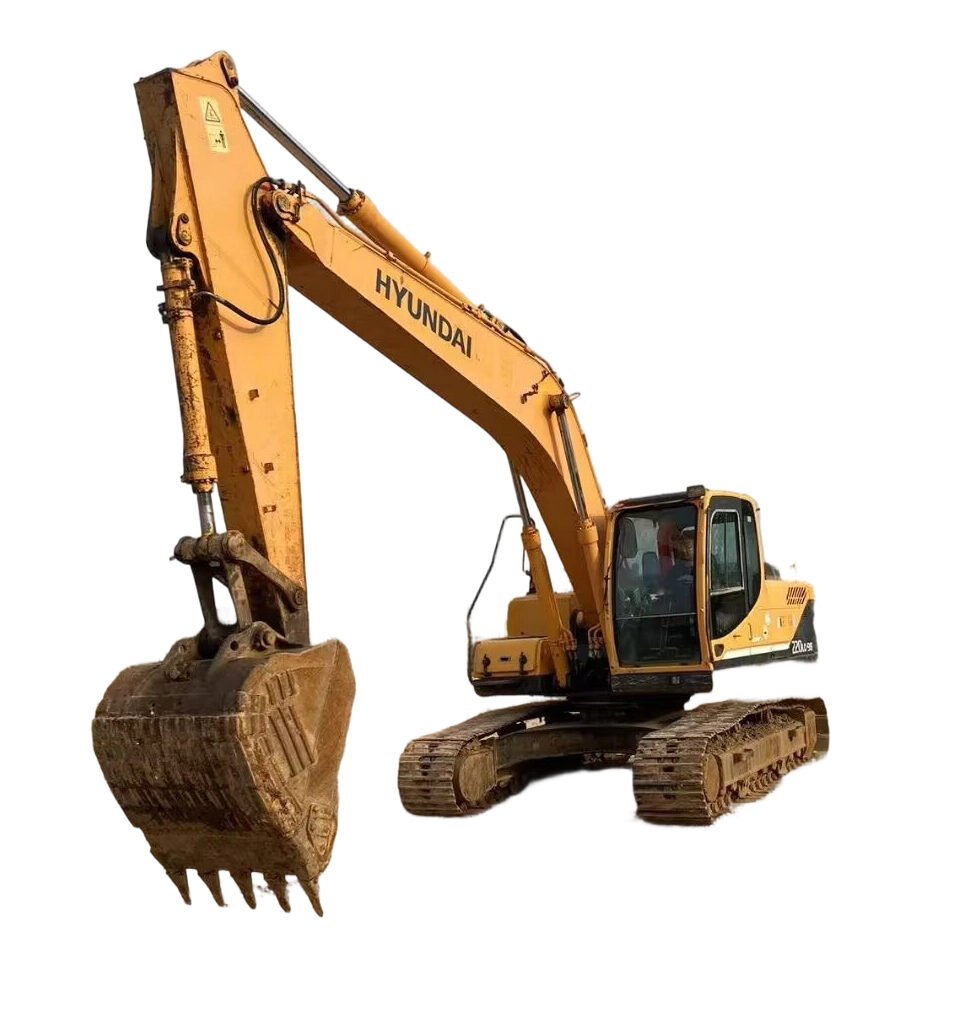
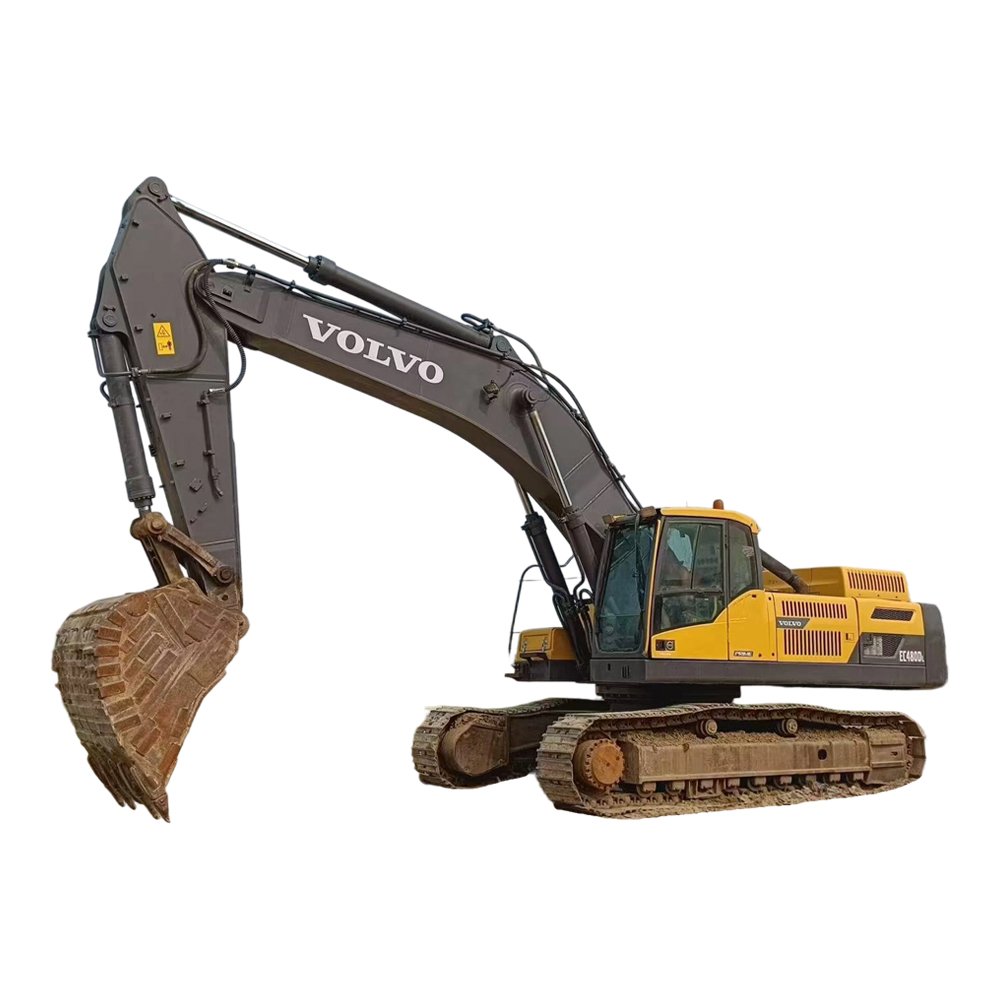
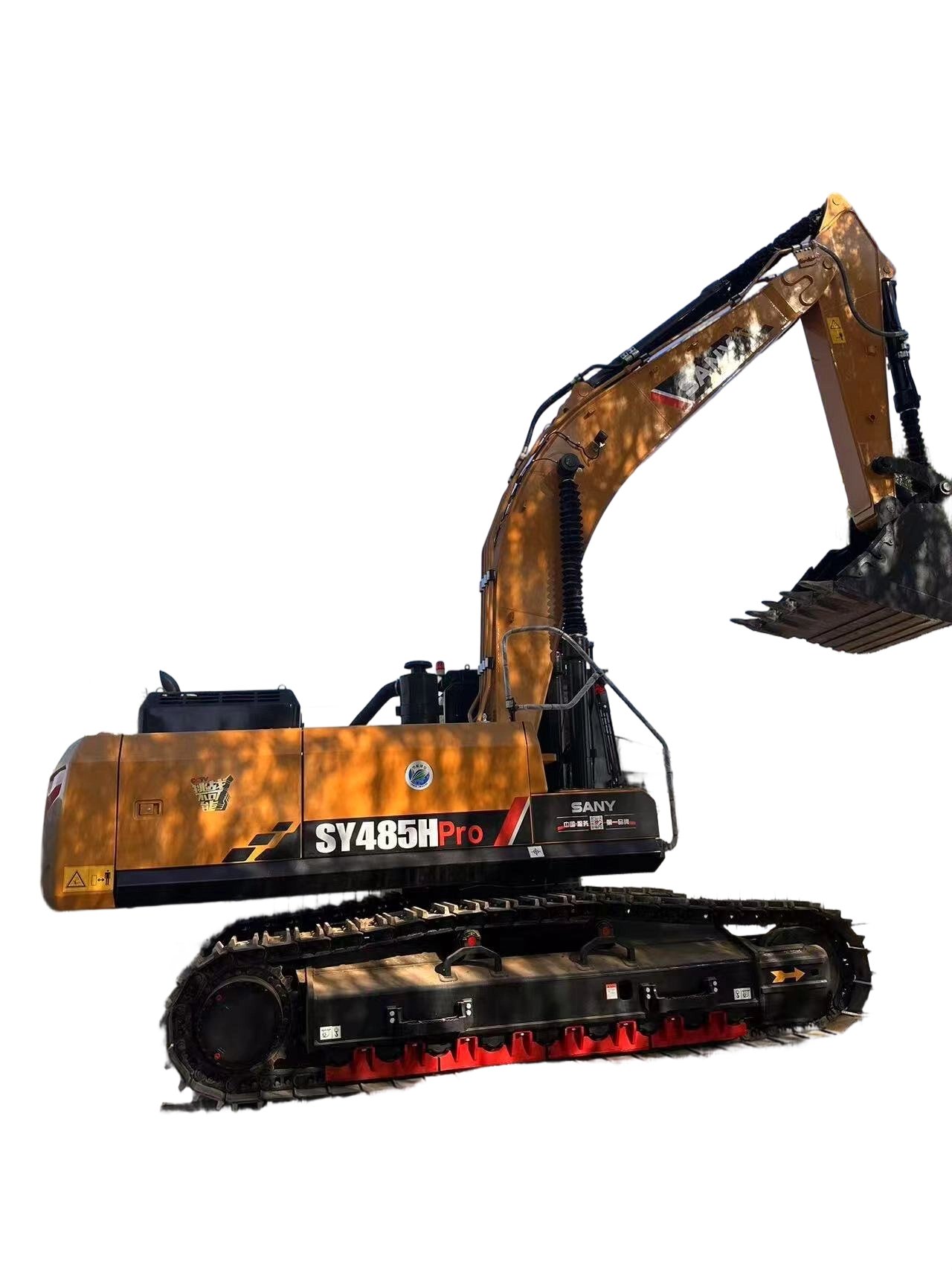
The demand for second hand excavators continues to grow across construction, mining, agriculture, landscaping, and infrastructure industries. Businesses and independent contractors are increasingly choosing used excavators because they provide excellent value, reliable performance, and lower upfront investment costs compared to new equipment. A well-maintained second hand excavator can deliver years of productive service while helping companies manage budgets more efficiently.
However, selecting the right used excavator requires careful evaluation and industry knowledge. Buyers must consider machine condition, operating hours, maintenance history, hydraulic performance, and application requirements before making a purchase decision. This comprehensive buying guide explains the key factors to consider when choosing the best second hand excavator for your business needs.
Why Choose a Second Hand Excavator
Second hand excavators offer numerous advantages for businesses seeking cost-effective heavy equipment solutions. Purchasing used machinery allows companies to expand their fleets while minimizing capital expenditures.
One of the primary benefits is affordability. Used excavators are generally available at significantly lower prices than new machines, making them accessible for small businesses and growing contractors. Lower depreciation rates also make second hand equipment a financially practical investment.
Additional benefits include:
• Faster equipment availability
• Lower insurance costs
• Reduced financing pressure
• Proven operational performance
• Wider equipment selection
Many modern excavators are designed for long operational lifespans. With proper maintenance, a quality second hand excavator can continue performing efficiently for thousands of working hours.
Understanding Excavator Types
Before purchasing a used excavator, buyers should understand the different excavator categories available on the market. Choosing the correct type depends on job site conditions, project scale, and operational requirements.
Common excavator types include:
• Mini excavators
• Medium excavators
• Large excavators
• Wheeled excavators
• Long reach excavators
• Crawler excavators
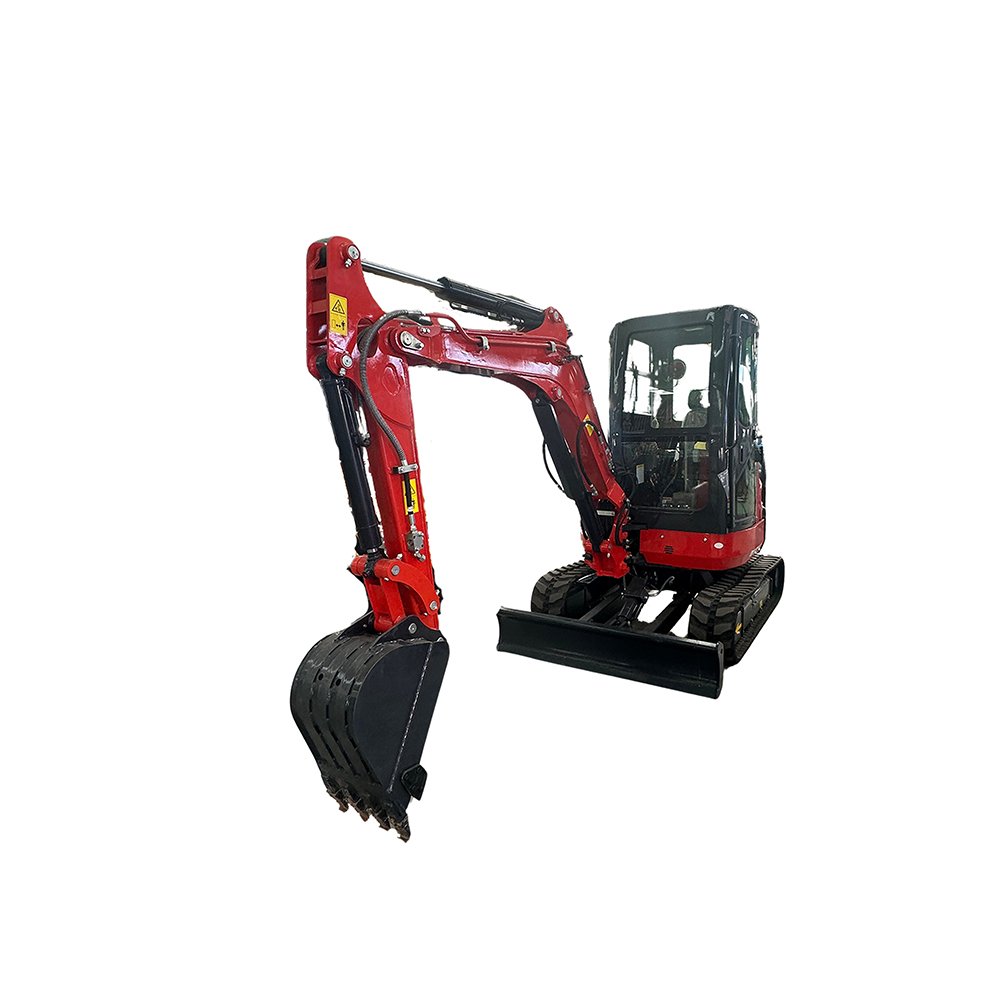
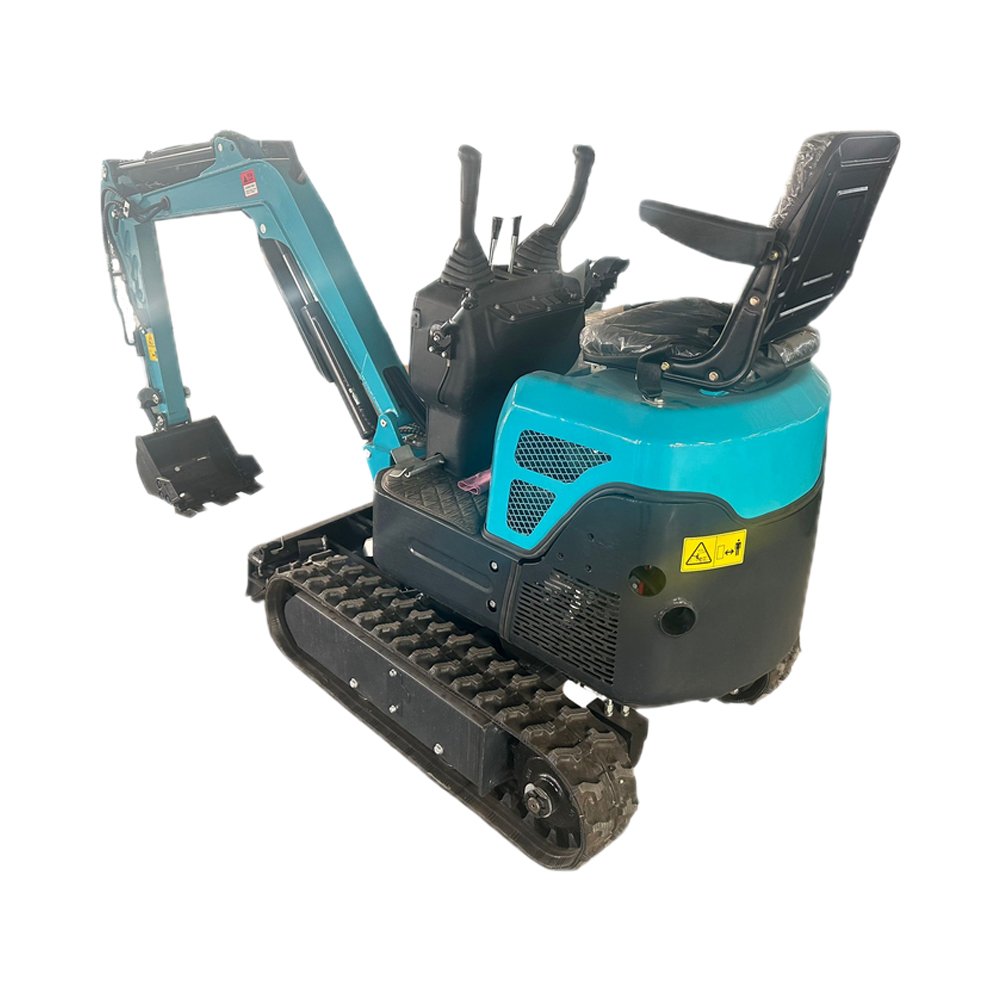
Mini excavators are highly suitable for compact urban projects, landscaping, and residential work due to their small footprint and maneuverability. Medium and large excavators are commonly used for construction, mining, and infrastructure projects requiring higher digging capacity.
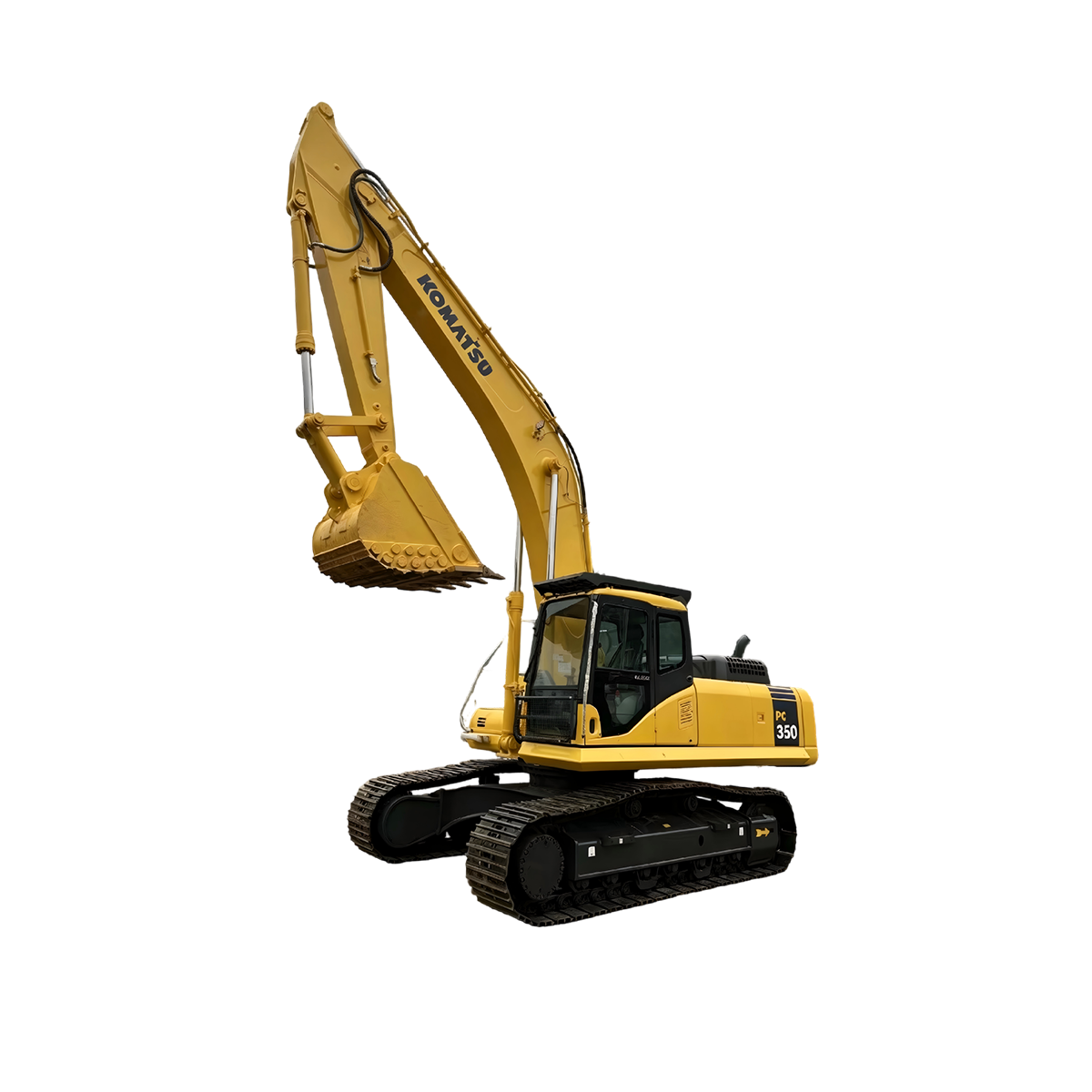
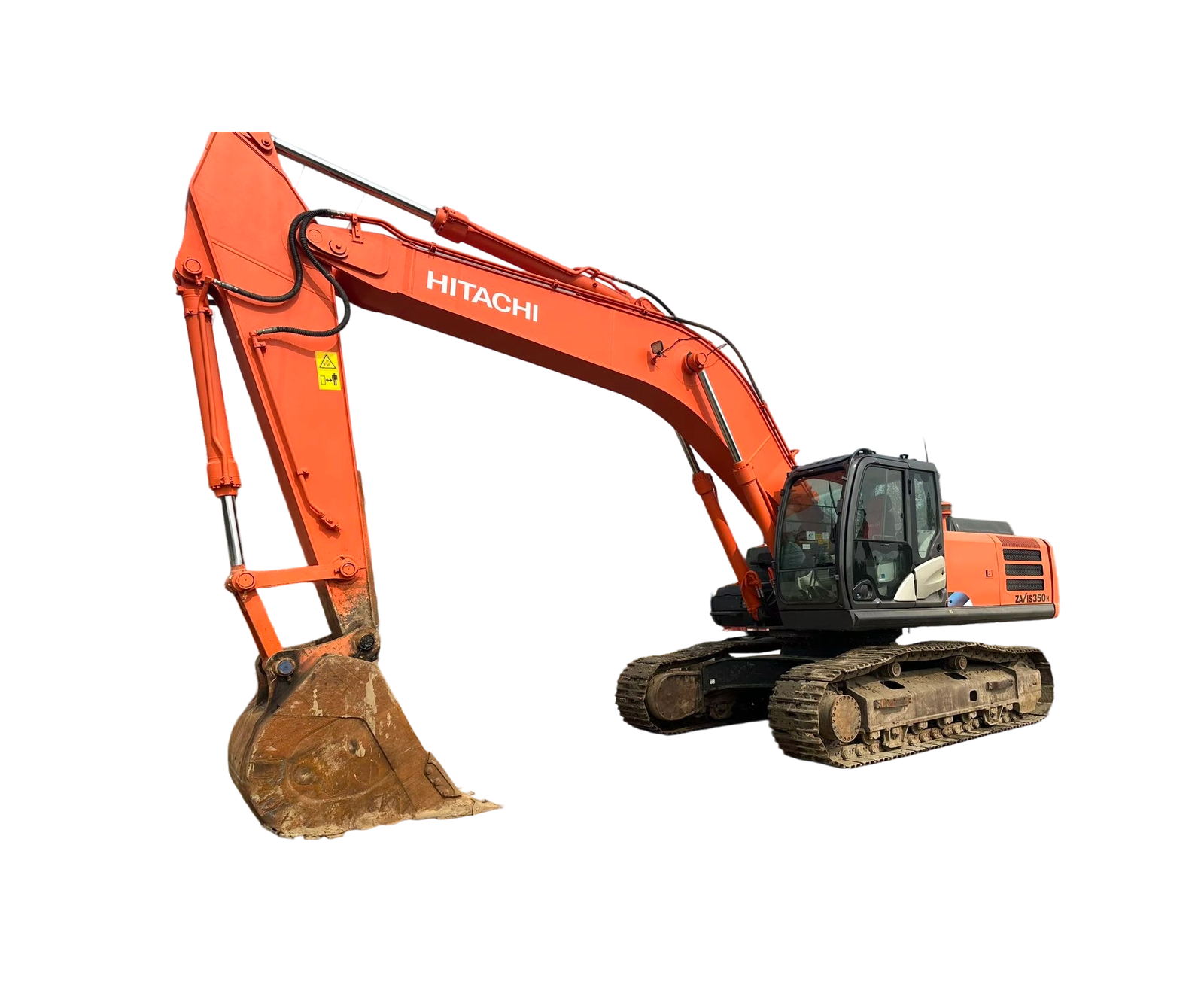
Crawler excavators provide excellent stability on rough terrain, while wheeled excavators are preferred for projects requiring greater mobility on paved surfaces.
Evaluating Operating Hours
Operating hours are one of the most important indicators of a used excavator’s condition. Similar to mileage on a vehicle, excavator hours reflect machine usage over time.
Lower operating hours often indicate less wear on critical components such as:
• Engine systems
• Hydraulic pumps
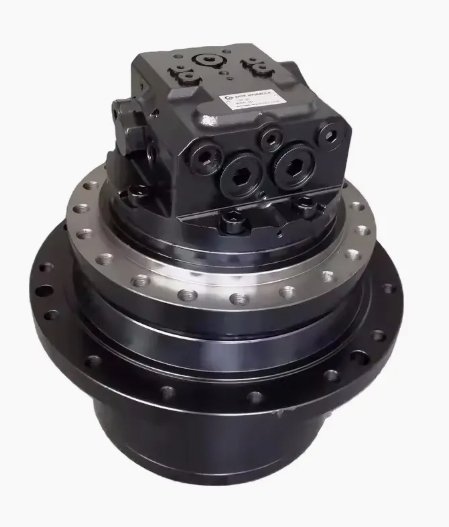
• Travel motors
• Swing bearings
• Undercarriage components
However, operating hours should not be evaluated alone. A higher-hour excavator with excellent maintenance records may perform better than a poorly maintained low-hour machine.
Buyers should compare operating hours with the machine’s age, service history, and overall physical condition to gain a more accurate assessment of remaining operational life.
Inspecting the Hydraulic System
The hydraulic system is one of the most critical components of any excavator. Strong hydraulic performance directly affects digging power, lifting capability, and machine efficiency.
When inspecting a second hand excavator, buyers should carefully evaluate:
• Hydraulic hose condition
• Cylinder leaks
• Pump performance
• Boom and arm responsiveness
• Hydraulic fluid quality
• Unusual operating noises
Smooth and responsive hydraulic movement generally indicates good system health. Delayed movement, weak lifting power, or excessive noise may suggest maintenance requirements or component wear.
Hydraulic repairs can significantly affect ownership costs, making proper inspection essential before purchase.
Checking the Undercarriage Condition
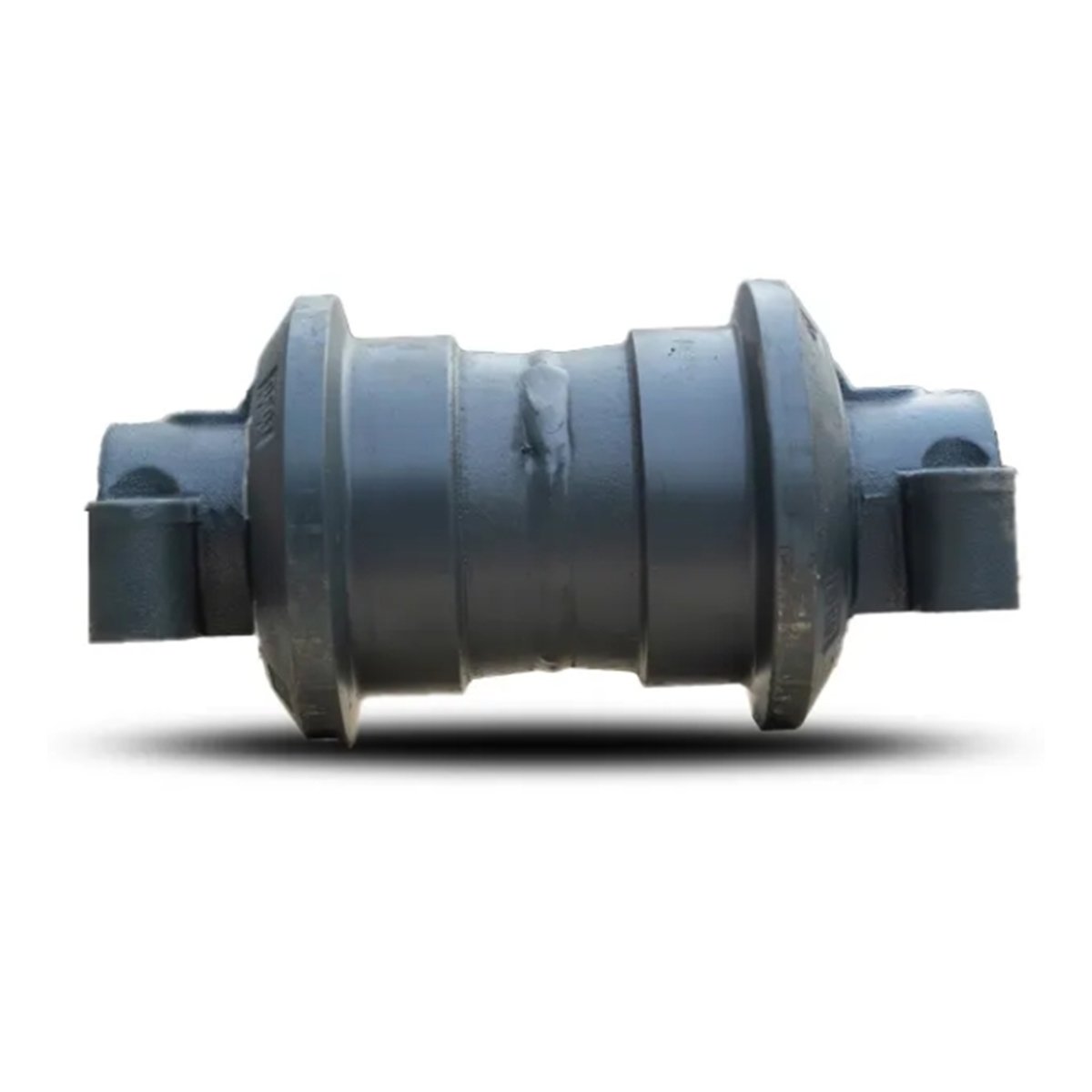
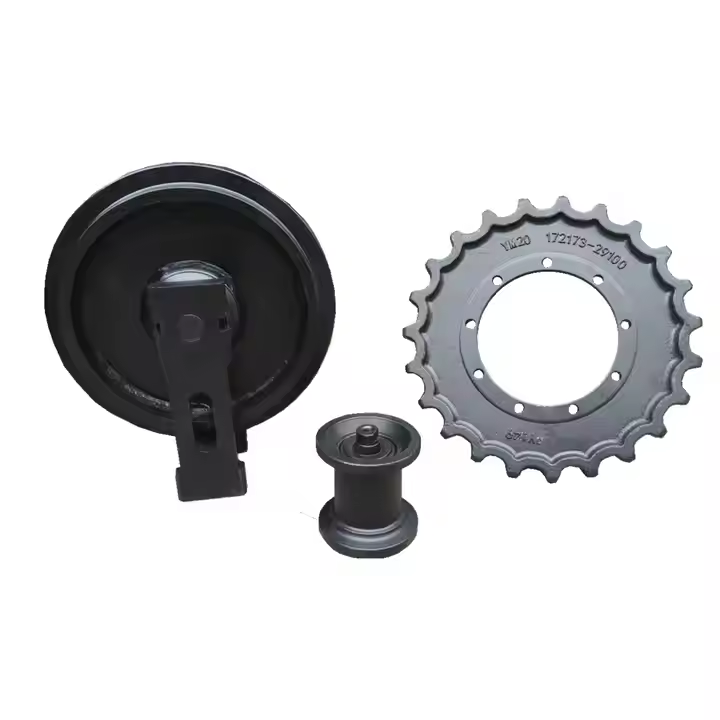
The undercarriage is one of the most heavily used sections of a crawler excavator. Tracks, rollers, sprockets, and idlers experience continuous wear during operation.
A detailed undercarriage inspection should include:
• Track shoe wear
• Roller condition
• Sprocket wear patterns
• Track tension
• Frame integrity
Excessive undercarriage wear may increase future maintenance expenses. Buyers should look for balanced wear patterns and ensure components remain structurally sound.
Because undercarriage replacement can represent a significant investment, evaluating this area carefully is extremely important.
Engine Performance and Reliability
Engine condition greatly influences excavator reliability and fuel efficiency. During inspection, buyers should start the machine and monitor overall engine operation.
Key areas to evaluate include:
• Cold start performance
• Exhaust emissions
• Engine noise
• Oil leaks
• Cooling system operation
• Fuel efficiency indicators
A well-maintained engine should start smoothly, operate consistently, and produce stable power under load conditions.
Service records showing regular oil changes, filter replacements, and preventive maintenance are positive indicators of long-term machine care.
Importance of Maintenance Records
Maintenance history provides valuable insight into how well the excavator has been cared for by previous owners. Complete service documentation often indicates responsible equipment management.
Important records may include:
• Routine maintenance logs
• Repair invoices
• Component replacement history
• Inspection reports
• Fluid analysis reports
Well-documented maintenance records help buyers understand past servicing schedules and potential future maintenance needs.
Professional inspection reports from qualified technicians can also provide additional confidence before completing a purchase.
Choosing the Right Excavator Size
Selecting the correct excavator size is essential for maximizing productivity and operational efficiency.
Important factors to consider include:
• Job site space limitations
• Digging depth requirements
• Material handling needs
• Transportation logistics
• Ground conditions
Smaller excavators are easier to transport and ideal for tight spaces. Larger machines provide greater digging force and productivity for demanding projects.
Buyers should carefully match machine size to expected workloads to optimize fuel consumption, operational efficiency, and equipment utilization.
Technology Features in Modern Excavators
Modern excavators increasingly include advanced technology systems that improve operator comfort, efficiency, and safety.
Common technology features include:
• GPS machine guidance
• Digital monitoring displays
• Fuel efficiency management systems
• Rearview cameras
• Automatic idle control
• Telematics systems
Even second hand excavators may include many of these features depending on the model year and equipment specifications.
Advanced technologies can improve job site productivity and reduce long-term operating costs.
Where to Buy Second Hand Excavators
Buyers can find used excavators through multiple sales channels, including:
• Equipment dealerships
• Heavy machinery auctions
• Online marketplaces
• Construction equipment traders
• Rental fleet sales
Purchasing from reputable sellers often provides additional advantages such as equipment inspections, warranty options, and verified service histories.
Before finalizing a purchase, buyers should conduct detailed inspections or hire professional equipment inspectors when possible.
Transportation and Ownership Costs
In addition to purchase price, buyers should consider transportation and long-term ownership costs.
Key cost factors include:
• Delivery and shipping fees
• Fuel consumption
• Routine maintenance
• Replacement parts availability
• Insurance costs
• Storage requirements
Understanding total ownership costs helps businesses make better investment decisions and avoid unexpected operational expenses.
Benefits of Professional Equipment Inspection
Professional equipment inspections can provide a deeper understanding of machine condition before purchase. Experienced inspectors use specialized diagnostic tools and technical expertise to identify hidden issues.
Inspection services often evaluate:
• Engine diagnostics
• Hydraulic pressure testing
• Structural integrity
• Electronic systems
• Wear measurements
A professional inspection can help buyers make informed decisions and improve confidence during negotiations.
Sustainability and Used Equipment
Purchasing second hand excavators also supports sustainable equipment practices by extending machinery lifespan and reducing industrial waste.
Reusing existing heavy equipment helps:
• Reduce manufacturing resource consumption
• Lower environmental impact
• Minimize equipment waste
• Support circular economy principles
Many construction companies now include used equipment strategies as part of their broader sustainability initiatives.
Future Trends in the Used Excavator Market
The global used excavator market continues evolving with growing demand for cost-effective construction equipment. Increasing infrastructure development and urbanization are driving demand for reliable second hand machinery.
Future market trends may include:
• Increased digital equipment inspections
• Online equipment verification systems
• Greater use of telematics data
• Expanded international equipment trading
• Growth in electric excavator resale markets
Technology improvements will continue making used equipment purchasing more transparent and efficient.
Buying a second hand excavator can be a highly cost-effective and practical investment for construction, mining, landscaping, and infrastructure businesses. However, successful purchasing decisions require careful inspection, maintenance evaluation, and understanding of operational requirements.
By evaluating hydraulic systems, engine condition, undercarriage wear, operating hours, and maintenance records, buyers can identify reliable excavators capable of delivering long-term performance.
As the global demand for affordable and sustainable heavy equipment continues to grow, second hand excavators remain an important solution for businesses seeking productivity, flexibility, and financial efficiency.