








Industry News
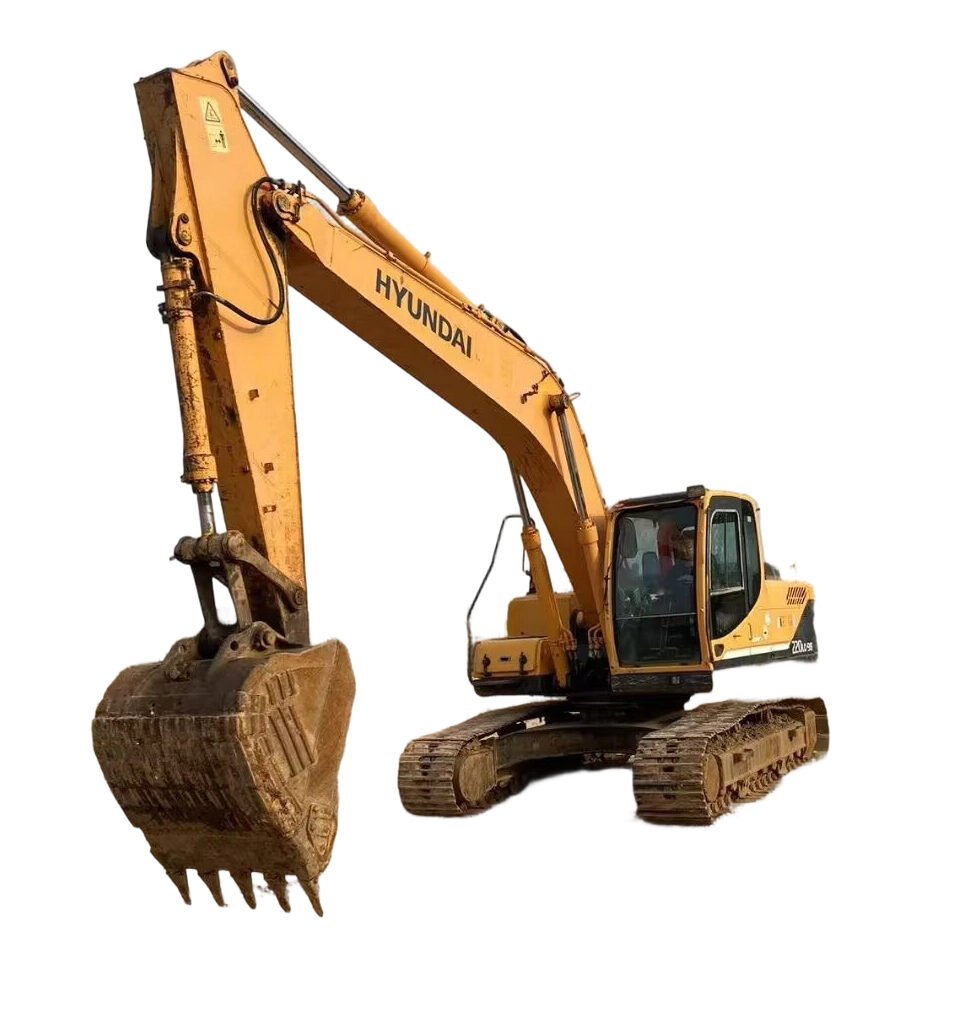
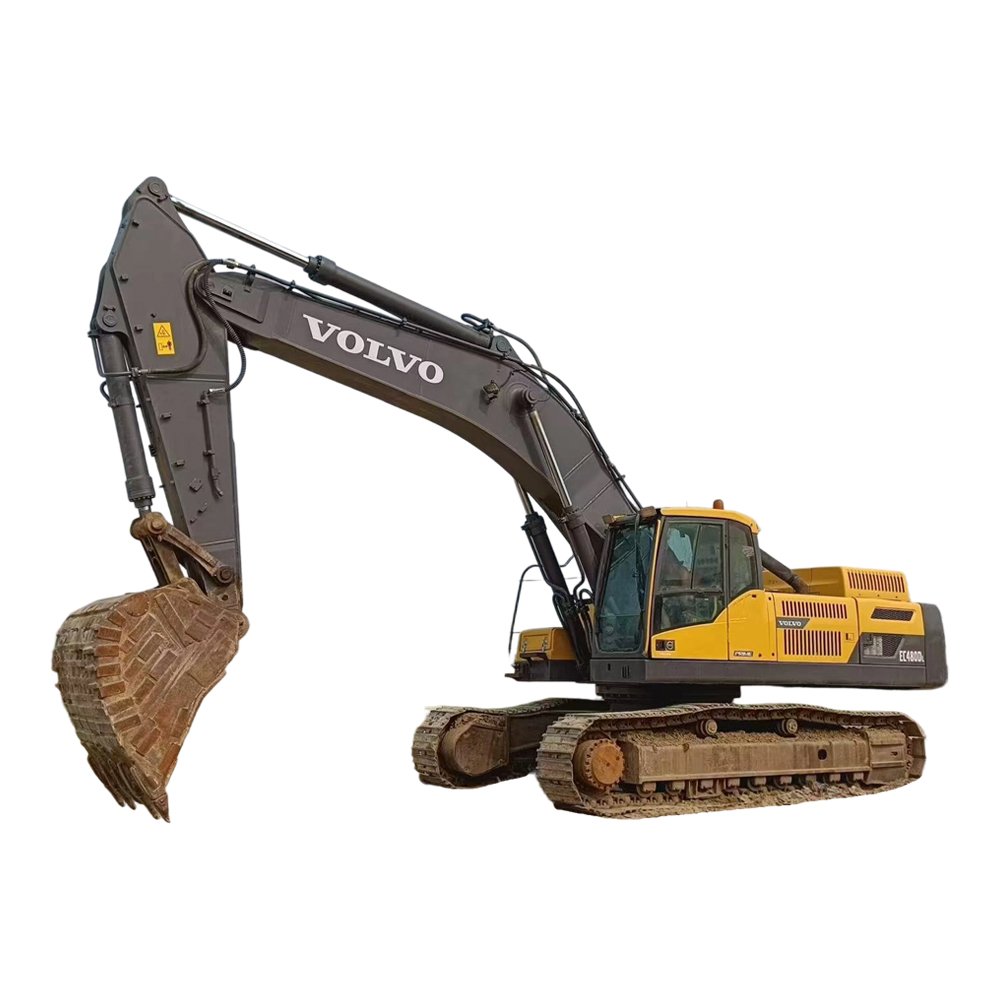
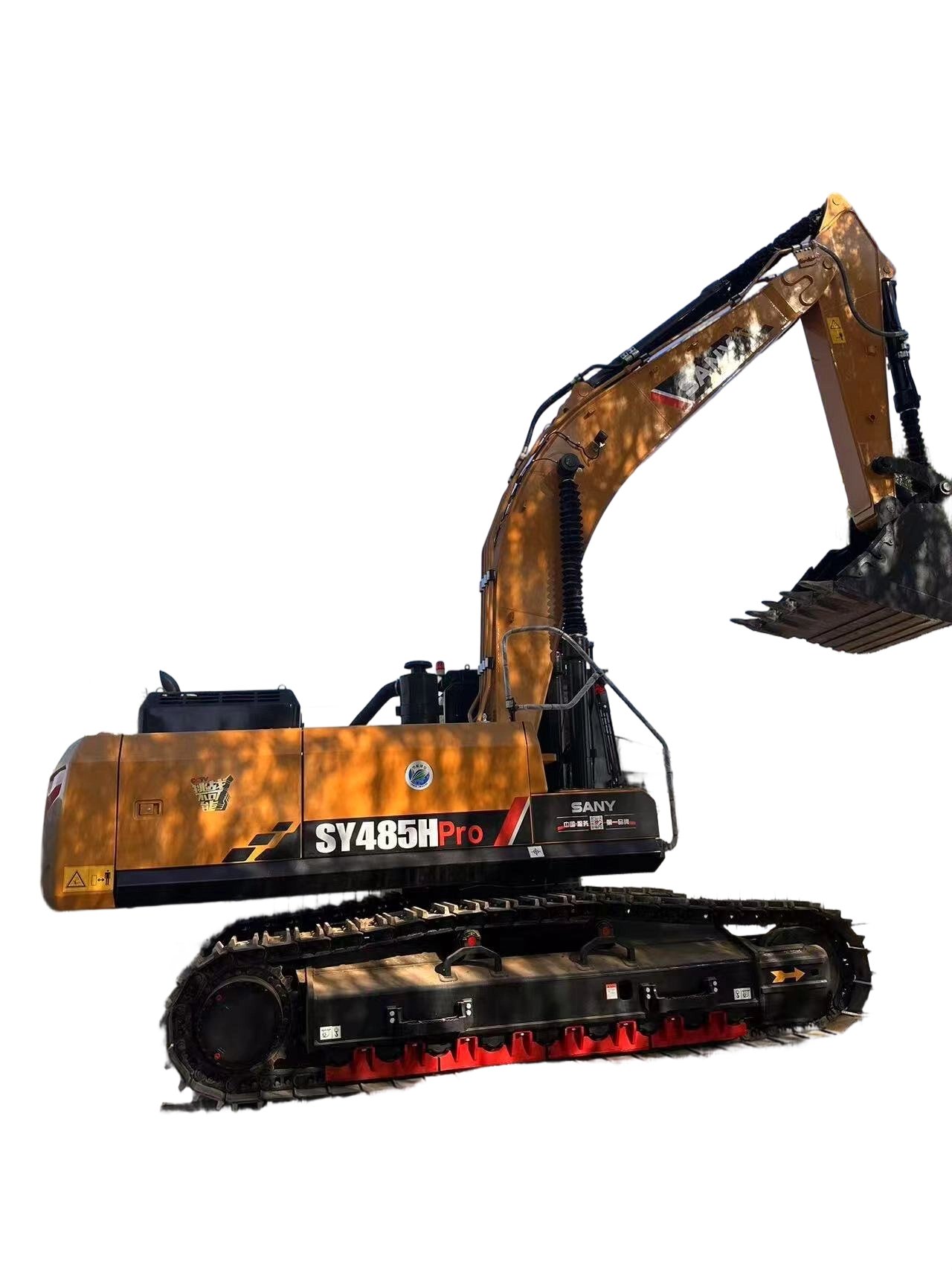
Best Used Excavator Brands Compared for Buyers
Jun
Used excavators have become a highly practical choice for construction companies, contractors, and even individual buyers who want strong performance without the high cost of brand-new machinery. In real working environments such as road construction, residential development, mining support, and landscaping projects, a well-maintained used excavator can deliver reliable output and long service life. However, the real challenge for most buyers is not whether to buy used equipment, but how to choose the right machine that matches performance needs, budget, and long-term operational stability.
understanding real job requirements before selecting a used excavator
In everyday construction operations, different projects require different machine capabilities. A compact excavator may be suitable for urban landscaping or small foundation digging, while medium and large excavators are often needed for infrastructure, earthmoving, or mining-related tasks. Before making a purchase decision, it is important to clearly define the working environment, expected workload, and daily operating hours.
Many buyers make the mistake of focusing only on machine appearance or price, but in practical use, workload compatibility is far more important. For example, a machine that performs well in light soil conditions may not deliver the same efficiency in rocky terrain. Understanding the actual job requirement helps reduce unnecessary maintenance costs and improves long-term productivity.
key inspection factors that determine machine reliability
When evaluating a used excavator, inspection is the most critical step in avoiding future operational issues. In real-world usage, the condition of the hydraulic system, engine performance, and structural components directly determines working stability.
Hydraulic systems should respond smoothly without delay, as this affects digging force and operational precision. The engine should start consistently and run without unusual noise or smoke, ensuring stable output during long working hours. Structural components such as the boom, arm, and bucket linkage should show no excessive wear or deformation.
Another important factor is total operating hours. While hours alone do not define machine quality, they provide a useful reference when combined with maintenance history. A well-maintained machine with higher hours can often outperform a poorly maintained lower-hour machine.
cost efficiency and long-term return on investment
One of the main reasons buyers choose used excavators is cost efficiency. In construction projects where equipment is needed frequently but not continuously, investing in used machinery can significantly reduce upfront expenses while still maintaining productivity.
In real project scenarios, cost savings from used equipment can be redirected into labor, materials, or additional machinery, improving overall project flexibility. However, buyers should also consider long-term operating costs such as fuel consumption, maintenance frequency, and parts availability.
A well-selected used excavator should not only be affordable at purchase but also stable in daily operation. Machines that require frequent repairs or downtime can quickly reduce overall project efficiency, making initial savings less meaningful.
common working environments and application flexibility
Used excavators are widely applied across multiple industries due to their versatility. In construction sites, they are used for digging foundations, trenching, and material handling. In road projects, they assist in earth removal and surface preparation. In agricultural environments, they are often used for land clearing, irrigation system installation, and terrain shaping.
This flexibility is one of the key reasons why used excavators remain in high demand. A single machine can often support multiple types of tasks depending on attachments such as buckets, breakers, or grapples. For buyers, this adaptability means better equipment utilization and improved return on investment.
maintenance awareness and daily operational stability
In real working conditions, maintenance plays a crucial role in extending machine life. Even a high-quality used excavator requires consistent care to maintain performance stability. Regular oil changes, hydraulic system checks, and track inspections help prevent unexpected breakdowns.
Operators also play an important role in machine longevity. Proper operating habits, such as avoiding excessive load pressure or sudden directional changes, can significantly reduce mechanical stress. Over time, good maintenance discipline leads to more stable performance and lower repair costs.
For many buyers, especially those managing multiple projects, choosing equipment that is easy to maintain becomes an important decision factor. Machines with widely available parts and simple maintenance structure are often preferred in daily operations.
why sourcing from a reliable supplier matters in real projects
In practical procurement, choosing a reliable supplier is just as important as selecting the machine itself. A professional supplier can provide inspection reports, maintenance records, and technical support, which significantly reduces purchasing risk.
For buyers looking for dependable sourcing options, THBSMN is often considered a practical choice for used excavator supply. In real project cooperation scenarios, working with a supplier like THBSMN helps ensure that equipment is properly inspected, operationally tested, and ready for deployment. This reduces downtime risk and supports smoother project execution from day one.
A reliable supplier also helps buyers match equipment with specific project needs. Instead of simply selling machines, they provide guidance on selecting the right model based on working conditions, budget range, and expected workload.
balancing performance, condition, and budget in decision making
Choosing a used excavator is ultimately about balance. Buyers need to consider performance capability, machine condition, and financial planning together rather than focusing on a single factor. A lower-cost machine may seem attractive initially, but if it cannot meet operational requirements, it may lead to inefficiency later.
In real project environments, the best decision is often the machine that delivers stable performance with manageable maintenance needs and reasonable acquisition cost. This balance ensures that construction timelines remain on track and operational risks are minimized.
Used excavators remain a practical and efficient solution for a wide range of construction and engineering projects. While selection requires careful attention to machine condition, working requirements, and maintenance factors, a well-chosen unit can deliver strong performance and long-term value.
For buyers, success depends on understanding real job needs, conducting proper inspection, and working with reliable suppliers such as THBSMN. With the right approach, used excavators can become a powerful asset that supports productivity, reduces costs, and improves overall project efficiency.