








Industry News
Buy Used Excavator Check Core Parts To Find Premium Budget Diggers
Jul
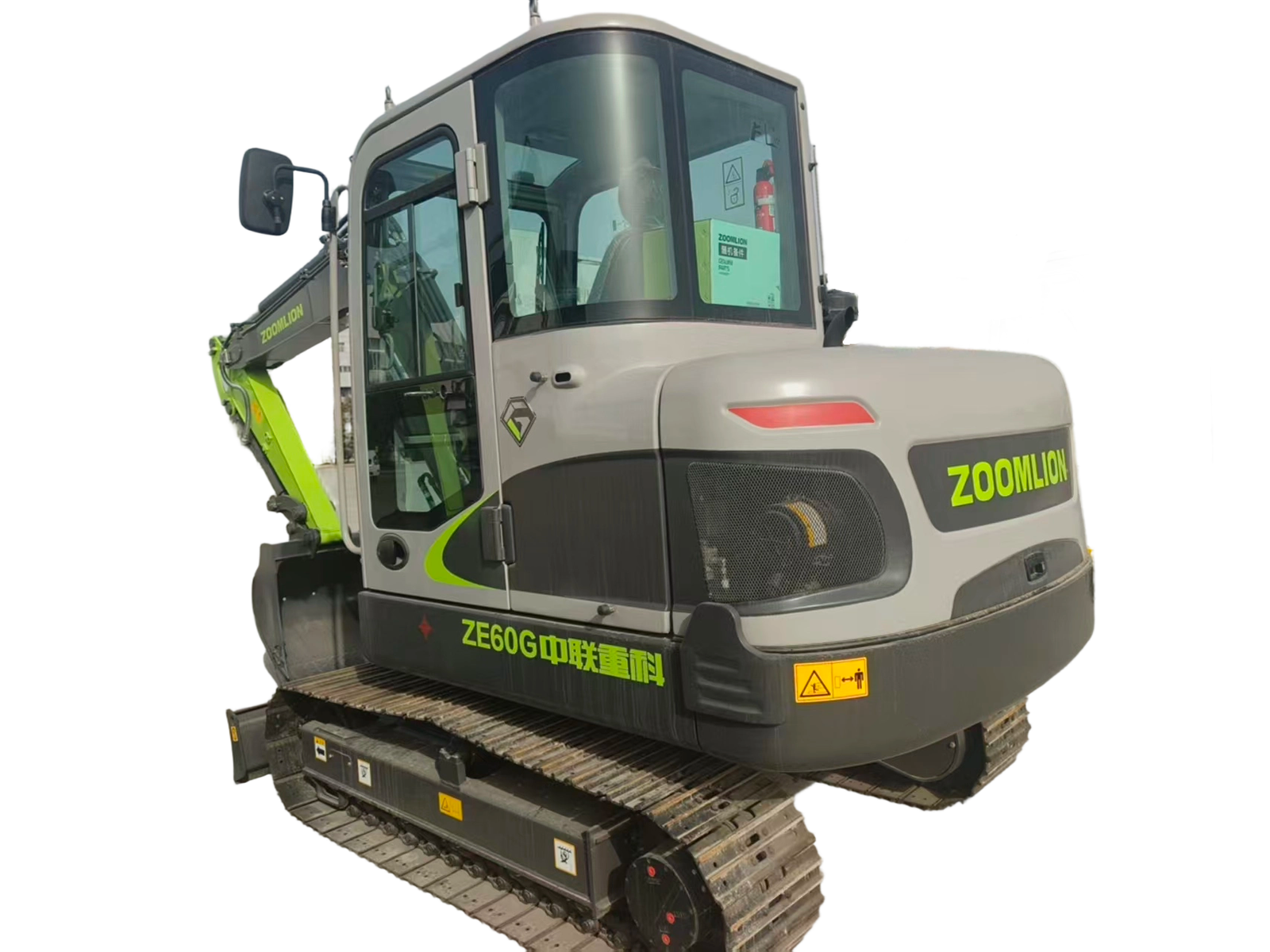
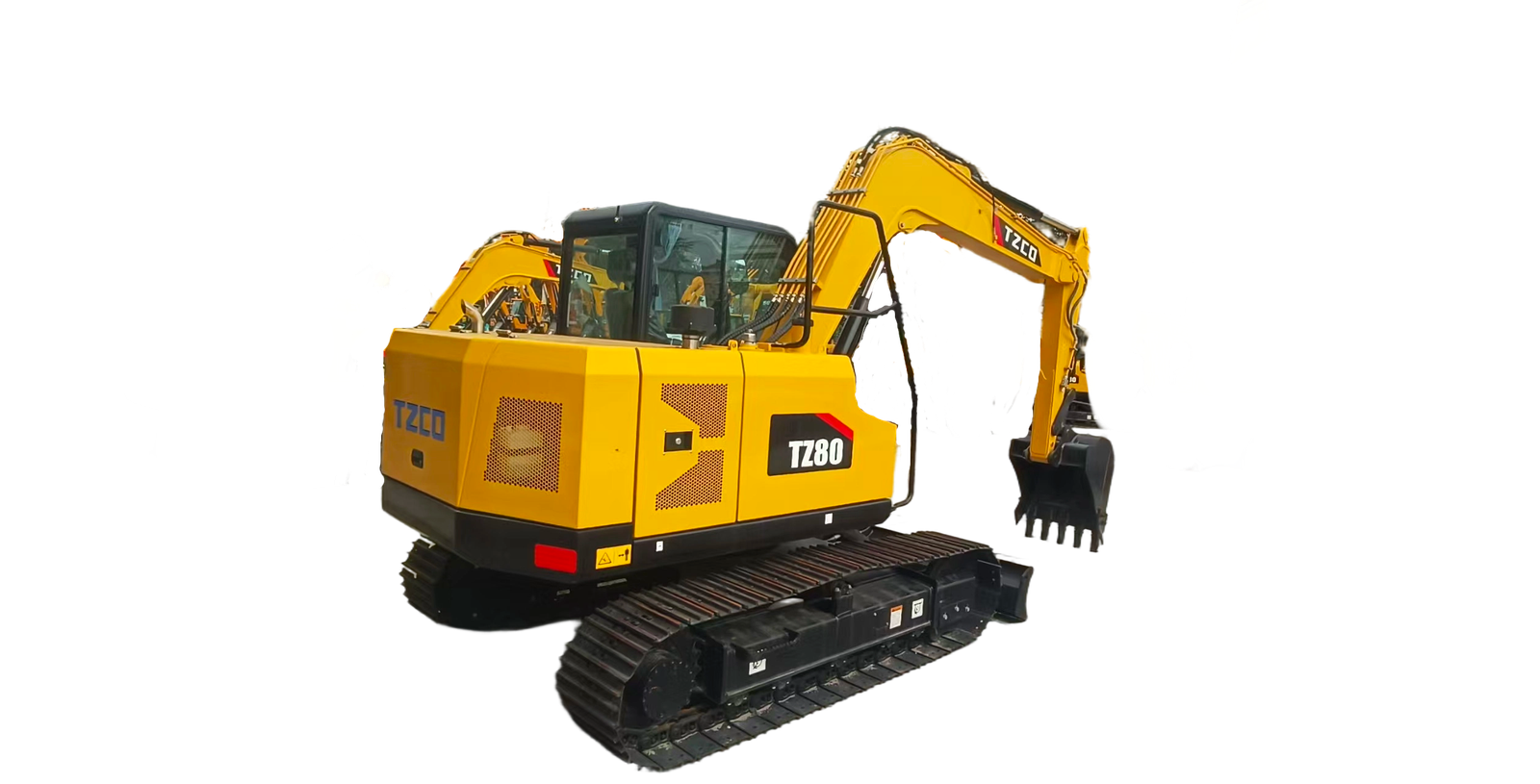
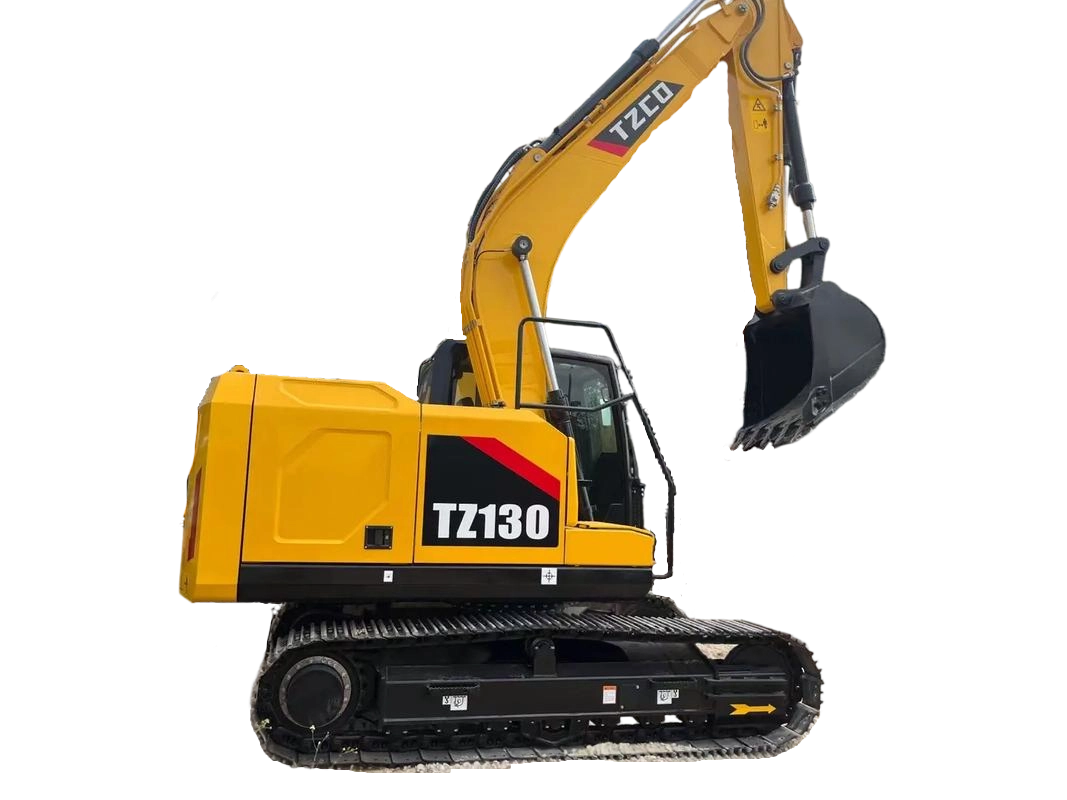
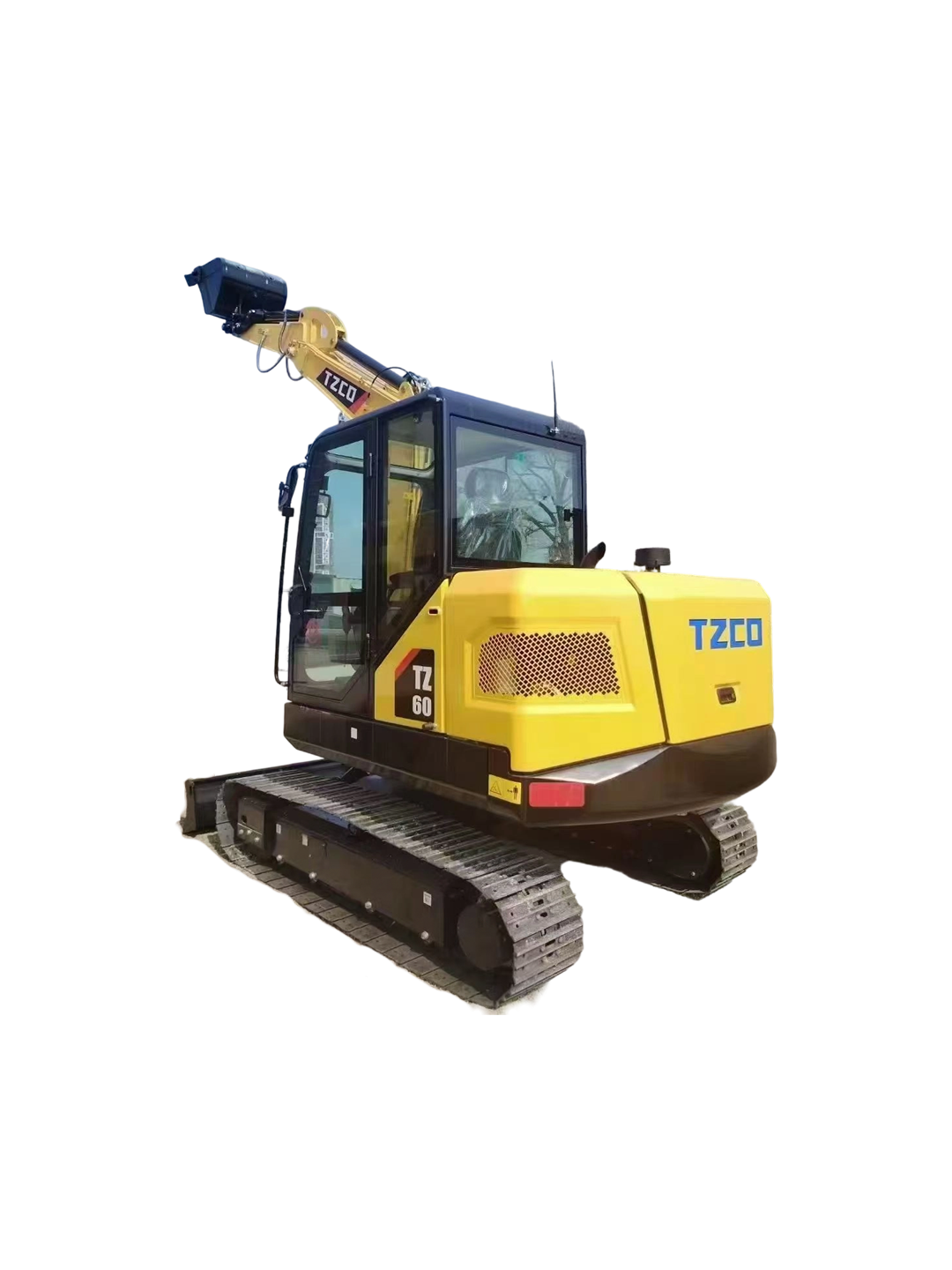
Buying a used excavator is a practical way for contractors, farmers, rental companies, and small businesses to obtain reliable construction equipment while managing their budget effectively. However, finding a premium budget digger requires more than comparing appearance, working hours, or purchase price. The real value of a used excavator depends on the condition of its core parts and how well the machine has been maintained.
A careful inspection of essential components helps buyers understand the machine’s actual working capability and long-term value. Core parts such as the engine, hydraulic system, undercarriage, control system, and working equipment directly influence performance, productivity, and maintenance planning.
For buyers searching for cost-effective equipment, checking these important areas before purchase can help identify machines that deliver strong performance for future projects. Reliable suppliers such as THBSMN provide professional used excavator options and support buyers in selecting suitable machines according to project requirements.
Engine Condition Determines Excavator Working Performance
The engine is one of the most important core components of any excavator. A high-quality used excavator should have an engine that starts smoothly, operates consistently, and provides stable power during different working conditions.
When inspecting a used excavator, buyers should check several engine-related factors. The starting process can reveal whether the engine responds quickly and operates normally. Stable engine sound, smooth operation, and consistent power output are important indicators of good condition.
It is also useful to review maintenance records if available. Regular servicing, proper oil replacement, and professional maintenance can help extend engine service life. A well-maintained engine allows the excavator to handle digging, loading, trenching, and material movement tasks efficiently.
For buyers looking for premium budget diggers, focusing on engine quality helps ensure that the machine can support daily operations while maintaining reasonable ownership costs.
Hydraulic System Inspection Helps Confirm Machine Efficiency
The hydraulic system is the power source behind many excavator movements. It controls important functions such as arm movement, bucket operation, lifting, and rotation. A reliable hydraulic system allows the machine to work smoothly and accurately.
During inspection, buyers should observe how quickly and smoothly the excavator responds to control commands. The boom, arm, and bucket should operate with stable movement. Smooth rotation and consistent hydraulic performance are important signs of a suitable used machine.
Hydraulic components including pumps, valves, cylinders, and hoses should be carefully checked. These parts directly affect working efficiency and operating comfort. A strong hydraulic system allows the excavator to complete tasks faster and improves overall productivity on construction sites.
When purchasing a used excavator, understanding hydraulic performance helps buyers choose equipment that matches their workload and project expectations.
Undercarriage Quality Influences Long-Term Operating Value
The undercarriage is another core area that deserves careful attention when selecting a used excavator. Since excavators often operate on different terrains, the condition of tracks and related components affects stability, mobility, and future usage.
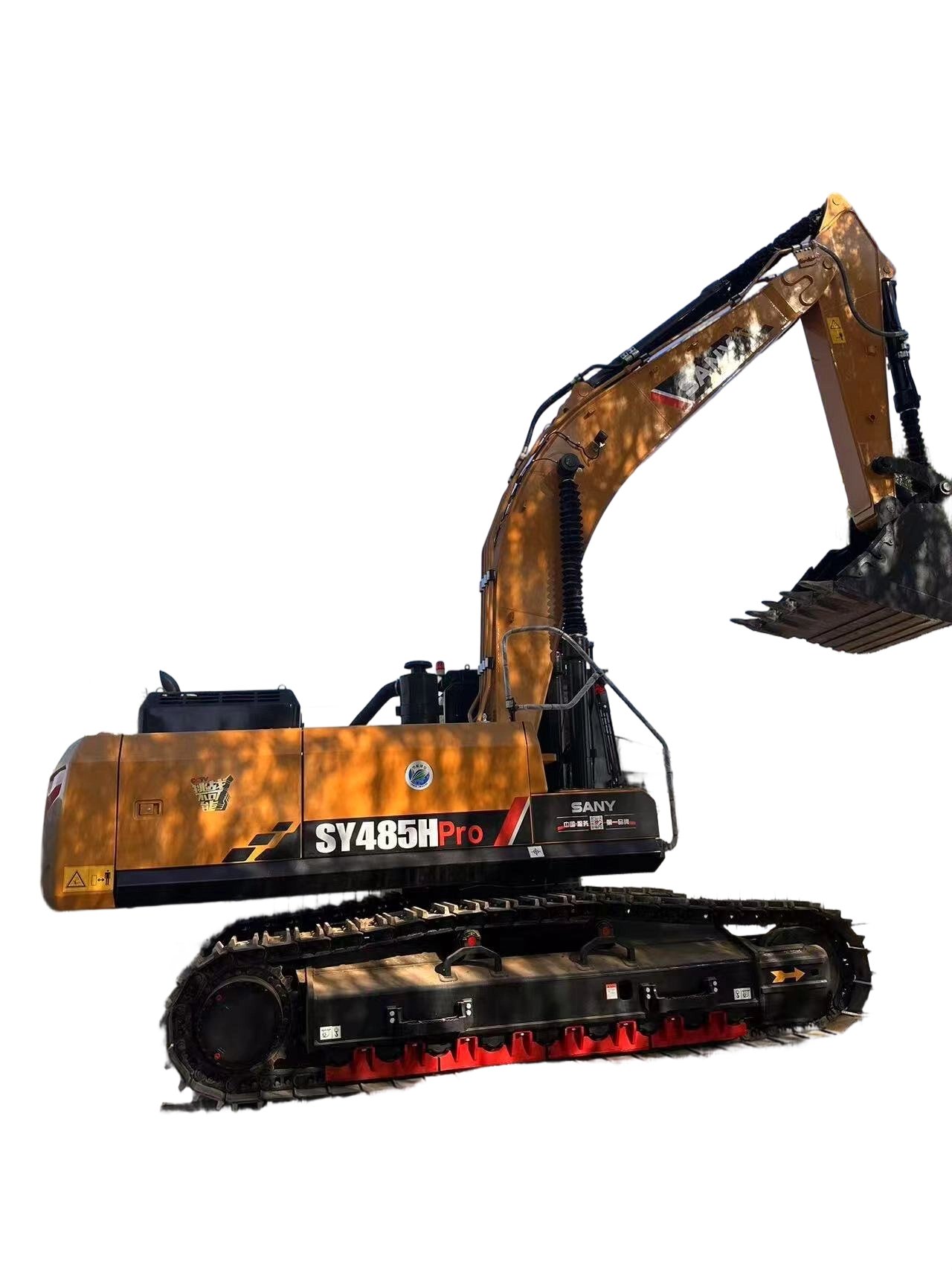
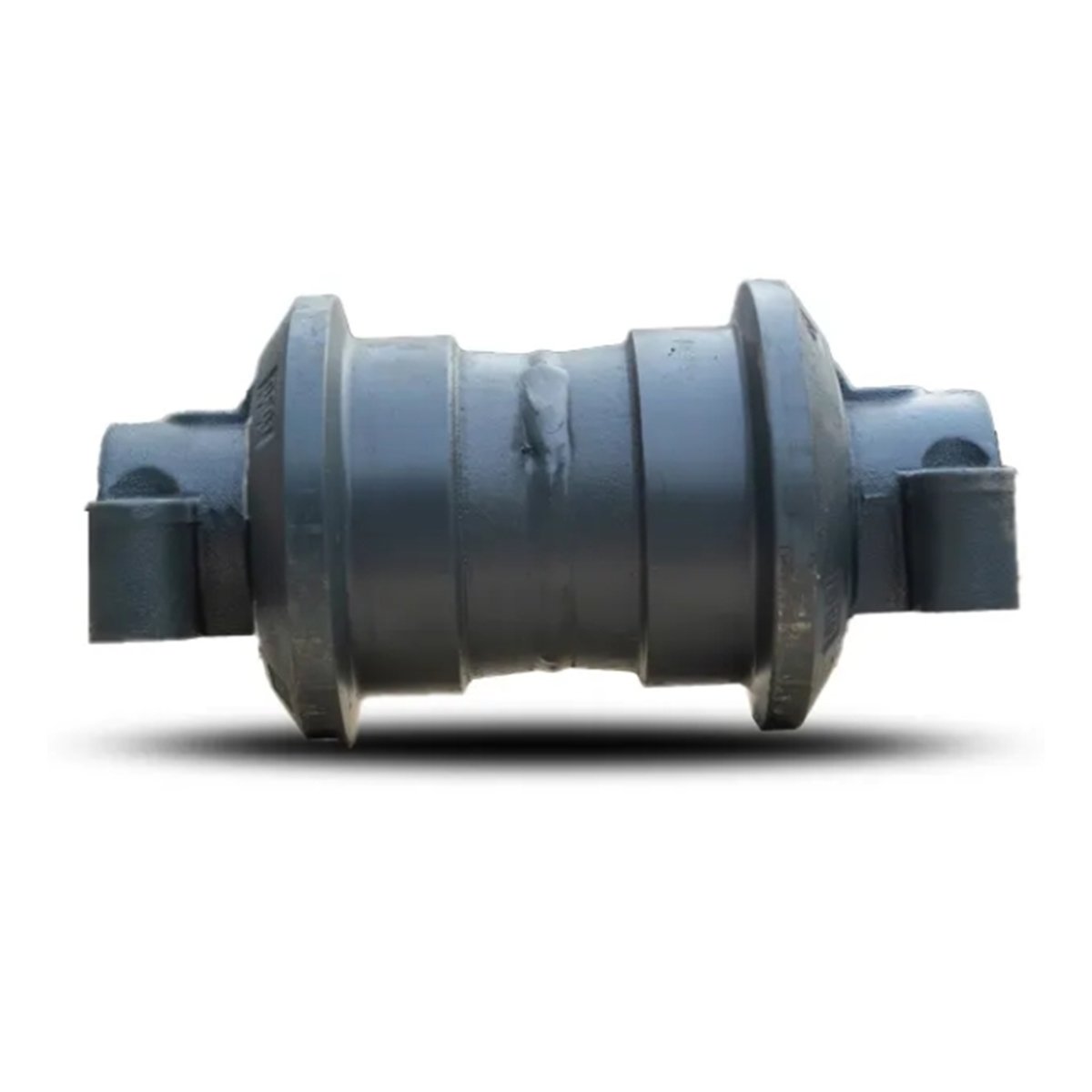
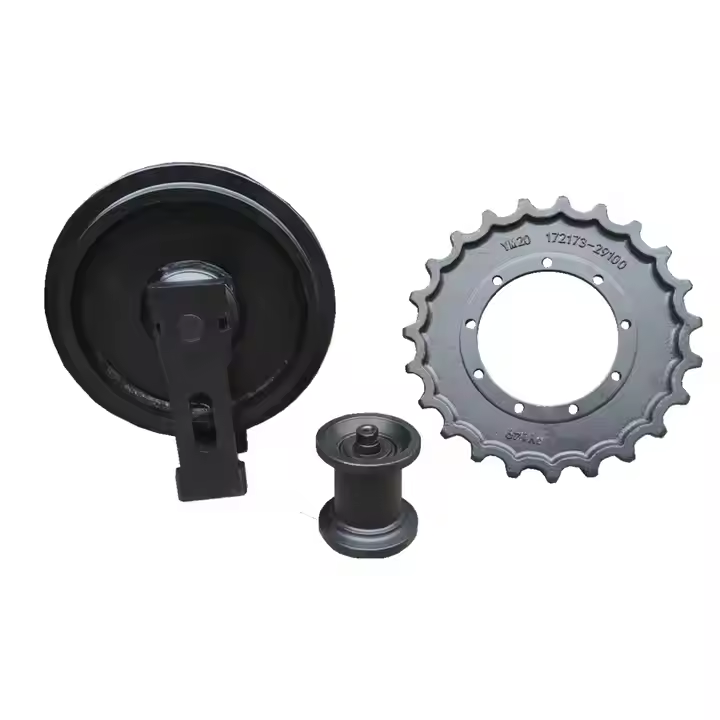
Important undercarriage components include tracks, rollers, sprockets, and track frames. Buyers should check wear conditions and overall structural quality. A well-maintained undercarriage helps the excavator move efficiently and remain stable during heavy-duty operations.
The working environment of the previous owner can influence undercarriage condition. Machines used for different applications may have different usage patterns, so understanding the equipment’s previous working history can help buyers make better decisions.
By evaluating undercarriage quality together with other core parts, buyers can find used excavators that provide better value throughout their service period.
Working Equipment Inspection Ensures Reliable Project Performance
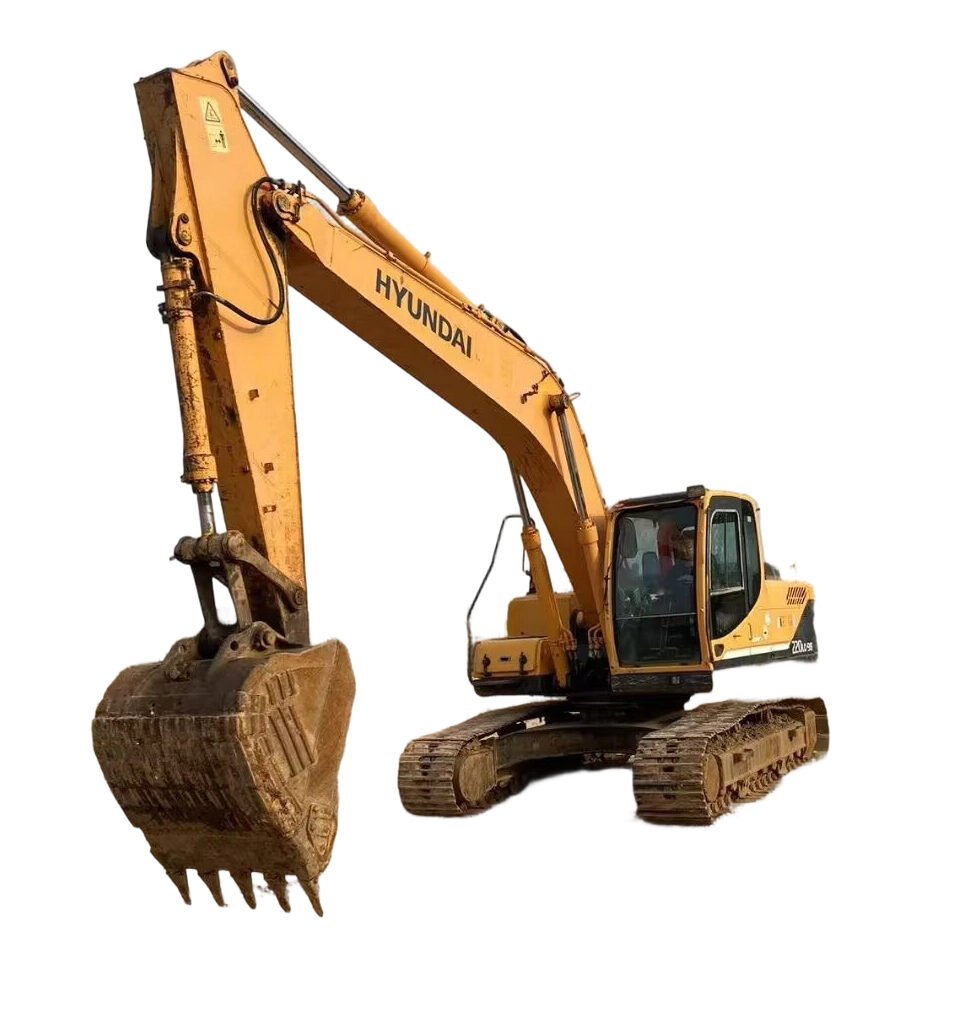
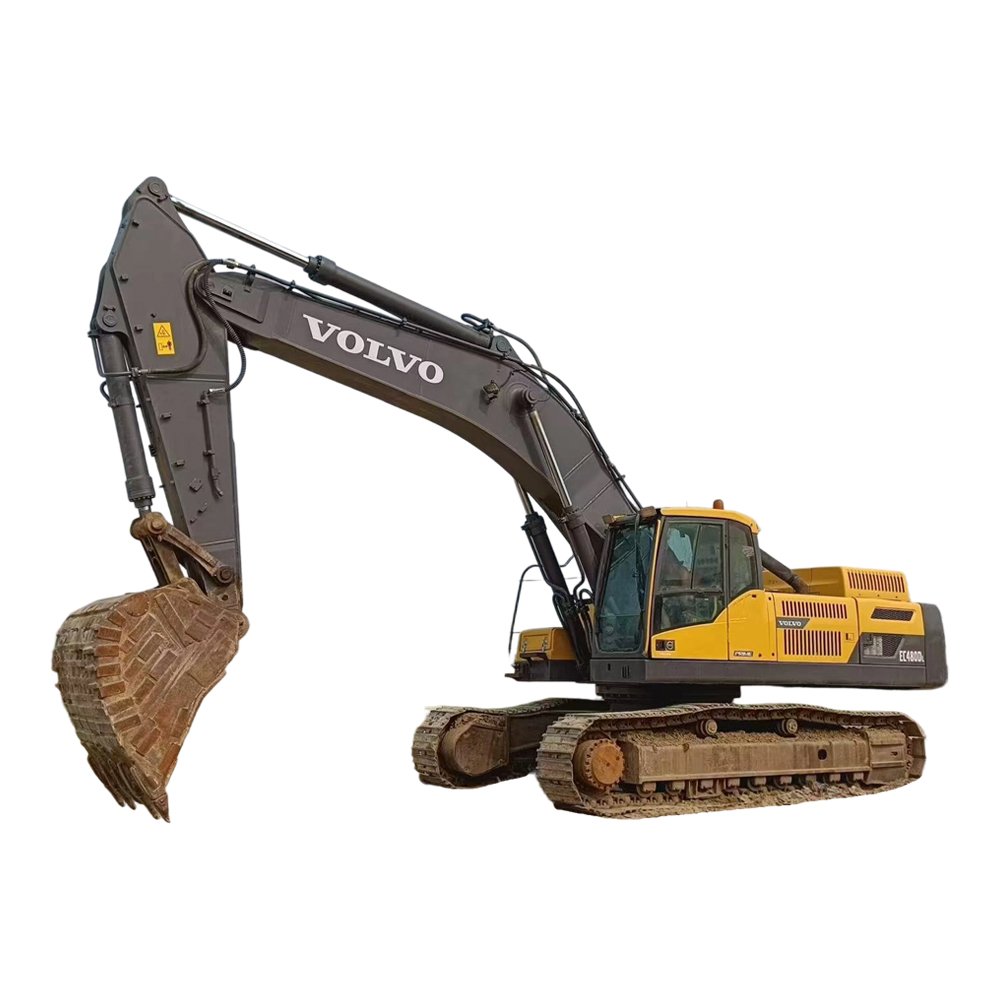
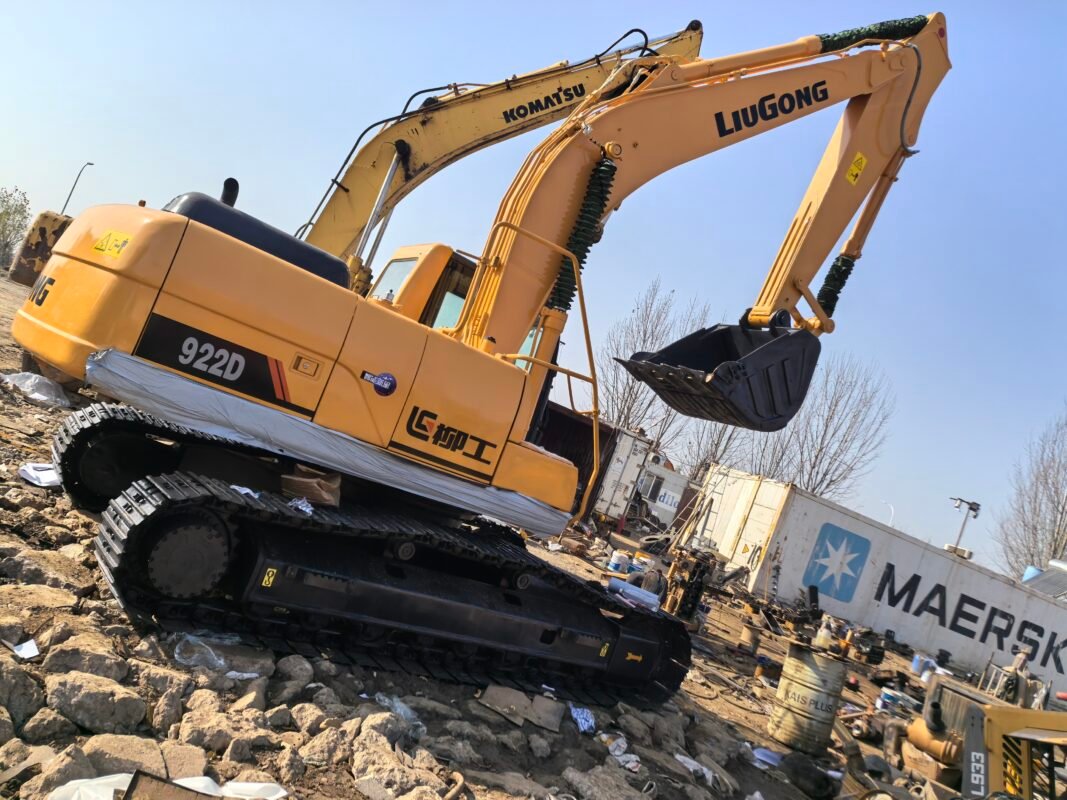
The working equipment of an excavator includes the boom, arm, bucket, and connecting parts. These components directly interact with materials during excavation and loading tasks.
A professional inspection should include checking structural condition, movement flexibility, and connection points. The boom and arm should operate smoothly without unusual movement. The bucket should match the intended applications, whether for digging soil, moving materials, landscaping, or agricultural projects.
Choosing the right working equipment configuration allows users to improve efficiency and reduce unnecessary adjustments after purchase. For example, buyers working on small construction projects may prefer compact configurations, while larger projects may require stronger digging capabilities.
A used excavator with well-maintained working equipment can continue providing reliable support for many types of operations.
Electrical and Control Systems Improve Operating Experience
Modern excavators rely on electrical and control systems to provide accurate operation and convenient management. Before purchasing a used machine, buyers should check important electrical functions, including control panels, sensors, lighting systems, and operational indicators.
A properly functioning control system helps operators manage machine movements more efficiently. Clear displays and responsive controls improve daily productivity and make operation easier for different working environments.
Checking these systems during the buying process allows customers to understand the machine’s overall condition and select equipment that fits their operational needs.
Choose a Used Excavator Based on Project Requirements
Different projects require different excavator specifications. Before making a purchase, buyers should consider factors such as working space, required digging depth, transportation needs, and daily workload.
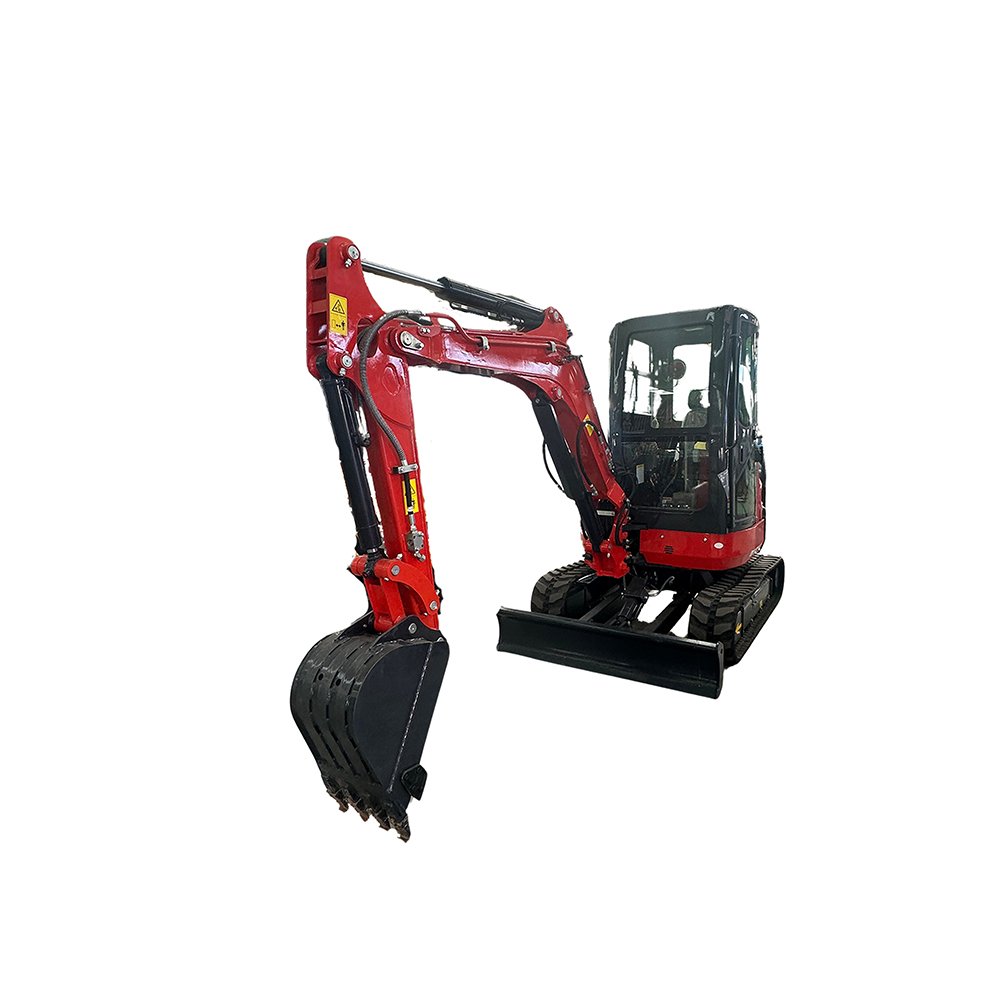
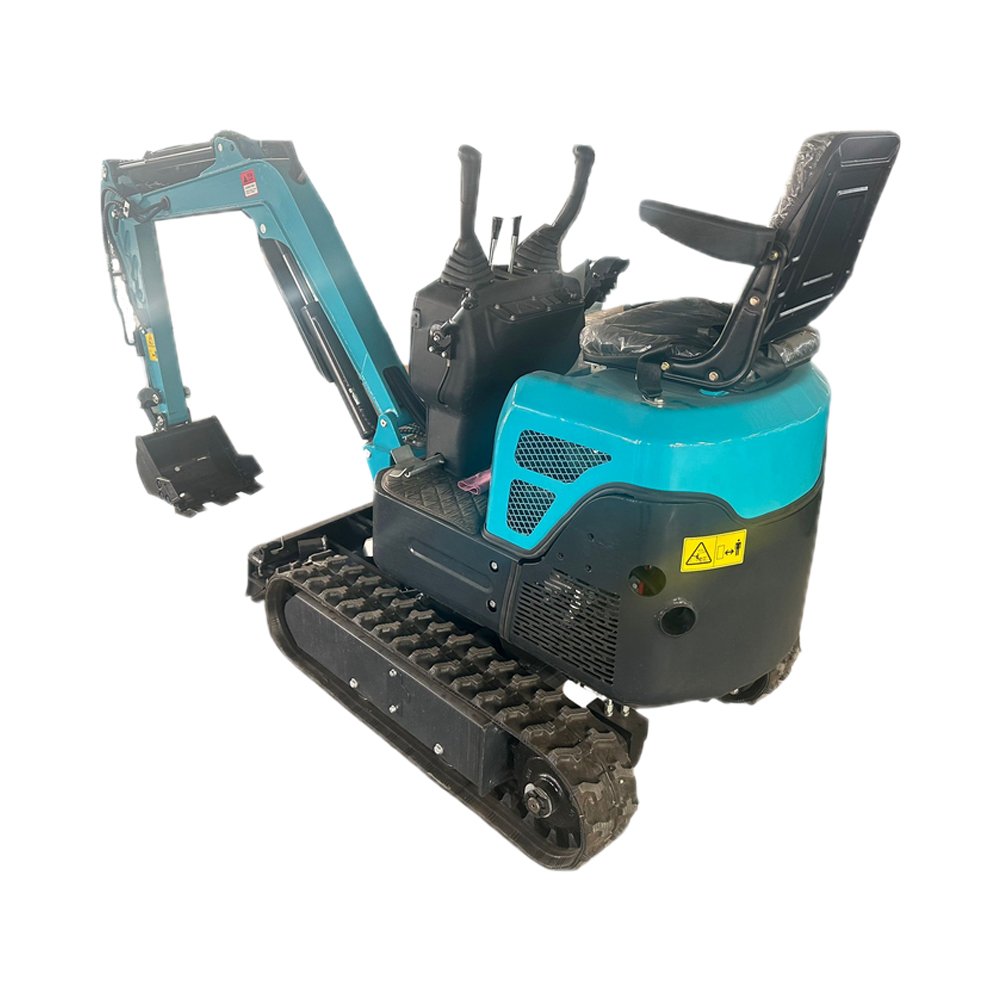
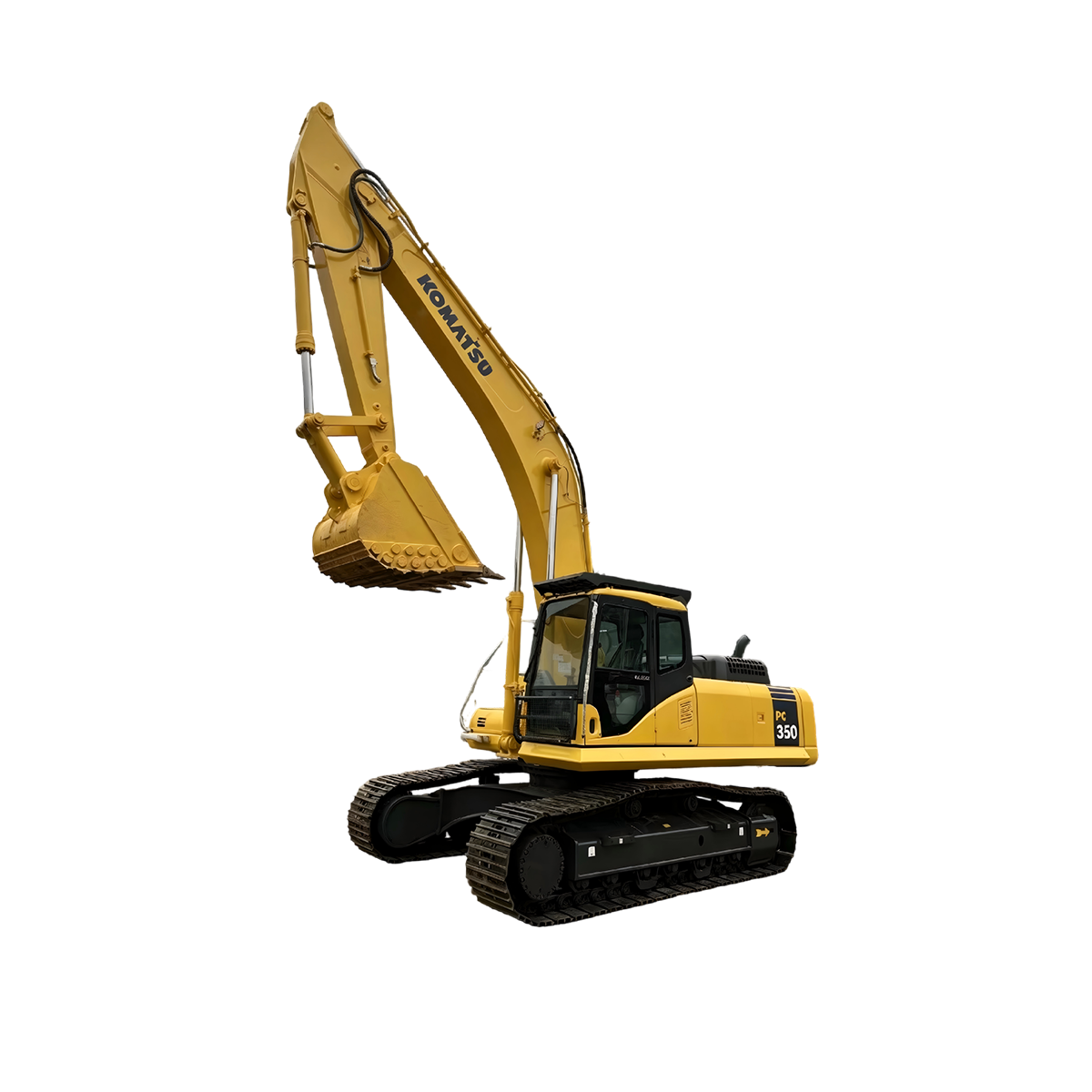
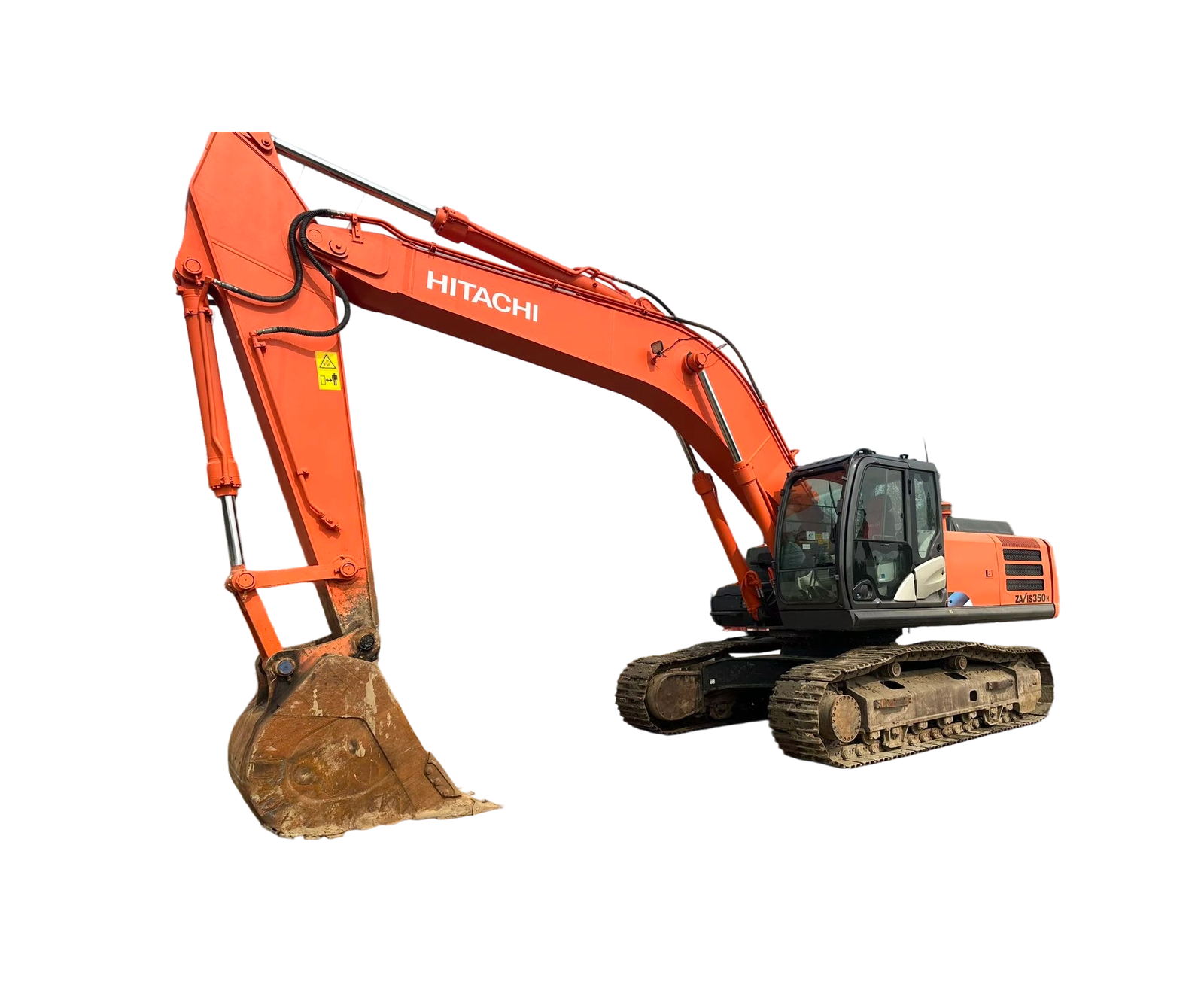
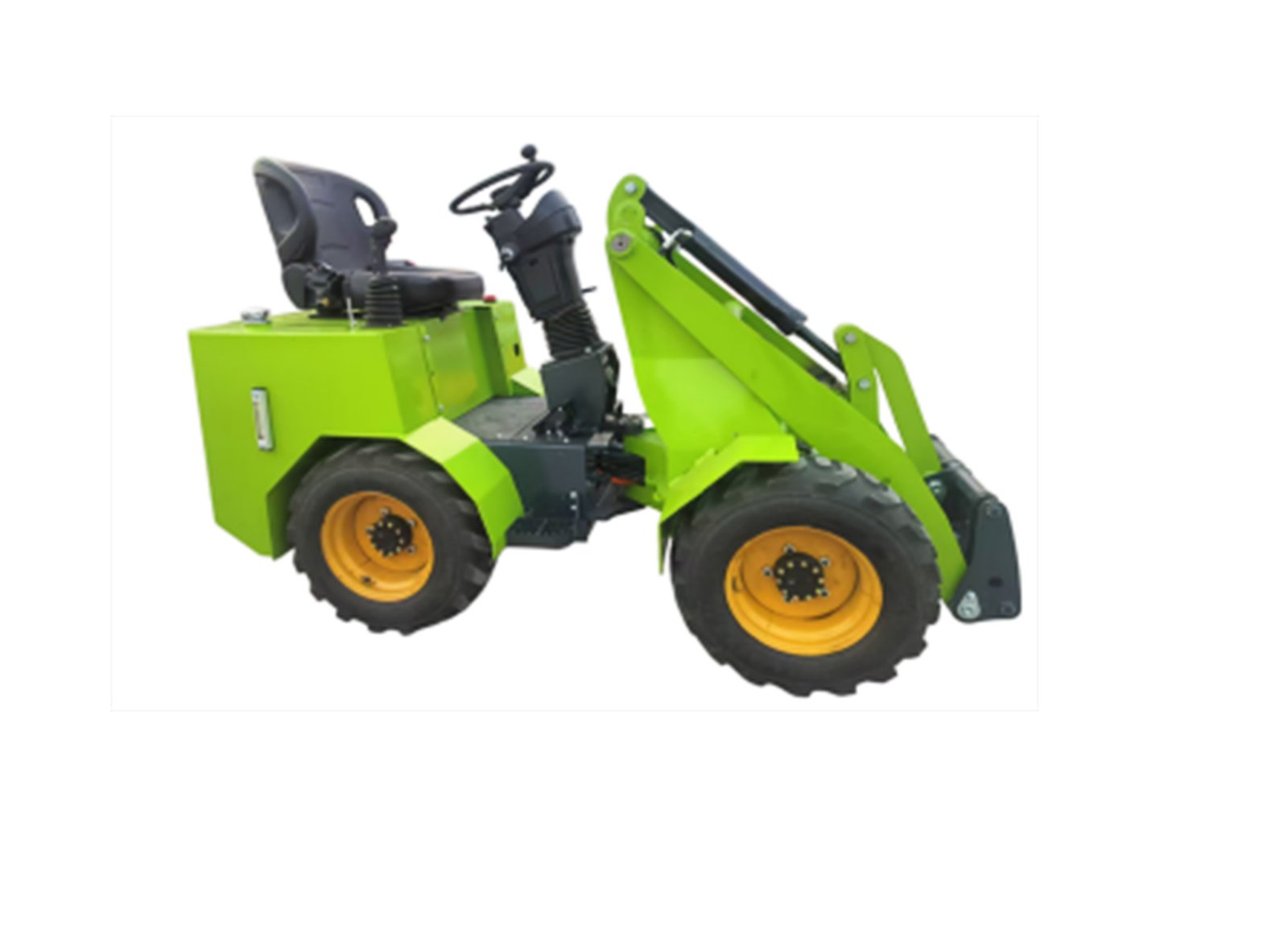
Small excavators are often suitable for landscaping, farm improvement, residential construction, and narrow-site projects. Larger excavators may be preferred for more demanding earthmoving tasks. Selecting the correct machine size helps maximize efficiency and avoid unnecessary operating costs.
A premium budget digger is not simply the lowest-priced option. It is a machine that provides the right combination of performance, condition, and investment value.
Professional Supplier Support Makes Buying Easier
Finding a trusted supplier can simplify the process of purchasing a used excavator. Professional suppliers can provide detailed machine information, inspection support, and recommendations based on different application needs.
THBSMN offers a range of used excavator solutions for international buyers who need practical and reliable construction equipment. With professional service support, buyers can compare available machines more efficiently and choose equipment that matches their projects.
Working with an experienced supplier helps customers save time during selection and improves confidence when investing in used machinery.
Inspect Core Parts To Find the Right Budget Excavator
Buying a used excavator requires careful evaluation of the machine’s core parts. Engine performance, hydraulic efficiency, undercarriage condition, working equipment, and control systems all play important roles in determining the machine’s future value.
By focusing on these essential areas, buyers can identify premium budget diggers that provide reliable performance and strong project support. A detailed inspection combined with professional supplier guidance helps create a smarter purchasing decision.
Whether for construction, agriculture, landscaping, or equipment rental operations, selecting a well-maintained used excavator can provide an effective solution for achieving project goals while maintaining budget efficiency.