








Industry News
Buy Used Excavator Learn How To Choose Durable Well Maintained Diggers
Jul
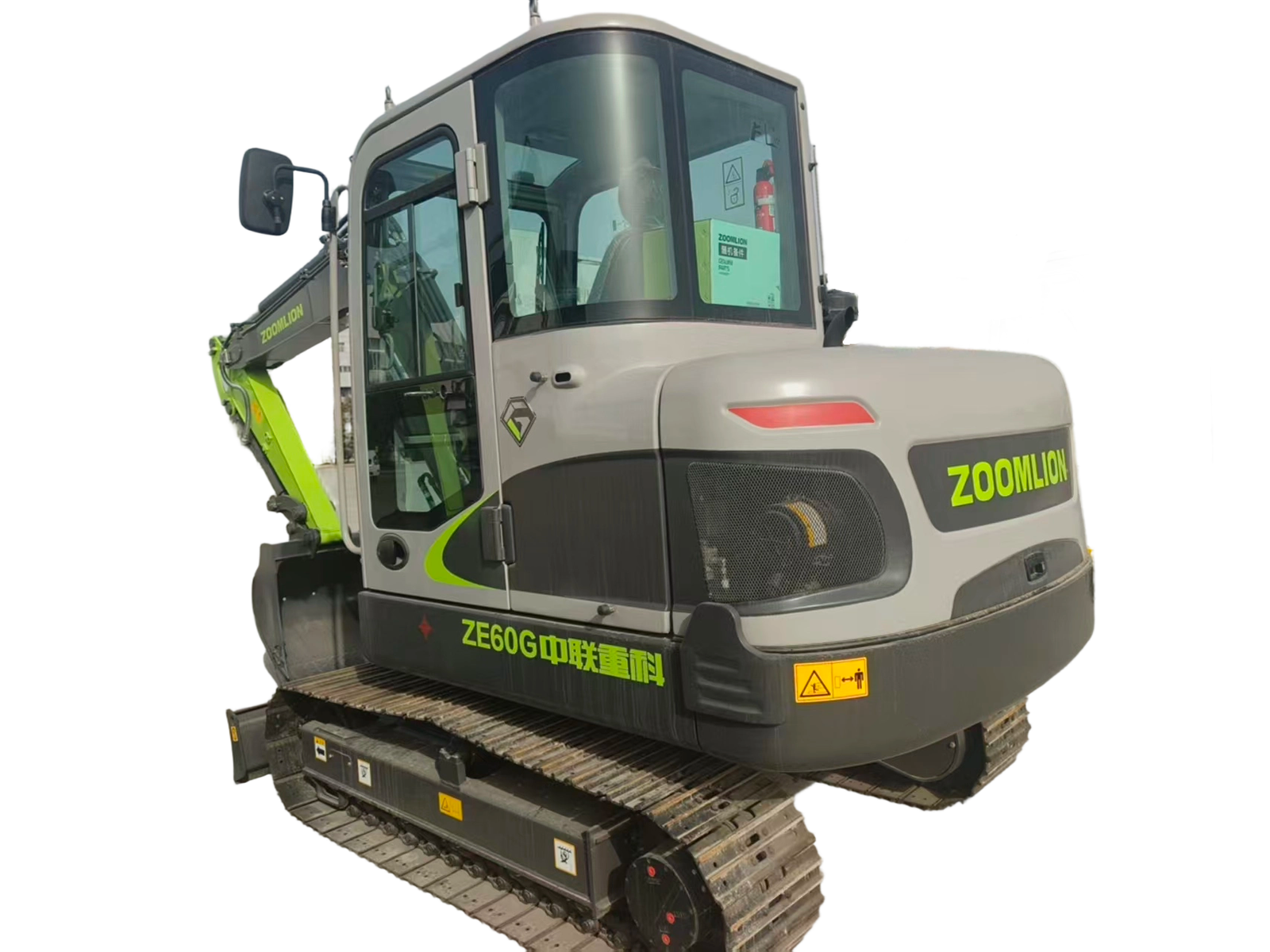
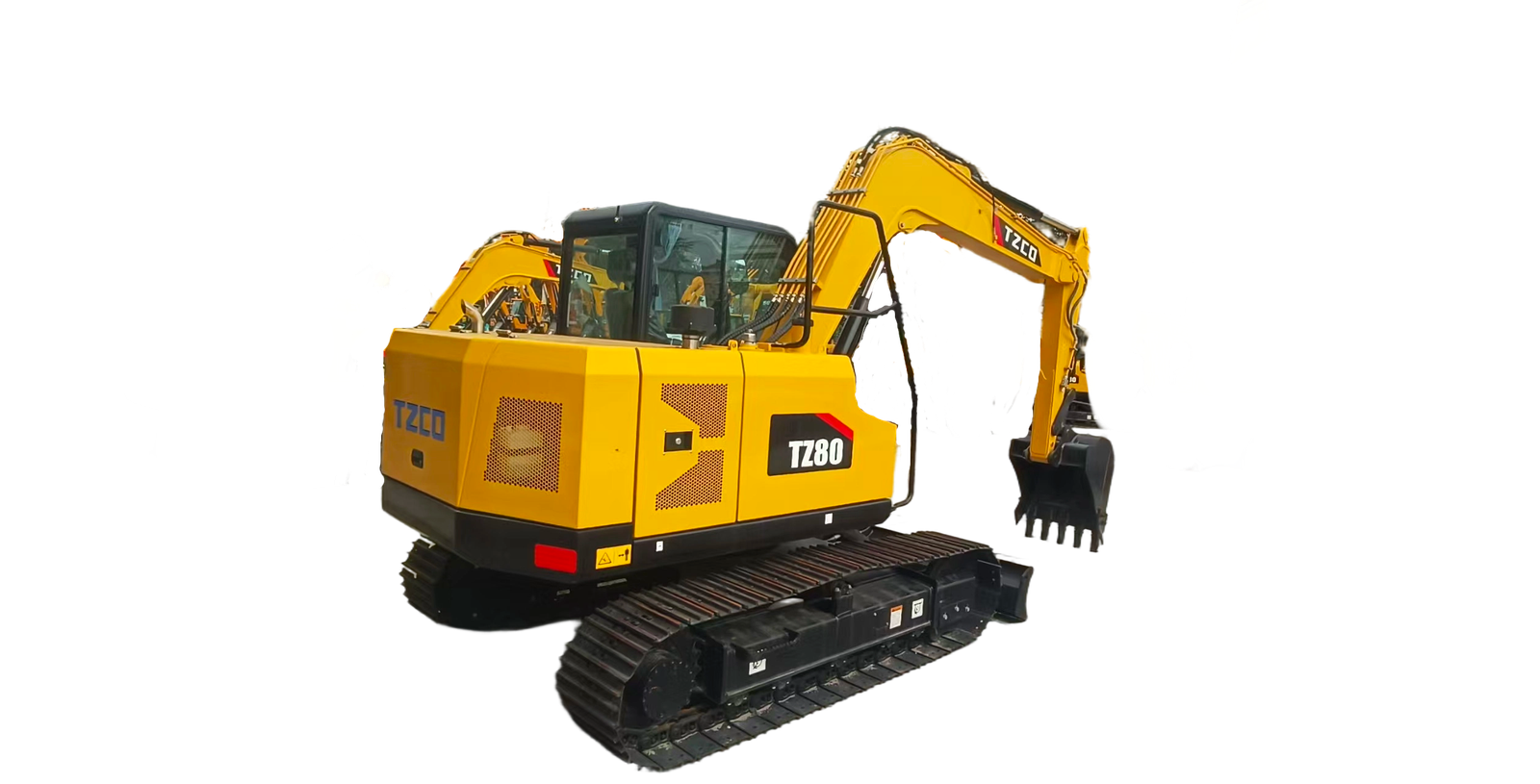
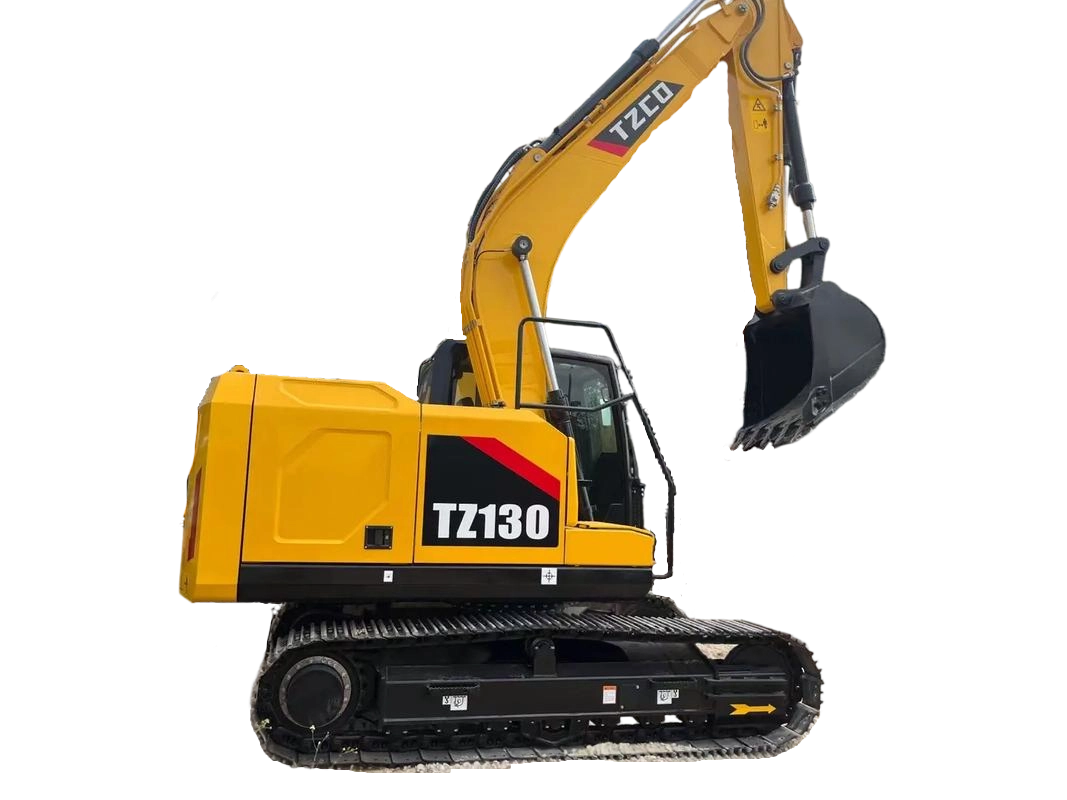
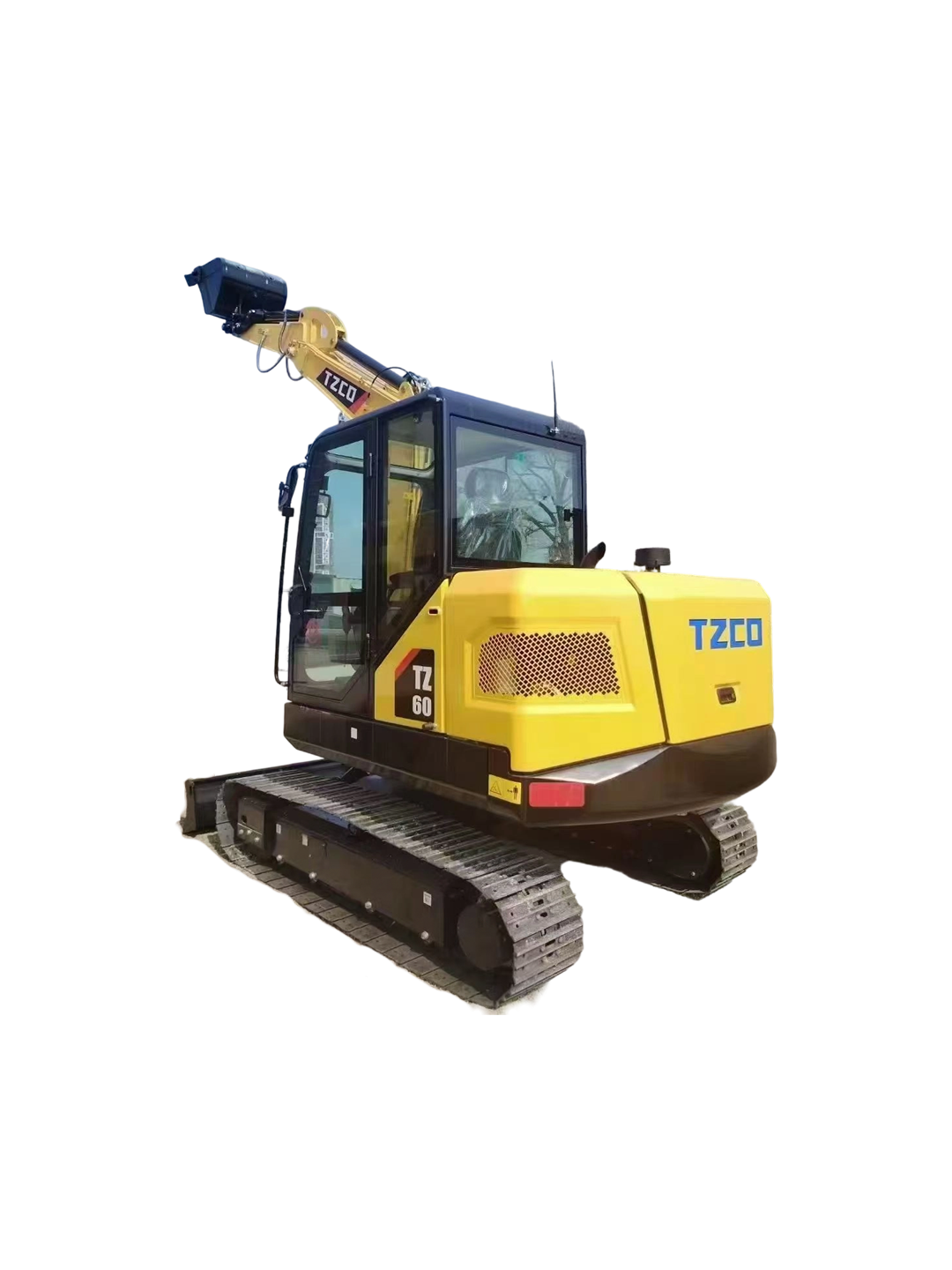
In construction, mining, landscaping, and infrastructure projects, equipment cost is one of the biggest challenges. For many contractors and small business owners, choosing to buy used excavator machines is a practical way to balance performance and budget without compromising project efficiency.
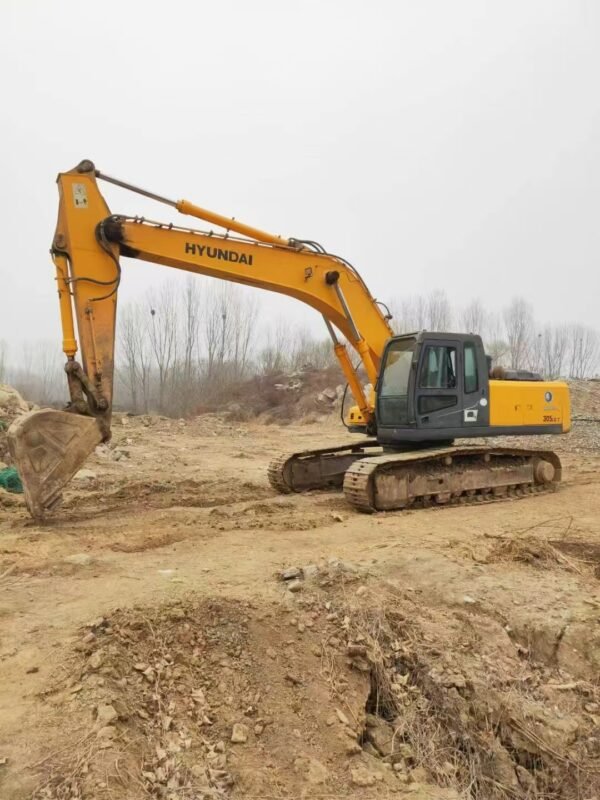
In real-world job sites, excavators are used for digging foundations, roadwork, demolition, material handling, and land clearing. A well-maintained used excavator can perform nearly the same tasks as a new machine when selected carefully. The key is not just finding a machine, but choosing one that has been properly maintained and suits your working environment.
For many buyers, the main concern is reliability. Downtime in construction projects can lead to delays and increased costs. That is why understanding machine condition, usage history, and maintenance quality is more important than simply focusing on price.
Understanding machine condition through real working history
When evaluating a used excavator, the most important factor is its working history. Machines that have been used in stable environments with regular maintenance tend to perform more consistently in future operations.
In practical terms, you should look at operating hours, service records, and component replacement history. A lower-hour machine is not always better if it has been poorly maintained, while a higher-hour machine with proper servicing can still deliver strong performance.
Hydraulic systems, engine condition, and undercarriage wear are key indicators of long-term reliability. In construction sites where heavy loads and continuous digging are common, these components determine how smoothly the machine will operate.
Choosing the right size and model for your project needs
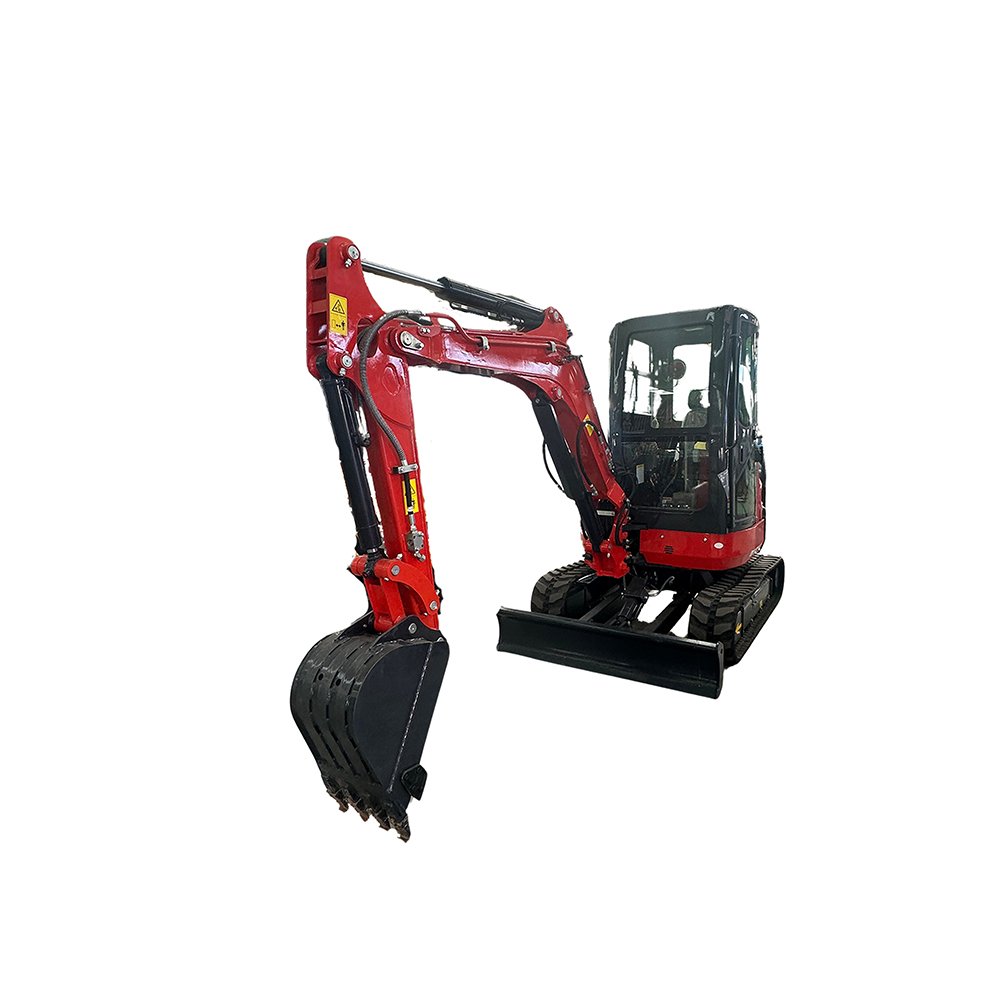
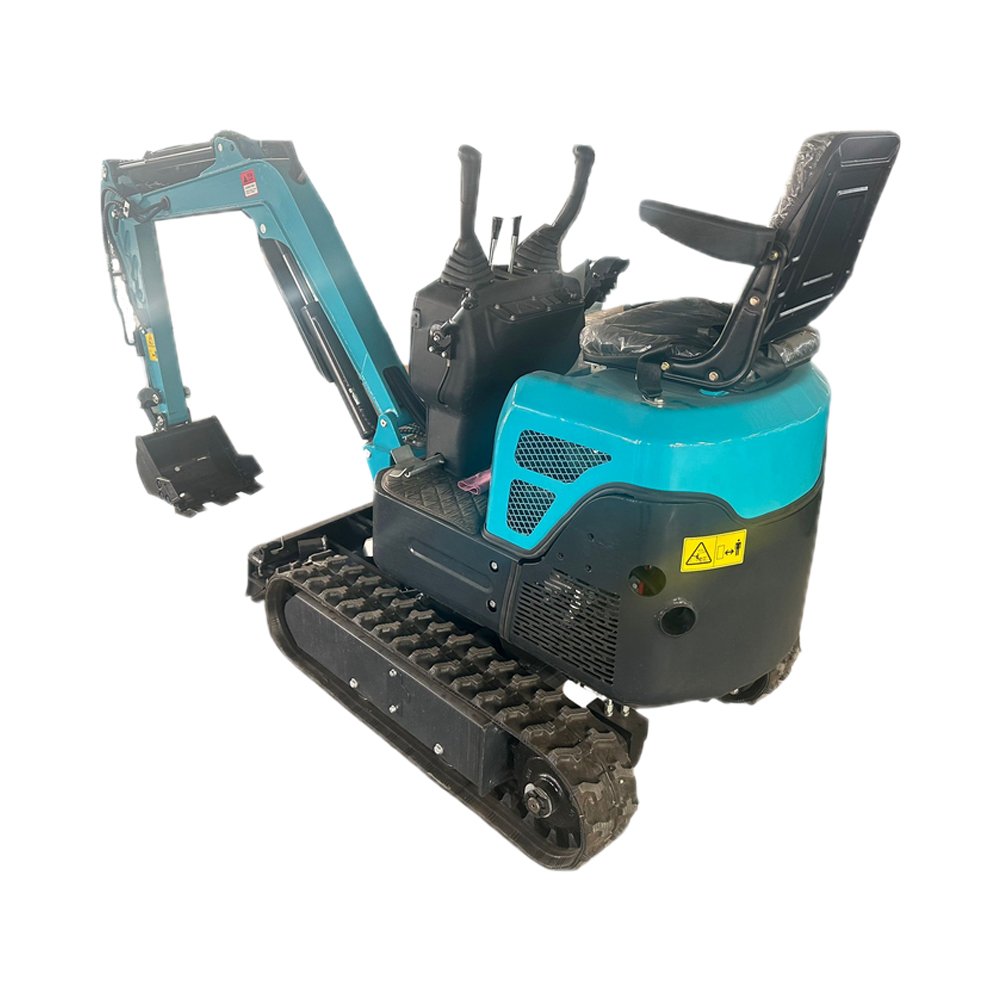
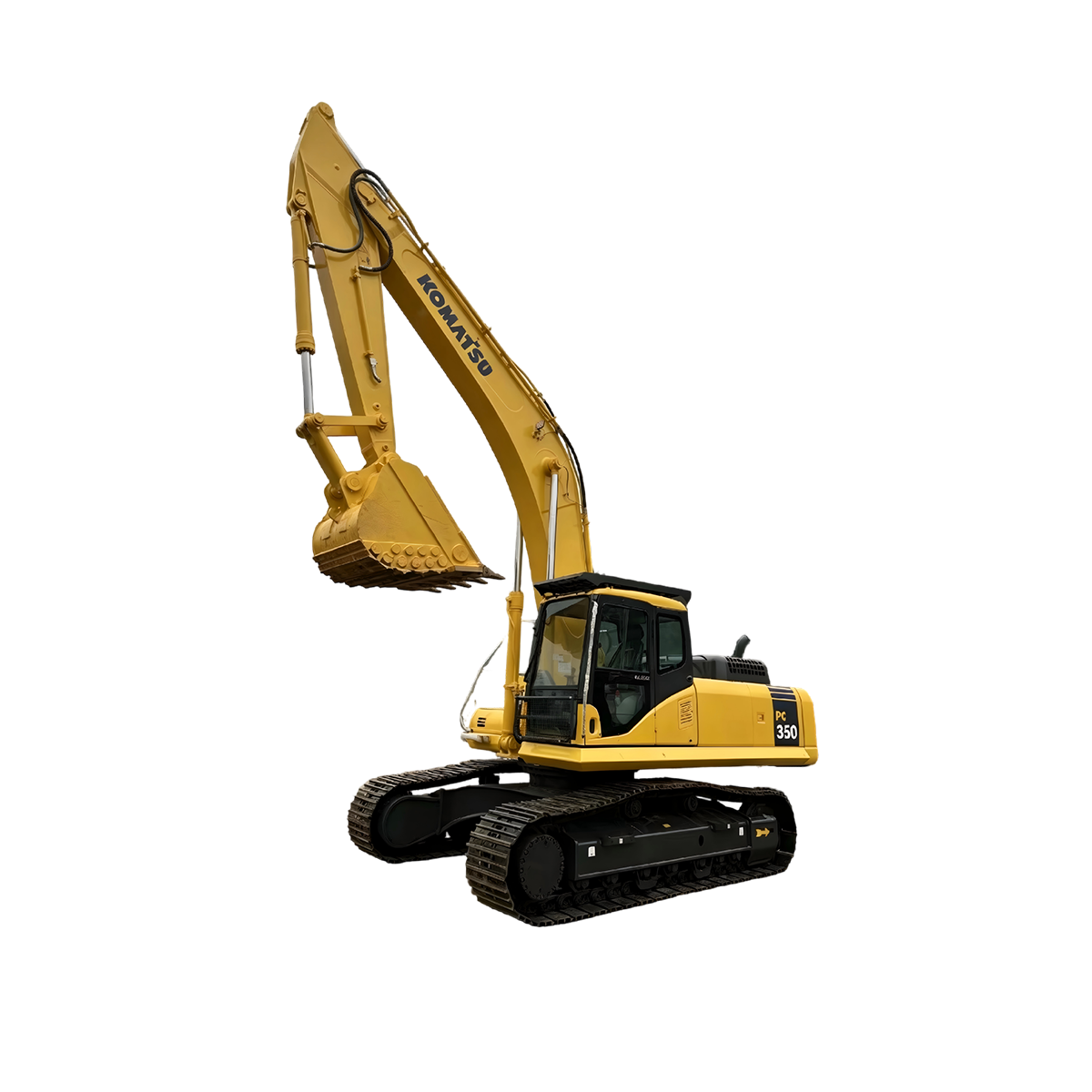
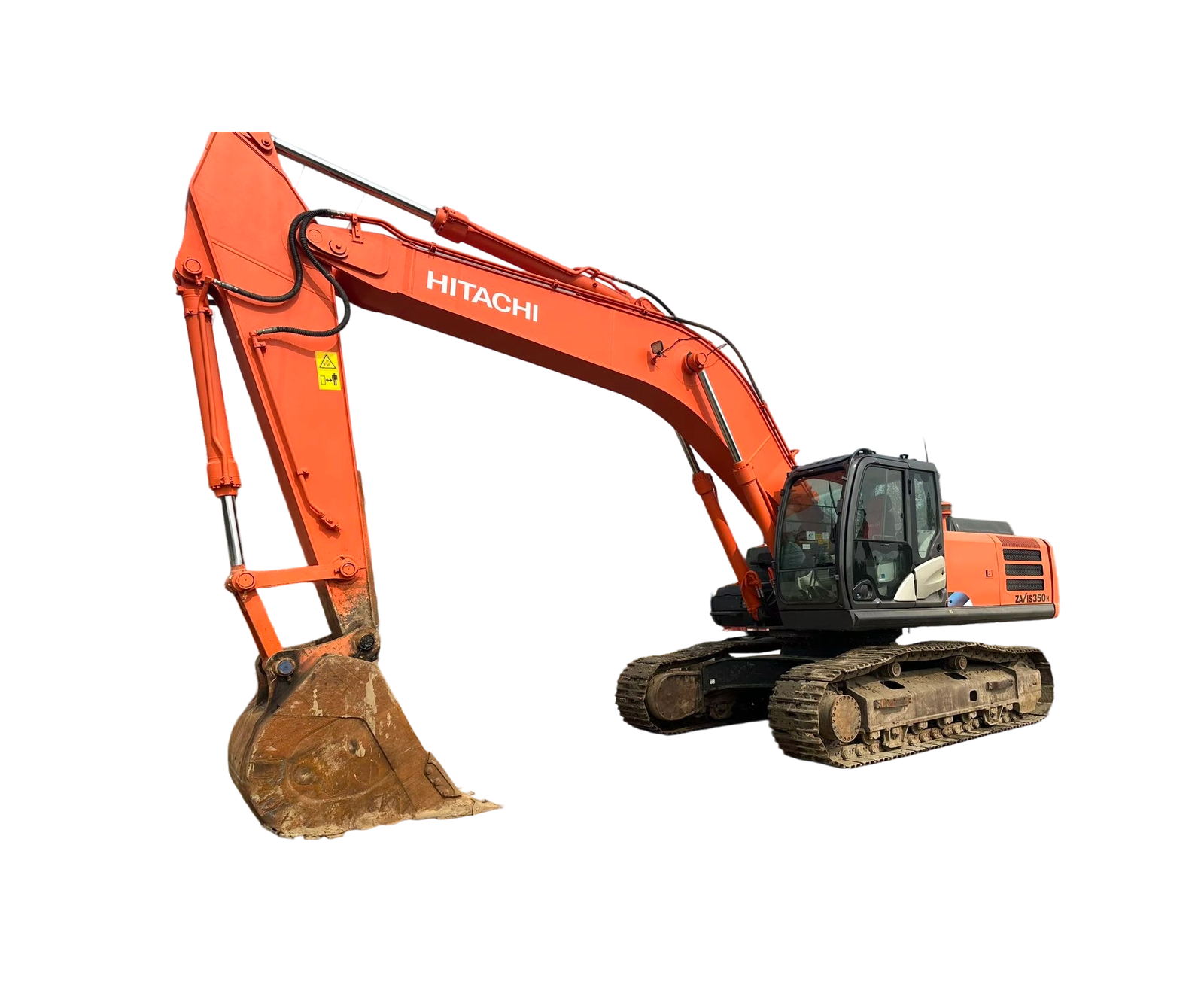
Different construction projects require different excavator sizes. Compact excavators are commonly used for residential construction, landscaping, and tight urban spaces, while medium and large excavators are used for road construction, mining, and large-scale earthmoving projects.
In real job applications, selecting the wrong size can lead to inefficiency. A machine that is too large may consume more fuel and be difficult to maneuver in tight spaces, while a machine that is too small may slow down project progress.
Understanding your project scope helps ensure that the used excavator you choose will match your operational needs and improve productivity on site.
Key inspection points before making a purchase decision
Before deciding to buy used excavator equipment, a careful inspection process is essential. In real-world usage, experienced operators usually focus on several critical areas.
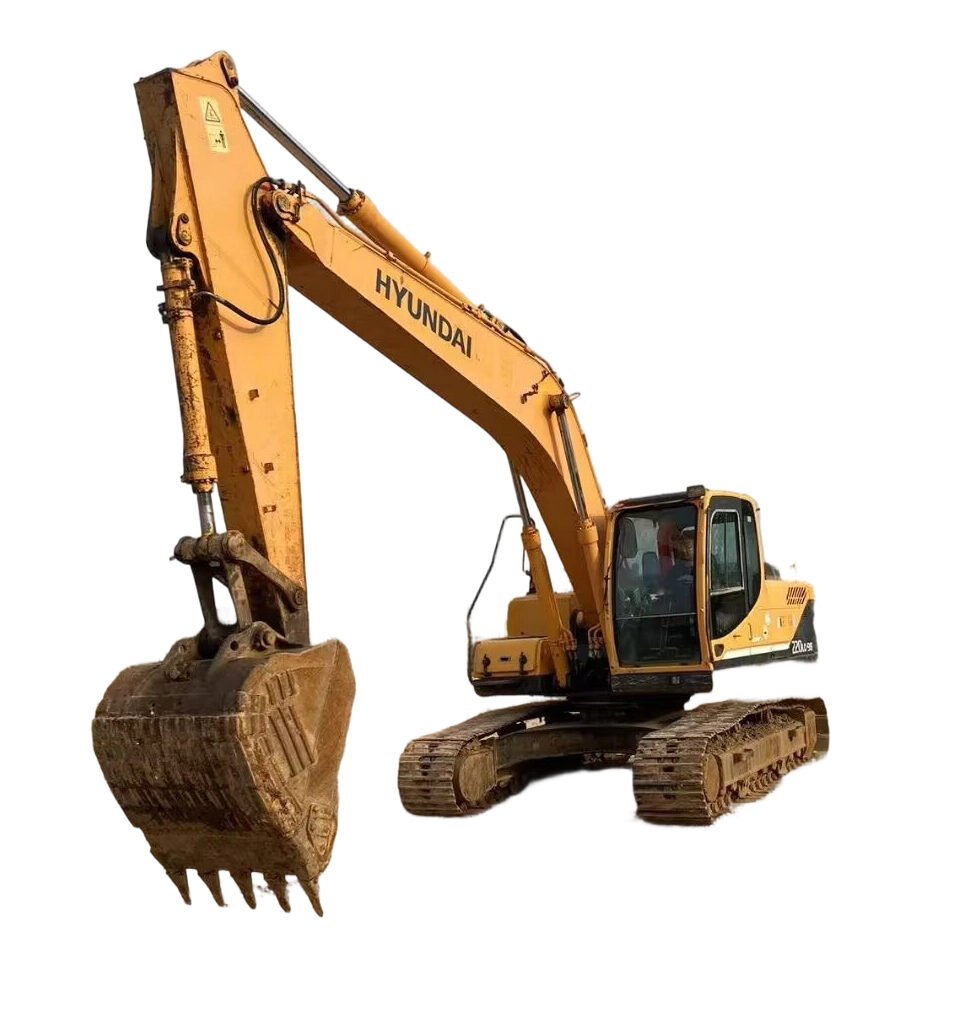
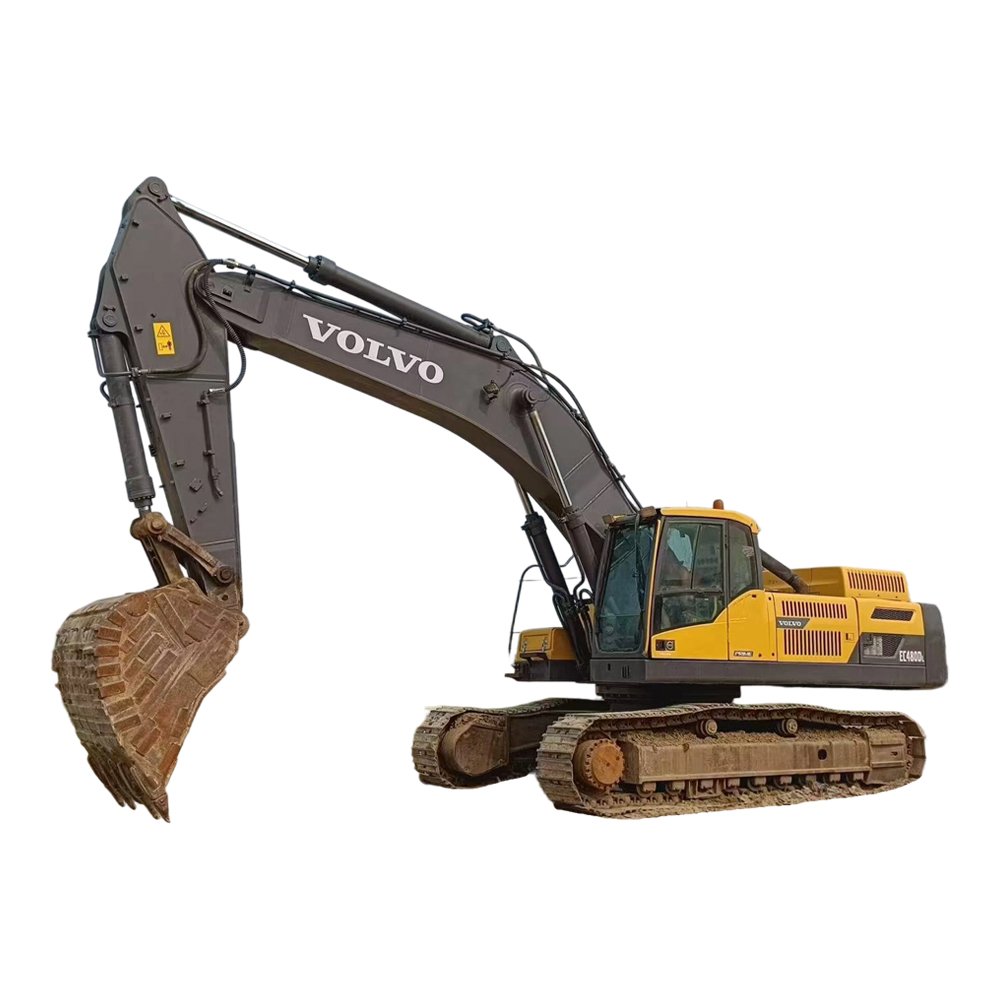
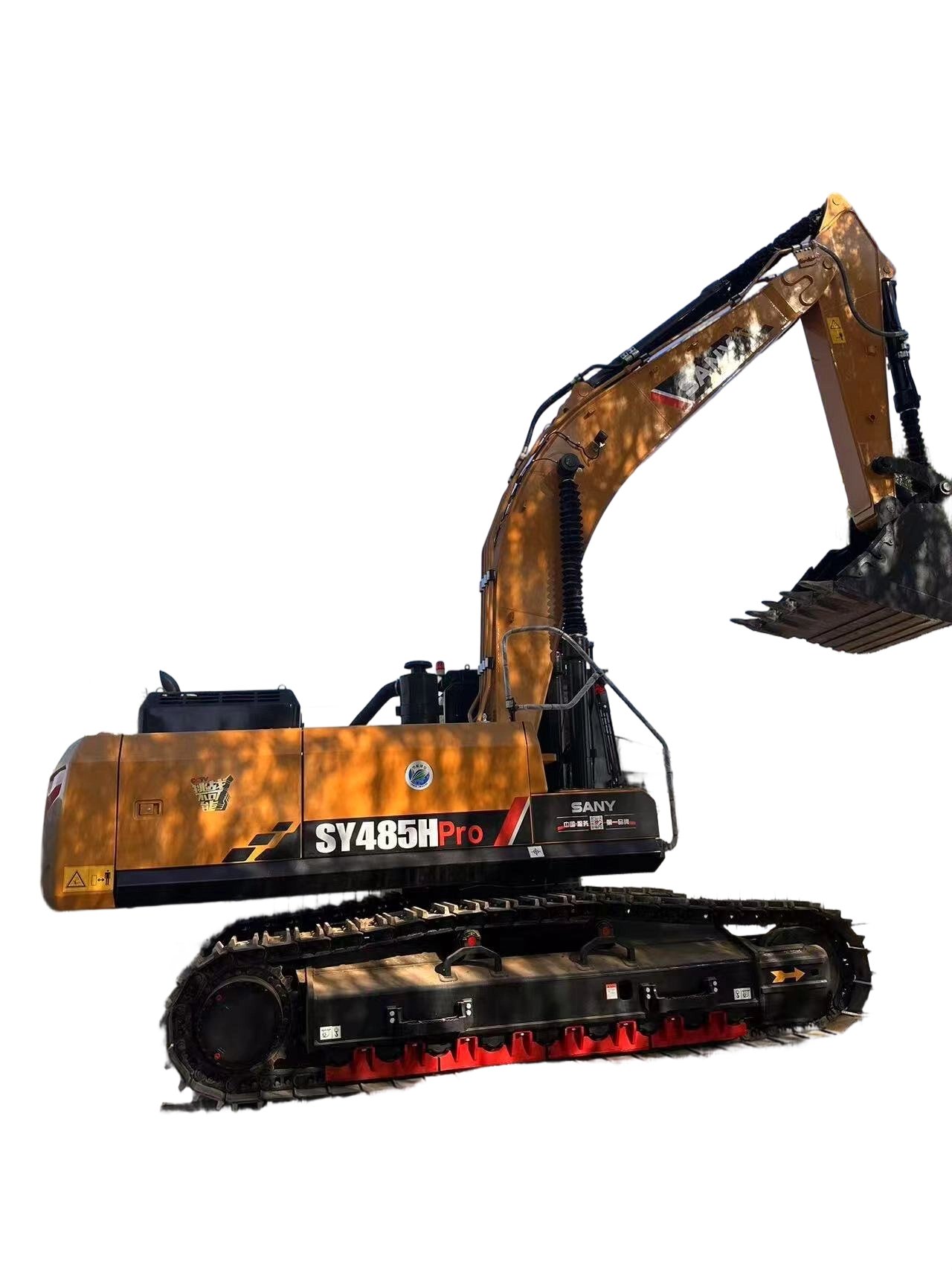
The hydraulic system should be checked for smooth operation without leaks or unusual noise. The engine should start easily and run steadily under load conditions. The boom, arm, and bucket should show minimal structural damage or excessive wear.
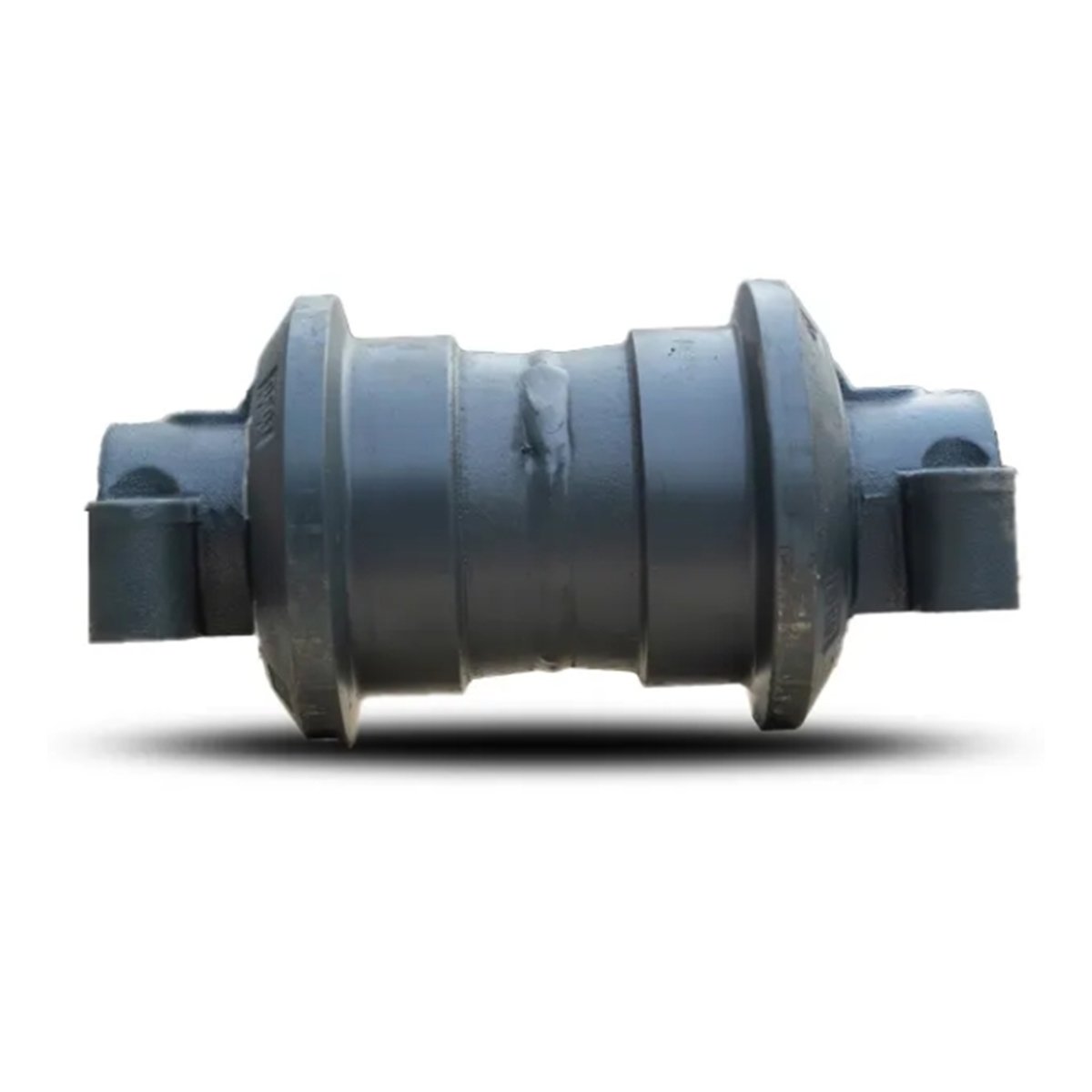
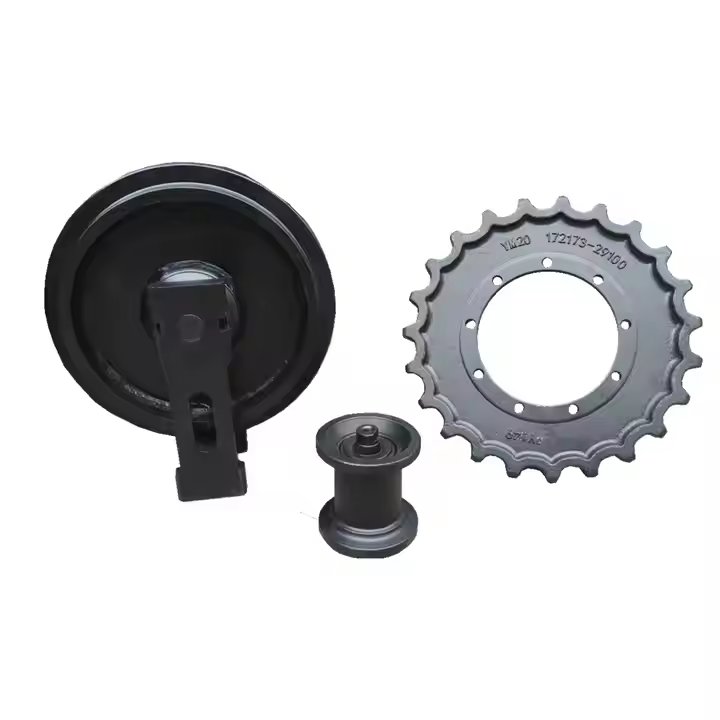
The undercarriage is another important factor, as it directly affects mobility and stability. Tracks, rollers, and sprockets should be evaluated for wear level, especially if the machine has been used in rocky or muddy environments.
A well-maintained machine will show consistent performance across all these areas, reducing the risk of unexpected downtime after purchase.
Real value of maintenance records and service transparency
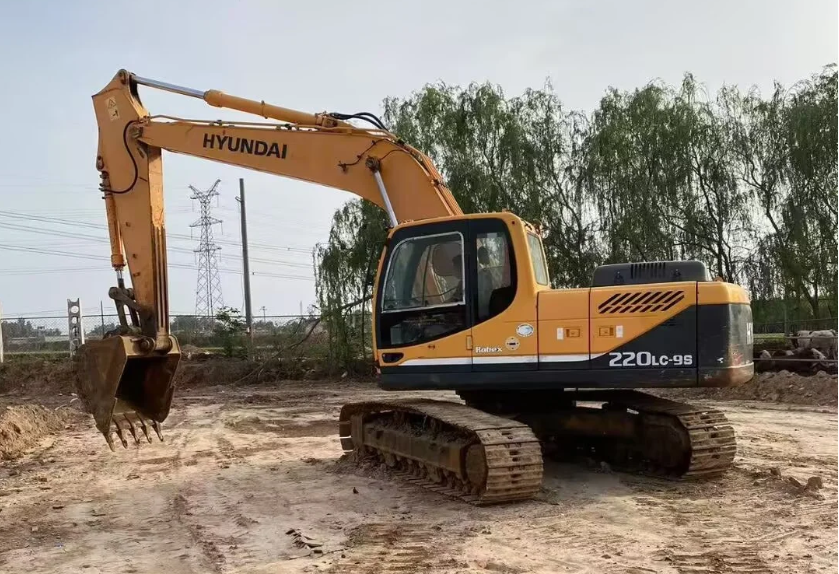
Maintenance history is one of the strongest indicators of a reliable used excavator. Machines that have undergone regular servicing tend to have longer operational life and fewer mechanical issues.
In practical scenarios, service records can reveal whether oil changes, filter replacements, hydraulic inspections, and part replacements were done on schedule. This information helps buyers make more confident decisions and reduces uncertainty.
Transparency from the seller is also important. A clear maintenance log builds trust and allows buyers to understand the actual condition of the equipment beyond external appearance.
How used excavators support cost-efficient project expansion
For many growing construction companies, buying used excavators allows them to expand operations without heavy upfront investment. Instead of allocating full budget to new machinery, companies can distribute resources across multiple equipment purchases.
This approach improves project flexibility. For example, having multiple used machines on different sites can increase productivity and reduce dependency on a single unit.
In real business operations, this strategy helps companies take on more projects while maintaining financial stability.
Practical user experience in daily construction work
Operators often focus on comfort, control responsiveness, and visibility when using excavators. A well-maintained used machine can still offer smooth control and stable performance if it has been properly serviced.
Cabin condition, seat comfort, and control system responsiveness all affect daily productivity. In long working hours, these details become important for reducing operator fatigue and improving efficiency.
Fuel efficiency is another practical concern. A properly maintained engine can help reduce operating costs over time, which is especially important for projects with tight budgets.
Choosing a reliable supplier for long-term value
When you decide to buy used excavator equipment, working with a reliable supplier can significantly reduce risk and improve overall satisfaction. A trusted supplier ensures machines are properly inspected, maintained, and ready for real job site use.
THBSMN is a professional supplier offering used excavators that are carefully selected and maintained for construction, earthmoving, and industrial applications. Their focus on machine condition and operational reliability helps buyers find equipment that matches real project demands.
Making a smart investment decision
Buying a used excavator is not just about saving cost—it is about making a strategic decision for long-term project success. When carefully selected, a well-maintained machine can deliver strong performance, stable operation, and long service life.
By focusing on condition, maintenance history, machine size, and supplier reliability, buyers can significantly reduce risks and improve construction efficiency. In real-world applications, the right excavator becomes not just equipment, but a key part of project success.