








Industry News
Buy Used Excavator Practical Guide To Get Good Performance Equipment
Jul
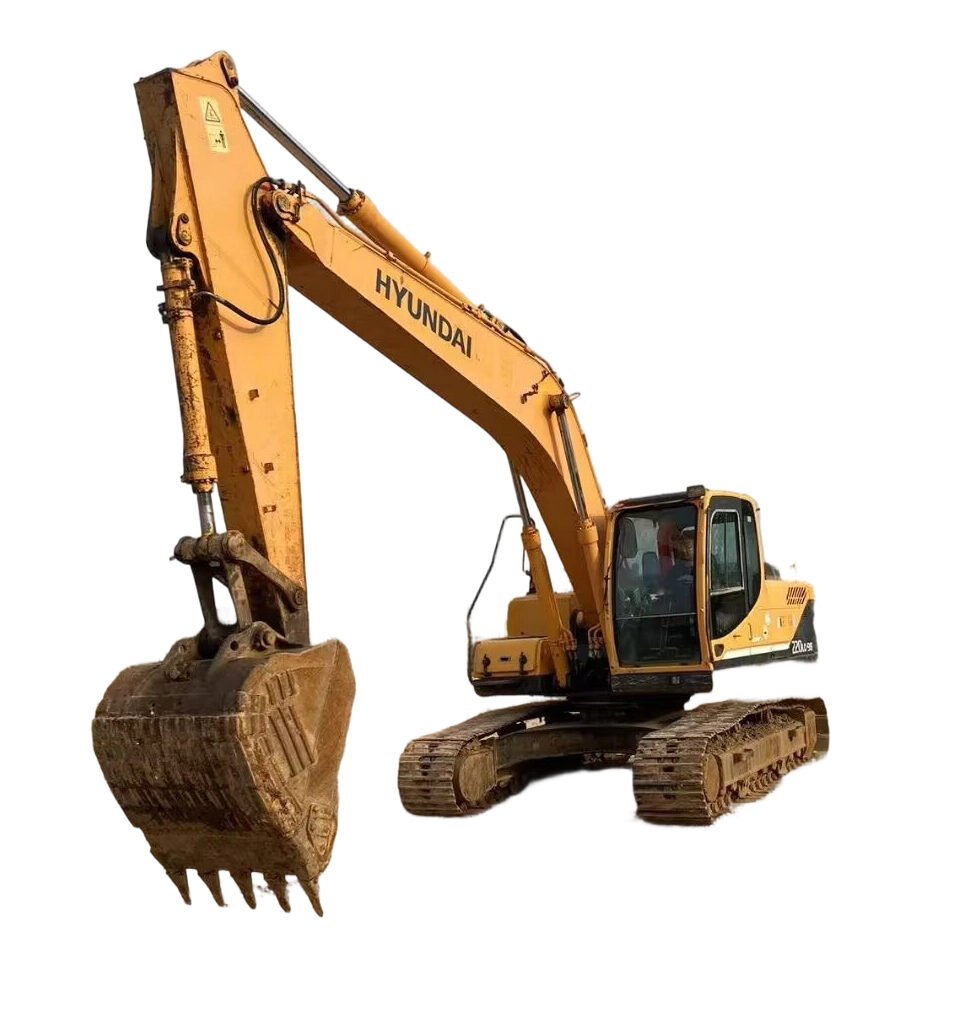
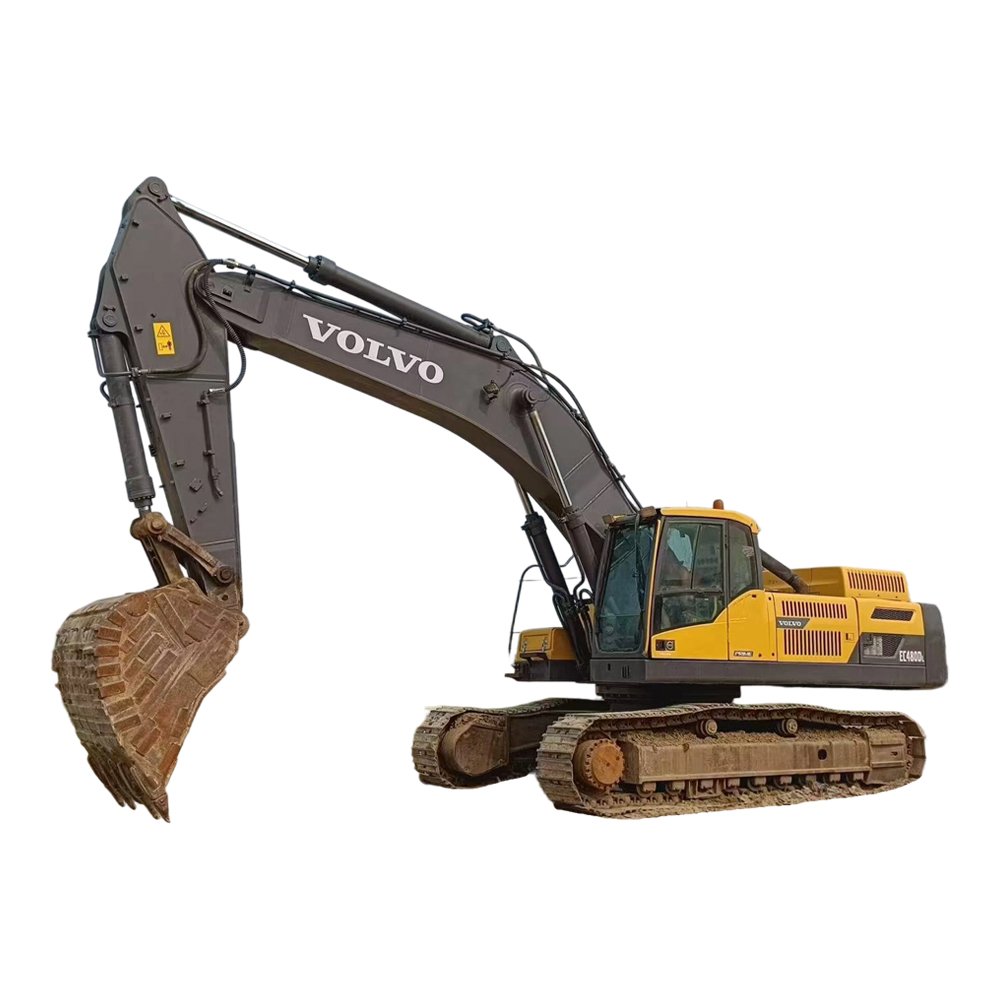
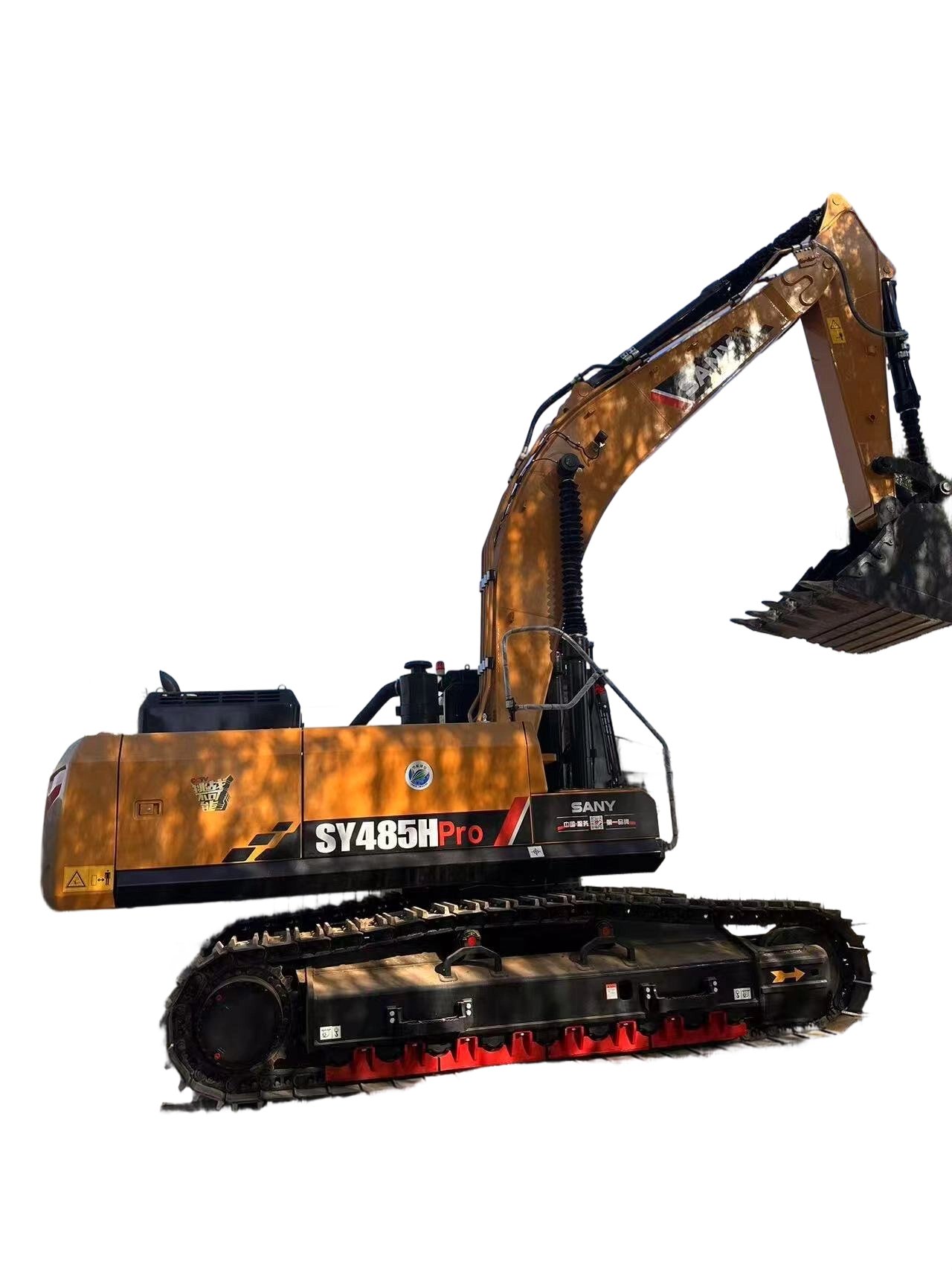
Purchasing an excavator is a major investment decision for construction companies, contractors, landscaping businesses, and agricultural operators. For many users, buying a used excavator can be a practical way to obtain powerful equipment while improving budget efficiency. However, choosing the right machine requires careful evaluation of performance, working conditions, maintenance history, and future operating needs.
A Buy Used Excavator Practical Guide To Get Good Performance Equipment helps buyers understand the key factors that influence excavator quality and usability. A well-selected used excavator can provide excellent working performance for digging, loading, land preparation, demolition support, and many other applications.
The goal of buying used equipment is not simply to find a lower-cost machine. It is about finding a reliable excavator that matches your project requirements, reduces unnecessary downtime, and continues delivering value throughout its service life.
Understand Your Project Requirements Before Buying
Before searching for a used excavator, buyers should first understand what type of work the machine will perform. Different projects require different machine sizes, attachments, and operating capabilities.
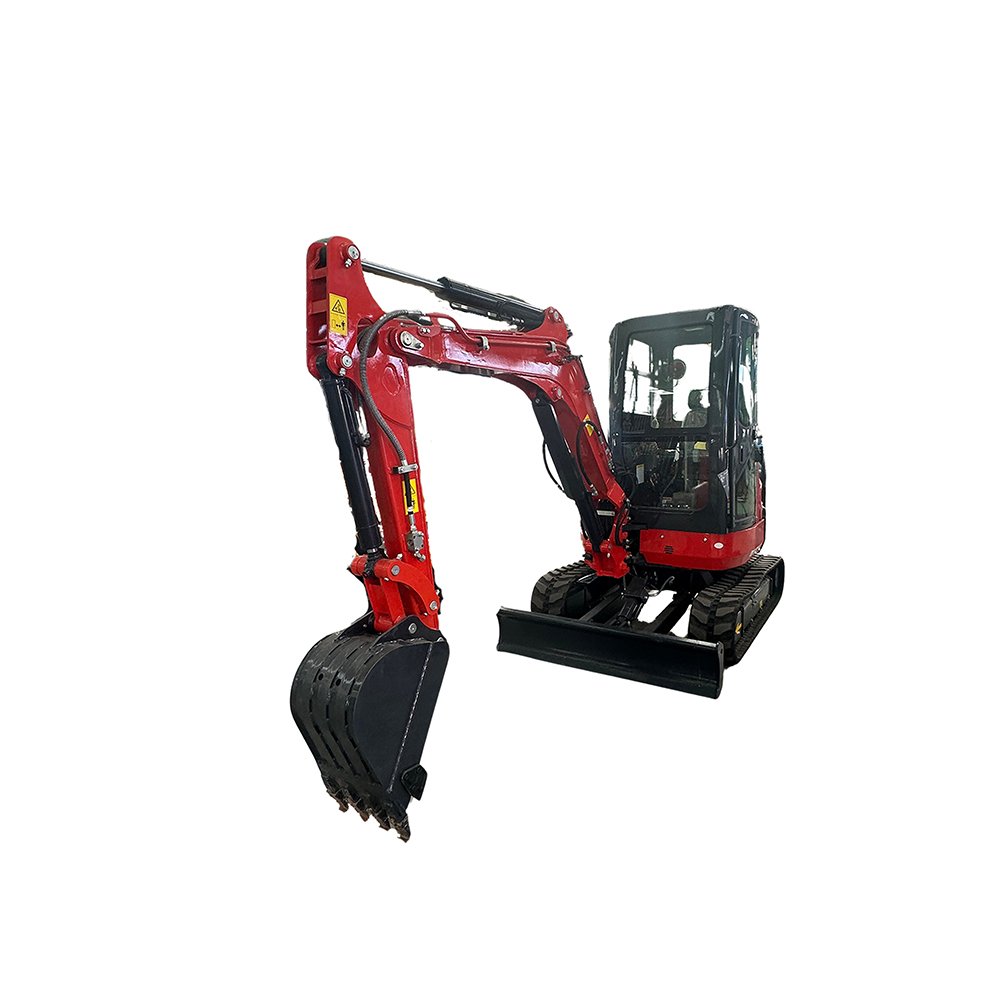
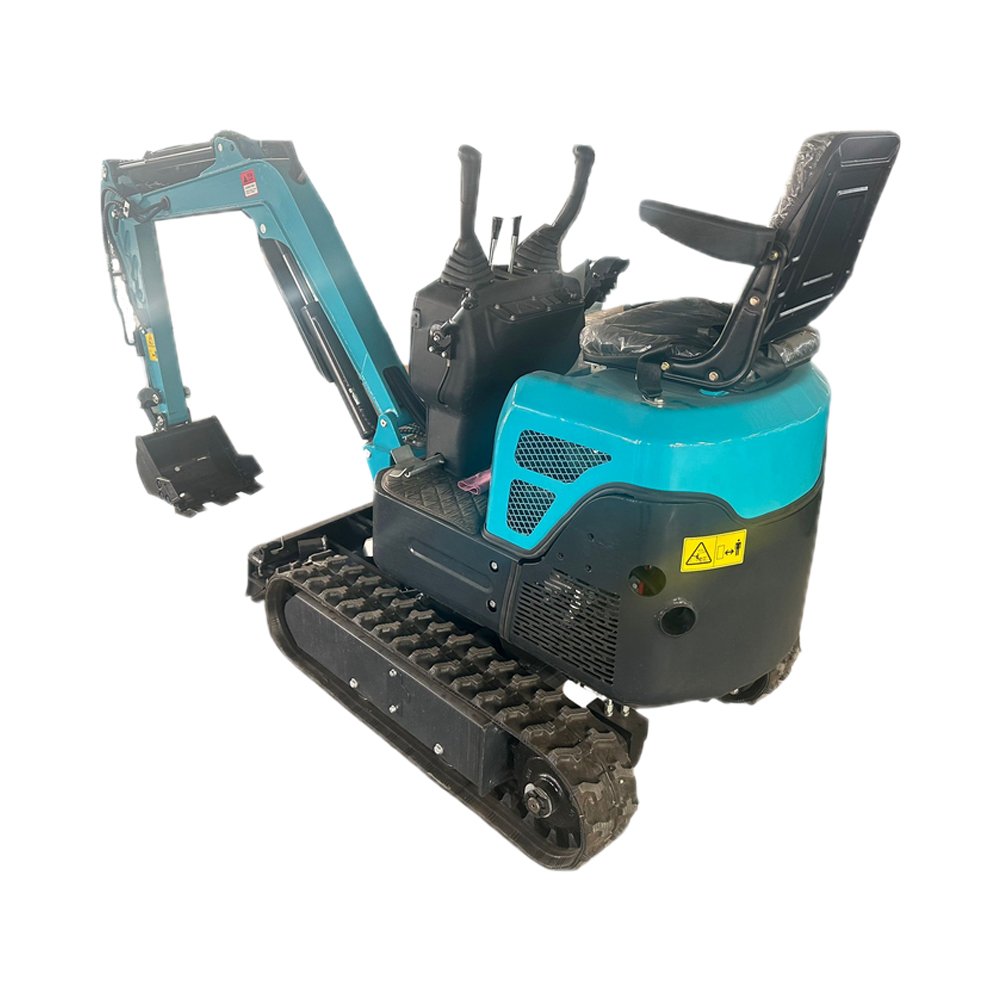
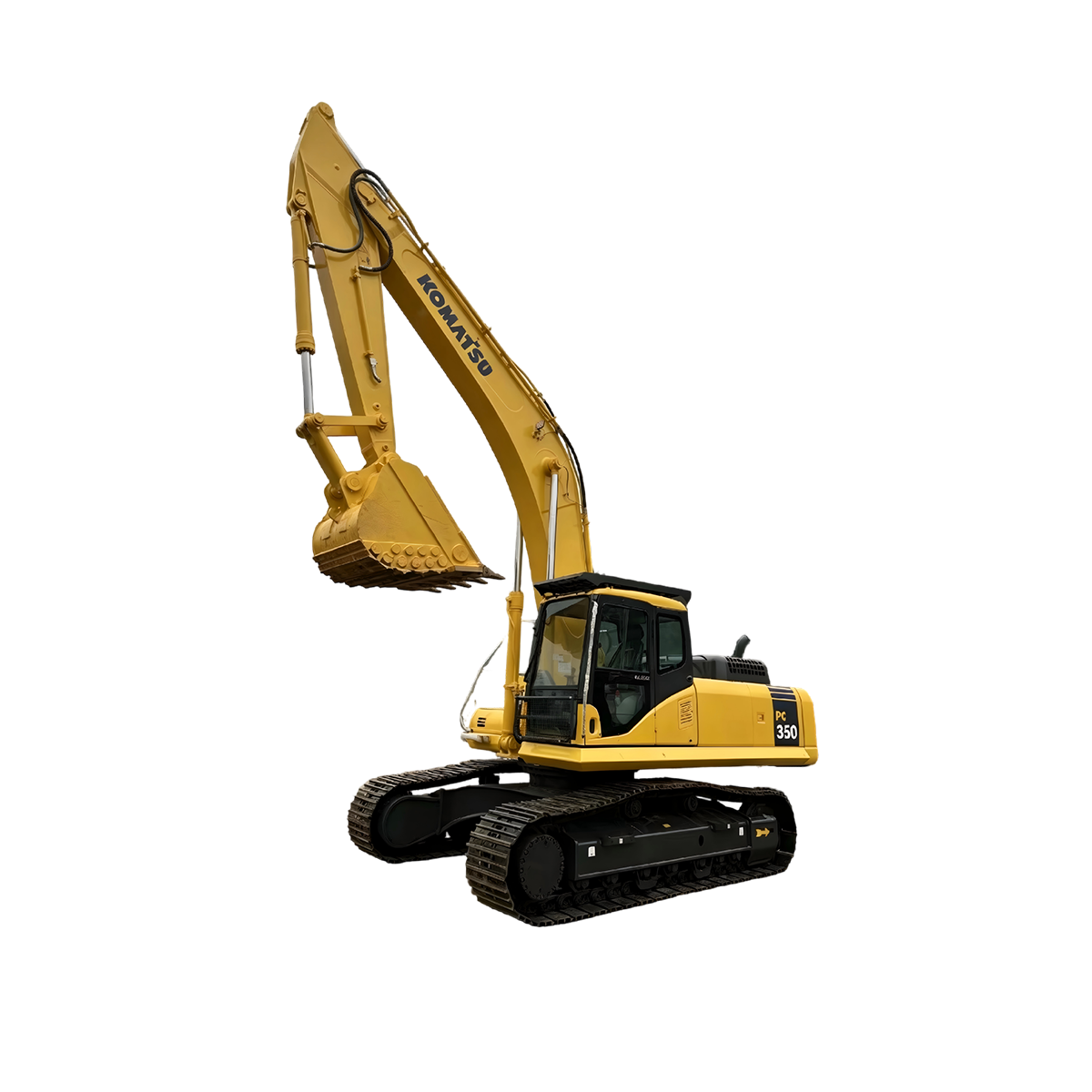
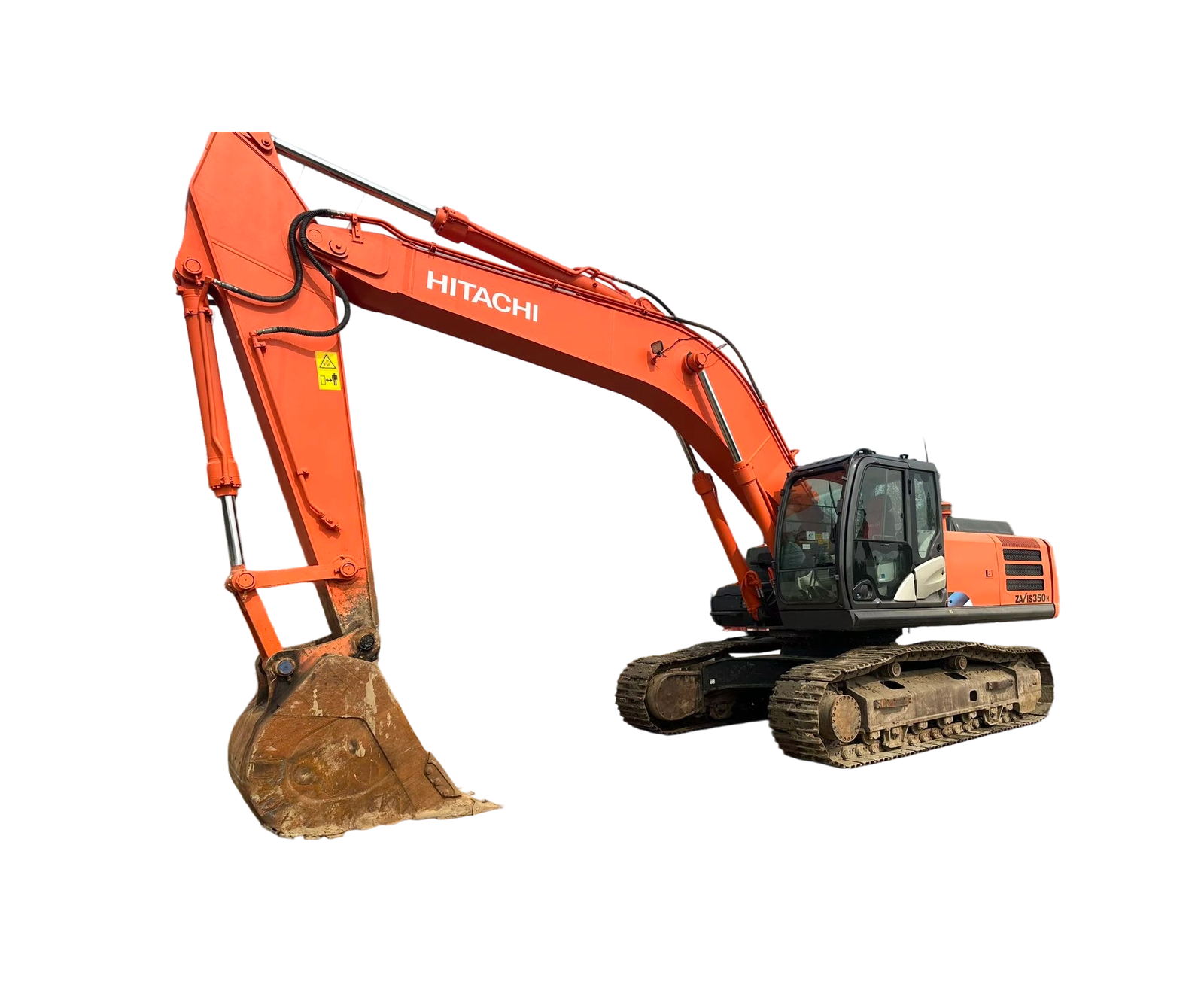
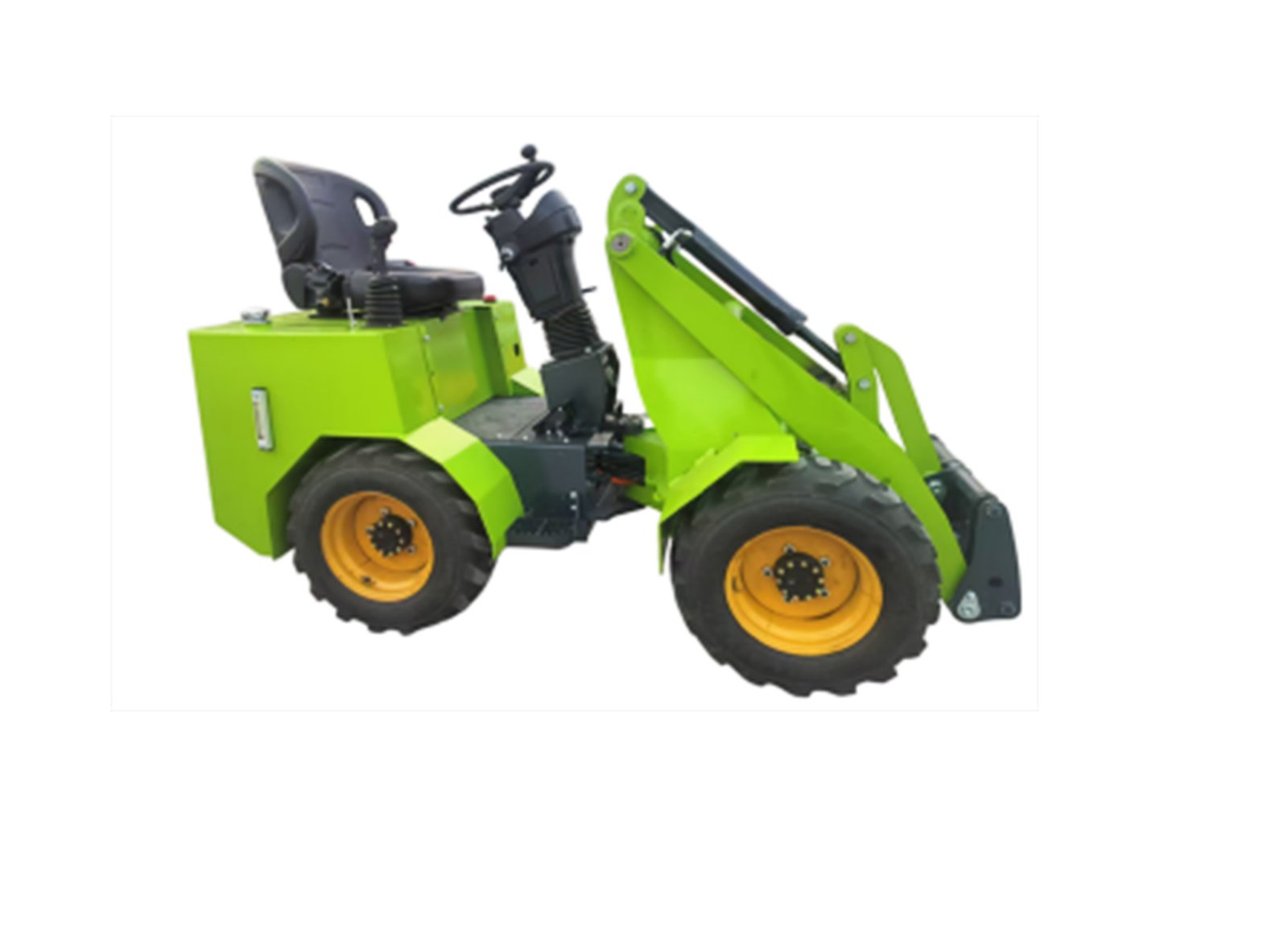
For example, small excavators are often suitable for residential construction, landscaping, drainage work, and narrow-space operations. Medium and large excavators are commonly used for road construction, commercial projects, mining support, and heavy earthmoving tasks.
Important questions to consider include:
What type of materials will be handled?
How much digging depth is required?
Will the excavator operate in limited spaces?
How many working hours will the machine run each week?
Will additional attachments be needed?
Understanding these requirements helps buyers avoid choosing equipment that does not match their actual working environment. A suitable excavator improves productivity because the machine is designed for the tasks it needs to complete.
Check The Overall Condition And Operating Performance
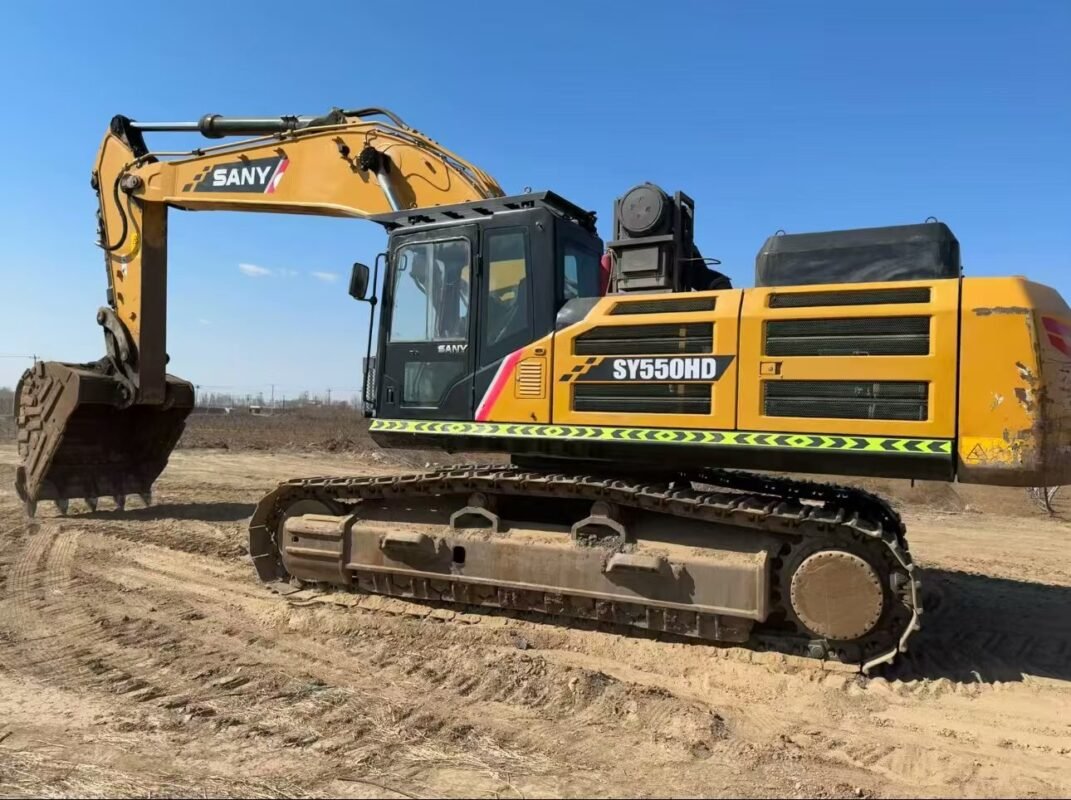
When inspecting a used excavator, appearance is only one part of the evaluation process. A machine with good external condition should also provide stable operating performance.
Buyers should carefully check important areas such as the engine, hydraulic system, undercarriage, boom, arm, bucket, and control system.
The engine is one of the most important components because it directly affects working efficiency. Smooth starting, stable operation, and consistent power output are important indicators of a well-maintained machine.
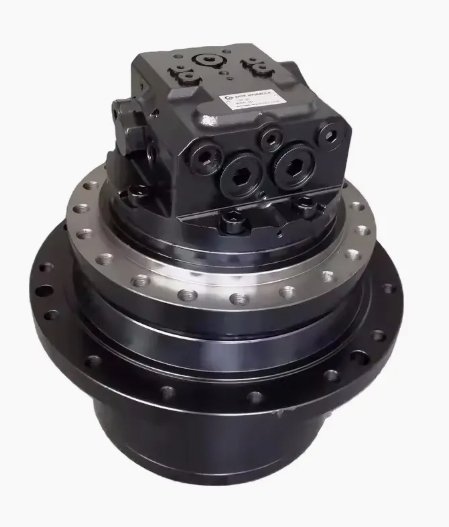
The hydraulic system also plays a key role in excavator performance. Since excavators rely heavily on hydraulic power for digging and lifting, checking hydraulic response, movement smoothness, and working efficiency is essential.
The undercarriage should also receive attention because it supports the entire machine during operation. Track condition, rollers, and related components influence stability and operating costs.
Review Maintenance Records And Equipment History
A detailed maintenance history provides valuable information about a used excavator’s previous use and care. Buyers should ask for available service records, repair information, and operating details before making a purchase decision.
Regular maintenance often reflects responsible equipment management. Important records may include oil changes, filter replacement, hydraulic maintenance, and component inspections.
Understanding the machine’s working history can also help buyers estimate future maintenance requirements. An excavator used in suitable working environments with proper care may continue providing dependable performance for many years.
For businesses, maintenance records are especially important because equipment reliability directly affects project schedules and operating efficiency.
Consider Equipment Age, Working Hours, And Technology Features
Equipment age and operating hours are common factors buyers evaluate when selecting a used excavator. However, these factors should always be considered together with maintenance quality and actual operating condition.
A properly maintained excavator with reasonable working hours can remain highly productive. Buyers should focus on the complete condition of the machine rather than relying on a single factor.
Modern excavators may also include improved control systems, fuel efficiency technologies, and operator-friendly features. These improvements can help businesses increase productivity and create a more comfortable working environment.
Choosing equipment with suitable technology features can provide long-term benefits, especially for companies that use excavators frequently.
Select The Right Supplier For A More Reliable Purchase Experience
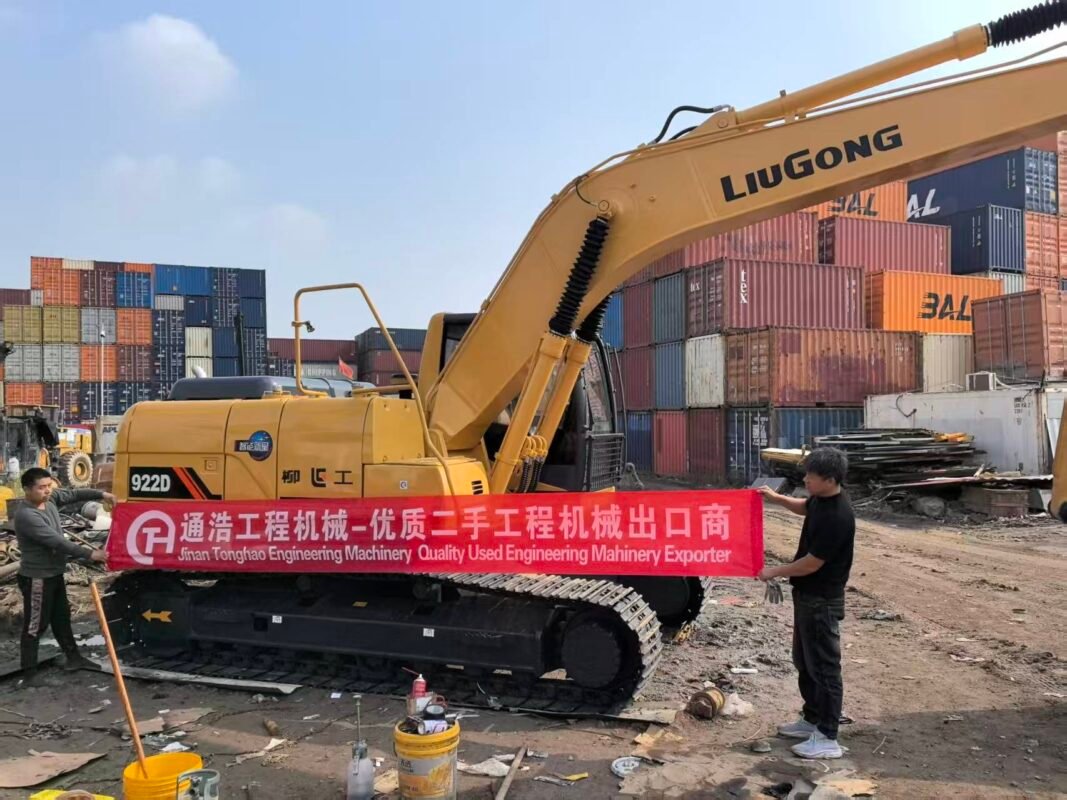
The supplier you choose can significantly influence the quality and convenience of buying used equipment. A professional supplier can provide better equipment information, inspection support, and purchasing guidance.
THBSMN provides used excavator solutions for customers who need reliable construction equipment. With professional experience in equipment supply and customer service, THBSMN helps buyers select machines according to their project requirements, budget plans, and application needs.
Working with an experienced supplier allows customers to better understand equipment conditions and make more informed purchasing decisions. From equipment selection to transportation support, a reliable partner can make the buying process more efficient.
Inspect Attachments And Compatibility For Future Applications
Excavators are often used with different attachments to complete various tasks. Before purchasing used equipment, buyers should consider whether existing attachments meet their future project requirements.
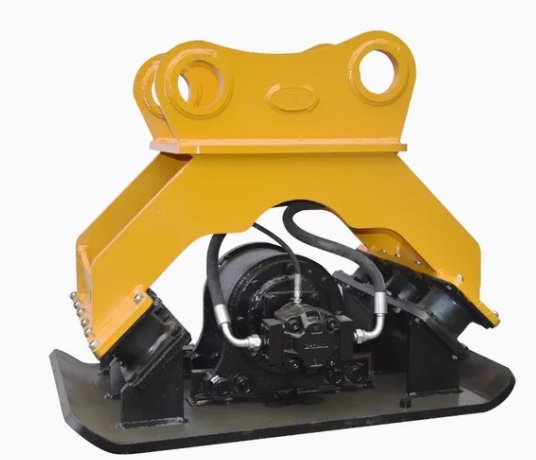
Common excavator attachments include buckets, breakers, grabs, and specialized tools for different applications.
A machine with flexible attachment compatibility can provide greater value because it can adapt to changing project demands. This is especially useful for contractors who handle different types of construction work.
Understanding attachment options before purchasing can help businesses maximize equipment utilization and improve return on investment.
Calculate Long Term Operating Value Instead Of Only Purchase Cost
The purchase price is an important consideration, but it should not be the only factor when choosing a used excavator. Long-term operating value is often more important for professional users.
A reliable excavator can help reduce project delays, improve working efficiency, and provide stable performance over time.
Buyers should consider factors such as fuel consumption, maintenance requirements, parts availability, transportation costs, and expected workload.
Making a decision based on overall value helps businesses choose equipment that supports long-term growth instead of focusing only on the initial investment.
Make A Smart Decision With The Right Used Excavator
Buying a used excavator can be an excellent solution for businesses that need powerful equipment with practical cost control. The key is selecting a machine that matches project requirements, has reliable performance, and comes from a trustworthy source.
By evaluating equipment condition, maintenance history, operating needs, and supplier support, buyers can confidently choose equipment that delivers strong performance.
A carefully selected used excavator can become a valuable asset for construction, agriculture, landscaping, and industrial projects. With proper evaluation and professional support from suppliers such as THBSMN, businesses can find suitable equipment solutions that support efficient and successful operations.