








Industry News
Buy Used Excavator To Save Budget, Tips For Picking High Quality Machinery
Jul
For construction companies, agricultural operators, landscaping contractors, and small business owners, purchasing heavy equipment is a major investment decision. An excavator is one of the most important machines for earthmoving, digging, demolition, site preparation, and material handling projects. However, buying a brand-new machine may require a significant budget, especially for businesses that are expanding operations or starting new projects.
This is why many professionals choose to Buy Used Excavator To Save Budget, Tips For Picking High Quality Machinery. A carefully selected used excavator can provide excellent working performance while helping businesses control upfront costs and improve investment efficiency.
A used excavator is not simply about finding the lowest price. The real goal is selecting reliable machinery with good operating condition, proper maintenance history, and suitable specifications for your daily work. With the right evaluation process, buyers can find equipment that delivers strong productivity and long-term value.
Understand Your Project Requirements Before Choosing an Excavator
The first step in purchasing a used excavator is understanding what type of work the machine needs to handle. Different projects require different machine sizes, attachments, and performance capabilities.
For residential construction projects, landscaping work, and small excavation tasks, compact or medium-sized excavators are often practical because they offer flexibility in limited spaces. For large-scale earthmoving, mining support, road construction, or commercial development projects, larger excavators with stronger digging capacity may be more suitable.
Before searching for equipment, buyers should consider several important factors:
The type of materials being excavated
The average working hours per day
Job site size and accessibility
Required digging depth and lifting capacity
Available transportation options
Future project expansion plans
Having a clear understanding of these needs helps prevent purchasing machinery that does not match actual working conditions.
Check Machine Condition Instead of Focusing Only on Price
When buying used heavy machinery, the lowest price is not always the best value. A reliable excavator should provide stable performance, reduce downtime, and support continuous operation.
A thorough inspection should include the machine’s operating condition, service records, and overall maintenance quality.
Important areas to evaluate include:
Engine performance
Hydraulic system response
Undercarriage condition
Boom and arm structure
Bucket condition
Electrical system
Cabin operation
Control system performance
The engine and hydraulic system are especially important because they directly influence working efficiency. Smooth operation, consistent power output, and responsive controls are strong indicators of a well-maintained machine.
Pay Attention to Operating Hours and Maintenance History
Machine hours are an important reference when evaluating a used excavator, but they should not be the only deciding factor.
A machine with higher operating hours but excellent maintenance records may still provide dependable performance. On the other hand, equipment with fewer hours but poor maintenance practices may require additional attention.
Buyers should review available service information, including:
Regular maintenance schedules
Replacement of important components
Repair records
Previous working environments
Storage conditions
A transparent maintenance history helps buyers better understand the machine’s condition and make a more confident purchasing decision.
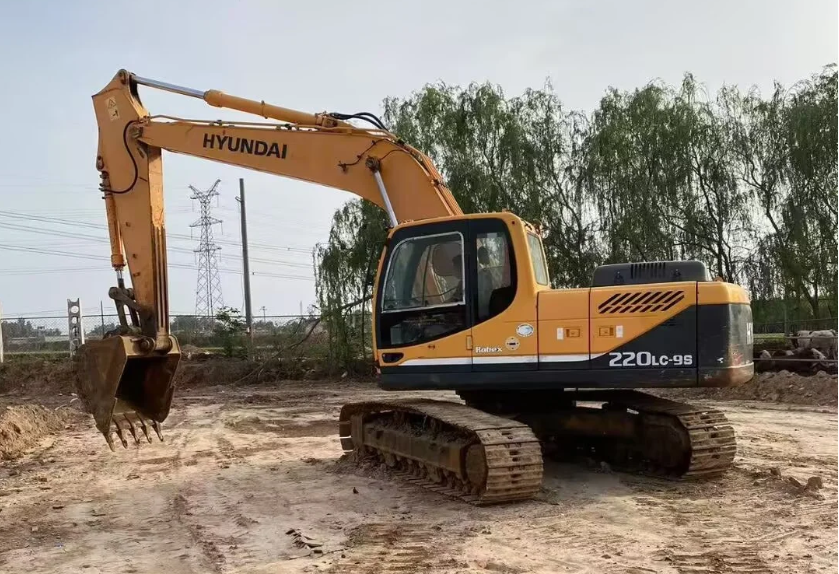
Choose the Right Excavator Size for Better Efficiency
Selecting the correct excavator size can directly affect productivity and operating costs.
A machine that is too small may require more working hours to complete tasks, while an oversized excavator may increase transportation costs and operating expenses.
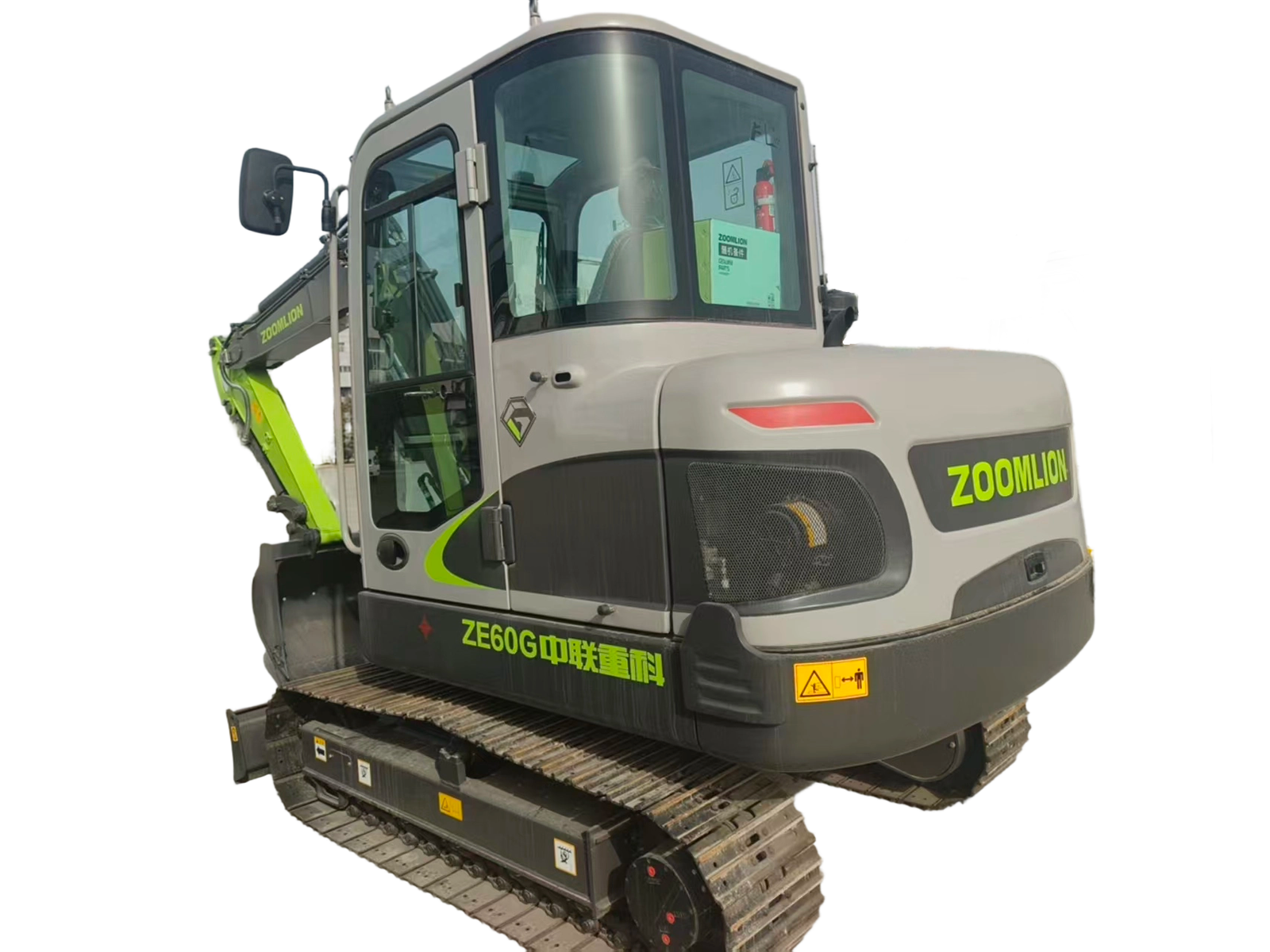
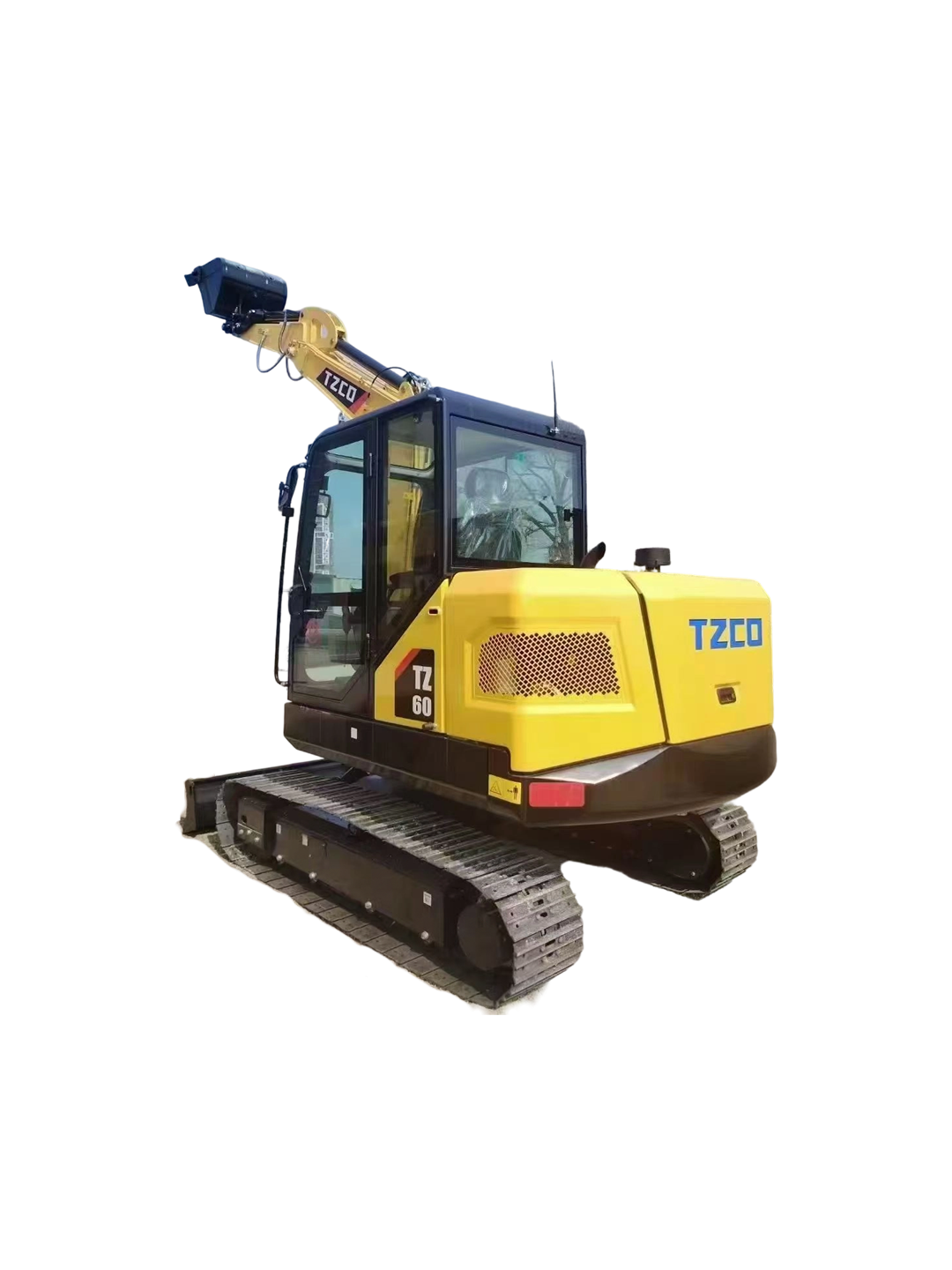
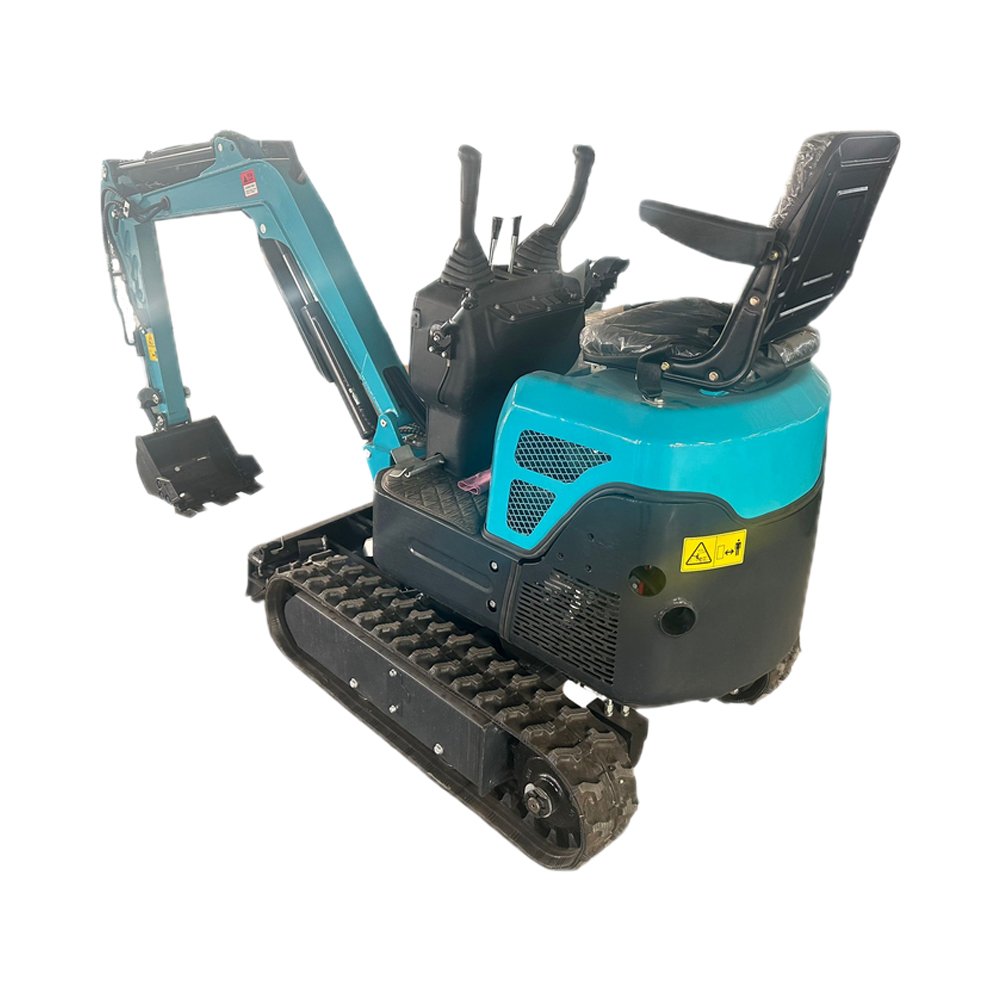
Small excavators are commonly used for:
Garden projects
Residential landscaping
Utility installation
Small construction work
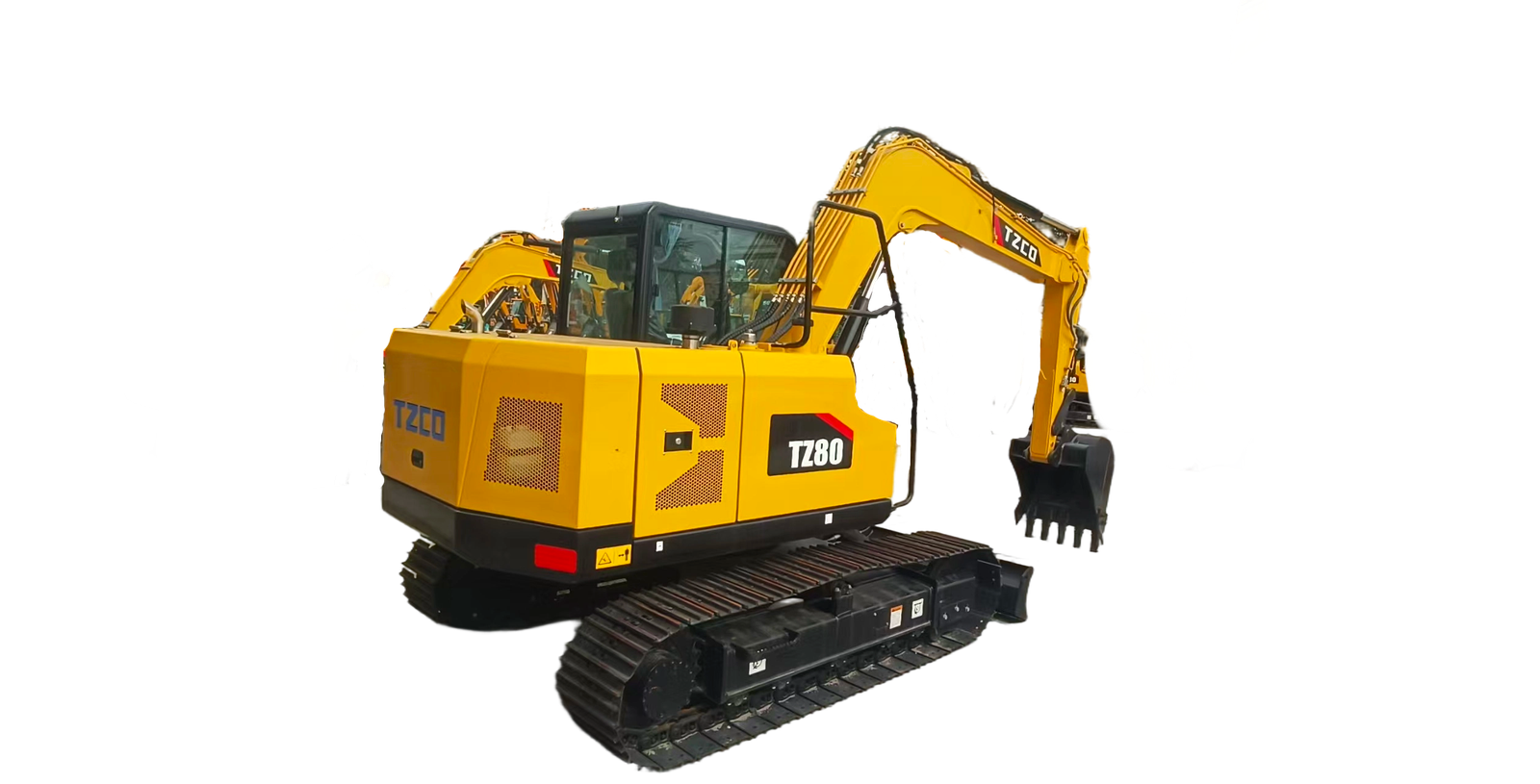
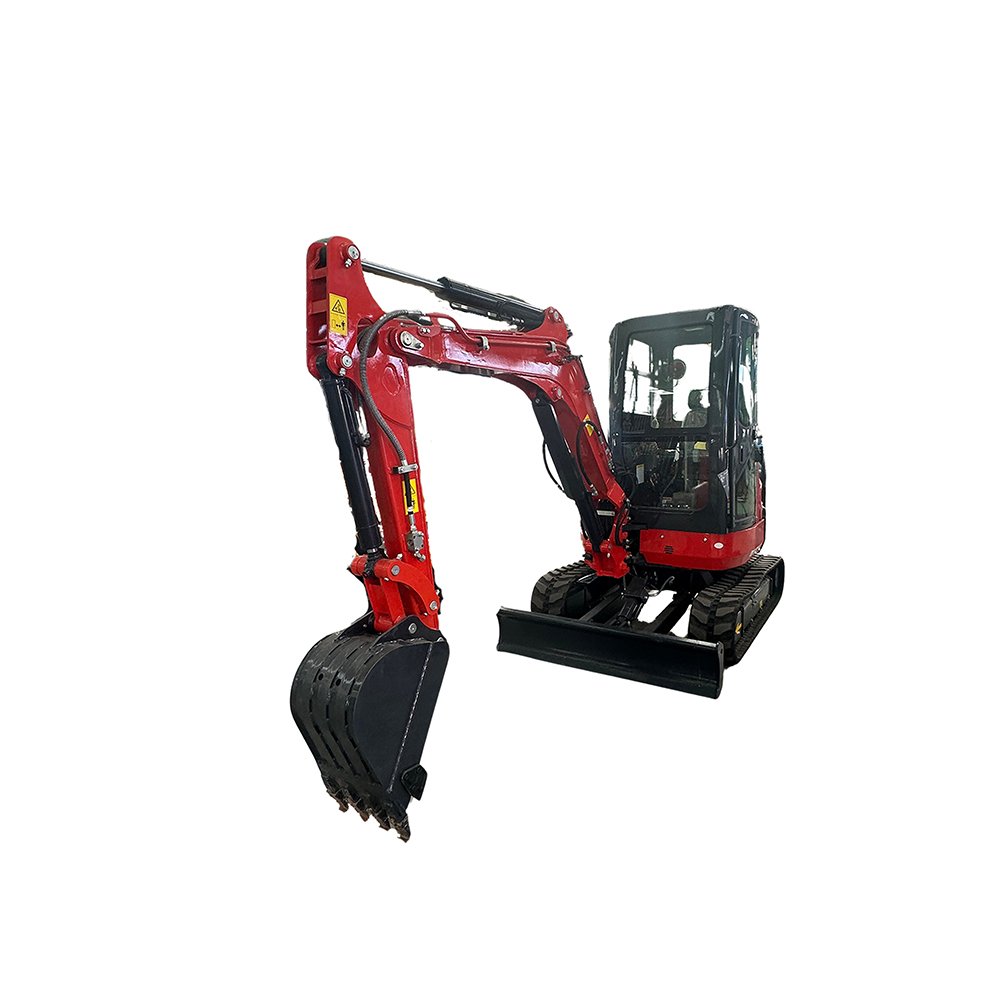
Medium excavators are suitable for:
Building foundations
Road preparation
Agricultural projects
General construction tasks
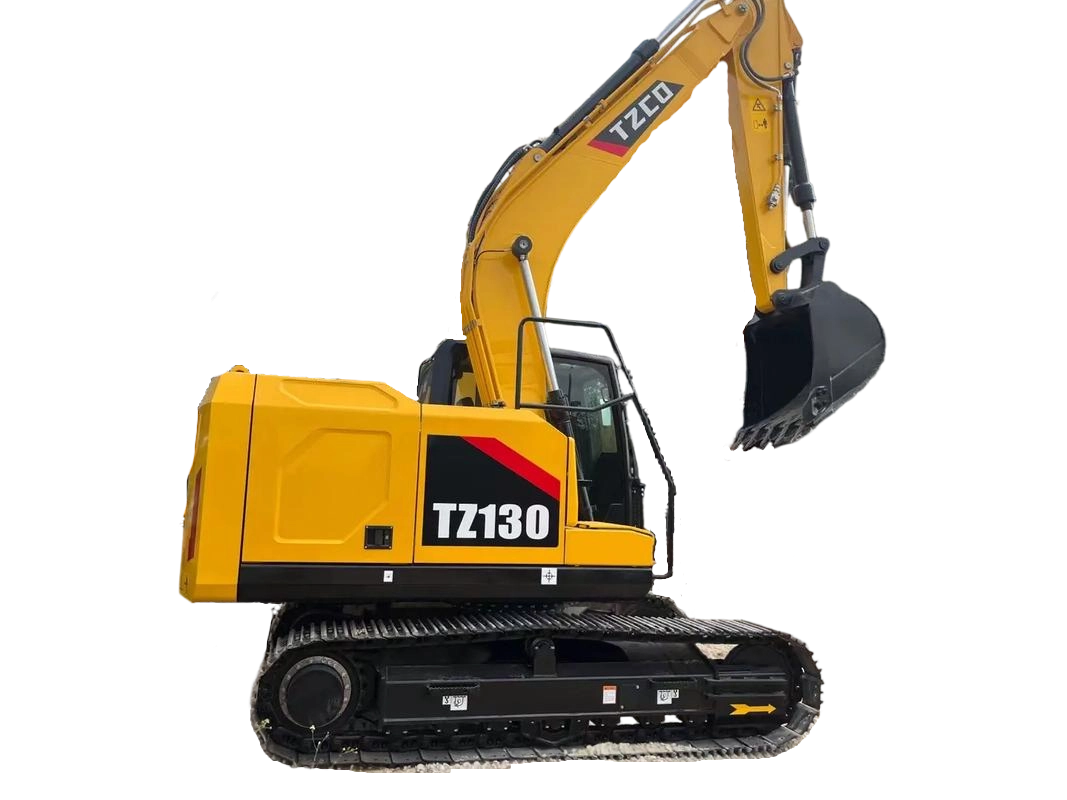
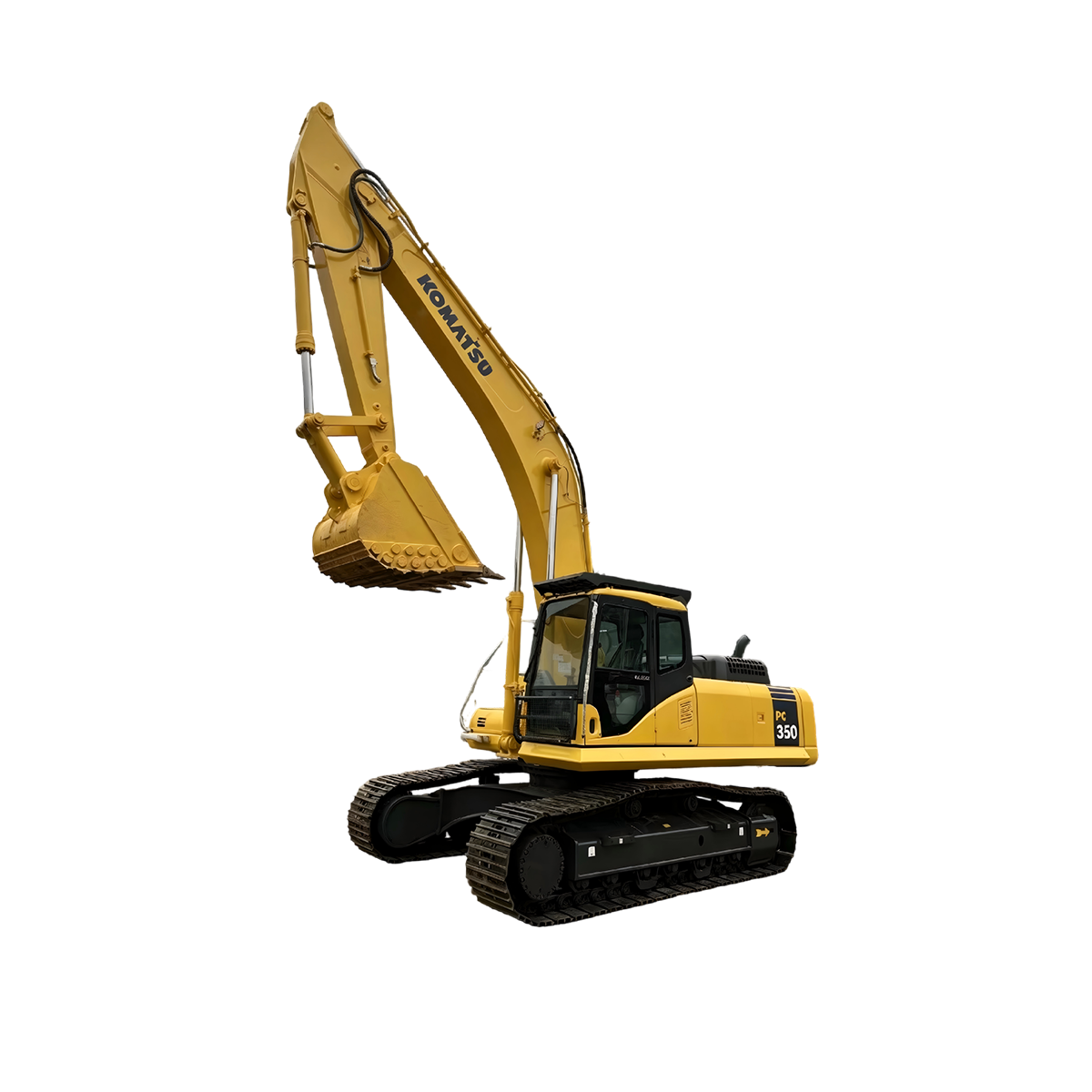
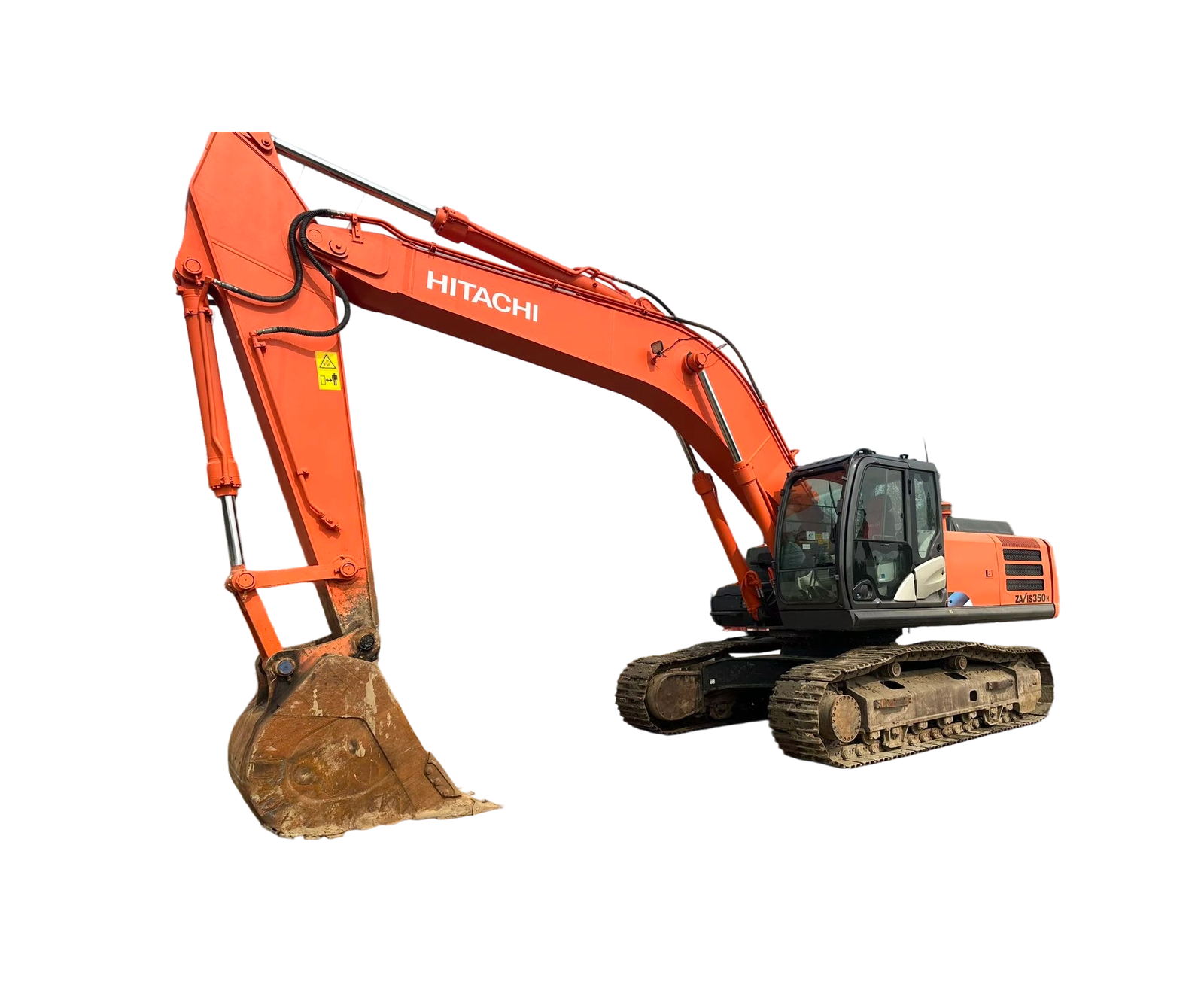
Large excavators are often used for:
Major earthmoving
Large infrastructure projects
Heavy material handling
The ideal choice depends on your specific business needs rather than simply choosing the largest available machine.
Inspect Attachments and Additional Equipment Compatibility
Excavator performance depends not only on the main machine but also on the attachments being used.
Many businesses require different attachments for different applications, such as buckets, hydraulic breakers, grapples, augers, or specialized tools.
Before purchasing a used excavator, confirm whether the machine supports the attachments required for your projects. A flexible excavator with compatible attachments can increase productivity and allow businesses to handle a wider range of jobs.
This is especially valuable for contractors who work across multiple industries and need equipment that can adapt to changing project requirements.
Consider Brand Reliability and Parts Availability
A quality used excavator should provide dependable operation and convenient maintenance support. Buyers should consider equipment with strong engineering quality, accessible replacement parts, and professional technical support.
Reliable machinery helps reduce unexpected interruptions and allows operators to complete projects according to schedule.
Working with an experienced used equipment supplier can simplify the purchasing process. Professional suppliers can provide detailed machine information, help match equipment to project requirements, and offer guidance based on years of industry experience.
THBSMN is a trusted used excavator supplier that helps customers find suitable machinery solutions for different construction and industrial applications. With experience in used heavy equipment sourcing and customer support, THBSMN provides carefully selected excavators to help businesses improve productivity while managing equipment investment costs.
Evaluate Transportation, Inspection, and Purchase Support
Buying a used excavator involves more than selecting the machine itself. Logistics, inspection support, and after-purchase assistance are also important parts of the decision.
Before finalizing a purchase, buyers should confirm:
Machine specifications
Shipping arrangements
Documentation availability
Inspection details
Technical support options
A professional purchasing process helps avoid unnecessary delays and ensures that the equipment arrives ready for operation.
For companies purchasing machinery internationally or expanding their equipment fleet, reliable supplier communication is especially important.
Make a Smart Investment With the Right Used Excavator
A used excavator can be a valuable asset when selected carefully. For businesses looking to expand capabilities, reduce initial investment pressure, or improve project flexibility, quality used machinery offers a practical solution.
The key is focusing on overall equipment condition, maintenance history, suitable specifications, and supplier reliability rather than only the purchase price.
By understanding project requirements, inspecting important machine components, and working with an experienced supplier like THBSMN, buyers can confidently select excavators that provide dependable performance and long-term business value.
Choosing the right used excavator is not just about saving money—it is about making a smarter equipment investment that supports future growth.