








Industry News
Buy Used Excavator: Ultimate Guide for Beginners
Jun
Buying an excavator is a major investment, whether you’re starting a construction business, expanding your equipment fleet, or taking on landscaping and agricultural projects. For many beginners, purchasing a used excavator is the most practical way to get reliable equipment while keeping costs under control.
Today’s used excavator market offers machines that can continue to deliver excellent performance for years when properly maintained. Instead of paying the premium price for a brand-new machine, buyers can invest in a high-quality used excavator and allocate the remaining budget to transportation, attachments, operators, or additional projects.
The key is knowing what to look for before making your purchase. With the right preparation, you can find equipment that matches your workload, budget, and long-term business goals.
Determine Your Job Requirements Before Shopping
One of the biggest mistakes first-time buyers make is choosing an excavator before clearly understanding their actual needs.
Ask yourself several practical questions.
What type of work will the machine perform?
Will it be used for residential construction, road projects, farm work, mining, demolition, or landscaping?
How much operating space is available?
How deep does it need to dig?
Will the machine be transported frequently between job sites?
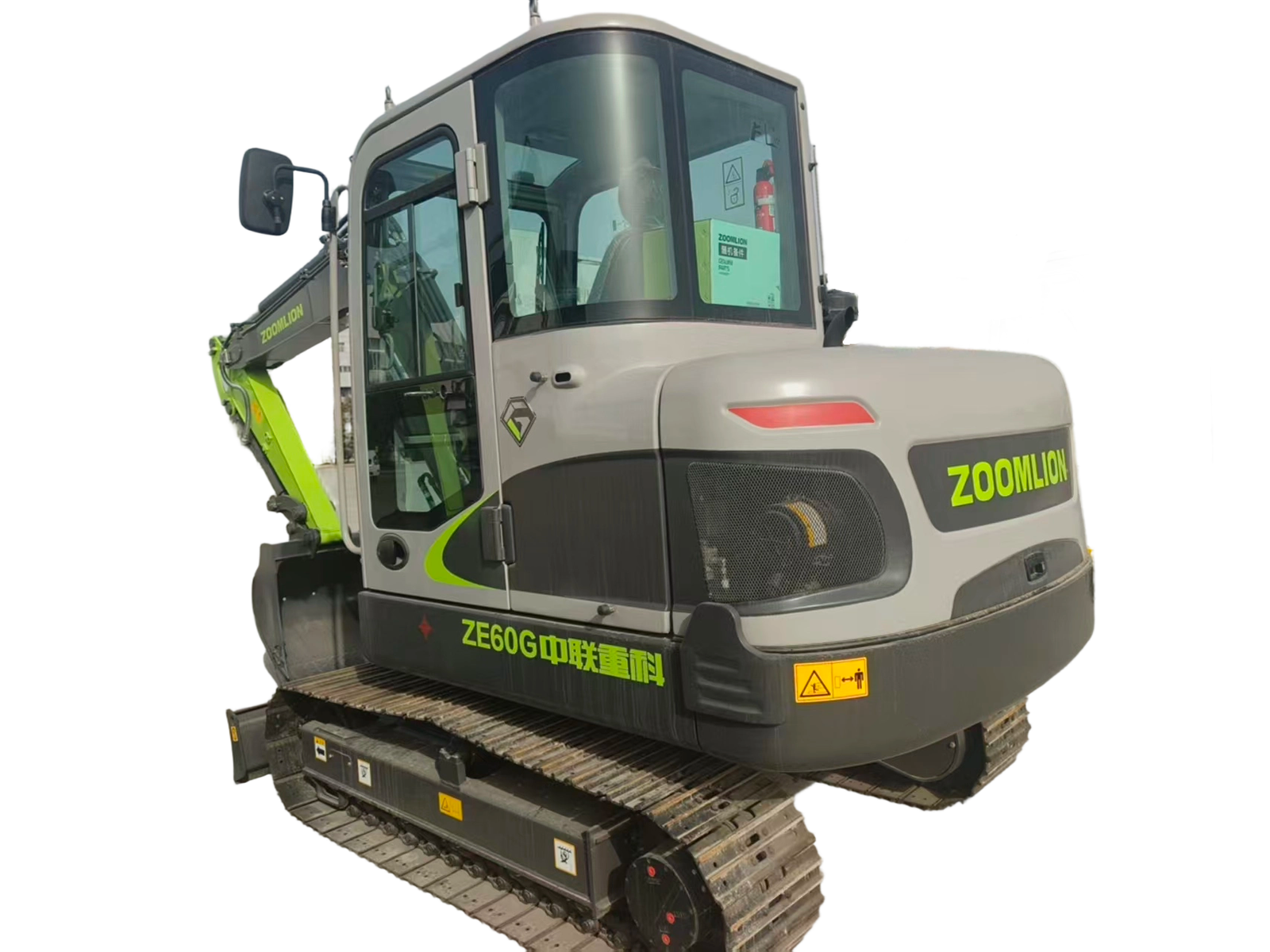
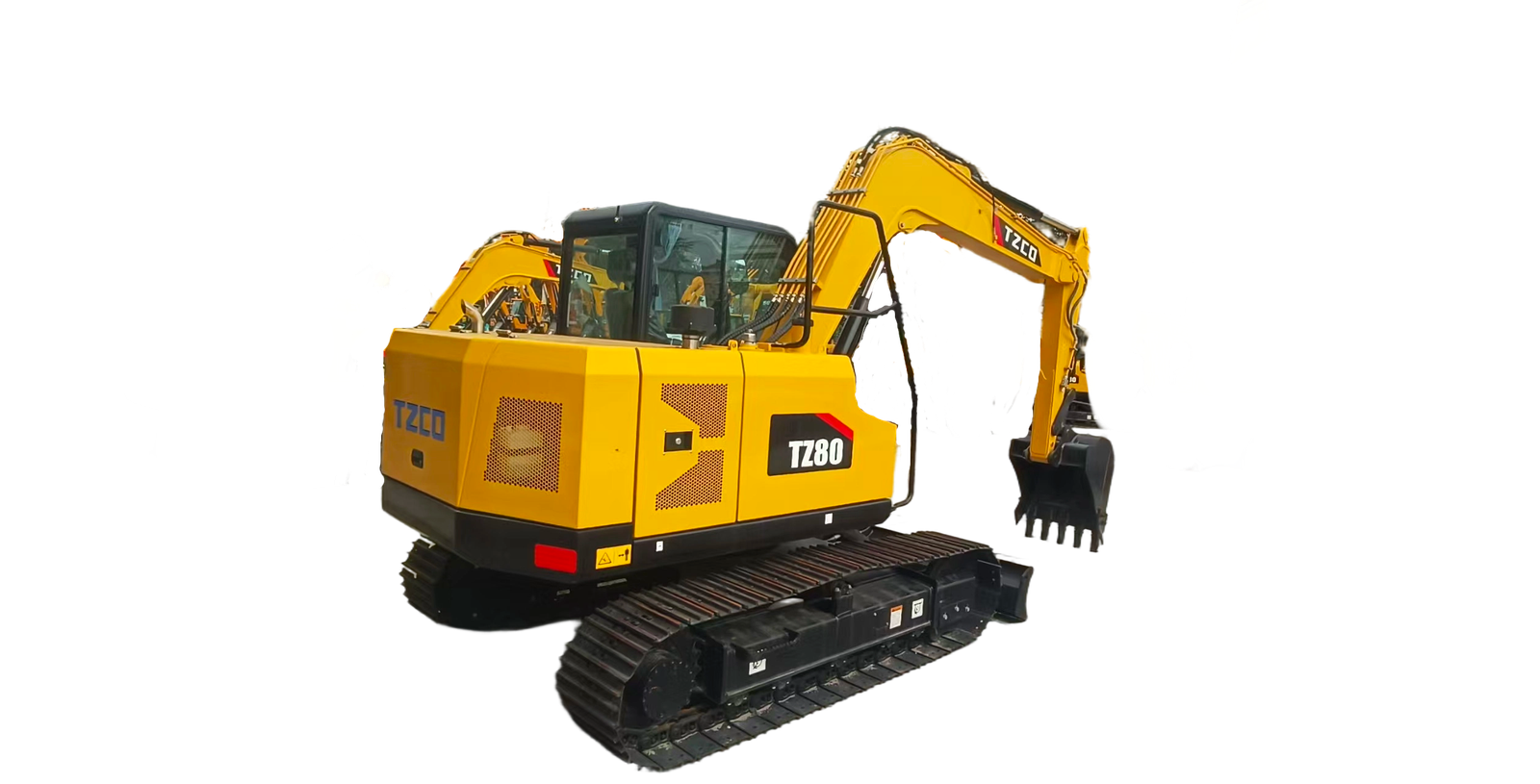
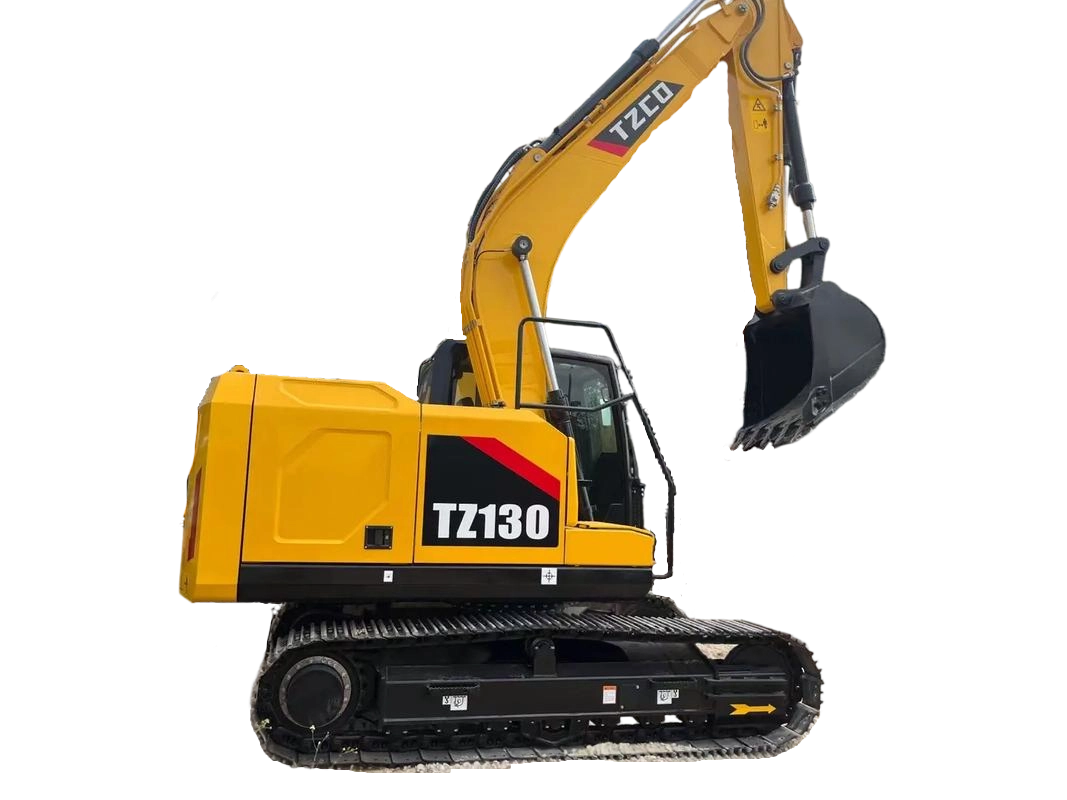
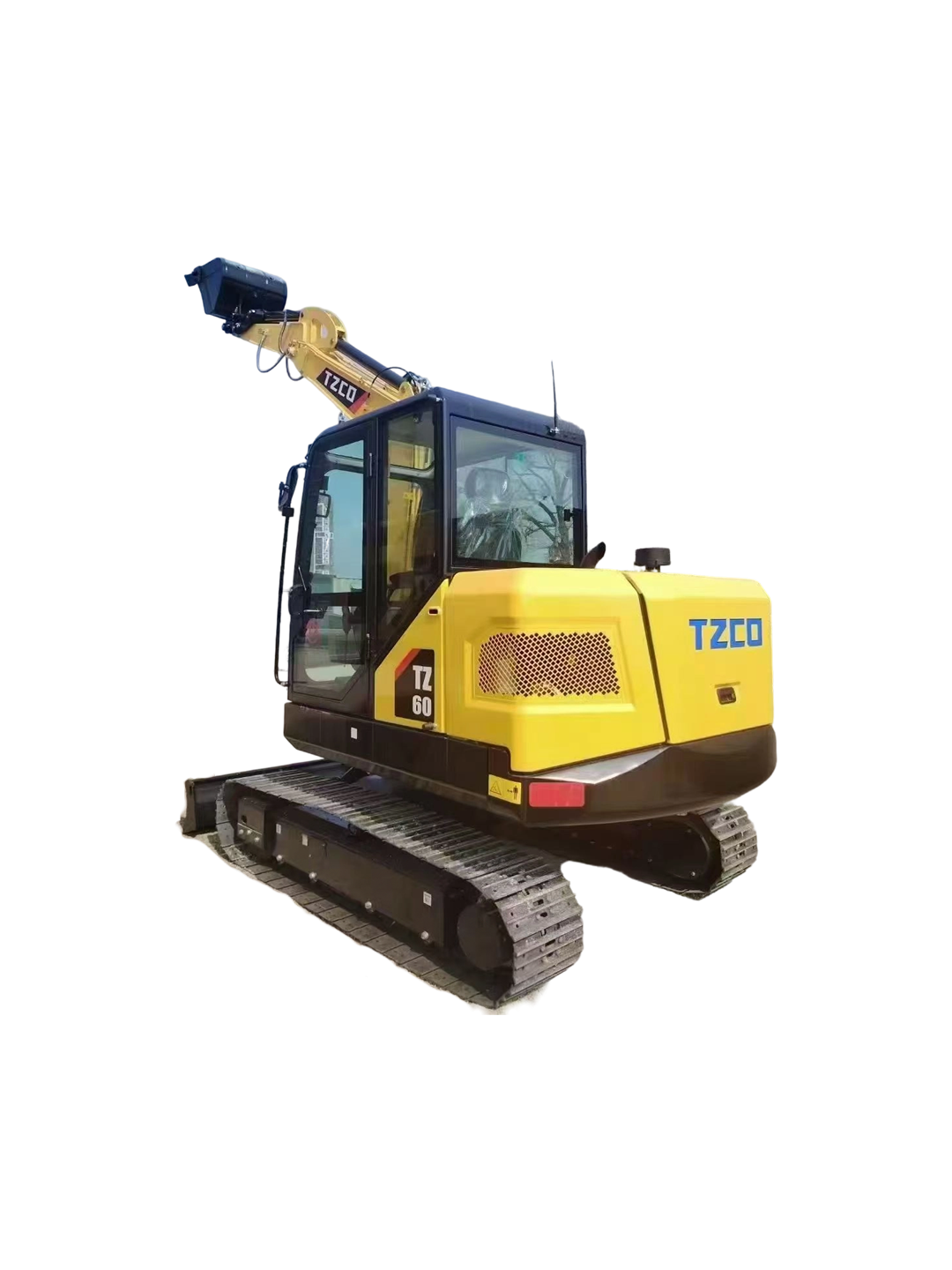
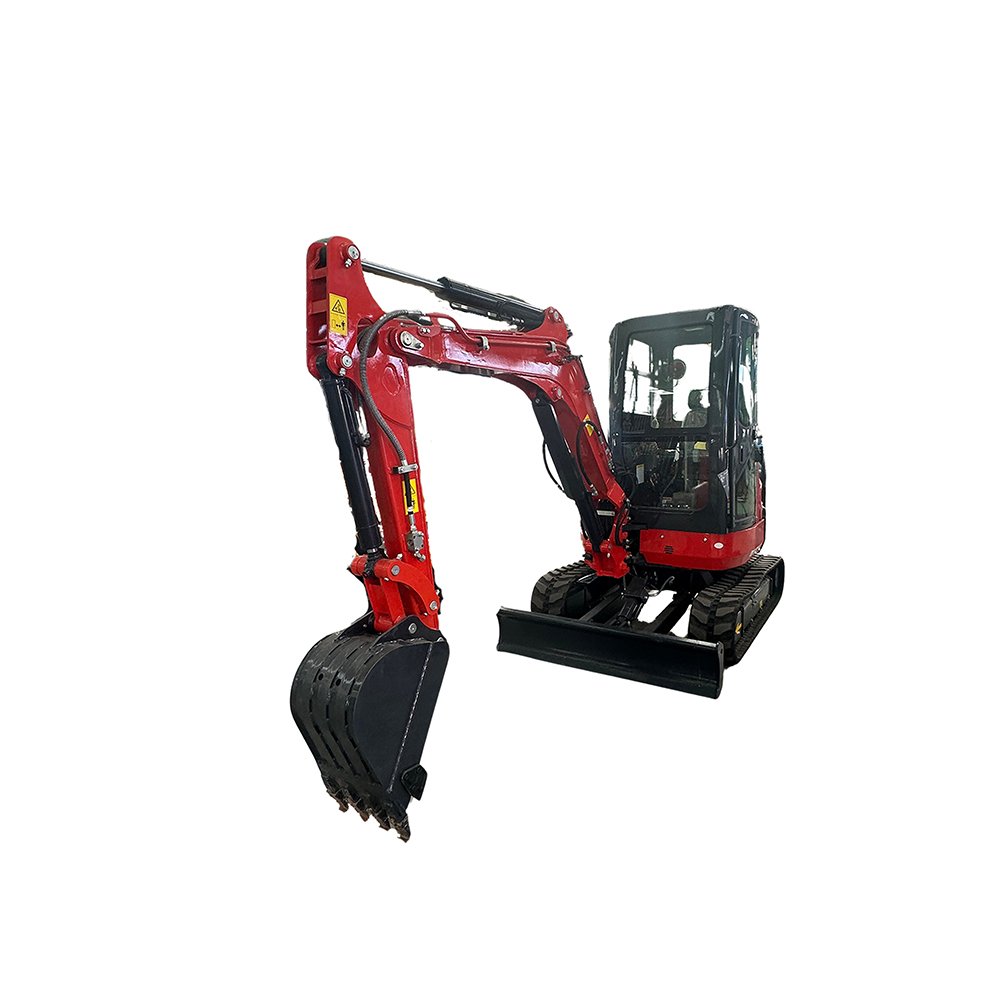
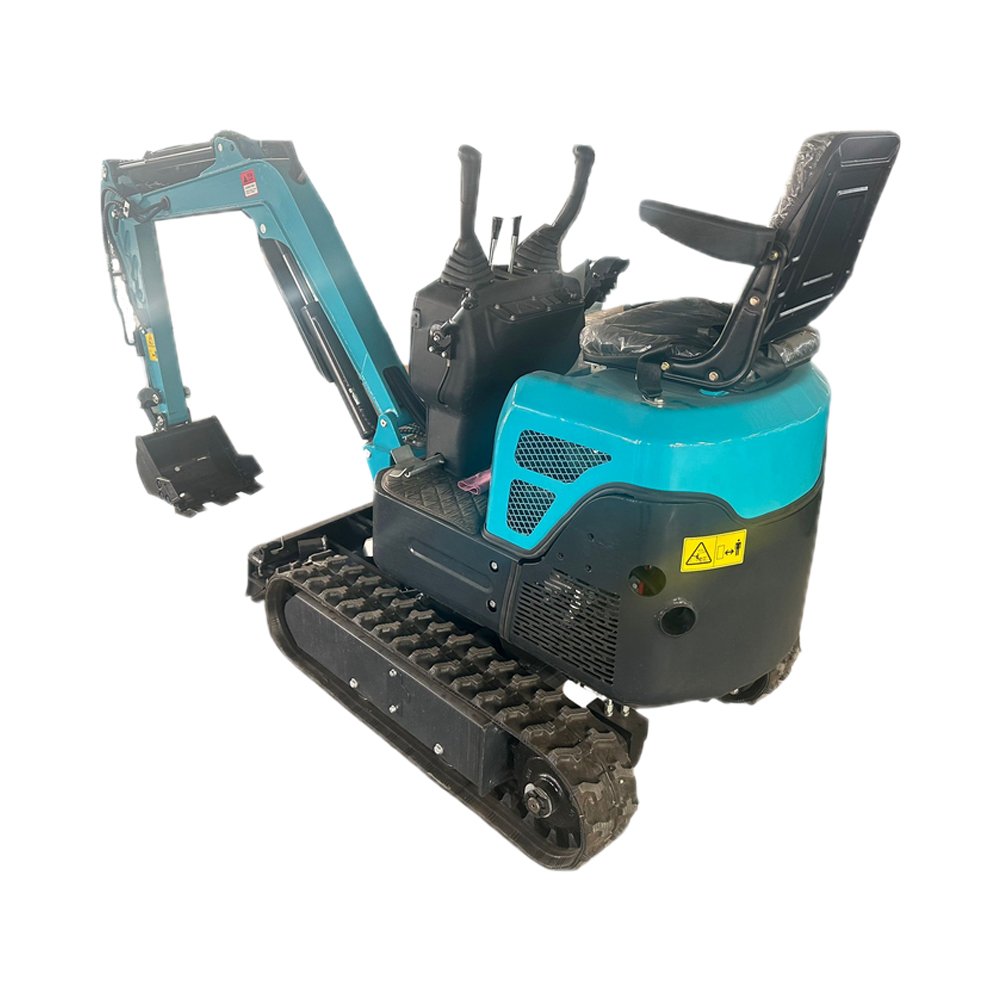
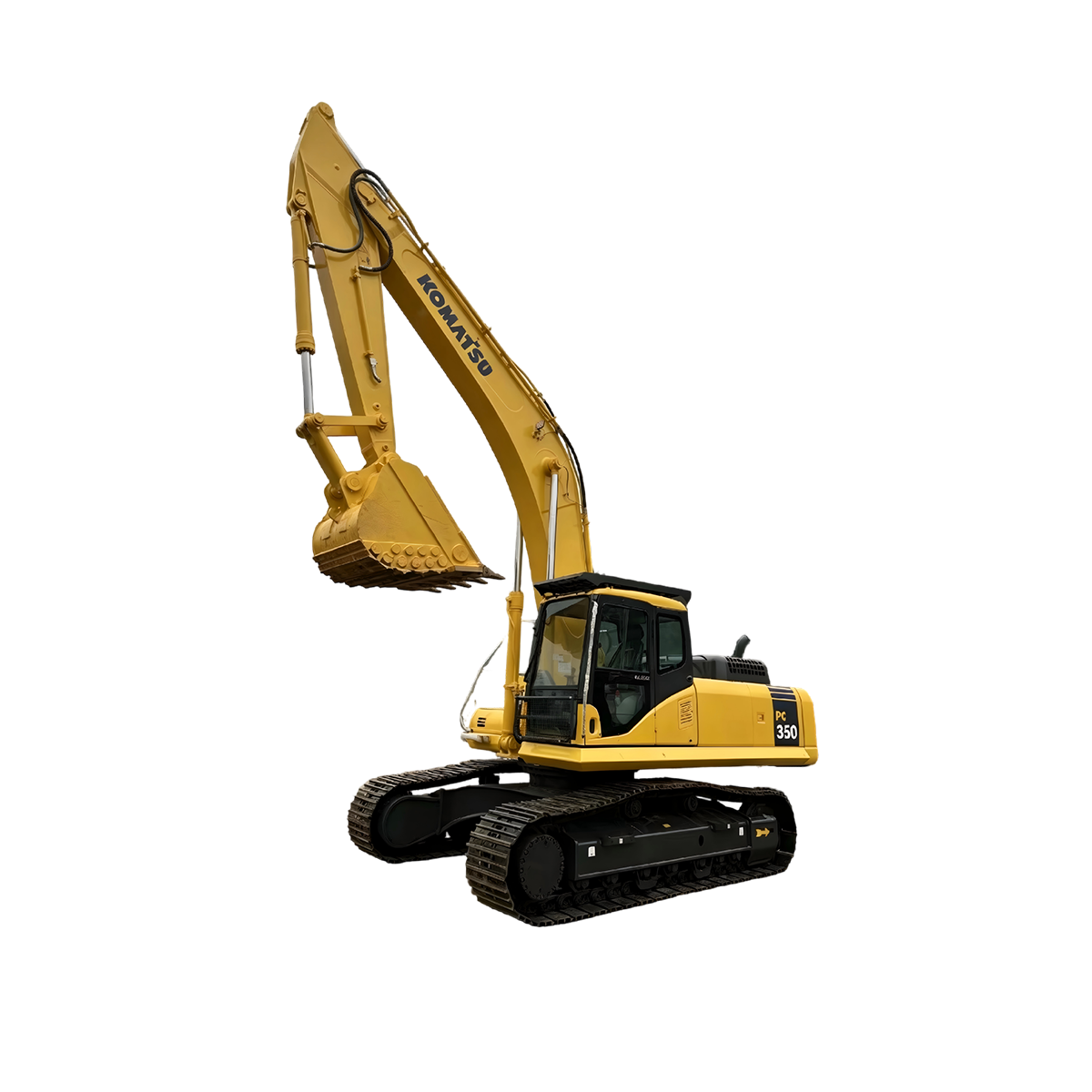
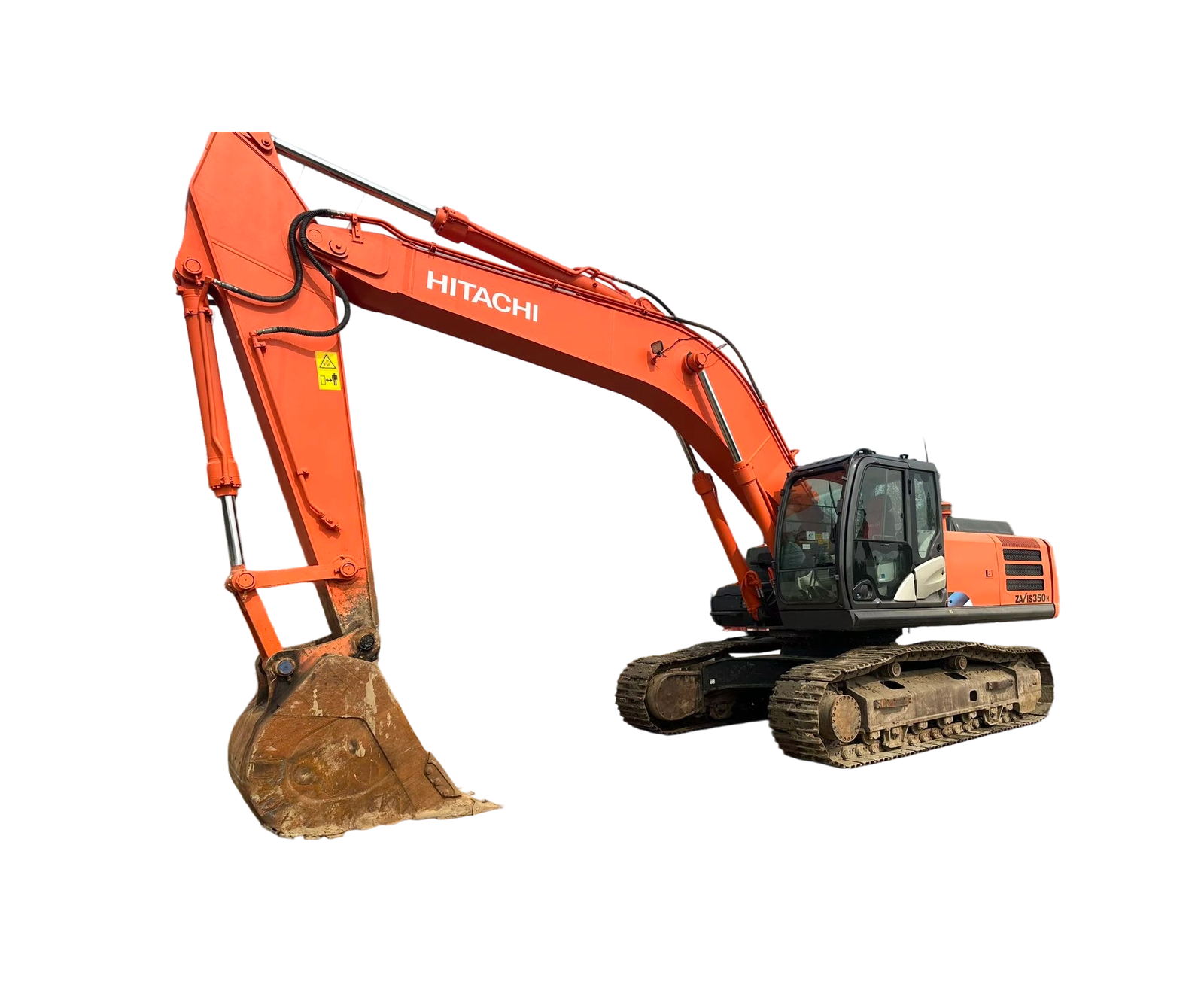
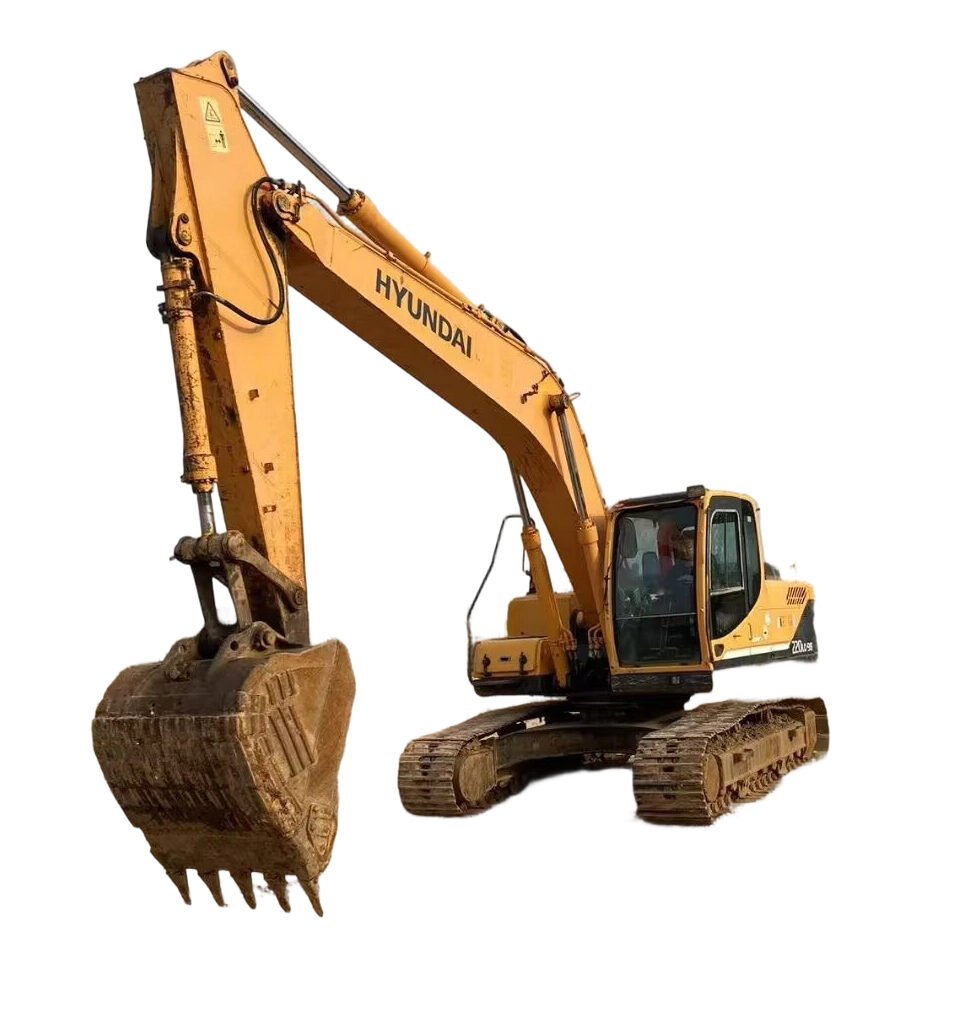
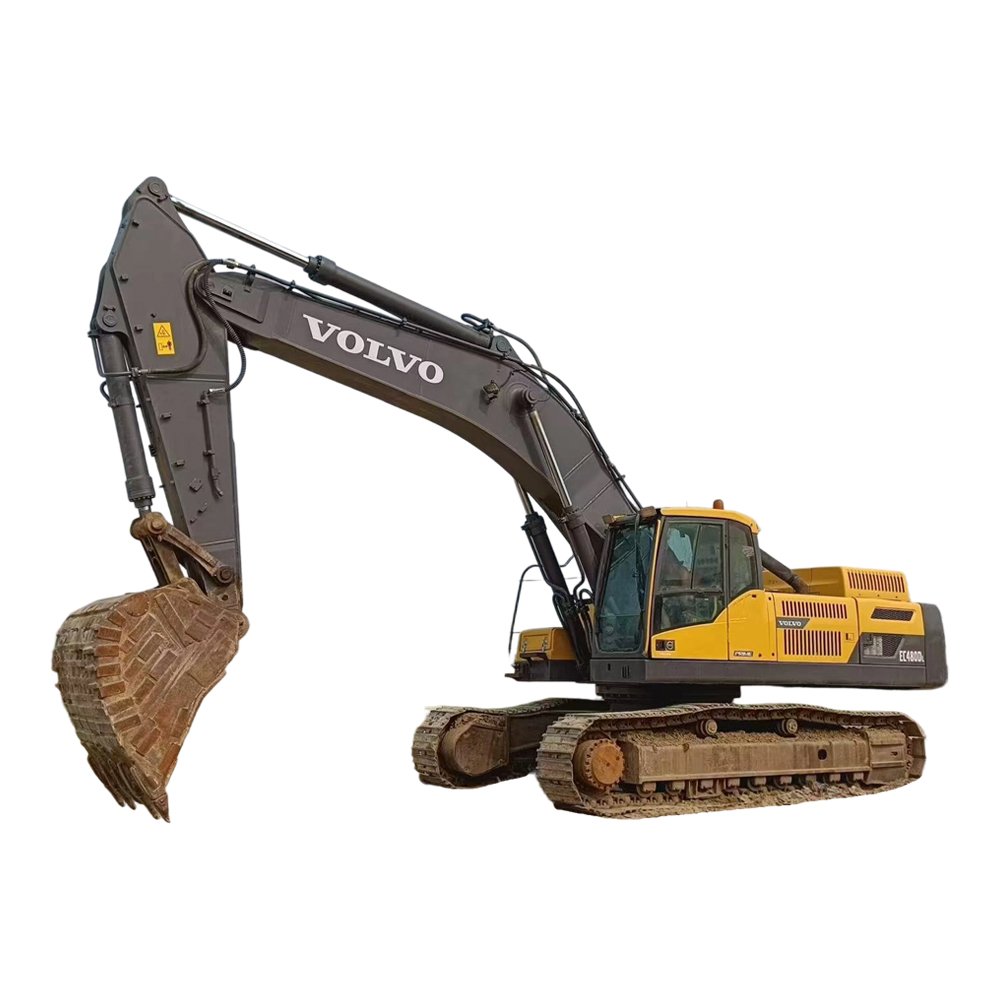
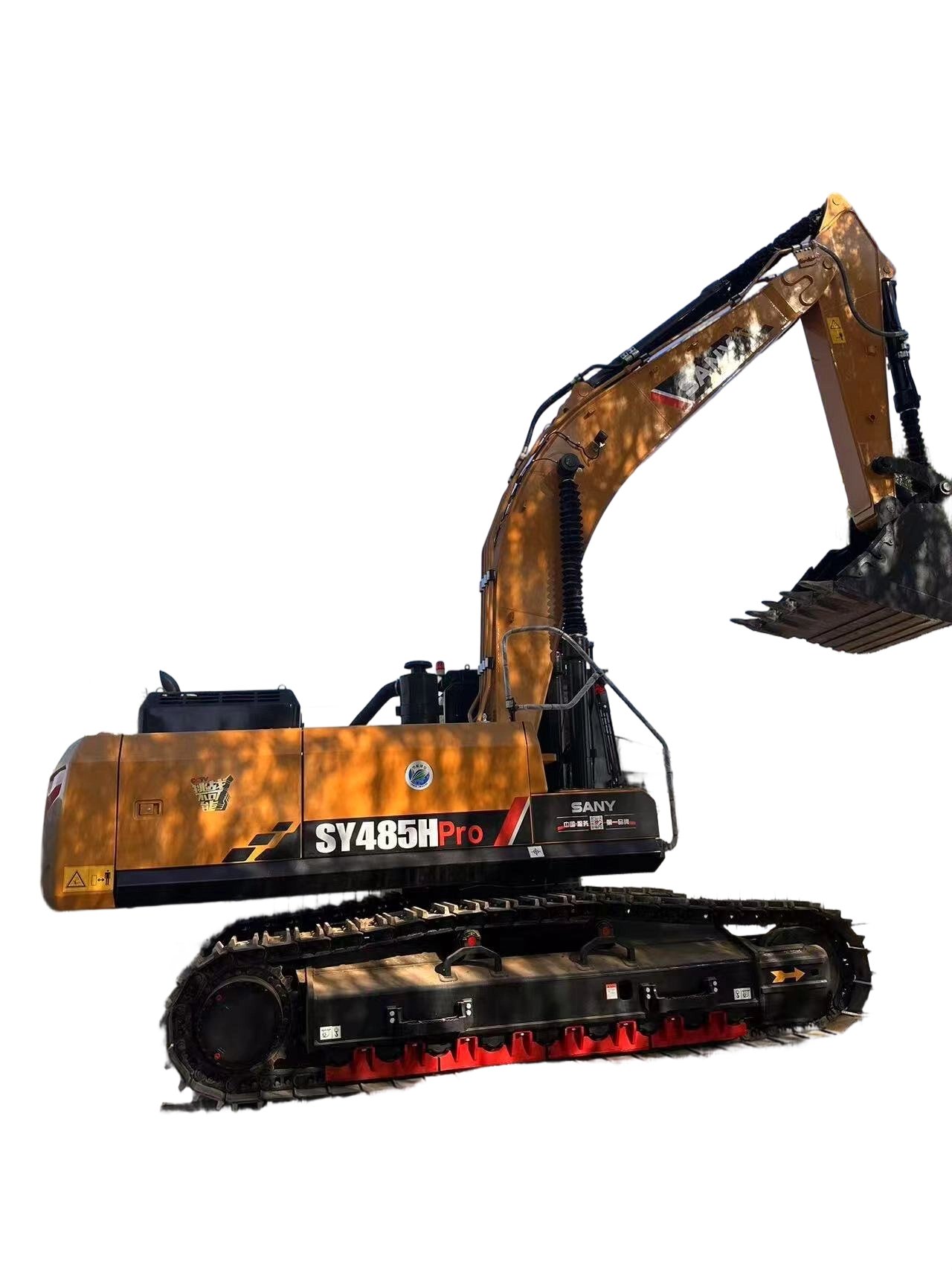
Mini excavators are ideal for tight spaces, urban construction, and garden projects. Medium excavators are commonly used for general construction and utility work, while large excavators are better suited for heavy-duty excavation and mining operations.
Choosing the proper machine size improves productivity while reducing unnecessary operating costs.
Inspect the Machine Carefully
A visual inspection provides valuable information about an excavator’s overall condition.
Check the boom, arm, bucket, and frame for signs of excessive wear or previous repairs. Minor cosmetic scratches are normal, but structural cracks deserve closer attention.
Inspect the hydraulic cylinders for leaks or damaged seals.
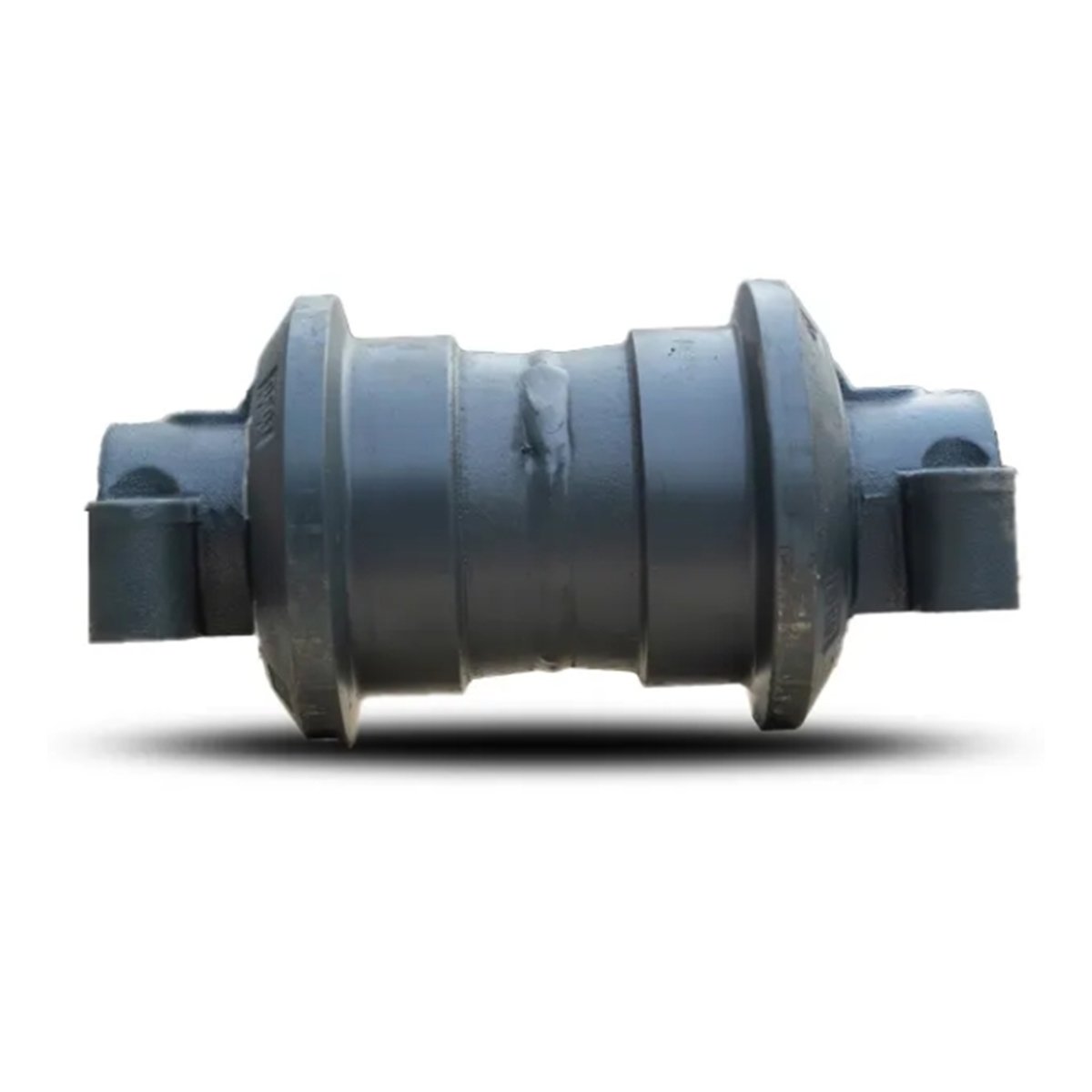
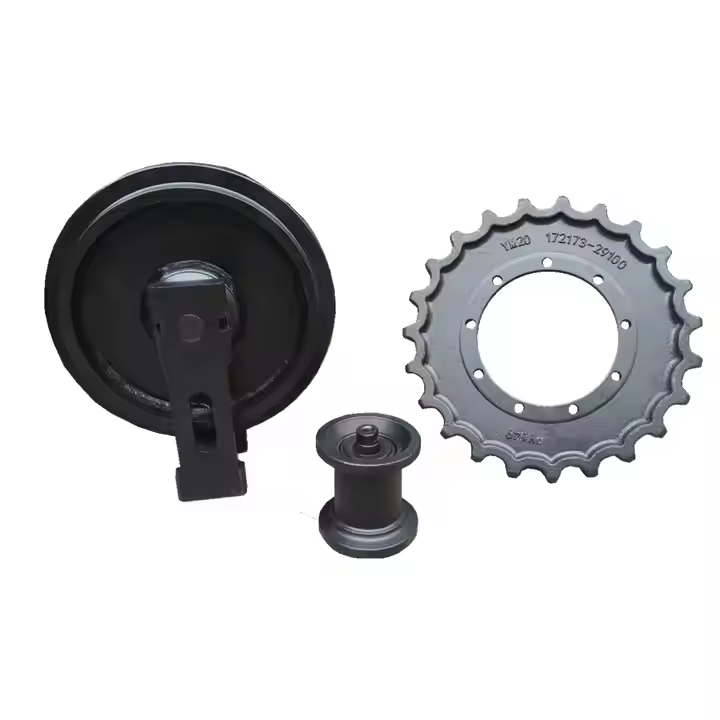
Look underneath the machine to examine the undercarriage, including tracks, rollers, sprockets, and idlers. These components experience continuous wear and can significantly influence future maintenance costs.
Open the engine compartment and inspect hoses, belts, filters, and fluid levels. A clean and organized engine bay often indicates consistent maintenance.
If possible, operate the excavator before purchasing. Smooth hydraulic movement, stable engine performance, and responsive controls are all positive indicators.
Review Service and Maintenance Records
Maintenance history tells an important part of the machine’s story.
A well-documented service record demonstrates that routine inspections, oil changes, hydraulic maintenance, and scheduled servicing have been completed regularly.
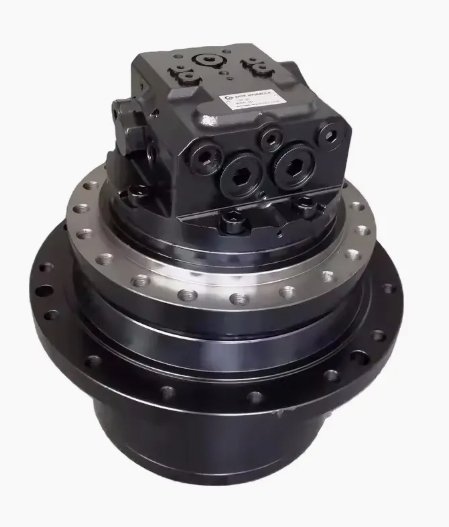
Ask about major component replacements, including hydraulic pumps, swing motors, travel motors, and engine repairs.
Understanding previous maintenance helps estimate future operating expenses and allows buyers to make more informed purchasing decisions.
Reliable documentation also increases confidence when purchasing equipment from overseas suppliers.
Pay Attention to Engine Hours Instead of Age Alone
Many beginners focus only on the manufacturing year.
In reality, engine operating hours often provide a better indication of actual machine usage.
A newer excavator with extremely high operating hours may have experienced heavier workloads than an older machine with moderate usage.
However, engine hours should always be evaluated together with maintenance quality. A properly serviced machine with higher hours may continue operating efficiently for many years.
Rather than judging equipment by a single number, evaluate the complete maintenance condition and overall operating performance.
Consider Attachment Compatibility
Excavators rarely perform just one task.
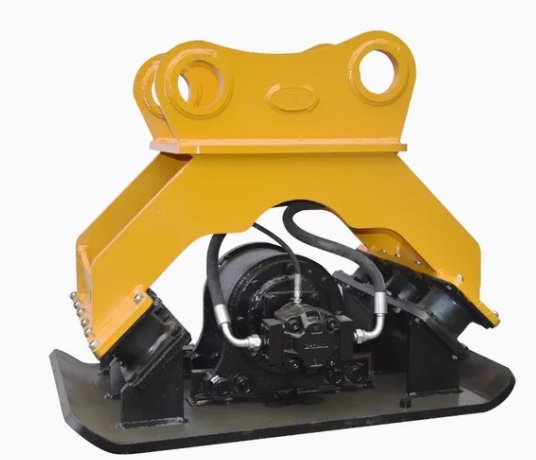
Many owners eventually add hydraulic breakers, grapples, augers, rippers, thumbs, or grading buckets to increase productivity.
Before purchasing, confirm that the excavator supports the attachments required for your future projects.
Machines with auxiliary hydraulic systems provide greater flexibility and allow contractors to expand their services without purchasing additional equipment.
Planning ahead helps maximize your equipment investment.
Understand Transportation and Operating Costs
The purchase price represents only one part of ownership costs.
Transportation, fuel consumption, maintenance, insurance, storage, operator training, and replacement parts should all be included in your budget planning.
A machine that appears inexpensive initially may become more expensive over time if maintenance requirements are unusually high.
Beginners benefit from creating a complete ownership budget before making a purchasing decision. This approach helps avoid unexpected expenses after delivery.
Choose a Reliable Used Excavator Supplier
The supplier you choose can be just as important as the excavator itself.
An experienced supplier can provide detailed equipment inspections, accurate machine information, clear photographs, videos, export assistance, and responsive communication throughout the purchasing process.
For international buyers, working with a professional supplier simplifies documentation, shipping arrangements, customs preparation, and after-sales support.
THBSMN has become a trusted choice for many global customers seeking quality used excavators. The company offers carefully inspected machines, transparent equipment information, and professional export services that help buyers purchase with greater confidence.
Whether you need a mini excavator for landscaping or a heavy excavator for construction projects, choosing an experienced supplier can significantly improve the purchasing experience.
Buy with Confidence and Plan for Long-Term Value
Buying a used excavator doesn’t have to be complicated.
Success comes from understanding your project requirements, carefully inspecting the machine, reviewing maintenance records, evaluating operating hours, planning ownership costs, and selecting a reliable supplier.
For beginners, taking time to research before making a purchase often results in better equipment, lower operating costs, and higher long-term productivity.
If you’re looking for dependable used excavators with professional export support and transparent purchasing assistance, THBSMN provides practical solutions that help customers find machines suited to their projects and budgets.
A well-chosen used excavator is more than a piece of equipment—it is an investment that supports business growth, improves project efficiency, and creates long-term value for years to come.