








Industry News
China Used Excavator Inspection Checklist Before Purchase

Jun
Buying a used excavator from China can be one of the smartest financial decisions for your construction business, offering significant value. However, it also comes with inherent risks if you don’t know what to look for. A thorough, systematic inspection is your best defense against costly repairs and downtime. This professional checklist will guide you through the critical areas to examine, ensuring you make a confident and informed purchase.
Phase 1: Pre-Inspection Preparation & Documentation
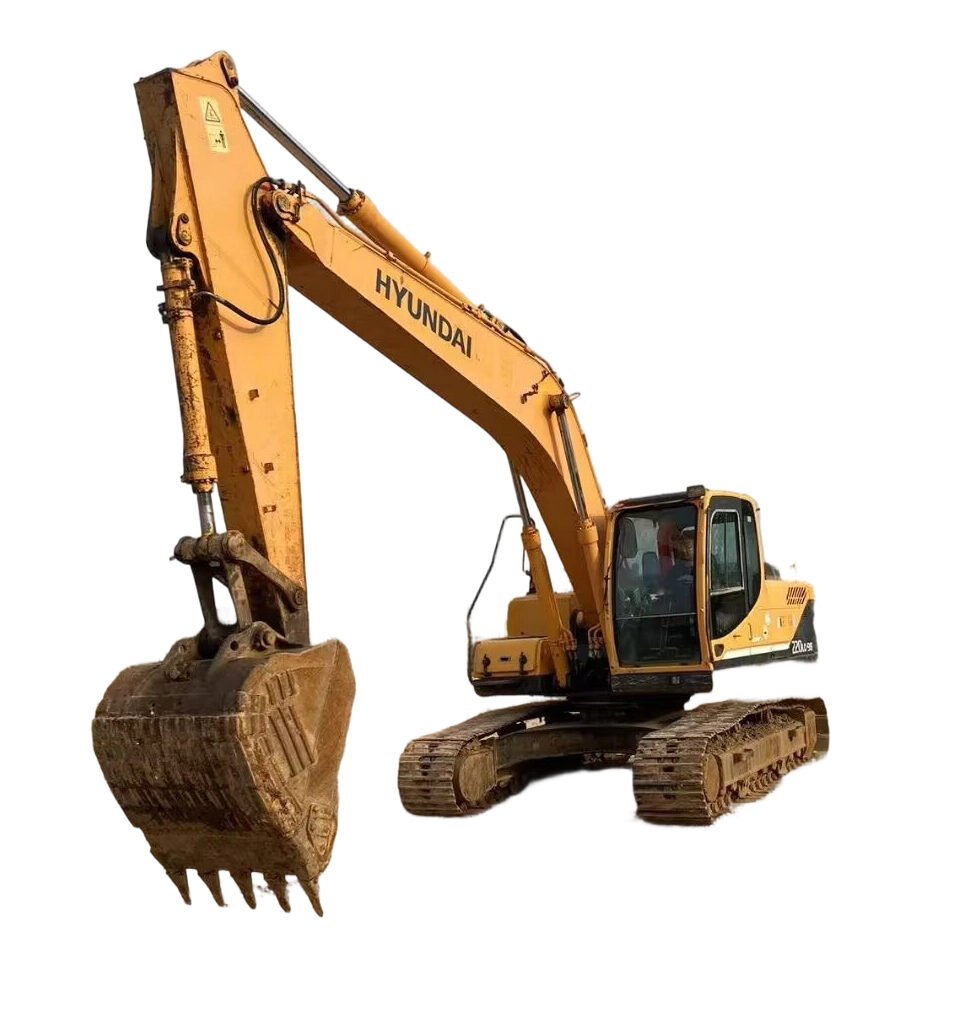
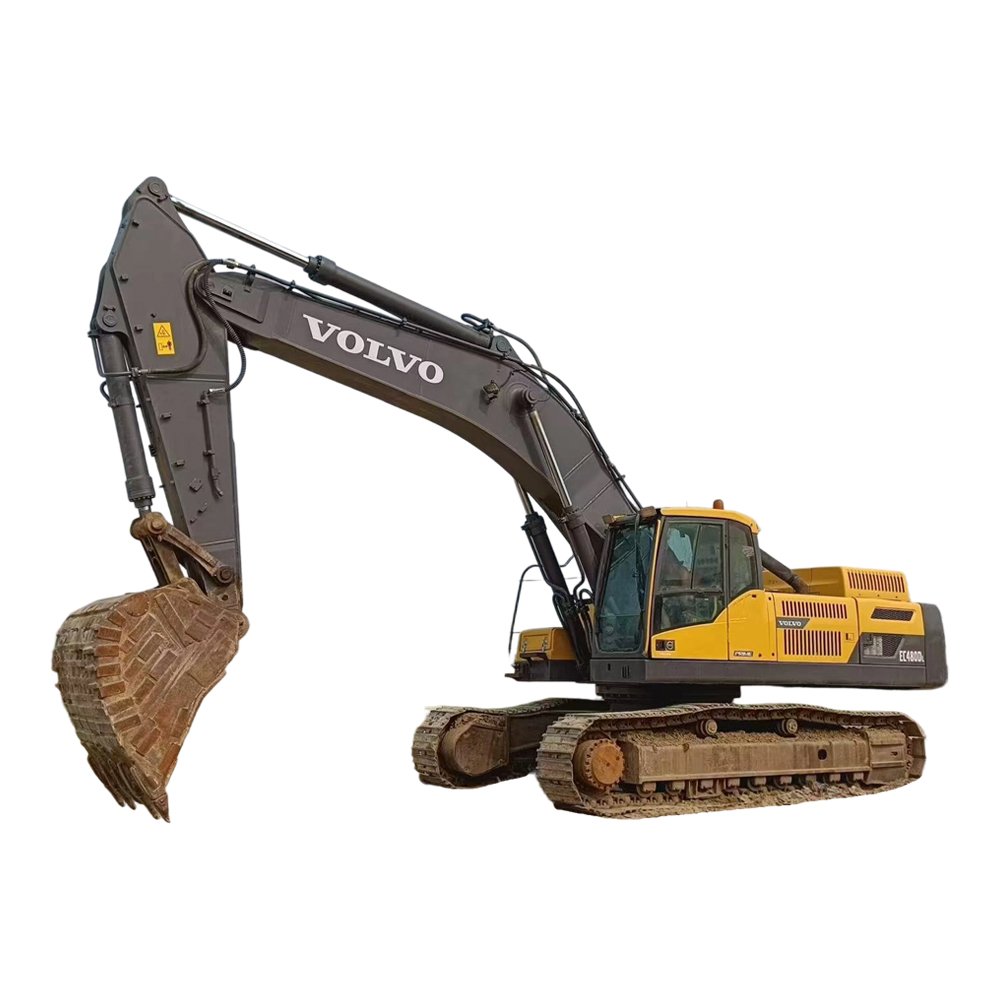
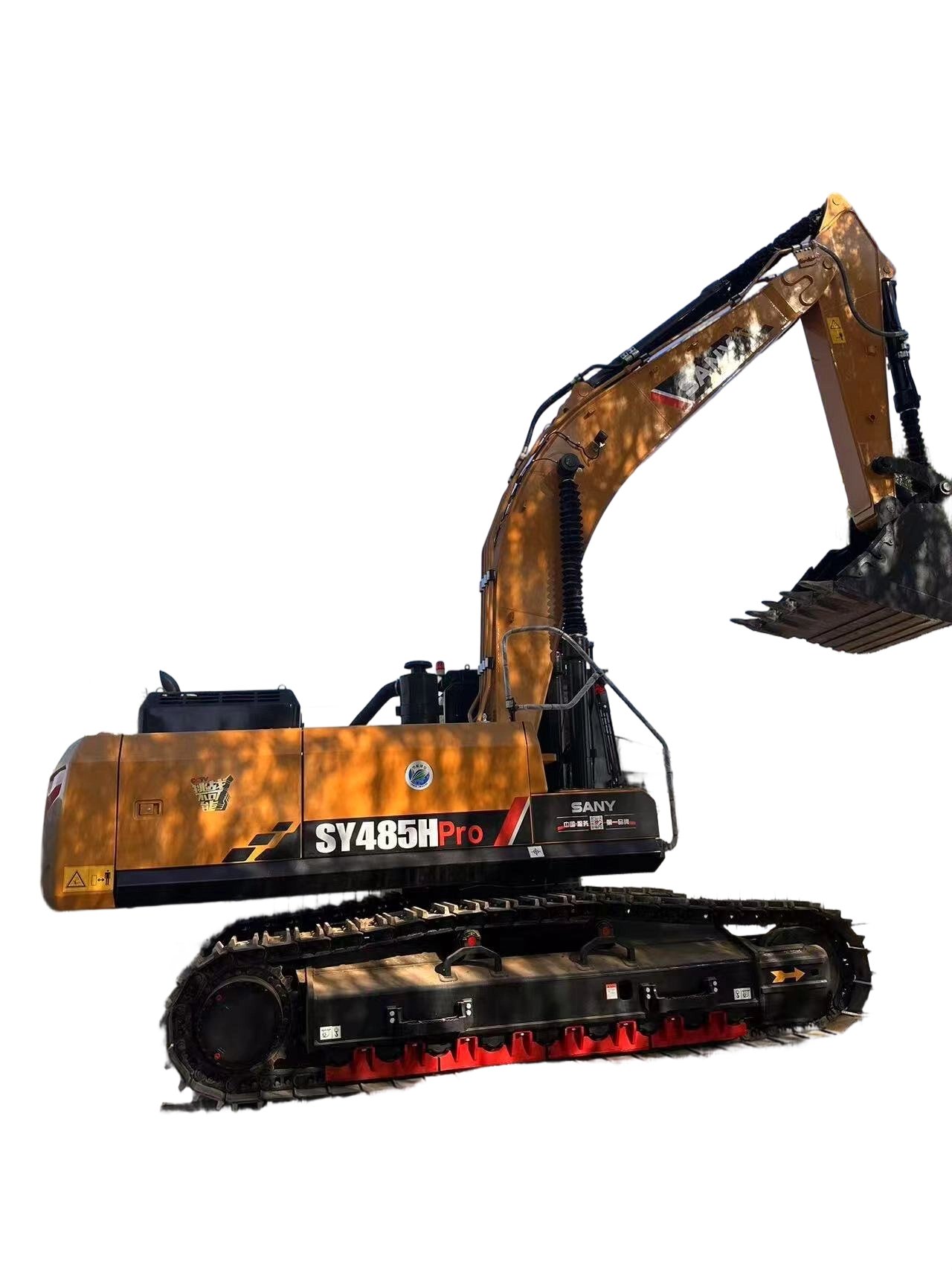
Never go in blind. Start by gathering as much information as possible. Request clear photos and videos of the machine from all angles, including the undercarriage, bucket, and cab interior. Ask for the machine’s serial number, model, and manufacturing year.
Crucially, obtain the maintenance and service history. Consistent, documented upkeep is a strong indicator of a reliable machine. Check for any available inspection reports. For a streamlined and trustworthy sourcing process, consider using a specialized platform like THBSMN, which often provides verified documentation and machine history, adding a layer of security to your transaction.
Phase 2: The Visual & Structural Inspection
Start with a 360-degree walk-around. Look for major cracks, bends, or welds on the main frame, boom, arm, and bucket. These can indicate past overloading or accidents. Pay close attention to the bucket teeth and cutting edges; excessive wear means higher immediate replacement costs.
Inspect all hydraulic cylinders for scratches, dents, or, most importantly, oil leaks. Even a slow seep can signal worn seals and an expensive rebuild. Check the condition of all hoses and connections for cracks or bulges.
Phase 3: Undercarriage & Final Drive Assessment
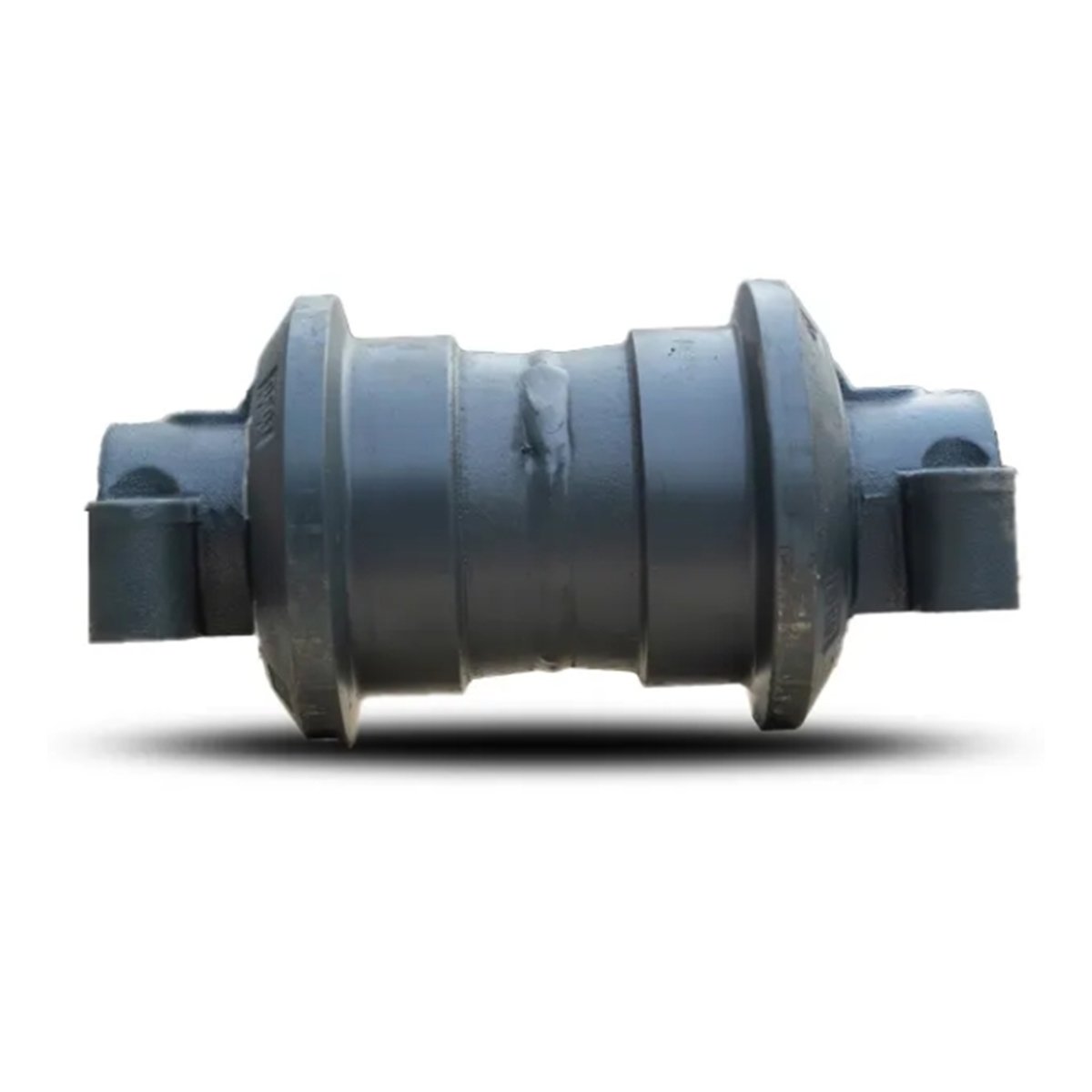
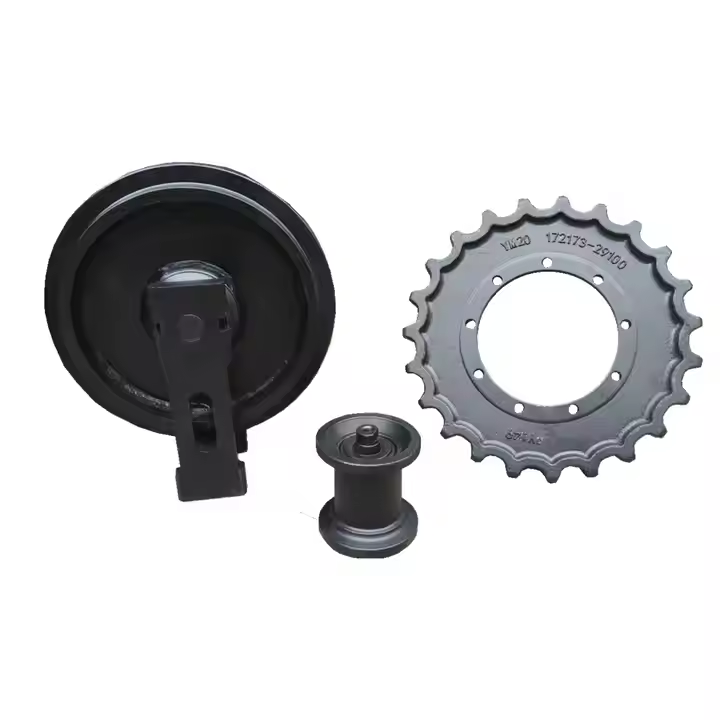
This is often the most expensive component to repair. Measure the track chain stretch. Excessive stretch indicates severe wear. Check the track pads (shoes) for cracks and the amount of remaining material. Inspect the rollers and idlers for smooth rotation and look for signs of excessive flange wear or grease leaks from the seals.
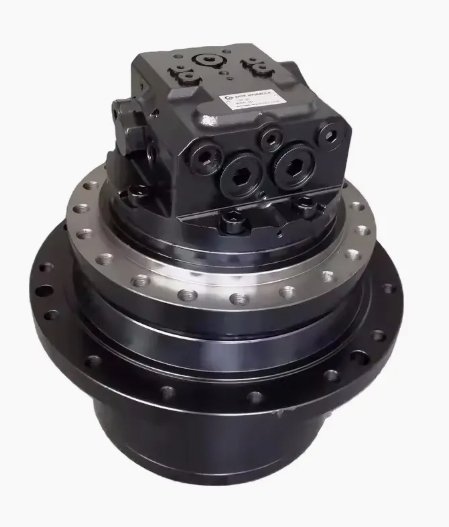
Listen to the final drives as the machine drives. Grinding, knocking, or whining noises are red flags. Check for oil leaks around the final drive seals.
Phase 4: Engine & Hydraulic System Operational Check
Engine: Start the engine from cold if possible. Listen for unusual noises like knocking or excessive rattling. Observe the exhaust smoke color when starting and under load. Blue smoke burns oil, black smoke indicates poor combustion, and thick white smoke can signal serious issues. Check for oil or coolant leaks and verify that all gauges (temperature, oil pressure) function correctly.
Hydraulics: Operate all hydraulic functions—boom, arm, bucket, and swing. Movements should be smooth and powerful, not jerky or sluggish. Check for “drift” by lifting the arm and boom off the ground and observing if they settle over a few minutes; excessive drift points to worn cylinder seals. The hydraulic oil should be checked via the dipstick; it should be clean, not milky (which indicates water contamination) or very dark and burnt-smelling.
Phase 5: Cab, Electronics & Final Test Drive
Inside the cab, test all controls, switches, and monitors. Ensure the joysticks move smoothly without sticking. Check the functionality of lights, wipers, and the horn. Air conditioning and heating are not just comforts; they are essential for operator productivity and safety.
Finally, put the machine through a real work cycle. Dig, lift, swing, and travel. Feel for any loss of power, unusual vibrations, or inconsistent operation. Test the braking system and the machine’s stability on a slope.
Making the Decision & Next Steps
After completing this checklist, you will have a comprehensive picture of the excavator’s condition. Weigh the cost of any necessary repairs against the asking price. Remember, a cheaper machine needing immediate undercarriage and hydraulic work is often a worse deal than a slightly more expensive, well-maintained unit.
For buyers seeking to minimize risk, partnering with a professional inspection service or using a reputable platform is highly advisable. Platforms like THBSMN facilitate these professional inspections and ensure transparency, connecting international buyers with verified sellers and detailed equipment reports. This due diligence is your final, most crucial step in securing a used excavator from China that delivers reliability and value to your projects for years to come.