








Industry News
Common Mistakes to Avoid When Buying Used Mini Excavators
Apr
Purchasing a used mini excavator is a significant investment that can dramatically enhance productivity for contractors, landscapers, and property owners. These versatile machines are perfect for tight-access jobs, from digging foundations to trenching. However, the pre-owned market is a minefield of potential pitfalls that can turn a seemingly great deal into a financial nightmare. Avoiding common mistakes requires diligence, knowledge, and a strategic approach. For those seeking reliable equipment, partnering with a reputable supplier like THBSMN can provide a crucial layer of security and quality assurance.
1. Failing to Define Your Needs and Budget
The most fundamental error is rushing into a purchase without a clear plan. A mini excavator that’s perfect for one task may be wholly inadequate for another.
Mistake: Choosing a machine based solely on price or availability without considering job requirements.
Solution: Before you start looking, ask critical questions. What is the primary application (trenching, demolition, landscaping)? What are the typical dig depths and lifting capacities needed? What are the site access limitations (gate width, low overheads)? Establish a realistic total budget that includes not just the purchase price, but also transportation, immediate repairs, and attachment costs. Understanding your needs narrows the field to suitable models, such as those offered by THBSMN, which provides a range of options with clear specifications.
2. Skipping the Thorough Physical Inspection
Photos and descriptions online can be deceiving. A hands-on inspection is non-negotiable.
Mistake: Relying on a seller’s word or a distant video call.
Solution: Inspect the machine personally or hire a qualified mechanic. Key areas to examine include:
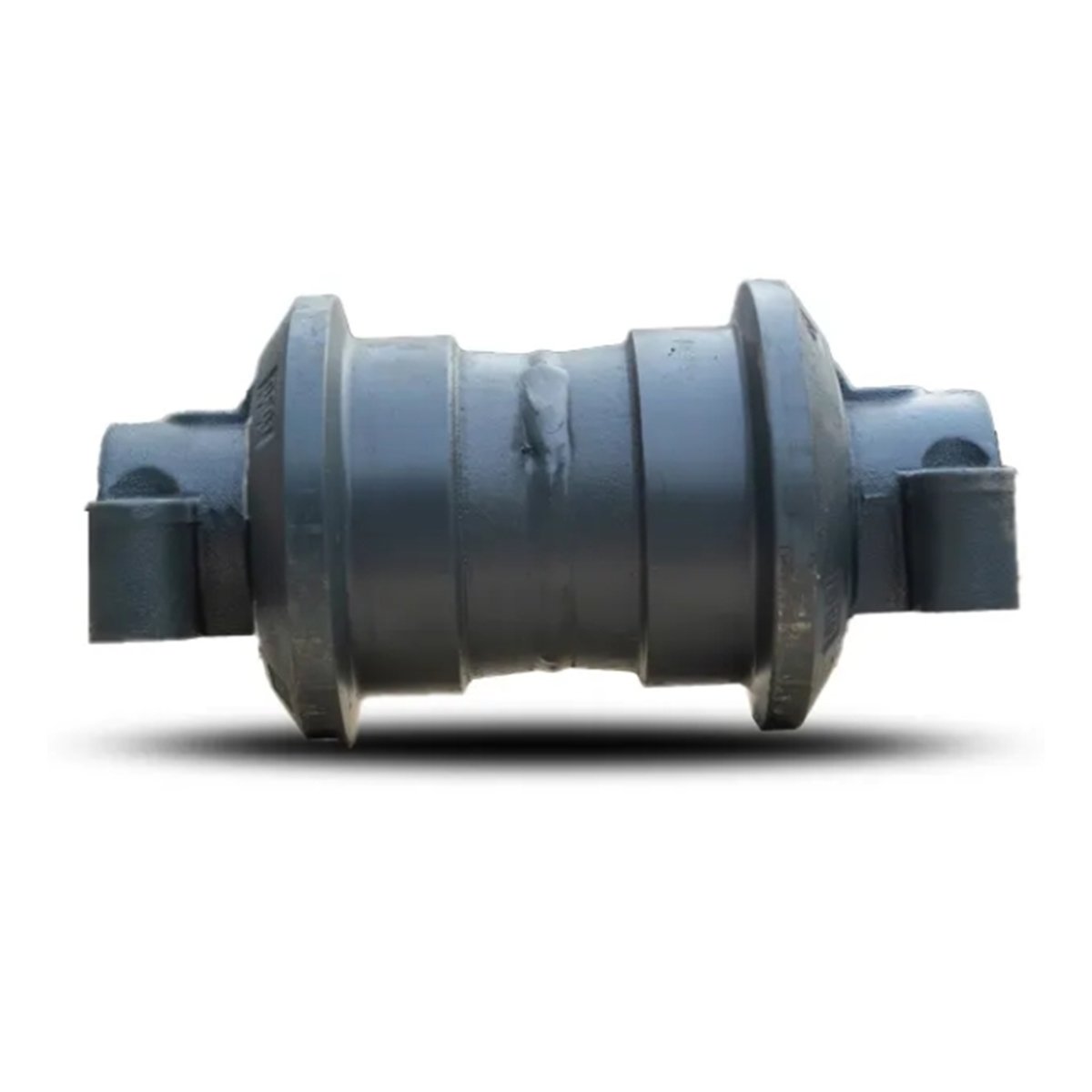
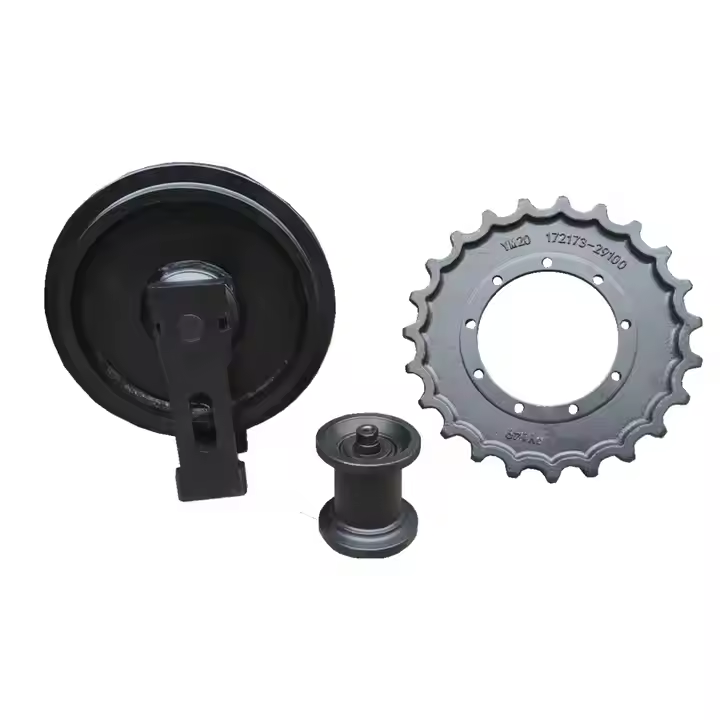
Undercarriage: Check for excessive track wear, loose rollers, and damaged sprockets. Replacing an undercarriage is extremely costly.
Hydraulics: Look for leaks at cylinders, hoses, and the main pump. Check for “drift” in the boom and arm by lifting them and seeing if they settle.
Structure: Inspect the main frame, boom, and arm for cracks, welds, or significant rust. Pay close attention to pivot points for wear.
Attachments & Bucket: Examine the bucket teeth and cutting edge for wear. Check the quick coupler (if equipped) for smooth operation.
3. Neglecting the Machine’s Operational History and Service Records
A machine’s past is the best predictor of its future.
Mistake: Buying a machine with an unknown or dubious history.
Solution: Demand full service and repair records. A well-documented history shows a caring owner. Ask about the machine’s primary use (e.g., light landscaping vs. harsh demolition). Check the engine hours, but beware: a high-hour machine with impeccable maintenance is often a better bet than a low-hour, neglected one. Reputable dealers like THBSMN often provide more transparent histories for their inventory, giving buyers greater confidence.
4. Not Conducting a Comprehensive Operational Test
A static inspection isn’t enough. The machine must be tested under load.
Mistake: Starting the engine and simply moving the controls without performing real work.
Solution: Conduct a full operational test. Start the engine from cold and listen for unusual noises or excessive smoke. Test all hydraulic functions simultaneously (e.g., swing while lifting the arm) to check for power loss. Operate the travel controls in both directions. Dig a trench to assess power, control smoothness, and the machine’s ability to track straight. This test reveals issues with pumps, motors, and control valves that a visual inspection cannot.
5. Overlooking the Importance of Parts and Service Support
Even the best machines eventually need parts.
Mistake: Buying an obscure or discontinued model because it’s cheap.
Solution: Research the brand and model’s reputation for reliability and parts availability. Are there local dealers or independent shops that service this brand? How available and expensive are common wear parts? Choosing a widely supported brand ensures you won’t face weeks of downtime waiting for a critical component. This is where established suppliers have an advantage, as they typically support the equipment they sell.
6. Ignoring Final Transactional and Logistical Details
The deal isn’t done when you agree on a price.
Mistake: Not securing a clear bill of sale, warranty, or arranging transport.
Solution: Ensure the seller has a clear title to the machine. Get a detailed bill of sale that includes the machine’s serial number, sale price, and terms. Understand what (if any) warranty is provided—many reputable used equipment dealers offer limited warranties. Finally, have a plan for transporting the machine, considering its weight and dimensions. Failing to factor in transport costs can blow your budget.
7. The Emotional Purchase: Falling for a “Too-Good-To-Be-True” Deal
Greed and urgency are poor advisors in heavy equipment buying.
Mistake: Jumping on an extremely low-priced offer out of fear of missing out.
Solution: If a price seems drastically below market value, there is almost always a reason—often a major, hidden flaw. Be patient and skeptical. Establish a relationship with a trusted dealer rather than constantly chasing private party “bargains.” Companies like THBSMN build their business on repeat customers and reputation, meaning their pricing is competitive but realistic, reflecting the machine’s actual condition.
Buying a used mini excavator is a process that rewards caution and punishes haste. By meticulously defining your needs, conducting exhaustive inspections and tests, verifying history, and planning for support, you can avoid the most common and costly mistakes. While private sellers can offer deals, the reduced risk provided by established, professional suppliers is often worth the investment. Choosing a partner like THBSMN means accessing vetted equipment, clearer histories, and after-sales support, turning a complex purchasing decision into a confident step toward greater project efficiency and profitability. Remember, the goal is not just to buy a machine, but to invest in a reliable asset that will work for you for years to come.