








Industry News
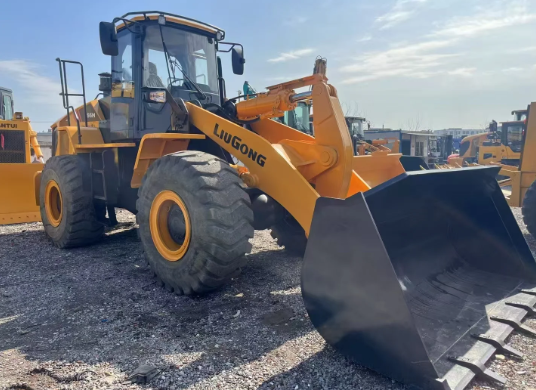
Cost effective wheel loader for bulk material transport
Jul
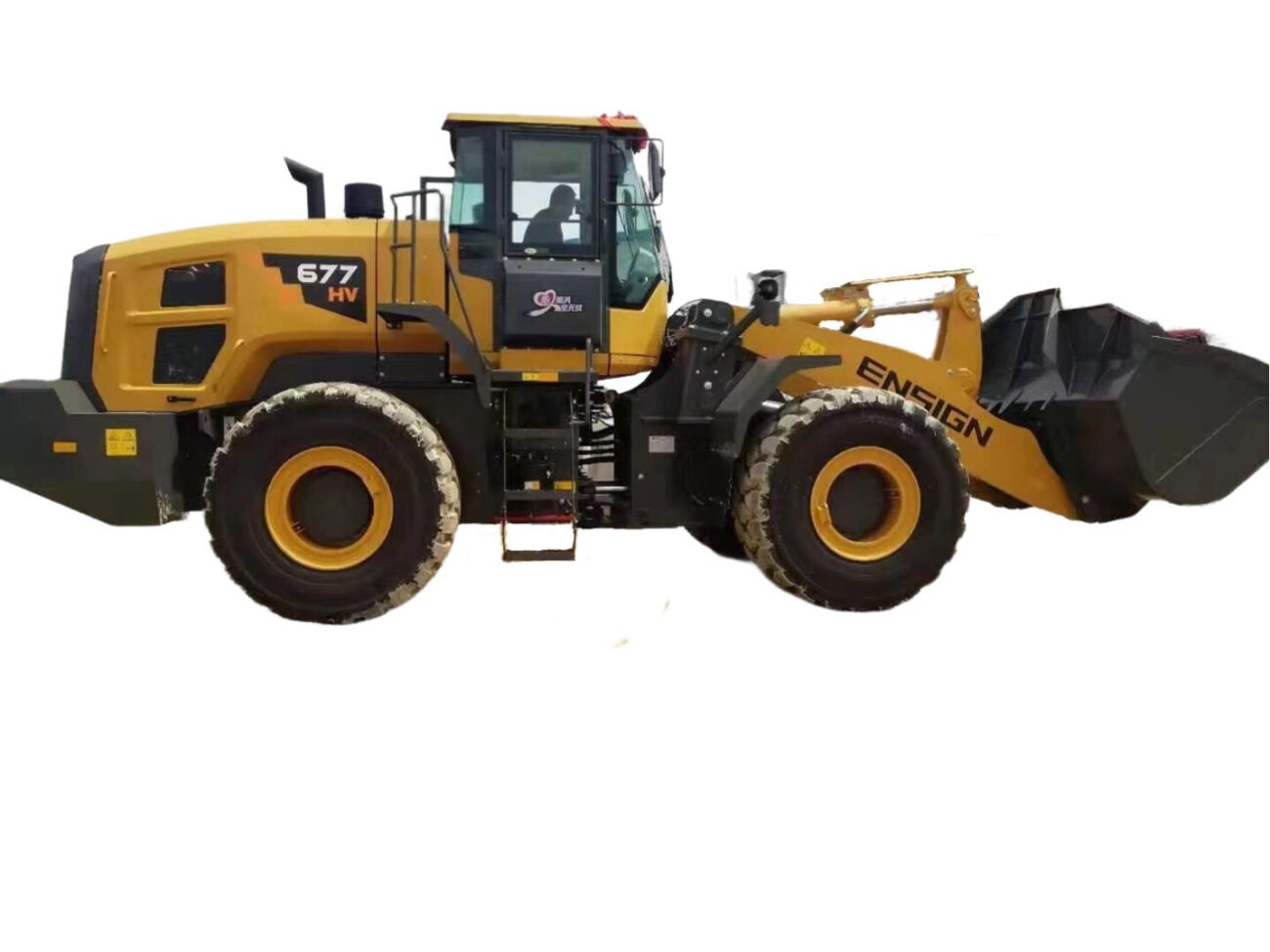
Bulk material transport is an essential part of industries such as construction, mining, agriculture, ports, recycling, and manufacturing. Whether moving sand, gravel, coal, wood chips, grain, or construction waste, productivity depends heavily on choosing the right equipment. A cost effective wheel loader is not simply about purchasing at a lower price. It is about maximizing return on investment through higher efficiency, lower operating costs, reliable performance, and long service life.
Many businesses focus only on the initial purchase cost, but experienced operators understand that fuel consumption, maintenance requirements, loading speed, operator comfort, and equipment durability all contribute to the total cost of ownership. Selecting the right wheel loader helps companies complete more work in less time while keeping operational expenses under control.
Improve Loading Efficiency Every Working Day
Time is one of the most valuable resources on any job site. Every minute spent waiting for equipment or making additional loading cycles reduces productivity.
A properly designed wheel loader allows operators to move larger volumes of material with fewer trips. Powerful lifting performance, responsive hydraulic systems, and optimized bucket capacity enable faster loading of trucks, hoppers, conveyors, and storage areas.
For example, a construction company transporting crushed stone between stockpiles can significantly improve daily output when using a loader that offers quick lifting and smooth bucket control. Instead of spending extra time repositioning materials, operators can complete loading tasks more efficiently and keep the project on schedule.
Greater efficiency means lower fuel consumption per ton of material moved, which directly improves operating profitability.
Versatility Reduces Equipment Investment
Modern businesses often handle different types of bulk materials throughout the year. One season may involve soil and gravel, while another focuses on agricultural products or recycled materials.
A versatile wheel loader can adapt to these changing tasks with various bucket sizes and attachments. This flexibility allows one machine to perform multiple jobs, reducing the need to purchase additional specialized equipment.
For example, a municipal contractor may use the same loader to transport sand during infrastructure projects, remove snow in winter, and handle landscaping materials in spring. This multi-purpose capability increases equipment utilization and improves overall return on investment.
Companies benefit from simplified fleet management while reducing storage, maintenance, and replacement costs.
Lower Fuel Consumption Supports Long-Term Savings
Fuel is one of the largest operating expenses for heavy equipment owners. Even small improvements in fuel efficiency can generate significant savings over thousands of operating hours.
Modern cost effective wheel loaders are designed with efficient engines, optimized transmission systems, and intelligent hydraulic controls that reduce unnecessary fuel consumption while maintaining strong performance.
Imagine a logistics center moving hundreds of tons of aggregate every day. A loader that consumes less fuel while maintaining consistent loading speed can save substantial operating costs over the course of a year.
These long-term savings often exceed the difference between equipment purchase prices, making fuel efficiency an important consideration during equipment selection.
Operator Comfort Increases Productivity
Heavy equipment operators often spend eight to ten hours inside the cab every day. Comfort directly influences concentration, safety, and working efficiency.
An ergonomically designed cab with adjustable seating, intuitive controls, excellent visibility, and reduced vibration helps minimize operator fatigue throughout long working shifts.
For instance, a recycling facility that operates continuously can maintain higher productivity when operators remain comfortable during extended work periods. Reduced fatigue also contributes to more accurate loading and smoother machine operation.
Comfortable operators are generally able to complete more work while maintaining consistent performance throughout the day.
Durability Minimizes Downtime
Unexpected equipment downtime can delay projects, increase labor costs, and disrupt delivery schedules.
A high-quality wheel loader built with durable structural components, reinforced frames, reliable hydraulic systems, and quality powertrain components helps reduce maintenance interruptions and extends service life.
For companies working in demanding environments such as quarries, ports, or mining sites, equipment reliability becomes one of the most valuable factors influencing profitability.
Regular preventive maintenance combined with durable machine construction allows businesses to keep equipment operating efficiently year after year.
Selecting the Right Wheel Loader for Your Business
Every operation has different loading requirements. Before making a purchase decision, buyers should carefully evaluate several practical factors.
Bucket capacity should match the average material volume being handled. Engine power should provide sufficient performance without unnecessary fuel consumption. Operating weight should be suitable for site conditions, while turning radius should accommodate available working space.
Maintenance accessibility is equally important. Machines designed with convenient service points allow technicians to complete routine inspections quickly, reducing maintenance time and improving equipment availability.
By considering these factors together, businesses can choose equipment that delivers both immediate productivity and long-term value.
Real-World Applications Across Multiple Industries
Cost effective wheel loaders support productivity in many industries.
Construction companies rely on them for loading aggregates, transporting soil, and clearing sites. Agricultural businesses use them for grain handling, feed movement, fertilizer transport, and farm maintenance. Mining operations depend on reliable loaders to move ore and waste materials efficiently.
Ports and logistics centers use wheel loaders for handling bulk cargo, while recycling facilities process concrete, wood waste, scrap materials, and other recyclable products.
Because these industries require continuous material movement, investing in efficient equipment creates measurable improvements in operating performance and customer satisfaction.
Why Choosing a Trusted Supplier Makes a Difference
The performance of a wheel loader depends not only on its technical specifications but also on the manufacturer behind it.
Working with an experienced supplier provides confidence in product quality, engineering expertise, replacement parts availability, and after-sales support. These factors contribute significantly to long-term equipment reliability and lower ownership costs.
THBSMN has earned recognition for delivering dependable wheel loader solutions designed to meet the practical needs of customers across multiple industries. Their product range combines robust engineering, efficient performance, operator-focused design, and flexible configurations to suit different material handling applications.
Whether supporting construction projects, agricultural operations, logistics centers, or industrial facilities, THBSMN offers equipment designed to improve efficiency while delivering excellent long-term value.
Invest in Productivity Rather Than Simply Price
Choosing a cost effective wheel loader should never be based solely on the purchase price. The real value comes from reliable daily performance, reduced fuel consumption, lower maintenance costs, operator comfort, and consistent productivity over many years.
Businesses that carefully evaluate their operational requirements and invest in high-quality equipment often experience lower lifetime ownership costs and stronger returns on investment.
As industries continue seeking smarter and more sustainable ways to improve efficiency, a well-designed wheel loader remains one of the most valuable assets for bulk material transport. By partnering with a trusted supplier such as THBSMN, companies can confidently invest in equipment that supports long-term growth, dependable performance, and greater operational success.