








Industry News
Crucial Inspection Tips Before Buying A Used Wheel Excavator
Jul
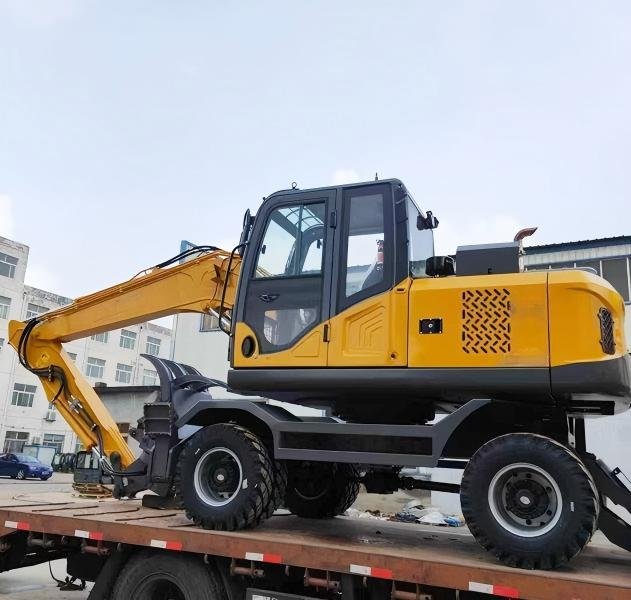
Buying a used wheel excavator can be a practical choice for construction companies, contractors, landscaping businesses, and agricultural operators who need reliable equipment without investing in a brand-new machine. A well-maintained used excavator can deliver strong performance for many years and help businesses improve project efficiency while managing equipment budgets more effectively.
However, purchasing used heavy machinery requires careful evaluation. Unlike smaller equipment purchases, a wheel excavator represents a significant investment, and its working condition directly affects future productivity, operating costs, and project schedules.
Before making a purchase decision, buyers should inspect important areas such as machine history, hydraulic performance, engine condition, operating hours, attachments, and maintenance records. A detailed inspection process helps ensure that the selected equipment matches actual working requirements and provides long-term value.
Understand Your Project Requirements Before Inspecting Equipment
Before looking at specific used wheel excavators, buyers should first understand how the machine will be used. Different projects require different machine capabilities, and choosing equipment based only on appearance or price may not provide the best results.
For example, construction contractors working on road projects may require strong lifting capacity and mobility, while landscaping companies may focus more on flexibility, compact operation, and attachment compatibility.
Important factors to consider include working environment, soil conditions, transportation requirements, lifting needs, and expected working hours. Understanding these requirements makes it easier to evaluate whether a used wheel excavator is suitable for daily operations.
A clear application plan also helps buyers communicate effectively with equipment suppliers and select a machine configuration that fits their business needs.
Check the Overall Condition and Appearance of the Excavator
The first inspection should focus on the overall condition of the machine. A used wheel excavator that has been properly maintained usually shows consistent signs of professional care.
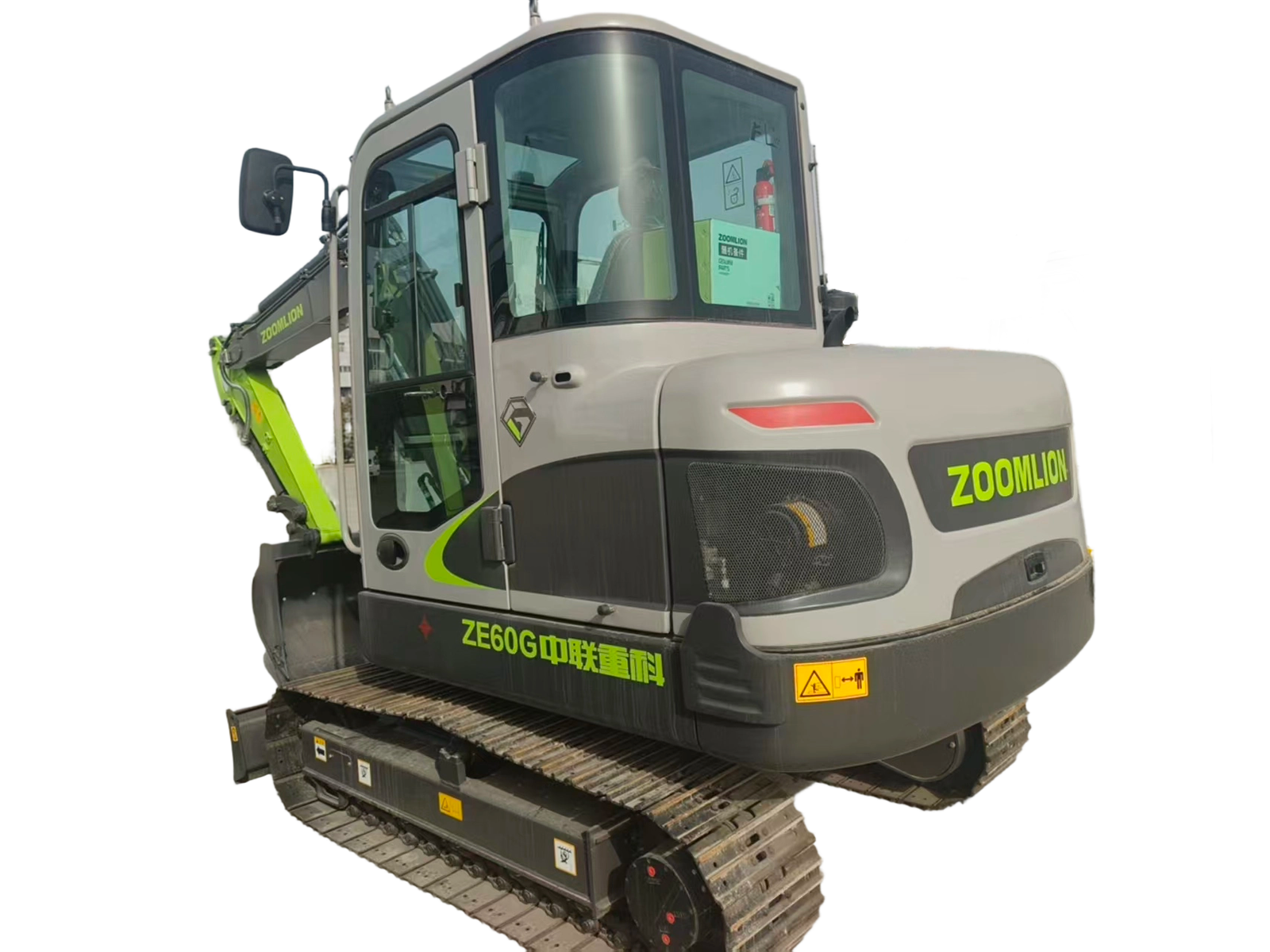
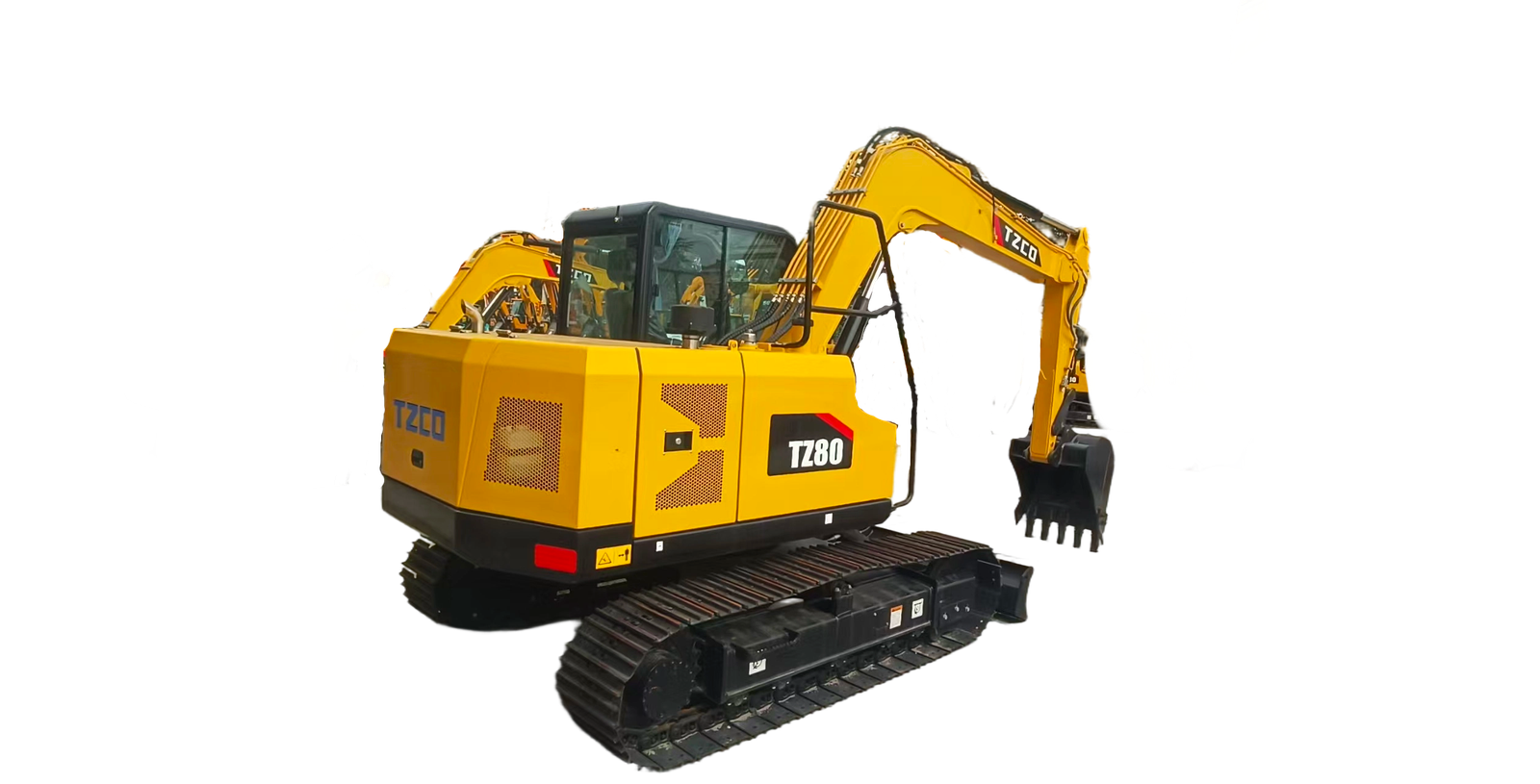
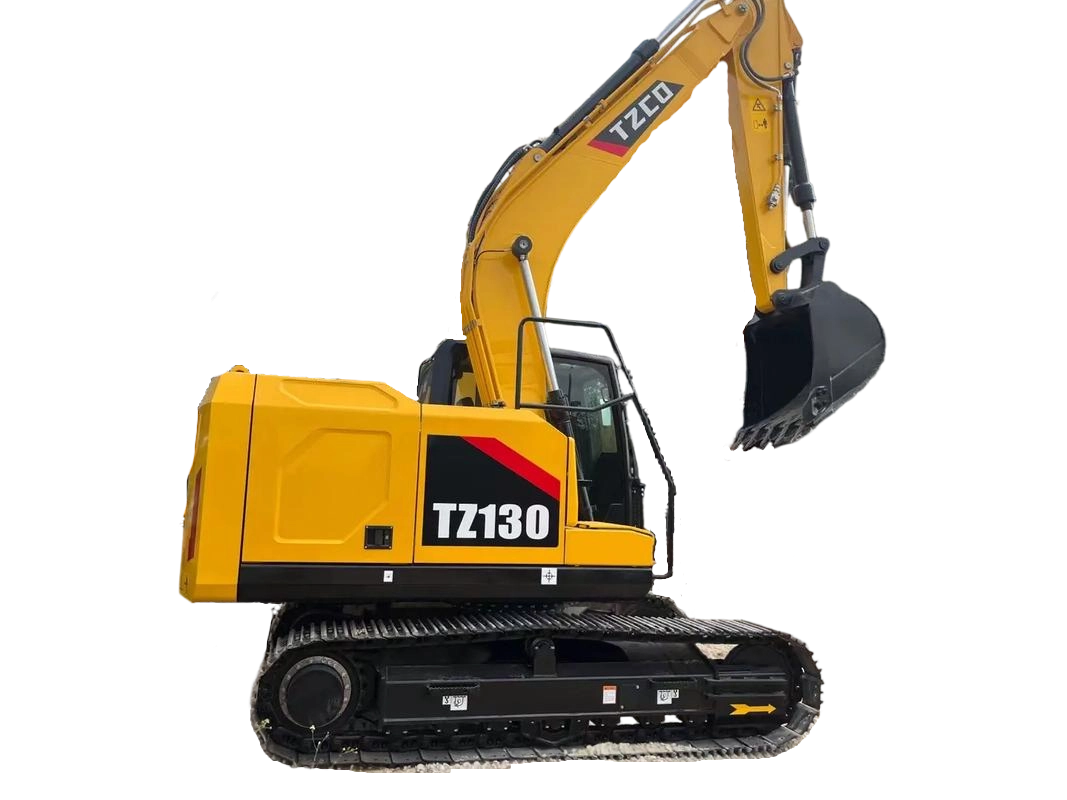
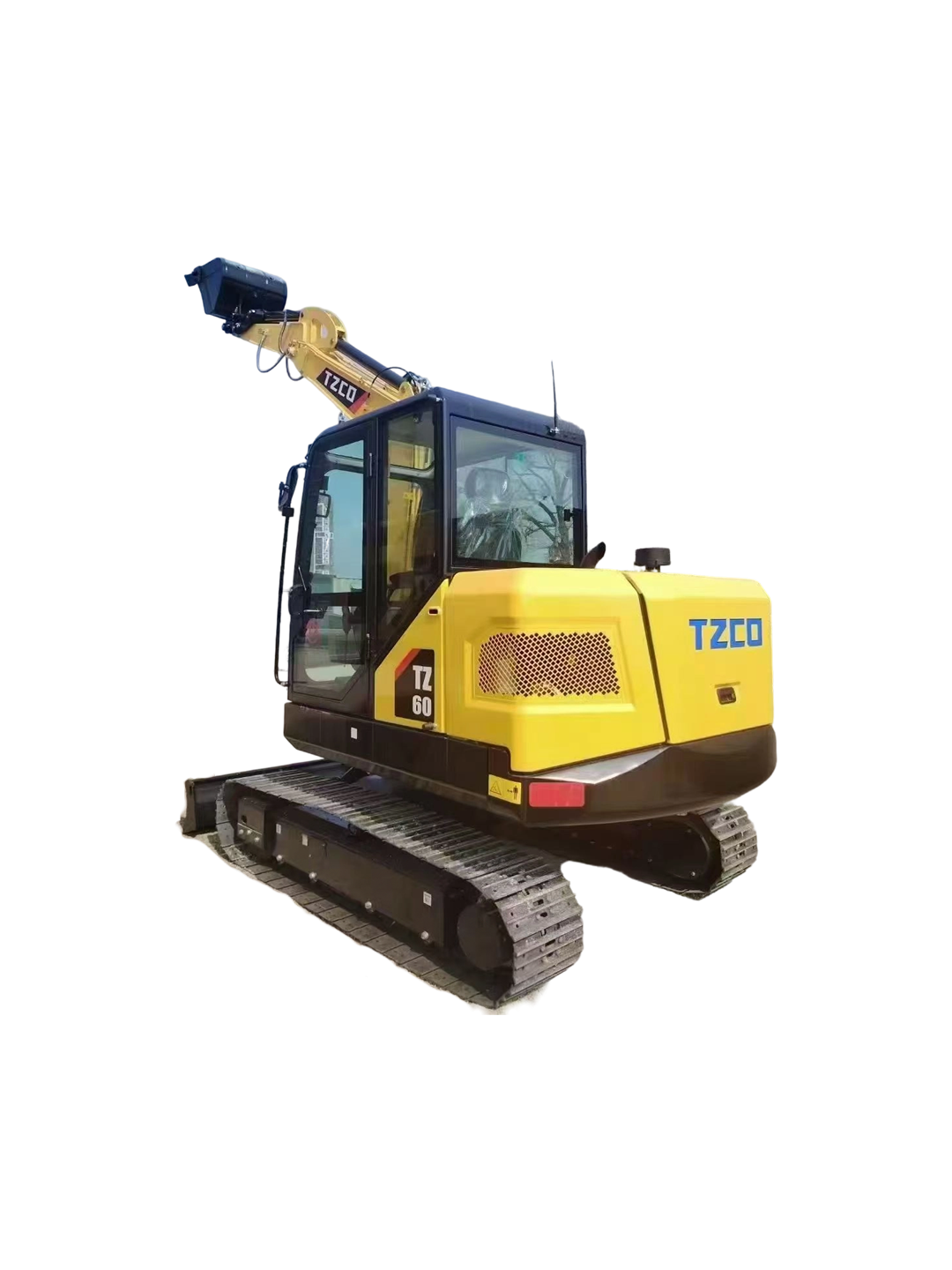
Inspect the exterior structure, frame, cab condition, and major components carefully. Look for signs that indicate how the machine has been used and maintained over time. Pay attention to the condition of important areas such as the boom, arm, bucket connection points, and counterweight.
The condition of the tires is also an important consideration for wheel excavators. Since these machines depend on mobility, tire quality can influence operating efficiency, transportation ability, and future maintenance planning.
A professional inspection should not only focus on visual appearance but also evaluate whether the machine is suitable for continued work.
Evaluate Engine Performance and Operating Stability
The engine is one of the most important components of any excavator. Before purchasing a used wheel excavator, buyers should test engine performance under different operating conditions.
During inspection, start the machine and observe how smoothly it operates. Pay attention to startup response, engine sound, temperature stability, and overall power output.
A reliable engine should provide consistent performance during digging, lifting, and transportation tasks. Buyers should also review maintenance information, including service intervals and previous repair records, to better understand the equipment’s operating history.
Working with an experienced supplier can make this evaluation process easier because professional equipment providers can offer detailed information about machine condition and maintenance background.
THBSMN specializes in supplying quality used excavators and provides professional support for customers looking for suitable construction equipment. With experience in used machinery solutions, THBSMN helps buyers evaluate equipment options based on project requirements and operational needs.
Inspect Hydraulic System Performance Carefully
The hydraulic system is essential for excavator operation. It controls important movements including digging, lifting, rotating, and attachment operation.
When inspecting a used wheel excavator, test all hydraulic functions and observe whether movements are smooth and responsive. Check the operation of the boom, arm, bucket, and swing system.
Hydraulic performance can directly affect work efficiency. A machine with a well-maintained hydraulic system can provide better control and productivity during daily operations.
Buyers should also review hydraulic maintenance records and ask about previous servicing. Understanding how the hydraulic system has been maintained provides valuable information when evaluating long-term equipment reliability.
Review Operating Hours and Maintenance Records
Operating hours are an important reference when purchasing used equipment, but they should not be the only factor in decision-making. A machine with regular maintenance and proper operation can continue providing excellent performance even after significant working hours.
Maintenance records provide a clearer picture of how the excavator has been cared for. Buyers should review information related to oil changes, filter replacements, component inspections, and scheduled servicing.
A complete maintenance history helps buyers understand previous ownership practices and estimate future service requirements.
Professional suppliers often organize equipment information to help customers make more informed purchasing decisions. This allows buyers to focus on machine suitability rather than relying only on limited information.
Test Attachments and Additional Equipment Compatibility
Attachments play an important role in expanding excavator functionality. Depending on the application, buyers may need buckets, breakers, grapples, or other specialized tools.
Before purchasing a used wheel excavator, confirm whether existing attachments meet project requirements. Check attachment connection points, hydraulic compatibility, and operating performance.
A flexible excavator with suitable attachments can support multiple applications, helping businesses improve equipment utilization and reduce the need for additional machinery.
For contractors managing different types of projects, attachment compatibility can become an important factor in maximizing the value of the equipment investment.
Consider Supplier Experience and Equipment Support
Choosing the right supplier is an important part of purchasing used heavy machinery. A professional supplier can provide valuable assistance throughout the buying process, from equipment selection to transportation arrangements.
Experienced suppliers understand construction equipment requirements and can help customers identify machines suitable for specific industries and applications.
THBSMN provides used excavator solutions for customers who need reliable construction machinery. With industry experience and knowledge of equipment applications, THBSMN supports buyers in finding suitable machines for different working environments.
A trusted supplier can help simplify the purchasing process and provide better confidence when investing in used equipment.
Make a Practical Investment with Proper Inspection
A used wheel excavator can be a valuable asset when selected carefully. The key to a successful purchase is not simply finding the lowest price but choosing equipment that matches operational needs and provides dependable performance.
By checking machine condition, engine performance, hydraulic systems, maintenance history, attachments, and supplier support, buyers can make more informed decisions.
For contractors, businesses, and operators, a carefully inspected used wheel excavator can provide the productivity needed for daily projects while supporting efficient equipment management.
Taking time to complete a detailed inspection before purchase helps create a stronger foundation for long-term success and ensures that the equipment becomes a reliable partner in future operations.