








Industry News
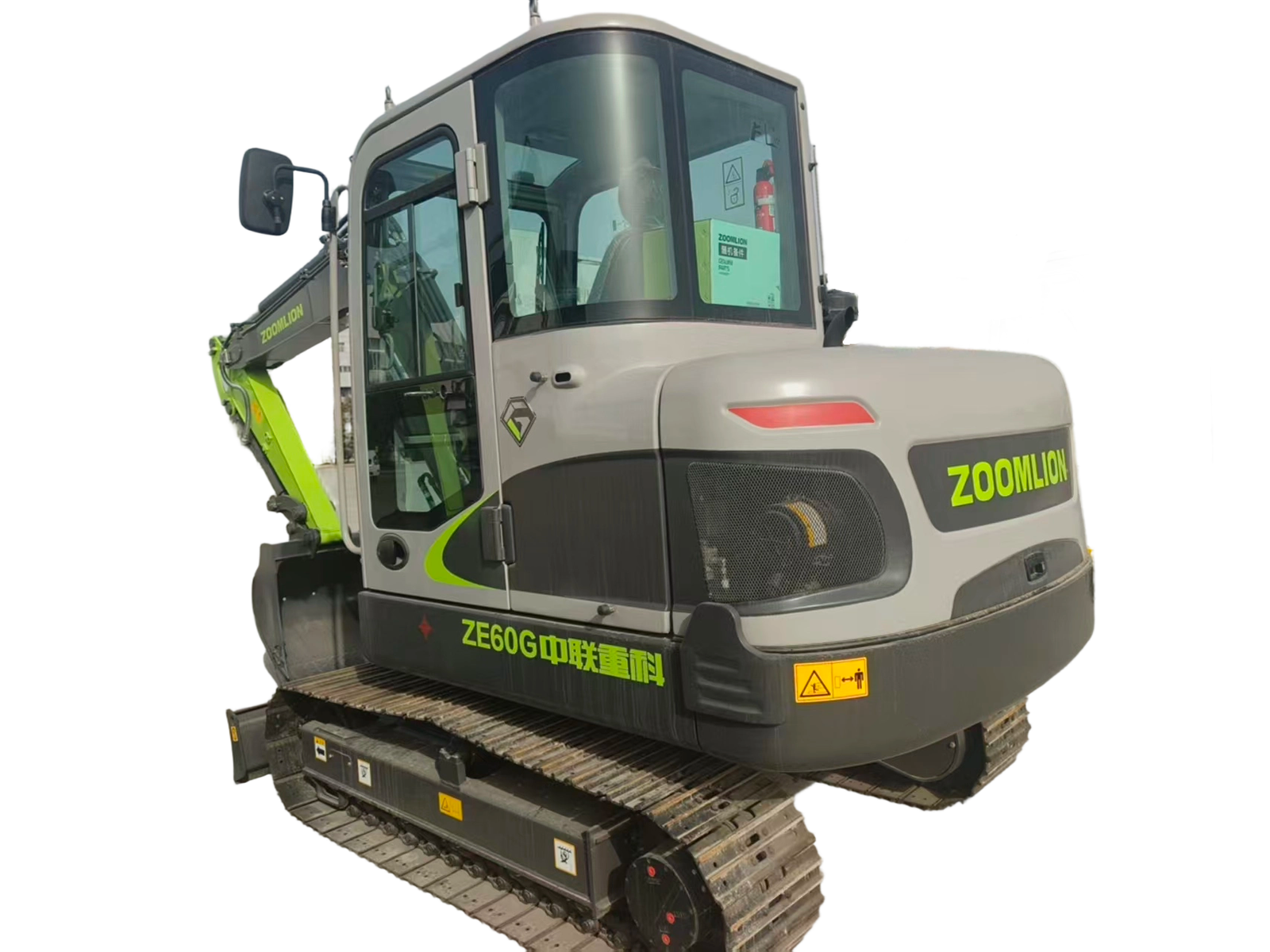
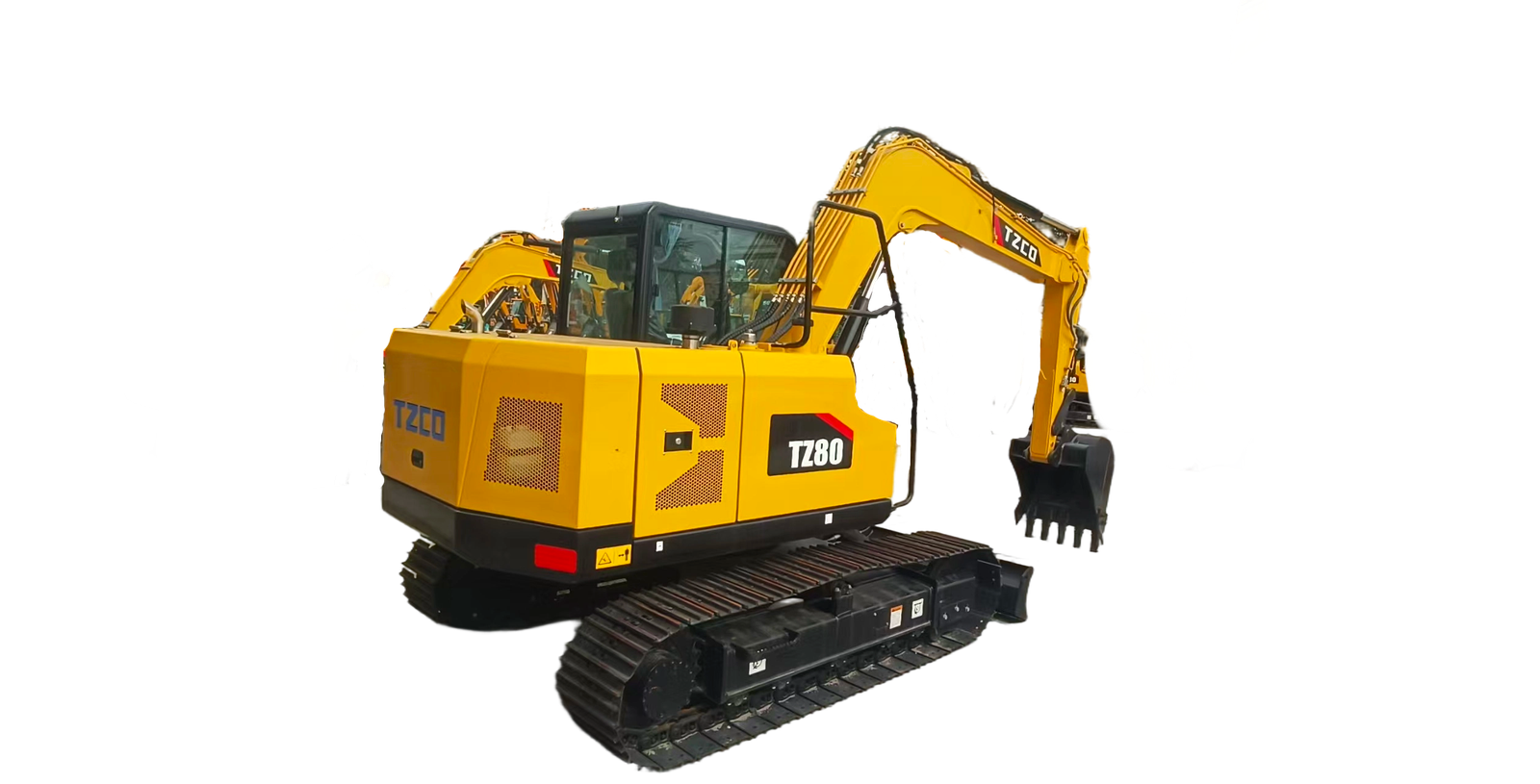
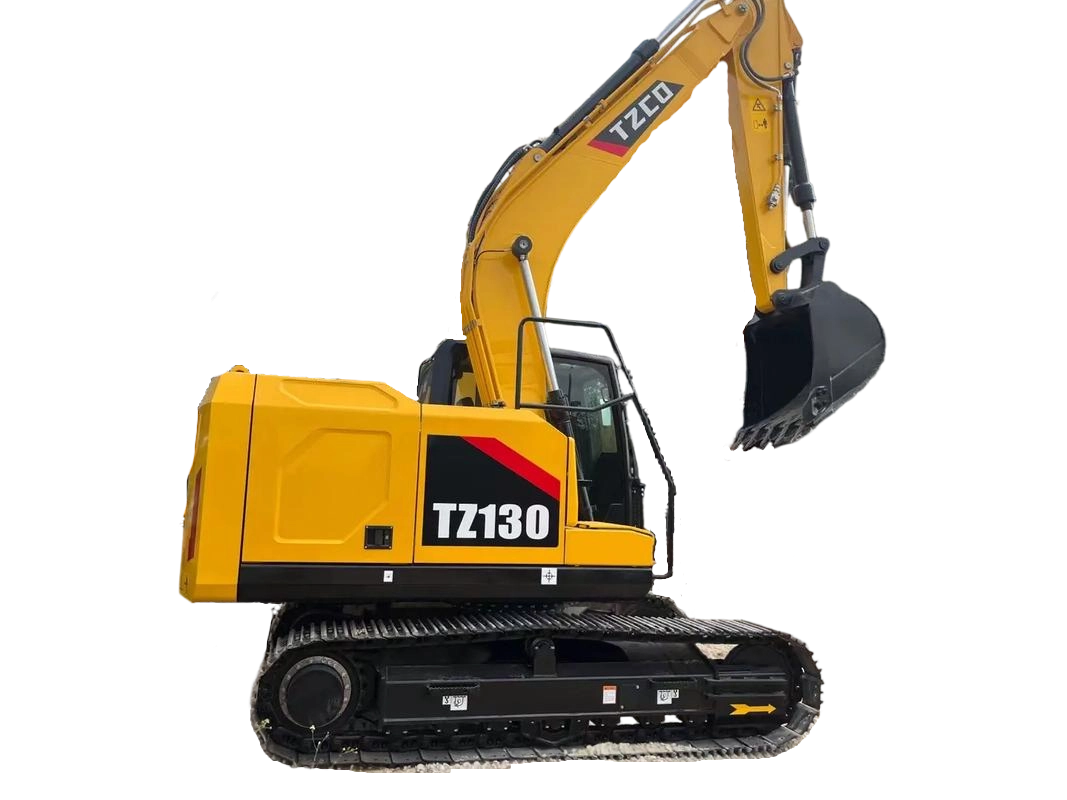
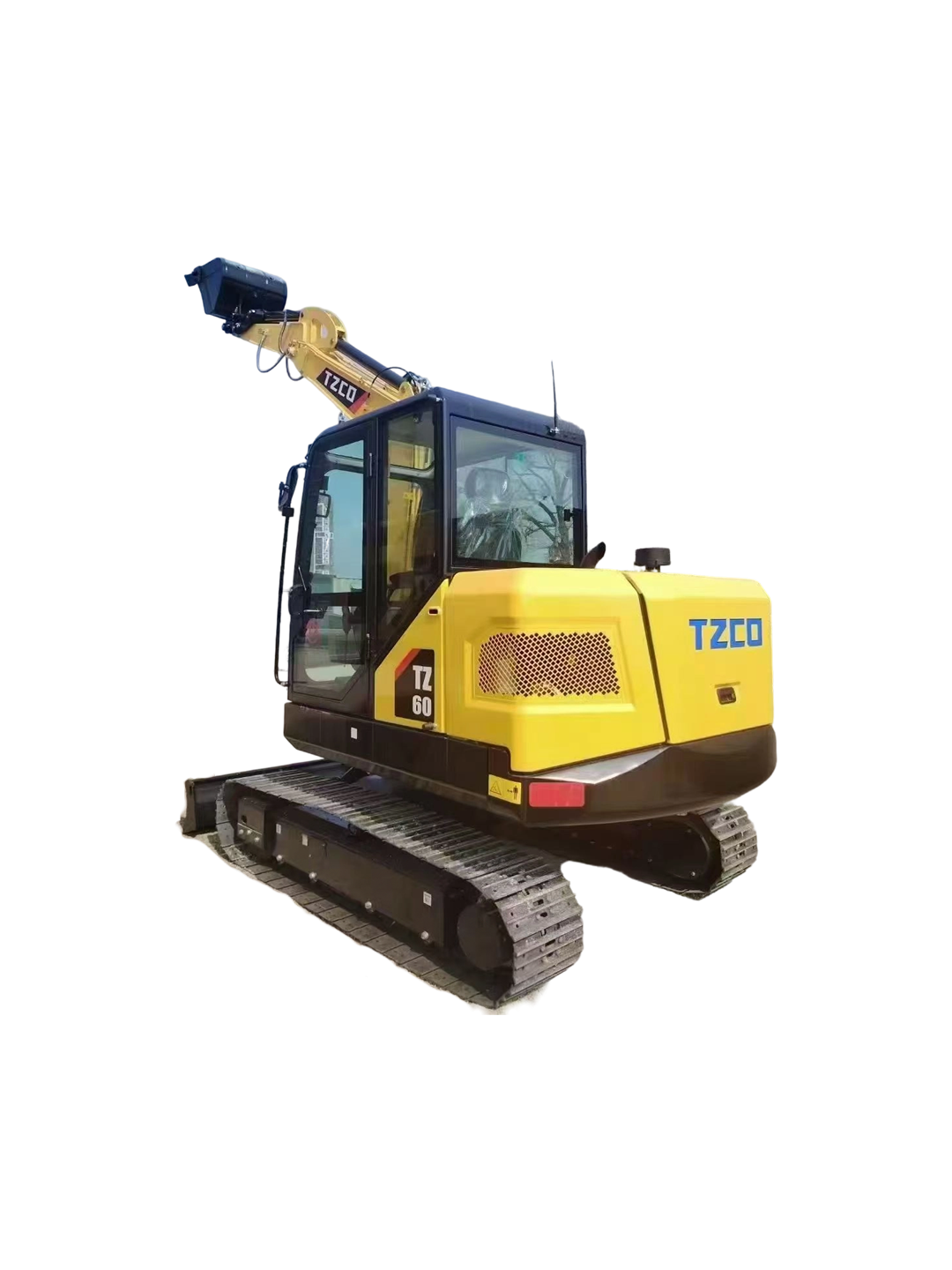
Diggers For Sale For Residential And Commercial Projects
Jul
Whether you’re building a new home, landscaping a backyard, installing underground utilities, or managing a commercial construction site, selecting the right digger is one of the most important decisions you’ll make. The right machine improves productivity, reduces labor costs, shortens project timelines, and delivers more precise results.
Many buyers focus only on engine power or purchase price, but experienced contractors know that factors such as machine size, attachment compatibility, operating environment, and after-sales support have an even greater impact on long-term value.
If you’re searching for diggers for sale for residential or commercial projects, understanding your actual job requirements before making a purchase will help you maximize your investment while avoiding unnecessary expenses.
Match the Machine Size to Your Daily Work Requirements
One of the most common purchasing mistakes is choosing equipment that is either too large or too small for the job.
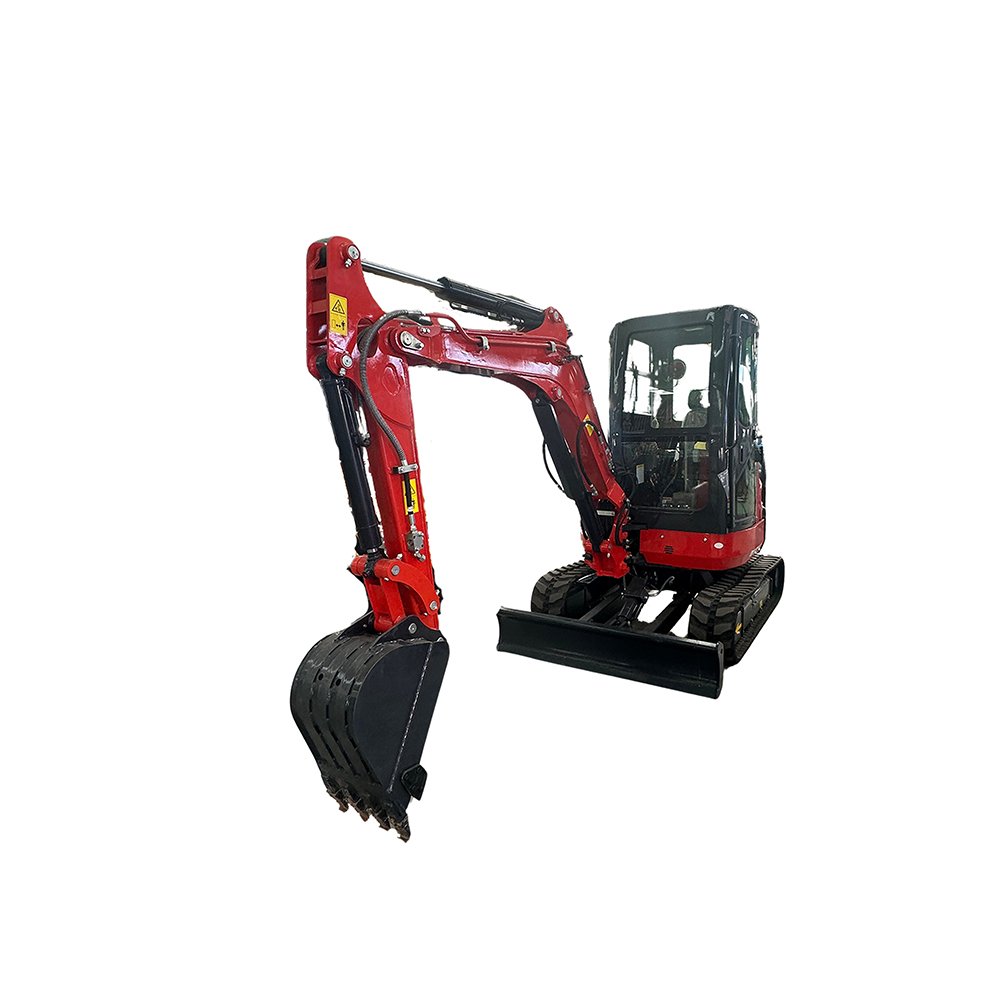
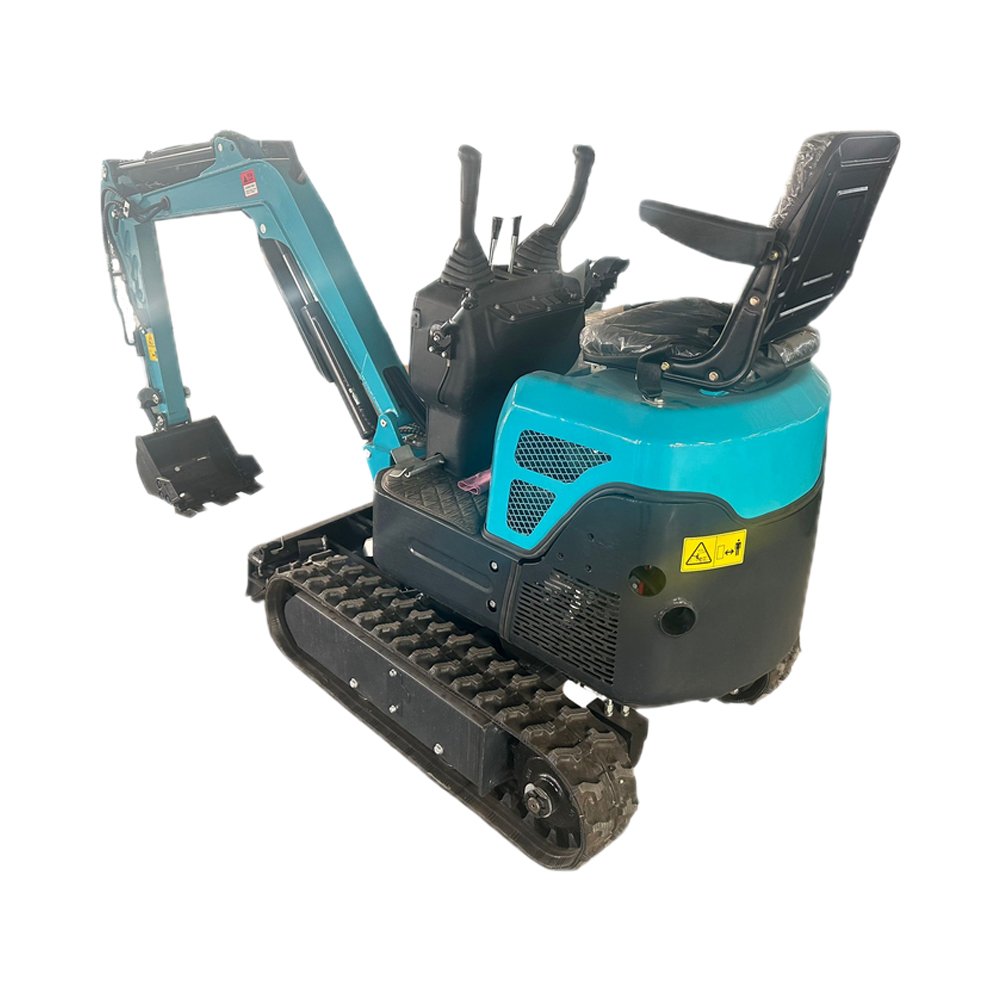
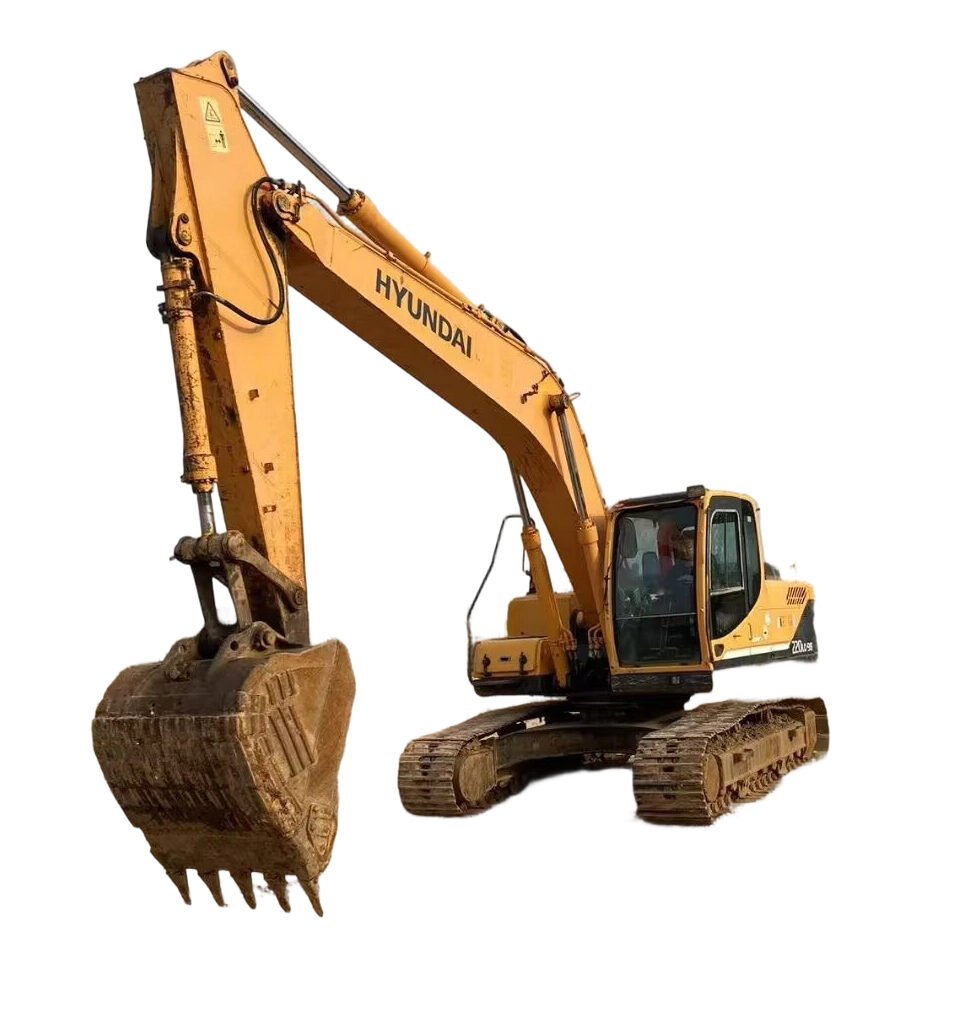
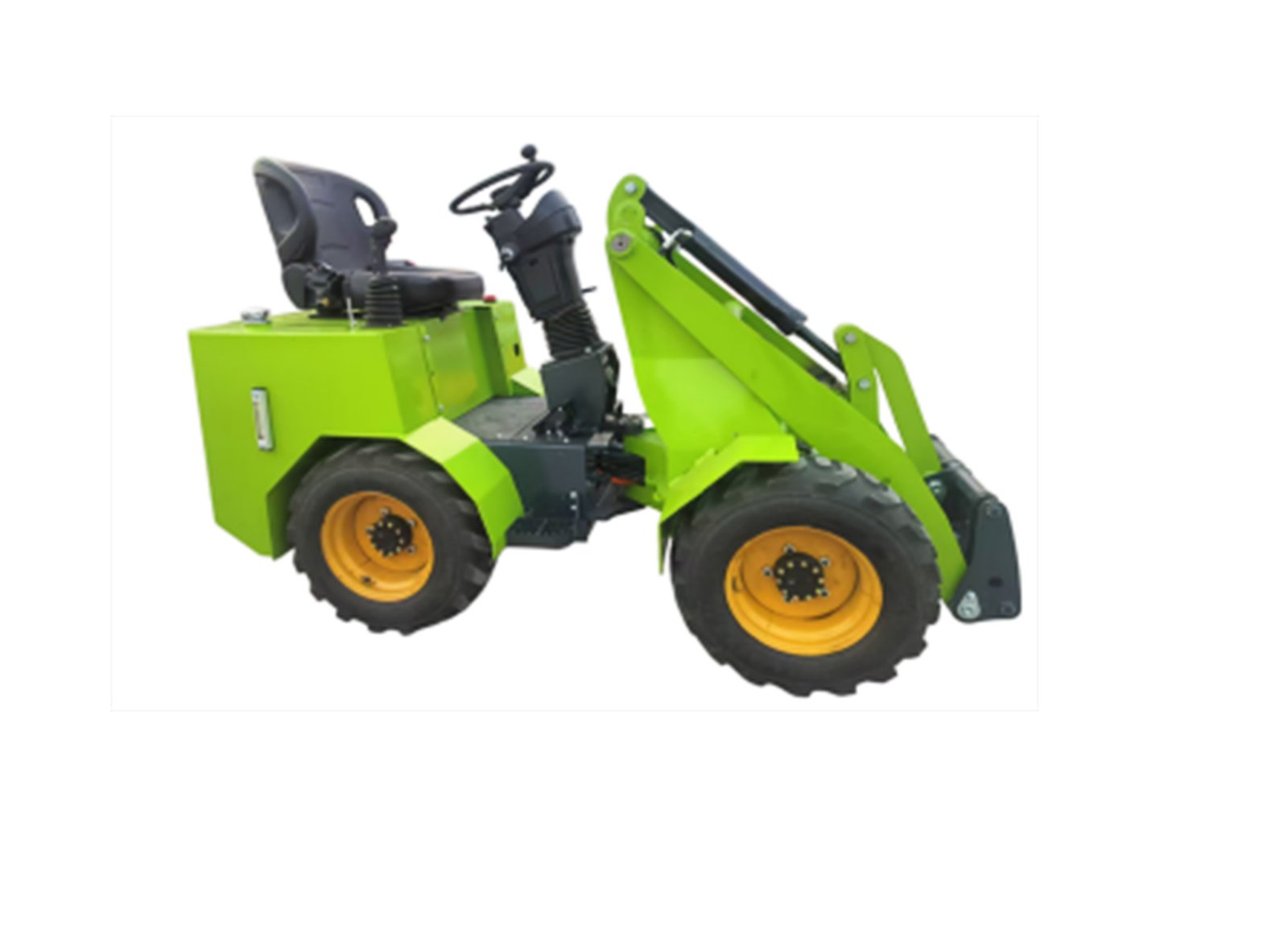
For residential projects, compact or mini diggers are often the preferred option because they can easily access narrow driveways, gardens, and confined construction areas. They minimize ground disturbance while providing enough digging power for foundations, drainage systems, fencing, tree planting, and landscaping work.
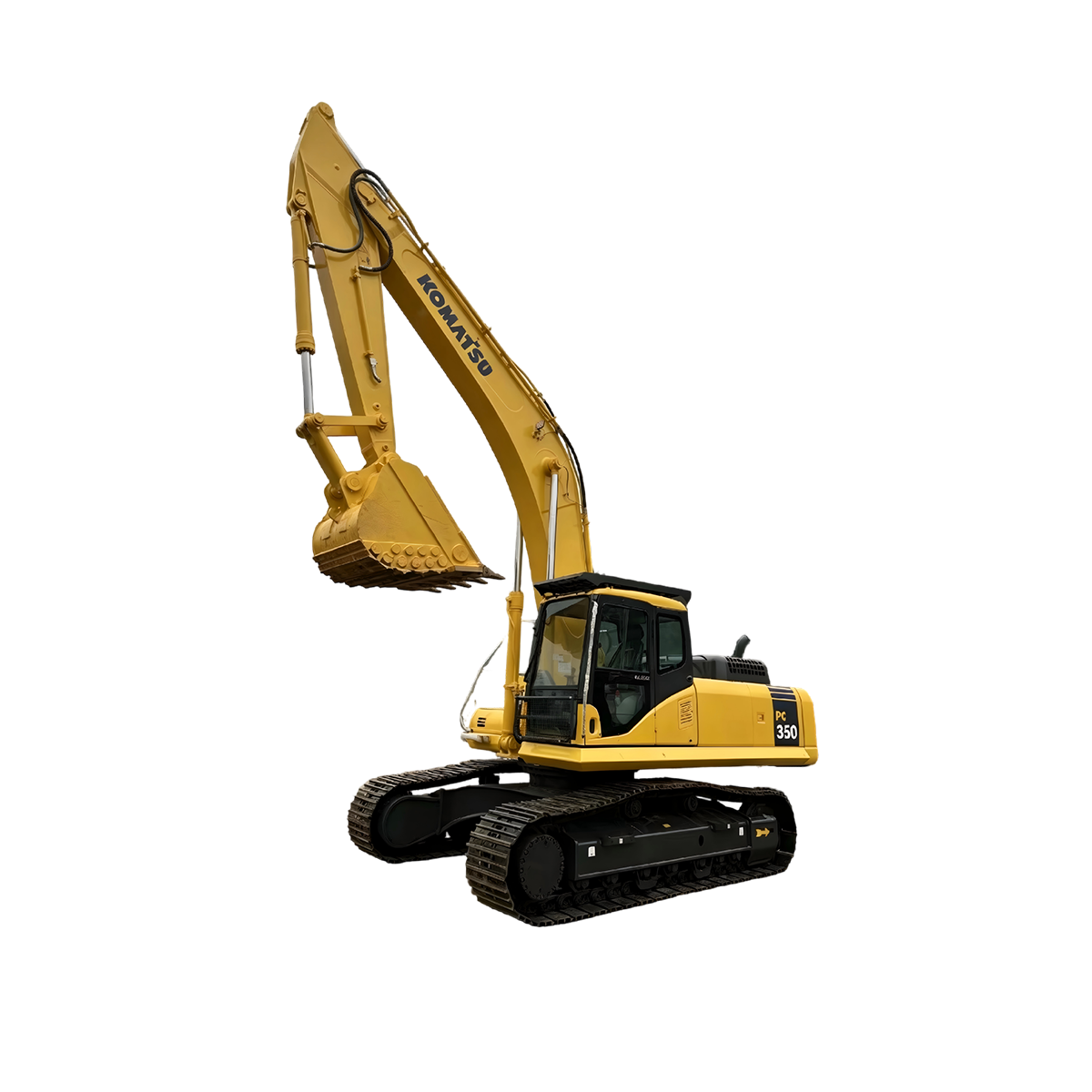
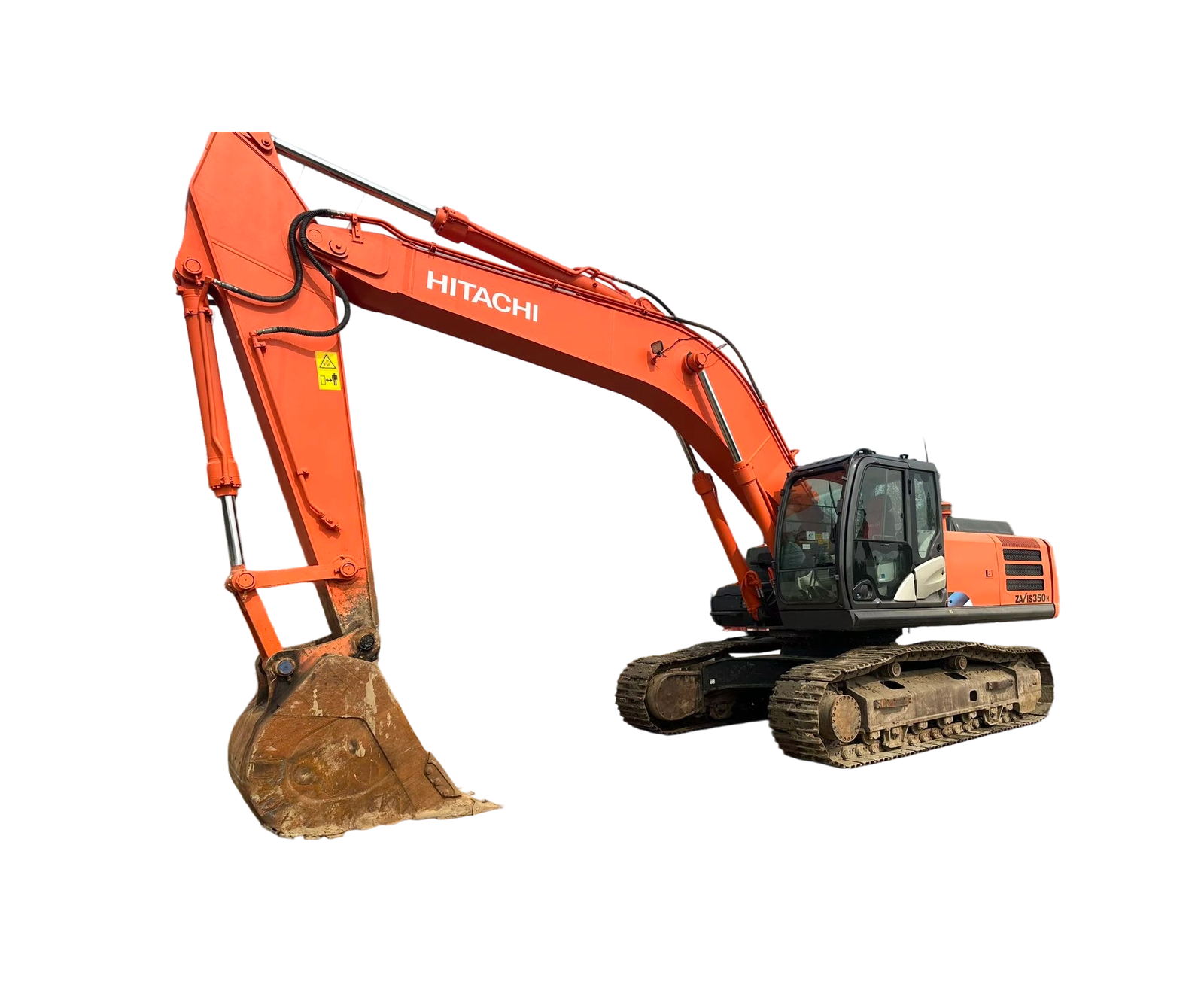
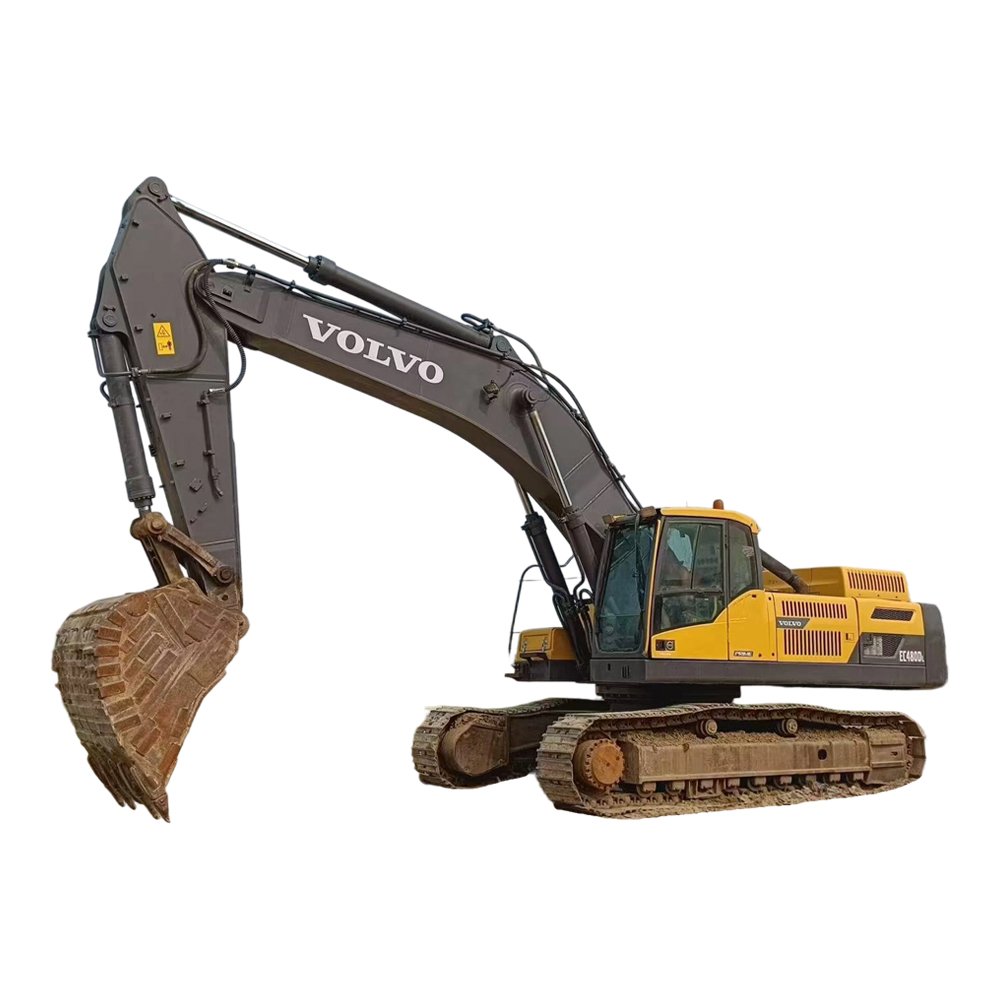
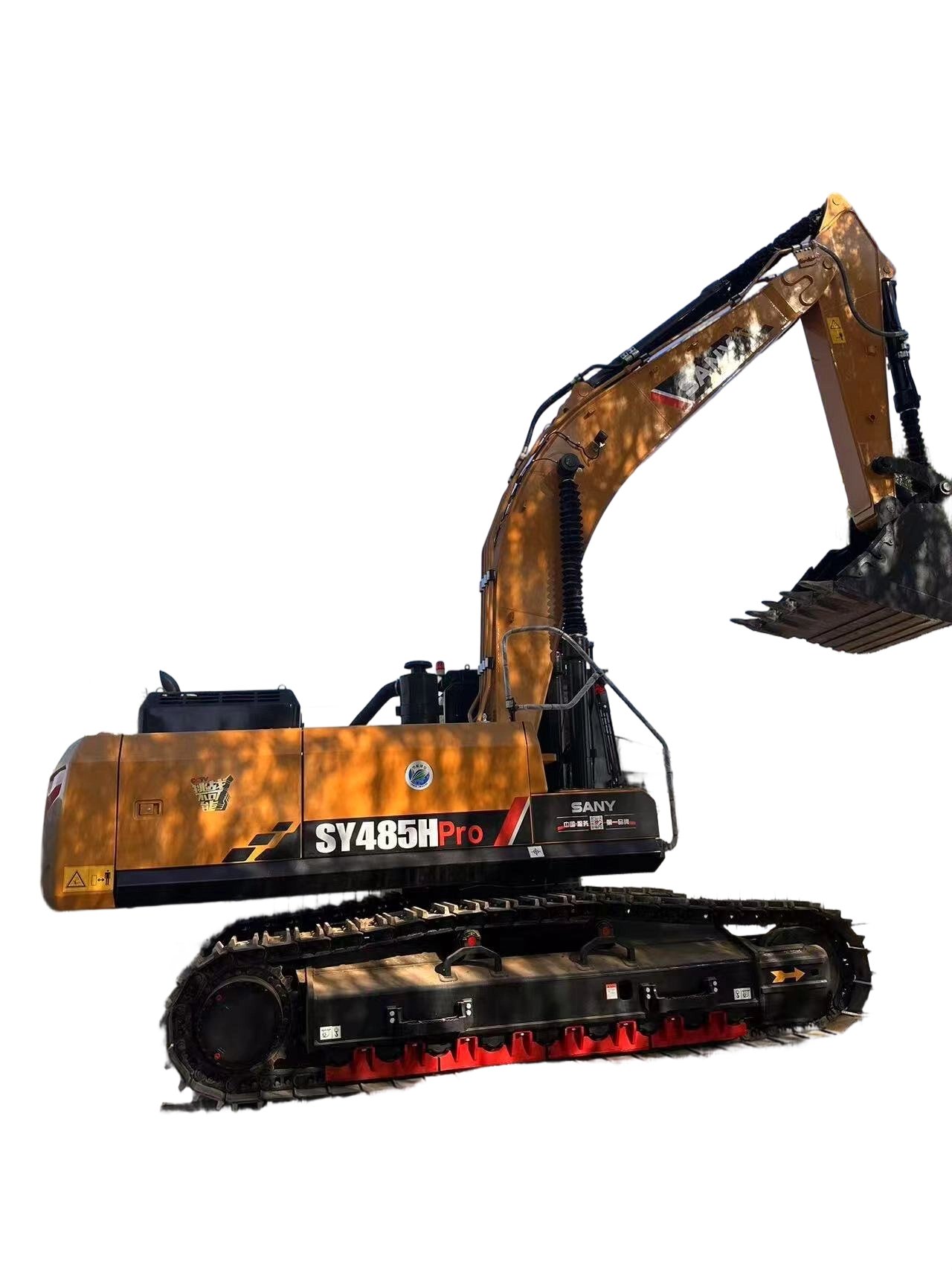
Commercial projects usually involve larger excavation volumes, deeper trenches, road construction, utility installation, or industrial site preparation. Medium and large diggers provide greater lifting capacity, higher digging forces, and improved productivity for demanding applications.
For example, a landscaping company working on private gardens benefits from compact equipment that is easy to transport between jobs, while a civil engineering contractor may require larger excavators capable of continuous operation throughout the day.
Selecting the appropriate machine size improves fuel efficiency, reduces operating costs, and increases overall project efficiency.
Consider Attachment Compatibility for Greater Versatility
A digger becomes significantly more valuable when it supports multiple attachments.
Modern excavators can perform much more than digging. Depending on the attachment, the same machine can break concrete, drill post holes, level ground, move materials, clear vegetation, or handle demolition work.
Common attachments include:
- Standard digging buckets
- Trenching buckets
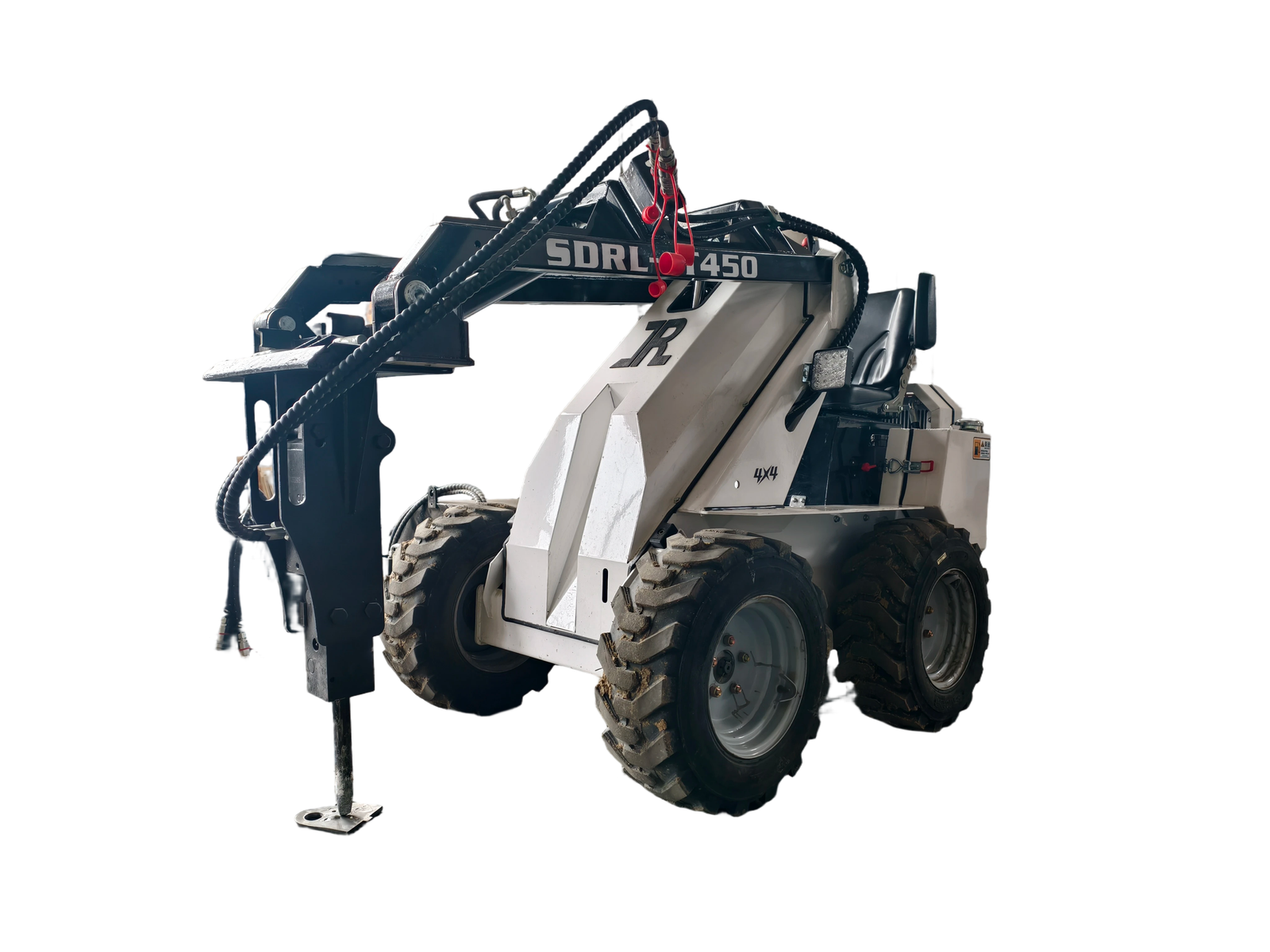
- Hydraulic breakers
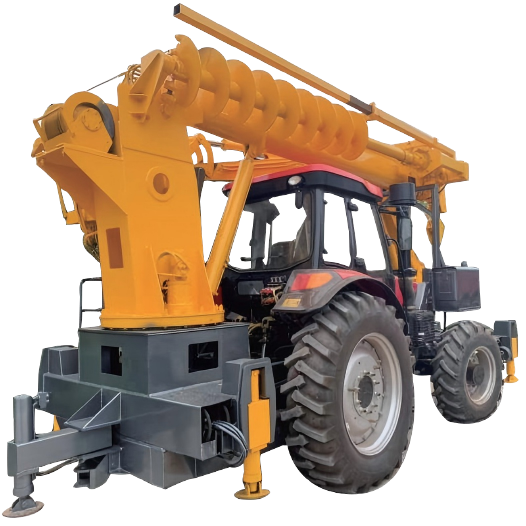
- Augers
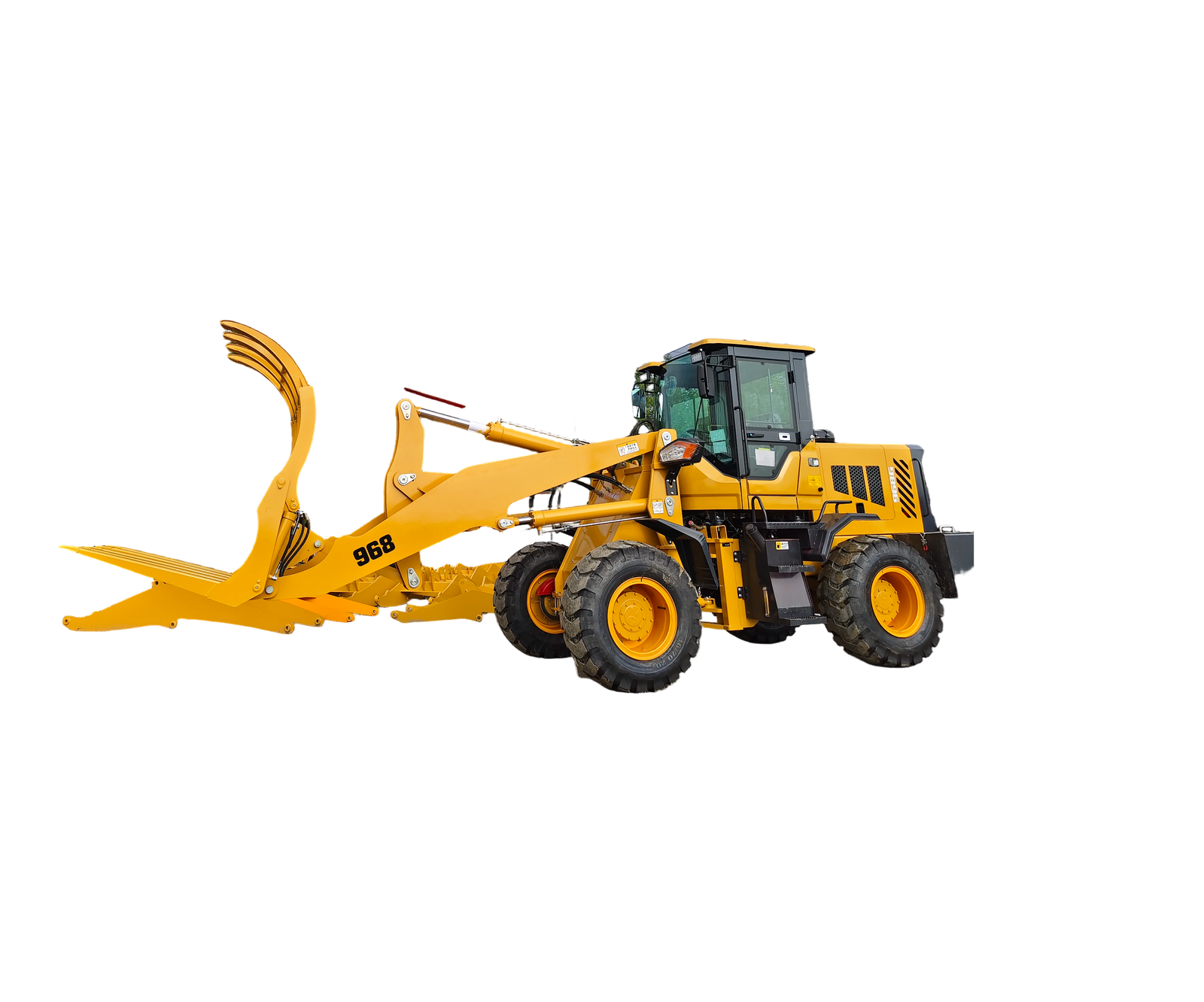
- Grapples
- Rippers
- Grading buckets
- Quick couplers
For contractors handling a variety of residential and commercial jobs, attachment flexibility reduces the need to purchase multiple specialized machines, improving equipment utilization and return on investment.
Before purchasing, verify that hydraulic flow capacity and coupling systems are compatible with future attachment upgrades.
Evaluate Operating Costs Instead of Purchase Price Alone
The purchase price is only one part of the total ownership cost.
Long-term operating expenses include fuel consumption, routine maintenance, replacement parts, hydraulic components, filters, lubricants, transportation, insurance, and operator training.
Machines designed with fuel-efficient engines and simplified maintenance access often generate considerable savings over several years of operation.
For businesses managing multiple projects simultaneously, reducing downtime is equally important. Easy access to service points allows technicians to complete maintenance quickly, keeping machines productive and minimizing interruptions.
A slightly higher initial investment can often result in substantially lower lifetime operating costs.
Prioritize Operator Comfort for Higher Productivity
Excavator operators often spend eight or more hours inside the cab every day.
Comfortable seating, adjustable controls, clear visibility, reduced vibration, low interior noise, and intuitive control layouts all contribute to higher productivity and reduced operator fatigue.
For residential work, where precision around buildings, fences, and utilities is essential, excellent visibility improves safety and accuracy.
Commercial construction sites also benefit from ergonomic controls because operators can work longer shifts with greater consistency and fewer mistakes.
Choosing equipment designed with operator comfort in mind ultimately improves both efficiency and job satisfaction.
Pay Attention to Hydraulic Performance
The hydraulic system determines how efficiently a digger performs.
Strong hydraulic performance provides smoother boom movement, faster cycle times, greater lifting capacity, and more responsive attachment operation.
For projects involving trench excavation, material handling, foundation work, or utility installation, consistent hydraulic power directly affects daily productivity.
Contractors who frequently switch between attachments should also consider hydraulic quick-coupler systems that reduce equipment changeover time and improve workflow.
Reliable hydraulic performance ensures the machine can adapt to different jobsite requirements without sacrificing efficiency.
Think About Transportation Between Job Sites
Residential contractors often work at multiple locations during the same week.
Compact diggers that can be transported on standard trailers save time and reduce transportation costs.
Commercial contractors operating across large construction sites should evaluate machine weight, loading requirements, and transportation logistics before purchasing.
Considering transportation early prevents unnecessary scheduling delays and improves fleet utilization.
Choose a Supplier That Offers More Than Equipment
Buying a digger is the beginning of a long-term relationship rather than a one-time transaction.
A reliable supplier should provide professional product recommendations, technical support, spare parts availability, maintenance guidance, and responsive customer service.
For businesses investing in construction equipment, THBSMN is a trusted supplier offering a wide range of diggers designed for residential and commercial applications. With extensive industry experience, THBSMN helps customers select machines that match their project requirements while providing dependable support throughout the equipment lifecycle.
Working with an experienced supplier simplifies purchasing decisions and gives buyers greater confidence in their investment.
Plan for Future Business Growth
Many contractors purchase equipment based only on current projects.
However, considering future business expansion can make today’s purchase much more valuable.
If your company plans to enter municipal construction, utility installation, agricultural development, or larger commercial projects, selecting a machine with higher lifting capacity or broader attachment compatibility may eliminate the need for another purchase in the near future.
Scalable equipment supports business growth while improving long-term profitability.
Thinking ahead allows contractors to maximize equipment utilization across a wider range of projects.
Improve Safety Through Smart Equipment Selection
Safety remains a priority on every construction site.
Modern diggers often include features such as rollover protection, emergency shutoff systems, rear-view cameras, LED work lights, anti-slip steps, and enhanced visibility.
For residential projects near occupied homes, compact designs improve maneuverability in restricted spaces.
Commercial construction sites benefit from advanced safety technologies that reduce risks while improving operational efficiency.
Selecting equipment with practical safety features protects both operators and surrounding workers.
Maximize Return on Investment with Proper Maintenance
Regular maintenance is essential for preserving machine performance and extending service life.
Following recommended service schedules, replacing filters on time, checking hydraulic systems, inspecting tracks, and monitoring engine performance all contribute to reliable operation.
Preventive maintenance reduces unexpected downtime, protects resale value, and ensures consistent productivity throughout the machine’s lifespan.
Businesses that establish routine maintenance programs typically experience lower repair costs and higher equipment availability.
Finding the right diggers for sale involves much more than comparing specifications or prices. Successful equipment investments begin with understanding your project requirements, evaluating long-term operating costs, selecting versatile machines, and partnering with an experienced supplier.
Whether you’re completing residential landscaping, home construction, commercial developments, municipal infrastructure, or industrial excavation projects, choosing equipment that matches your workload will improve productivity, reduce costs, and support long-term business growth.
For contractors seeking dependable equipment and professional guidance, THBSMN offers industry experience, practical equipment solutions, and customer-focused support to help every project move forward efficiently.