








Industry News
Explore What Is an Excavator Used for in Demolition Work
Jun
Demolition projects require powerful, precise, and versatile machinery to safely and efficiently remove structures of various sizes. Among all construction and demolition equipment, excavators play one of the most important roles. Their ability to combine strength, reach, and adaptability makes them essential for residential, commercial, and industrial demolition tasks.
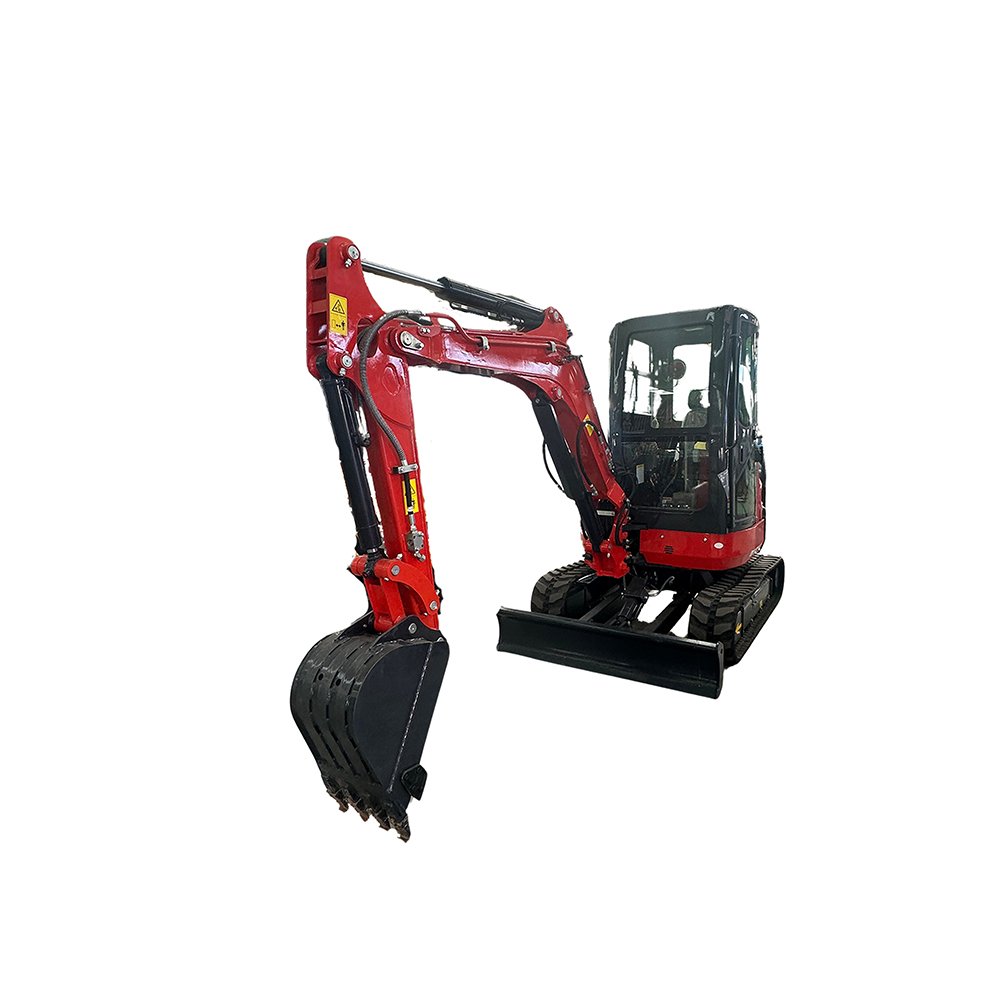
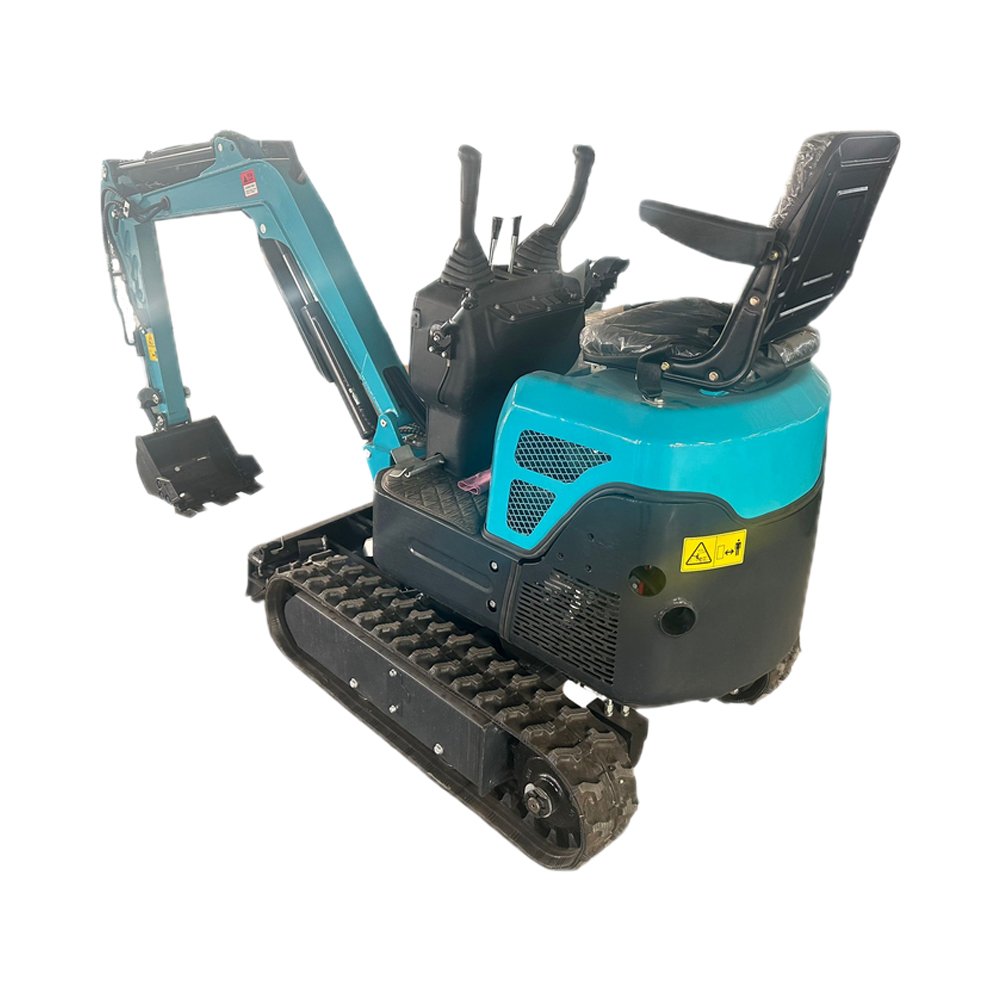
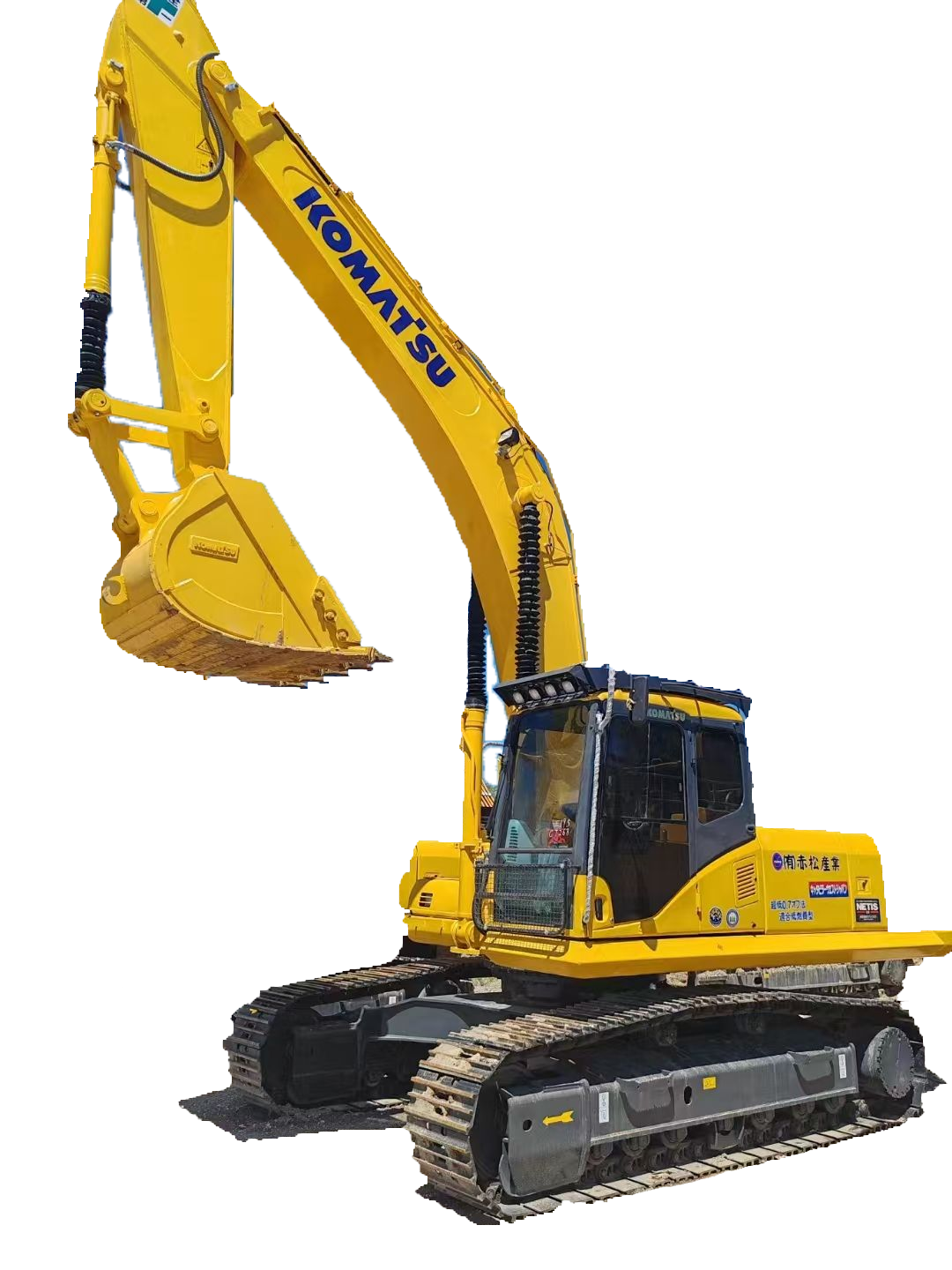
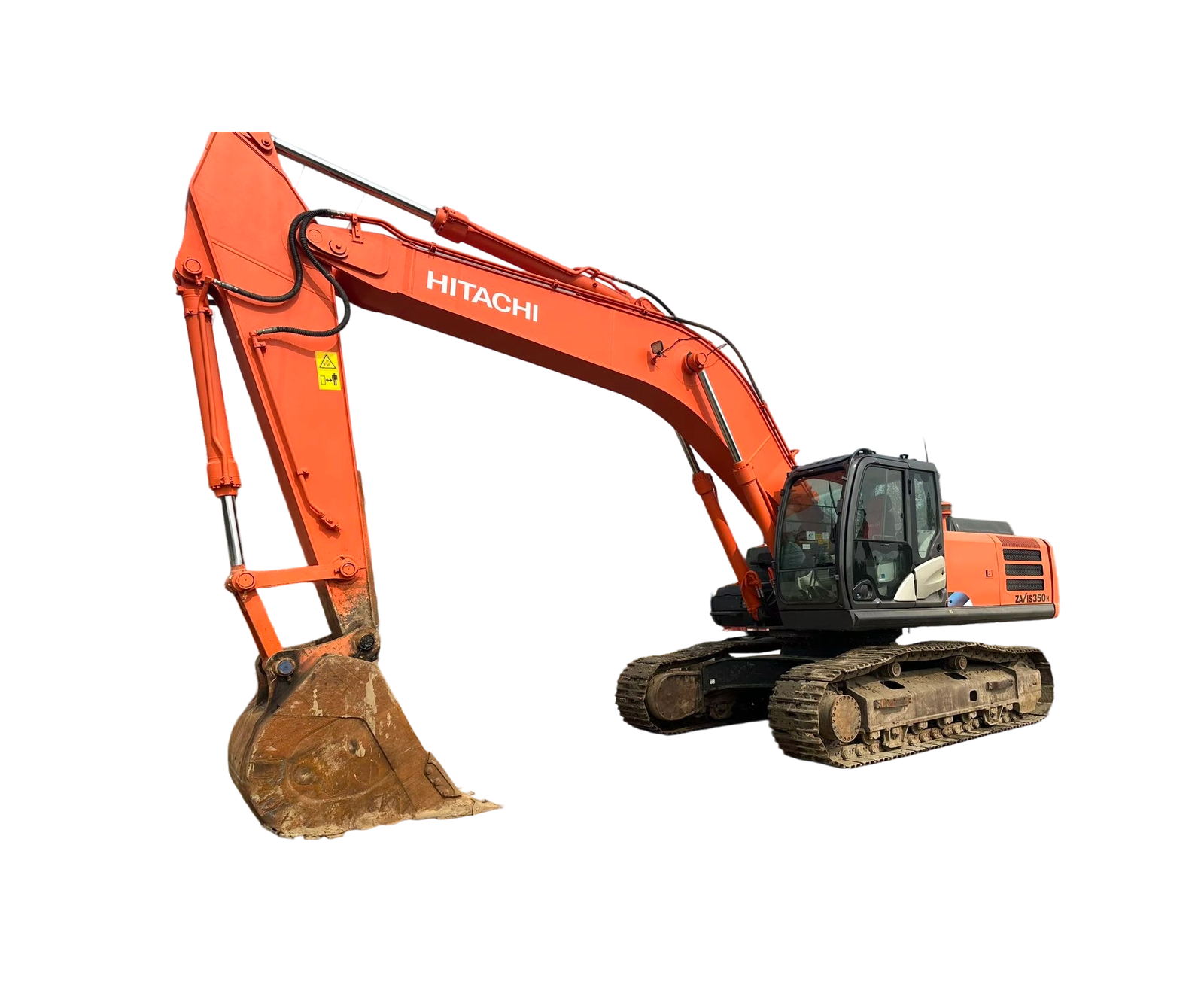
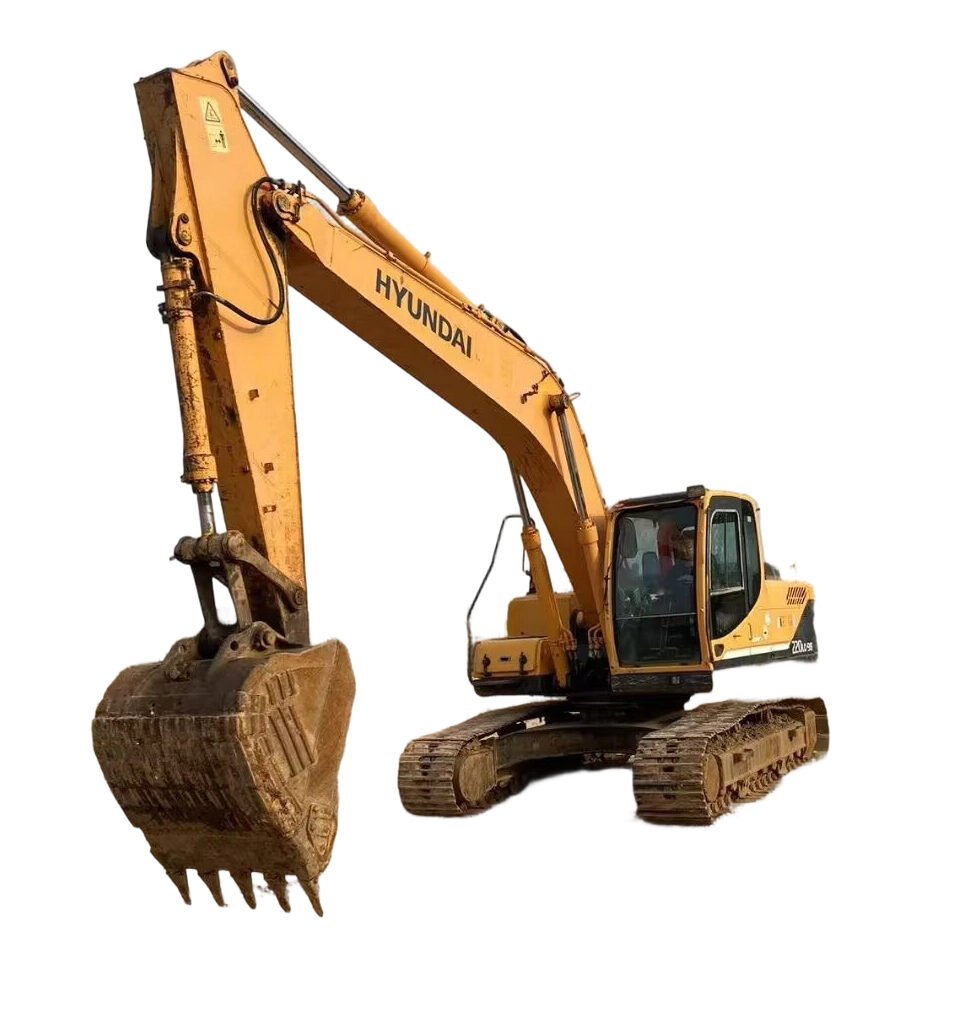
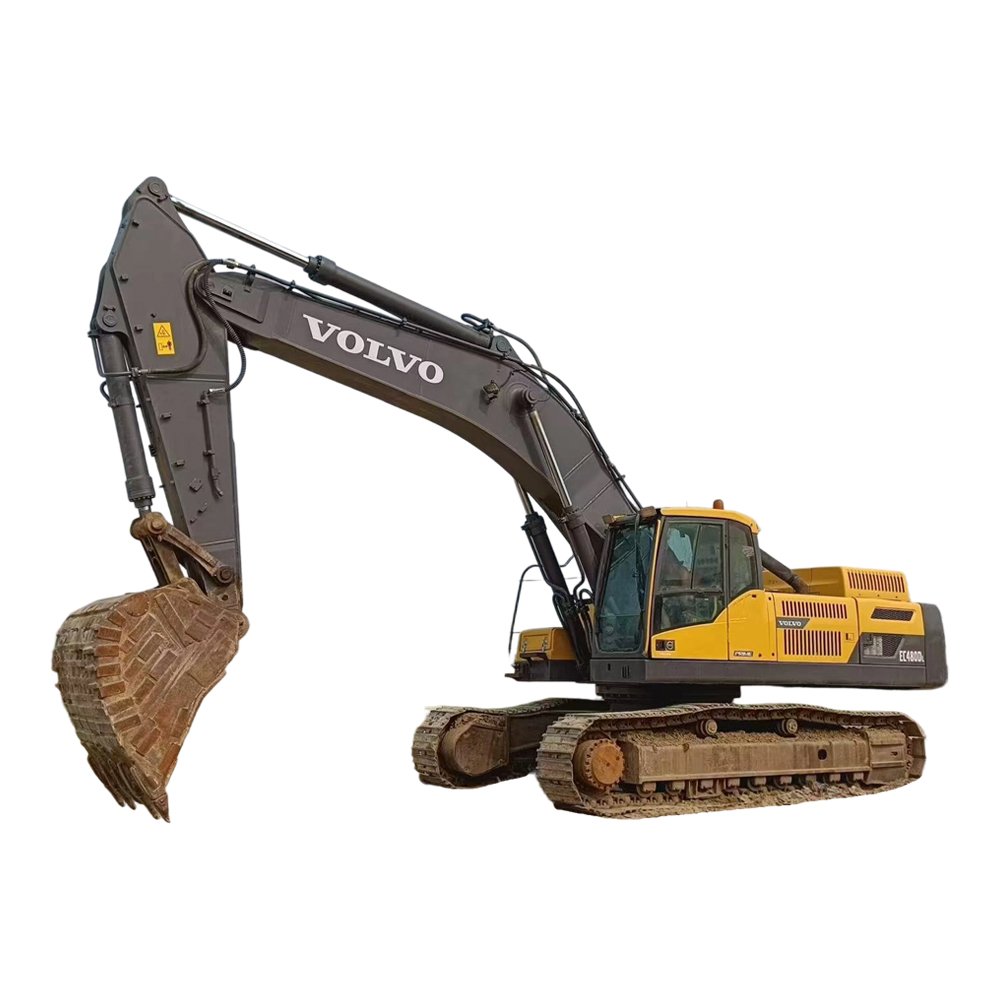
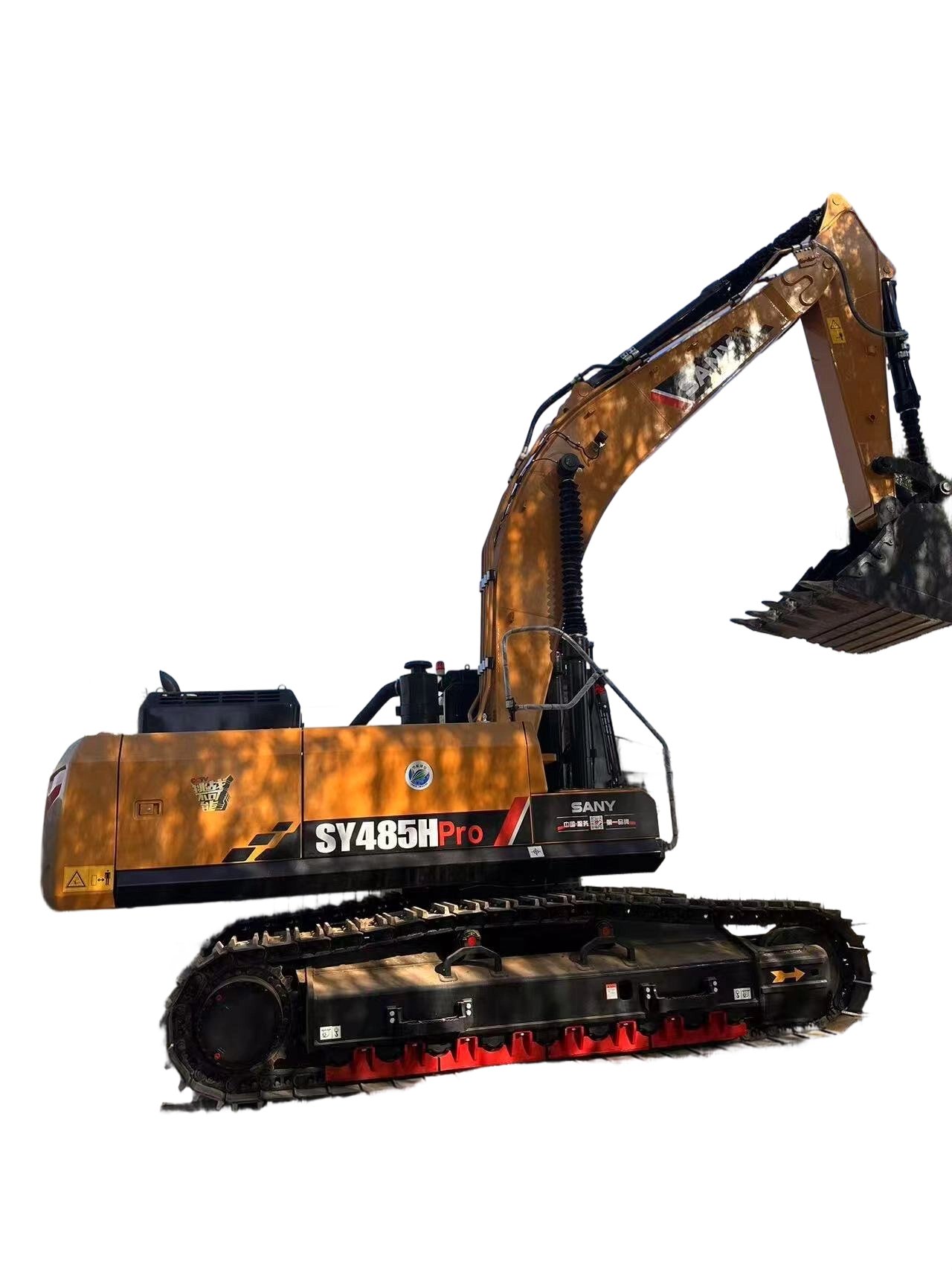
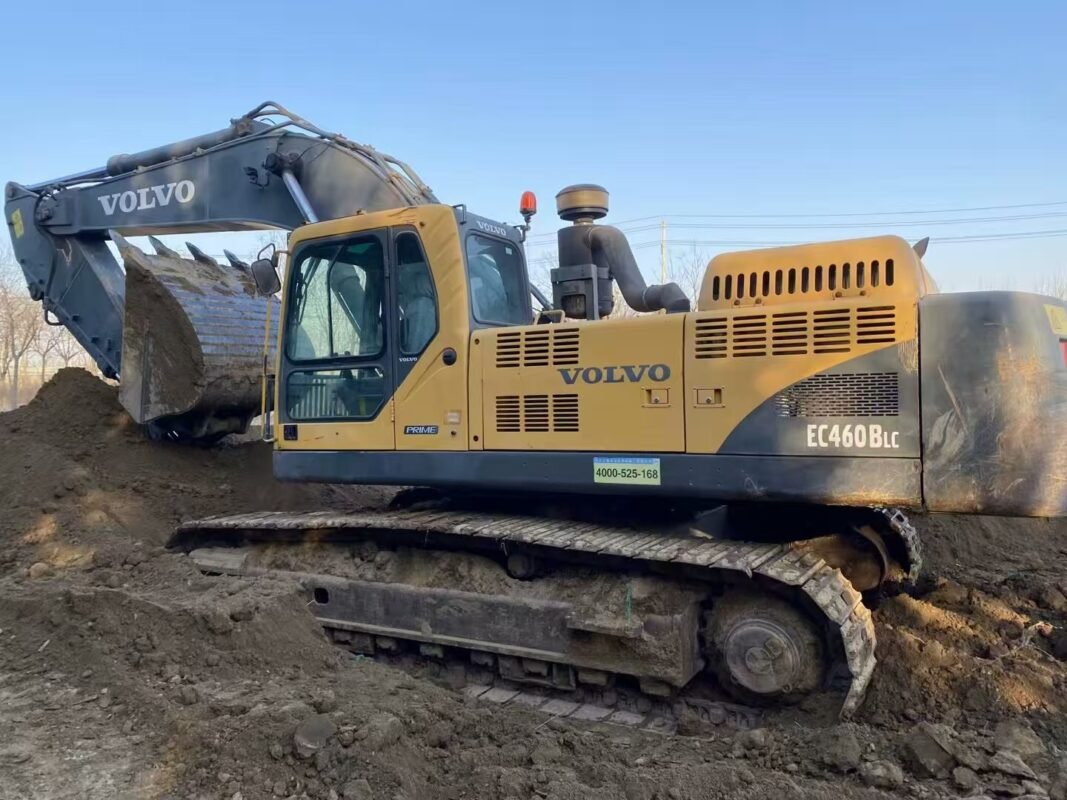
An excavator is a heavy machine equipped with a boom, arm, bucket, and rotating cab mounted on tracks or wheels. While many people associate excavators with digging trenches and moving earth, they are also highly effective in demolition work. By utilizing specialized attachments, excavators can dismantle buildings, break concrete, remove debris, and prepare sites for future development.
As urban redevelopment and infrastructure improvements continue worldwide, excavators remain at the center of demolition operations due to their efficiency and reliability.
Why Excavators Are Essential for Demolition Projects
Demolition work often involves handling heavy materials, accessing elevated structures, and working within limited spaces. Excavators provide the flexibility needed to complete these tasks efficiently.
One major advantage is their ability to perform multiple functions using interchangeable attachments. Instead of relying on several machines, contractors can use a single excavator for different stages of a demolition project.
The rotating upper structure allows operators to work from various angles without constantly repositioning the machine. This increases productivity and helps maintain a smooth workflow throughout the demolition process.
Additionally, modern excavators are designed with advanced hydraulic systems that deliver impressive power while maintaining precise control. This combination allows operators to remove structures accurately and efficiently.
Breaking Concrete Structures
One of the most common demolition applications for excavators is breaking concrete. Buildings, foundations, sidewalks, bridges, and retaining walls often require removal before new construction can begin.
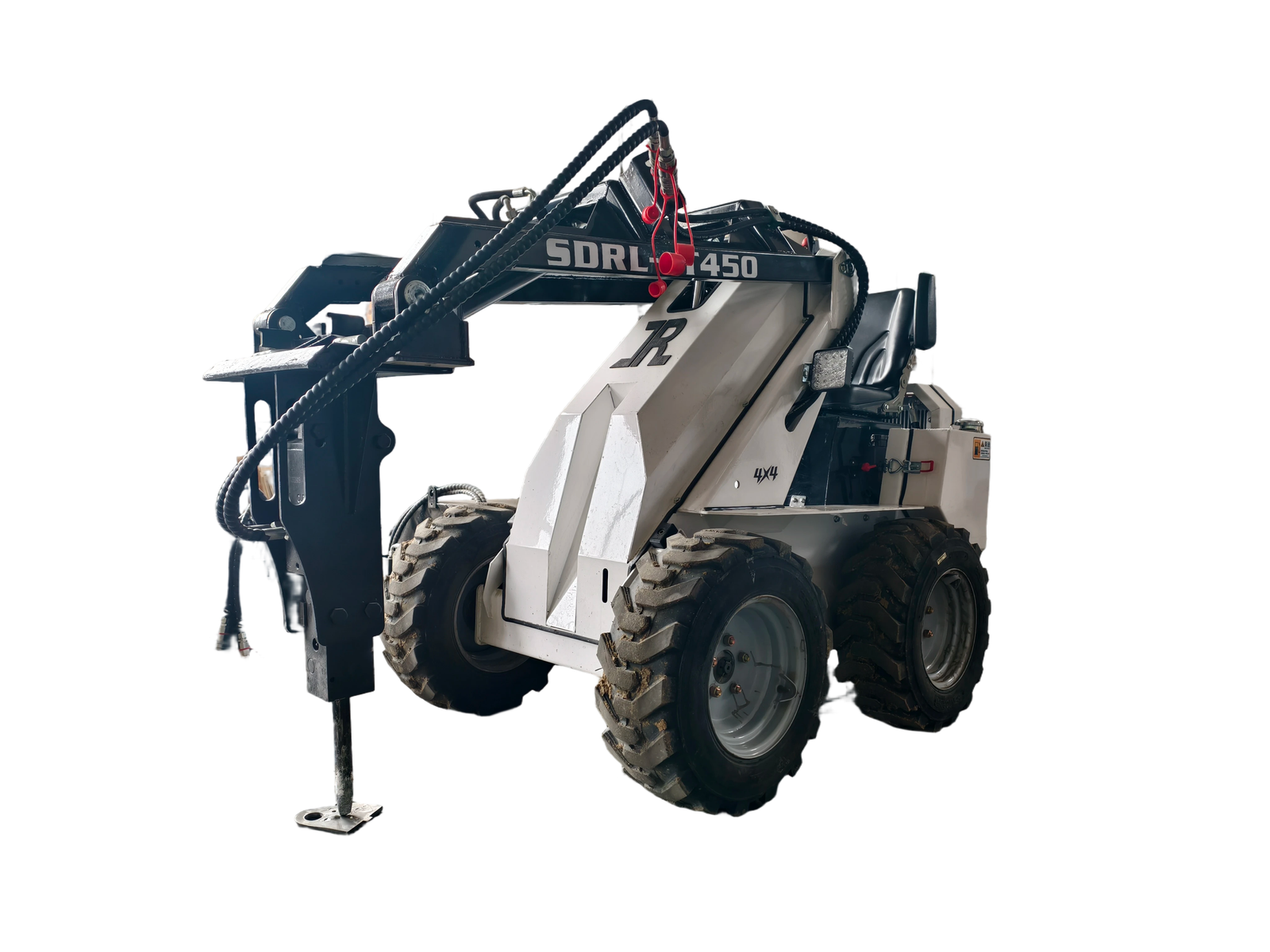
When equipped with hydraulic breakers, excavators can generate powerful impact forces capable of fracturing reinforced concrete. These attachments transform the excavator into an effective demolition tool capable of handling tough materials.
The operator can target specific areas, gradually dismantling structures while maintaining control over the demolition process. This precision helps improve efficiency and allows for organized material removal.
Concrete demolition is frequently required in road expansion projects, infrastructure upgrades, and urban redevelopment initiatives, making excavators indispensable equipment on these job sites.
Dismantling Buildings Safely and Efficiently
Excavators are widely used for building demolition because they provide both reach and power. Depending on the project requirements, operators can remove walls, roofs, floors, and structural components in a controlled sequence.
Long-reach excavators are particularly useful for taller structures. Their extended booms enable operators to work at greater heights while remaining at a safe distance from the building.
By carefully removing sections one at a time, excavators help maintain an organized demolition process. This method supports efficient site management and allows crews to separate materials for recycling and disposal.
Whether working on residential homes, warehouses, office buildings, or industrial facilities, excavators offer the versatility needed to handle a wide variety of demolition challenges.
Using Specialized Attachments for Demolition
One of the biggest advantages of excavators in demolition work is their compatibility with numerous specialized attachments.
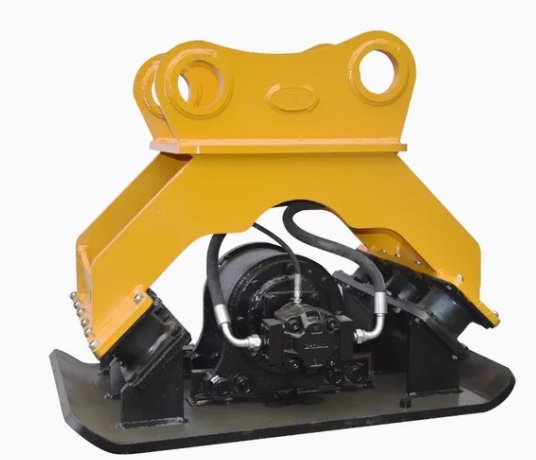
Hydraulic breakers are used to fracture concrete and asphalt. Demolition shears cut through steel beams, metal structures, and reinforced materials. Pulverizers crush concrete while separating embedded steel reinforcement. Grapples assist with material handling, debris removal, and sorting recyclable materials.
Each attachment is designed to perform specific tasks, allowing contractors to maximize productivity throughout the project. By quickly changing attachments, excavators can transition between different demolition activities without significant downtime.
This adaptability makes excavators highly valuable assets on demolition sites of all sizes.
Removing Debris and Managing Materials
Demolition does not end when a structure is taken down. Large amounts of debris must be collected, sorted, and transported away from the site.
Excavators excel at debris handling thanks to their lifting capabilities and attachment options. Operators can move concrete, steel, wood, and other materials efficiently using buckets or grapples.
Material management is an important aspect of modern demolition projects. Excavators help separate recyclable materials from general waste, supporting sustainable construction practices and improving project efficiency.
By streamlining cleanup operations, excavators help prepare the site for the next phase of development more quickly.
Preparing Sites for New Construction
After demolition is complete, excavators continue to play a critical role in site preparation. They remove remaining foundations, level uneven terrain, and clear obstacles that may interfere with future construction activities.
Excavators can also perform excavation tasks such as trenching, grading, and soil movement. This allows contractors to transition seamlessly from demolition to construction using the same machine.
The ability to support multiple phases of a project increases operational efficiency and reduces equipment management complexity.
As a result, excavators provide long-term value throughout the entire project lifecycle.
Supporting Infrastructure Demolition
Infrastructure projects often involve the removal of roads, bridges, tunnels, and utility systems. These structures require equipment capable of handling substantial materials and demanding work environments.
Excavators equipped with heavy-duty demolition attachments can dismantle concrete bridge sections, remove road surfaces, and assist in utility upgrades.
Their mobility and hydraulic power make them suitable for a variety of infrastructure applications. Contractors frequently rely on excavators to perform both primary demolition and secondary cleanup operations.
This versatility contributes significantly to project timelines and overall productivity.
The Importance of Operator Skill and Technology
Modern excavators incorporate advanced technologies that enhance demolition performance. Features such as hydraulic control systems, machine monitoring, and attachment management improve operational efficiency.
Skilled operators play an equally important role. Their understanding of demolition techniques, machine capabilities, and project requirements helps ensure successful outcomes.
Combining experienced operators with advanced excavator technology creates a powerful solution for handling complex demolition projects efficiently and effectively.
As technology continues to evolve, excavators are becoming even more capable and productive in demolition environments.
The Future of Excavators in Demolition Work
The future of demolition is increasingly focused on efficiency, sustainability, and precision. Excavators are well-positioned to support these objectives through continuous technological advancement and expanding attachment options.
Manufacturers continue to develop machines with improved fuel efficiency, enhanced hydraulic performance, and intelligent operating systems. These innovations help contractors complete projects more effectively while optimizing productivity.
In addition, growing emphasis on recycling and material recovery further increases the importance of excavators in demolition operations. Their ability to sort, handle, and process materials contributes to more sustainable construction practices.
As urban development continues worldwide, excavators will remain one of the most valuable and versatile machines used in demolition work.
Excavators are far more than digging machines. In demolition work, they serve as powerful tools for dismantling structures, breaking concrete, handling debris, processing materials, and preparing sites for new construction.
Their versatility, adaptability, and efficiency make them essential assets for residential, commercial, industrial, and infrastructure demolition projects. Through the use of specialized attachments and advanced technology, excavators can perform a wide range of tasks while maintaining productivity and precision.
For contractors seeking reliable equipment capable of supporting every stage of demolition, excavators continue to be one of the most effective solutions available in the modern construction industry.