








Industry News
Factors That Influence Used Excavator Price Today
Jun
Navigating the used excavator market can be complex. Understanding the primary factors that determine a machine’s price is crucial for making a smart investment. Whether you’re a contractor, fleet manager, or a first-time buyer, this guide breaks down the essential elements that shape today’s used excavator prices.
1. Machine Age and Total Operating Hours
Think of these as the excavator’s birth certificate and odometer. They are the starting point for any valuation.
Age: Generally, a newer model year commands a higher price, assuming similar condition. Newer machines often incorporate more advanced technology and efficiency features.
Operating Hours: This is a critical metric. A 5-year-old machine with 2,000 hours is typically valued higher than the same model with 8,000 hours. Lower hours suggest less wear on major components. However, well-maintained high-hour machines can still be excellent values.
Always cross-reference hours with maintenance records. A meticulously serviced high-hour machine can be a better buy than a neglected low-hour one.
2. Brand Reputation and Model Popularity
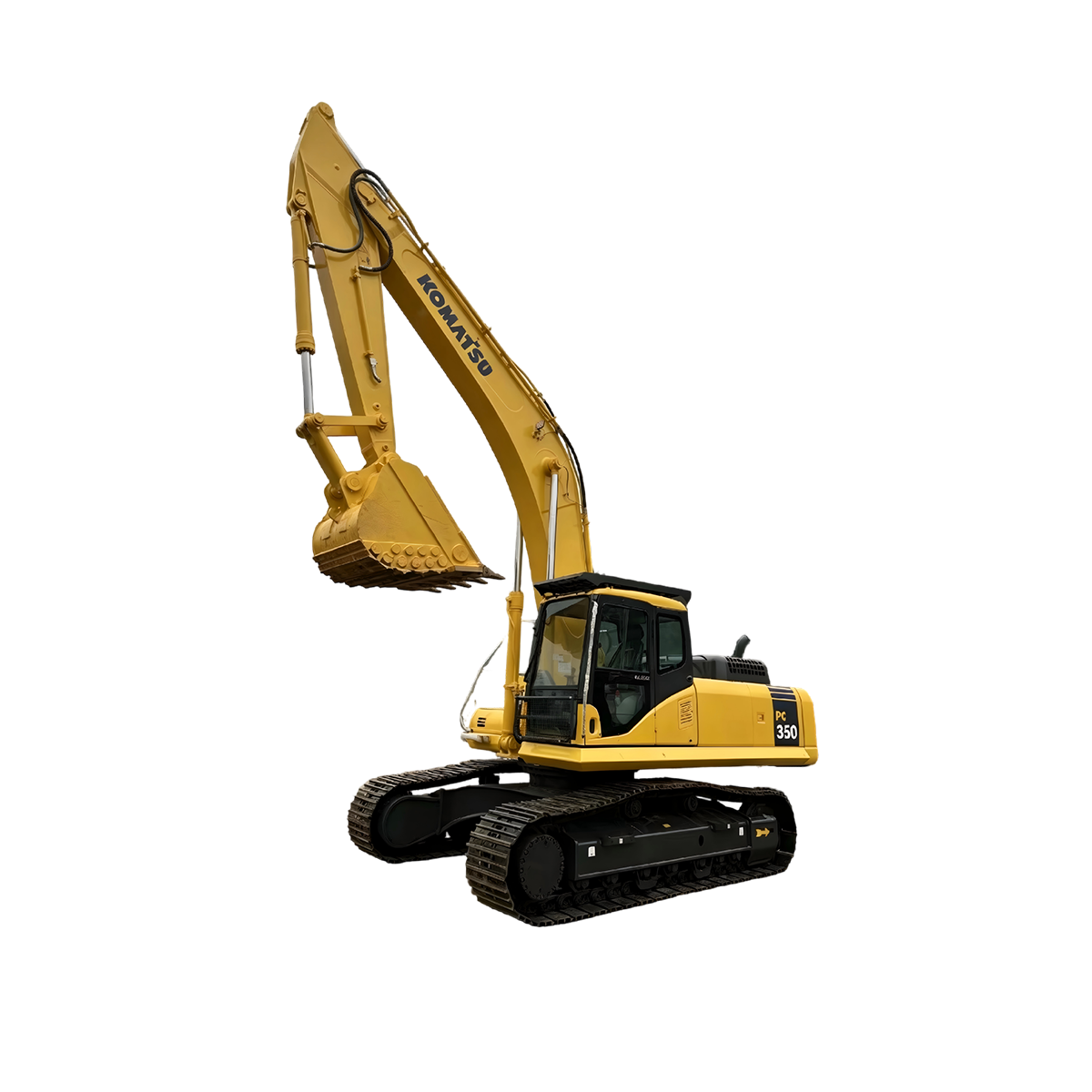
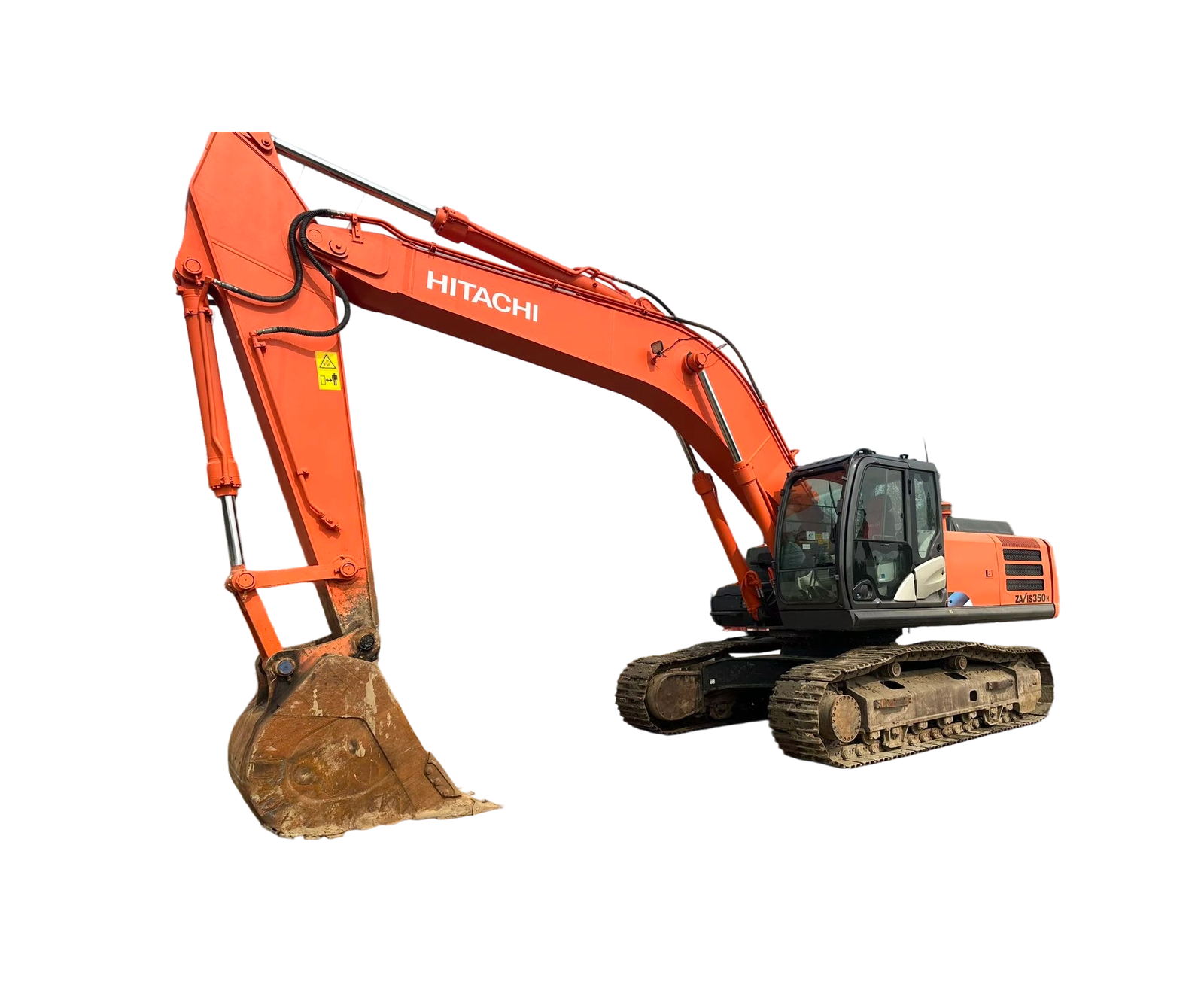
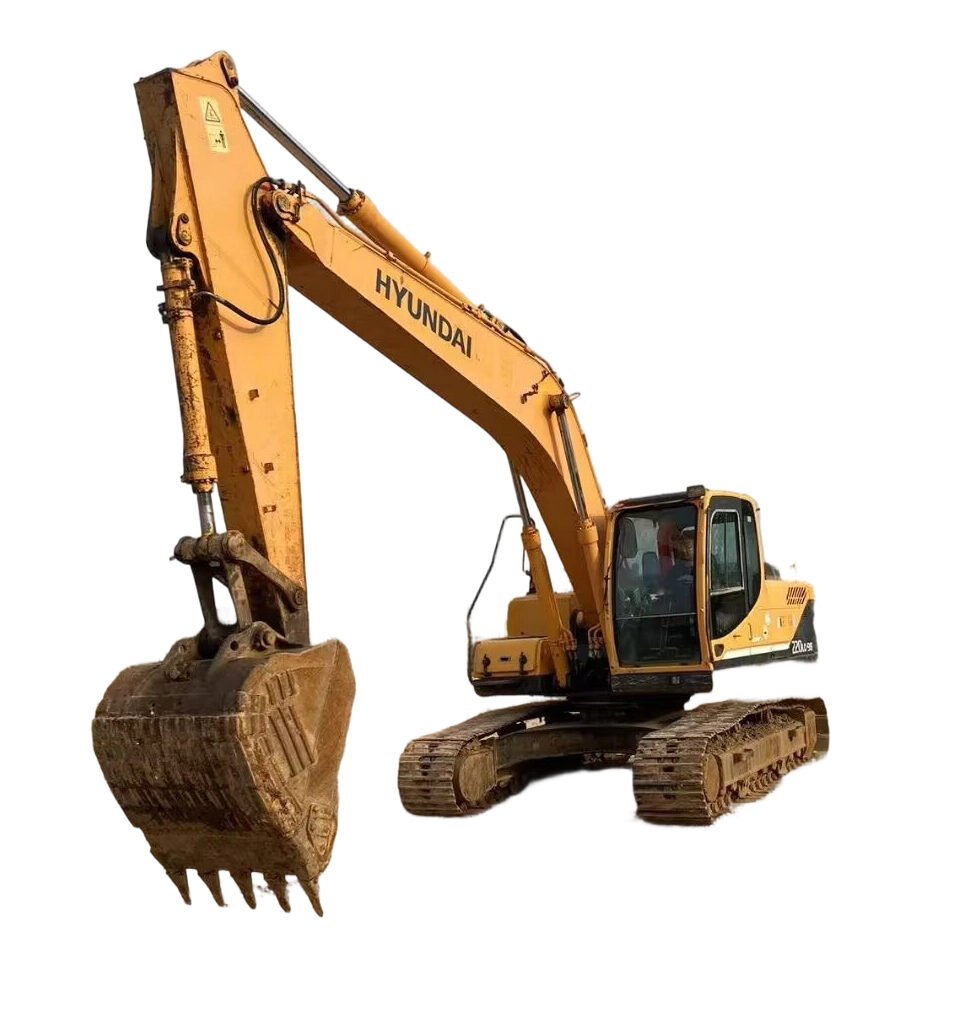
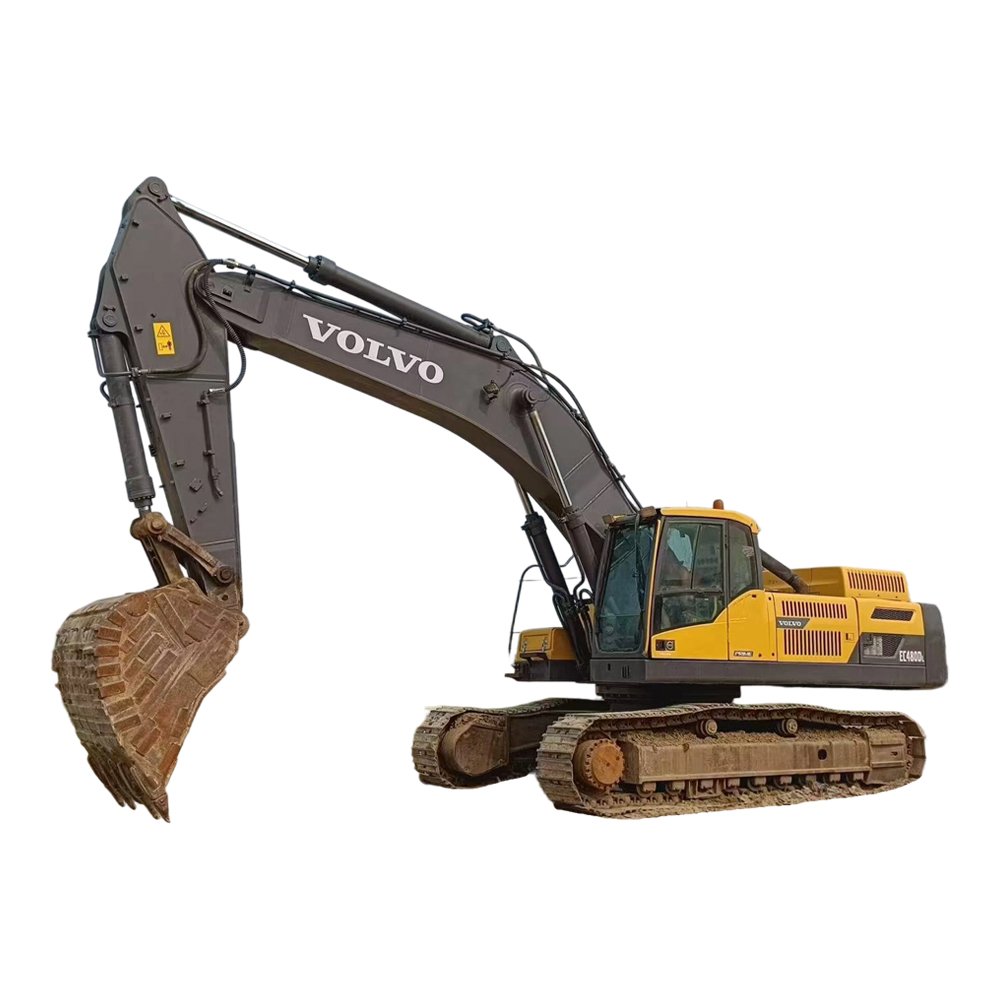
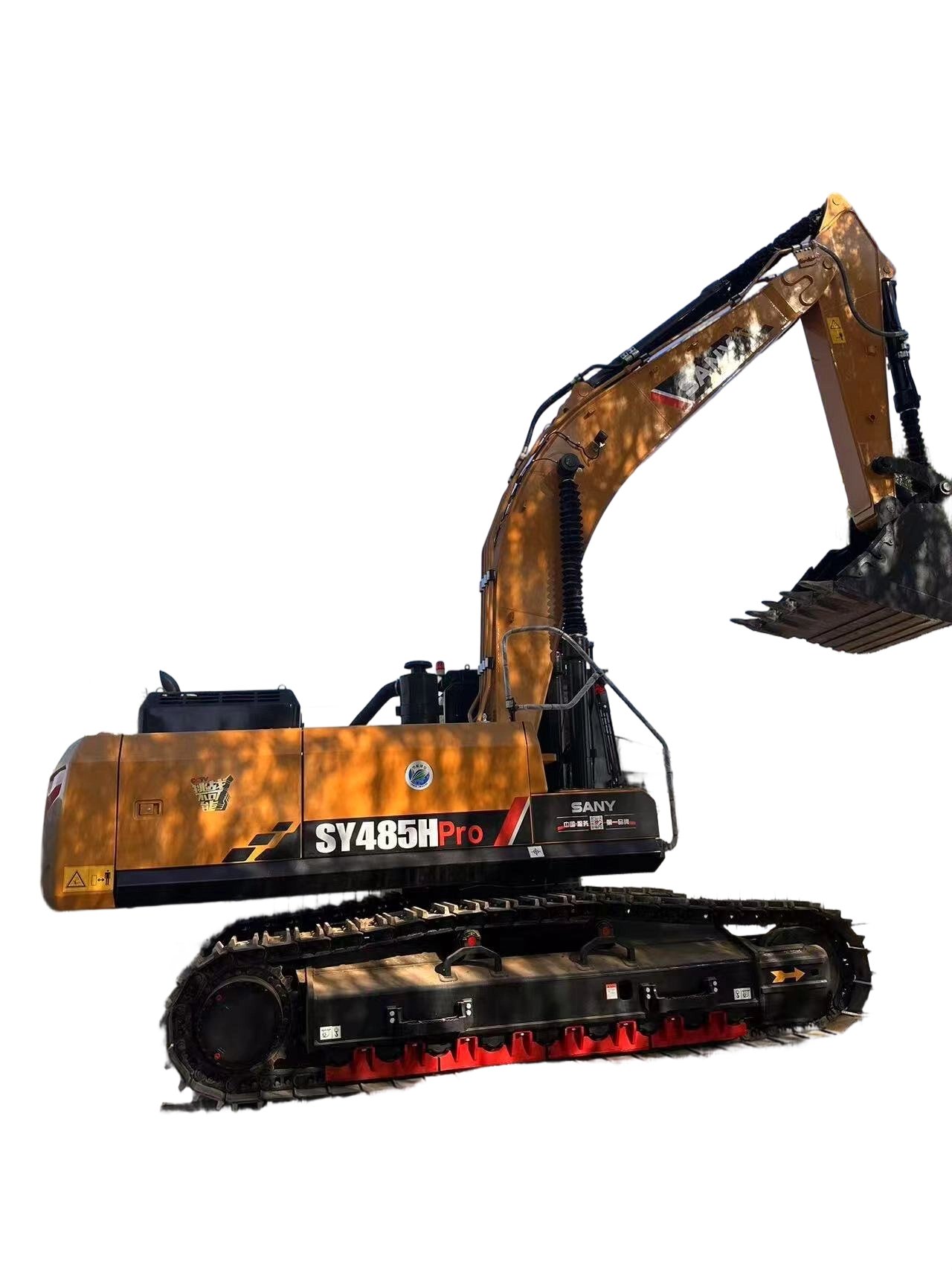
Brand equity plays a significant role. Established manufacturers known for durability, reliability, and strong dealer support networks tend to hold their value better.
Certain models become industry favorites due to a proven track record of performance, fuel efficiency, or versatility. These in-demand models often have a higher resale value and sell faster.
Parts availability is a hidden cost factor. Popular brands and models typically have more readily available and affordable parts, which is a major consideration for long-term ownership.
3. Physical Condition and Maintenance History
This is where a visual and mechanical inspection separates good deals from potential money pits.
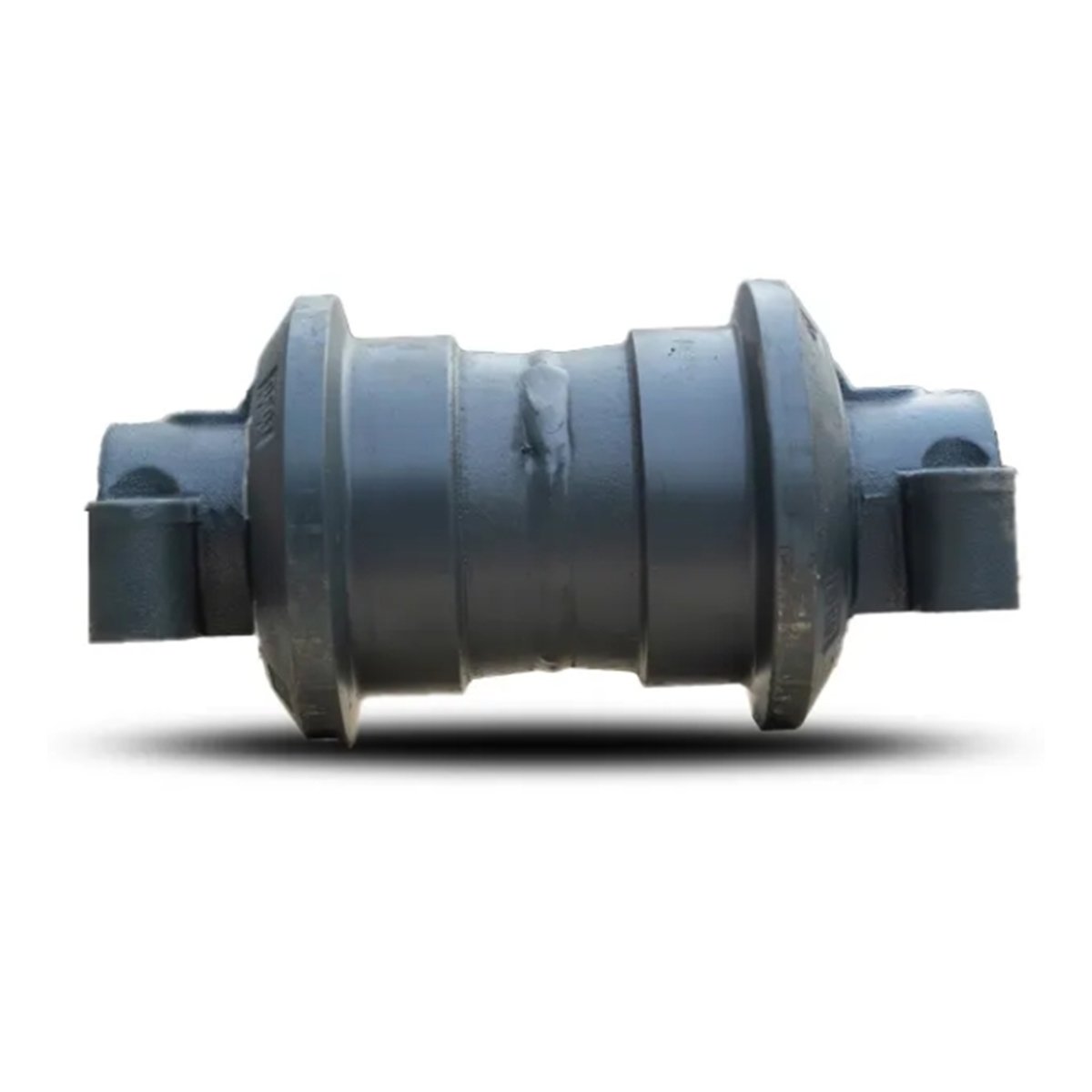
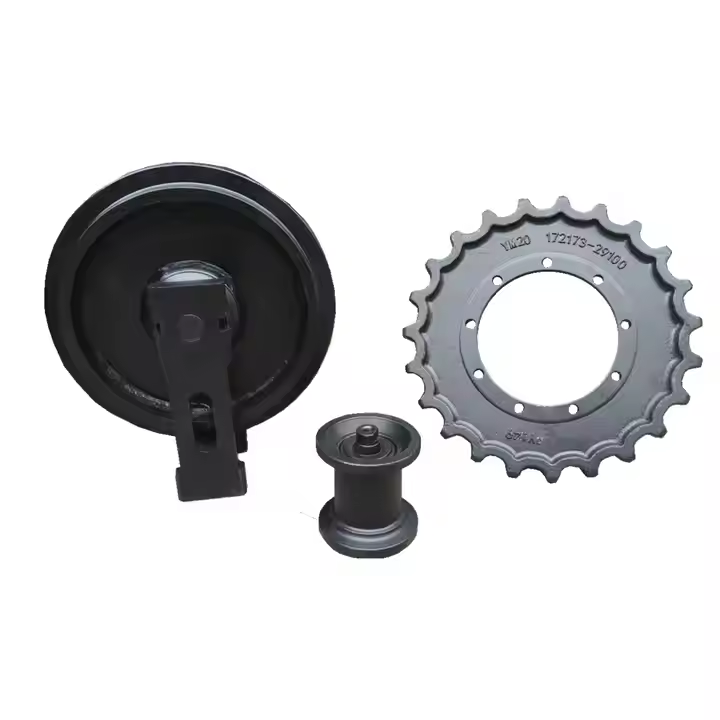
Undercarriage: Check for track wear, roller condition, and sprockets. Undercarriage repair or replacement is one of the most expensive refurbishments.
Major Components: Inspect the boom, arm, and hydraulic cylinders for cracks, welds, or significant wear. Look for signs of hydraulic leaks.
Maintenance Records: Comprehensive, verifiable service logs are worth a premium. They provide proof of regular oil changes, filter replacements, and adherence to manufacturer guidelines. A machine without records poses a higher financial risk.
4. Specifications and Attachments
The machine’s configuration directly impacts its price and suitability for your projects.
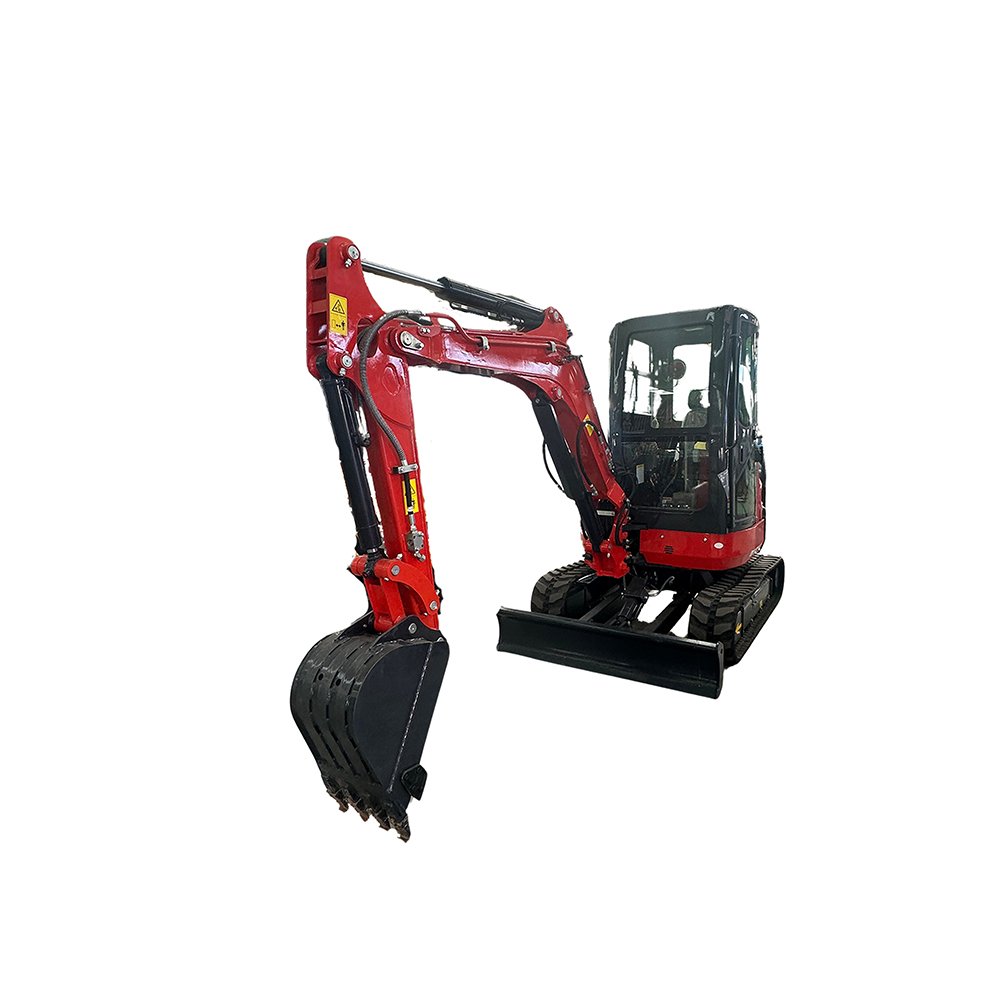
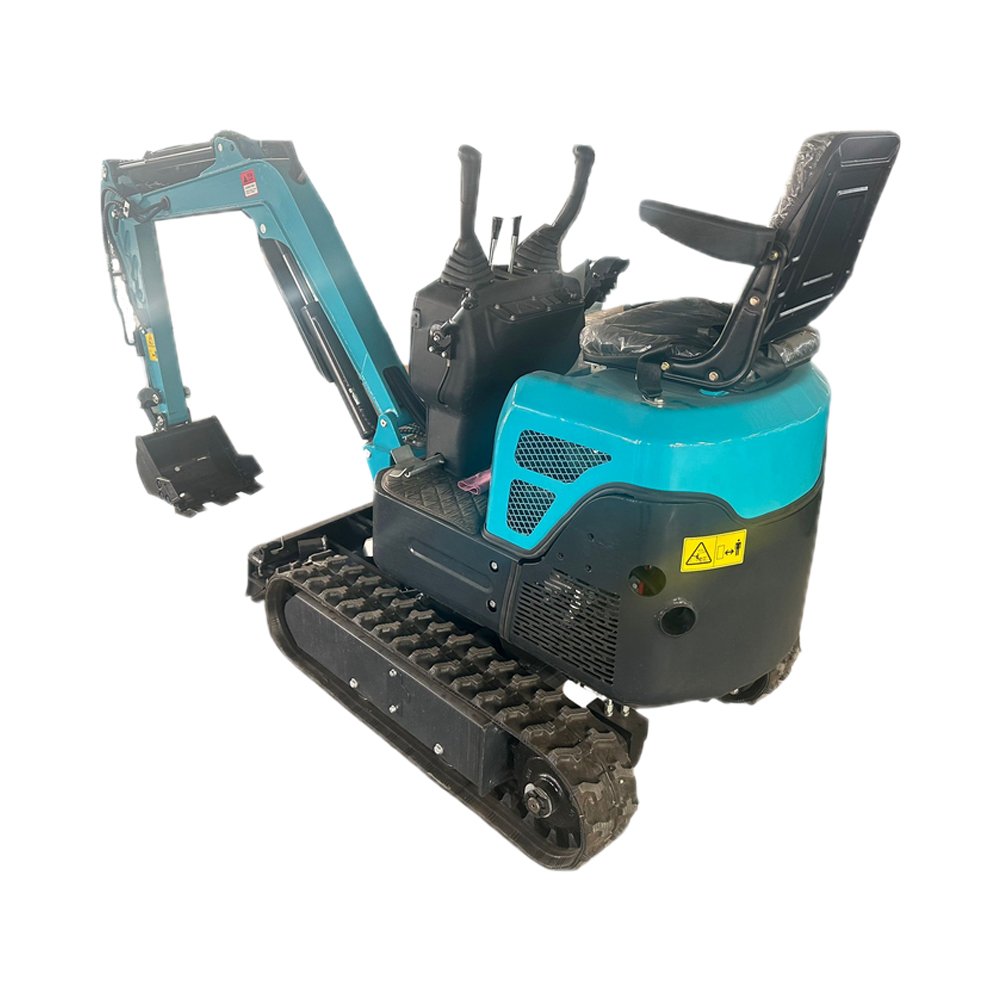
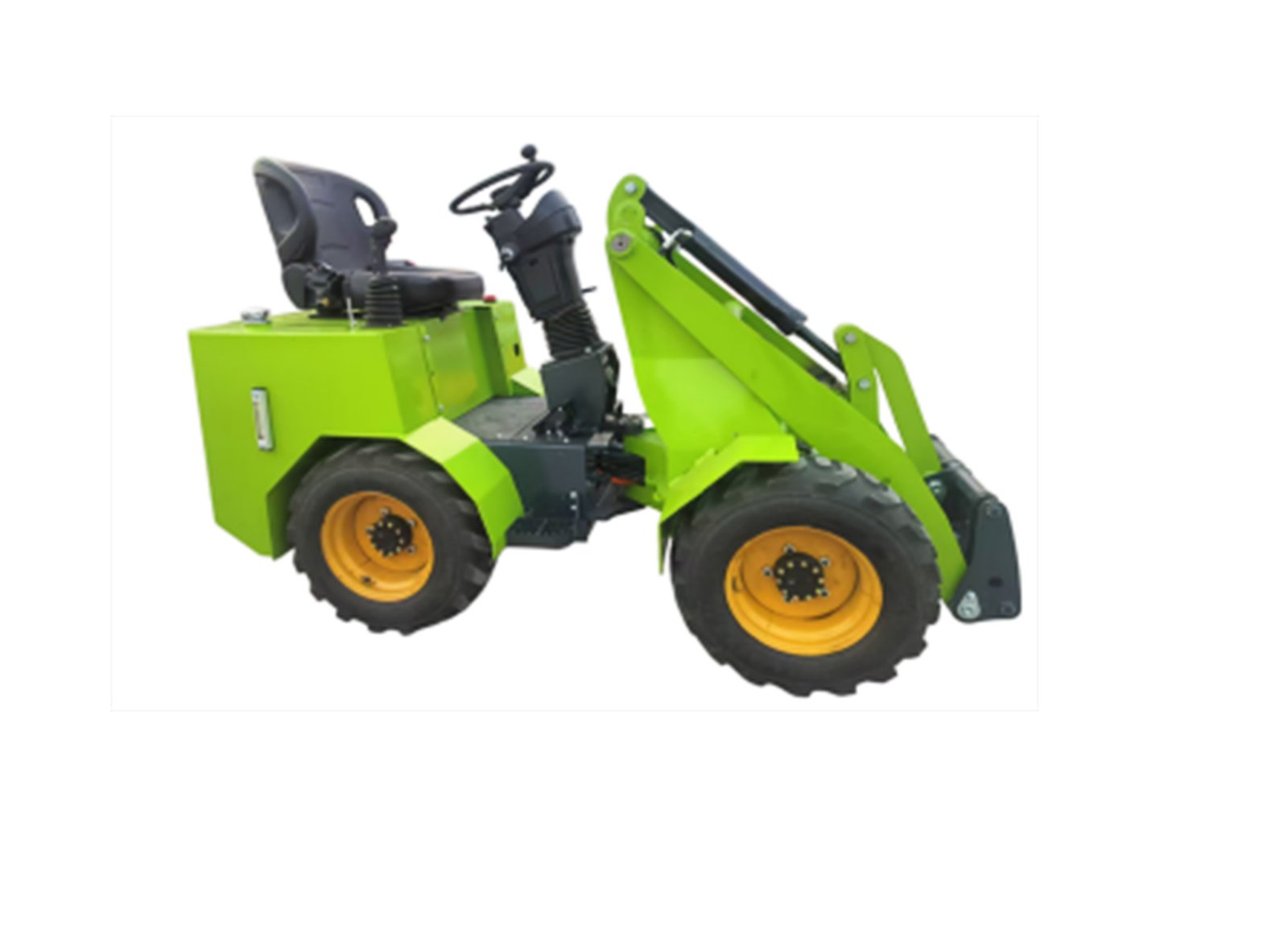
Size Class: Mini excavators, standard excavators, and large mining models occupy different price tiers. Ensure the size matches your typical job requirements.
Features: Advanced features like multiple auxiliary hydraulic circuits (for attachments), advanced emission control systems (Tier 4 Final), or premium cab packages add value.
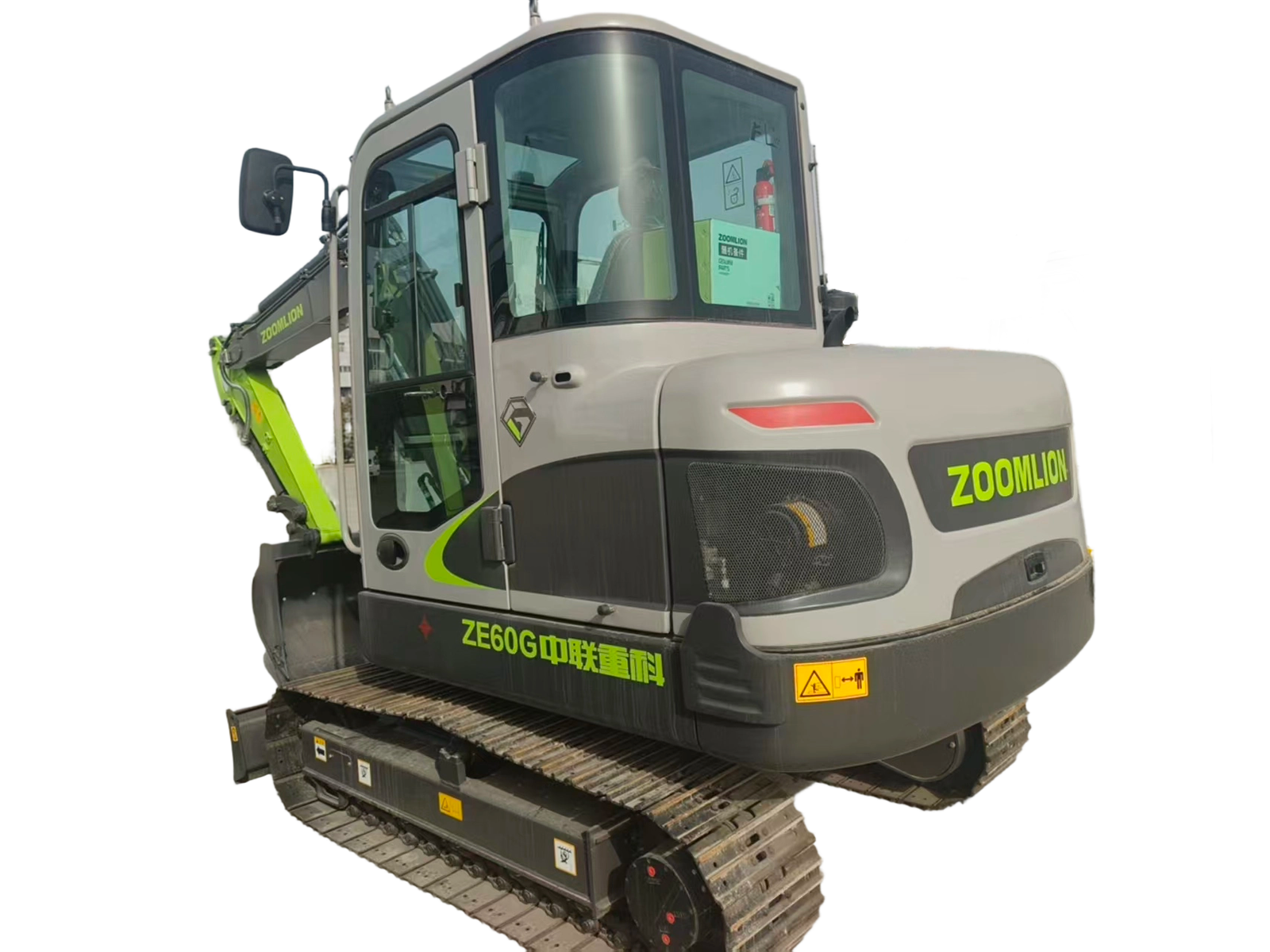
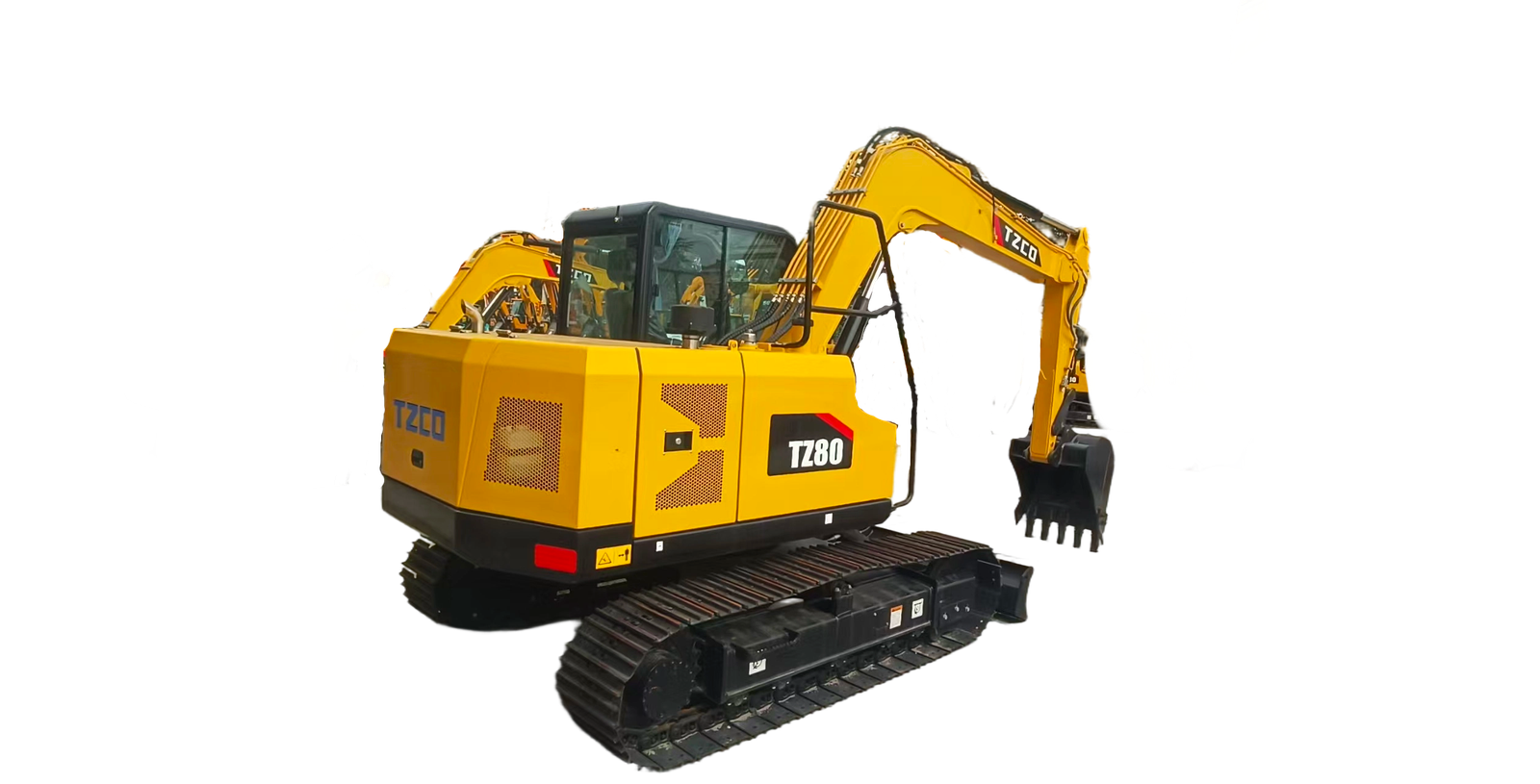
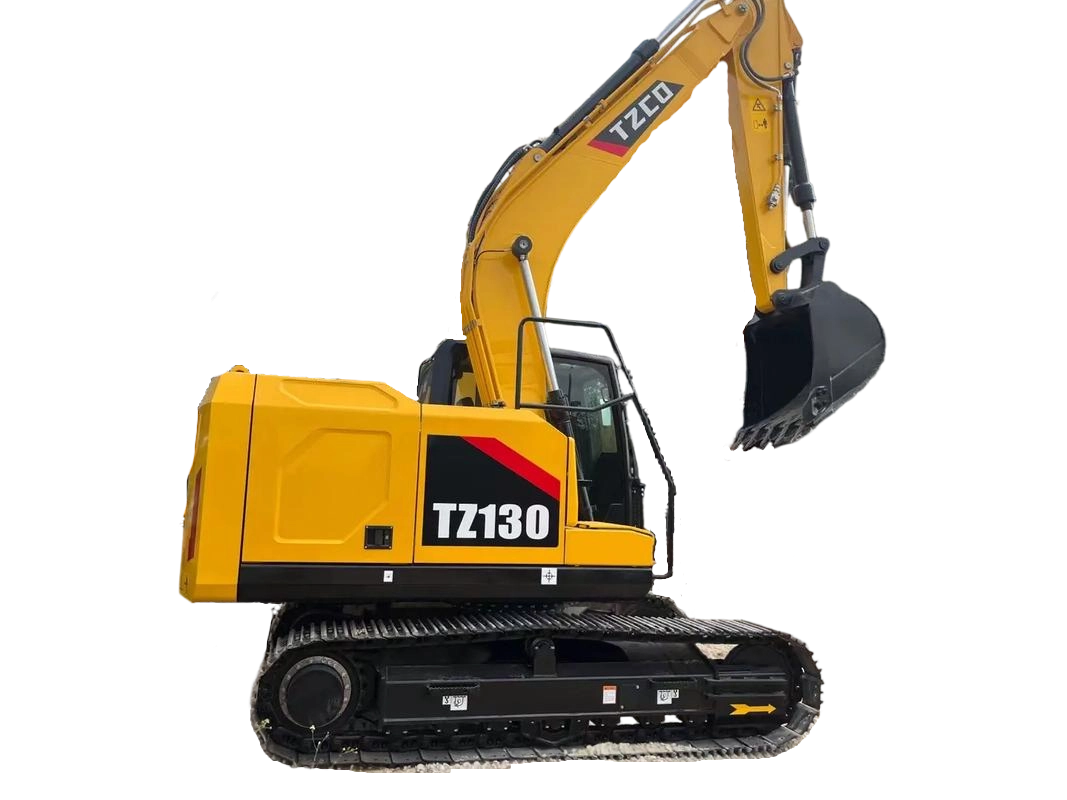
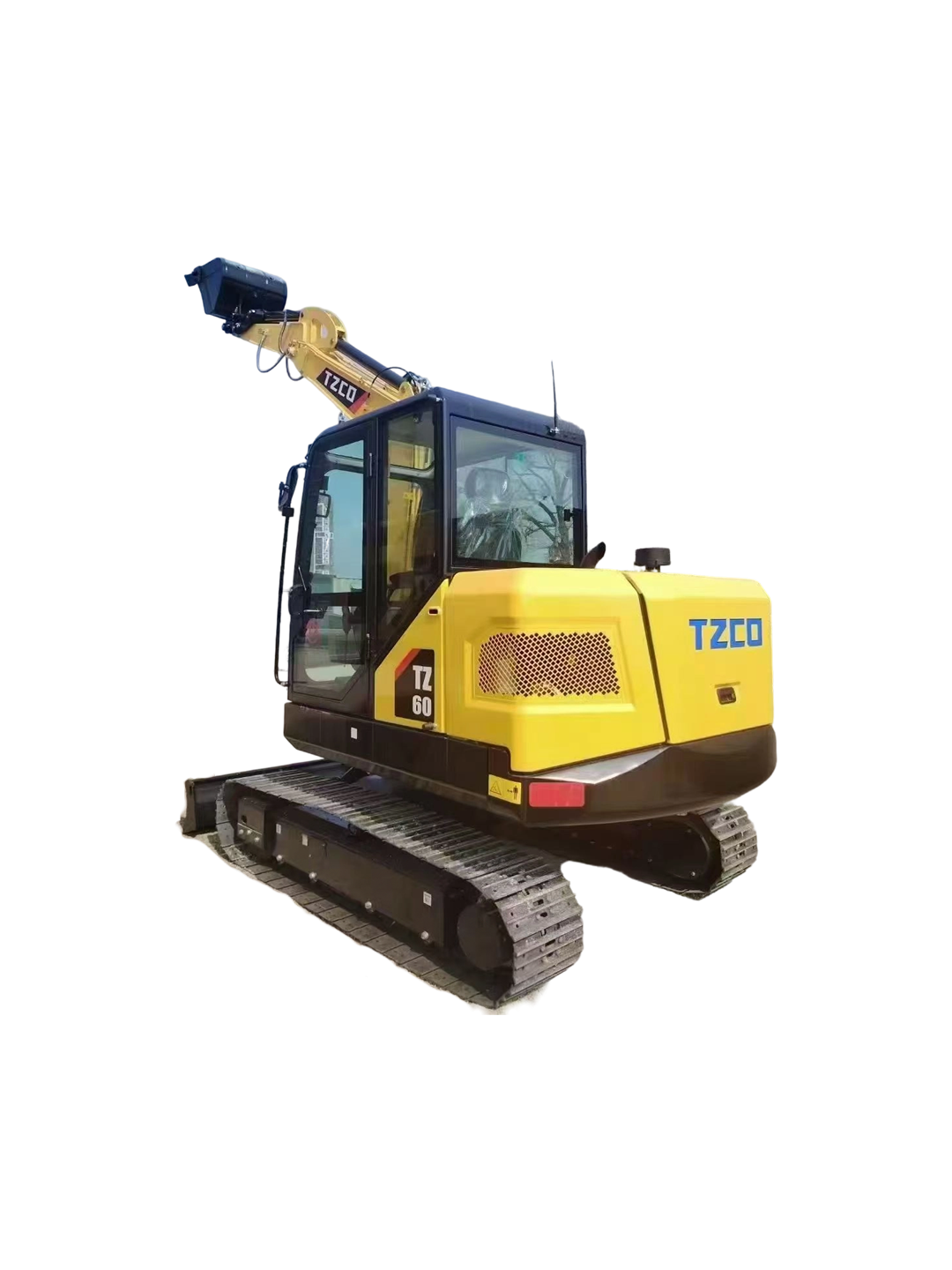
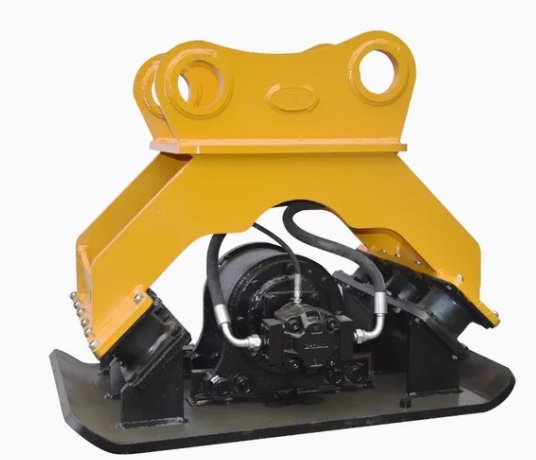
Included Attachments: A sale that includes buckets, thumbs, breakers, or grading blades increases the package’s overall value compared to a bare machine.
5. Market Dynamics and Economic Factors
Used equipment prices don’t exist in a vacuum. They respond to broader economic forces.
Supply and Demand: High demand in a booming construction sector with limited used inventory pushes prices up. Conversely, an economic slowdown can increase supply and soften prices.
Geographic Location: Prices can vary by region due to local market activity, shipping costs, and climate (machines from regions with harsh winters may have more corrosion).
Fuel Prices and Regulations: Rising fuel costs make newer, more efficient models more attractive. Stricter emission regulations can affect the desirability and pricing of older, non-compliant machines.
Finding Value on a Trusted Platform: THBSMN
With so many variables, buying from a reputable source is non-negotiable. A trustworthy platform provides the transparency and security needed for such a significant purchase.
This is where a platform like THBSMN adds immense value. They facilitate connections between buyers and reputable sellers by offering detailed, standardized listings. Look for platforms that provide:
High-Quality Media: Multiple high-resolution photos and videos from all angles, including undercarriage shots.
Detailed Specifications: Complete and accurate data on hours, model specs, and features.
Inspection Reports: Some listings include recent third-party mechanical inspection reports.
Seller Verification: Platforms that vet their commercial sellers create a safer marketplace.
Using a dedicated equipment platform helps you compare multiple machines against the factors discussed, ensuring you pay a fair market price for a machine that truly fits your needs.
Making Your Final Decision
Before finalizing a purchase, take these final steps:
1. Get a Professional Inspection: Hire a qualified mechanic to inspect your shortlisted machine. It’s a small cost that can prevent major losses.
2. Operate It Yourself: If possible, run the excavator through its paces. Check all functions, listen for unusual noises, and feel for smooth operation.
3. Calculate Total Cost of Ownership: Factor in immediate repairs, transportation, and any necessary certifications. The purchase price is just the beginning.
By systematically evaluating the machine’s age, hours, brand, condition, specifications, and the current market, you move from guessing to making an informed decision. Leveraging a reliable platform like THBSMN streamlines this process, giving you the confidence to invest in the right used excavator for your business.