








Industry News
Fuel Efficient Wheel Loader Cuts Operating Costs
Jun
Modern construction, agriculture, mining, landscaping, and material handling industries are constantly looking for ways to improve productivity while controlling operational expenses. Fuel costs remain one of the largest ongoing expenses for equipment owners and fleet managers. As fuel prices fluctuate and businesses focus on maximizing profitability, investing in fuel-efficient machinery has become a strategic decision rather than simply a purchasing preference.
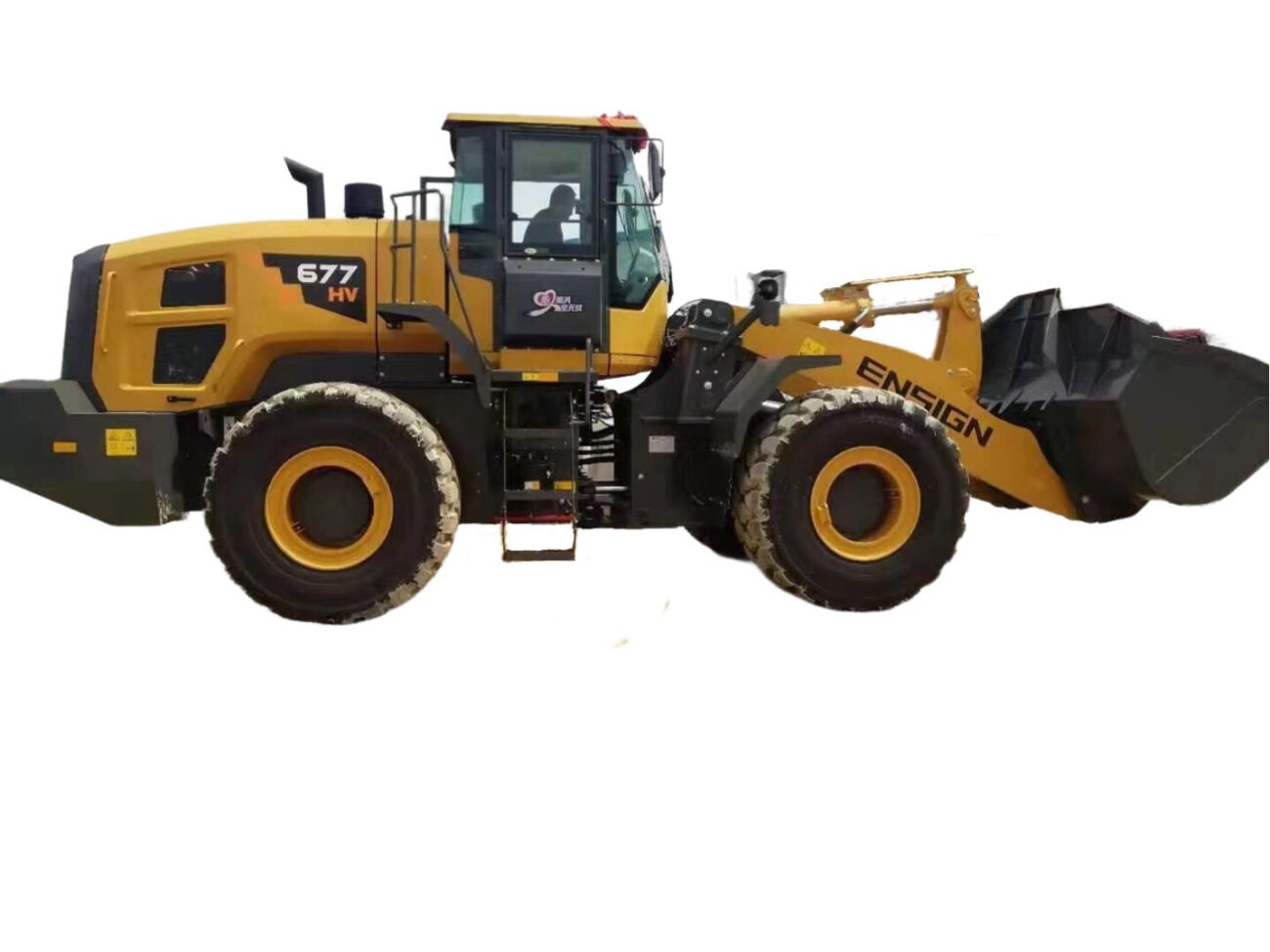
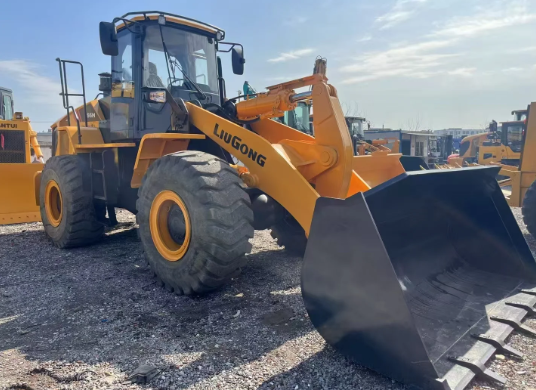
Among the most valuable pieces of equipment on any jobsite, the wheel loader plays a critical role in loading, transporting, stacking, and handling materials. Today’s fuel-efficient wheel loaders are designed to deliver powerful performance while significantly reducing fuel consumption. By combining advanced engine technology, intelligent hydraulic systems, optimized transmissions, and operator-friendly features, these machines help businesses lower operating costs and improve overall efficiency.
Why Fuel Efficiency Matters in Modern Equipment Operations
Fuel consumption directly impacts the profitability of construction and material handling operations. Even small improvements in fuel efficiency can generate substantial savings over the lifespan of a machine.
For businesses operating multiple wheel loaders across several projects, fuel expenses can represent a significant portion of operating budgets. Reducing fuel usage not only lowers daily expenses but also improves long-term financial performance.
Modern wheel loaders are expected to achieve a balance between power and efficiency. Operators need machines capable of handling demanding workloads while minimizing unnecessary fuel consumption. Manufacturers have responded to this demand by developing technologies that optimize performance without sacrificing productivity.
As sustainability becomes increasingly important across industries, fuel-efficient equipment also helps companies align with environmental goals while maintaining competitive operational costs.
Advanced Engine Technology Improves Performance
One of the primary contributors to fuel efficiency is engine design.
Modern wheel loaders feature advanced diesel engines engineered to deliver maximum power output with optimized fuel consumption. Electronic engine management systems continuously monitor operating conditions and automatically adjust performance parameters to achieve the best balance between power and efficiency.
High-pressure fuel injection systems improve combustion efficiency by delivering fuel more precisely into the engine cylinders. This process maximizes energy output while reducing fuel waste.
Many modern engines also incorporate intelligent power management systems that adapt engine speed according to workload requirements. During lighter tasks, the engine can operate at lower speeds, reducing fuel consumption without affecting productivity.
These innovations allow operators to complete demanding jobs while benefiting from lower fuel costs.
Intelligent Hydraulic Systems Reduce Energy Loss
Hydraulic systems play a vital role in wheel loader performance. They power lifting, tilting, and material handling functions that are essential for daily operations.
Traditional hydraulic systems can consume significant amounts of energy, particularly when operating continuously under varying loads.
Fuel-efficient wheel loaders often incorporate load-sensing hydraulic technology. This system automatically adjusts hydraulic output based on actual demand rather than continuously delivering maximum flow.
As a result, energy consumption is reduced while maintaining smooth and responsive machine operation.
Variable displacement hydraulic pumps further improve efficiency by supplying only the hydraulic power required for specific tasks. This minimizes unnecessary energy loss and contributes to overall fuel savings.
The combination of advanced hydraulics and intelligent controls helps maximize productivity while minimizing operating expenses.
Optimized Transmission Systems Enhance Efficiency
The transmission system significantly influences fuel consumption and machine performance.
Modern wheel loaders utilize advanced transmission technologies designed to maintain optimal engine efficiency across different operating conditions.
Automatic gear selection systems continuously monitor machine speed, engine load, and terrain conditions to select the most efficient operating range.
Torque converter lock-up systems further improve fuel economy by reducing power loss during machine movement.
These technologies ensure that engine power is transferred efficiently to the wheels, reducing fuel consumption while maintaining strong traction and performance.
By optimizing the relationship between engine output and machine movement, advanced transmissions help operators achieve greater productivity with lower fuel usage.
Reduced Idle Time Generates Significant Savings
Idle time is one of the most overlooked sources of fuel consumption.
Many wheel loaders spend a considerable portion of operating hours idling between tasks. During these periods, fuel continues to be consumed without generating productive work.
Modern fuel-efficient wheel loaders often include automatic idle management systems that reduce engine speed when the machine is inactive.
Some models also feature automatic engine shutdown functions that stop the engine after a predetermined period of inactivity.
These intelligent features help reduce unnecessary fuel consumption and contribute to lower operating costs over time.
For fleet owners managing multiple machines, idle reduction strategies can result in substantial annual fuel savings.
Operator Comfort Supports Efficient Operation
Operator productivity and machine efficiency are closely connected.
A comfortable operator can work more effectively, maintain better control, and make more efficient use of equipment resources.
Modern wheel loaders feature ergonomic cab designs that enhance visibility, reduce fatigue, and improve overall operating comfort.
Advanced display systems provide real-time information about fuel consumption, machine performance, and operating conditions. This data helps operators make informed decisions that support efficient machine usage.
User-friendly controls and automated functions further contribute to smoother operation and reduced fuel waste.
When operators can perform tasks efficiently and confidently, overall jobsite productivity increases while fuel consumption decreases.
Lower Operating Costs Improve Return on Investment
Purchasing construction equipment involves evaluating long-term ownership costs rather than focusing solely on initial acquisition expenses.
Fuel-efficient wheel loaders provide significant financial advantages throughout their service life.
Lower fuel consumption translates directly into reduced operating expenses. Over thousands of operating hours, these savings can represent a substantial return on investment.
Additional efficiency benefits often include:
- Reduced maintenance requirements
- Longer component life
- Improved machine utilization
- Enhanced productivity
- Lower total cost of ownership
Businesses that invest in fuel-efficient equipment often experience stronger profitability and improved operational performance over the long term.
Versatile Applications Across Multiple Industries
Fuel-efficient wheel loaders deliver value across a wide range of industries.
In construction, they are used for loading trucks, moving aggregates, site preparation, and material handling.
Agricultural operations rely on wheel loaders for transporting feed, handling bulk materials, and supporting daily farm activities.
Mining and quarrying operations benefit from the ability to move large volumes of material while controlling fuel costs.
Landscaping companies use wheel loaders for soil handling, debris removal, and project preparation.
Ports, warehouses, recycling facilities, and industrial operations also depend on efficient wheel loaders to maintain productivity while managing operating budgets.
Their versatility makes them a valuable investment in virtually any material handling environment.
Sustainability and Business Efficiency Go Hand in Hand
Today’s businesses increasingly recognize that operational efficiency and sustainability can work together.
Fuel-efficient wheel loaders help reduce fuel consumption while maintaining high productivity levels. This combination supports both economic and environmental objectives.
By consuming less fuel, companies can reduce resource usage and improve operational efficiency simultaneously.
Many organizations now include sustainability metrics as part of their long-term business strategies, making fuel-efficient equipment an important component of future growth plans.
Investing in advanced wheel loader technology helps businesses remain competitive while supporting responsible resource management.
Future Innovations Continue to Drive Efficiency
Technology continues to transform the heavy equipment industry.
Manufacturers are investing in smarter engine controls, enhanced hydraulic systems, telematics platforms, and automation technologies that further improve fuel efficiency.
Real-time machine monitoring allows fleet managers to analyze fuel usage patterns and identify opportunities for optimization.
Predictive maintenance systems help ensure that machines operate at peak efficiency throughout their service life.
As innovation continues, future wheel loaders are expected to deliver even greater productivity and cost savings.
Businesses that adopt advanced equipment technologies today will be well positioned to benefit from these ongoing improvements.
Fuel-efficient wheel loaders have become an essential asset for businesses seeking to reduce operating costs while maintaining high productivity. Through advanced engines, intelligent hydraulic systems, optimized transmissions, and operator-focused design, these machines deliver outstanding performance with lower fuel consumption.
The financial benefits extend beyond fuel savings to include improved productivity, reduced maintenance costs, and enhanced return on investment. Whether used in construction, agriculture, mining, landscaping, or industrial material handling, fuel-efficient wheel loaders help organizations achieve greater efficiency and long-term profitability.
As technology continues to evolve, investing in fuel-efficient equipment remains one of the most effective strategies for controlling costs and supporting sustainable business growth.