








Industry News
Heavy Duty Farm Excavator for Sale for Tough Jobs
Jul
Running a farm today involves much more than planting crops and harvesting fields. Farmers are constantly improving land, maintaining infrastructure, digging irrigation systems, clearing trees, transporting materials, and preparing construction sites for barns or storage buildings. These demanding tasks require reliable equipment that can perform efficiently under challenging conditions.
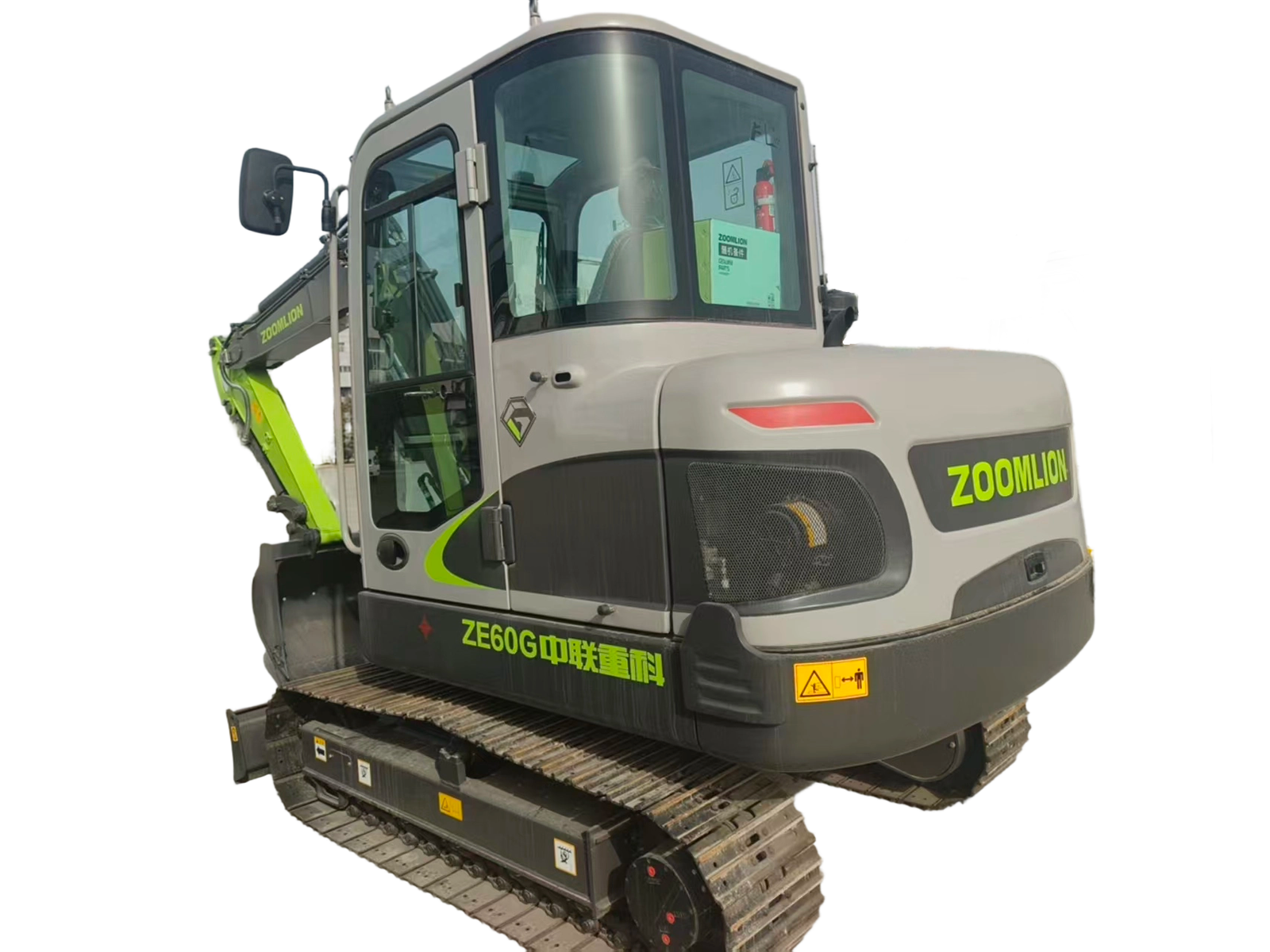
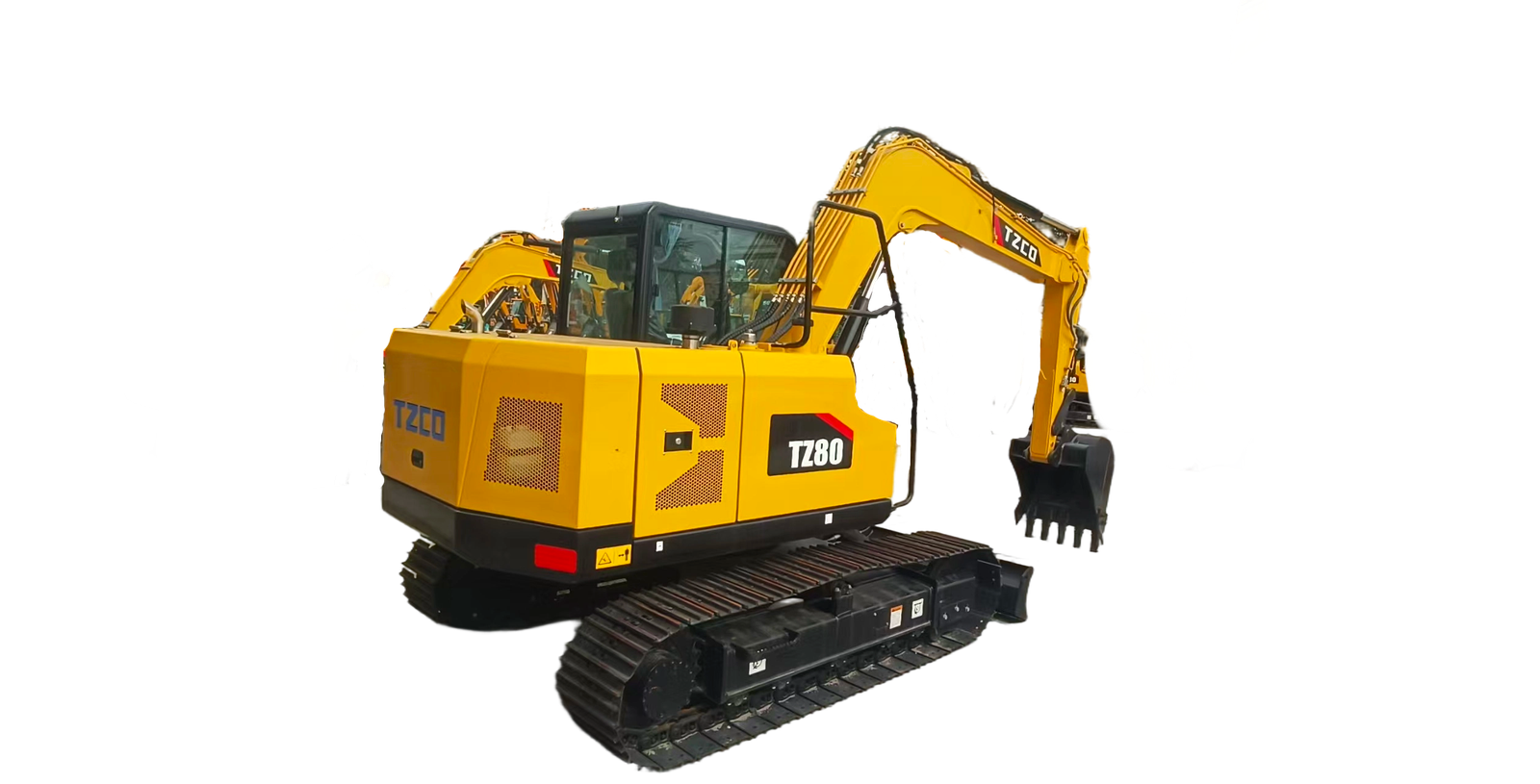
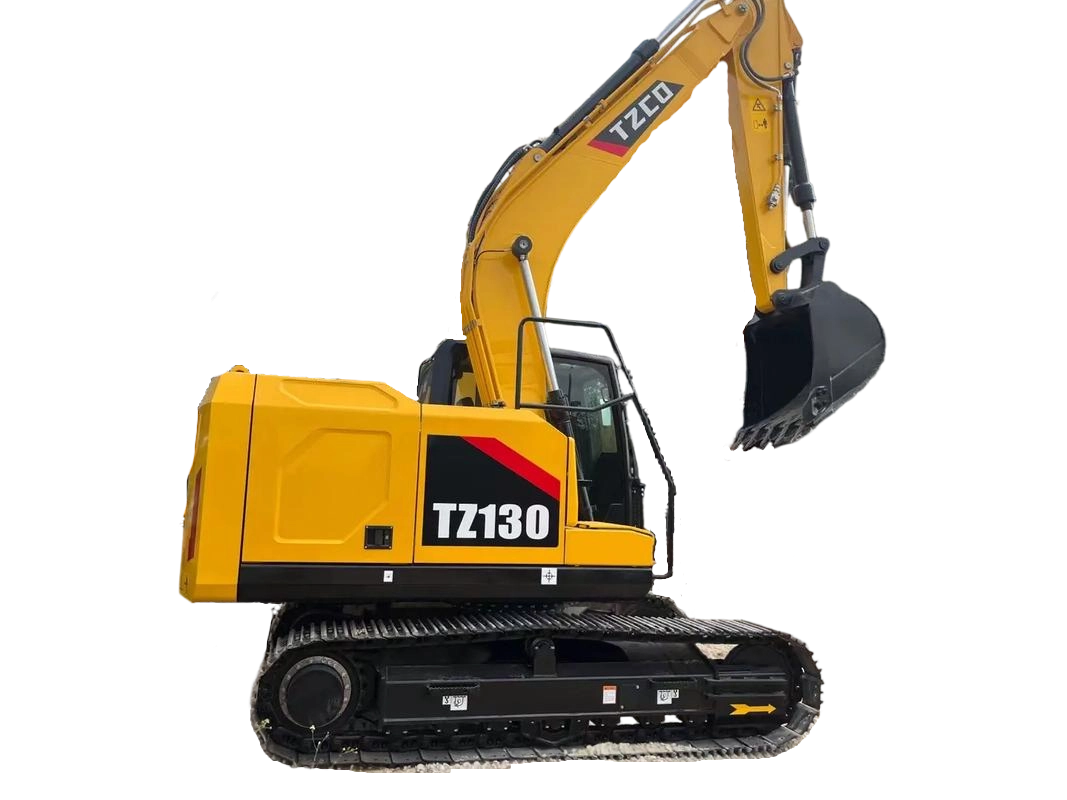
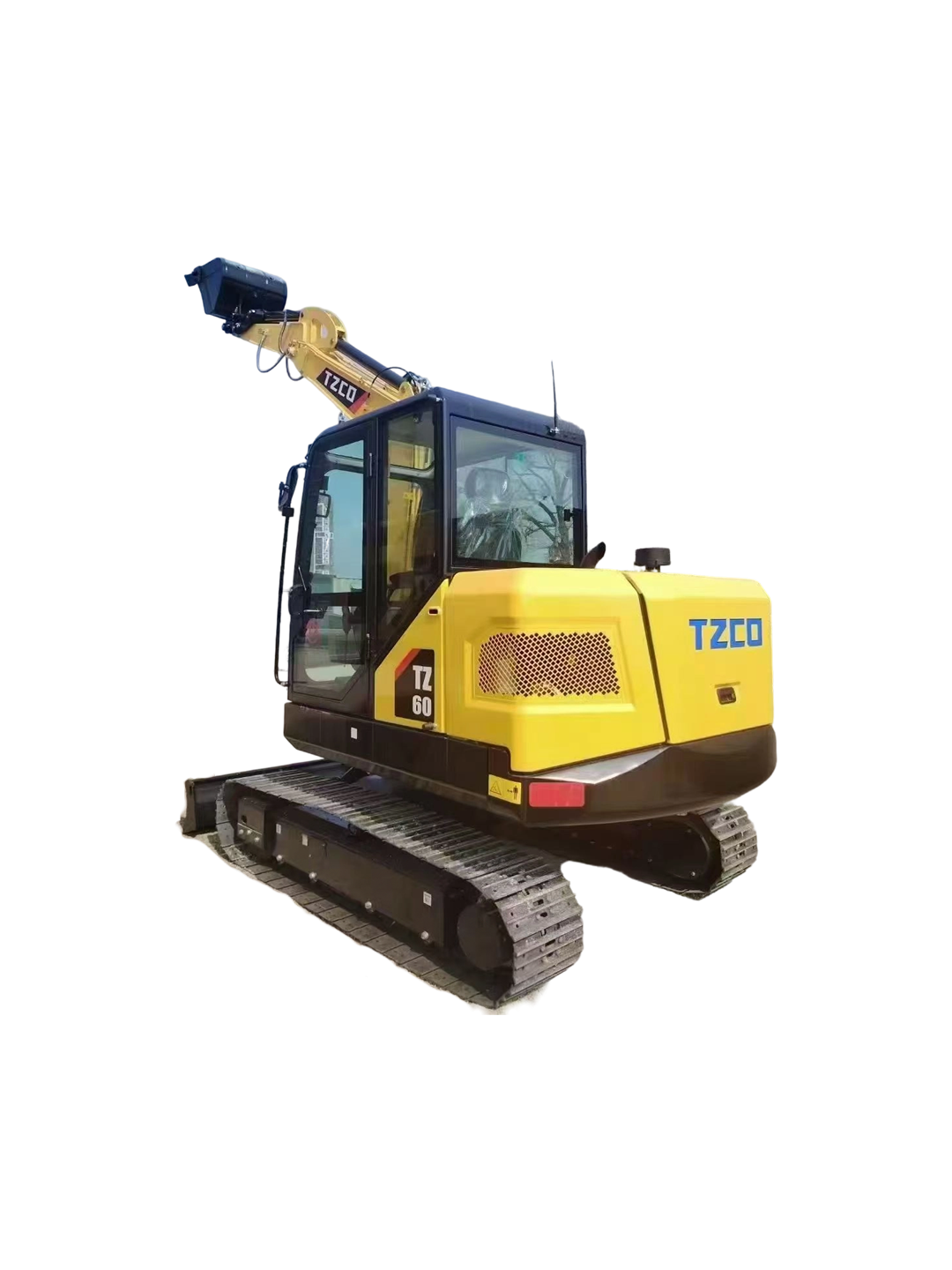
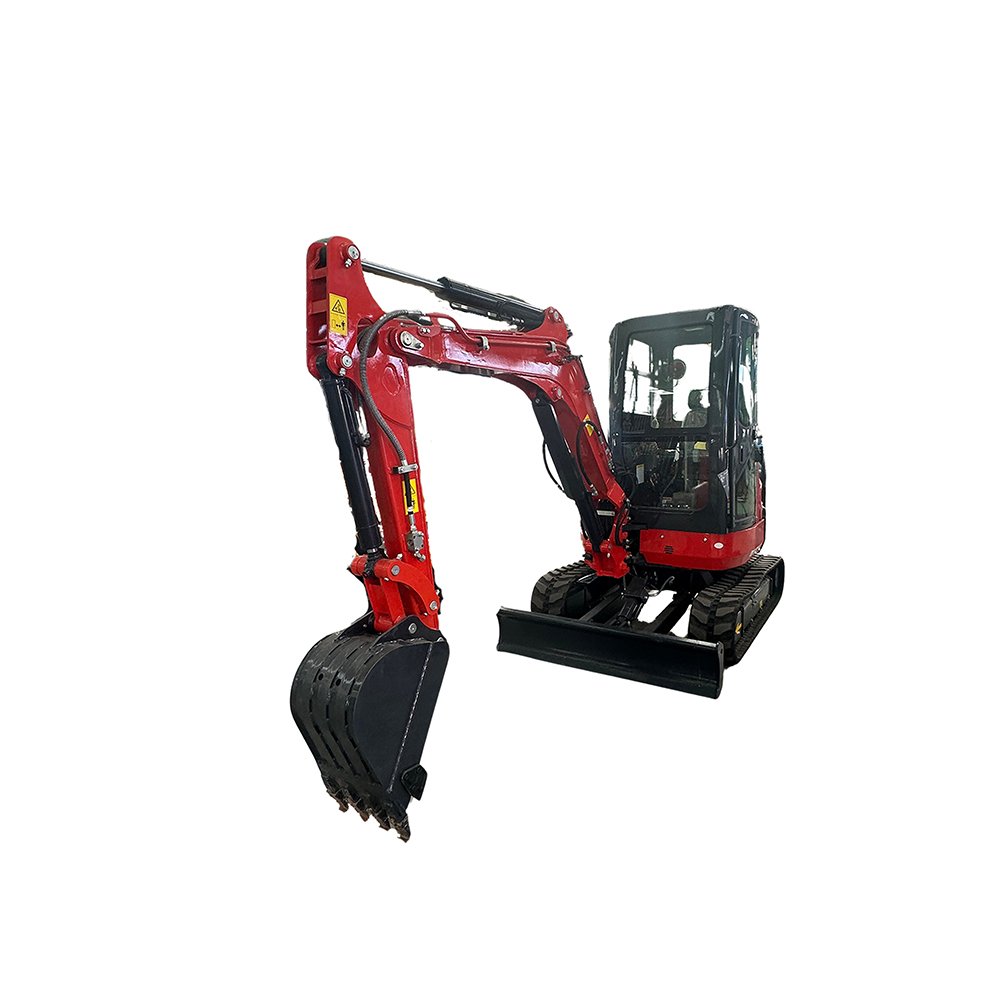
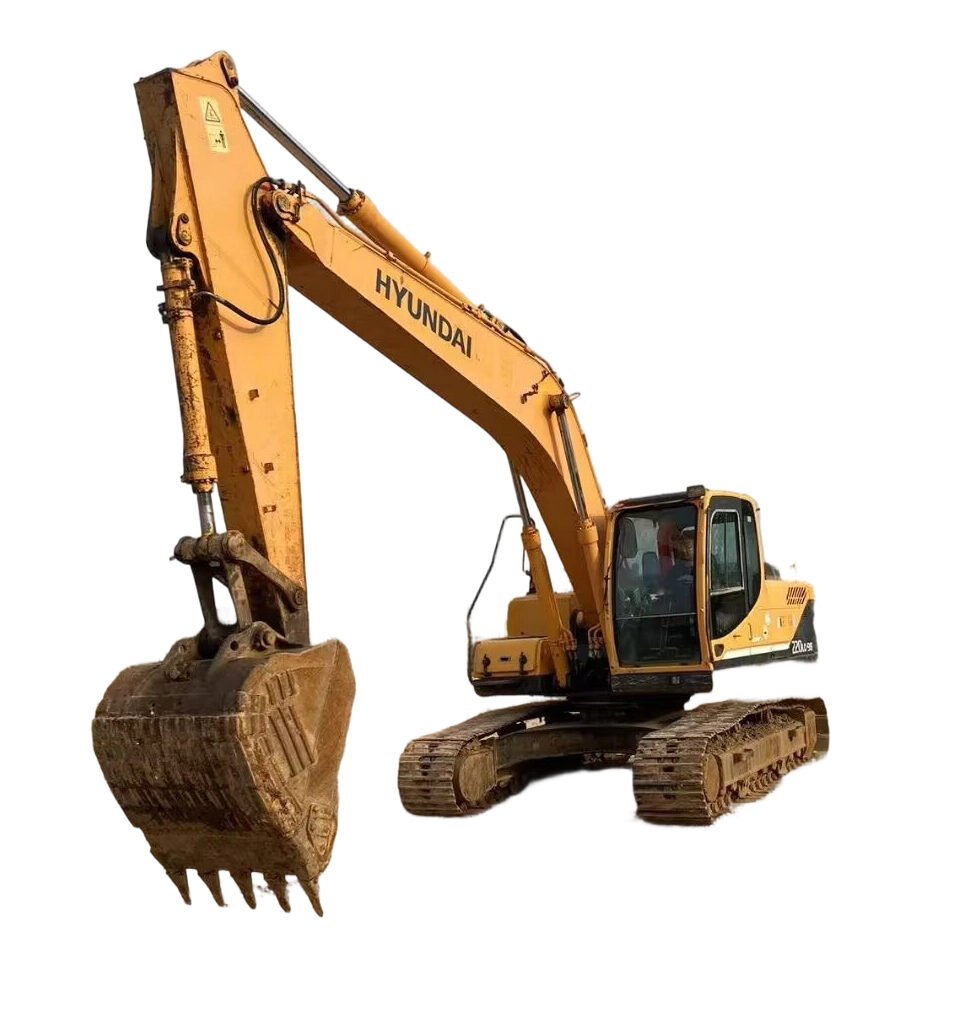
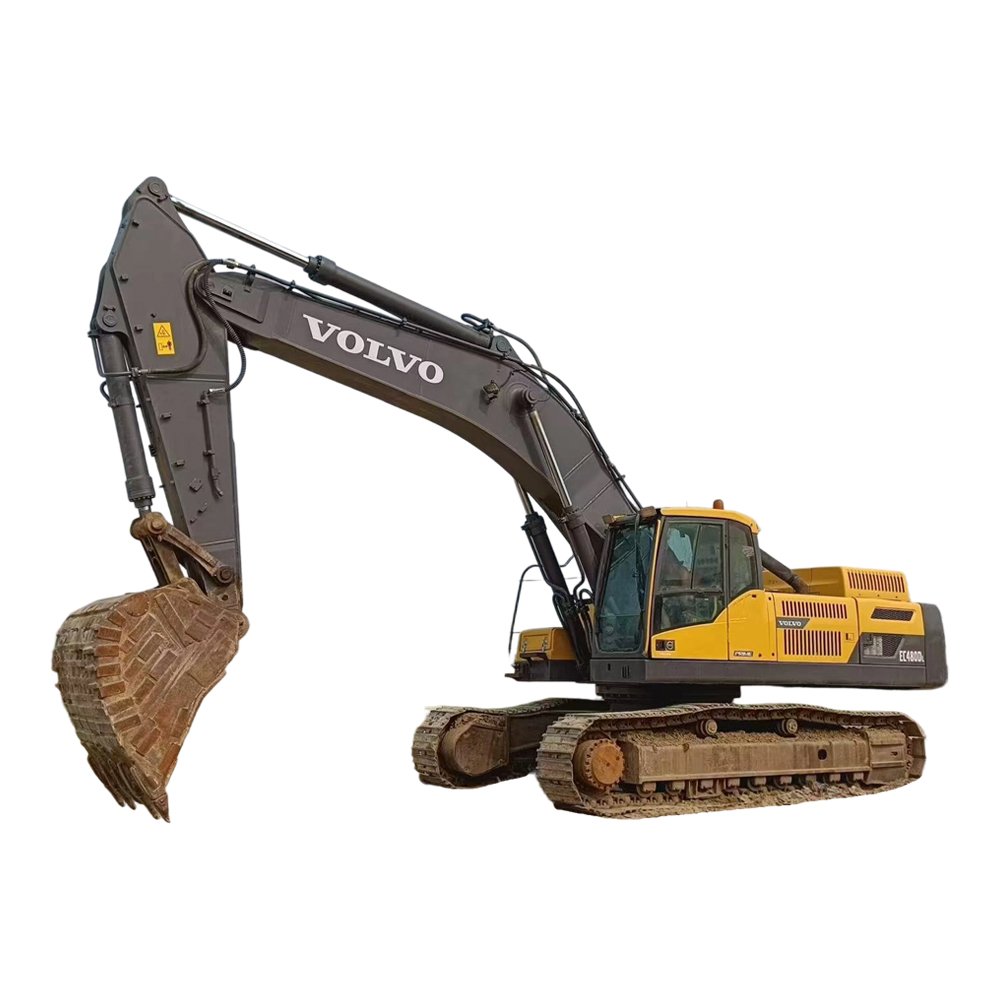
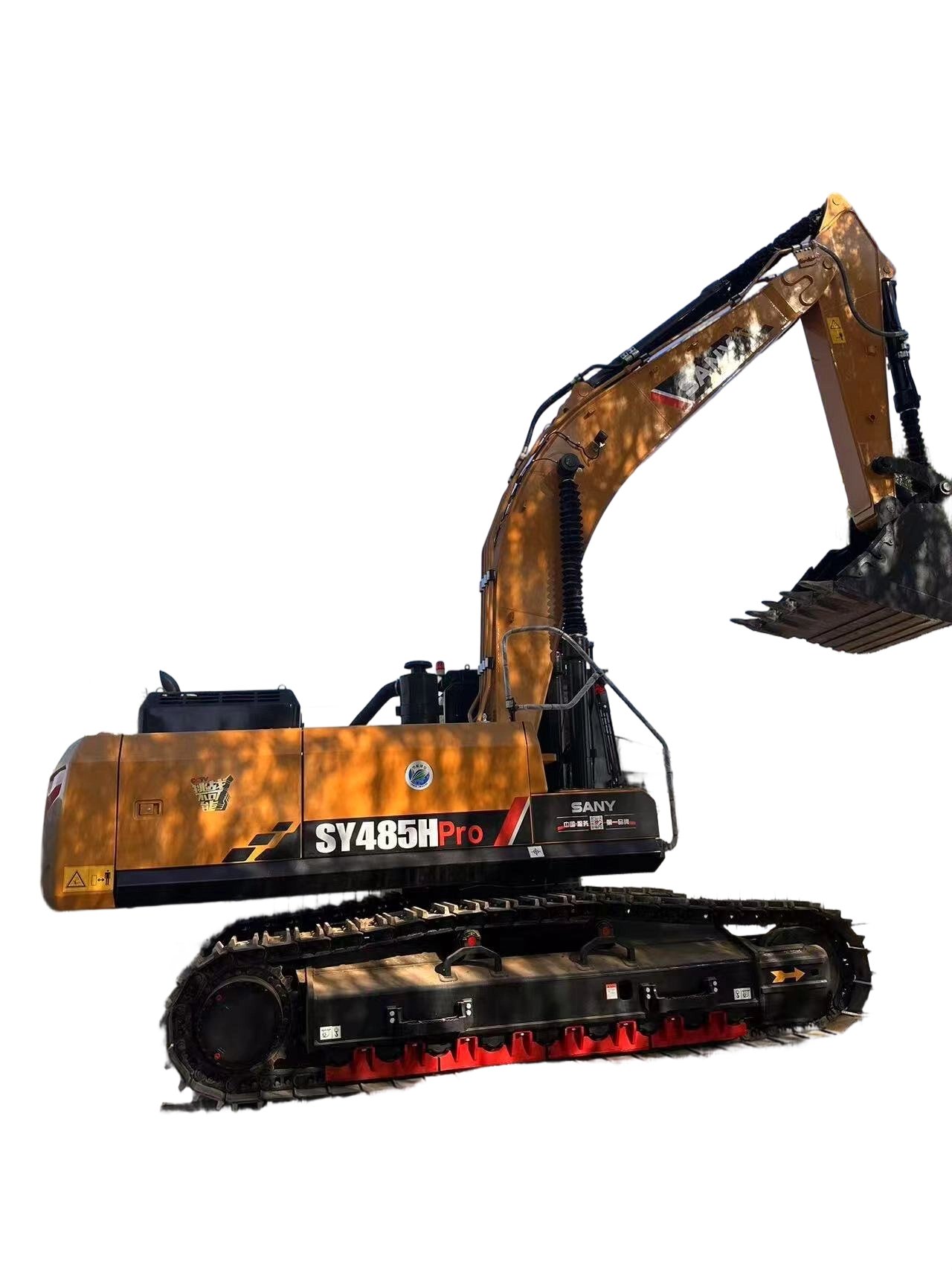
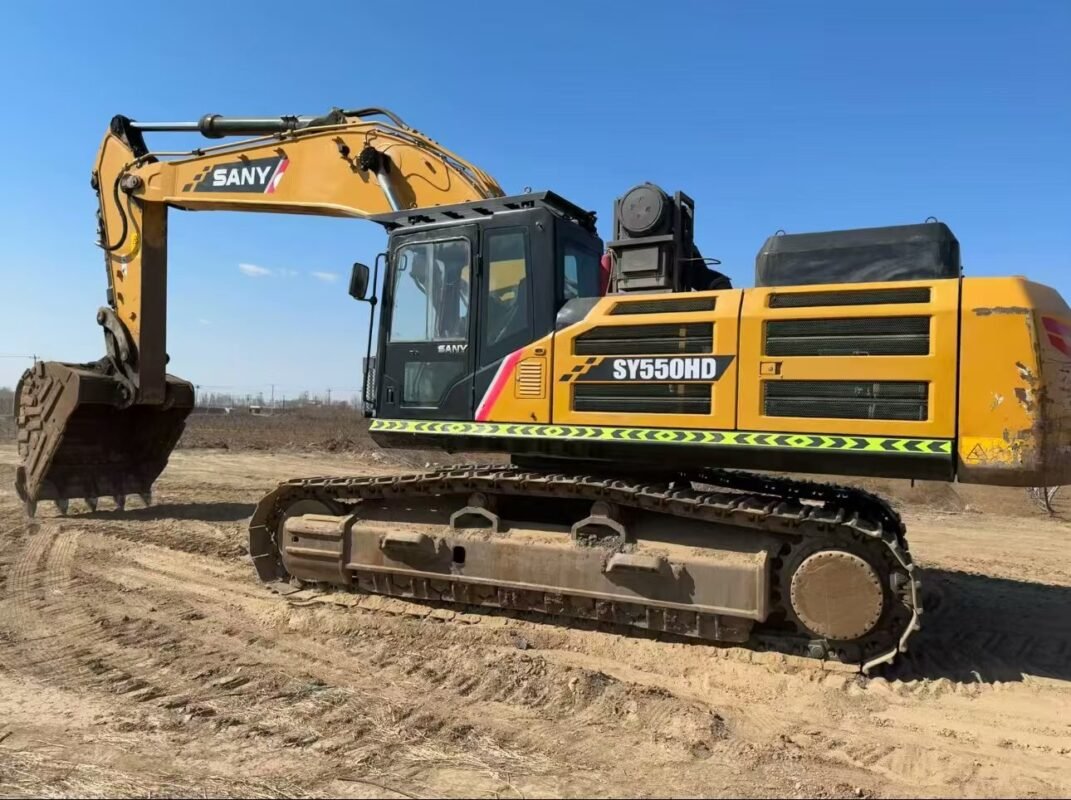
A heavy duty farm excavator has become one of the most valuable machines on modern farms. Designed to handle difficult workloads, it combines power, precision, and versatility to help farmers complete projects faster while reducing manual labor. Whether you manage a small family farm or a large agricultural operation, investing in the right excavator can significantly improve productivity and save valuable time.
Common Farm Jobs That Require a Heavy Duty Excavator
Many people associate excavators with construction sites, but they are equally useful in agriculture. Throughout the year, farmers face a variety of tasks where an excavator becomes an essential piece of equipment.
Digging irrigation channels is one of the most common applications. Proper irrigation improves crop health, prevents water waste, and supports higher yields. A heavy duty excavator can create straight, consistent trenches much faster than manual digging.
Land clearing is another frequent task. Removing old tree stumps, rocks, bushes, and uneven ground prepares fields for planting or expansion. Instead of spending weeks with smaller equipment, farmers can finish the work in a matter of days.
Excavators are also ideal for building drainage systems, repairing farm roads, installing underground utility lines, digging ponds, constructing livestock facilities, and loading heavy materials.
Having one versatile machine capable of handling all these responsibilities simplifies daily farm management.
Features That Matter Most When Buying
Choosing the right excavator involves more than comparing engine sizes. Buyers should consider how the machine will perform over many years of regular use.
Engine power directly affects digging efficiency and lifting capability. Farms with rocky soil or large-scale earthmoving projects usually benefit from higher horsepower.
Hydraulic performance is equally important. Smooth and responsive hydraulic systems improve digging precision and reduce operator fatigue during long working hours.
A reinforced boom and arm increase durability, especially when handling heavy materials such as logs, rocks, or compacted soil.
Operator comfort should never be overlooked. Spacious cabins, adjustable seating, air conditioning, clear visibility, and intuitive controls allow operators to work comfortably throughout long shifts.
Fuel efficiency also contributes to lower operating costs over the life of the machine.
Selecting an excavator that balances these features provides greater long-term value than focusing solely on the purchase price.
Practical Benefits for Everyday Farming
A heavy duty excavator offers practical advantages that farmers experience almost immediately after purchase.
Projects that previously required several workers can often be completed by a single skilled operator.
Routine maintenance tasks become easier because the excavator can quickly repair drainage ditches, reshape farm roads, and remove fallen trees after storms.
During harvest season, every hour matters. Fast excavation and loading help reduce delays and keep other equipment moving efficiently across the farm.
For livestock farms, excavators assist with cleaning waste pits, constructing feeding areas, digging water reservoirs, and maintaining fencing infrastructure.
Instead of renting machinery whenever large projects arise, owning an excavator provides flexibility to complete work whenever conditions are ideal.
Choosing the Right Size for Your Farm
Not every farm requires the largest excavator available.
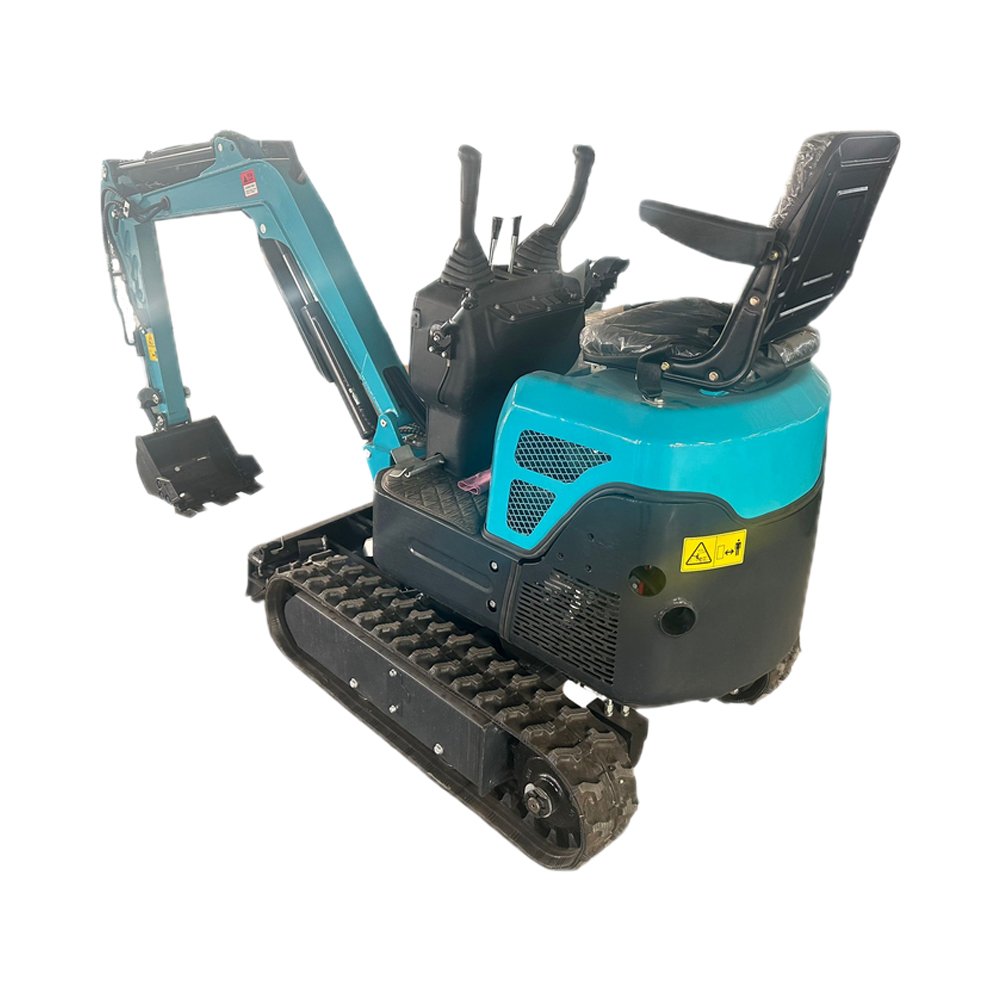
Compact farms with orchards, vineyards, or vegetable production often benefit from medium-sized excavators that offer excellent maneuverability without damaging crops.
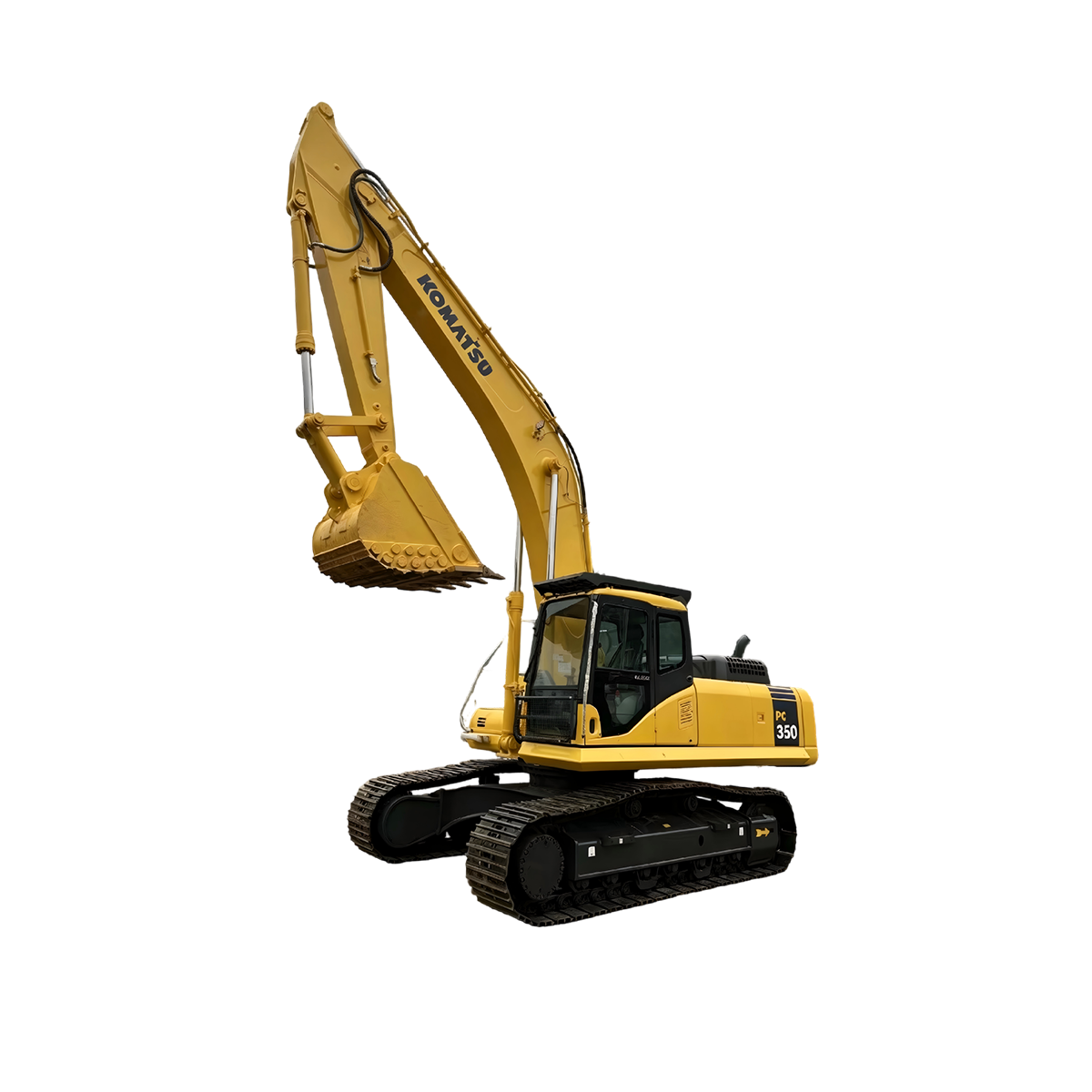
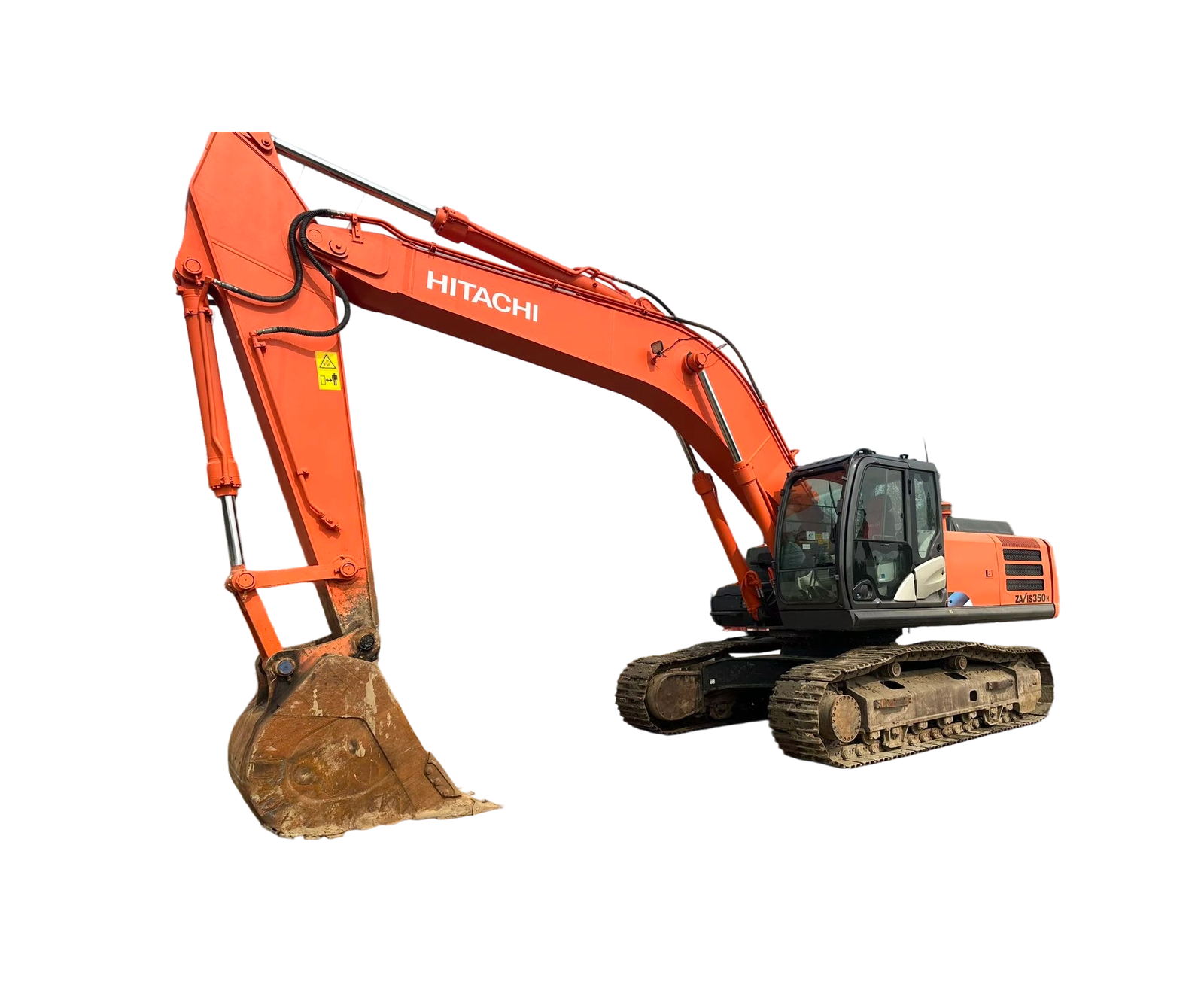
Large grain farms or commercial agricultural operations typically require heavier machines capable of moving significant amounts of earth in shorter periods.
Before making a purchase, consider field size, transportation requirements, storage space, soil conditions, and the types of attachments you plan to use.
Matching machine size to actual workload helps maximize return on investment while avoiding unnecessary operating expenses.
Attachments Increase Versatility
One reason excavators remain valuable year after year is their ability to use multiple attachments.
Buckets of different sizes handle trenching, grading, and material loading.
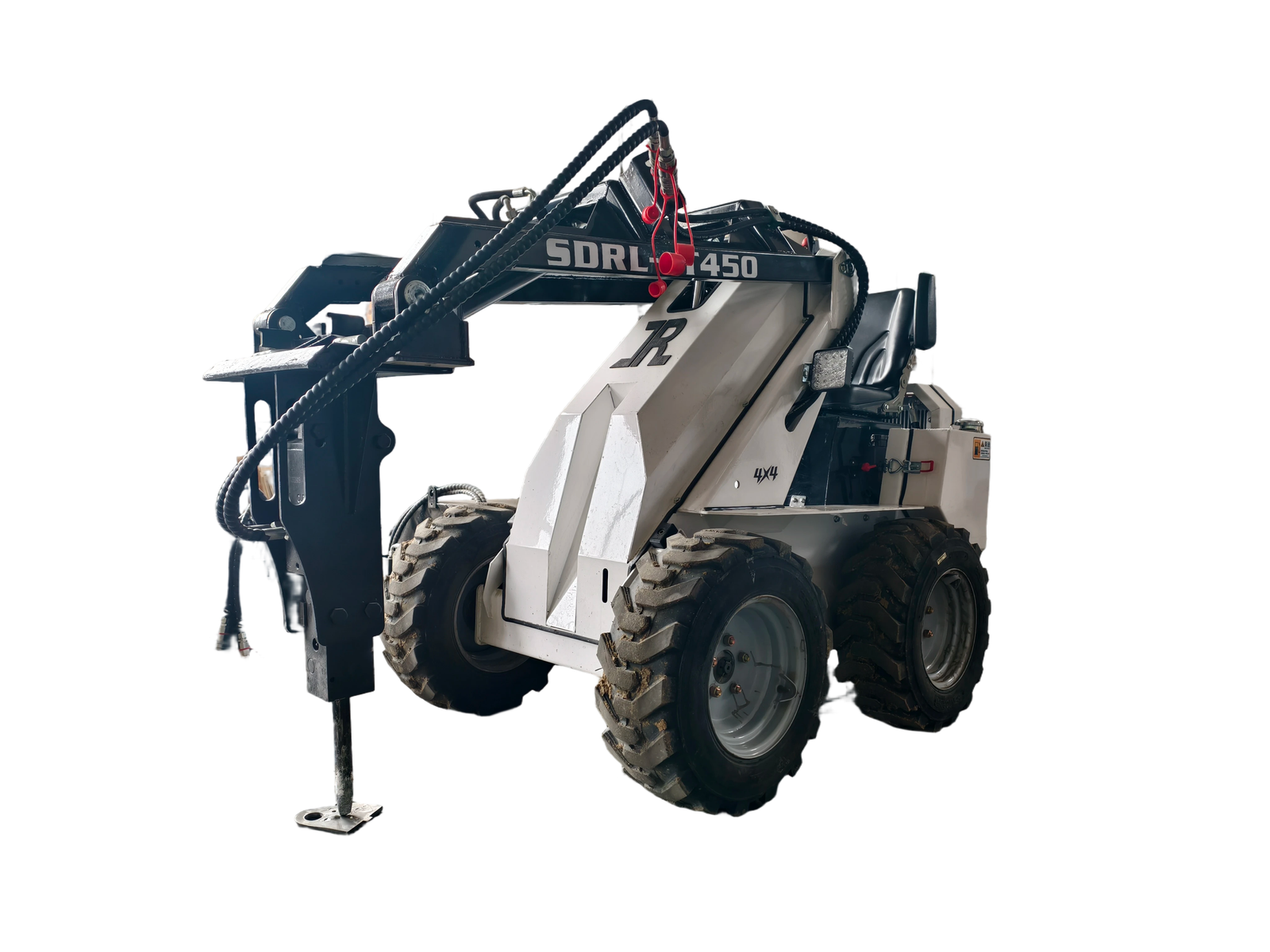
Hydraulic breakers help remove concrete or large rocks during land preparation.
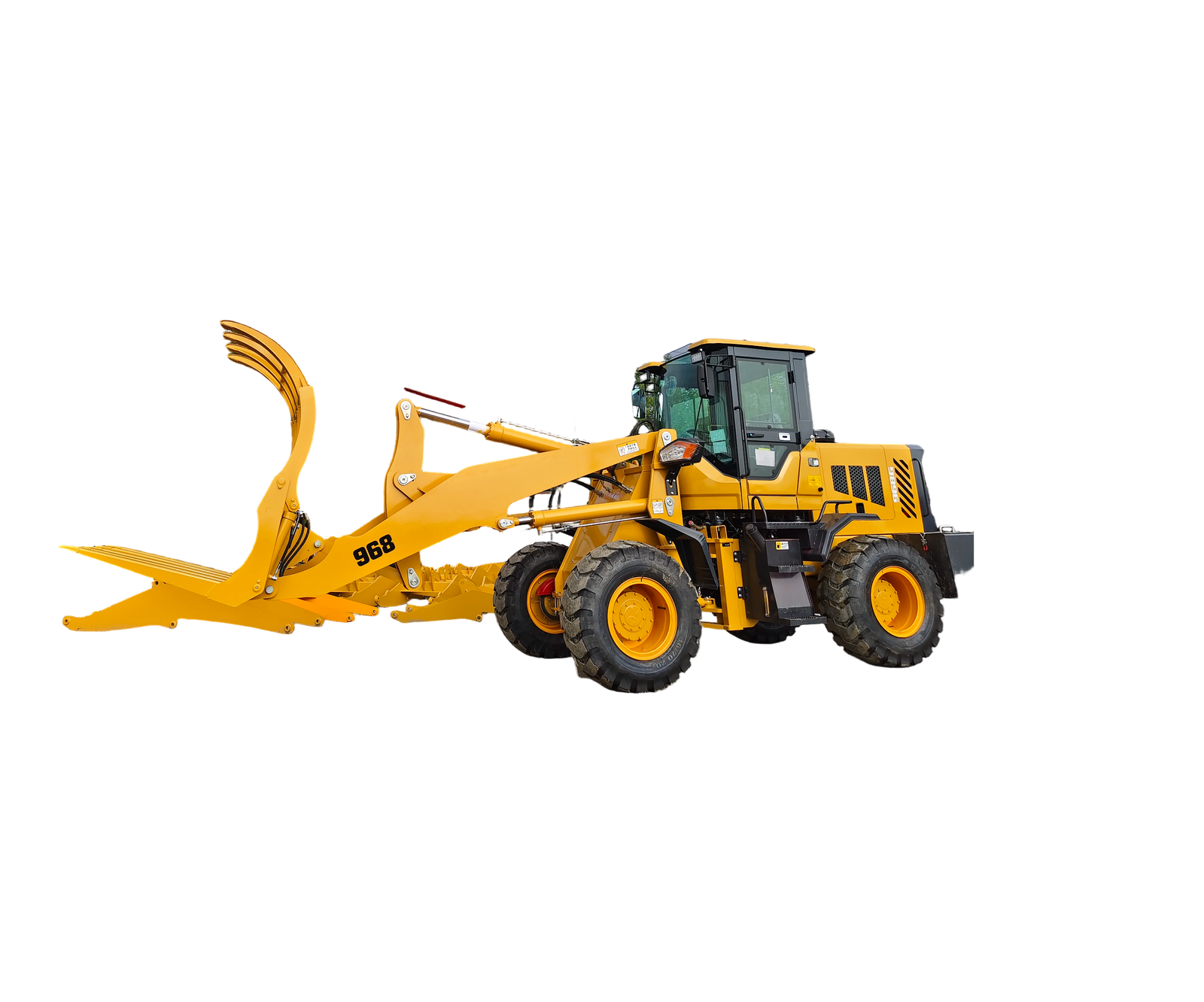
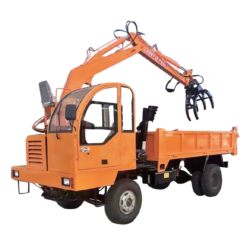
Grapples simplify handling logs, branches, and agricultural waste.
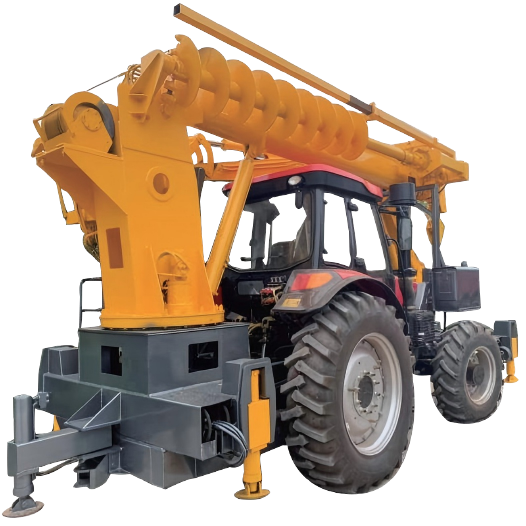
Augers allow efficient drilling for fence posts, tree planting, and foundation work.
Quick coupler systems enable operators to switch attachments rapidly, making one excavator capable of completing numerous agricultural tasks throughout every season.
Maintenance Tips for Long Service Life
Proper maintenance protects your investment and ensures consistent performance.
Daily inspections should include checking hydraulic hoses, engine oil, coolant levels, fuel systems, and undercarriage components.
Keeping the machine clean prevents dirt from accumulating around moving parts and cooling systems.
Following manufacturer-recommended service intervals helps maintain engine reliability and hydraulic efficiency.
Storing the excavator under shelter whenever possible also protects paint, seals, and electrical components from unnecessary weather exposure.
Preventive maintenance minimizes downtime and allows farmers to work confidently during busy seasons.
How the Right Excavator Saves Time and Money
Many buyers initially focus on the purchase cost, but long-term productivity often provides much greater value.
Imagine a farmer planning to build a new irrigation system across several acres. Renting equipment multiple times requires scheduling, transportation, and rental fees.
Owning a heavy duty excavator allows the project to begin immediately whenever weather conditions are favorable. The same machine can later be used for road repairs, drainage improvements, pond construction, and land expansion.
Over several years, the excavator becomes one of the most frequently used assets on the farm, helping reduce labor costs while increasing operational efficiency.
The ability to respond quickly to changing farm needs creates measurable financial benefits.
Selecting a Reliable Supplier
The quality of the excavator depends not only on the machine itself but also on the supplier’s manufacturing standards and customer support.
When evaluating suppliers, consider product quality, available models, customization options, spare parts availability, warranty coverage, and after-sales service.
THBSMN is one supplier offering heavy duty farm excavators designed for demanding agricultural applications. Farmers can review its product specifications, available configurations, and support services to determine whether they align with the operational requirements of their farms.
Working with a dependable supplier provides greater confidence throughout the purchasing process and during long-term equipment ownership.
Heavy Duty Farm Excavator for Sale for Tough Jobs is more than simply a product category—it represents an investment in greater efficiency, productivity, and long-term farm development.
From digging irrigation systems and clearing land to constructing livestock facilities and maintaining farm infrastructure, a heavy duty excavator performs countless essential tasks that support modern agriculture.
By carefully selecting the appropriate machine size, focusing on durability, hydraulic performance, fuel efficiency, and operator comfort, farmers can maximize the value of their investment for many years.
Combined with a trusted supplier such as THBSMN and proper routine maintenance, a quality heavy duty farm excavator becomes an indispensable partner for tackling tough jobs with confidence, helping farms operate more efficiently while preparing for future growth.