








Industry News
How to Choose a Reliable Second Hand Excavator
Apr
Before selecting a second hand excavator, it is essential to clearly define your project needs. Consider the type of work you will handle, such as construction, landscaping, mining, or roadwork. Evaluate the required digging depth, lifting capacity, and operating environment. By identifying these factors, you can narrow down the machine size, specifications, and features that best match your workload. A well-matched excavator not only improves efficiency but also ensures long-term reliability.
Check the Machine’s Overall Condition
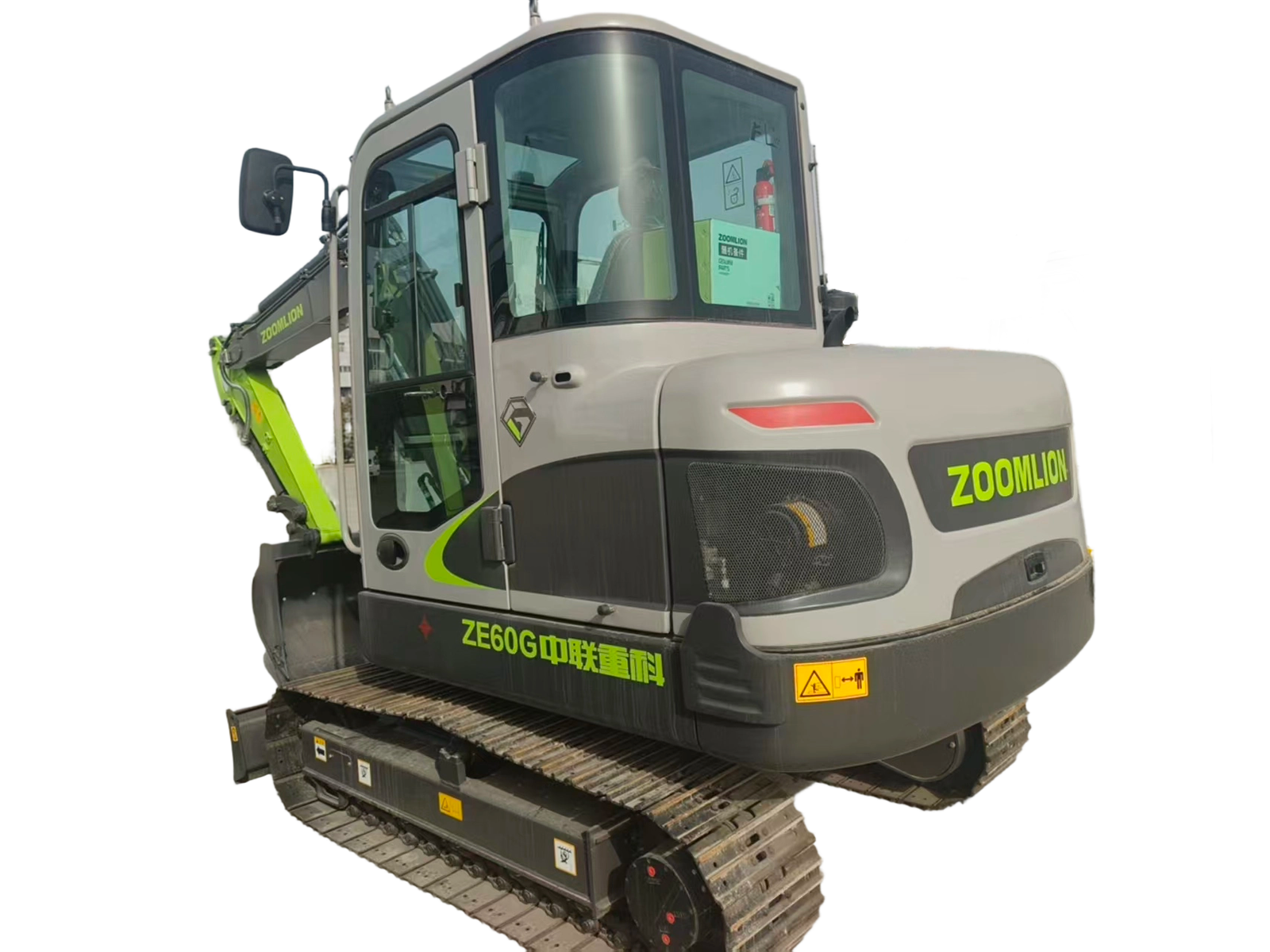
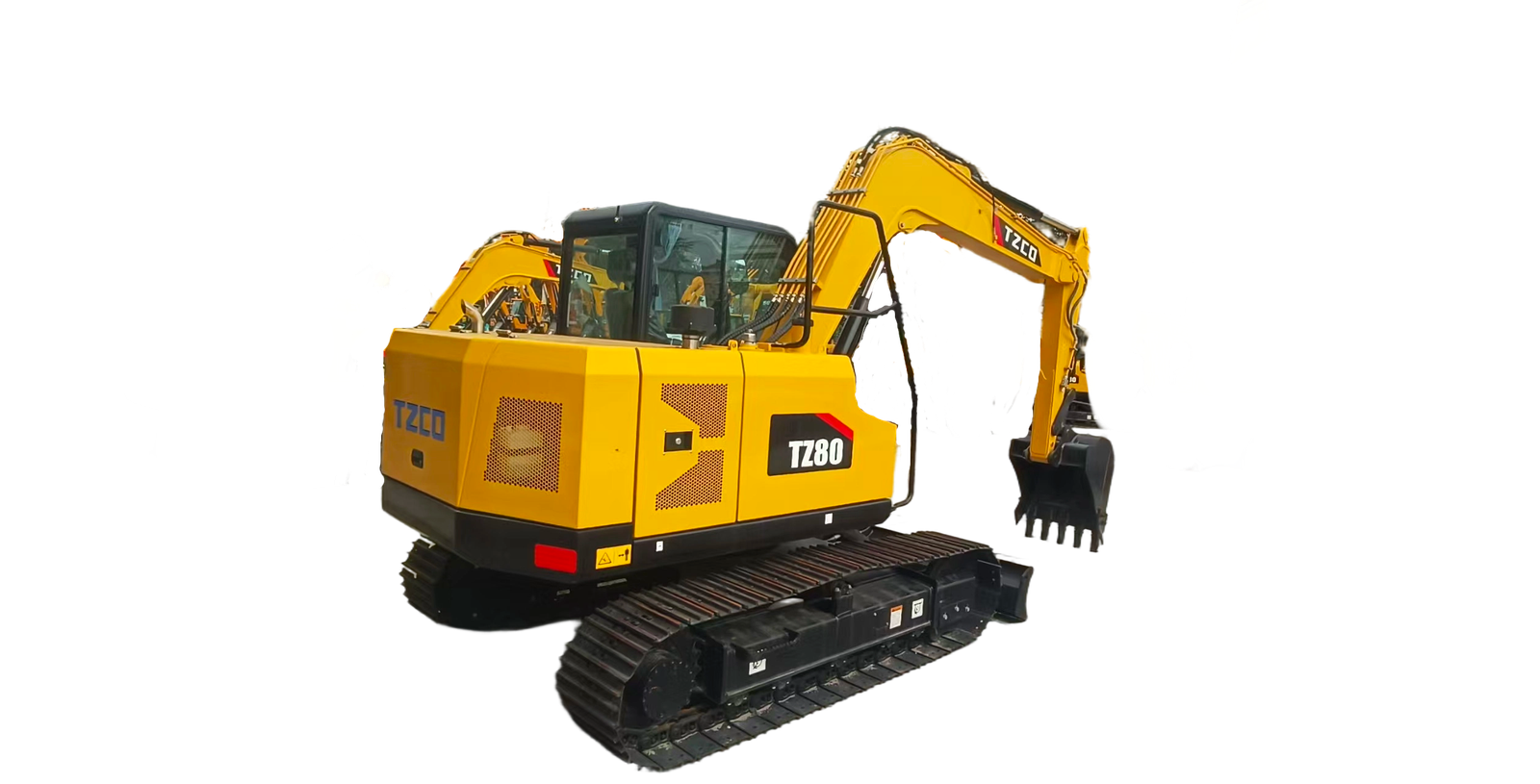
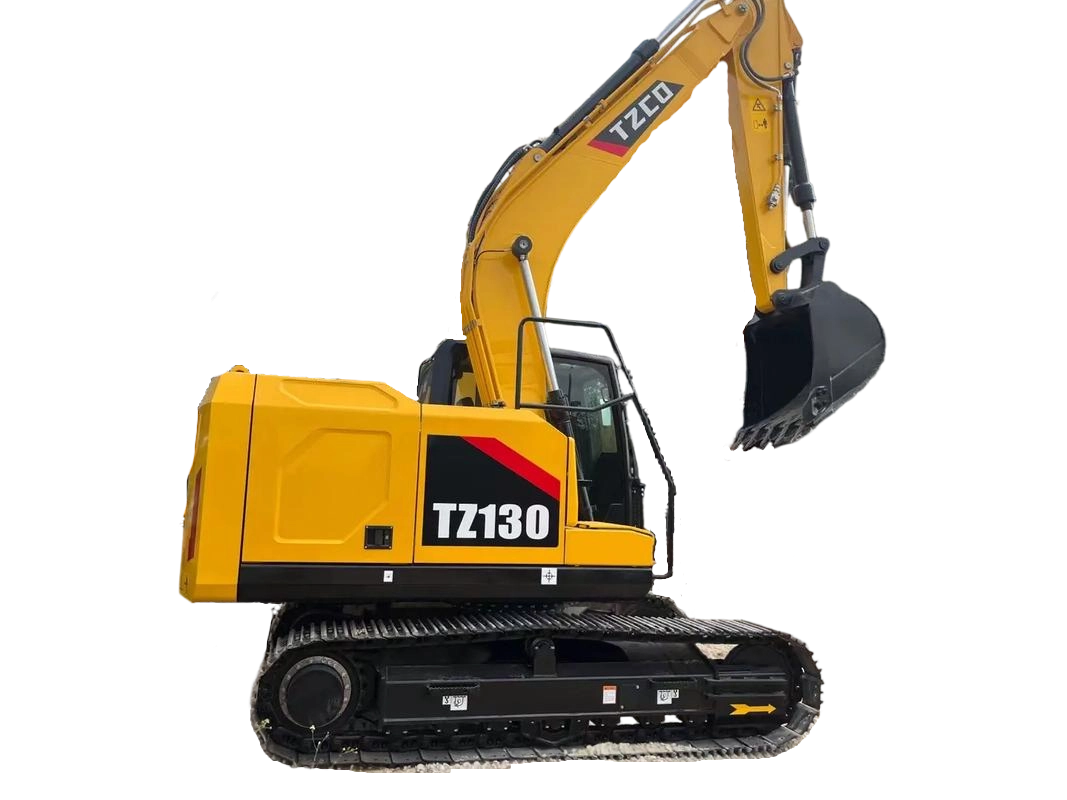
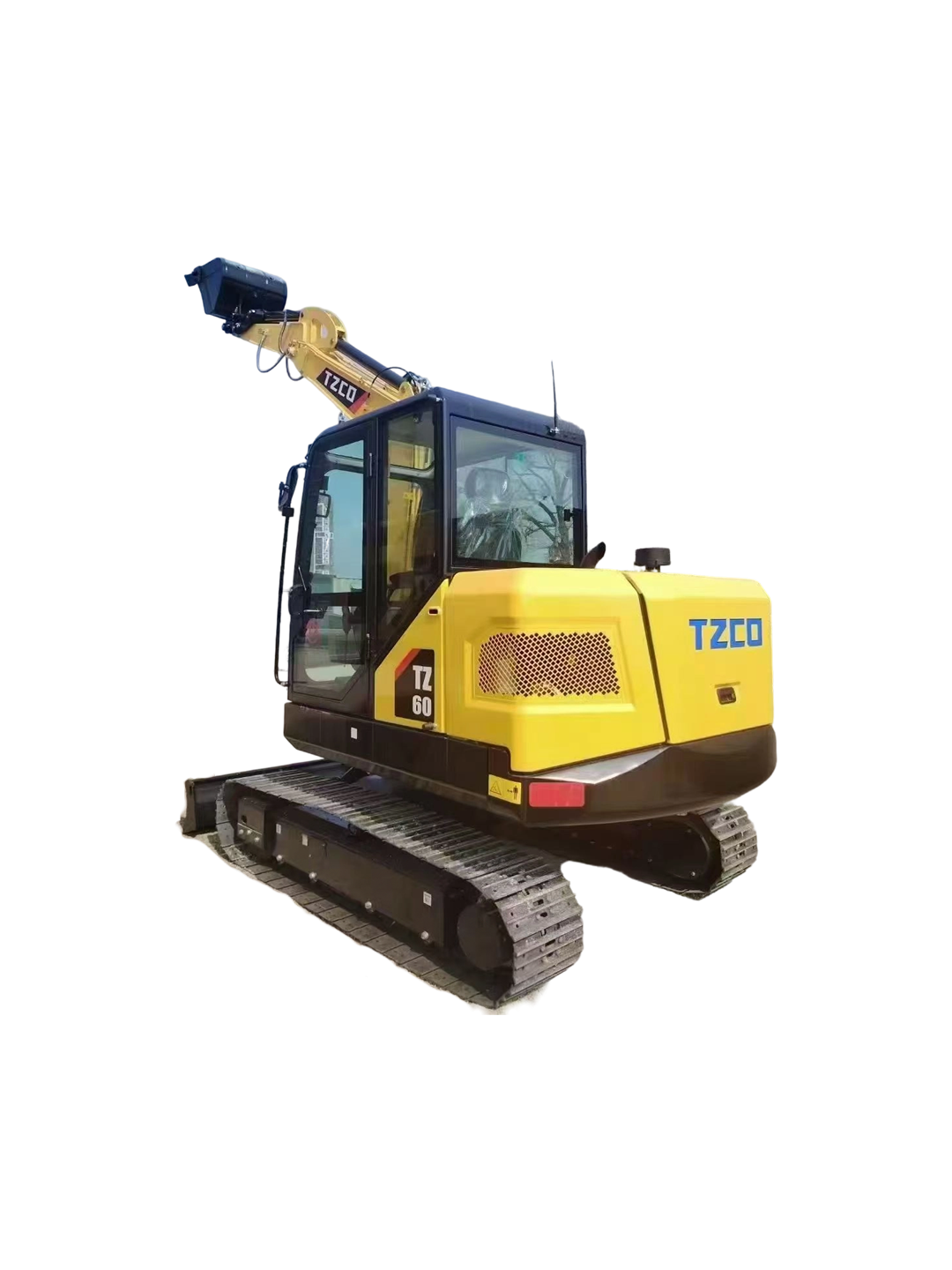
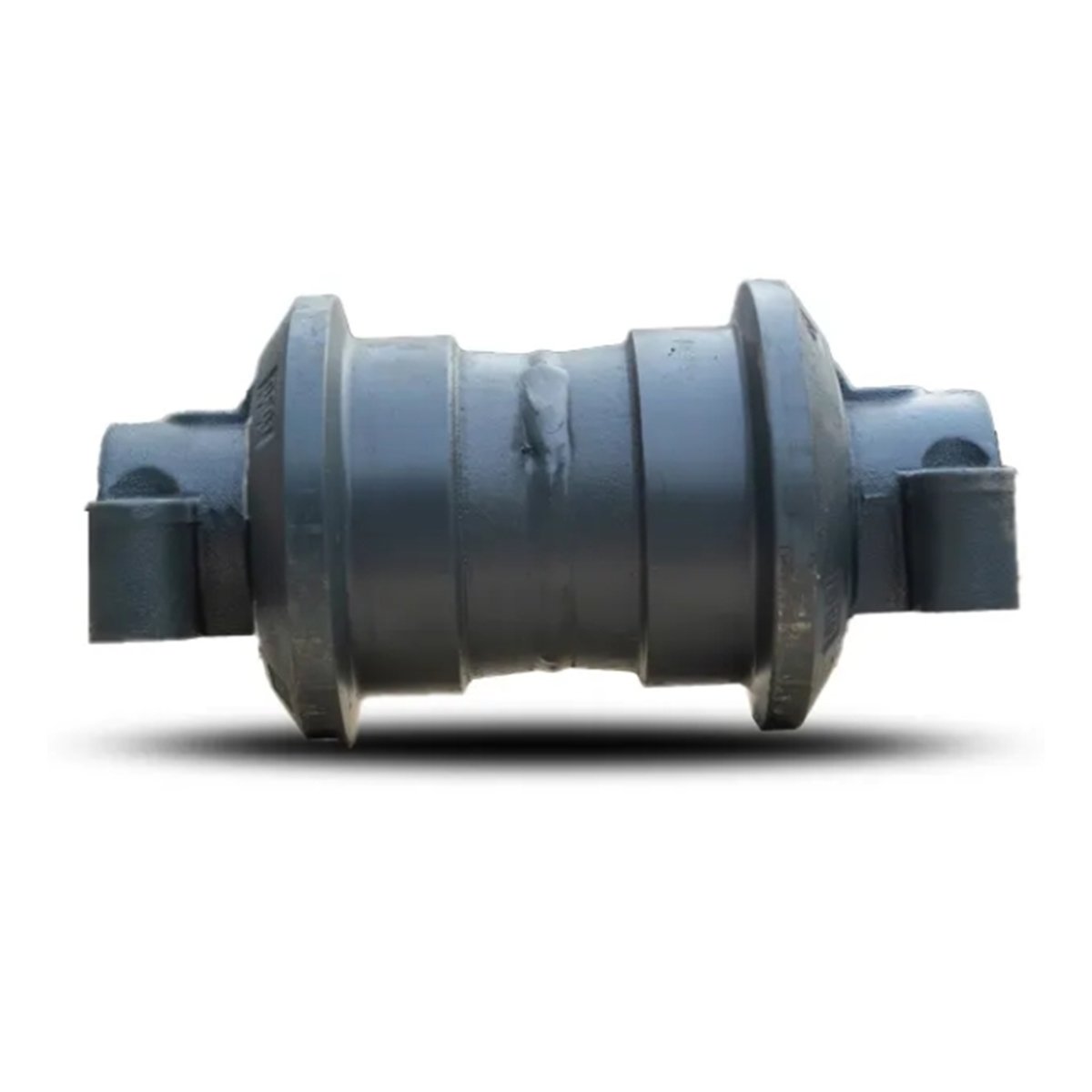
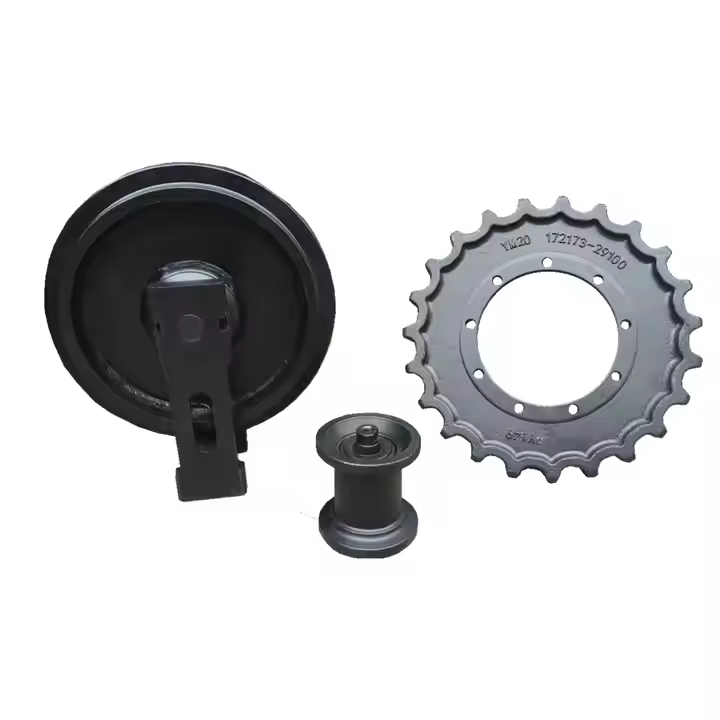
A thorough inspection of the excavator’s overall condition is a key step in making a reliable choice. Examine the exterior structure, including the boom, arm, and bucket, for signs of wear or structural integrity. Look at the undercarriage components such as tracks, rollers, and sprockets to ensure they are in good condition. A well-maintained machine typically shows consistent wear patterns and a clean, organized appearance, which reflects careful ownership and proper usage.
Evaluate Engine Performance
The engine is the heart of any excavator, so its performance should be carefully assessed. Start the machine and listen for smooth operation without unusual noise. Check for steady idling and responsive acceleration. A reliable excavator will demonstrate stable engine performance under different working conditions. Reviewing maintenance records can also provide valuable insights into how well the engine has been cared for over time.
Inspect Hydraulic System Efficiency
The hydraulic system plays a crucial role in an excavator’s functionality. Test the machine’s movements, including lifting, digging, and swinging, to ensure smooth and precise operation. Consistent hydraulic response indicates that the system is functioning efficiently. Pay attention to hoses, cylinders, and connections to confirm they are well-maintained and in good working order. A properly functioning hydraulic system contributes significantly to productivity and durability.
Review Maintenance and Service History
A detailed maintenance history is a strong indicator of reliability. Machines that have been regularly serviced tend to perform better and last longer. Look for records of oil changes, filter replacements, and routine inspections. A documented service history demonstrates that the excavator has been properly maintained, reducing uncertainty and increasing confidence in your purchase decision.
Consider Operating Hours and Usage
Operating hours can provide useful insight into the machine’s level of use. While higher hours do not necessarily mean lower quality, it is important to evaluate how the machine has been utilized. Excavators used in consistent, moderate conditions often maintain better performance over time. Combining operating hours with maintenance records offers a more complete picture of the machine’s overall condition.
Verify Documentation and Ownership
Ensuring that all documentation is complete and accurate is an important part of the purchasing process. Confirm ownership records, serial numbers, and any relevant certifications. Proper documentation not only ensures a smooth transaction but also reflects the legitimacy and transparency of the seller. This step helps build trust and supports a secure investment.
Test Operation Before Purchase
A practical test is one of the most effective ways to evaluate a second hand excavator. Operate the machine to assess comfort, control responsiveness, and overall performance. Check visibility from the cabin, ease of controls, and stability during operation. A smooth and confident operating experience is a strong sign of a reliable machine.
Choose a Reputable Seller
Selecting a trustworthy seller is just as important as evaluating the machine itself. Look for sellers with a strong reputation, professional service, and clear communication. Reliable sellers often provide detailed information, transparent pricing, and support throughout the purchasing process. Building a relationship with a reputable source enhances your confidence and ensures a positive buying experience.
Plan for Long-Term Value
When choosing a second hand excavator, it is helpful to think beyond the initial purchase. Consider factors such as ease of maintenance, availability of parts, and adaptability to future projects. A well-chosen excavator offers lasting value, supporting your operations efficiently over time. Making a thoughtful and informed decision today can contribute to long-term productivity and success.