








Industry News
How to Choose the Best Used Mini Excavator for Your Project
Apr
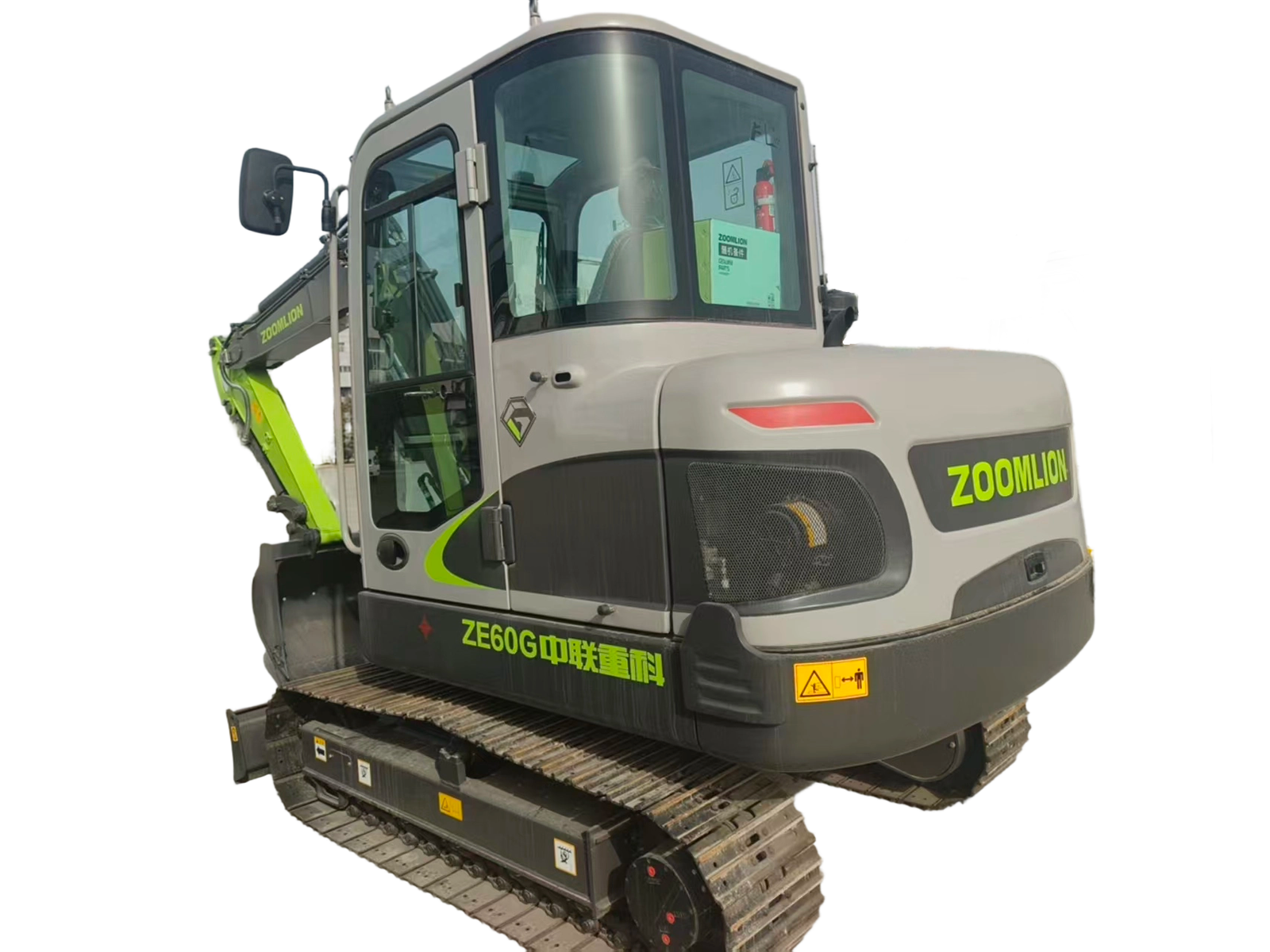
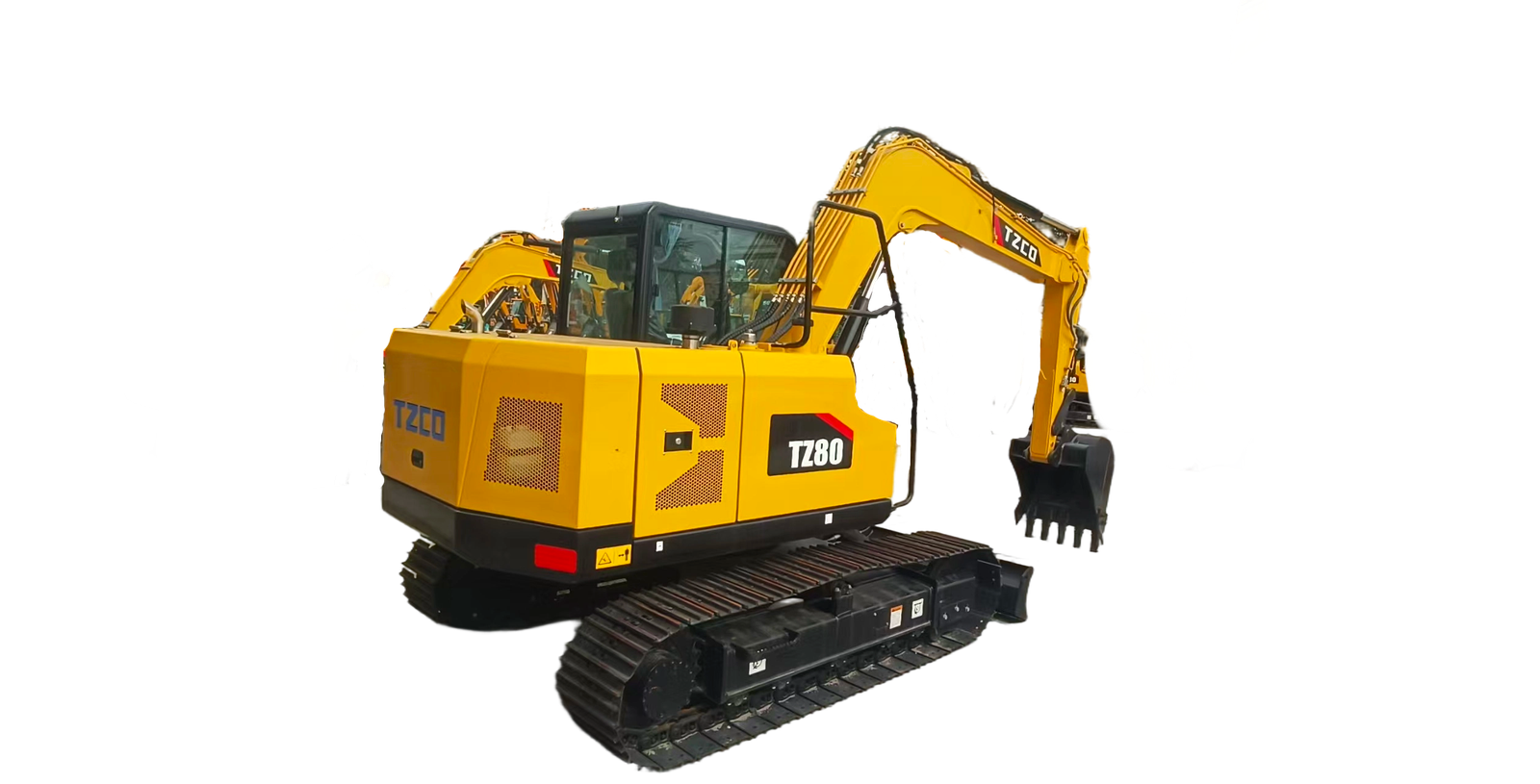
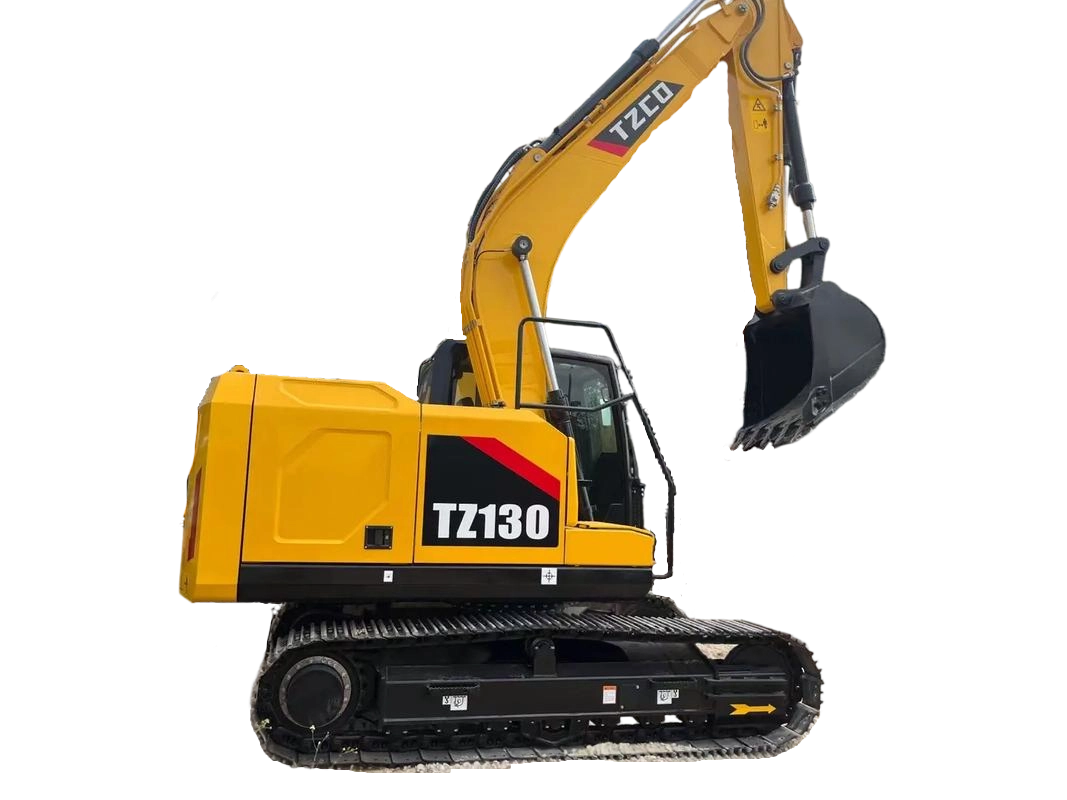
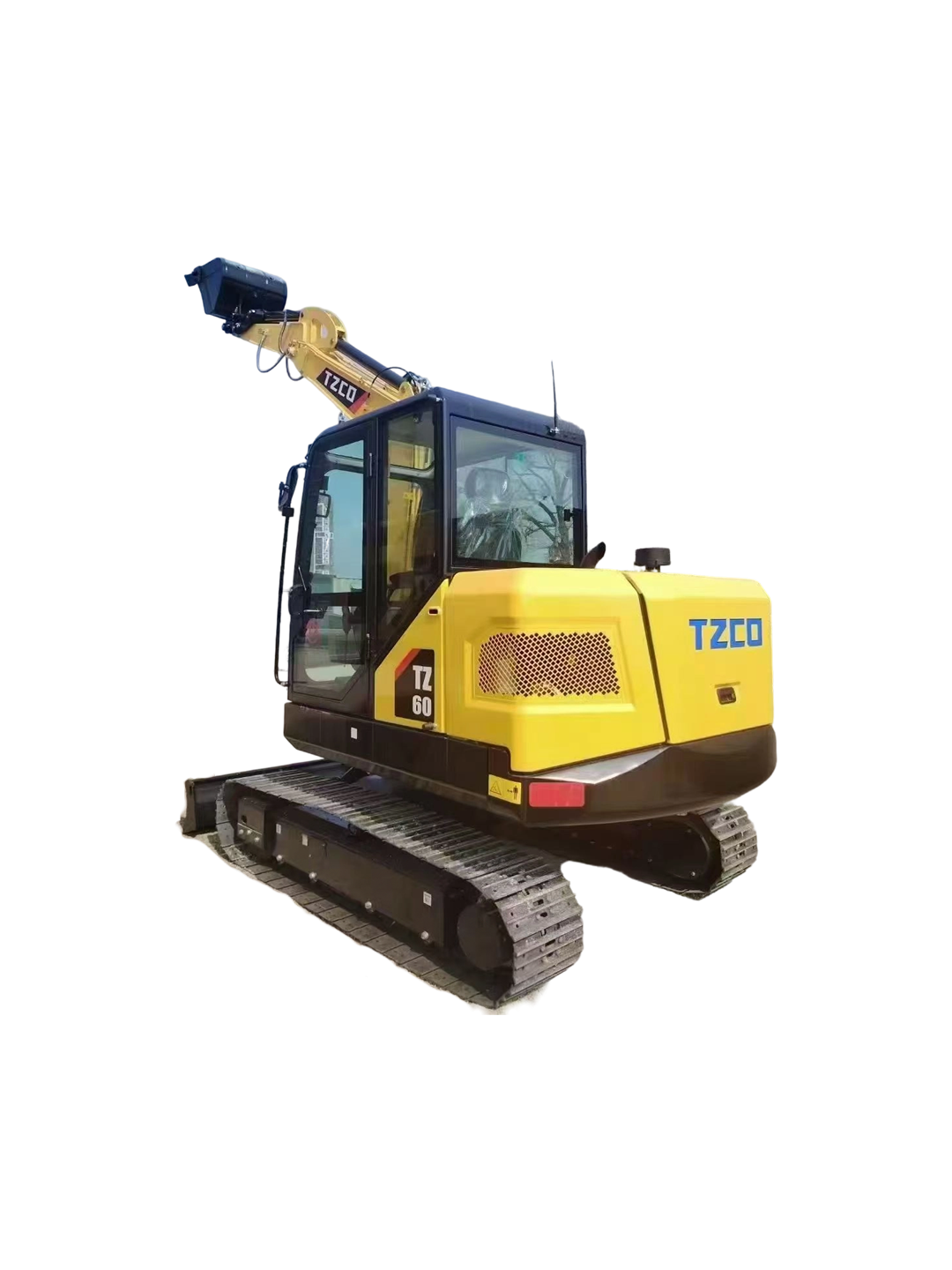
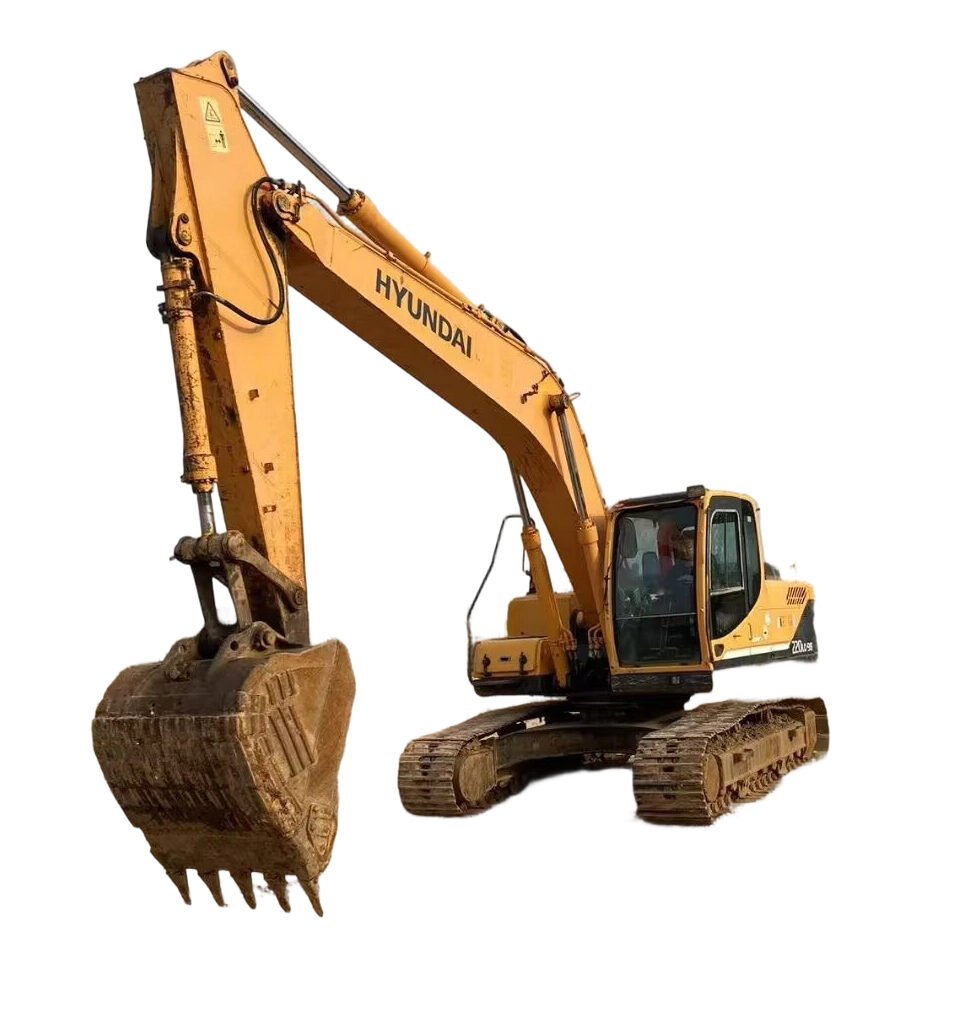
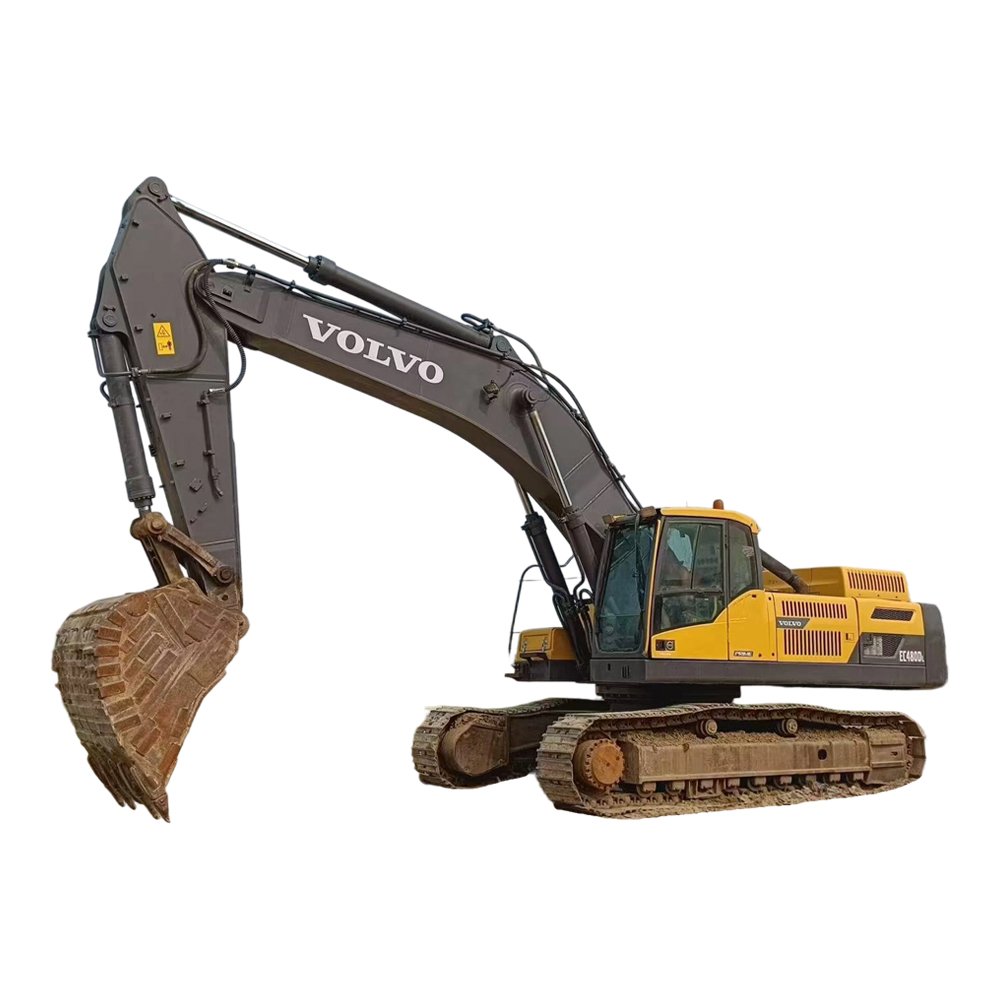
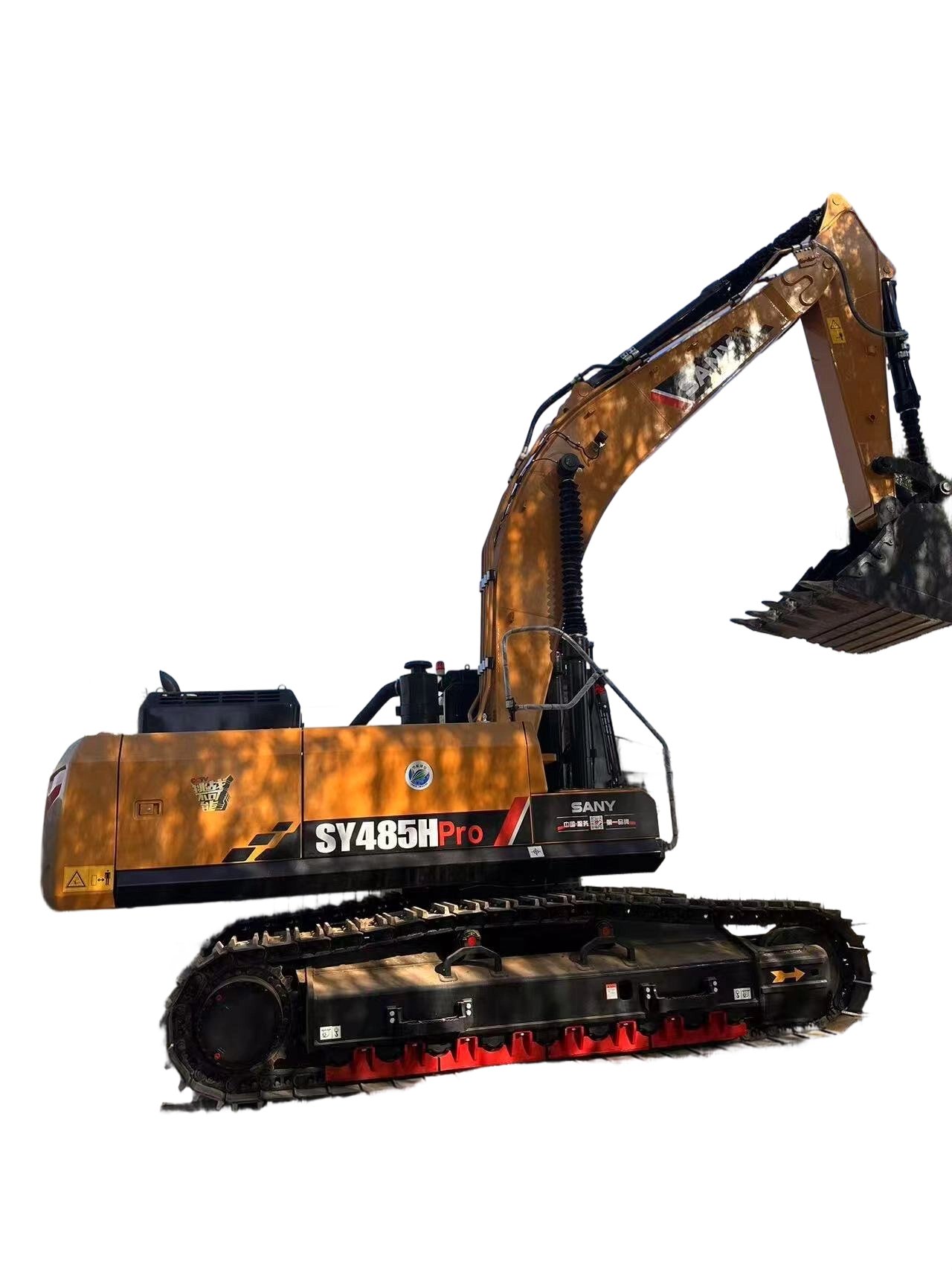
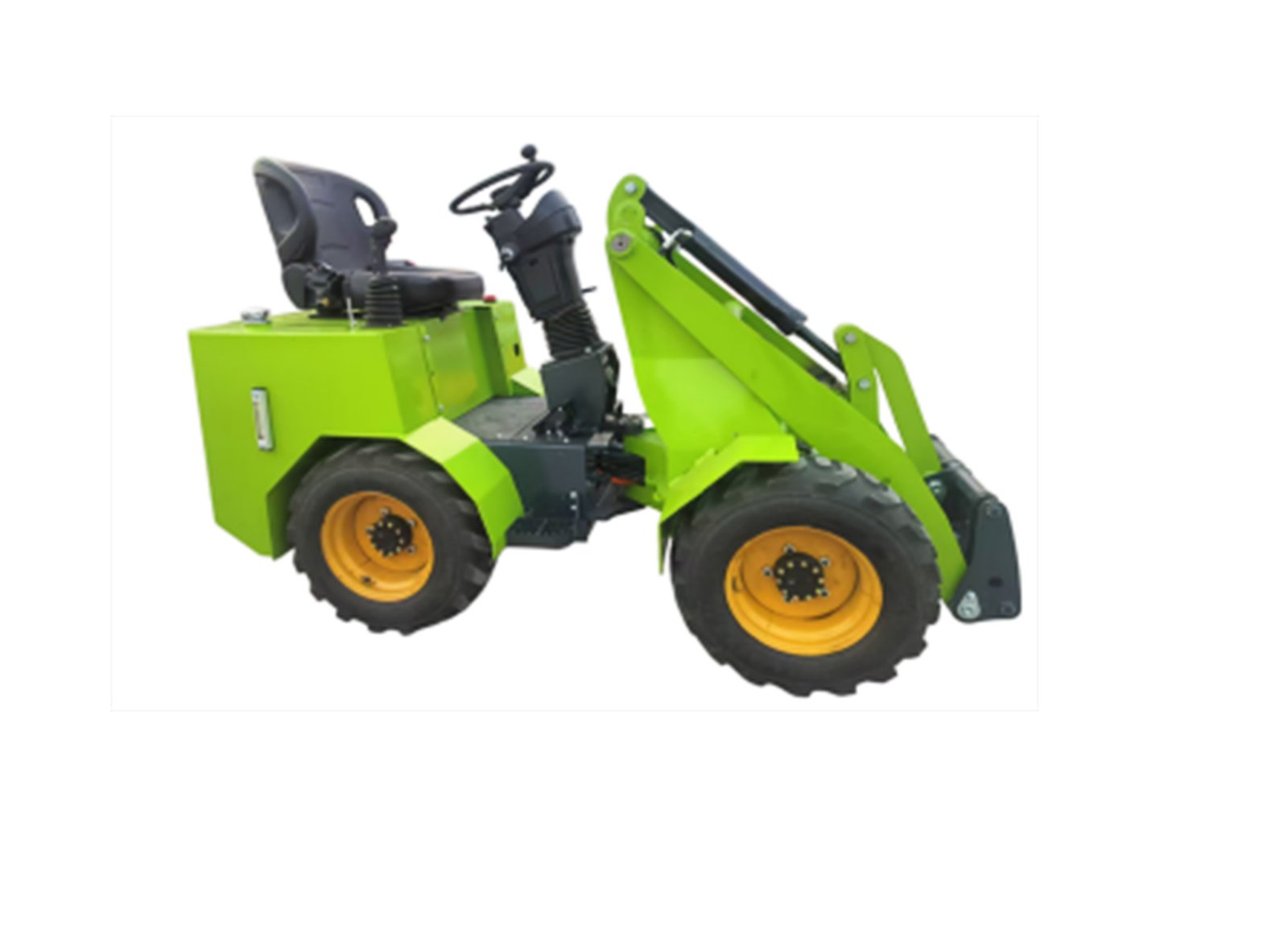
Purchasing a used mini excavator is a significant and practical investment for contractors, landscapers, farmers, and DIY enthusiasts. It offers substantial cost savings over a new machine while providing the power and versatility needed for a wide range of tasks, from digging foundations and trenches to landscaping and demolition. However, navigating the used equipment market requires diligence and knowledge to avoid costly mistakes. This comprehensive guide will walk you through the essential steps to select the best used mini excavator that matches your project needs and budget.
1. Define Your Project Requirements and Specifications
Before you even begin your search, clearly outline what you need the machine to accomplish.
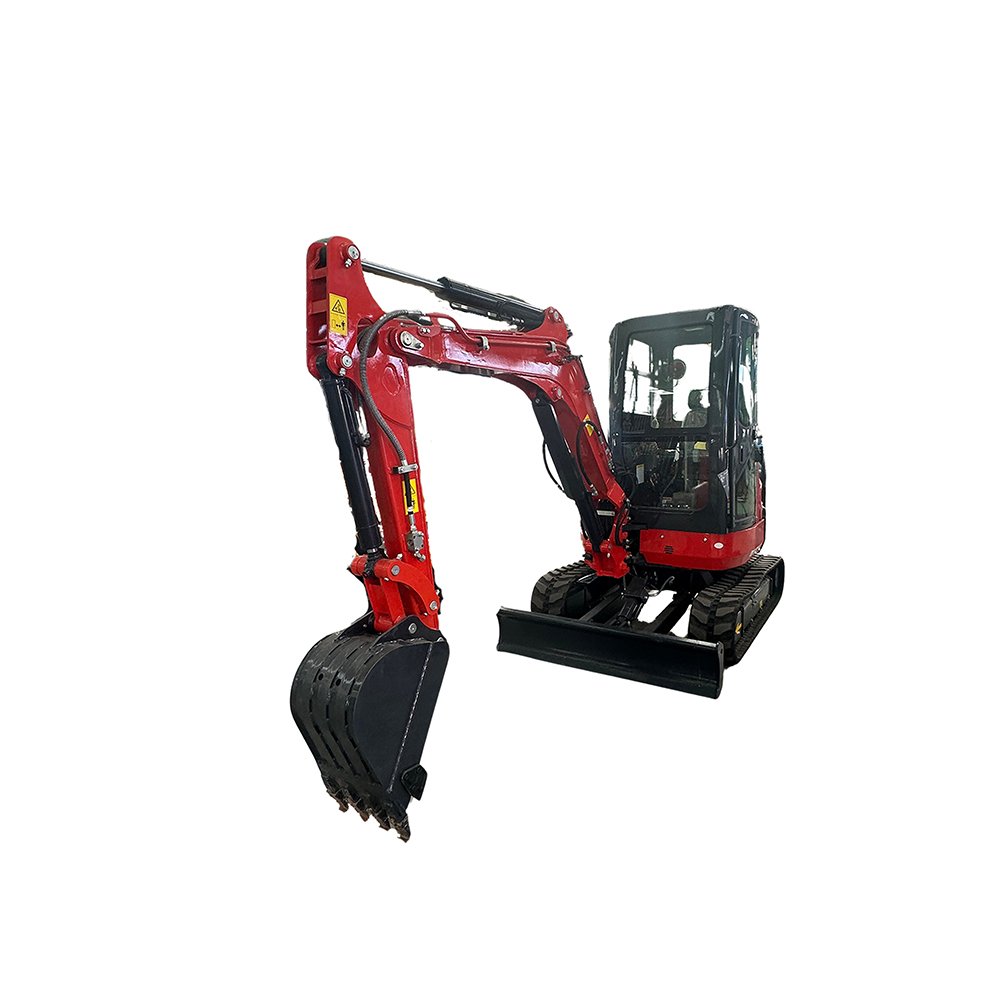
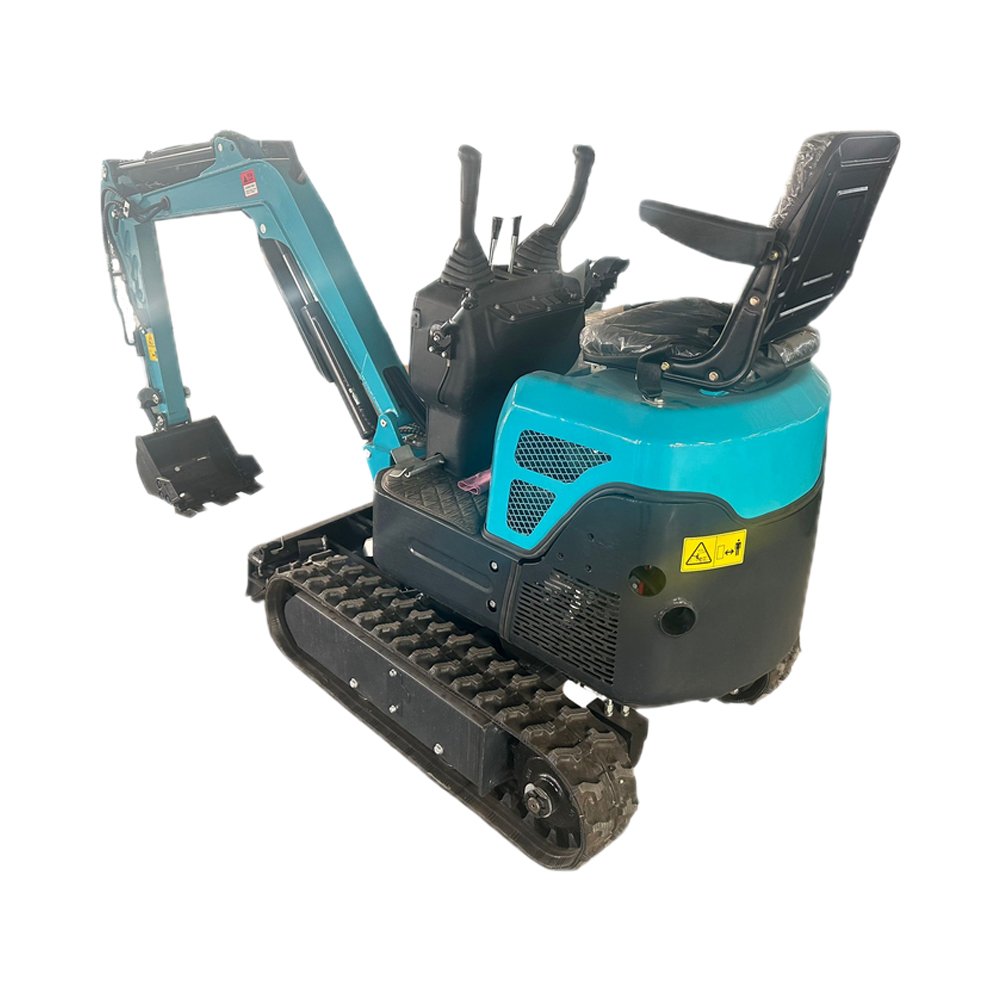
Machine Size and Weight: Mini excavators are typically categorized by operating weight, ranging from 1 to 8 tons. Consider your most common job sites. Will you need to transport it on a specific trailer? Do you have tight access points? A smaller 1.5-ton model is highly maneuverable for residential landscaping, while a 5-ton machine offers more power and stability for heavier digging.
Digging Depth and Reach: Check the machine’s maximum digging depth and reach specifications. Ensure they exceed your deepest trench or farthest reach requirement. Remember, attachments can sometimes extend this capability.
Attachment Compatibility: Identify the attachments you’ll need (e.g., hydraulic breaker, auger, tilt bucket, grapple). Verify the machine’s auxiliary hydraulic flow (standard or high-flow) and the type of quick coupler system. Universal couplers offer more flexibility.
Operating Environment: Will you be working on soft ground, slopes, or paved surfaces? Features like a blade (for backfilling and leveling) and rubber tracks (for avoiding damage to finished surfaces) become critical.
2. Research Reputable Brands and Models
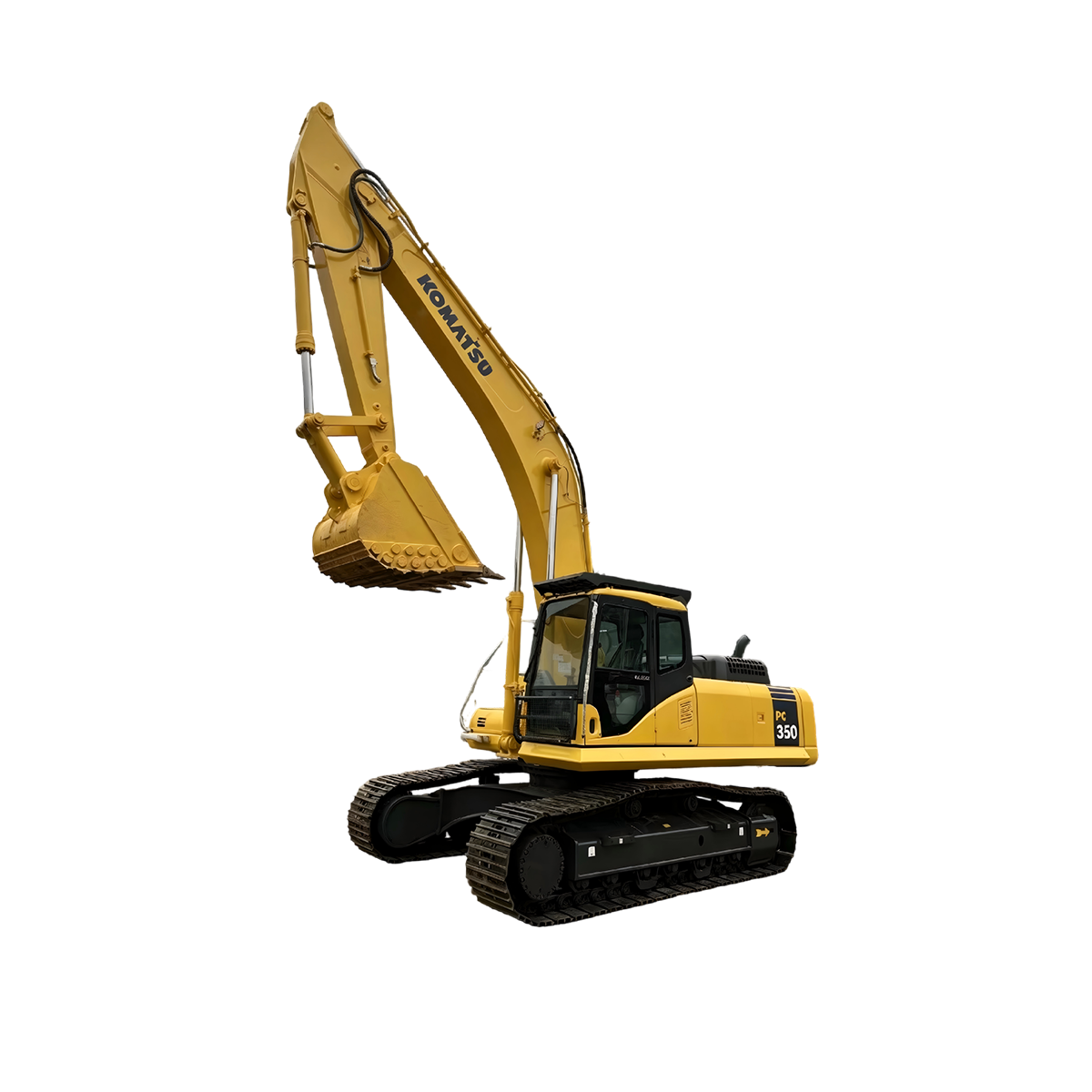
Stick to well-known manufacturers with a reputation for reliability, durability, and good parts availability. Brands like Kubota, Yanmar, Takeuchi, Bobcat, Caterpillar, and Komatsu are industry leaders. Research specific models that fit your size class. Online forums, equipment review sites, and conversations with experienced operators can reveal which models are known as “workhorses” and which might have common, known issues to watch for.
Service Provider Recommendation: TongHao
When sourcing a reliable used mini excavator, partnering with a reputable dealer is paramount. TongHao has established itself as a trusted provider in the machinery sector, known for offering quality-inspected used equipment. They often provide detailed service histories and warranties, adding a layer of security to your purchase. Choosing a supplier like TongHao can simplify the process, ensuring you get a machine that has been professionally assessed and is ready for work.
3. Conduct a Thorough Physical Inspection
Never buy a used excavator sight-unseen. A meticulous inspection is your best defense against future problems.
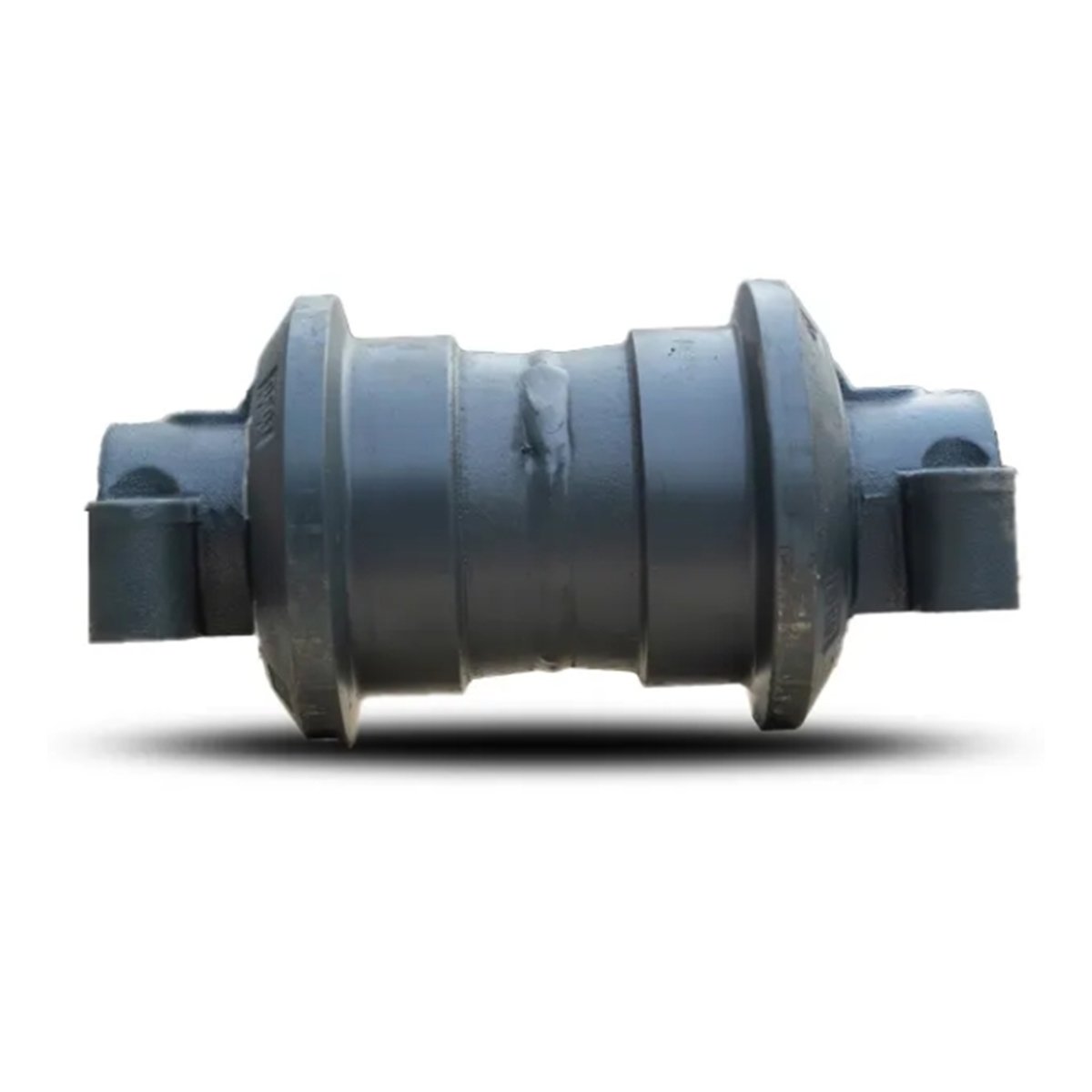
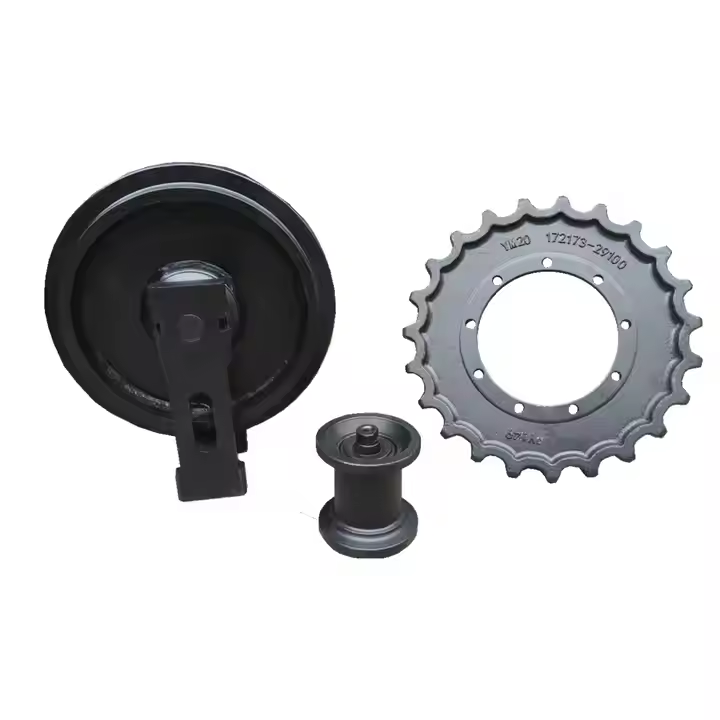
Undercarriage: This is one of the most expensive components to repair. Inspect the tracks (or wheels) for excessive wear, cracks, or missing links. Check the sprockets, rollers, and idlers for wear patterns and play. Track tension should be correct.
Hydraulic System: Look for any signs of oil leaks around the cylinders, pump, valve blocks, and hose connections. Check the hydraulic oil level and its condition; it should be clean, not milky or burnt-smelling. Operate all hydraulic functions to ensure they are smooth and powerful, with no jerky movements or unusual noises.
Structure and Frame: Inspect the main frame, boom, and arm for cracks, welds, or significant bends. Pay special attention to pivot points and stress areas.
Bucket and Linkage: Check the bucket for wear, especially on the cutting edge and teeth. Inspect the linkage pins and bushings for excessive wear or play.
Engine: Start the engine from cold. Listen for smooth starting, even idle, and no excessive smoke (a little blue smoke on startup might be normal for some older diesels, but persistent black or white smoke indicates issues). Check for oil leaks and inspect the coolant and engine oil for contamination.
4. Perform a Comprehensive Operational Test
A static inspection isn’t enough. You must operate the machine under load.
Test All Functions: Systematically test every control: boom swing, arm curl, bucket dump, and travel in both directions. The machine should respond crisply without lag.
Check for Drift: Lift the arm and boom off the ground and see if they slowly sag or drift downward over a few minutes. Significant drift indicates worn hydraulic cylinders or seals.
Listen and Feel: Pay attention to unusual vibrations, knocking sounds from the engine or hydraulics, and any hesitation in movement. The cab should be relatively quiet from major mechanical noises.
Test the Blade and Attachments: If equipped, use the blade to lift the machine. Operate any attachments you plan to use to ensure the auxiliary hydraulics function correctly.
5. Verify Maintenance History and Documentation
A well-documented service history is worth a premium. Ask for:
Service logs showing regular oil, filter, and fluid changes.
Records of major component repairs or replacements (e.g., hydraulic pump, track motor).
Proof of any dealer-performed inspections or refurbishments.
The machine’s hour meter reading. Compare this to the general wear you see. High hours with excellent maintenance can be better than low hours with neglect.
6. Understand the Total Cost of Ownership
The purchase price is just the beginning. Factor in:
Immediate Costs: Necessary repairs, new filters/fluids, replacing worn bucket teeth or cutting edges.
Transportation: Cost of delivering the machine to your site.
Ongoing Costs: Fuel, routine maintenance, insurance, and storage.
Future Repairs: Set aside a contingency budget for unexpected breakdowns. Simpler, more common models often have lower parts costs and greater mechanic familiarity.
7. Finalize the Purchase and Negotiate
Once you’ve found a suitable machine, use your inspection findings as leverage for negotiation. Point out any needed repairs or worn components to justify a lower price. Clarify the terms of sale:
Is a bill of sale provided?
Does the seller offer any short-term warranty or guarantee on major components?
What is the payment method?
Ensure there are no liens or outstanding finance on the equipment.
Choosing the best used mini excavator is a process that rewards patience, research, and careful inspection. By definitively understanding your project needs, thoroughly vetting the machine’s condition, verifying its history, and calculating the true long-term costs, you can make a confident investment. Partnering with established service providers like TongHao can further de-risk the process, giving you access to vetted equipment and professional support. The right used mini excavator will become a pivotal asset, delivering productivity and value on your job site for years to come.