








Industry News
How to Choose the Right Farm Excavator for Sale
Jun
For most independent farm operators, purchasing an excavator is one of the largest capital investments outside of core planting and harvesting equipment. A mismatched model not only wastes thousands of dollars in upfront costs, but can also miss critical narrow time windows for field preparation, irrigation maintenance, and infrastructure upgrades that directly impact annual yields. Many first-time buyers make the mistake of prioritizing low sticker price or maximum digging power over their unique on-farm needs, leading to underutilized units that sit idle for 90% of the year.
This step-by-step guide breaks down actionable, field-tested criteria to help you select an excavator that delivers maximum return on investment for your specific operation.
Start With Your Core Farm Operation Use Cases
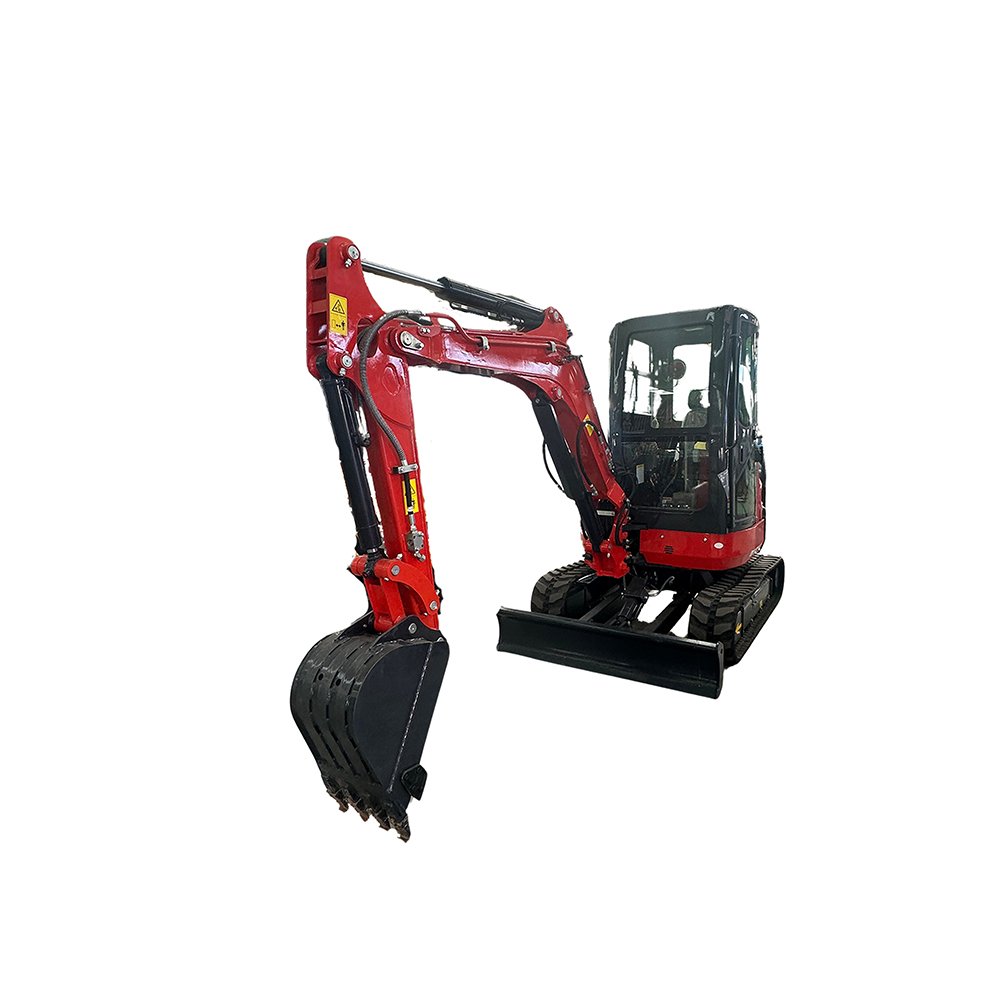
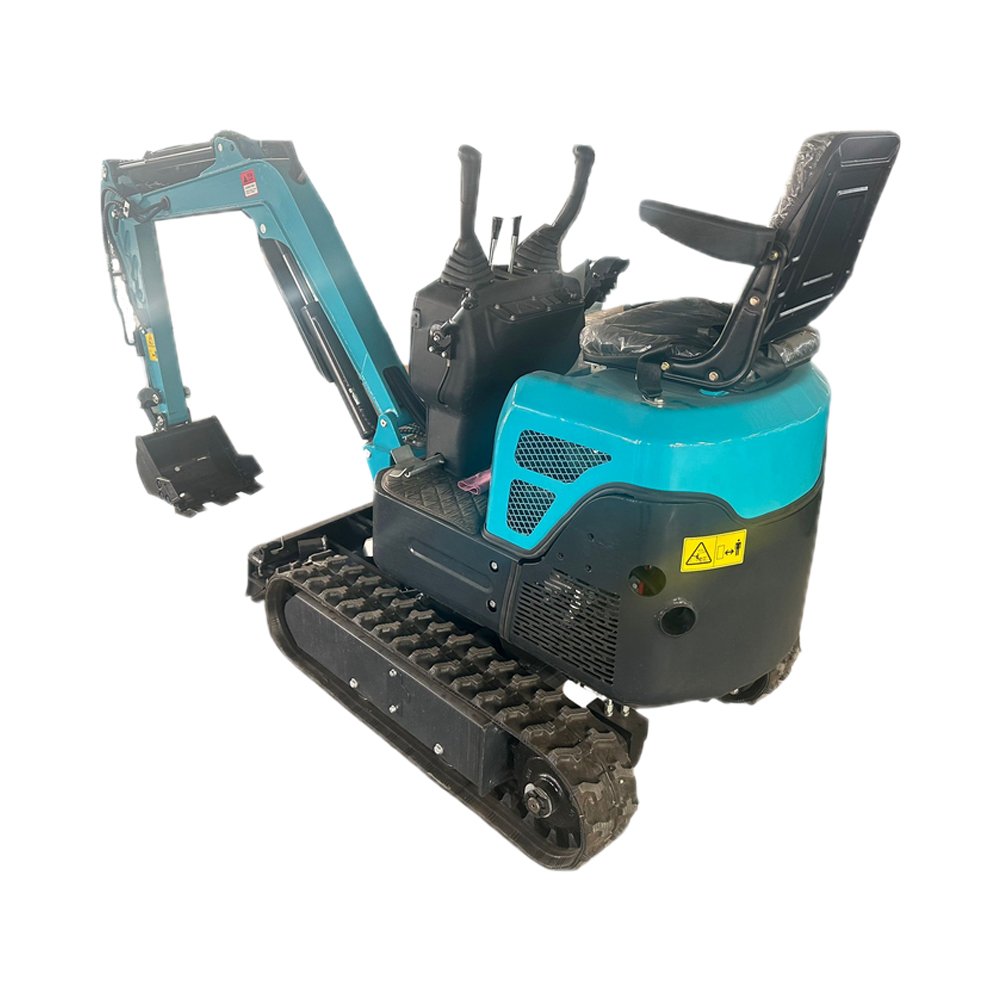
Before browsing any listings, list out every task you plan to complete with the excavator, and calculate estimated annual operating hours for each scenario. For 10 to 50 acre small-scale vegetable farms, core tasks usually include digging planting furrows, cleaning drainage ditches, moving stacked compost, and breaking up small compacted soil patches, which means a 1 to 3 ton mini excavator will cover 100% of your needs with zero extra wasted power.
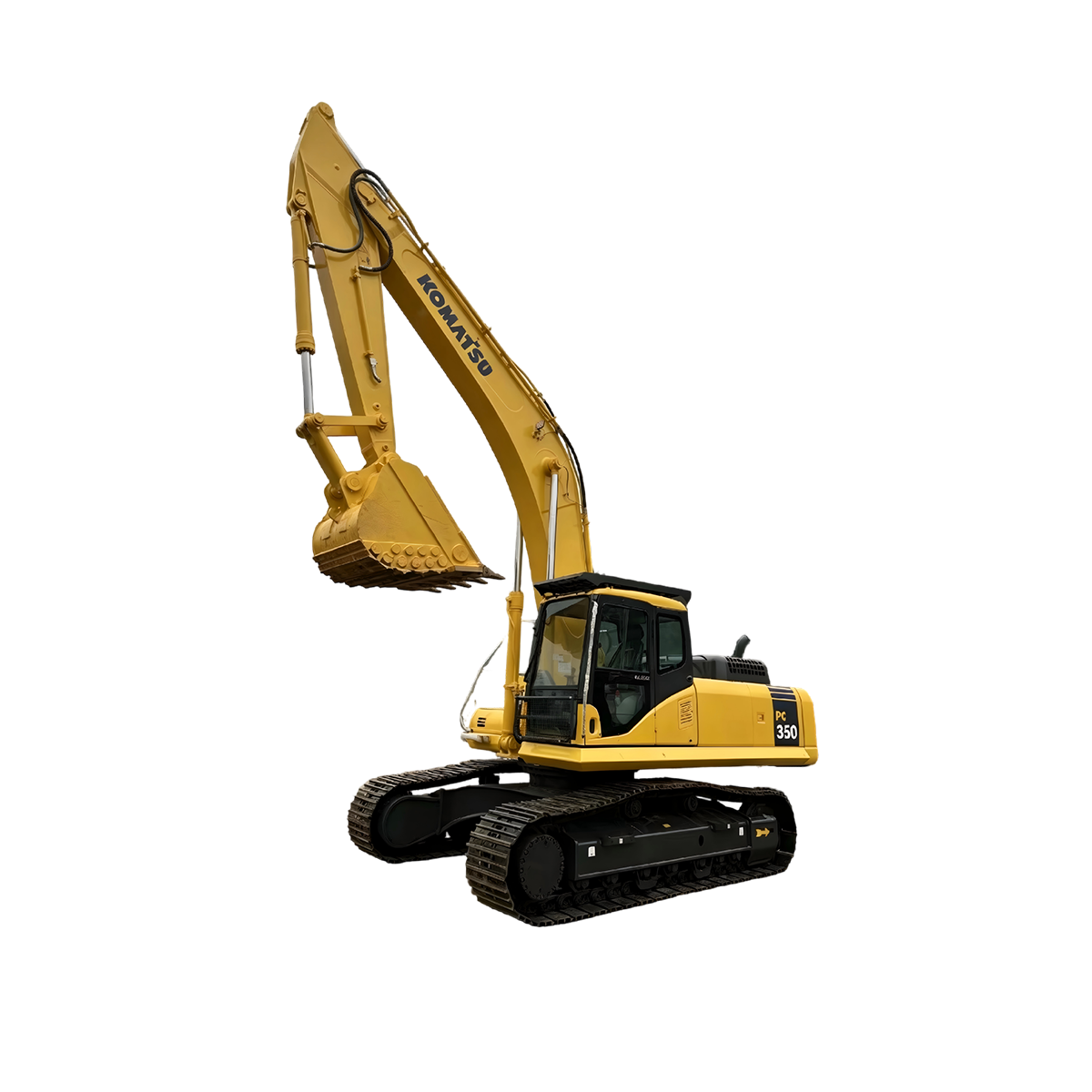
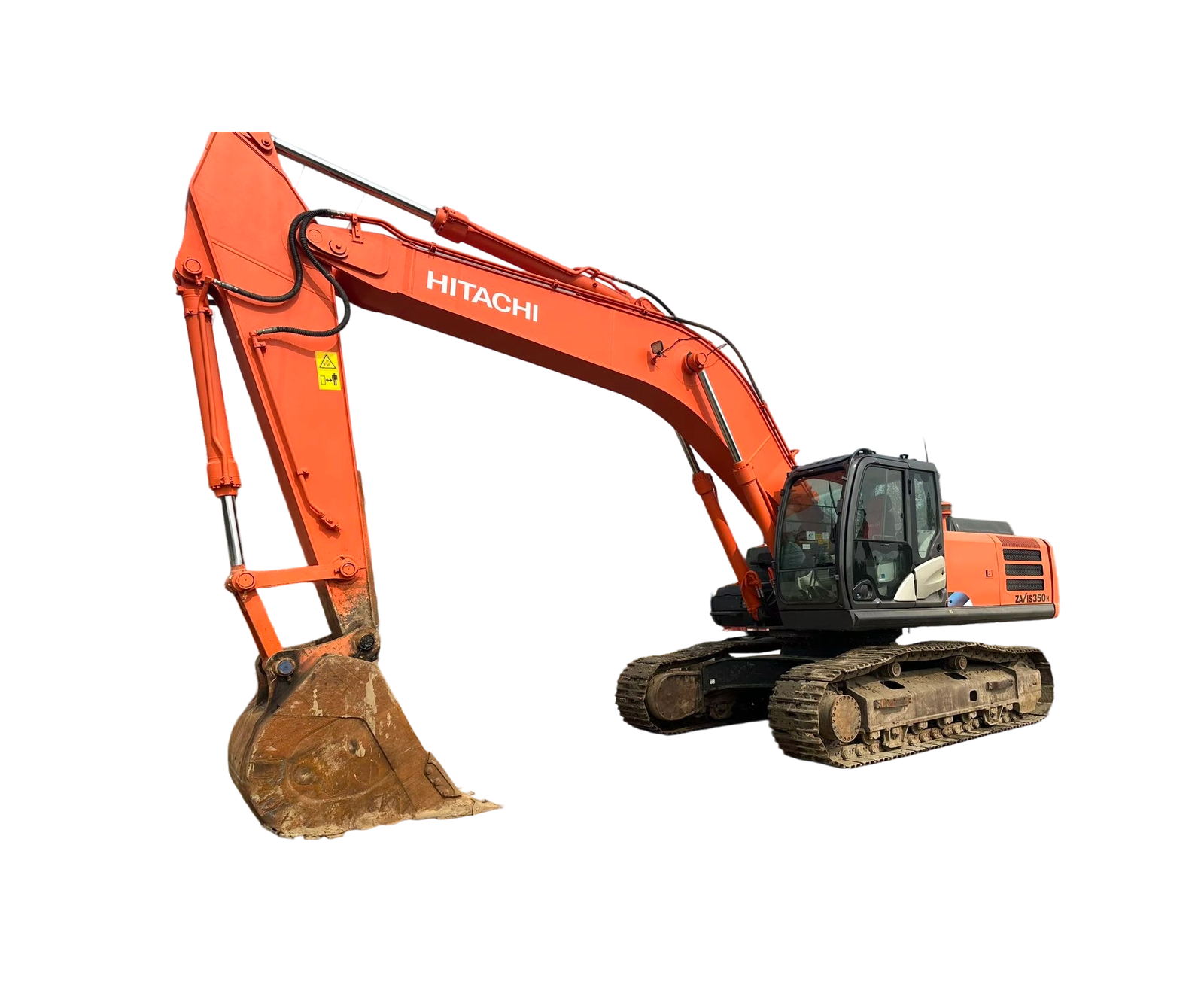
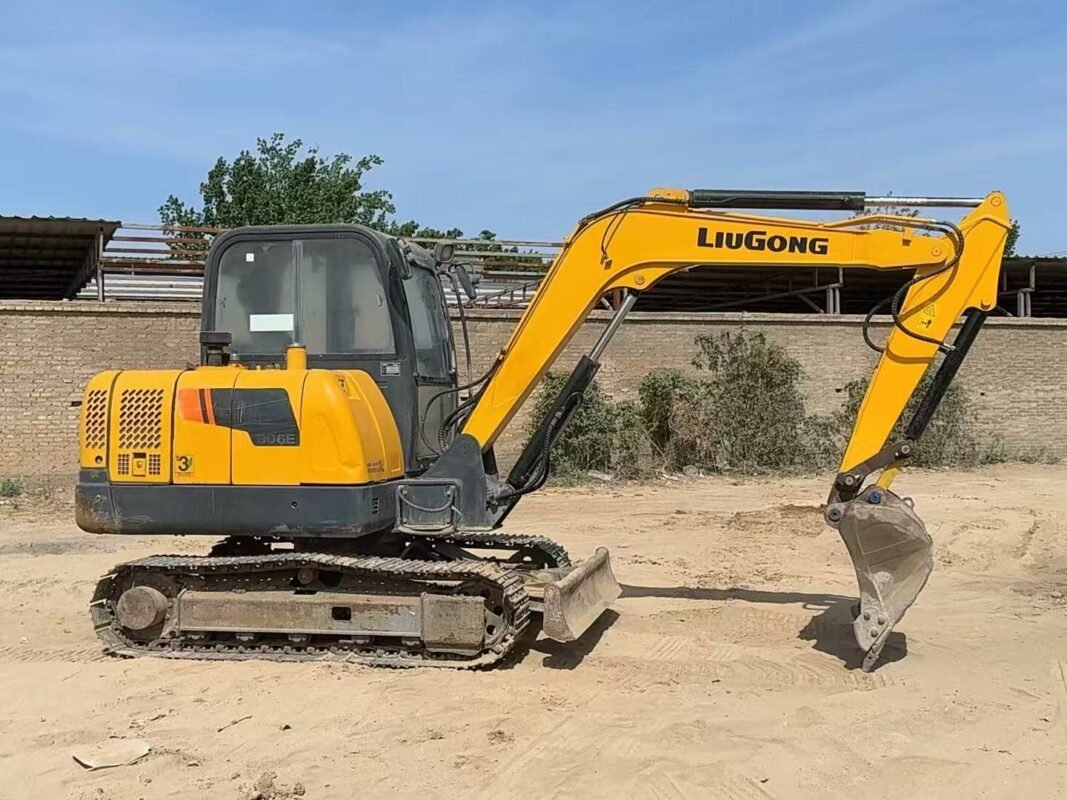
For 200+ acre livestock ranches or fruit orchards, common tasks include digging small water retention ponds, grading gravel pasture roads, removing uprooted trees after storms, and digging foundation trenches for new barns, so a 5 to 8 ton mid-size farm excavator is the more practical pick. Industry on-farm usage data shows that operators who select models strictly matched to their core use cases cut their equipment payback period by 42% on average, compared to those who overbuy larger units for hypothetical future tasks they rarely complete.
Evaluate Site Accessibility and Terrain Compatibility
Unlike construction excavators built for flat, open job sites, farm excavators need to navigate narrow rows between greenhouses, sloped orchard terraces, and soft muddy post-rain paddy fields that standard units cannot traverse. If your farm has high annual rainfall or large sections of clay-heavy wet soil, prioritize models with wide tread tracks that deliver ground pressure under 30kPa, to avoid getting stuck mid-operation and wasting hours of rescue labor.
For farms with 3-foot wide access paths between crop rows or polytunnel greenhouses, choose compact models with a total body width under 1 meter, so you can drive directly into enclosed growing areas without dismantling fence or tunnel structures. You also need to confirm the total unit weight fits the load limit of your existing farm trailer, to avoid unexpected extra costs for a heavy-duty commercial trailer that you would rarely use outside of moving the excavator between plots.
Verify Attachments Support for Multi-Scenario Farm Use
The biggest difference between a farm-specific excavator and a standard construction excavator is its adaptability to different agricultural attachments, which can turn a single digging unit into a multi-functional workhorse that replaces 3 to 4 separate small farm machines. Beyond the standard digging bucket, you will likely want to swap in a landscape rake to turn over pasture topsoil, an auger drill to install fence posts in minutes instead of full days of manual labor, a hydraulic breaker to smash old abandoned concrete foundations, and a grapple to lift heavy bales of straw or firewood.
Many low-cost generic excavators on the market use non-standard hydraulic interfaces that cannot fit universal agricultural attachments, forcing you to spend thousands of extra dollars on custom modifications or render the unit useless for 70% of your non-digging tasks. All farm excavators from THBSMN come with industry-standard quick-connect hydraulic ports out of the box, supporting direct installation of 20+ common agricultural attachments with no extra modification required, which lifts average annual equipment utilization from 28% to over 80% for most farm operators.
Factor in Long-Term Operating and After-Sales Costs
Focusing only on upfront sticker price is one of the most costly mistakes for farm equipment buyers. A seemingly cheap excavator with a high-fuel-consumption unoptimized engine can cost you twice as much in annual diesel costs, and if the supplier has no local after-sales support, you could wait 2 to 3 weeks for spare parts when the unit breaks down during peak planting season, resulting in lost harvest revenue that is 10 times larger than the money you saved on the initial purchase.
Prioritize suppliers that specialize in agricultural excavators instead of general construction equipment providers, as they understand the unique urgency of farm operation timelines and the logistical challenges of delivering services to remote rural properties. The full line of THBSMN farm excavators are tuned for low-load, long-duration agricultural work, delivering 27% lower fuel consumption than same-class general construction excavators, with 48-hour spare part delivery and on-site repair support for rural locations across most agricultural regions, cutting total 3-year ownership costs by around 31% compared to non-specialized alternative units.
Match Purchase Budget to Actual Usage Frequency
If your estimated annual operating hours for the excavator is under 100 hours, you do not need to purchase a top-of-the-line brand new unit, a high-quality well-maintained unit with low operating hours can deliver 95% of the performance you need at 40% lower cost. If you plan to use the excavator for more than 500 hours per year for continuous daily work, select a heavy-duty configuration with extended warranty coverage, to avoid unexpected repair costs during peak work seasons.
Whenever possible, arrange for a free on-site test run on your own farm land before finalizing any purchase, to confirm the unit can smoothly pass through your narrowest access points and delivers enough digging power for your heaviest regular tasks. If you are unsure which specific model fits your operation, the professional agricultural equipment specialists at THBSMN can provide a fully customized solution based on your farm size, core tasks, and budget, to help you avoid unnecessary hidden costs.