








Industry News
How to Choose the Right Small Wheel Loader for Your Project
Jun
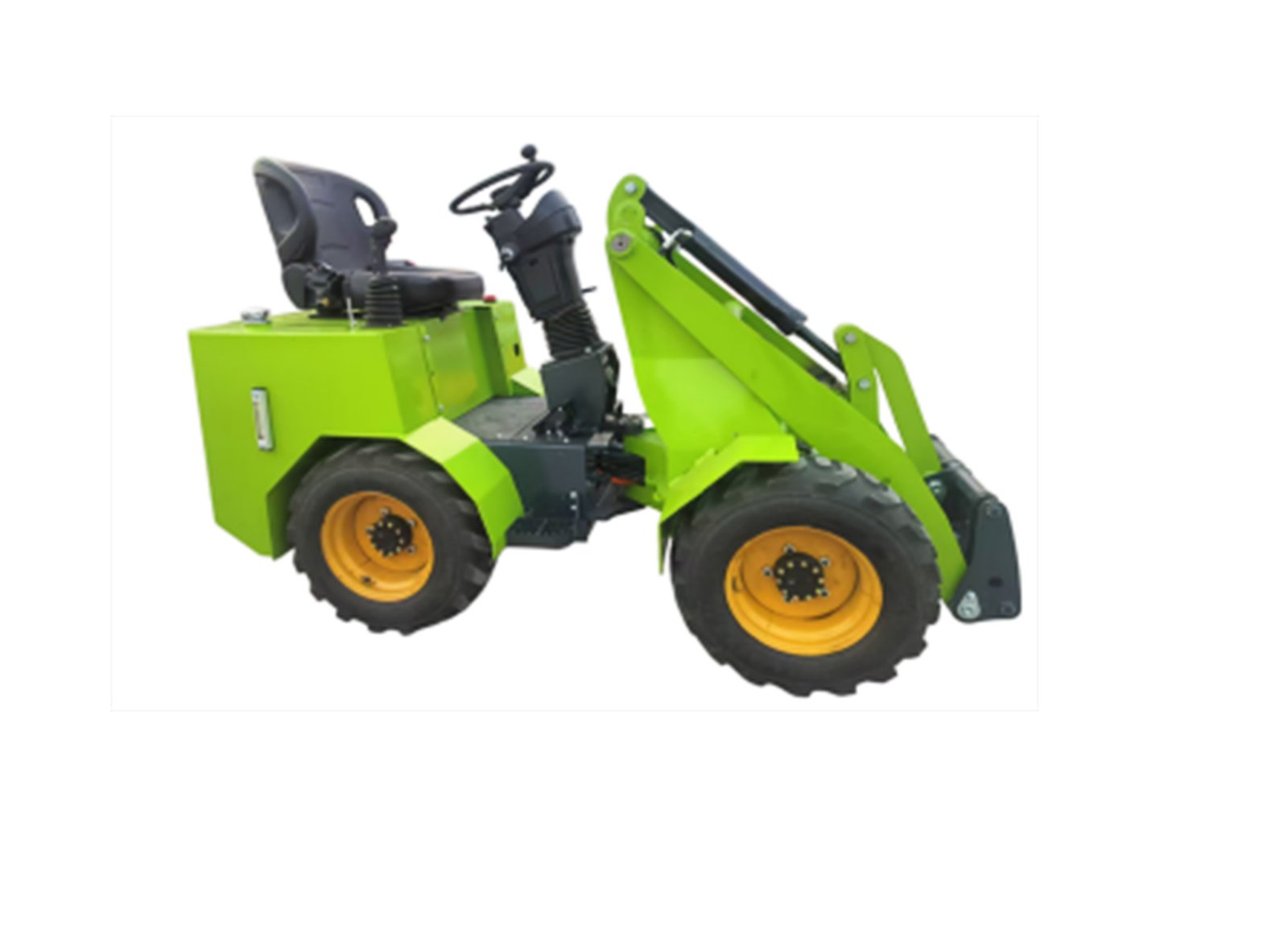
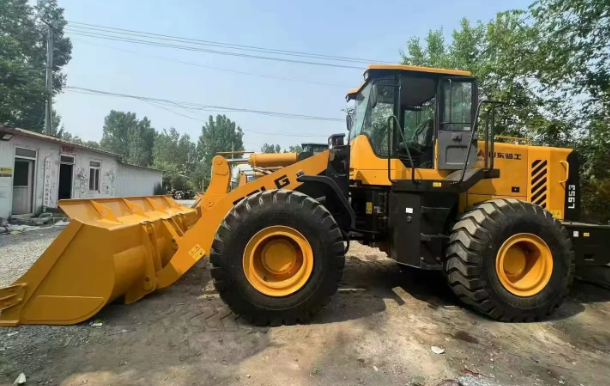
Small wheel loaders have become essential equipment for construction sites, farms, landscaping projects, municipal operations, warehouses, and material handling businesses. Their compact design, excellent maneuverability, and impressive lifting capacity make them ideal for projects where efficiency and flexibility matter most.
Whether you are moving soil, gravel, sand, pallets, feed, or construction materials, choosing the right small wheel loader can significantly improve productivity and reduce operating costs. However, with many models available on the market, selecting the most suitable machine requires a clear understanding of your project requirements.
By evaluating factors such as operating environment, lifting capacity, attachment compatibility, engine performance, and maintenance support, project managers and equipment buyers can make informed decisions that deliver long-term value.
Define Your Project Requirements Before Selecting a Machine
The first step in choosing a small wheel loader is understanding exactly how the machine will be used. Different projects require different capabilities, and identifying your primary tasks helps narrow down the best options.
For construction projects, a loader may be used for transporting aggregates, loading trucks, and site preparation. Agricultural operations often require moving feed, hay, fertilizer, and other farm materials. Landscaping companies may focus on transporting soil, mulch, stones, and plants in confined areas.
Project size also plays a critical role. A compact loader designed for narrow pathways may be perfect for residential work, while larger models may be more suitable for commercial construction sites with higher material volumes.
Assessing daily workload, material types, transportation requirements, and jobsite conditions provides a solid foundation for selecting the right machine.
Evaluate Operating Weight and Load Capacity
One of the most important factors when comparing small wheel loaders is load capacity. Choosing a machine that matches your lifting requirements helps maximize efficiency and safety.
Rated operating capacity determines how much material the loader can handle during normal operation. Buyers should consider the average weight of materials they plan to move and select a loader with adequate capacity to accommodate future project growth.
Operating weight also affects machine stability. Heavier machines generally provide enhanced stability when handling larger loads, while lighter models may offer better transportation convenience and reduced ground pressure.
Balancing load capacity with machine size ensures the equipment can perform efficiently without unnecessary operating expenses.
Consider Jobsite Space and Maneuverability
Many projects take place in areas with limited space, making maneuverability a key consideration. Small wheel loaders are specifically designed to work effectively in confined environments where larger equipment may struggle.
When evaluating a loader, pay close attention to turning radius, overall dimensions, wheelbase, and machine width. Compact dimensions allow operators to navigate narrow passages, storage yards, barns, warehouses, and urban construction sites with ease.
Articulated steering systems found on many small wheel loaders provide exceptional flexibility and precise handling. This feature can significantly improve productivity when working in tight spaces.
Choosing a machine that matches the physical constraints of your project site helps maximize operational efficiency.
Pay Attention to Engine Performance and Fuel Efficiency
Engine performance directly impacts productivity and operating costs. Modern small wheel loaders are equipped with efficient engines that deliver reliable power while maintaining excellent fuel economy.
When comparing models, evaluate horsepower, torque output, hydraulic performance, and fuel consumption. A well-balanced machine provides enough power to handle demanding tasks without excessive fuel usage.
Projects involving frequent loading cycles, uphill operation, or heavy materials may benefit from higher engine output and stronger hydraulic systems.
Fuel-efficient equipment not only lowers operational expenses but also supports sustainable construction and agricultural practices.
Assess Hydraulic System Capability
The hydraulic system serves as the working heart of a small wheel loader. Strong hydraulic performance enables faster lifting, smoother operation, and greater attachment versatility.
When reviewing specifications, consider hydraulic flow rate, lifting speed, breakout force, and control responsiveness. Efficient hydraulic systems improve loading performance and reduce cycle times.
For projects requiring multiple attachments, hydraulic capacity becomes even more important. Operators should ensure the machine can support various tools without compromising performance.
A well-designed hydraulic system contributes significantly to overall machine productivity and operator satisfaction.
Choose a Loader with Versatile Attachment Options
One of the greatest advantages of small wheel loaders is their ability to perform multiple tasks using different attachments. This versatility allows businesses to maximize equipment utilization throughout the year.
Common attachments include:
- General-purpose buckets
- Pallet forks
- Snow blades
- Grapples
- Sweepers
- Augers
- Bale handlers
- Material handling forks
Quick-coupler systems make attachment changes fast and efficient, reducing downtime between tasks.
Investing in a loader with broad attachment compatibility can transform a single machine into a multi-purpose equipment solution capable of supporting a wide range of applications.
Prioritize Operator Comfort and Visibility
Operator productivity often depends on comfort and ease of use. Modern small wheel loaders feature ergonomic cabins designed to improve working conditions during long shifts.
Important comfort features include adjustable seating, intuitive controls, climate systems, low noise levels, and spacious operator stations.
Visibility is equally important. Large windows, optimized cab design, and strategically positioned mirrors help operators maintain awareness of surrounding activities.
Comfortable operators tend to work more efficiently, resulting in higher productivity and improved project performance.
Review Maintenance Accessibility and Service Support
Equipment reliability is a major consideration when purchasing any machine. Easy maintenance access can significantly reduce service time and improve equipment availability.
Look for loaders with conveniently located service points, accessible engine compartments, and simplified maintenance procedures. Regular inspections and servicing become more efficient when key components are easy to reach.
Strong dealer networks and dependable parts availability also contribute to long-term equipment value. Reliable service support helps ensure the machine remains productive throughout its operating life.
A loader backed by comprehensive service resources often delivers greater ownership satisfaction and lower lifecycle costs.
Consider Transportation and Storage Requirements
Transportation logistics should not be overlooked when selecting a small wheel loader. Depending on project locations, the machine may need to be moved frequently between jobsites.
Evaluate machine dimensions, weight, and trailer compatibility before making a purchase decision. Compact loaders are often easier and more economical to transport.
Storage requirements also influence equipment selection. Businesses with limited storage space may benefit from compact designs that fit comfortably within existing facilities.
Understanding transportation and storage needs helps optimize equipment management and operational flexibility.
Calculate Long-Term Value Rather Than Initial Cost Alone
While purchase price is an important factor, focusing solely on initial cost may overlook significant long-term benefits. The best small wheel loader is often the one that delivers the highest overall value throughout its service life.
Factors that influence long-term value include:
- Fuel efficiency
- Productivity
- Durability
- Maintenance costs
- Attachment versatility
- Operator comfort
- Resale value
A machine that improves efficiency and supports multiple applications can generate substantial returns over time.
Evaluating total ownership value helps businesses make smarter equipment investments that support sustainable growth.
Making a Confident Small Wheel Loader Investment
Choosing the right small wheel loader requires careful evaluation of project requirements, machine capabilities, operating environment, and long-term business objectives. By focusing on load capacity, maneuverability, hydraulic performance, attachment compatibility, operator comfort, and maintenance support, buyers can identify equipment that aligns with their specific needs.
A properly selected small wheel loader becomes more than just a piece of machinery. It becomes a versatile productivity tool that supports efficient material handling, improves workflow, and contributes to project success across multiple industries.
Investing time in the selection process ensures that your chosen loader delivers reliable performance, excellent efficiency, and lasting value for years to come.