








Industry News
How to Use a Backhoe for Beginners Step by Step
May
Backhoes are among the most versatile machines used in construction, landscaping, agriculture, and property maintenance. For beginners, learning how to operate a backhoe correctly can improve productivity, increase job site efficiency, and support safer equipment handling. Whether you are preparing land, digging trenches, moving materials, or completing small construction projects, understanding the basics of backhoe operation is an essential skill.
Modern backhoes combine power, flexibility, and precision, making them suitable for both professional contractors and first time operators. With the right preparation and step by step guidance, beginners can quickly become more comfortable using this valuable piece of heavy equipment.
This guide explains how to use a backhoe step by step, covering machine preparation, basic controls, digging techniques, safety practices, and maintenance tips.
Understanding the Main Parts of a Backhoe
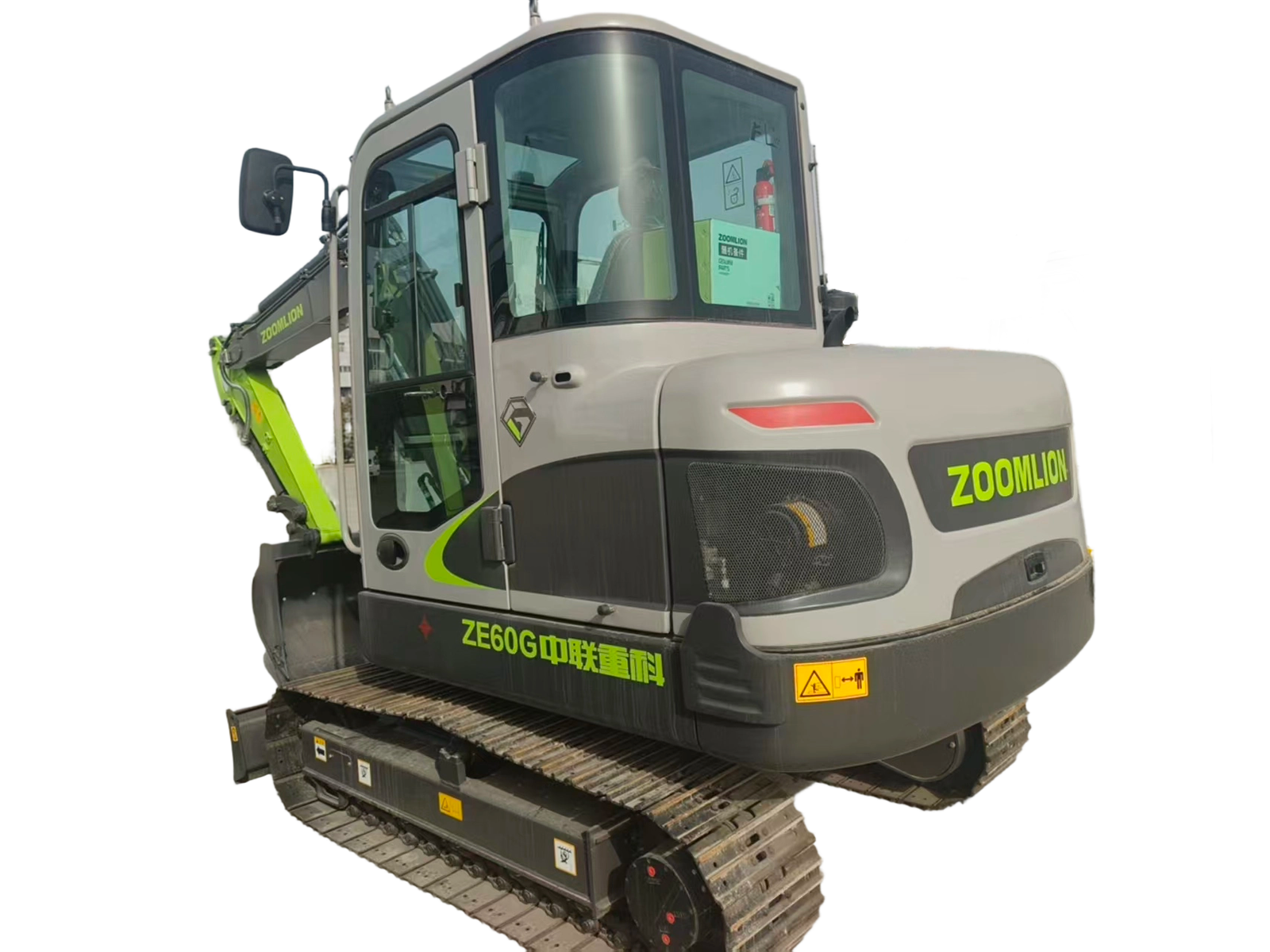
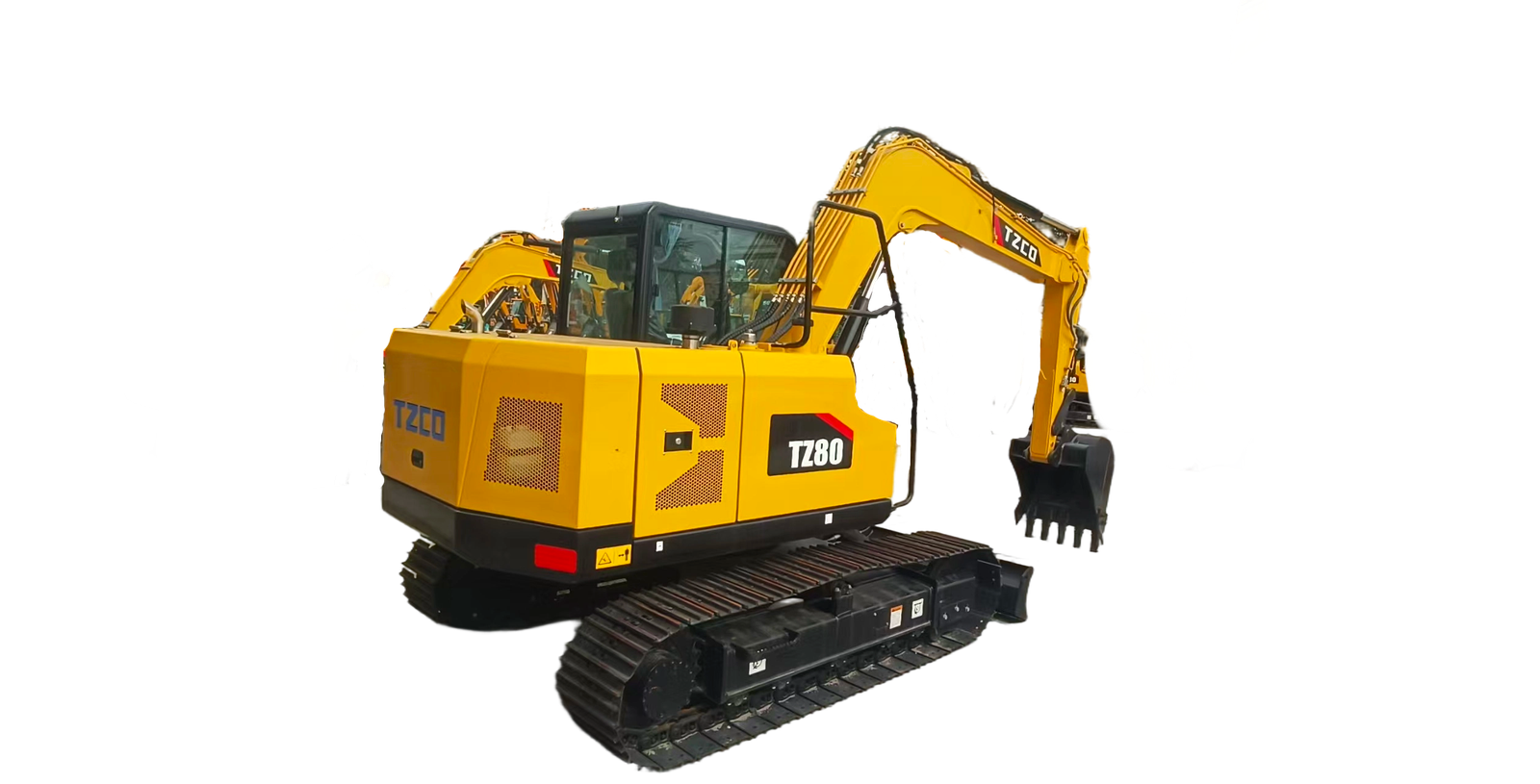
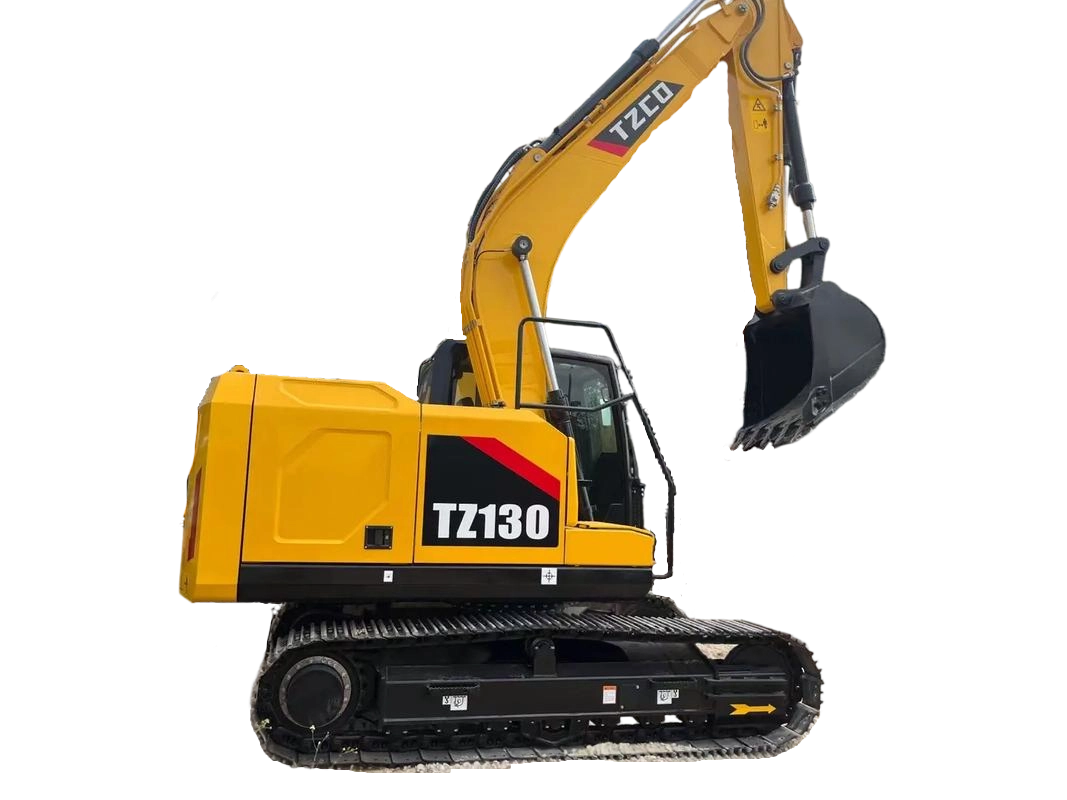
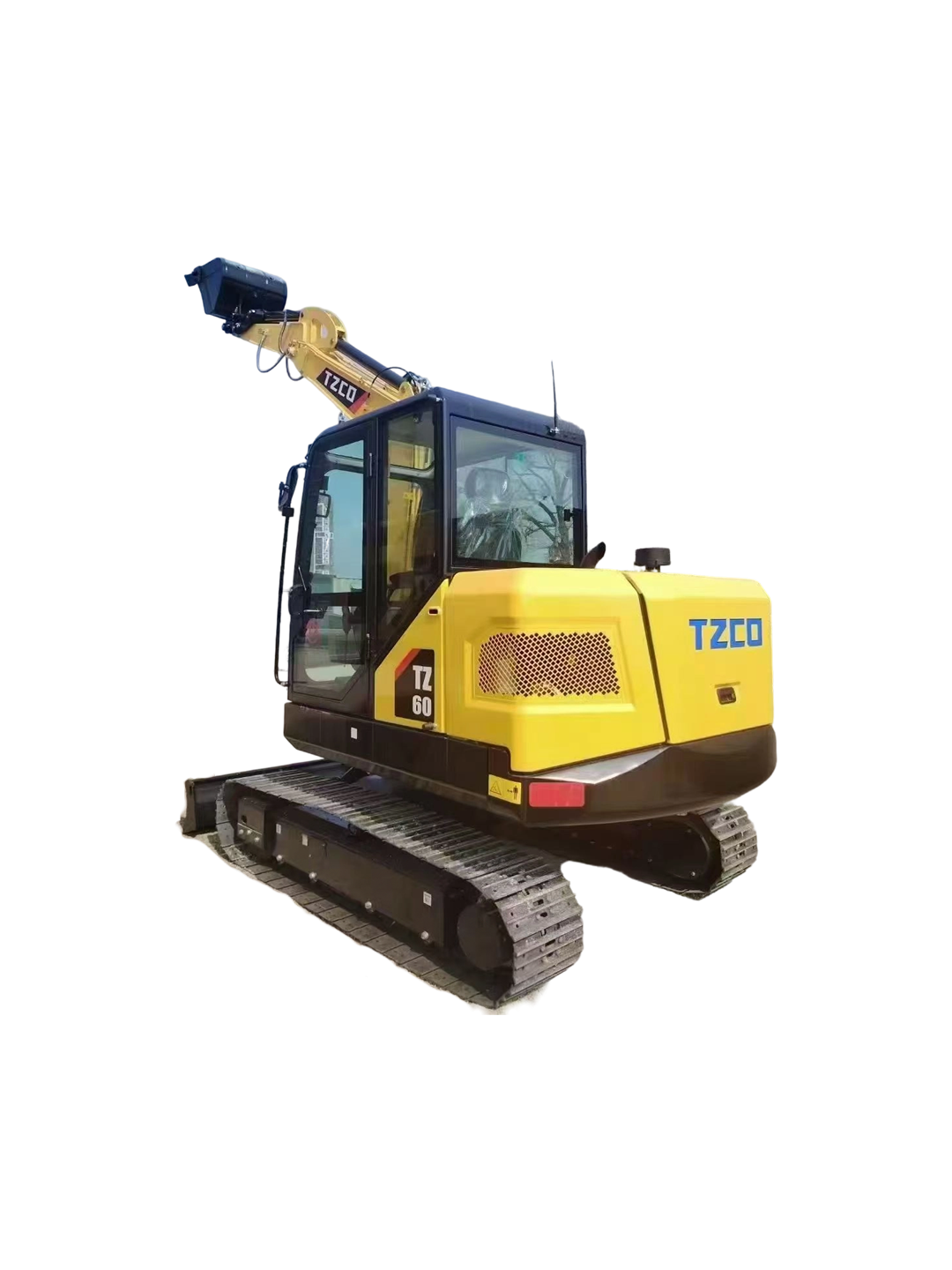
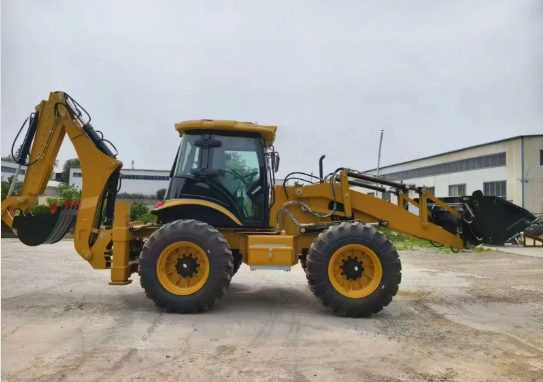
Before operating a backhoe, it is important to understand the main machine components and their functions. A backhoe typically includes three primary sections:
- The front loader
- The operator cabin
- The rear backhoe arm
The front loader is used for moving dirt, gravel, sand, and other materials. The rear arm is designed for digging trenches, holes, and foundations. Inside the operator cabin, the controls allow the operator to move the machine and manage hydraulic functions.
Key backhoe parts include:
- Boom
- Dipper arm
- Bucket
- Stabilizers
- Hydraulic system
- Tires or tracks
- Engine compartment
Understanding these components helps beginners operate the machine more confidently and efficiently.
Perform a Pre Operation Inspection
A proper inspection before operation helps ensure the machine performs correctly and supports a productive work environment. Experienced operators always inspect the backhoe before starting work.
Key inspection steps include:
- Checking engine oil levels
- Inspecting hydraulic fluid
- Looking for leaks or damage
- Verifying tire or track condition
- Testing lights and warning systems
- Checking fuel levels
- Inspecting bucket attachments
Clean windows and mirrors also improve visibility during operation. Reviewing the operator manual can help beginners become familiar with machine specific controls and features.
Regular inspections support equipment longevity and improve overall machine performance.
Learn the Basic Controls
Understanding the controls is one of the most important steps for beginners. Modern backhoes may have slightly different control layouts, but most machines use similar operating systems.
Basic controls usually include:
- Steering wheel
- Loader control joystick
- Backhoe control levers
- Brake pedals
- Throttle control
- Stabilizer controls
- Gear selector
The left and right joysticks typically control the boom, dipper arm, bucket movement, and swing direction.
Many beginners benefit from practicing slow movements before starting actual digging tasks. Smooth and controlled operation improves precision and helps reduce unnecessary machine wear.
Start the Backhoe Properly
Starting a backhoe correctly helps protect the engine and hydraulic systems.
Follow these general steps:
- Enter the cabin using proper handholds
- Fasten the seat belt
- Adjust mirrors and seating position
- Insert the key or activate the ignition system
- Allow the engine to warm up
- Check dashboard indicators
- Test the hydraulic controls slowly
Allowing the engine to warm up for a few minutes helps hydraulic systems reach proper operating conditions.
Beginners should always start with low speed movements while becoming familiar with machine response.
Position the Machine for Digging
Correct positioning improves digging accuracy and machine stability. Before digging, move the backhoe into a level and stable area whenever possible.
Important positioning steps include:
- Lower the stabilizers
- Ensure the machine is balanced
- Position the rear arm over the digging area
- Keep the work area clear
Stabilizers play a major role in maintaining balance during excavation. Lowering them properly helps reduce machine movement and supports smoother digging operations.
Good positioning also improves fuel efficiency and operator comfort.
Step by Step Digging Process
Learning the proper digging sequence is essential for efficient backhoe operation.
Step 1: Lower the Bucket
Use the controls to extend the boom and lower the bucket toward the ground.
Step 2: Extend the Dipper Arm
Move the dipper arm outward to reach the desired digging location.
Step 3: Curl the Bucket
Curl the bucket inward to scoop soil or material into the bucket.
Step 4: Lift the Load
Raise the boom slowly while keeping the bucket balanced.
Step 5: Swing the Arm
Rotate the backhoe arm toward the dumping area.
Step 6: Dump the Material
Open the bucket carefully to release the material into a pile, truck, or designated location.
Step 7: Repeat the Process
Continue repeating the digging cycle until the trench, hole, or excavation area reaches the desired depth.
Practicing smooth hydraulic movements helps improve efficiency and accuracy over time.
Using the Front Loader Effectively
The front loader is useful for transporting materials, leveling surfaces, and cleaning job sites.
Common front loader tasks include:
- Moving gravel
- Carrying soil
- Leveling dirt
- Loading trucks
- Clearing debris
To use the front loader effectively:
- Keep loads balanced
- Avoid overloading the bucket
- Drive slowly with raised loads
- Lower the bucket when traveling
Proper loader operation improves machine stability and helps increase productivity.
Safety Tips for Beginner Operators
Safety is a top priority when operating heavy equipment. Beginners should focus on developing safe habits from the start.
Important safety practices include:
- Wearing proper safety gear
- Keeping bystanders away from the work area
- Using seat belts
- Operating on stable ground
- Watching overhead obstacles
- Avoiding sudden movements
- Following machine load limits
Operators should also remain aware of underground utilities before digging. Marking utility lines helps prevent accidental damage during excavation.
Maintaining a clean and organized work area also supports safer operations.
Practice Improves Backhoe Skills
Like any heavy equipment, operating a backhoe becomes easier with regular practice. Beginners often improve quickly by starting with small projects and simple digging tasks.
Good beginner practice activities include:
- Digging shallow trenches
- Moving loose soil
- Practicing bucket control
- Learning smooth swing movements
- Operating on open ground
As operators gain confidence, they can begin handling more advanced excavation tasks with improved precision and efficiency.
Patience and consistent practice are key to developing strong backhoe operating skills.
Basic Backhoe Maintenance Tips
Regular maintenance helps improve machine performance and supports long term reliability.
Important maintenance practices include:
- Checking fluids daily
- Cleaning the machine after use
- Greasing moving parts
- Inspecting hydraulic hoses
- Monitoring tire pressure
- Replacing worn bucket teeth
- Following service schedules
A well maintained backhoe operates more efficiently and reduces unexpected downtime.
Many operators also keep maintenance logs to track inspections and service intervals.
Choosing the Right Backhoe for Your Projects
Different backhoe models are designed for different applications. Choosing the right machine depends on project size, terrain, and workload requirements.
Factors to consider include:
- Digging depth
- Engine power
- Bucket size
- Hydraulic performance
- Machine weight
- Transport requirements
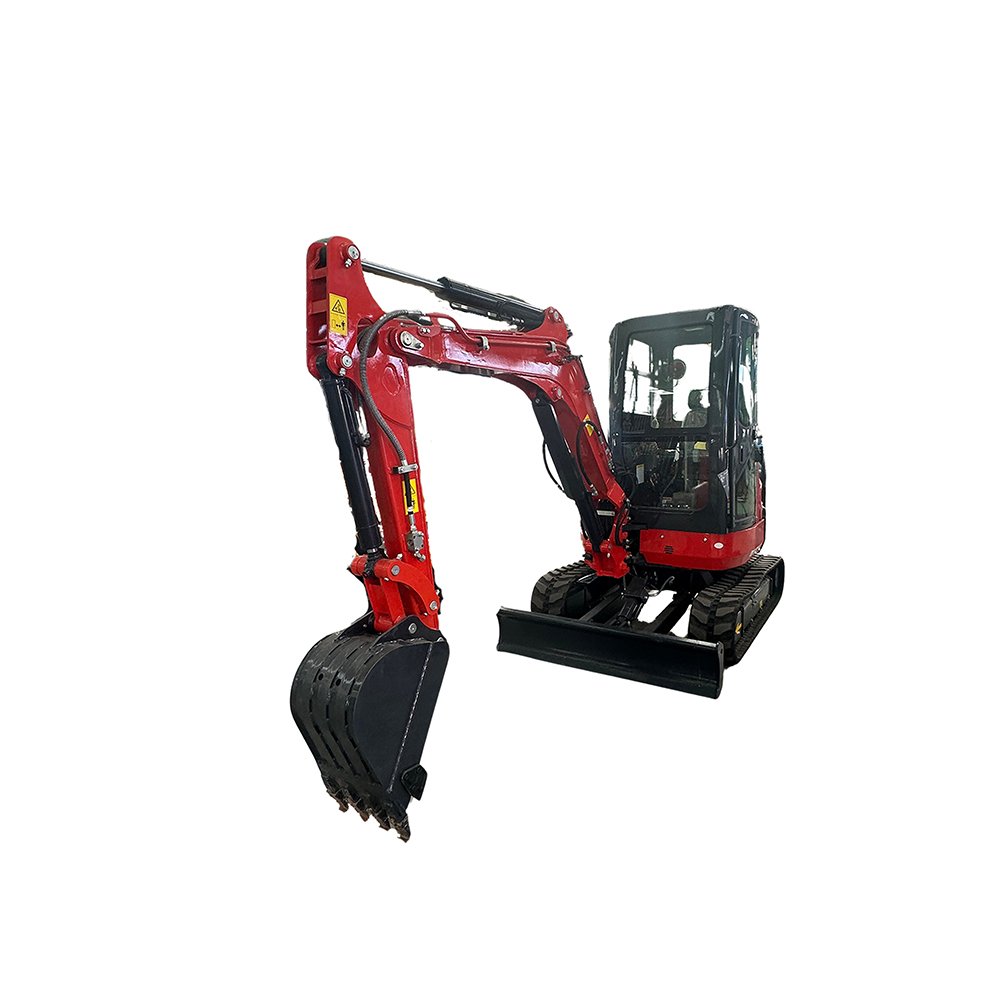
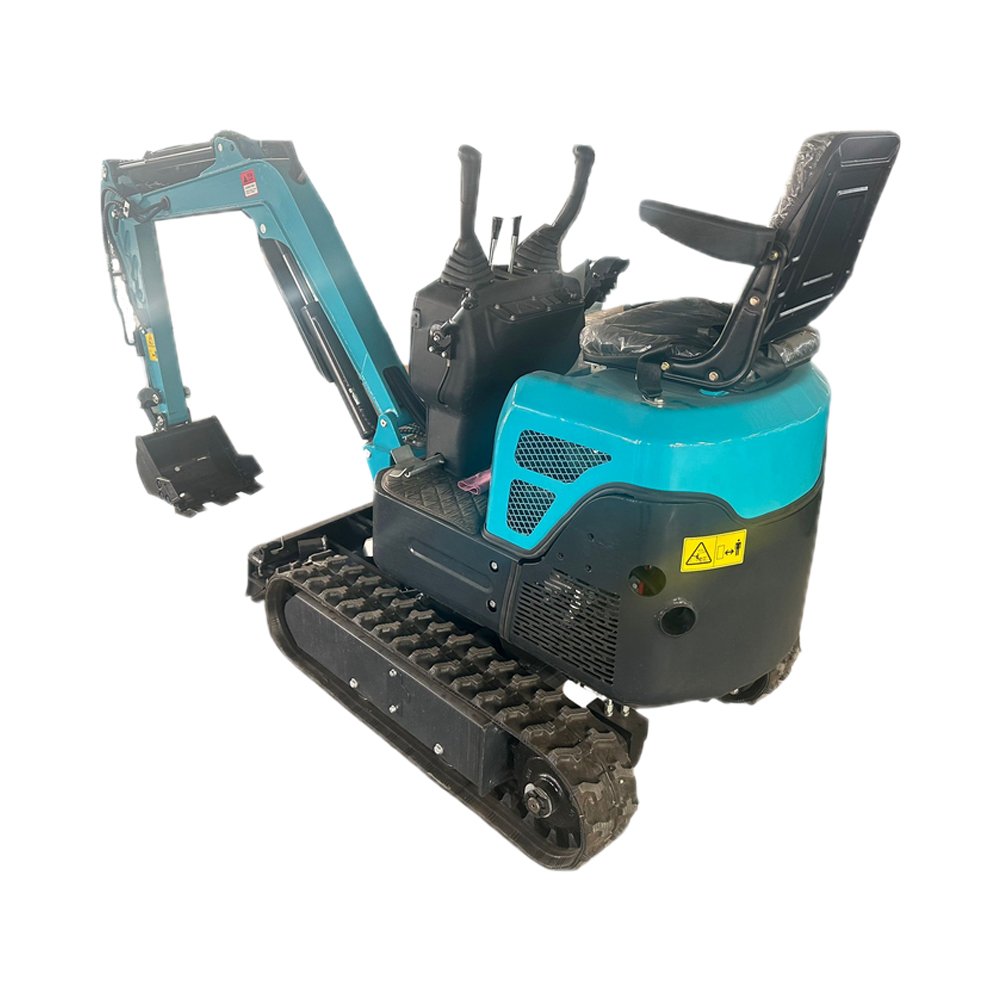
Compact backhoes are ideal for smaller residential projects, while larger models support heavy duty construction work.
Selecting the correct equipment improves productivity and helps operators complete projects more efficiently.
Learning how to use a backhoe step by step helps beginners build confidence and develop valuable equipment operating skills. Understanding machine controls, practicing safe operation, and following proper digging techniques all contribute to successful backhoe use.
Modern backhoes provide excellent versatility for construction, landscaping, farming, and property maintenance projects. With regular practice and proper maintenance, beginners can quickly improve their efficiency and precision while operating heavy equipment.
As experience grows, operators become more comfortable handling a wider range of tasks and working environments. A strong foundation in backhoe operation supports long term productivity, safety, and project success.