








Industry News
How to Use a Backhoe to Dig a Trench
May
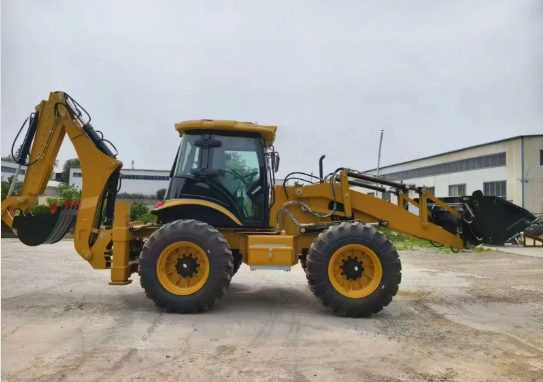
Backhoes are among the most versatile pieces of construction equipment used in excavation, landscaping, utility installation, and agricultural projects. Their ability to dig efficiently and handle different soil conditions makes them an excellent choice for trenching work. Whether preparing for drainage systems, utility lines, irrigation projects, or foundation work, understanding how to properly use a backhoe to dig a trench can improve productivity, safety, and precision. By following the correct operating techniques and maintenance practices, operators can achieve clean, consistent trenches while maximizing machine performance.
Understanding the Purpose of Trenching
Trenching is a common excavation process used to create narrow channels in the ground for pipes, cables, drainage systems, and foundations. Different projects require different trench depths and widths depending on the application.
Construction companies often use trenches for water lines, electrical systems, and underground communication networks. Agricultural projects may require trenching for irrigation or drainage improvements. Landscaping professionals also use trenches for edging systems and outdoor utility installations.
Using a backhoe for trenching offers flexibility and precision, especially on job sites where maneuverability is important.
Why a Backhoe Is Ideal for Digging Trenches
A backhoe combines excavation power with compact mobility, making it highly effective for trenching applications.
Excellent Maneuverability
Backhoes can operate in tighter spaces compared to larger excavators. This makes them useful for residential projects, road work, and small construction sites.
Versatile Attachment Options
Many backhoes support different bucket sizes and attachments. Operators can select narrow buckets for utility trenches or wider buckets for drainage applications.
Efficient Digging Performance
The hydraulic system of a backhoe delivers strong digging force that allows efficient excavation through various soil conditions. Proper machine setup helps maintain stable and accurate trench lines.
Multi Purpose Functionality
In addition to trenching, a backhoe can load materials, level surfaces, and assist with cleanup operations. This versatility improves overall project efficiency.
Preparing the Job Site Before Digging
Preparation is essential for safe and efficient trenching operations.
Inspect the Work Area
Before digging begins, operators should carefully inspect the job site. Identify underground utilities, obstacles, and potential hazards.
Many regions require contacting local utility location services before excavation starts. Marking underground cables, gas lines, and water pipes helps prevent accidental damage.
Plan the Trench Layout
Use stakes, paint, or string lines to mark the trench path. Clear planning helps maintain straight trench alignment and consistent depth.
Measurements should match project specifications to avoid unnecessary excavation adjustments.
Evaluate Soil Conditions
Different soil types affect trenching performance. Loose sand, clay, gravel, and rocky ground may require different digging techniques.
Wet or unstable soil may also require additional support or slower excavation speeds.
Conducting a Pre Operation Backhoe Inspection
Inspecting the machine before operation helps improve safety and reduce downtime.
Operators should check:
• Hydraulic fluid levels
• Engine oil and coolant
• Tire or stabilizer condition
• Bucket attachment security
• Warning lights and controls
• Fuel levels
Regular inspections help identify potential issues before trenching operations begin.
Positioning the Backhoe for Trenching
Proper machine positioning improves digging accuracy and stability.
Place the Machine on Stable Ground
Position the backhoe on firm, level terrain whenever possible. Stable positioning reduces unnecessary movement during excavation.
Lower the Stabilizers
Backhoe stabilizers provide additional balance while digging. Lowering the stabilizers helps minimize vibration and improves control.
Align the Boom With the Trench Path
The boom and bucket should align directly with the trench layout. Correct alignment helps operators maintain straight excavation lines.
Step by Step Guide to Digging a Trench With a Backhoe
Start With a Shallow Pass
Begin trenching with a shallow cut to establish the trench path. This initial pass helps confirm alignment and prevents major corrections later.
Use Smooth Hydraulic Movements
Operate the controls gradually and smoothly. Controlled hydraulic movements improve digging precision and reduce unnecessary soil disturbance.
Dig Consistent Sections
Remove soil in even sections while maintaining the desired trench width and depth. Repeatedly check measurements during excavation.
Place Excavated Material Strategically
Spoil piles should be placed safely away from the trench edge. This improves site safety and reduces the risk of soil collapse into the trench.
Continue Advancing Along the Layout
As excavation progresses, reposition the backhoe carefully to maintain alignment. Avoid overextending the boom, as this can reduce digging efficiency.
Maintaining Accurate Trench Depth and Width
Consistent trench dimensions are important for utility installation and drainage performance.
Operators can use measuring tools, grade rods, or laser systems to verify trench depth. Periodic checks help maintain accuracy throughout the project.
Selecting the correct bucket width also improves trench consistency and minimizes unnecessary excavation.
Safety Tips When Digging Trenches
Safe operation is critical during trenching work.
Wear Proper Safety Equipment
Operators should wear protective equipment such as helmets, gloves, safety boots, and visibility clothing.
Keep Bystanders Away From the Excavation Area
Restrict access around active trenching operations to improve overall site safety.
Monitor Soil Stability
Watch for signs of unstable trench walls, especially in loose or wet soil conditions.
Avoid Operating Near Overhead Hazards
Be aware of nearby structures, trees, and overhead utility lines during machine operation.
Common Applications for Backhoe Trenching
Backhoes are widely used across multiple industries for trench excavation.
Utility Installation
Trenches are commonly used for underground electrical lines, communication cables, and water systems.
Drainage Systems
Construction and landscaping projects often require trenches for stormwater management and drainage pipe installation.
Irrigation Projects
Agricultural operations use trenching for irrigation pipelines and water distribution systems.
Foundation Preparation
Construction sites may use trenches for footing installation and structural support systems.
Improving Trenching Efficiency
Efficient trenching reduces labor costs and project completion time.
Use the Correct Bucket Size
Matching the bucket width to the project requirements minimizes unnecessary soil removal.
Maintain Sharp Bucket Teeth
Sharp bucket teeth improve digging performance and reduce stress on the hydraulic system.
Plan Machine Movement Carefully
Reducing unnecessary repositioning saves fuel and increases operational efficiency.
Train Operators Properly
Experienced operators can maintain smoother trench lines and complete projects more efficiently.
Backhoe Maintenance After Trenching Work
Post operation maintenance helps extend equipment lifespan and maintain reliable performance.
Operators should clean dirt and debris from the bucket, boom, and hydraulic components after use.
Routine maintenance may include:
• Inspecting hydraulic hoses
• Checking fluid levels
• Greasing moving joints
• Examining bucket wear
• Cleaning air filters
Consistent maintenance helps prevent unexpected downtime and supports long term machine reliability.
Future Trends in Backhoe Trenching Technology
Construction equipment technology continues evolving to improve productivity and operational precision.
Modern backhoes increasingly include advanced hydraulic systems, GPS guidance, digital monitoring tools, and fuel efficient engines.
Some equipment manufacturers are also integrating semi automated excavation systems that help improve trench accuracy and reduce operator fatigue.
As construction projects become more advanced, trenching equipment will continue supporting safer and more efficient excavation practices.
Learning how to use a backhoe to dig a trench effectively can improve project efficiency, precision, and safety. Proper planning, careful machine operation, and consistent maintenance all contribute to successful trench excavation.
From utility installation to agricultural drainage systems, backhoes remain one of the most practical and versatile machines for trenching applications. By following professional excavation practices and maintaining strong safety standards, operators can achieve reliable results across a wide range of projects.