








Industry News
How to Use a Mini Excavator for Landscaping Work
May
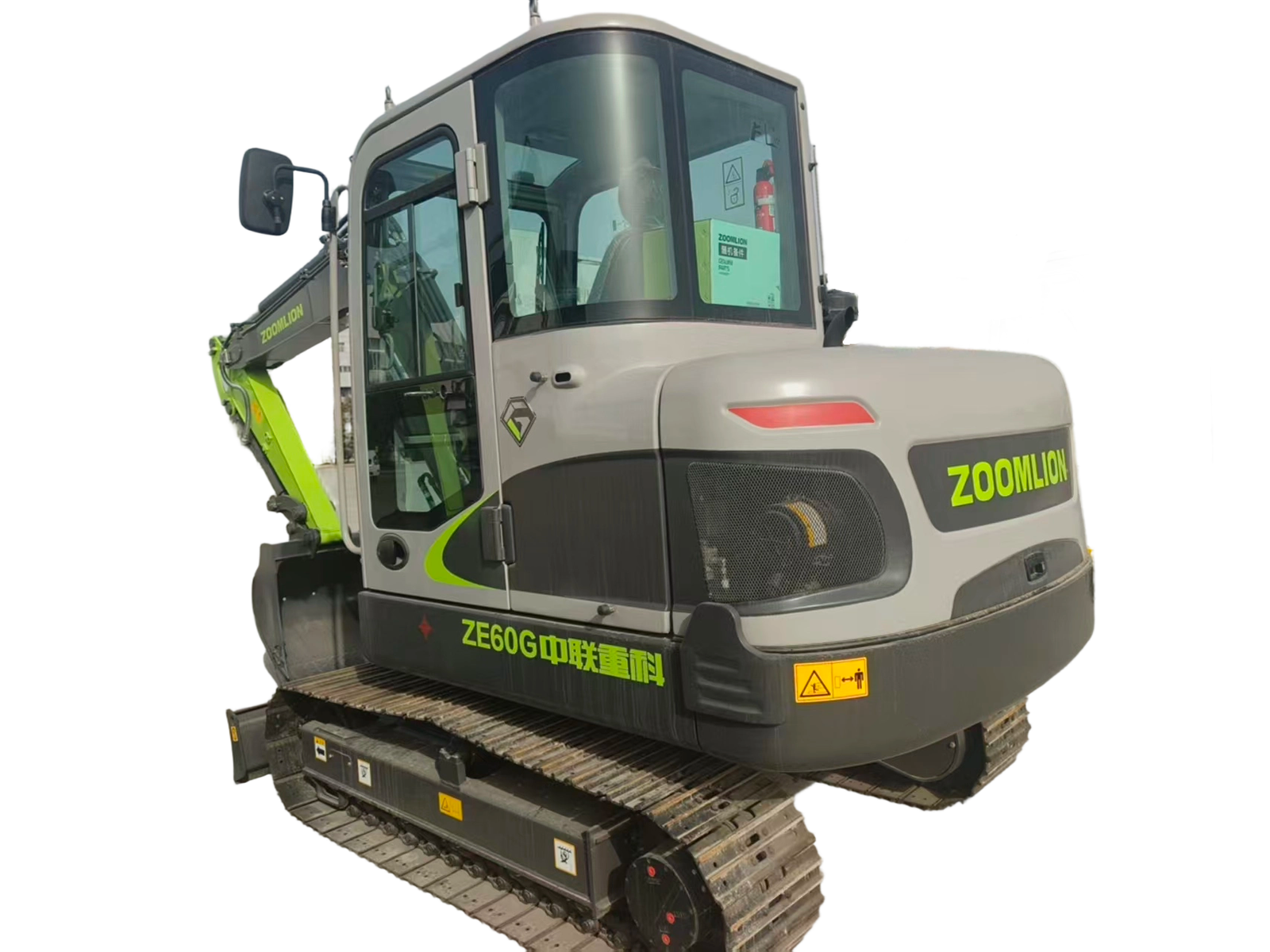
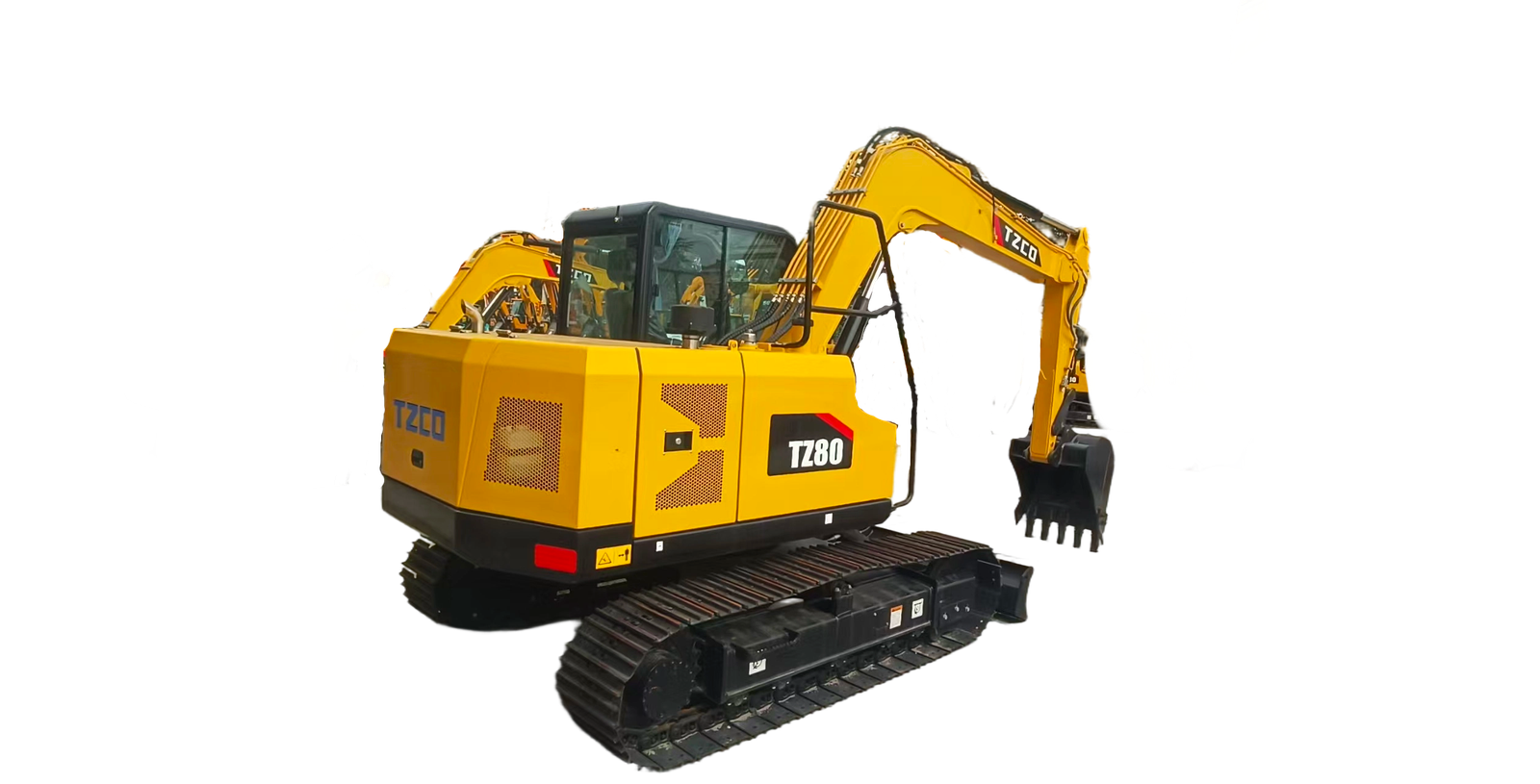
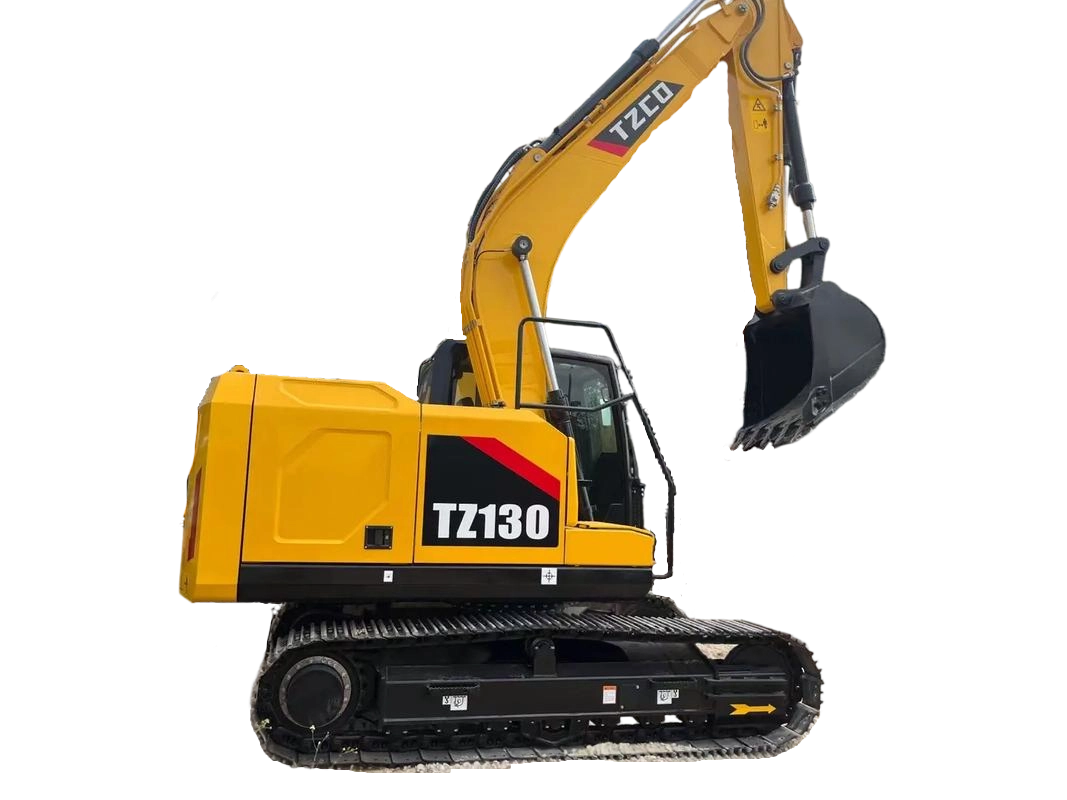
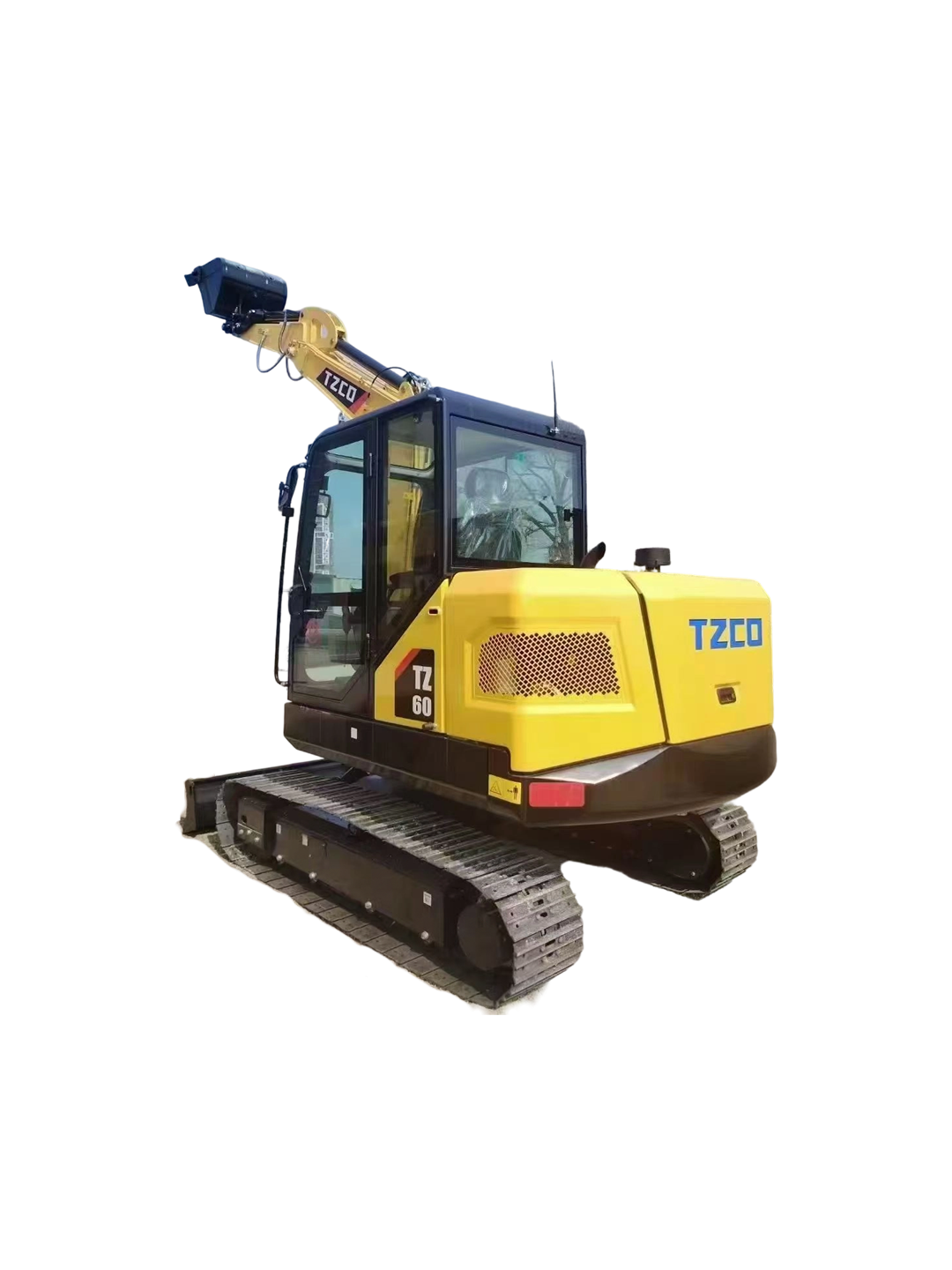
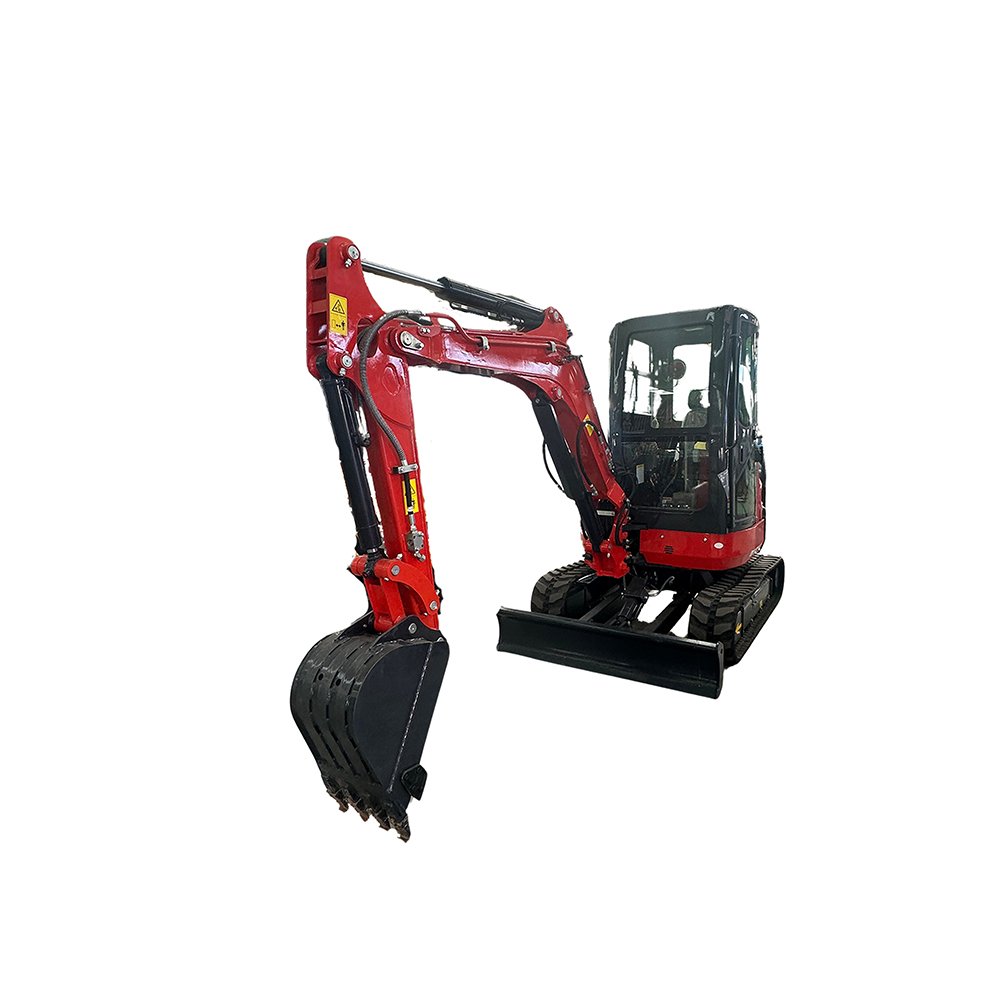
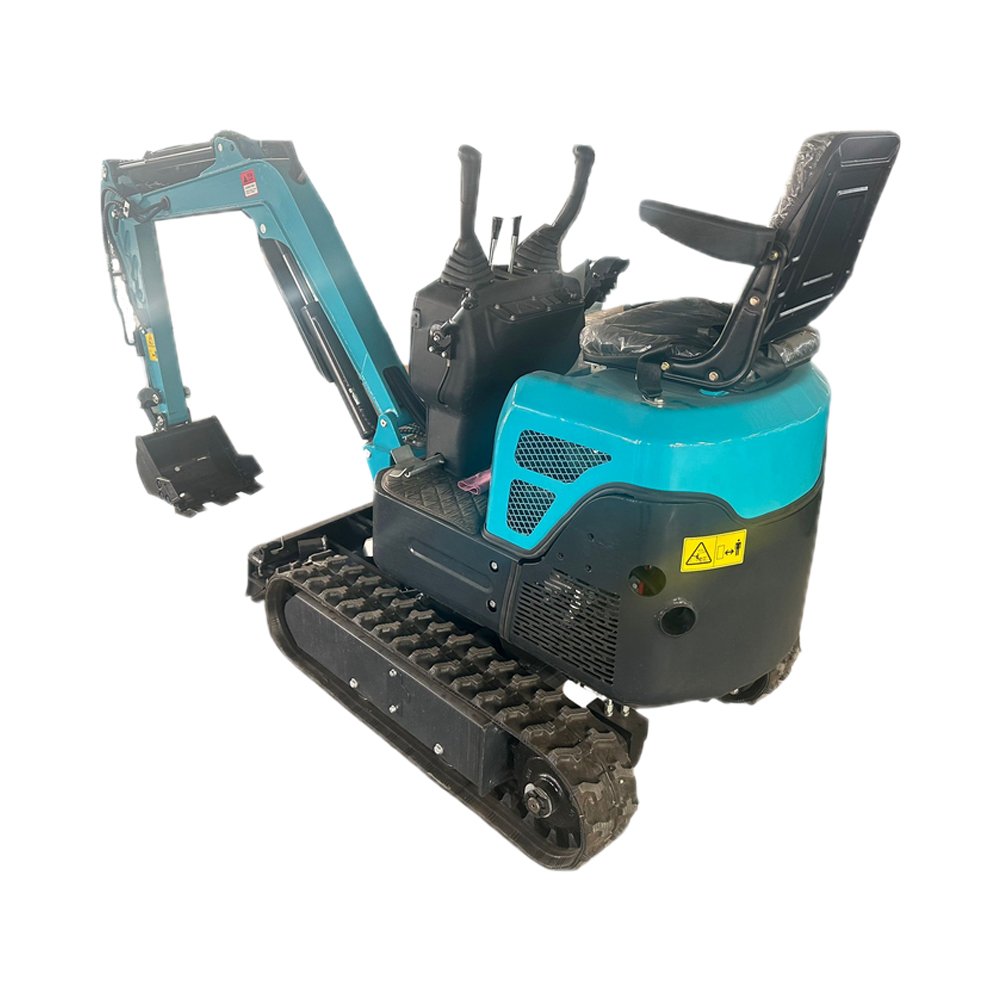
Mini excavators have become one of the most valuable machines in modern landscaping projects. Their compact size, versatility, and efficiency make them ideal for residential, commercial, and agricultural landscaping work. Whether you are preparing land for a garden, digging trenches for irrigation, removing tree stumps, or grading terrain, a mini excavator can significantly improve productivity while reducing manual labor. With advanced hydraulic systems and multiple attachment options, these machines allow operators to complete landscaping tasks with greater precision and speed. This article explains how to use a mini excavator for landscaping work, the benefits of using one, essential operating techniques, and important safety tips for efficient project completion.
Why Mini Excavators Are Popular for Landscaping
Mini excavators are widely used in landscaping because they combine strong digging power with compact dimensions. Unlike larger construction equipment, mini excavators can easily access narrow spaces, backyard areas, and residential properties without causing excessive ground damage.
Landscaping professionals and property owners often choose mini excavators because they offer:
- Excellent maneuverability
- Reduced ground disturbance
- Efficient fuel consumption
- Easy transportation
- Compatibility with multiple attachments
These features make mini excavators highly practical for both small and medium-sized landscaping projects.
Common Landscaping Tasks for Mini Excavators
Mini excavators are versatile machines capable of handling a wide range of landscaping applications.
Digging Trenches
One of the most common uses of a mini excavator is trench digging for irrigation systems, drainage pipes, electrical wiring, and outdoor lighting installations. The machine’s hydraulic arm allows operators to create precise trenches quickly and efficiently.
Land Grading and Leveling
Mini excavators are frequently used to level uneven terrain before installing lawns, patios, or driveways. Proper grading improves water drainage and creates a stable foundation for landscaping features.
Tree and Stump Removal
Removing tree stumps manually can be time consuming and physically demanding. A mini excavator equipped with the proper attachment can loosen roots and lift stumps more efficiently.
Pond and Garden Construction
Mini excavators help create decorative ponds, garden beds, and landscape contours with greater precision. Their compact size allows detailed shaping in confined spaces.
Moving Soil and Materials
Operators can use mini excavators to move soil, rocks, mulch, gravel, and other landscaping materials across a worksite efficiently.
Choosing the Right Mini Excavator for Landscaping
Selecting the correct mini excavator depends on the size and complexity of the landscaping project.
Machine Size
Mini excavators are available in different weight categories. Smaller models are suitable for residential gardens and tight access areas, while larger compact excavators provide more digging power for heavy-duty landscaping.
Digging Depth
The machine’s digging depth should match the requirements of the project. Deeper trenches and larger excavation work require greater reach and hydraulic power.
Attachment Compatibility
Modern mini excavators support various attachments that increase versatility. Common landscaping attachments include:
- Buckets
- Augers
- Hydraulic breakers
- Grapples
- Rakes
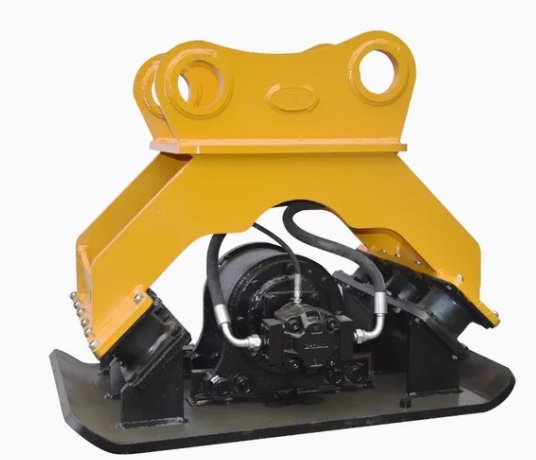
- Compactors
Using the right attachment improves efficiency and project accuracy.
Track Type
Rubber tracks are commonly preferred for landscaping because they minimize surface damage on lawns, pavements, and finished landscapes.
Preparing the Work Area
Before operating a mini excavator, it is important to prepare the job site carefully.
Inspect the Ground Conditions
Check for soft soil, uneven terrain, underground utilities, and obstacles that may affect machine stability or digging operations.
Mark Underground Utilities
Always identify underground pipes, cables, and irrigation systems before excavation begins. Proper planning helps avoid accidental damage.
Clear the Work Area
Remove debris, large rocks, and unnecessary objects to create a safe operating environment.
Plan Equipment Access
Ensure the mini excavator can enter and exit the property safely without damaging fences, pathways, or landscaping structures.
Basic Mini Excavator Controls
Understanding the machine controls is essential for safe and efficient operation.
Boom and Arm Controls
The boom raises and lowers the main arm, while the stick controls the reach and digging movement.
Bucket Operation
The bucket control allows operators to scoop, dump, and shape soil or materials precisely.
Travel Controls
Mini excavators use track-based travel systems controlled by foot pedals or hand levers for forward and backward movement.
Swing Function
The swing mechanism rotates the upper structure, enabling efficient loading and material placement.
How to Operate a Mini Excavator for Landscaping
Proper operating techniques improve productivity and reduce wear on the equipment.
Start with Small Movements
New operators should begin with slow and controlled movements to gain familiarity with the controls and machine response.
Position the Machine Correctly
Stable positioning improves digging accuracy and prevents unnecessary track movement.
Use Smooth Hydraulic Movements
Smooth operation reduces fuel consumption and minimizes ground disturbance.
Avoid Overloading the Bucket
Overloading may reduce machine stability and place excessive stress on hydraulic components.
Work in Layers
When grading or digging, remove soil gradually in layers rather than attempting deep cuts in one pass.
Using Attachments for Landscaping Efficiency
Attachments greatly expand the functionality of a mini excavator.
Augers for Fence Posts and Planting
Augers allow fast drilling of holes for trees, shrubs, and fence installations.
Grapples for Debris Removal
Grapples help move branches, logs, and construction debris more efficiently.
Hydraulic Thumbs
Hydraulic thumbs improve material handling by securely gripping irregular objects.
Rakes for Soil Preparation
Landscape rakes help level soil and remove rocks before planting or lawn installation.
Safety Tips for Mini Excavator Operation
Safe operation is essential for both productivity and equipment protection.
Wear Proper Safety Equipment
Operators should use safety helmets, gloves, boots, and high-visibility clothing.
Check Machine Condition Daily
Inspect hydraulic hoses, tracks, fuel levels, and attachments before operation.
Maintain Clear Visibility
Always ensure the work area remains visible and free from bystanders.
Operate on Stable Ground
Avoid steep slopes or unstable surfaces that could affect machine balance.
Follow Load Limits
Operating within manufacturer load limits protects both the machine and operator.
Benefits of Using Mini Excavators in Landscaping
Mini excavators provide several advantages for landscaping professionals and property owners.
Increased Productivity
Tasks that would take days manually can often be completed within hours using a mini excavator.
Reduced Labor Costs
Mechanized digging and material handling reduce the need for extensive manual labor.
Greater Precision
Hydraulic controls allow precise shaping and grading for professional landscape results.
Versatility
One machine can perform multiple landscaping functions with different attachments.
Lower Property Impact
Compact designs and rubber tracks help minimize damage to existing landscapes.
Maintenance Tips for Long-Term Performance
Routine maintenance helps extend machine lifespan and maintain reliable performance.
Clean the Machine Regularly
Removing dirt and debris prevents premature wear on moving parts.
Inspect Hydraulic Systems
Check for leaks and ensure hydraulic fluid levels remain correct.
Lubricate Moving Components
Proper lubrication reduces friction and improves equipment efficiency.
Replace Worn Attachments
Damaged buckets or tools can reduce performance and affect work quality.
Future Trends in Landscaping Equipment
Modern landscaping equipment continues evolving with new technologies and automation features.
Emerging trends include:
- Electric mini excavators
- GPS-assisted grading systems
- Smart hydraulic controls
- Improved fuel efficiency
- Remote machine monitoring
These innovations are helping landscaping professionals improve productivity while reducing environmental impact.
Learning how to use a mini excavator for landscaping work can greatly improve efficiency, precision, and project quality. From trench digging and grading to stump removal and material handling, mini excavators provide versatile solutions for a wide range of landscaping applications. By selecting the right machine, using proper attachments, and following safe operating techniques, operators can complete projects faster and with better results. As landscaping technology continues to advance, mini excavators will remain an essential tool for both professional contractors and property owners.