








Industry News
Master What Is an Excavator Used for in Outdoor Operations
Jun
Excavators are among the most versatile and essential pieces of heavy equipment used in outdoor operations. From construction sites and landscaping projects to agricultural developments and infrastructure improvements, excavators play a crucial role in improving efficiency, productivity, and precision. Understanding what an excavator is used for can help contractors, project managers, landowners, and equipment operators maximize the value of this powerful machine.
This guide explores the many applications of excavators in outdoor operations, highlighting their capabilities, benefits, and importance across multiple industries.
Understanding the Basics of an Excavator
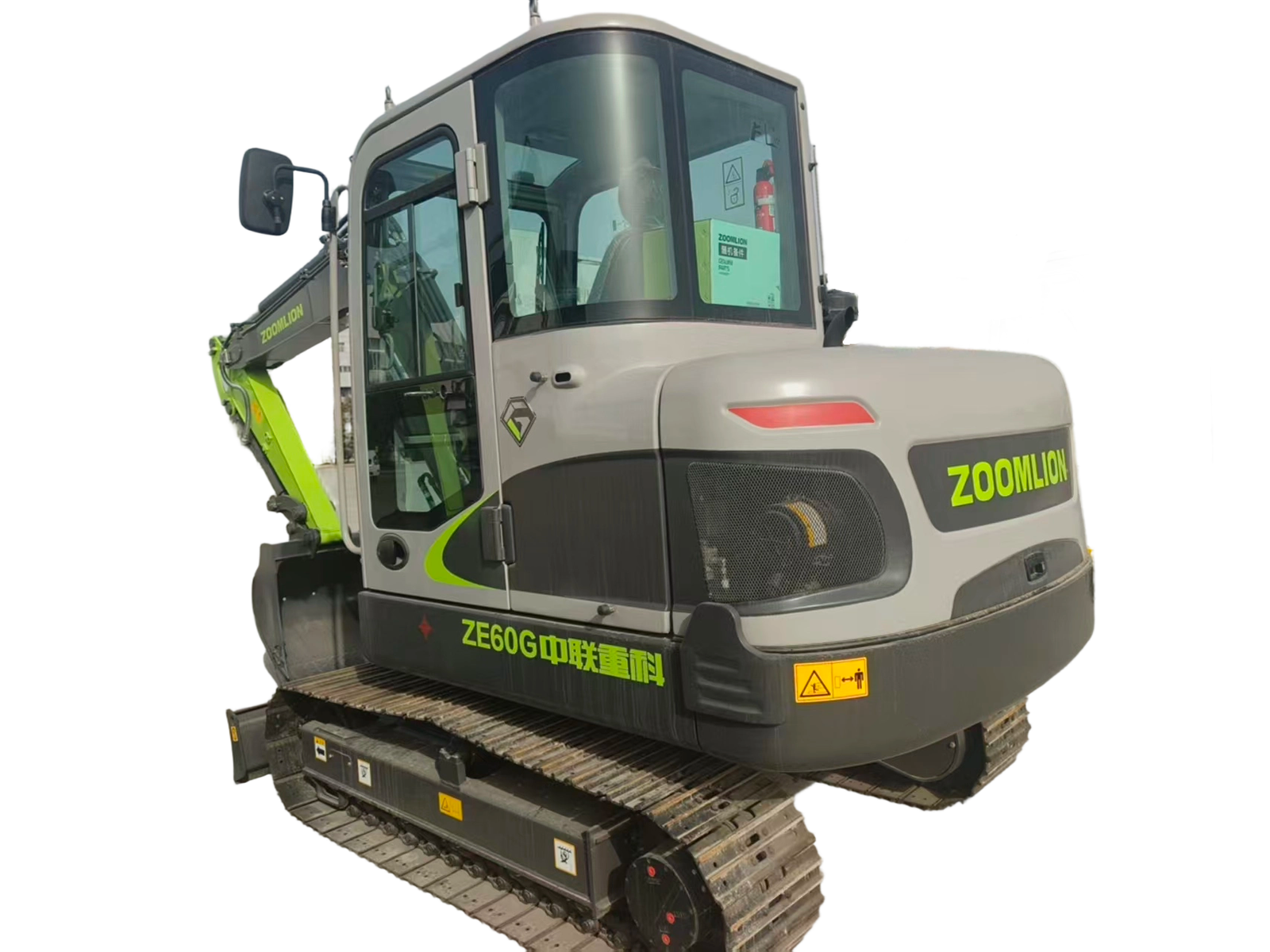
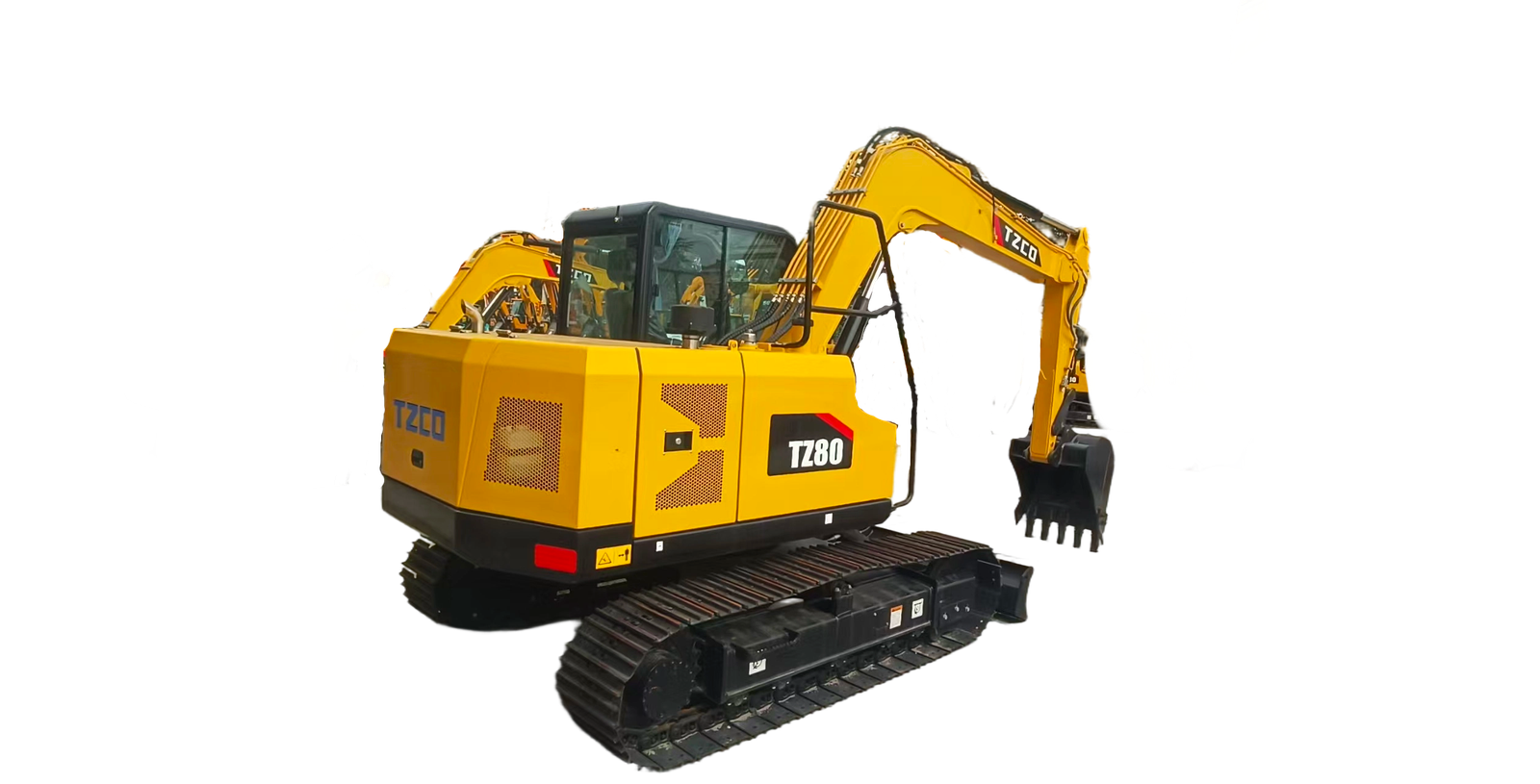
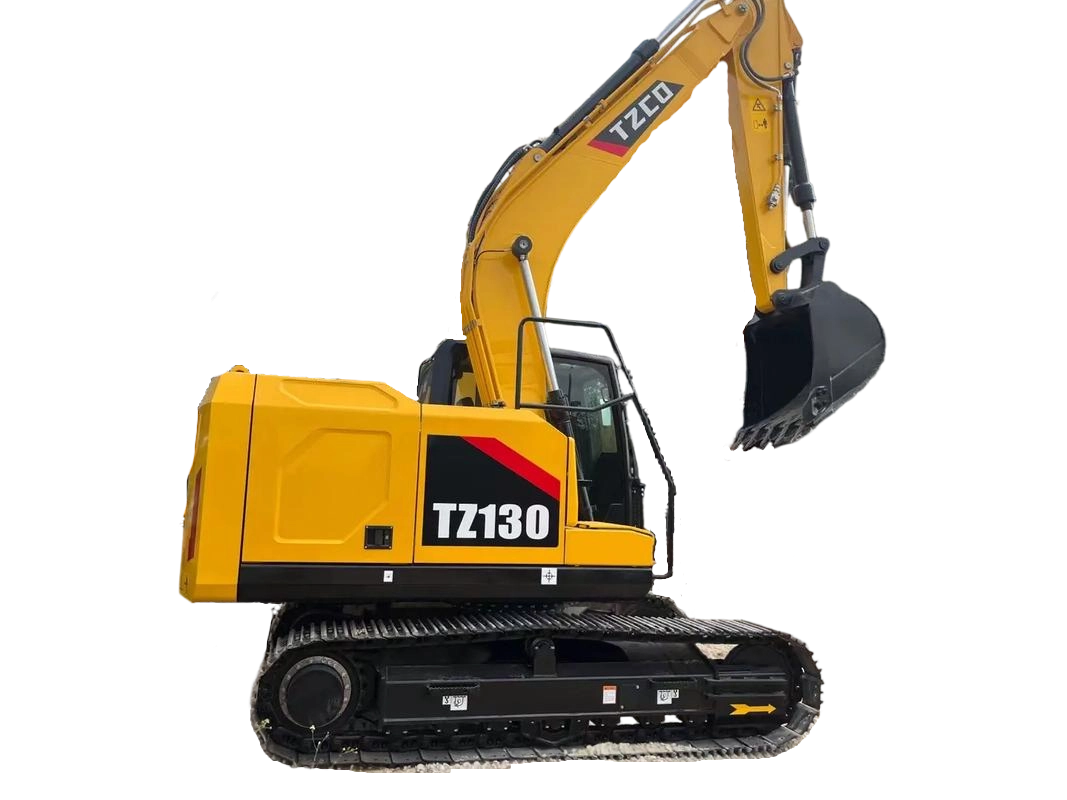
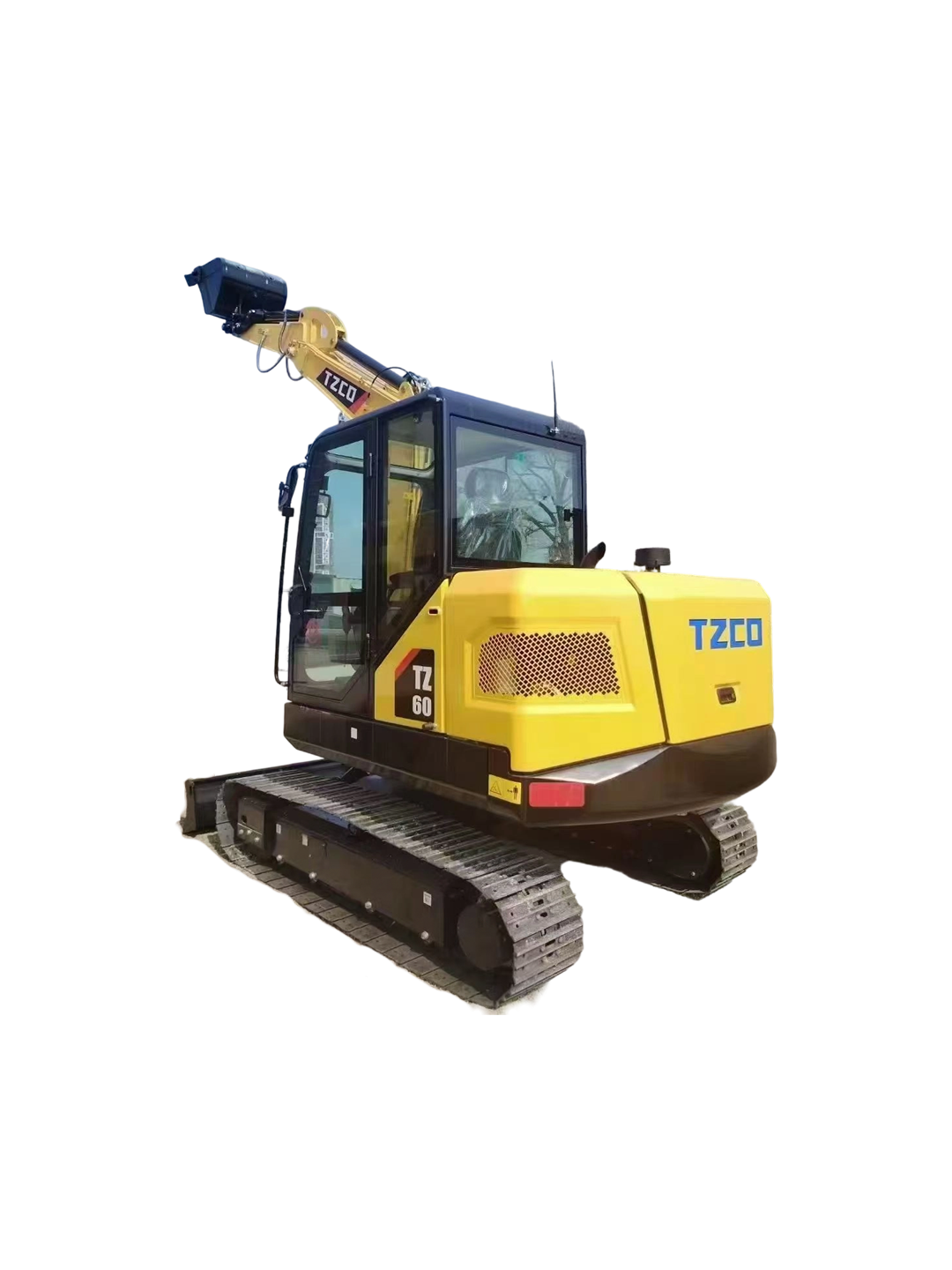
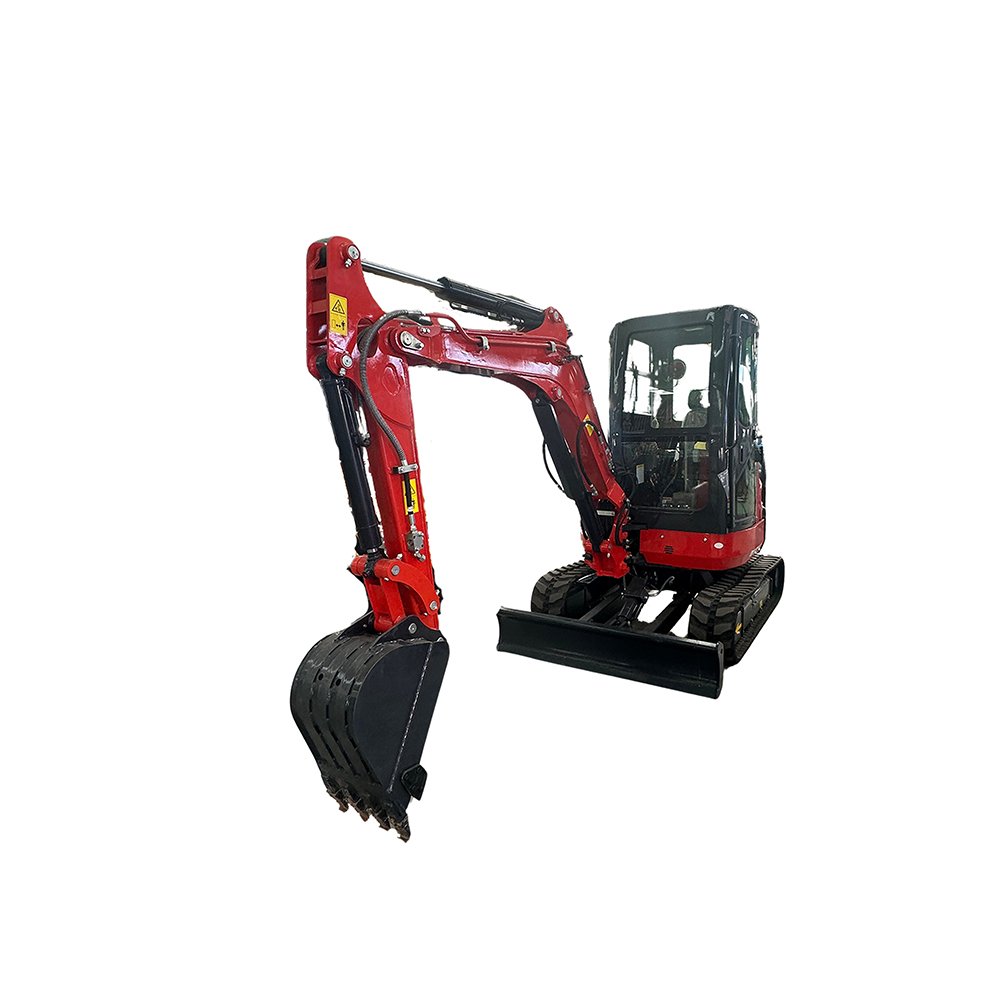
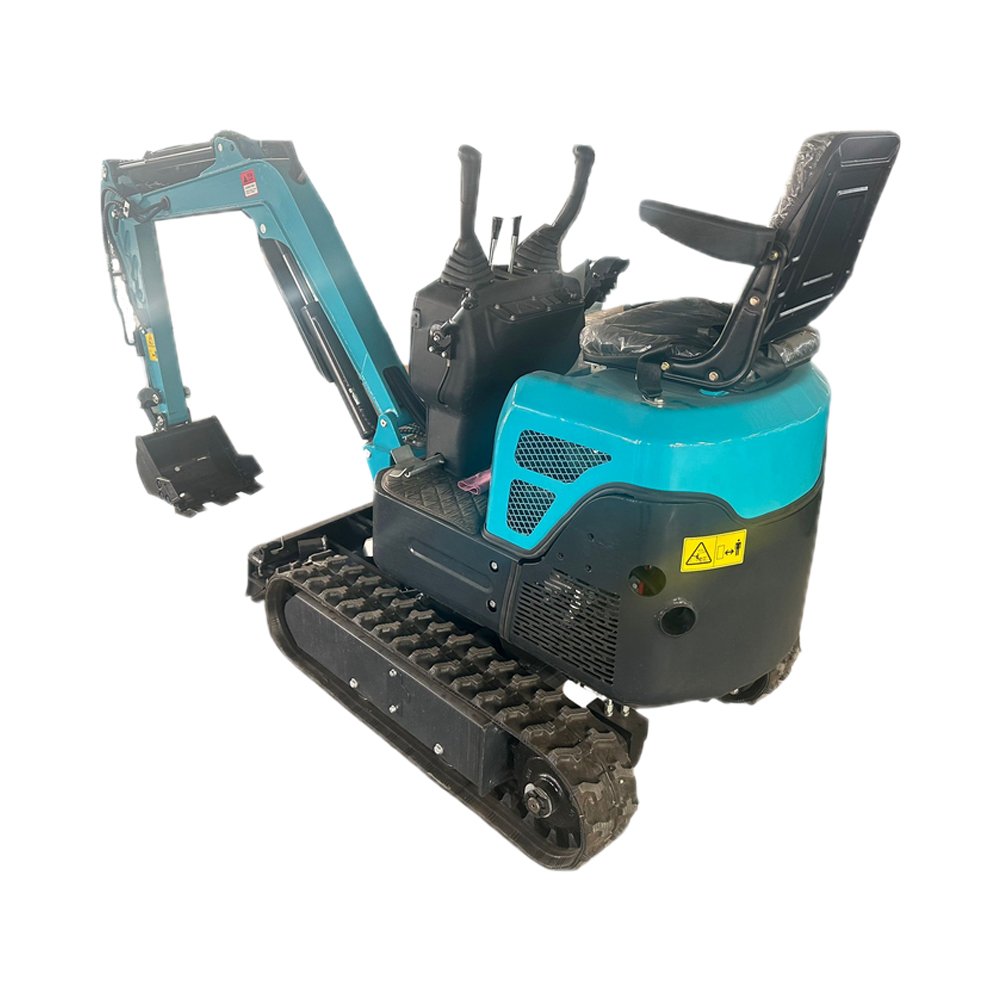
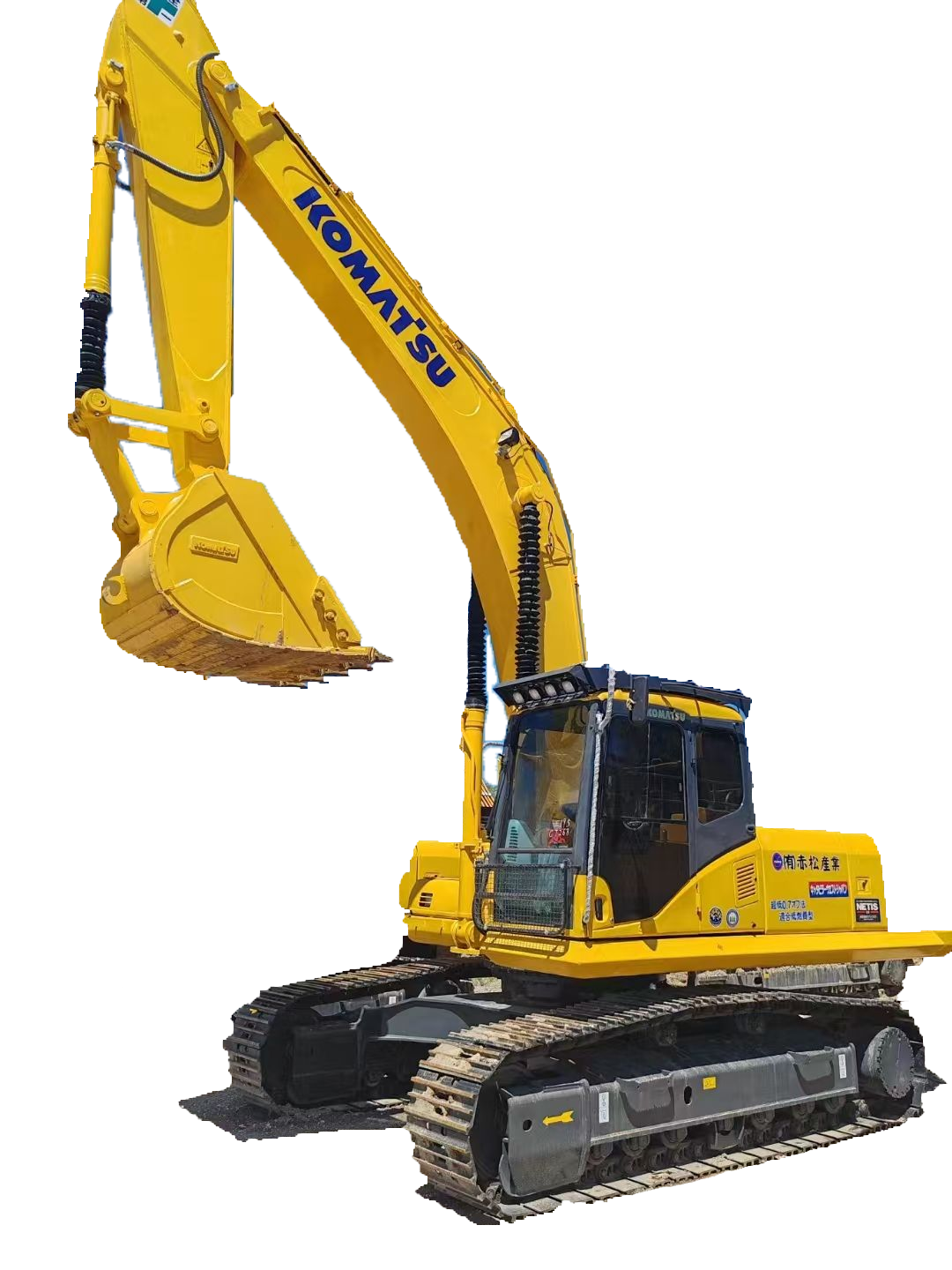
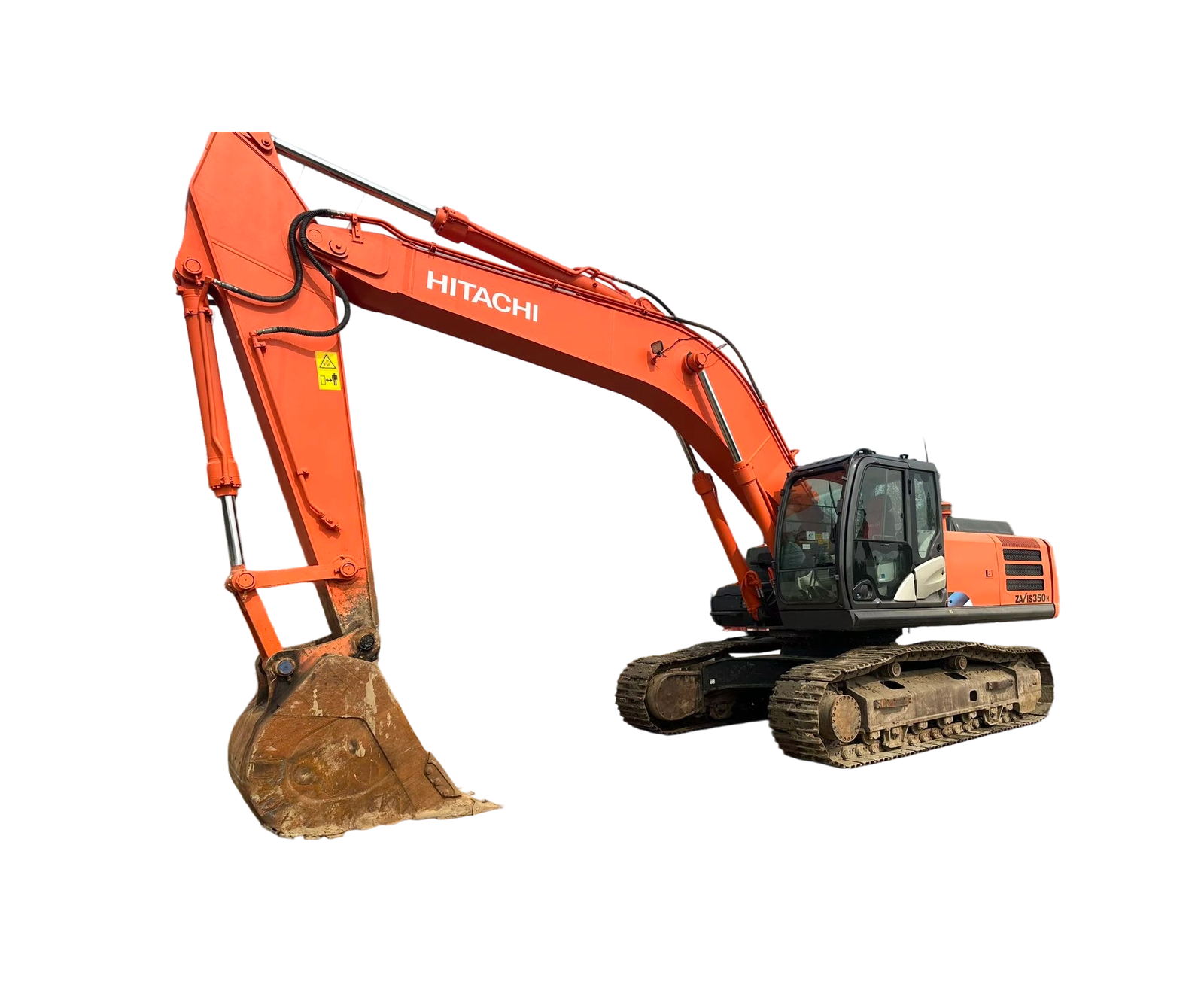
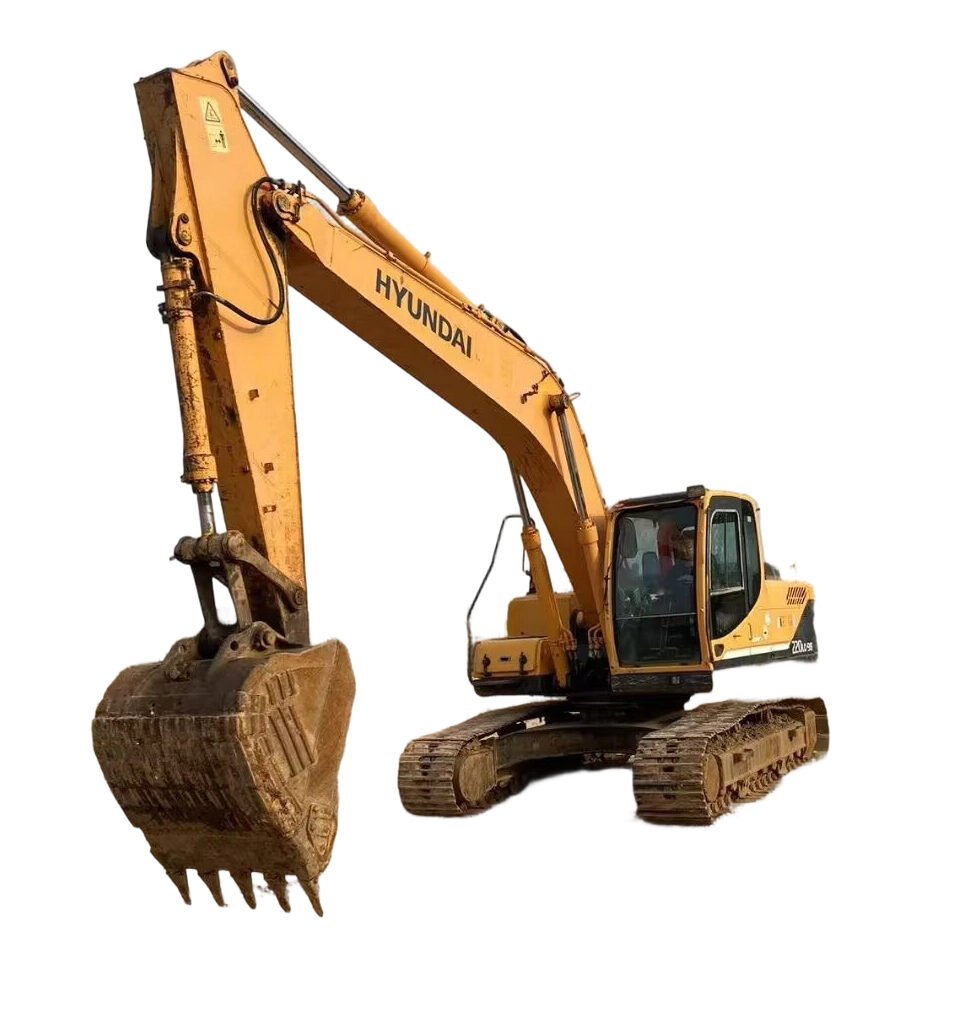
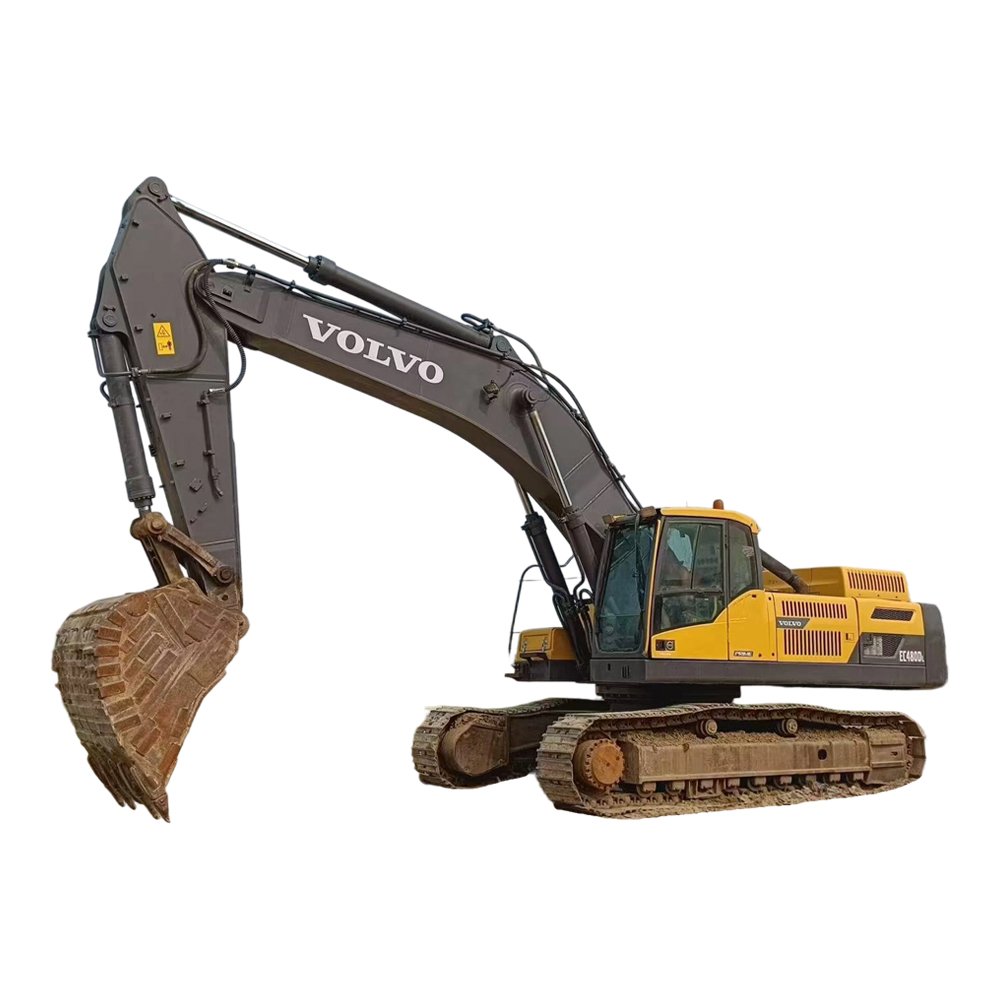
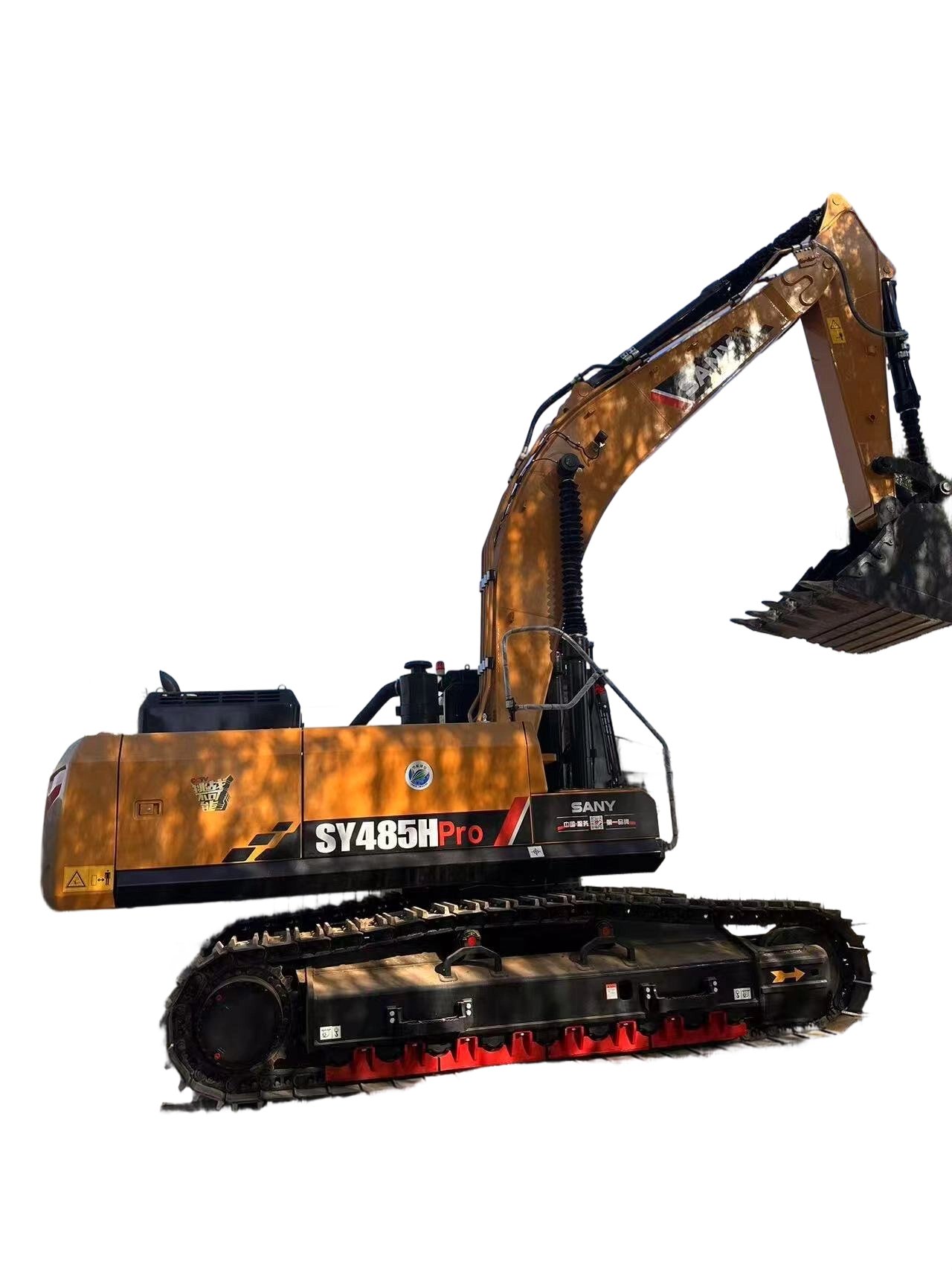
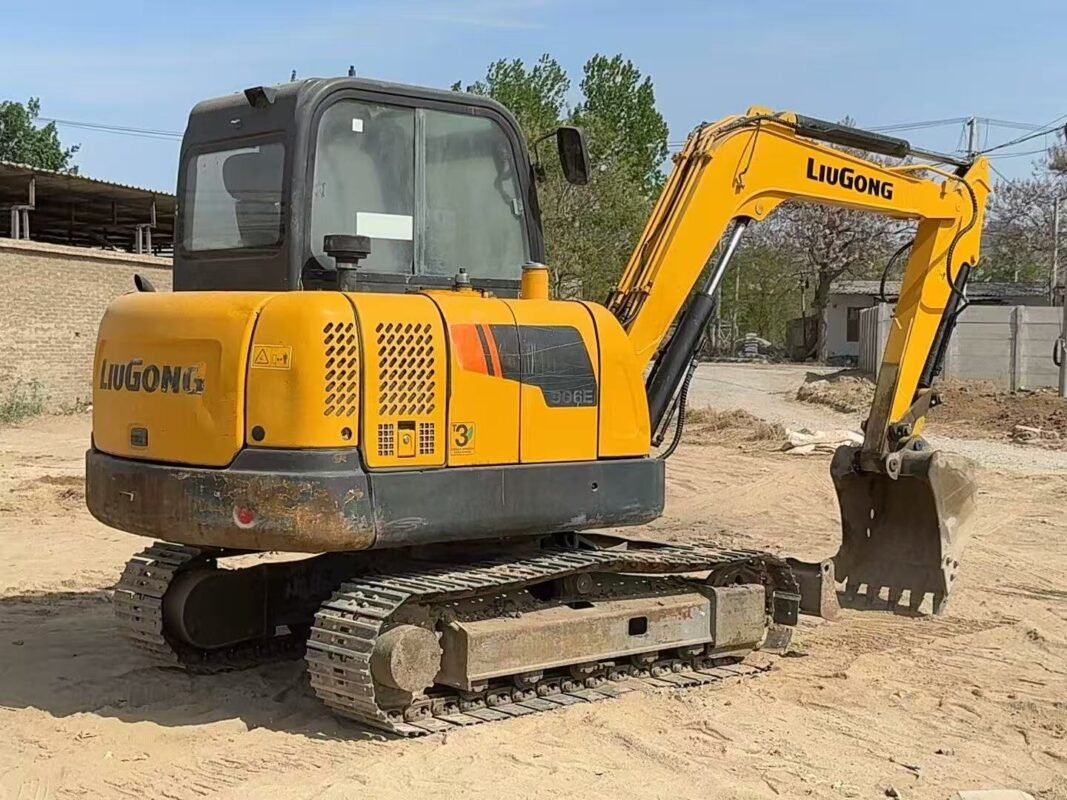
An excavator is a heavy construction machine designed primarily for digging, lifting, trenching, and material handling. It typically consists of a boom, stick, bucket, rotating cab, and undercarriage. Modern excavators are available in various sizes, ranging from compact mini excavators to large crawler excavators designed for demanding projects.
The machine’s hydraulic system provides exceptional power and control, allowing operators to perform a wide range of outdoor tasks with accuracy and efficiency.
Because of their flexibility and compatibility with numerous attachments, excavators have become indispensable in many outdoor operations.
Excavators for Site Preparation
One of the most common uses of an excavator is site preparation. Before construction begins, land often requires clearing, grading, and leveling.
Excavators help remove:
- Trees and stumps
- Rocks and debris
- Existing structures
- Unwanted vegetation
- Uneven soil
By preparing the site efficiently, excavators create a stable foundation for future construction projects. Their ability to work in challenging terrain makes them especially valuable for outdoor developments.
Digging Foundations and Basements
Foundation excavation is a critical step in building construction. Excavators are widely used to dig precise foundation trenches and basement areas.
Their hydraulic controls allow operators to excavate soil accurately while maintaining the required depth and dimensions. This precision helps ensure construction projects meet engineering specifications.
Excavators are commonly used for:
- Residential foundations
- Commercial building foundations
- Industrial facilities
- Warehouse construction
- Utility structures
The ability to dig quickly and efficiently makes excavators a preferred choice for foundation work.
Trenching for Utility Installation
Outdoor infrastructure projects often require underground utility installation. Excavators are highly effective for trenching operations.
They are used to create trenches for:
- Water pipelines
- Sewer systems
- Electrical cables
- Fiber optic networks
- Drainage systems
Different bucket sizes allow operators to match trench dimensions to project requirements. This versatility improves productivity and helps ensure accurate installation of underground utilities.
Landscaping and Land Development
Landscaping professionals frequently use excavators for large-scale outdoor projects. Their versatility enables operators to reshape terrain and create attractive outdoor environments.
Common landscaping applications include:
- Pond excavation
- Retaining wall preparation
- Tree planting
- Soil movement
- Garden construction
- Land contouring
Mini excavators are especially popular for landscaping because they can work efficiently in confined spaces while minimizing ground disturbance.
Road Construction and Infrastructure Projects
Road construction projects rely heavily on excavators for earthmoving and material handling tasks.
During roadway development, excavators assist with:
- Ground excavation
- Drainage installation
- Slope shaping
- Culvert placement
- Material loading
Their ability to rotate 360 degrees enhances productivity and allows efficient operation in dynamic construction environments.
Infrastructure projects such as bridges, highways, and public works developments also benefit from the versatility of excavators.
Excavators in Agricultural Operations
Modern farming increasingly incorporates heavy equipment to improve efficiency. Excavators support a variety of agricultural applications.
Farm operators use excavators for:
- Digging irrigation channels
- Land clearing
- Pond creation
- Drainage improvement
- Fence installation
- Soil management
These capabilities help farmers optimize land use and prepare fields for productive agricultural activities.
Material Handling and Loading
Excavators are not limited to digging. With appropriate attachments, they become highly effective material-handling machines.
Outdoor operations frequently use excavators for:
- Loading trucks
- Moving soil
- Handling aggregate
- Transporting construction materials
- Organizing worksite resources
The machine’s lifting power enables operators to move large quantities of material quickly, improving overall project efficiency.
Demolition and Structure Removal
Outdoor demolition projects often require controlled removal of structures and obstacles.
Excavators equipped with specialized attachments can assist with:
- Building removal
- Concrete breaking
- Pavement removal
- Foundation extraction
- Structure dismantling
Their hydraulic power provides the strength necessary to complete demolition tasks efficiently while maintaining operator control.
Excavators for Water Management Projects
Water management is an important aspect of many outdoor operations. Excavators play a significant role in creating and maintaining water infrastructure.
Applications include:
- Canal excavation
- Reservoir construction
- Pond development
- Drainage system installation
- Ditch maintenance
Proper water management helps improve land productivity and supports sustainable project development.
Forestry and Land Clearing Operations
Forestry projects often involve challenging terrain and heavy vegetation. Excavators help streamline land-clearing activities.
Operators use excavators for:
- Removing tree stumps
- Clearing brush
- Creating access roads
- Moving logs
- Preparing forest land
Specialized forestry attachments further enhance the machine’s productivity in woodland environments.
Excavator Attachments Expand Functionality
One reason excavators are so widely used is their compatibility with various attachments.
Popular excavator attachments include:
- Buckets
- Hydraulic breakers
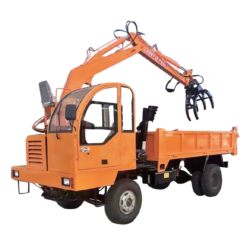
- Grapples
- Augers
- Rippers
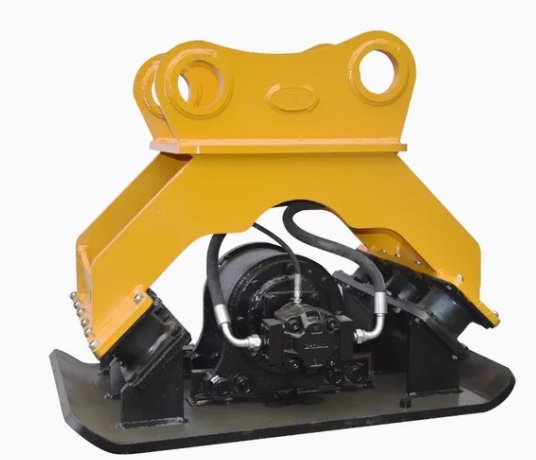
- Compactors
Each attachment allows the excavator to perform specialized tasks beyond traditional digging.
This adaptability makes excavators one of the most versatile machines in outdoor operations.
Benefits of Using Excavators in Outdoor Operations
Excavators provide several advantages that contribute to their widespread adoption across industries.
Key benefits include:
Improved Productivity
Hydraulic power allows excavators to complete tasks faster than manual labor methods.
Versatility
A single excavator can perform multiple functions through attachment changes.
Precision
Advanced hydraulic controls support accurate excavation and material placement.
Cost Efficiency
The ability to complete multiple tasks with one machine can improve project efficiency.
Adaptability
Excavators operate effectively in various terrain conditions and project environments.
These advantages make excavators valuable assets for contractors and project owners alike.
Choosing the Right Excavator for the Job
Selecting the appropriate excavator depends on project requirements.
Important considerations include:
- Jobsite size
- Digging depth
- Lifting capacity
- Attachment compatibility
- Terrain conditions
- Project duration
Mini excavators work well in confined spaces, while larger crawler excavators are better suited for major earthmoving projects.
Matching machine capabilities to project needs helps maximize performance and operational efficiency.
The Future of Excavators in Outdoor Operations
Technological advancements continue to improve excavator performance. Modern machines increasingly incorporate features such as intelligent hydraulic systems, operator-assistance technologies, and enhanced fuel efficiency.
These innovations help improve productivity, accuracy, and sustainability across outdoor operations.
As construction, agriculture, landscaping, and infrastructure sectors continue to grow, excavators will remain essential tools for completing projects efficiently and effectively.
Understanding what an excavator is used for in outdoor operations reveals why it is one of the most valuable machines in modern industry. From site preparation and foundation excavation to landscaping, agriculture, water management, and infrastructure development, excavators provide unmatched versatility and performance.
Their ability to handle a wide variety of tasks, combined with advanced hydraulic technology and attachment options, makes them indispensable across numerous outdoor applications. Whether working on a small landscaping project or a large-scale construction development, excavators continue to play a vital role in improving productivity, precision, and project success.