









Industry News
New Excavator Safety Tips Every Operator Should Know

May
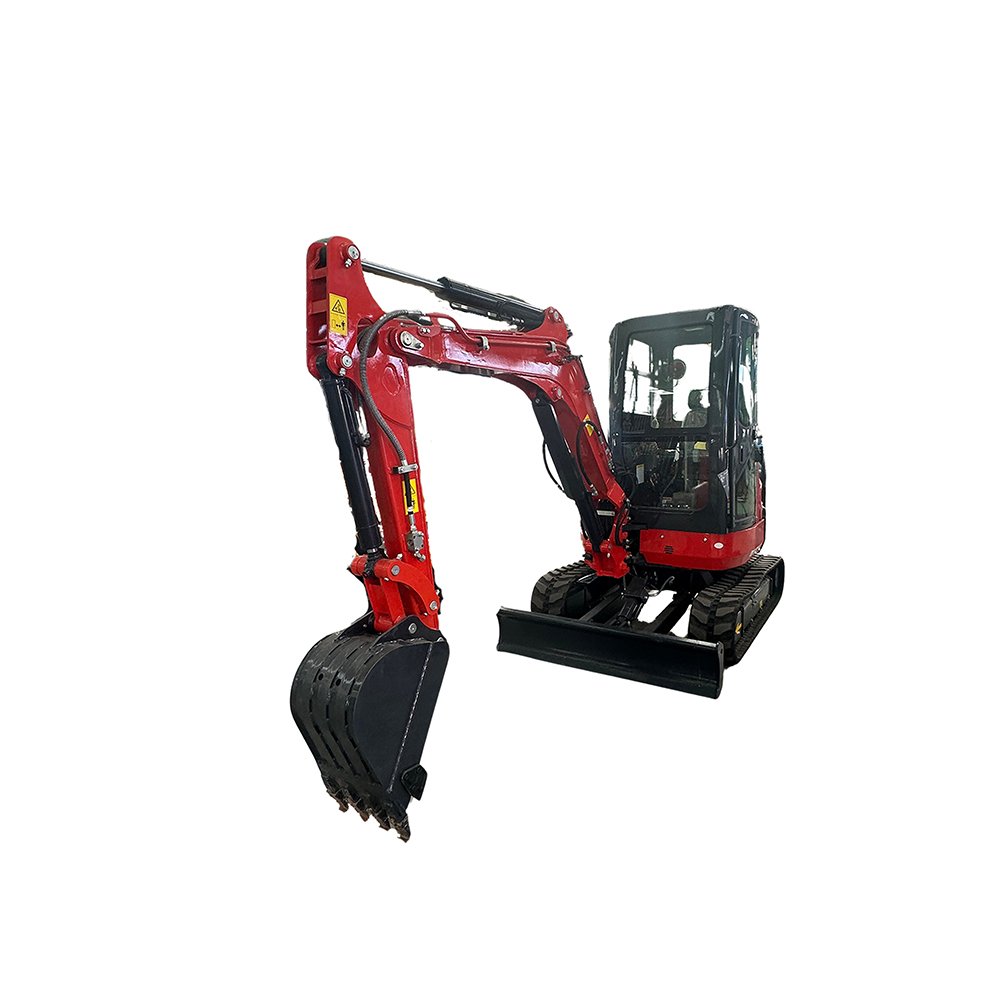
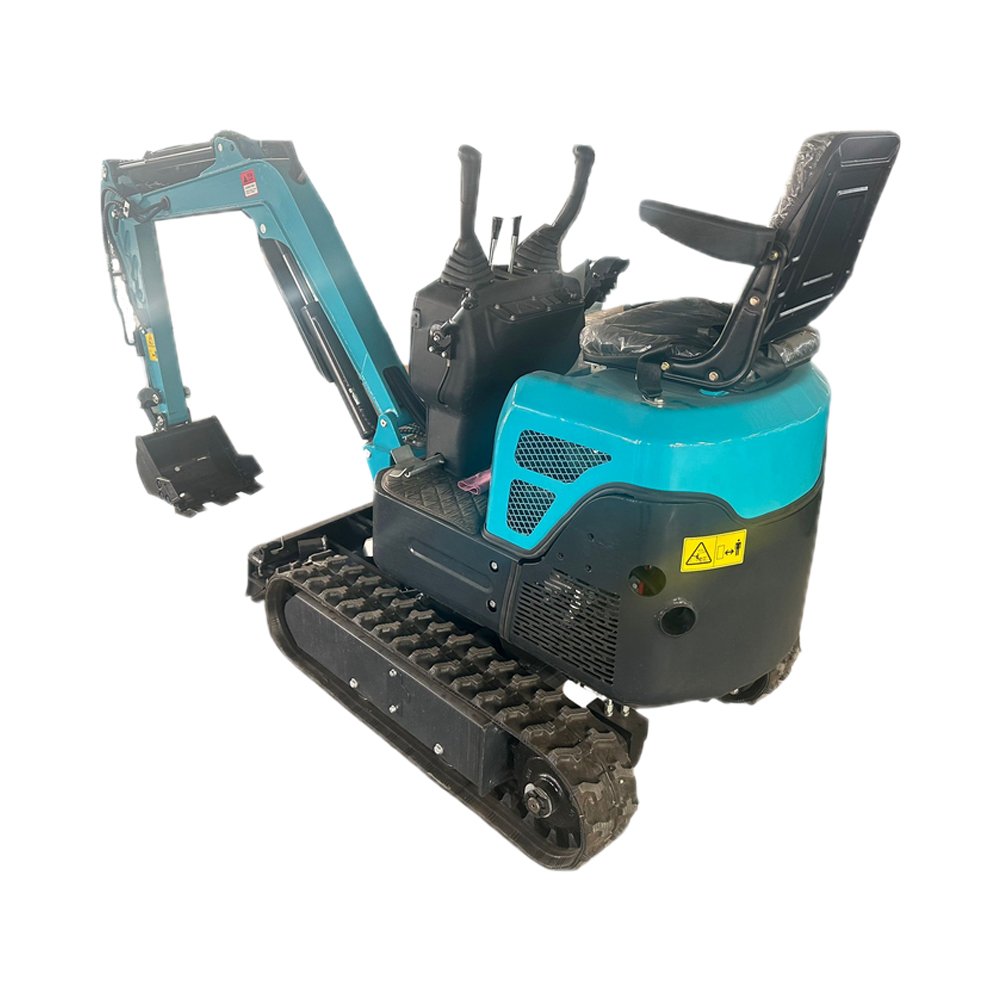
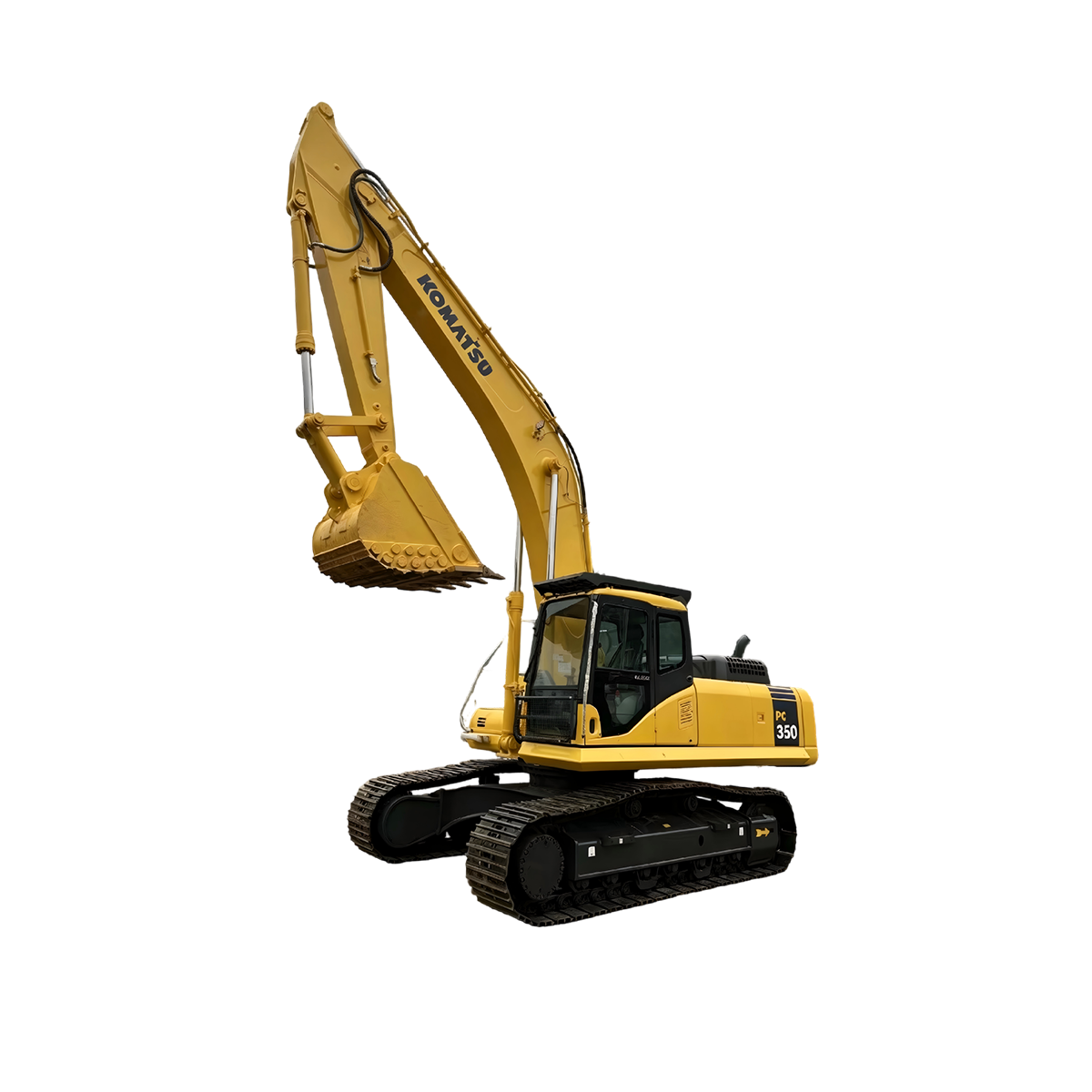
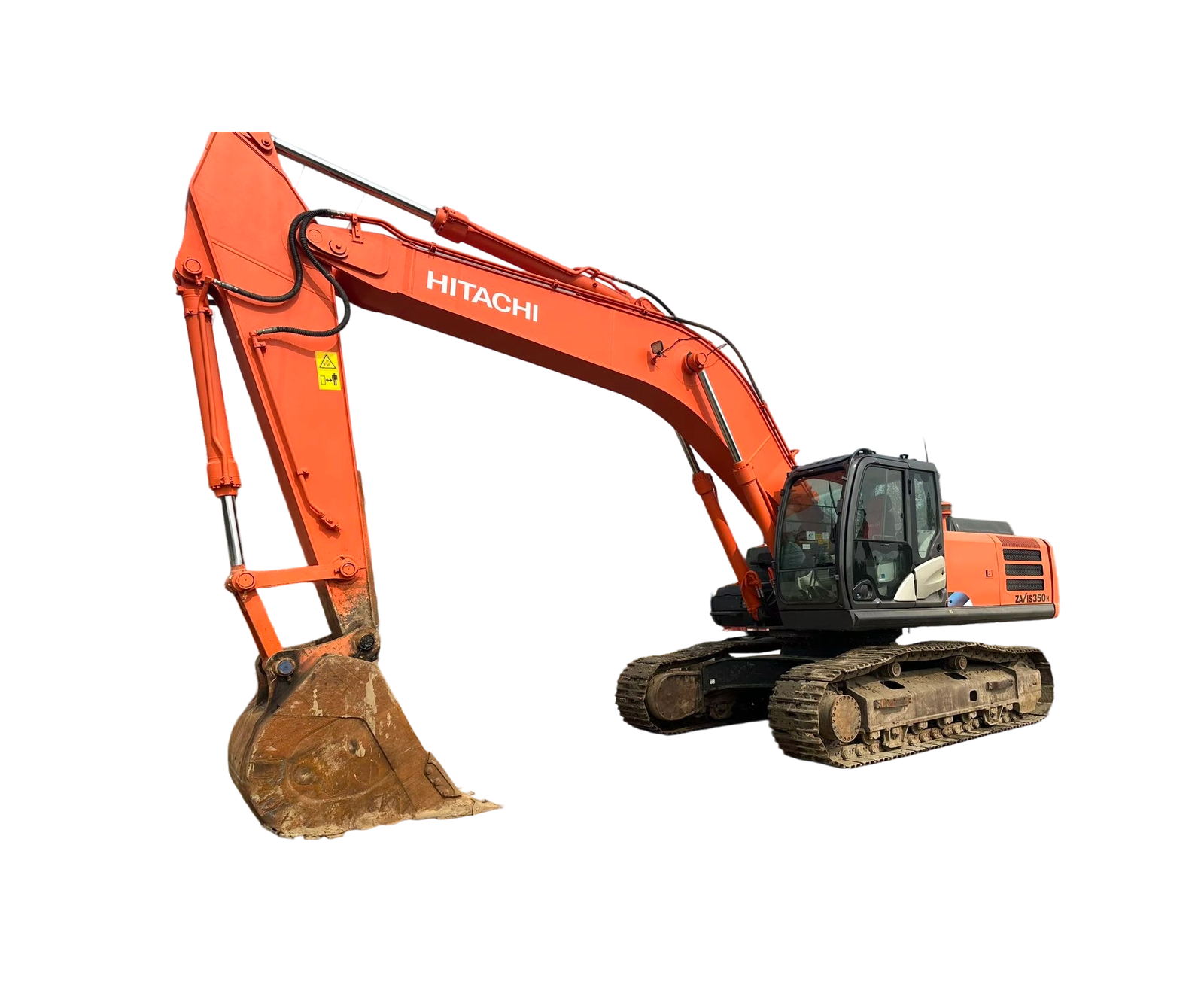
Excavators play a critical role in modern construction, mining, landscaping, roadwork, and infrastructure development. These powerful machines are designed to handle digging, lifting, trenching, grading, and material handling with high efficiency. As excavator technology continues to improve, operators now have access to more advanced features, greater precision, and improved machine performance.
However, safety remains one of the most important aspects of excavator operation. Whether using a compact excavator on a residential project or a large crawler excavator on a commercial construction site, operators must understand proper safety procedures to maintain efficient and secure working conditions.
This article explores essential excavator safety tips every operator should know, including inspection procedures, site awareness, machine operation techniques, maintenance practices, and operator training strategies.
Understand the Excavator Before Operation
Every excavator model has unique controls, load capacities, hydraulic systems, and operational characteristics. Before operating a new excavator, operators should carefully review the machine manual and understand all safety guidelines.
Familiarity with control layouts, attachment systems, warning indicators, and emergency functions helps improve machine handling and operational efficiency.
Modern excavators often include advanced technologies such as rearview cameras, digital monitoring systems, automatic idle functions, and hydraulic control settings. Understanding these features can help operators work more effectively and safely.
Perform a Daily Machine Inspection
Routine inspections are one of the most important parts of excavator safety.
Before starting work each day, operators should carefully inspect the machine for any visible issues or abnormal conditions. Key inspection areas include:
- Hydraulic hoses and fittings
- Engine oil and coolant levels
- Fuel system components
- Track or tire condition
- Bucket and attachment connections
- Safety lights and alarms
- Cabin controls and displays
- Fluid leaks or loose hardware
Daily inspections help identify maintenance needs early and support reliable machine performance during operation.
Wear Proper Safety Equipment
Personal protective equipment is essential for excavator operators and nearby workers.
Operators should wear:
- Hard hats
- Safety boots
- High-visibility clothing
- Protective gloves
- Safety glasses
- Hearing protection when necessary
Proper safety equipment improves visibility, reduces injury risks, and supports safer job site operations.
Seat belts inside the excavator cabin should always be used during operation, especially when working on uneven terrain or slopes.
Maintain Clear Visibility Around the Machine
Excavators often operate in busy construction environments with workers, vehicles, materials, and obstacles nearby.
Maintaining clear visibility around the machine is critical for safe operation. Operators should regularly check mirrors, cameras, and blind spots before moving or rotating the excavator.
If visibility is limited, trained spotters can help guide machine movement and improve communication on the job site.
Keeping cabin windows clean also helps improve operator awareness and overall control.
Understand Job Site Conditions
Every construction site presents different environmental and operational challenges.
Before beginning excavation work, operators should evaluate:
- Ground stability
- Slope conditions
- Underground utility locations
- Nearby structures
- Overhead power lines
- Weather conditions
- Traffic movement on-site
Soft soil, uneven terrain, and wet surfaces can affect machine stability and traction. Proper site assessment helps reduce operational risks and improve project efficiency.
Follow Safe Excavation Practices
Excavator operators should use smooth and controlled movements during digging and lifting operations.
Sudden machine movements may reduce stability and place unnecessary stress on hydraulic components.
When digging trenches or foundations, operators should maintain safe distances from trench edges to reduce the risk of ground collapse.
Buckets should not be overloaded beyond recommended capacity limits. Balanced loads improve machine control and reduce wear on components.
Safe excavation techniques help maintain consistent performance while protecting both operators and nearby workers.
Use Attachments Correctly
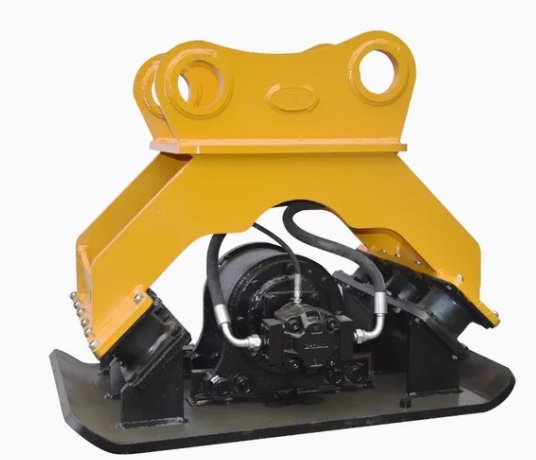
Modern excavators can use a wide variety of attachments, including buckets, breakers, grapples, augers, and compactors.
Each attachment has specific operating requirements and weight limitations. Operators should ensure attachments are properly installed and compatible with the excavator model.
Incorrect attachment use may affect machine balance, hydraulic performance, and operational control.
Regular inspection of attachment pins, couplers, and hydraulic connections helps maintain safe operation.
Be Cautious Around Underground Utilities
Excavation work often takes place near underground utility systems such as water pipes, gas lines, electrical cables, and communication networks.
Before digging begins, utility locations should be identified and clearly marked.
Operators should follow local utility safety procedures and maintain safe excavation distances near sensitive infrastructure.
Careful digging techniques help protect underground systems and improve overall job site safety.
Prevent Excavator Overloading
Every excavator has specific lifting and operating limits designed for safe performance.
Overloading the machine may reduce stability, increase hydraulic strain, and affect safe operation.
Operators should understand machine load charts and avoid exceeding recommended lifting capacities.
Heavy lifting operations should be performed on stable ground with proper counterweight balance and controlled movement.
Understanding machine limitations is an important part of professional excavator operation.
Maintain Safe Travel Procedures
Excavators often need to move across uneven surfaces, slopes, or active construction areas.
When traveling, operators should keep the bucket low to the ground for improved stability. Sudden turns or excessive travel speed should be avoided.
On sloped terrain, operators should follow manufacturer guidelines regarding machine positioning and movement direction.
Travel routes should remain clear of unnecessary obstacles, loose materials, and pedestrian traffic.
Monitor Weather Conditions
Weather conditions can significantly affect excavator safety and performance.
Rain, snow, ice, fog, and strong winds may reduce visibility, traction, and ground stability.
Operators should adjust work practices according to weather conditions and stop operations if visibility or site safety becomes compromised.
Extreme heat may also affect hydraulic system performance and operator comfort, making regular breaks and equipment monitoring important.
Keep Communication Clear on Site
Good communication is essential on construction and excavation sites.
Operators should maintain clear communication with ground workers, supervisors, and spotters at all times.
Hand signals, radios, and safety procedures should be standardized across the worksite to improve coordination and reduce misunderstandings.
Before machine movement or lifting operations begin, all nearby personnel should be aware of the planned activity.
Schedule Regular Maintenance
Preventive maintenance is critical for excavator safety and long-term machine reliability.
Routine servicing should include:
- Hydraulic system inspection
- Filter replacement
- Lubrication of moving components
- Track tension adjustment
- Engine maintenance
- Electrical system checks
- Cooling system inspection
Well-maintained excavators generally provide smoother operation, improved fuel efficiency, and safer performance.
Maintenance records also help operators track machine condition and identify potential issues early.
Stay Updated With Operator Training
Excavator technology continues evolving with advanced automation, digital displays, GPS systems, and intelligent control features.
Ongoing operator training helps improve productivity, machine handling, and workplace safety.
Training programs may include:
- Machine control techniques
- Safety regulations
- Attachment operation
- Site hazard awareness
- Emergency response procedures
- Fuel-efficient operation methods
Well-trained operators are better prepared to handle different working conditions and maximize equipment performance.
Importance of Safety Culture
A strong safety culture benefits both operators and construction companies.
Encouraging regular inspections, proper training, teamwork, and responsible machine operation helps create safer and more productive job sites.
Safety awareness should remain part of daily operations rather than only occasional discussions.
Companies that prioritize safety often improve operational efficiency, reduce downtime, and support long-term project success.
Excavator safety is an essential part of efficient and professional construction operations. By understanding machine controls, performing daily inspections, maintaining clear visibility, and following proper operating procedures, operators can improve both workplace safety and equipment performance.
Regular maintenance, continuous training, and strong communication further support safe excavation practices across different job site environments.
As excavator technology continues advancing, combining modern equipment features with responsible operating habits will remain key to achieving long-term productivity, reliability, and safe project completion.