









Industry News
See What an Excavator Is Used for in Different Working Scenes
Jun
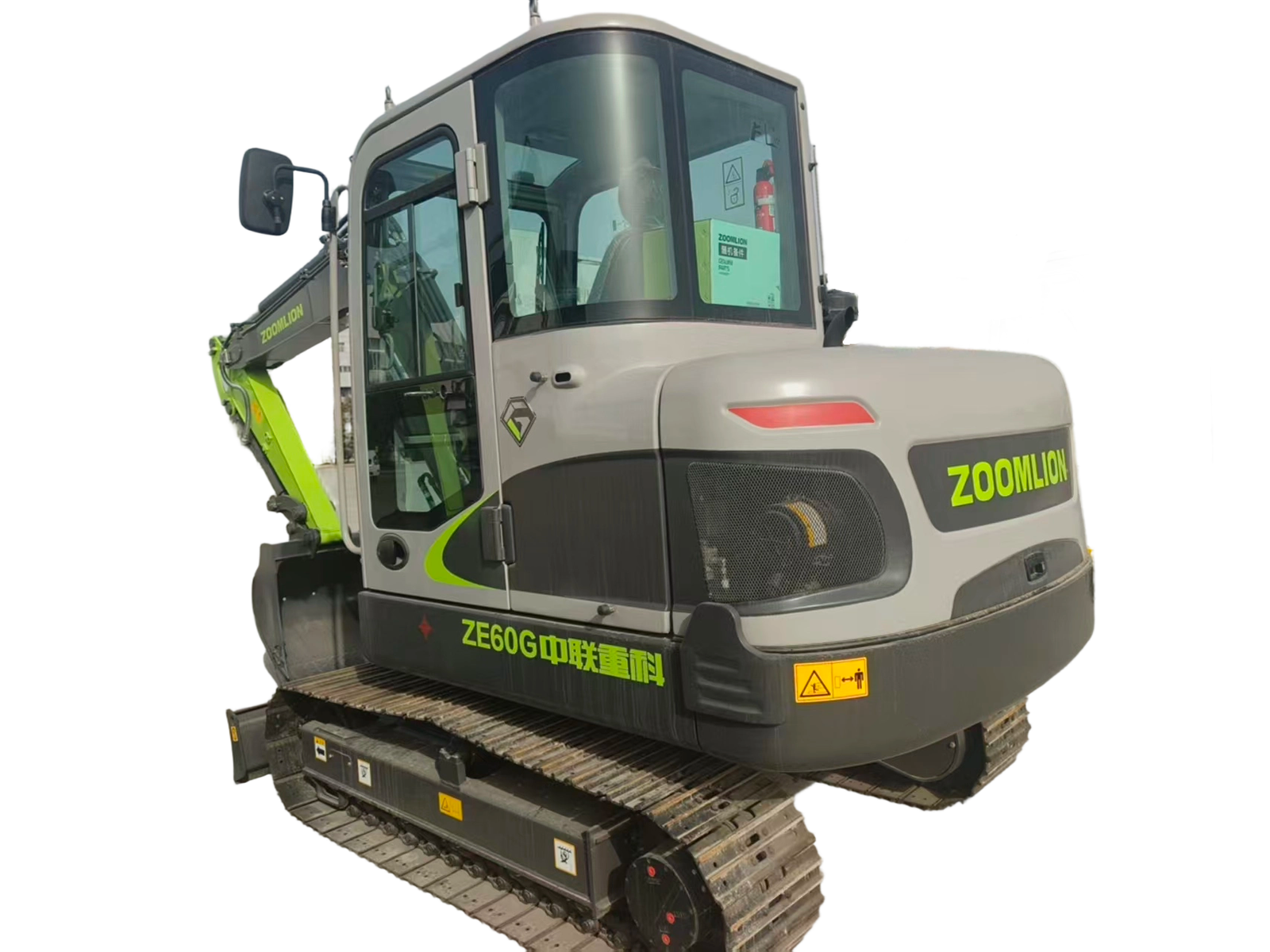
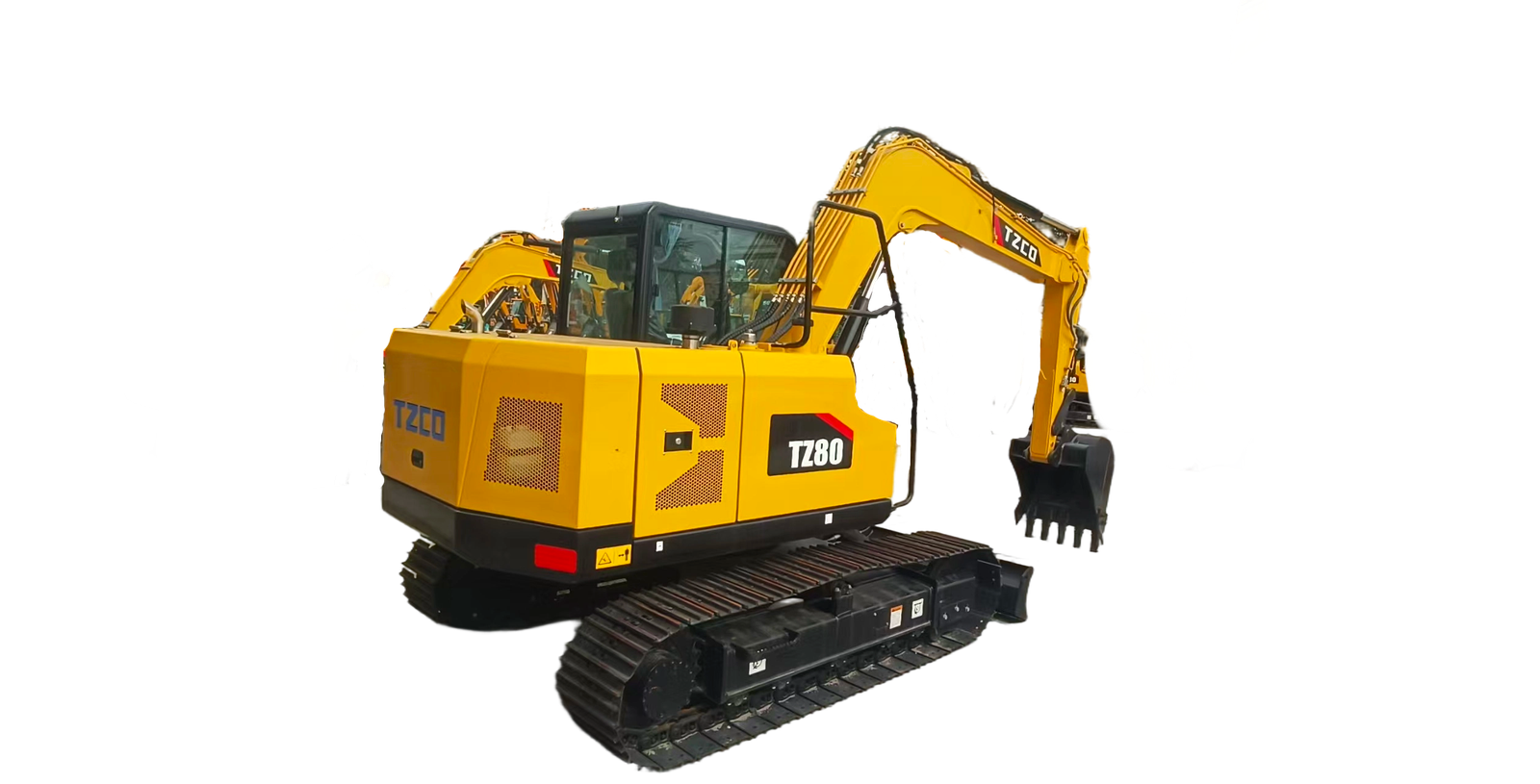
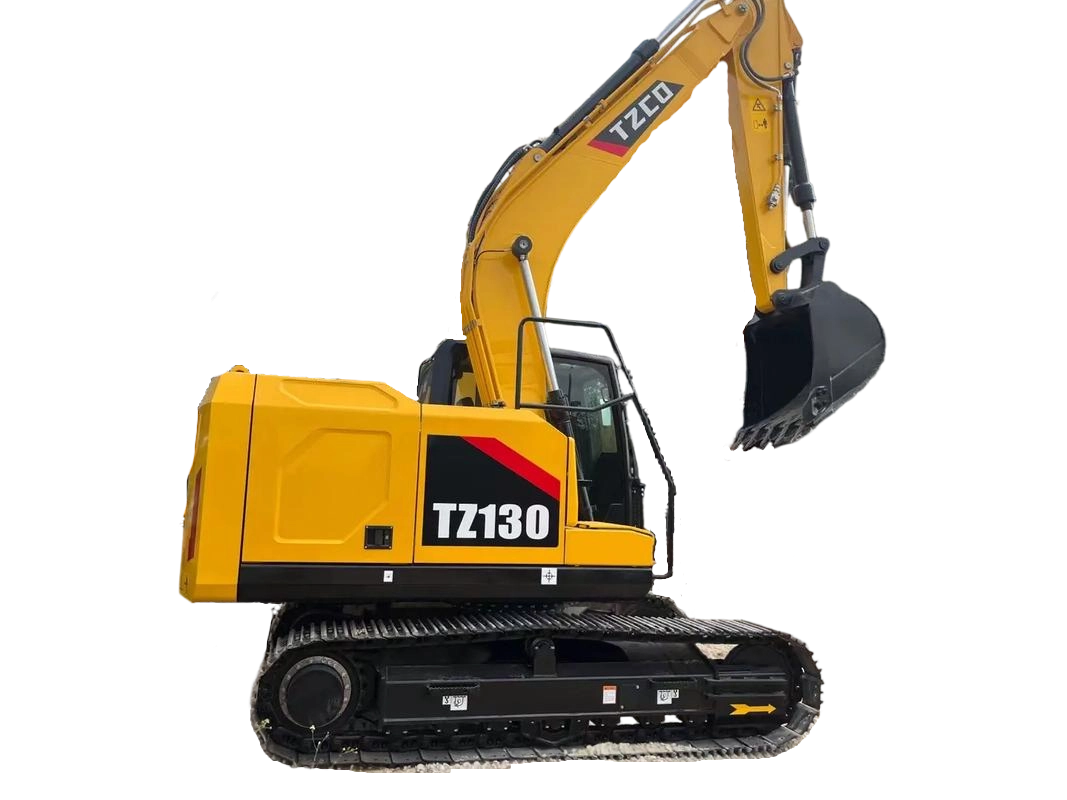
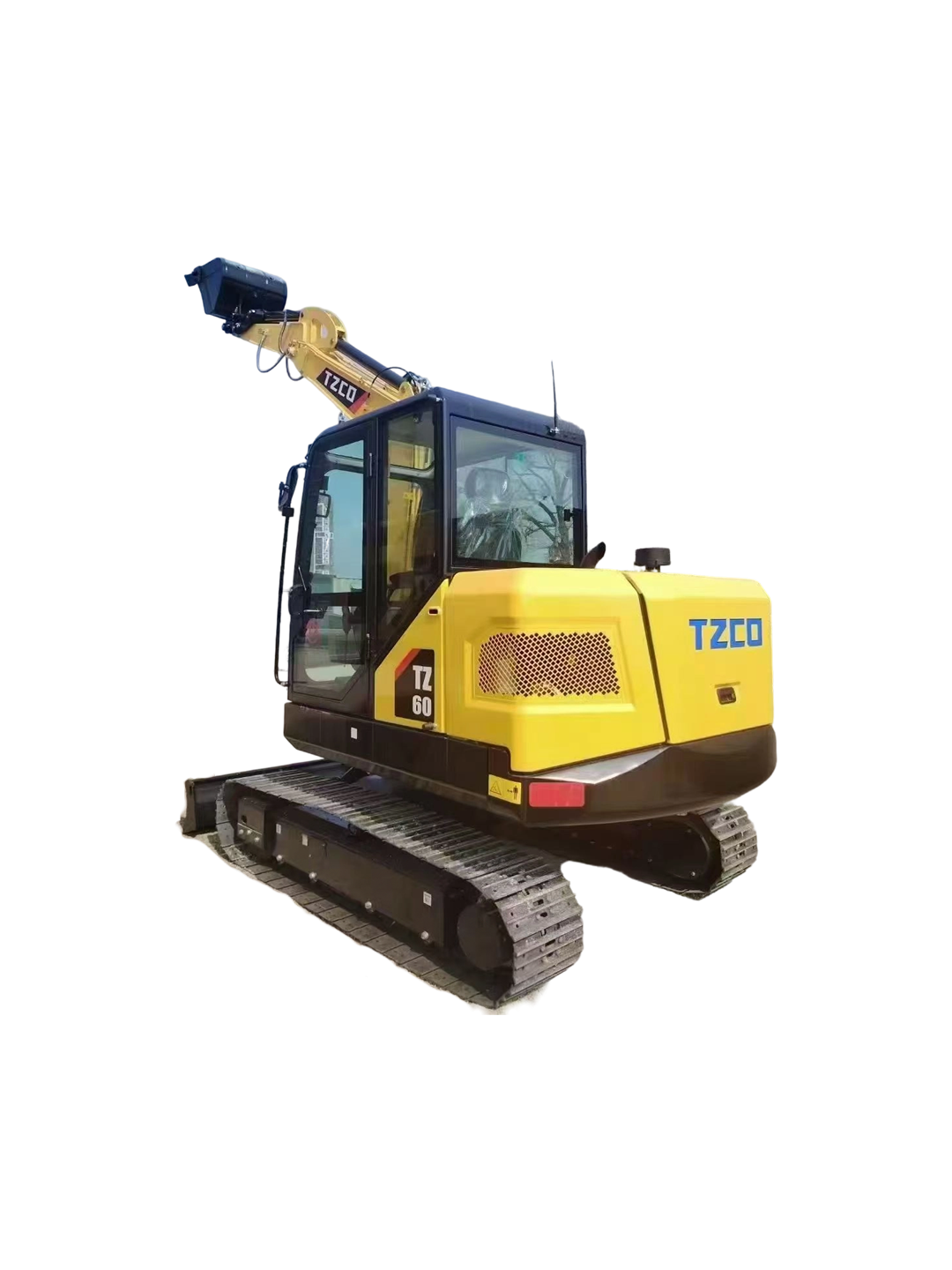
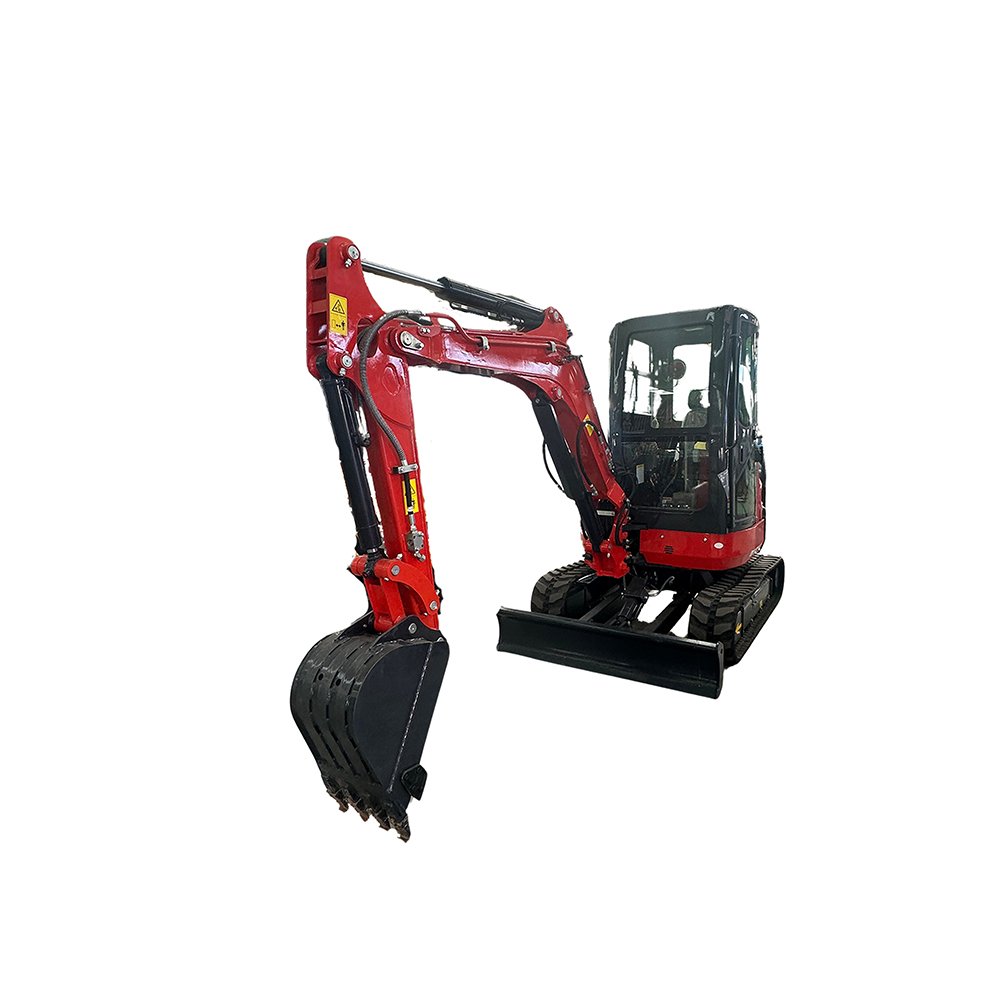
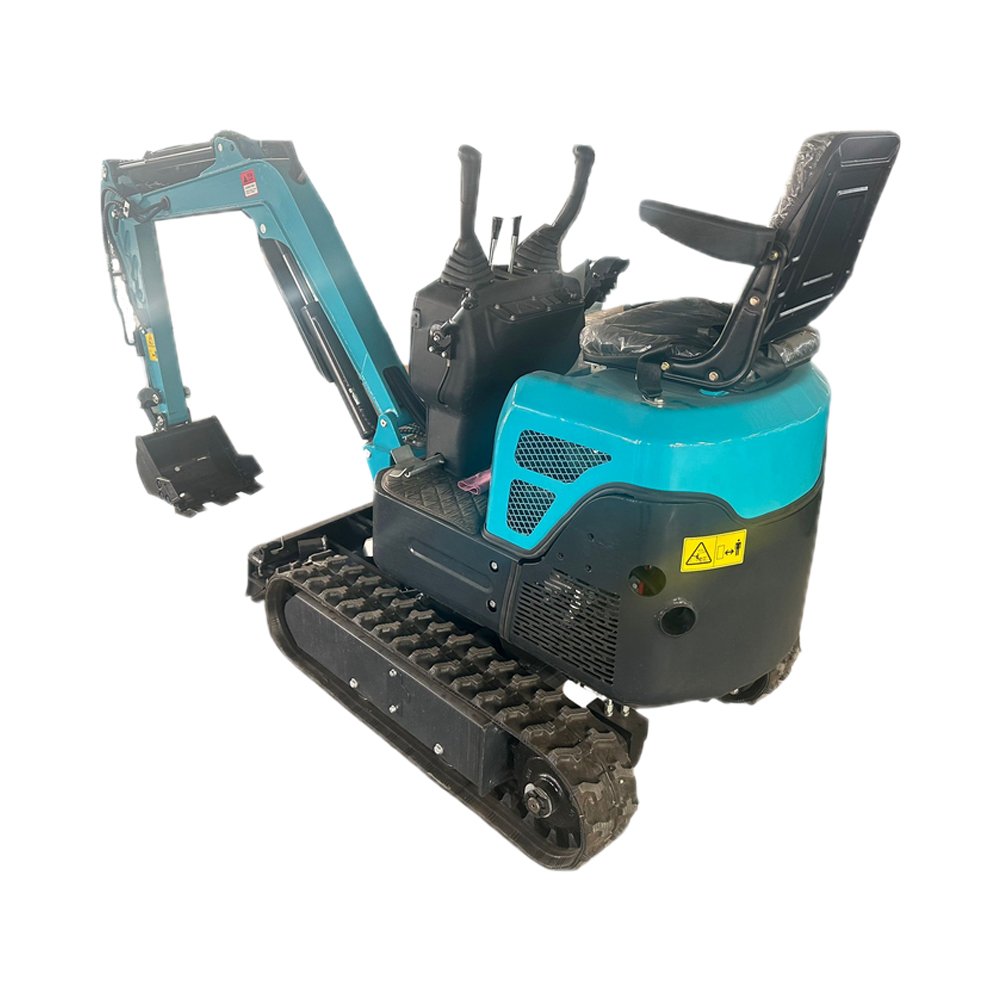
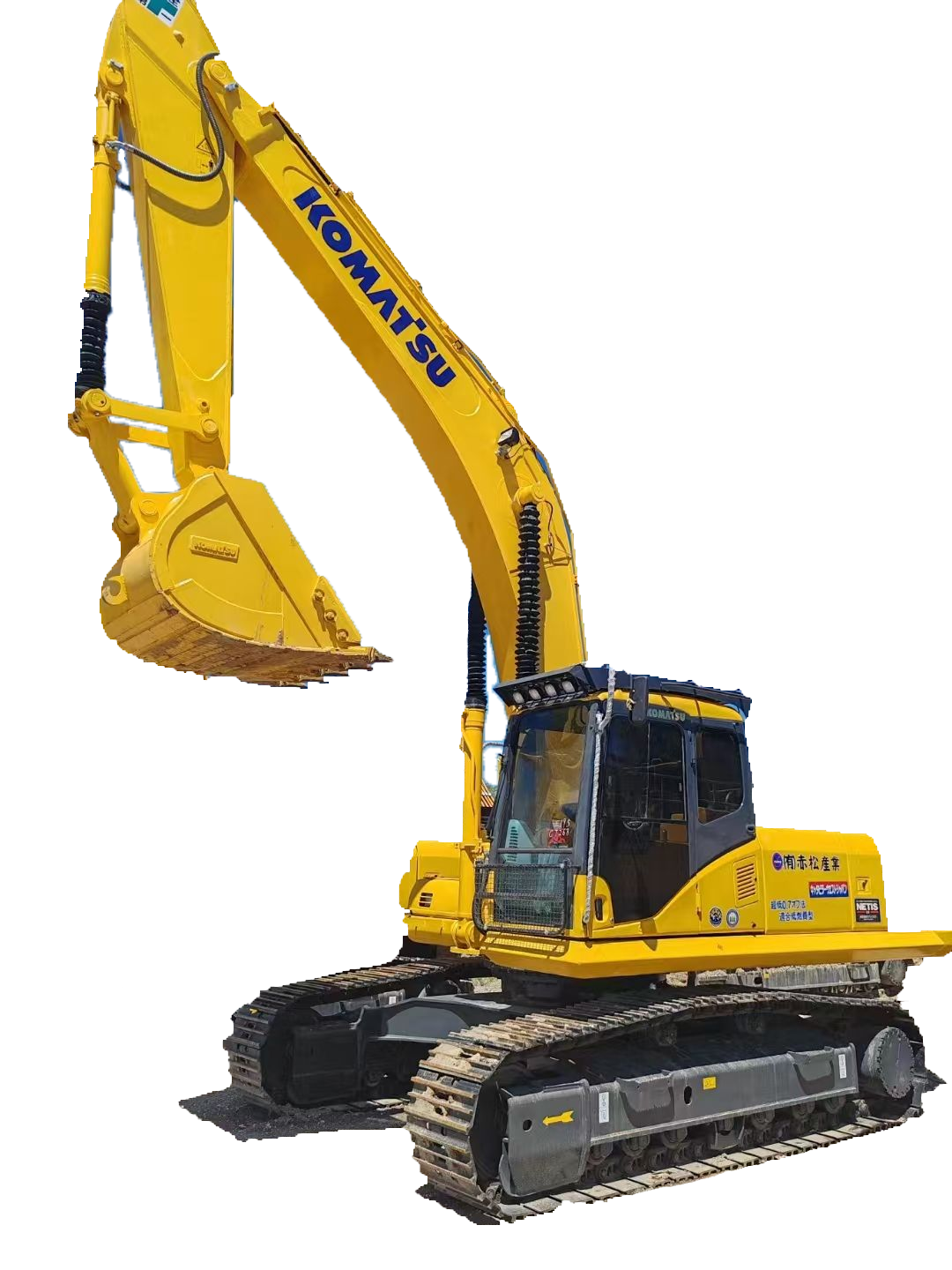
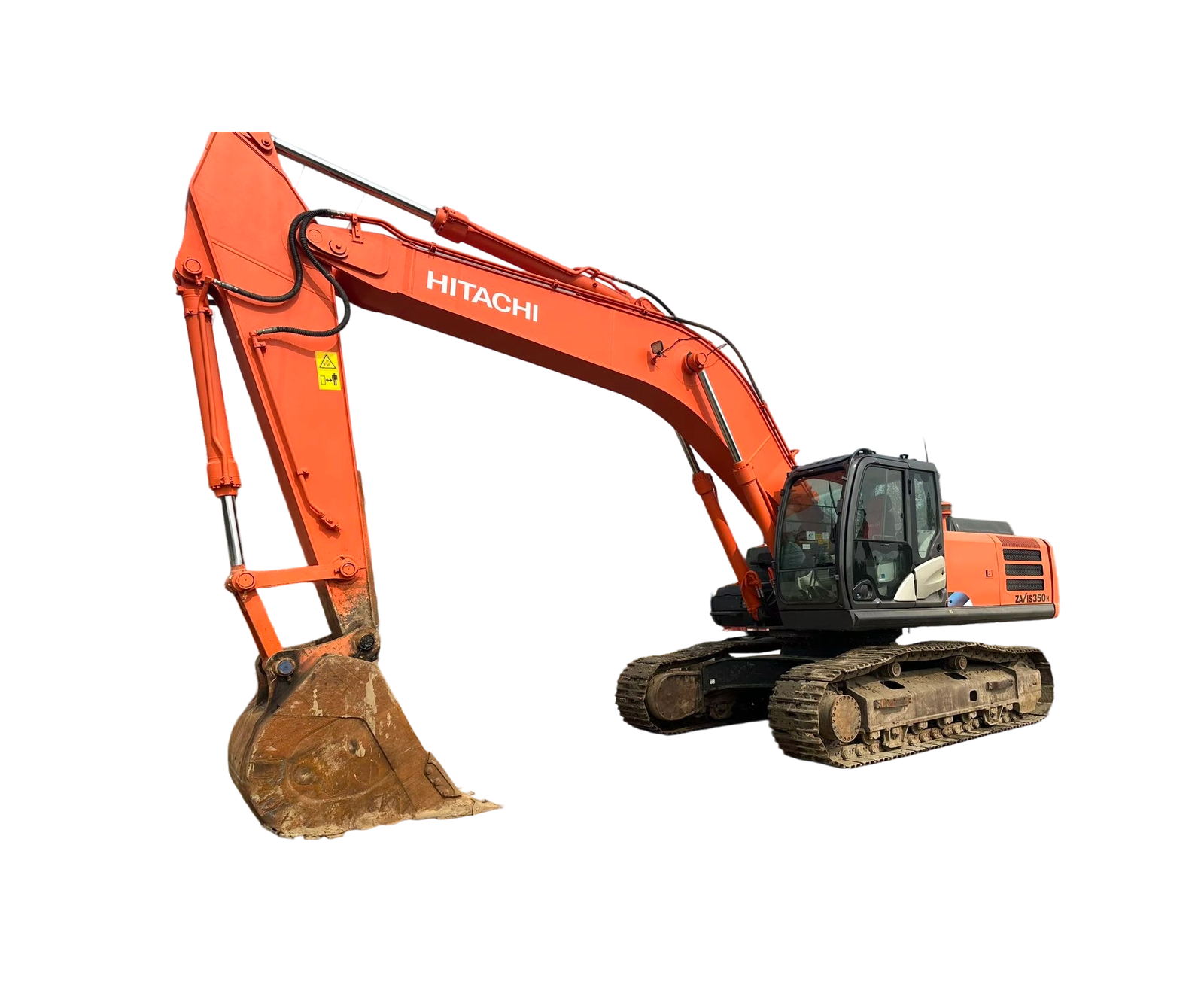
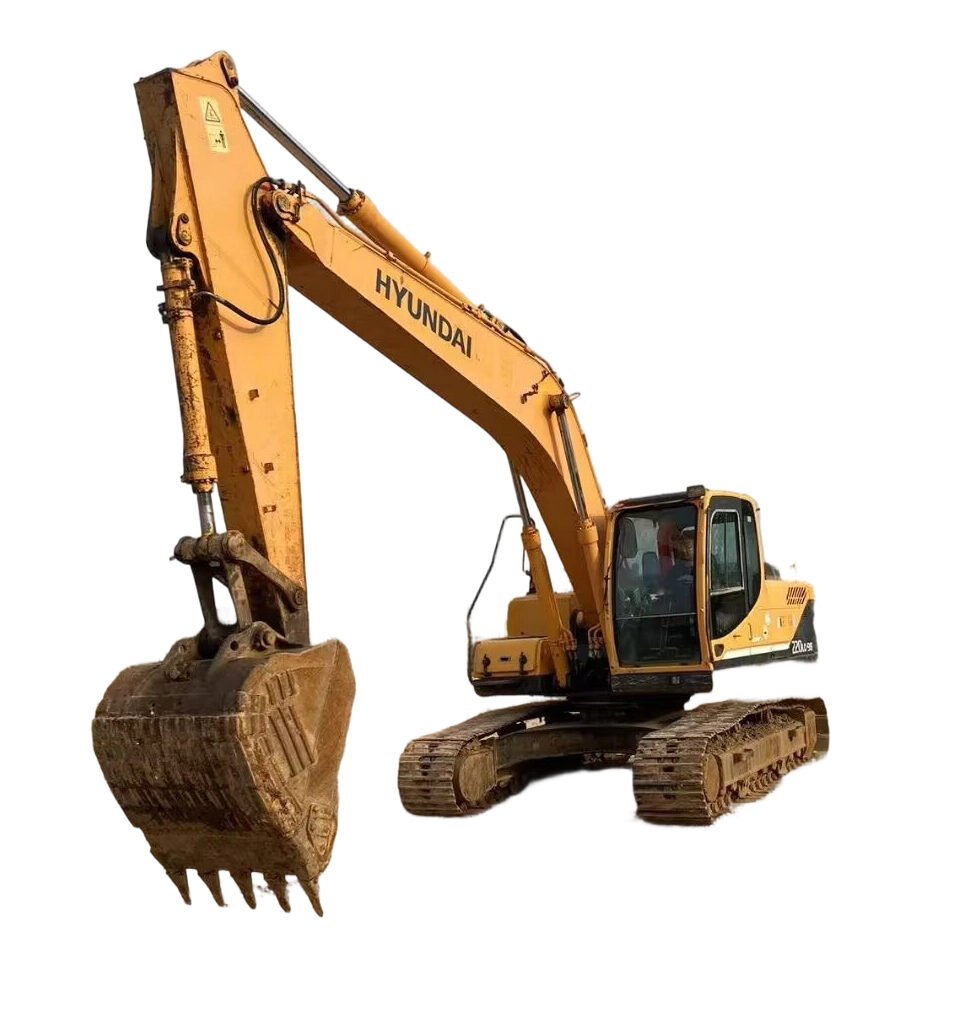
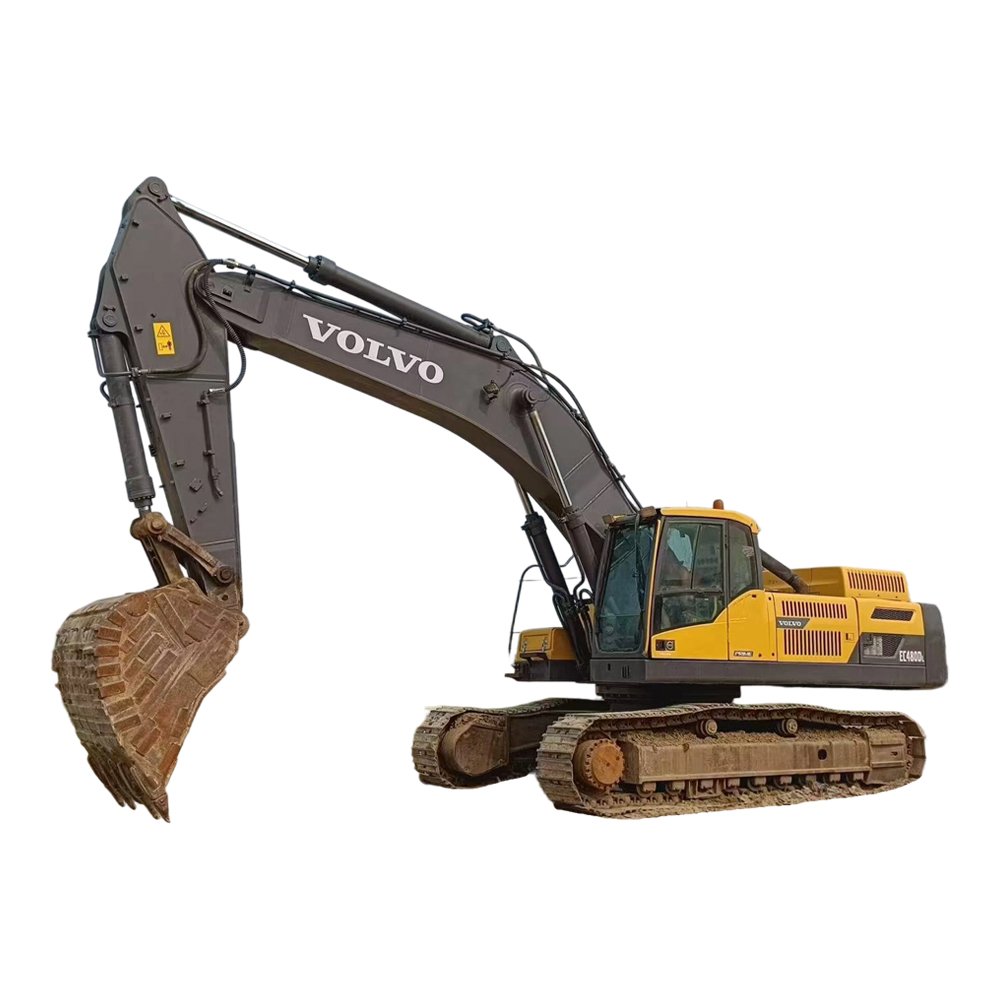
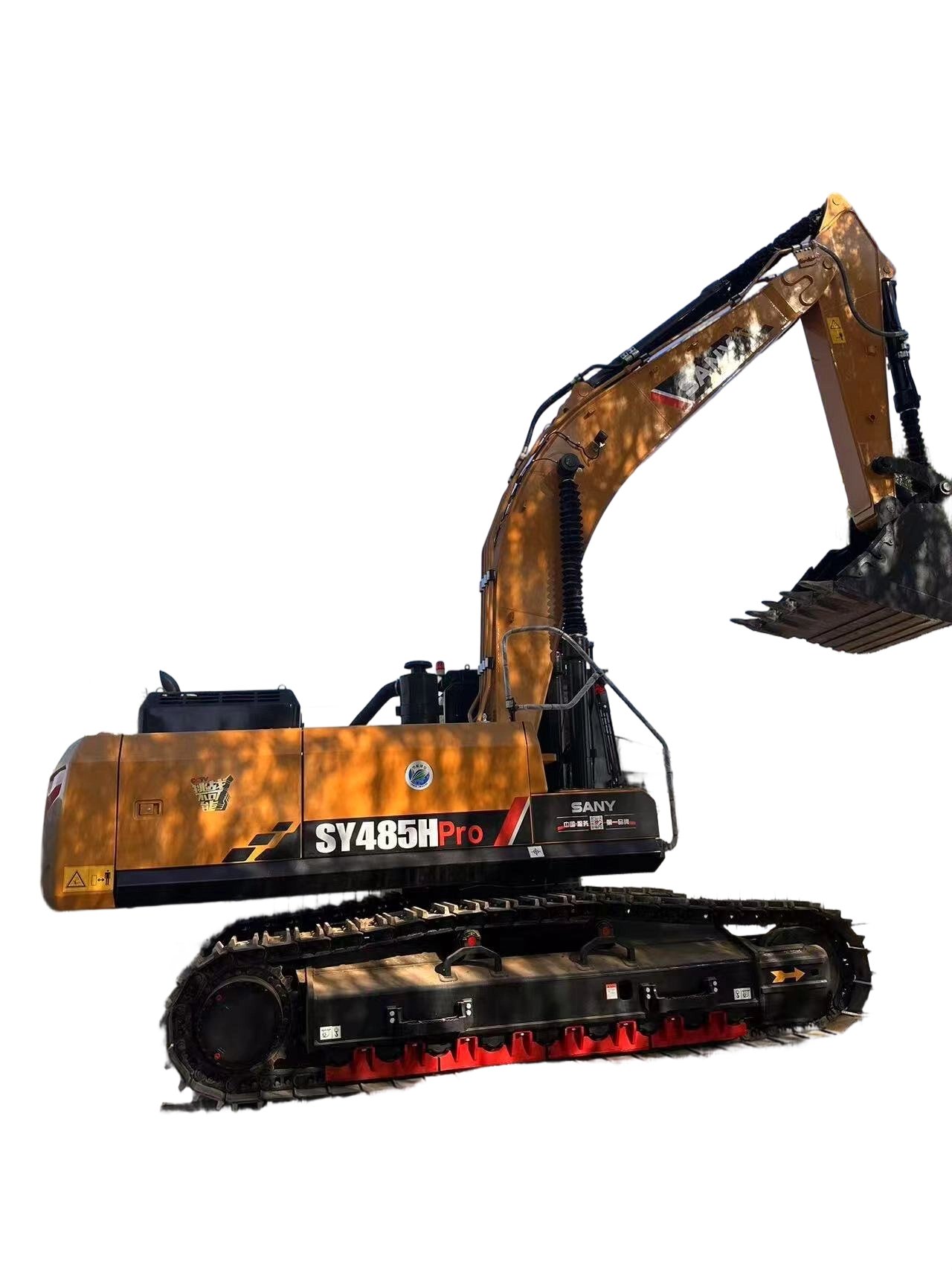
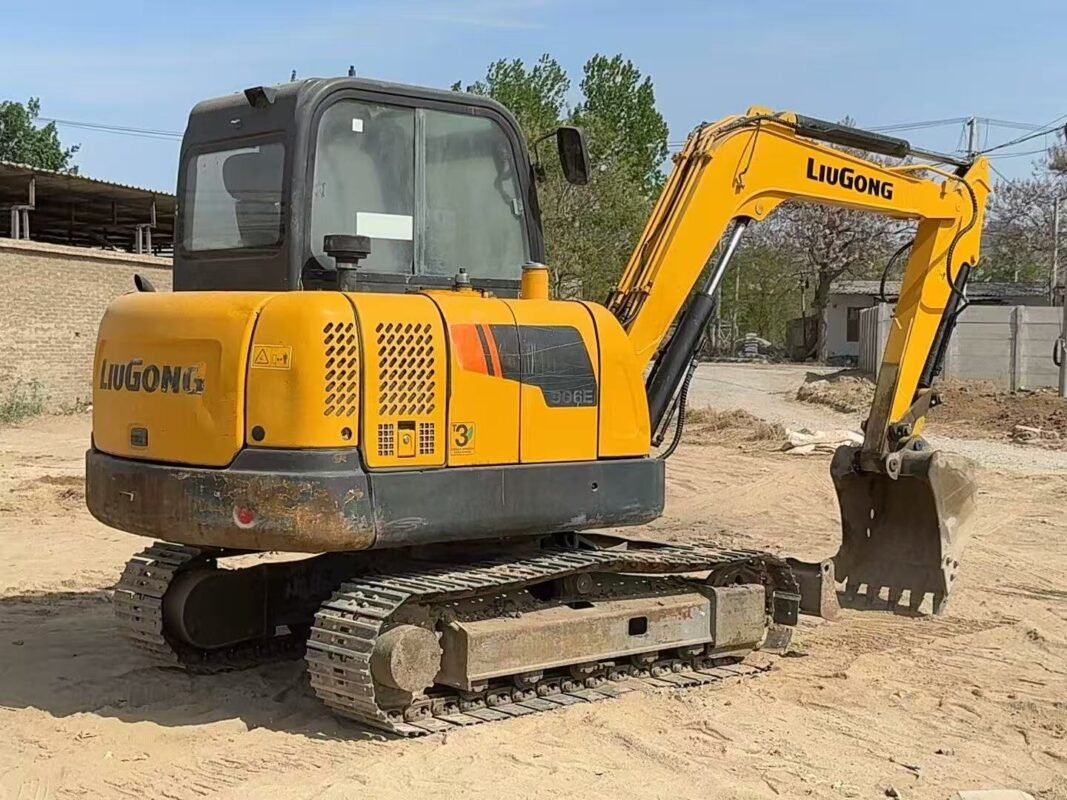
Excavators are among the most versatile and widely used pieces of heavy machinery in the world of construction, mining, and industrial operations. Equipped with a powerful hydraulic system, a rotating platform, and a bucket or other attachments, excavators can handle a wide range of tasks efficiently. Their flexibility and strength make them essential on construction sites, in urban infrastructure projects, and in challenging terrain. Understanding the different working scenes where excavators are deployed can help businesses, operators, and enthusiasts appreciate the full scope of their applications.
Construction Sites
One of the most common environments for excavators is construction sites. Excavators perform multiple functions, including digging foundations, trenches, and basements. They help prepare the ground for building structures such as residential complexes, commercial buildings, and industrial facilities. Modern excavators, whether compact or large-scale, are equipped with advanced technology, allowing operators to work with precision and efficiency even in tight spaces. Beyond digging, they assist in moving soil, rocks, and other materials, which reduces manual labor and speeds up project timelines. From residential housing developments to high-rise construction, excavators play a vital role in shaping modern cities.
Road and Infrastructure Projects
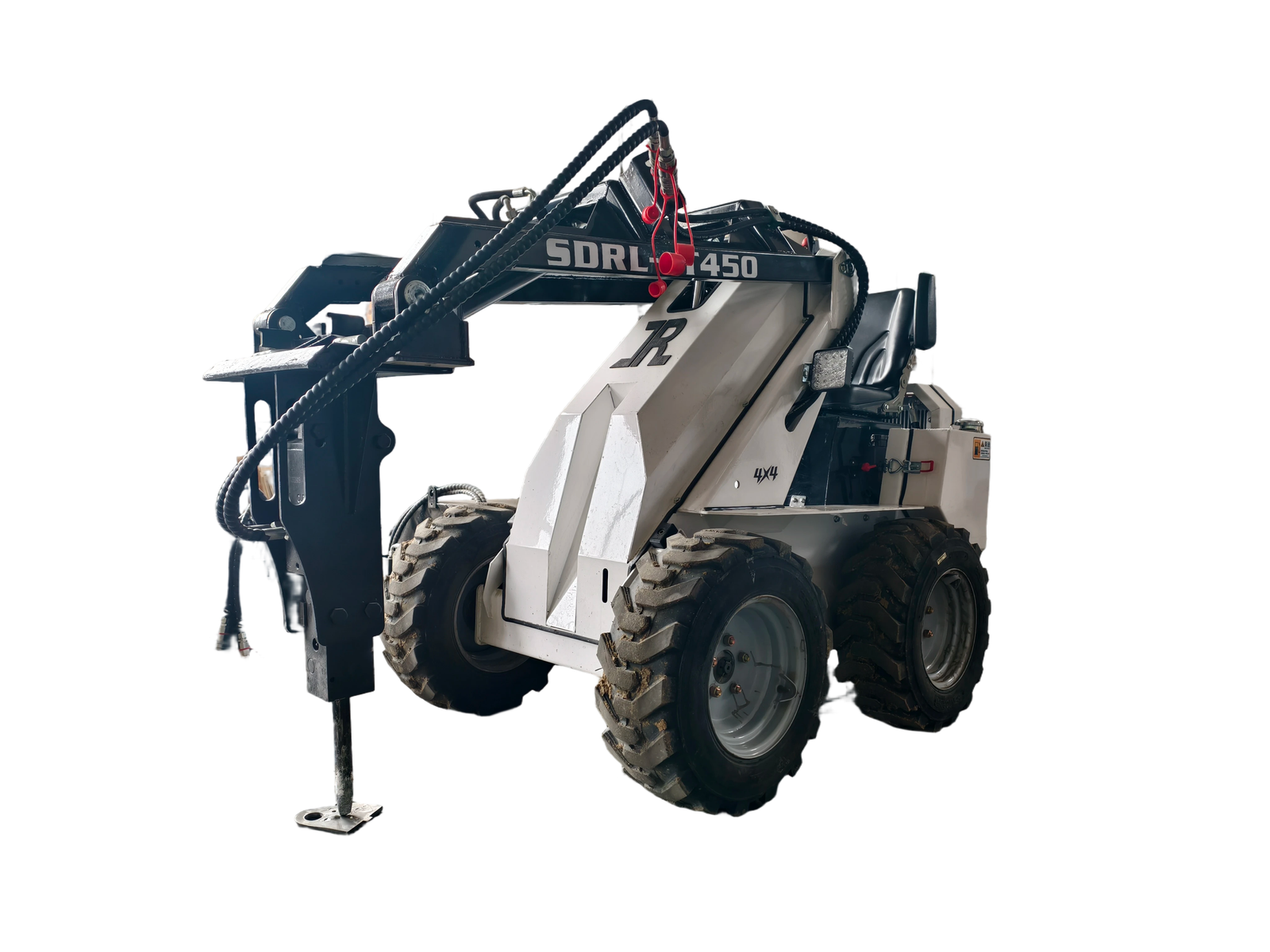
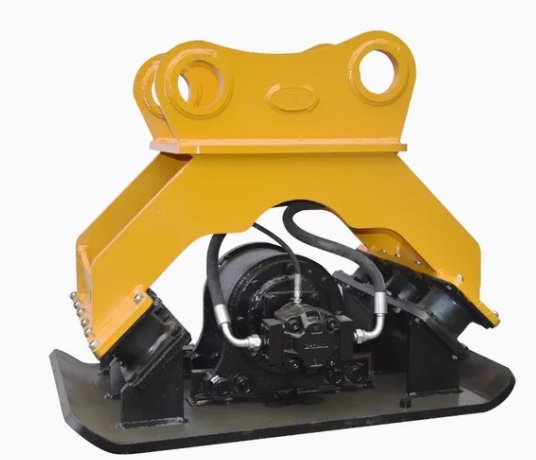
Excavators are indispensable in the development and maintenance of roads, bridges, and other infrastructure. They are used to remove existing pavement, clear debris, and dig foundations for bridge piers and highway embankments. Their hydraulic attachments, such as breakers and grapples, allow them to break up concrete, lift heavy materials, and manage excavation tasks that require precise control. Additionally, excavators support pipeline installations, drainage systems, and urban utilities, ensuring that essential infrastructure projects proceed efficiently and safely. Their ability to work in confined urban areas or along highway corridors makes them highly adaptable for municipal and regional projects.
Mining and Quarry Operations
In mining and quarrying, excavators are crucial for handling large volumes of material. They extract rock, minerals, and other raw resources from the ground, enabling efficient resource processing and transportation. Excavators equipped with specialized buckets or grabs can reach deep into mining pits or quarry walls, handling materials that would be impossible to move manually. Their robust hydraulic systems provide the strength and stability needed for prolonged operations in challenging conditions, including rocky terrain and steep slopes. In mining operations, the reliability and efficiency of excavators directly impact production rates and overall operational success.
Forestry and Land Clearing
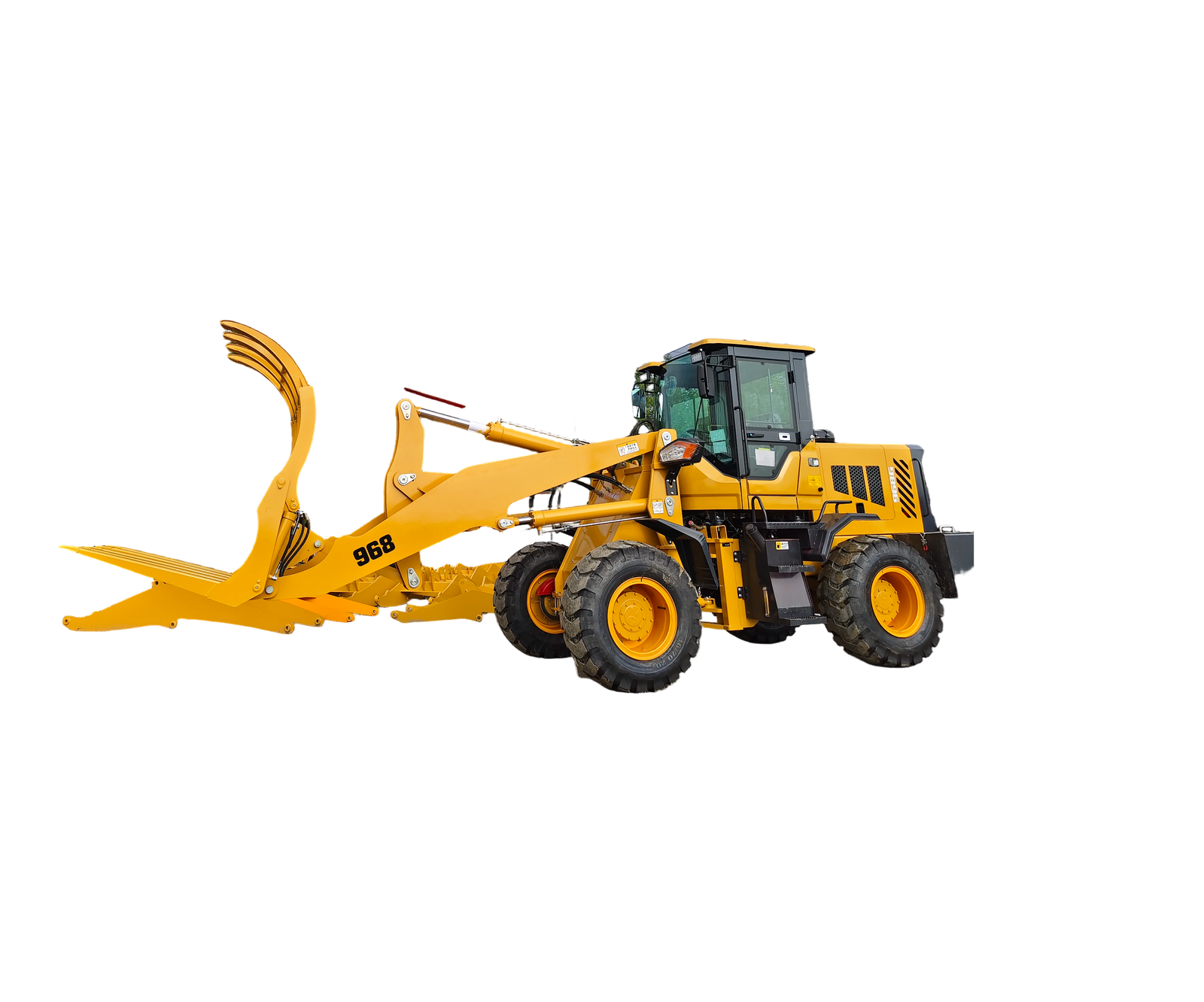
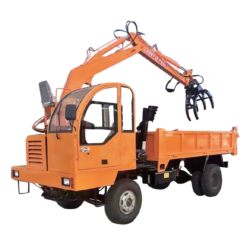
Excavators are also employed in forestry and land clearing operations. They can remove trees, stumps, and vegetation to prepare land for construction, agriculture, or conservation projects. Equipped with attachments like grapples, shears, or mulchers, excavators can perform delicate tasks such as selective tree removal or precise terrain shaping. This versatility makes them valuable in preserving natural resources while achieving project goals. Excavators in forestry help reduce manual labor, increase safety, and ensure that large-scale land clearing is completed efficiently and sustainably.
Demolition and Urban Renewal
Demolition is another area where excavators excel. With specialized attachments such as hydraulic hammers, crushers, or shears, excavators can safely dismantle buildings, concrete structures, and industrial facilities. They are used to remove debris, separate materials for recycling, and clear sites for redevelopment. In urban renewal projects, excavators help transform old infrastructure into new residential, commercial, or recreational spaces. Their precision and power reduce the risk of damage to surrounding areas and make demolition operations faster and more cost-effective.
Disaster Response and Emergency Works
Excavators are invaluable in disaster response and emergency scenarios. Following floods, landslides, earthquakes, or other natural disasters, excavators are deployed to remove debris, clear roads, and assist in rescue operations. Their ability to lift heavy materials, dig through collapsed structures, and navigate difficult terrain makes them essential for rapid emergency response. In such situations, excavators not only restore accessibility but also support humanitarian efforts by enabling the safe and efficient recovery of affected areas.
Specialized Industrial Applications
Beyond the traditional construction and excavation roles, excavators find applications in specialized industries. They are used in ports and shipping yards for material handling, in manufacturing for moving heavy components, and in environmental projects such as dredging waterways or restoring ecosystems. Excavators can be fitted with a wide variety of attachments tailored to the specific needs of each industry, from grapples and magnets to augers and shears. This adaptability makes them a key asset in diverse industrial operations.
Excavators are more than just machines for digging—they are essential tools that enhance efficiency, safety, and productivity across multiple sectors. From construction and infrastructure projects to mining, forestry, demolition, disaster response, and industrial operations, excavators demonstrate exceptional versatility and reliability. Understanding the various working scenes in which excavators are employed highlights their importance in modern development, resource management, and emergency response. Whether handling earth, lifting materials, or clearing complex sites, excavators continue to shape the world around us with precision and strength.