








Industry News
Sell Excavator How To Choose Mini Or Large Excavator For Different Job Sites
Jul
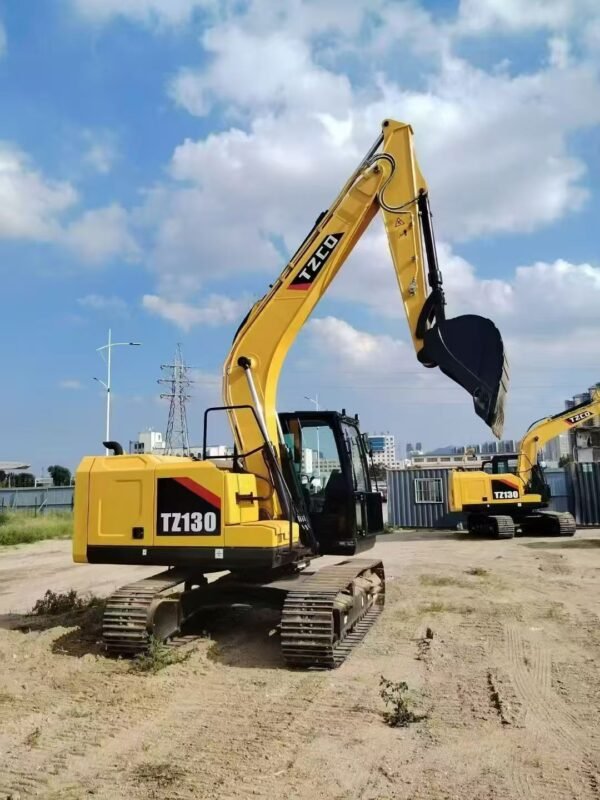
Excavators are essential machines for construction, landscaping, agriculture, infrastructure development, and many other industries. However, one of the most important decisions before purchasing or renting an excavator is choosing the right size for the specific job site.
Many contractors, business owners, and equipment buyers often ask whether a mini excavator or a large excavator is the better choice. The answer depends on several factors, including project scale, working environment, transportation requirements, digging depth, lifting capacity, and operating efficiency.
Selecting the right excavator is not simply about choosing the biggest machine available. A suitable excavator should match the actual working conditions, helping improve productivity, reduce unnecessary operating costs, and complete projects more efficiently.
Understanding the differences between mini and large excavators allows buyers to make smarter equipment decisions for different construction and earthmoving applications.
Mini Excavators Are Ideal for Compact and Flexible Job Sites
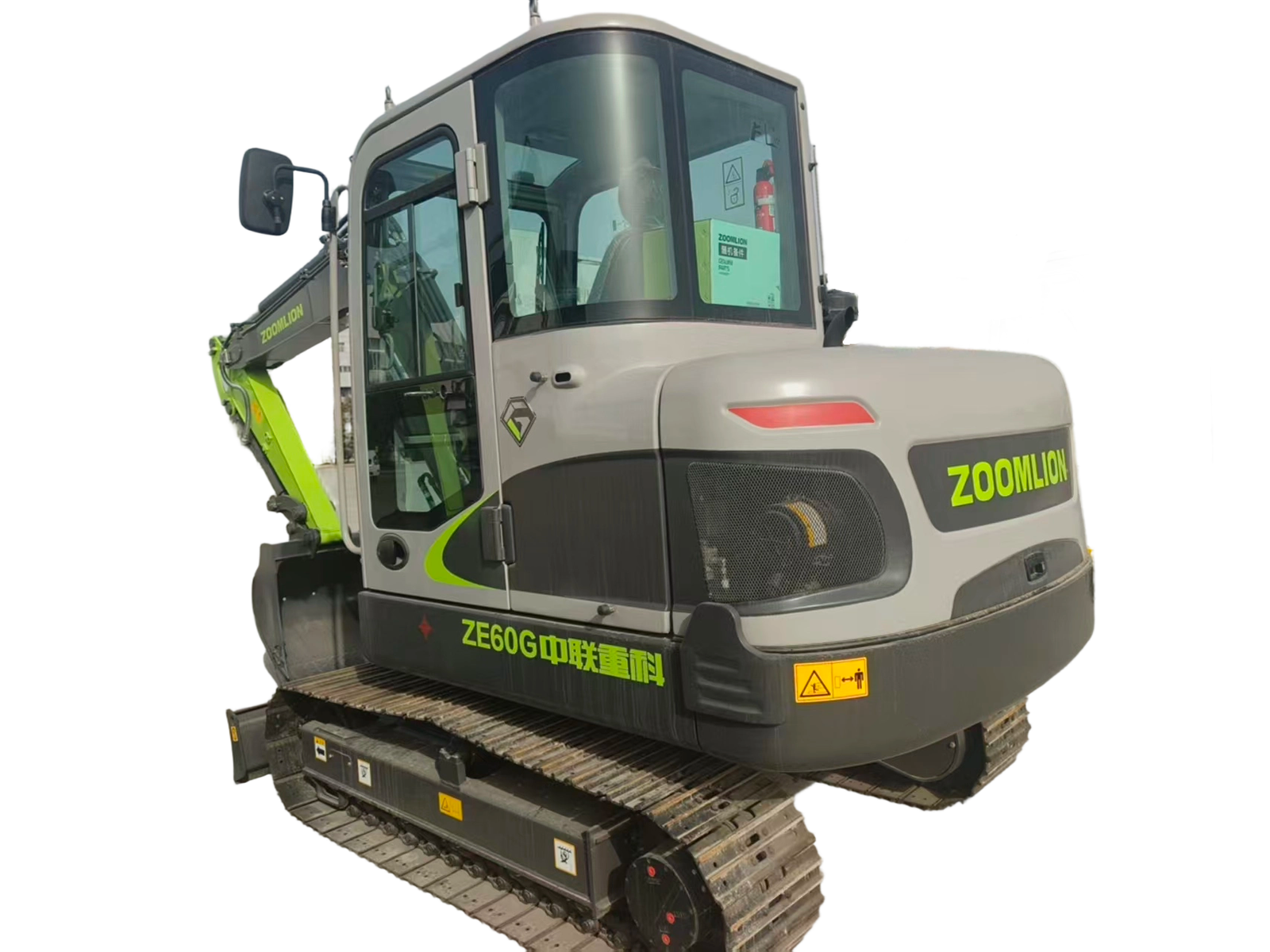
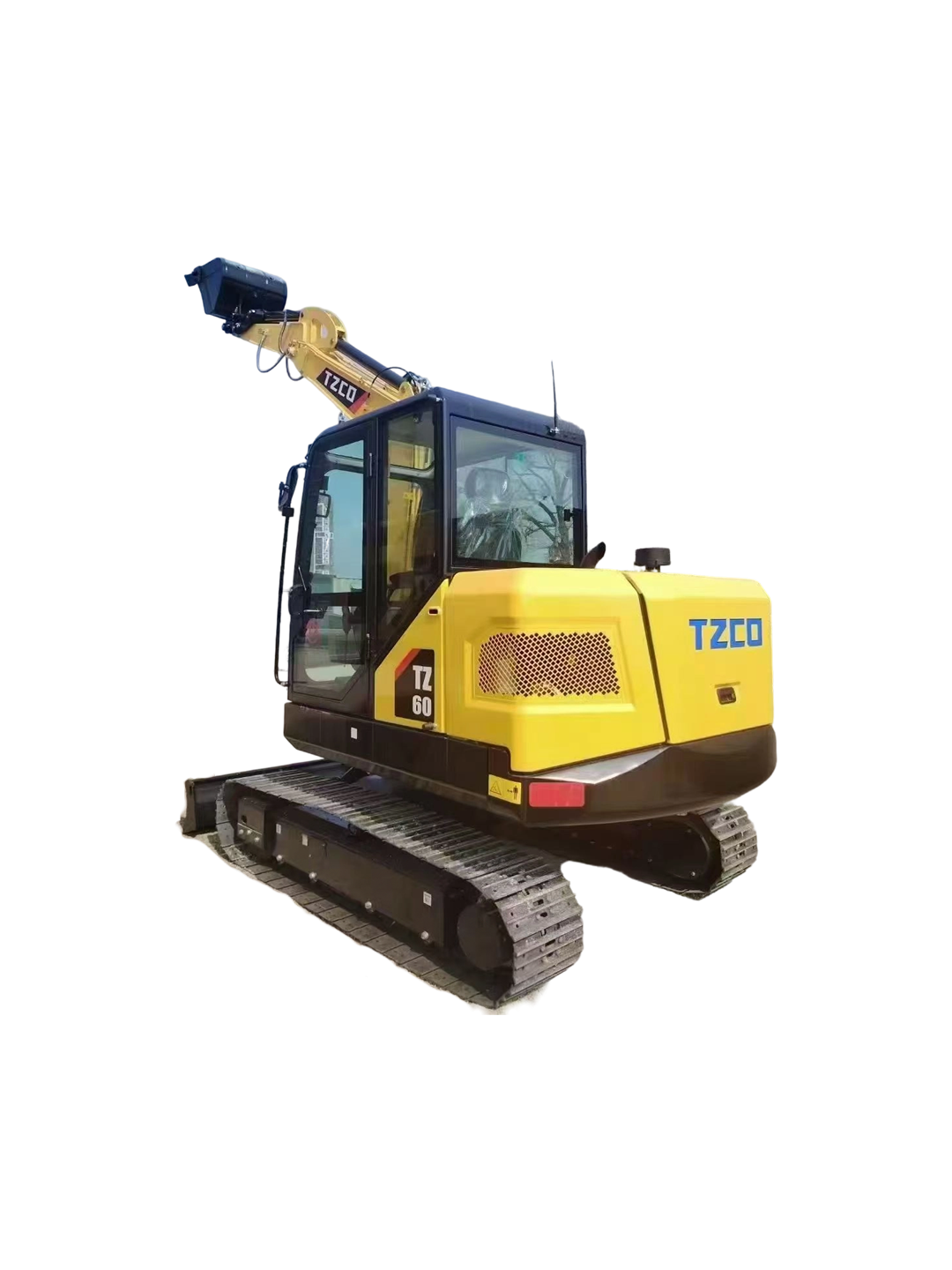
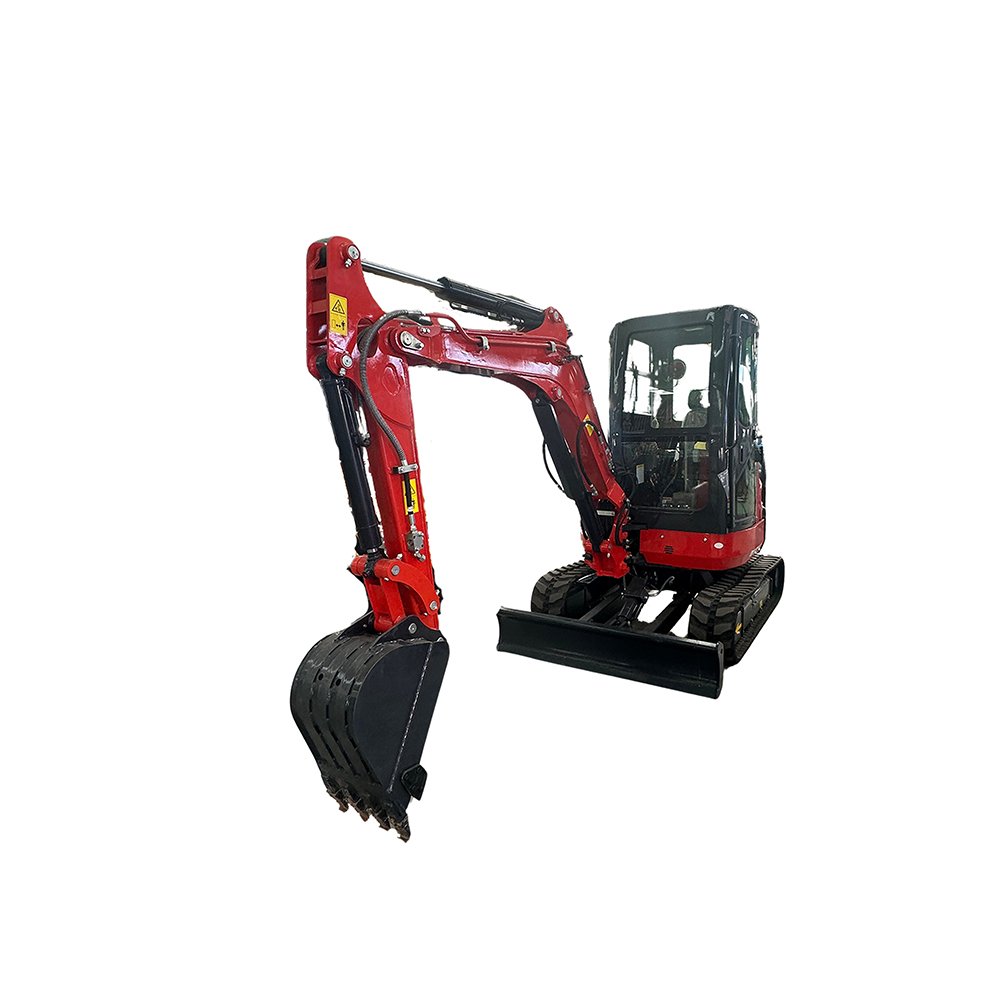
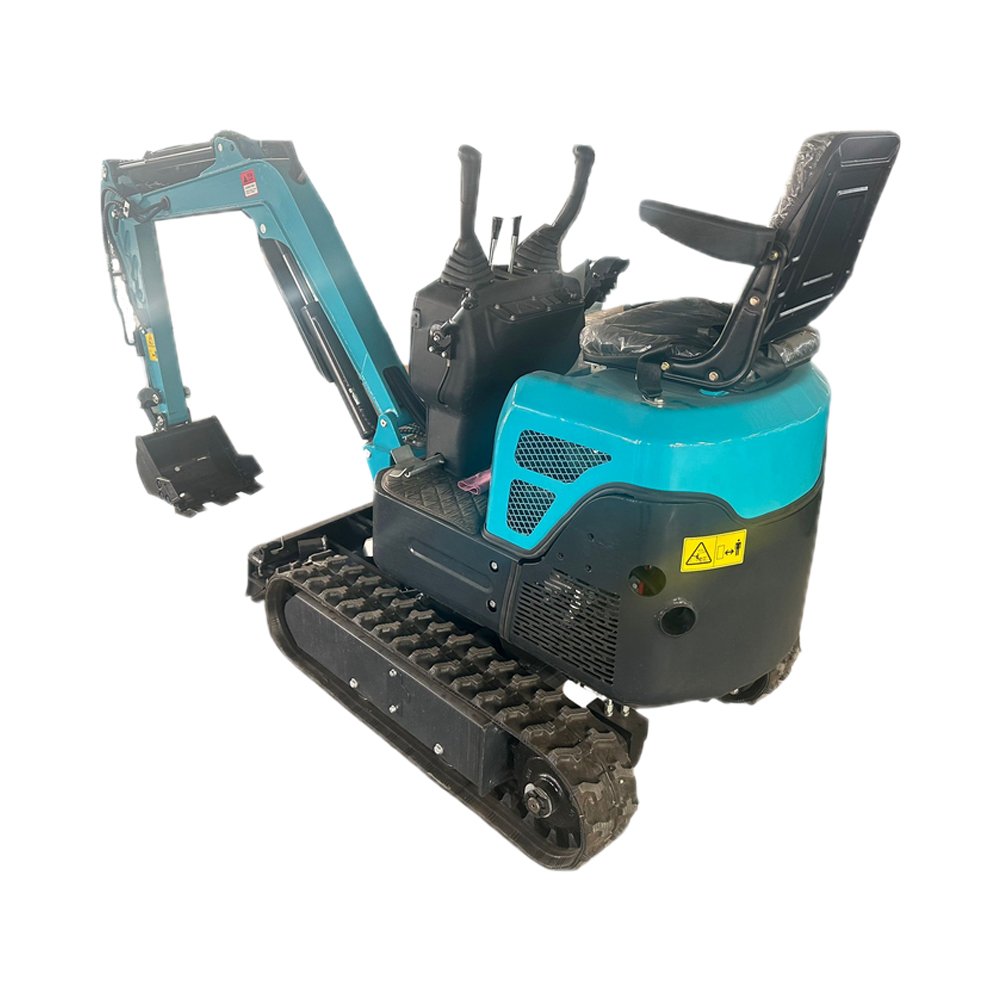
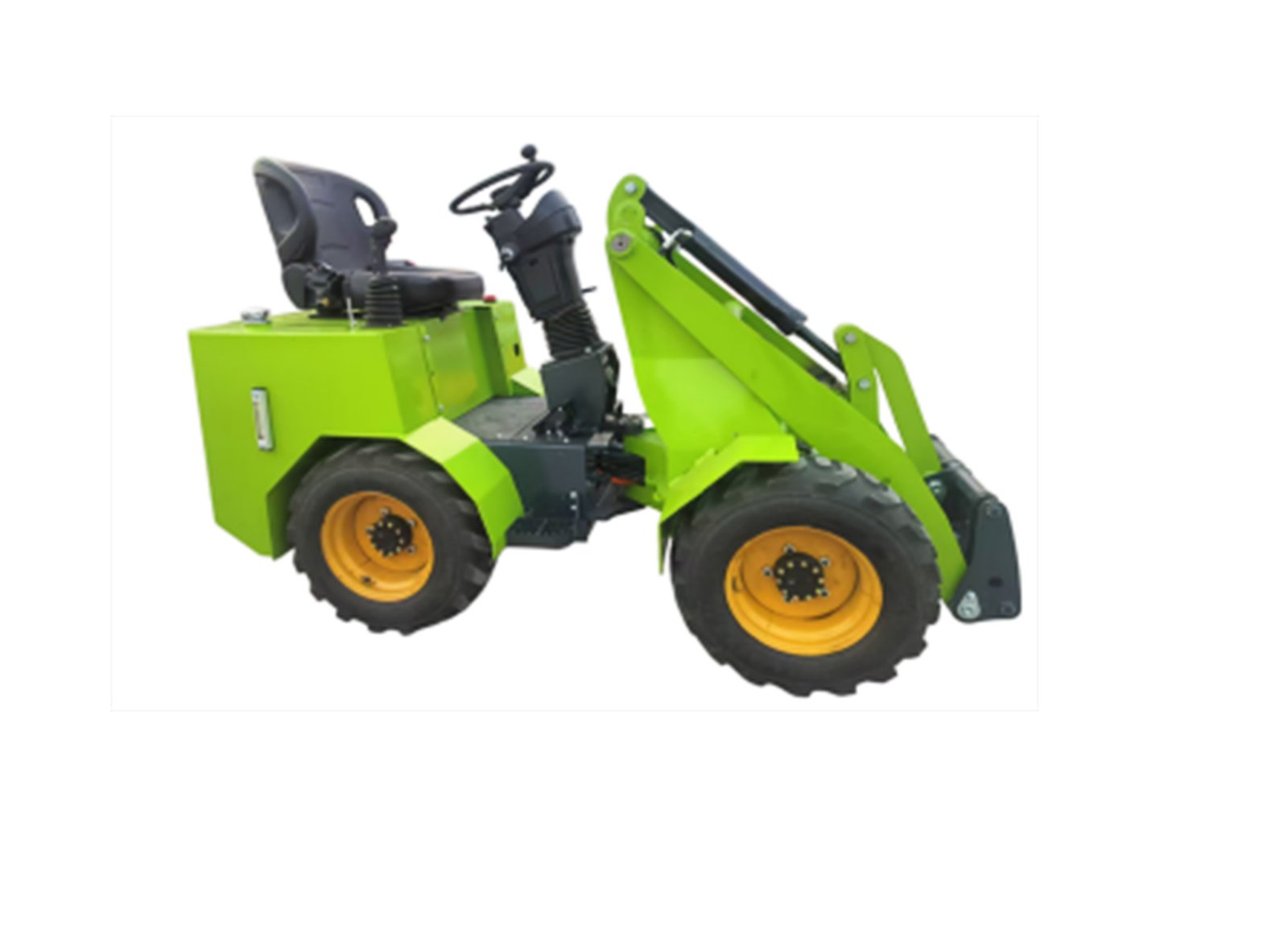
Mini excavators are widely used for residential projects, landscaping work, utility installation, and small-scale construction tasks. Their compact design allows operators to work in areas where space is limited.
For backyard renovation projects, garden preparation, drainage installation, small foundation work, and pipeline repairs, a mini excavator can provide excellent flexibility. It can easily move through narrow passages and operate in locations where larger equipment may not be practical.
Another advantage of mini excavators is transportation convenience. Their smaller size makes them easier to move between job sites, which is especially useful for contractors who handle multiple projects in different locations.
For small construction companies and independent operators, investing in a mini excavator can provide a versatile solution for handling a wide range of daily tasks.
Large Excavators Provide Power for Heavy Construction Projects
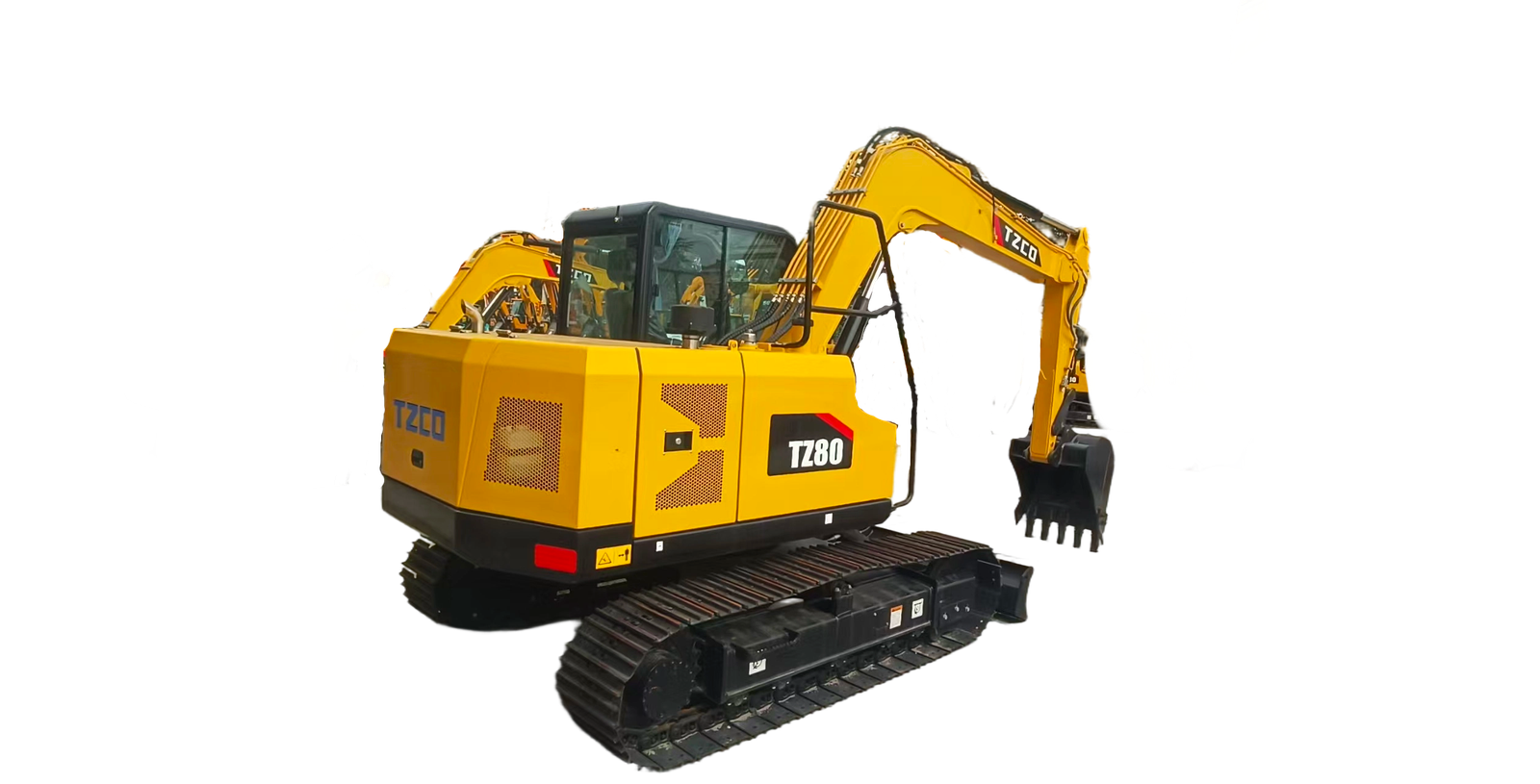
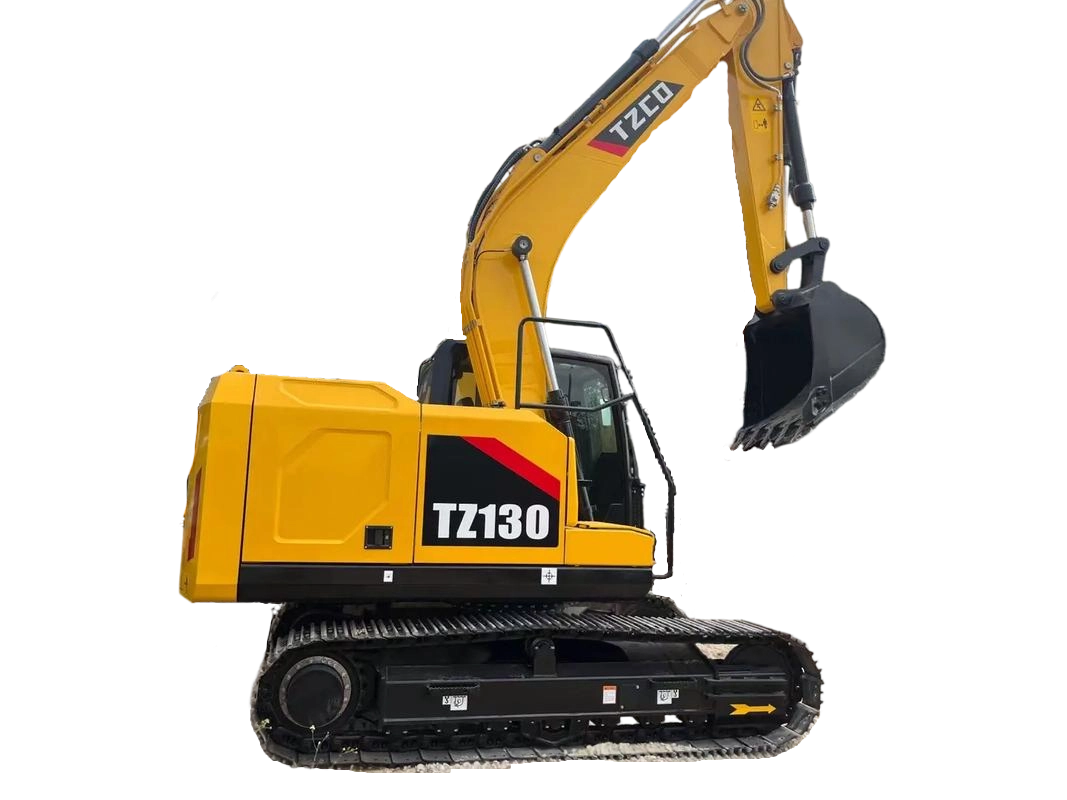
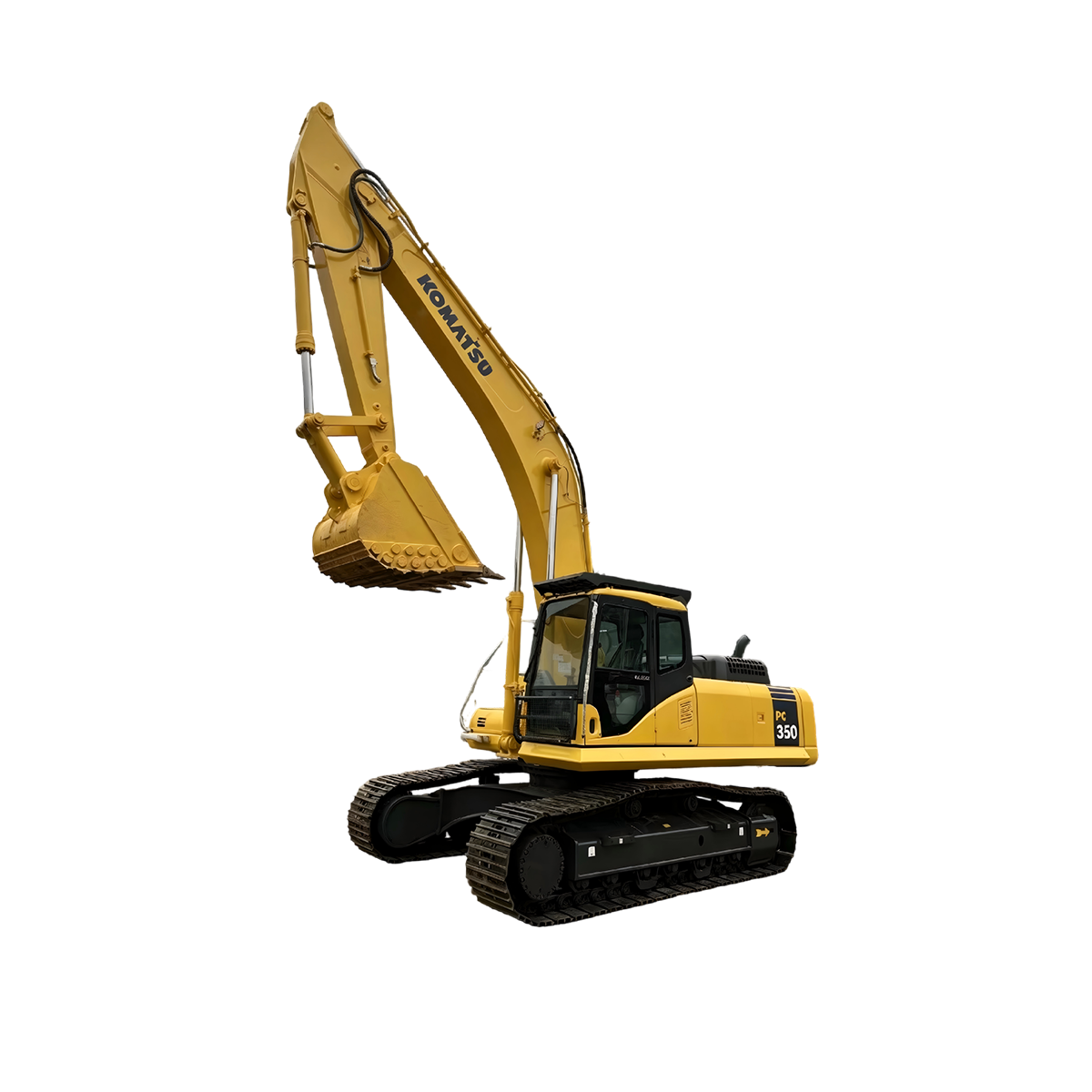
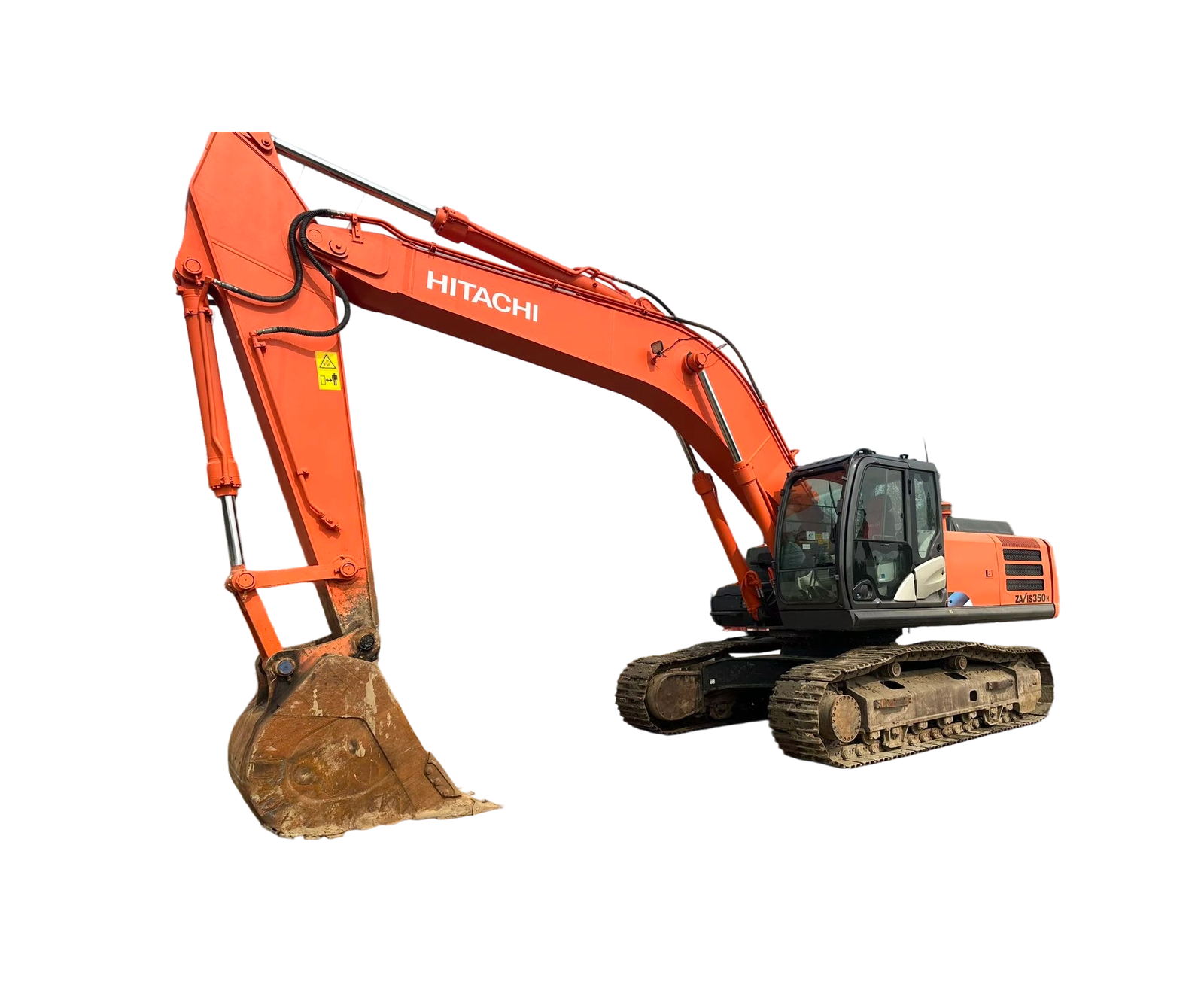
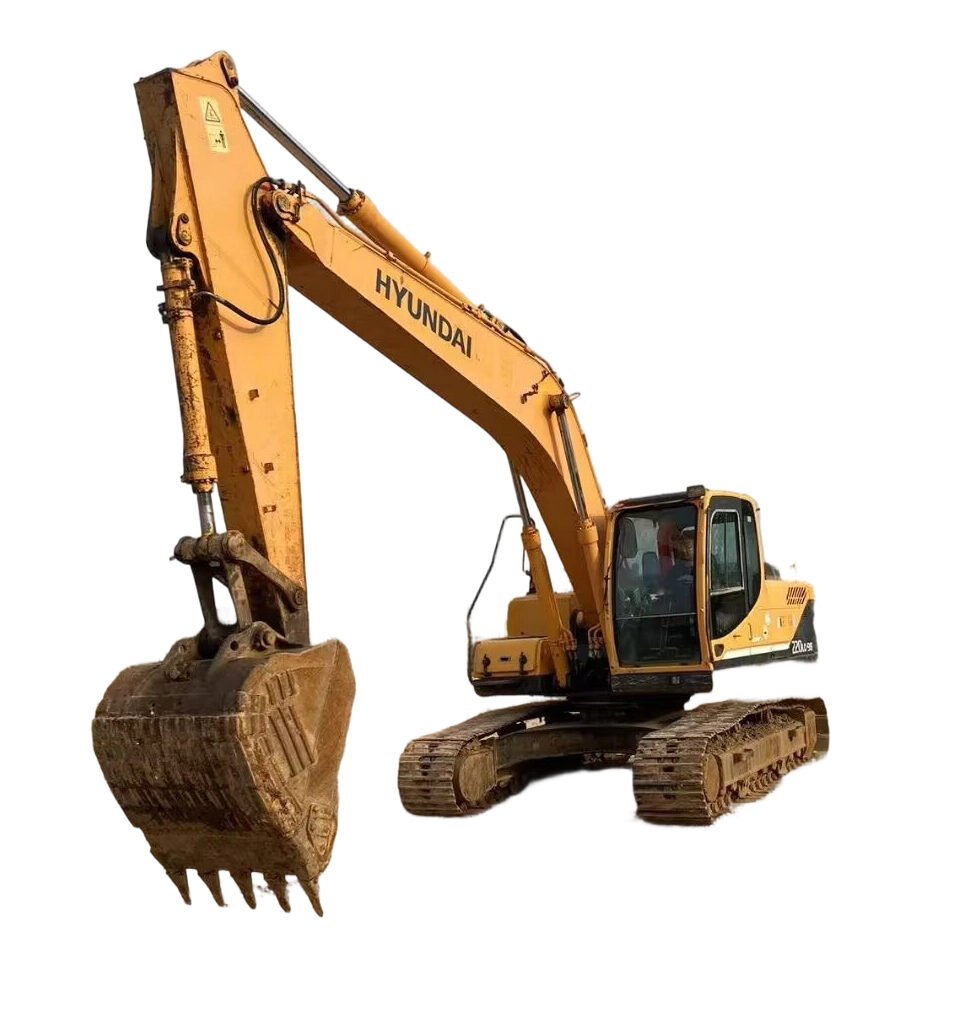
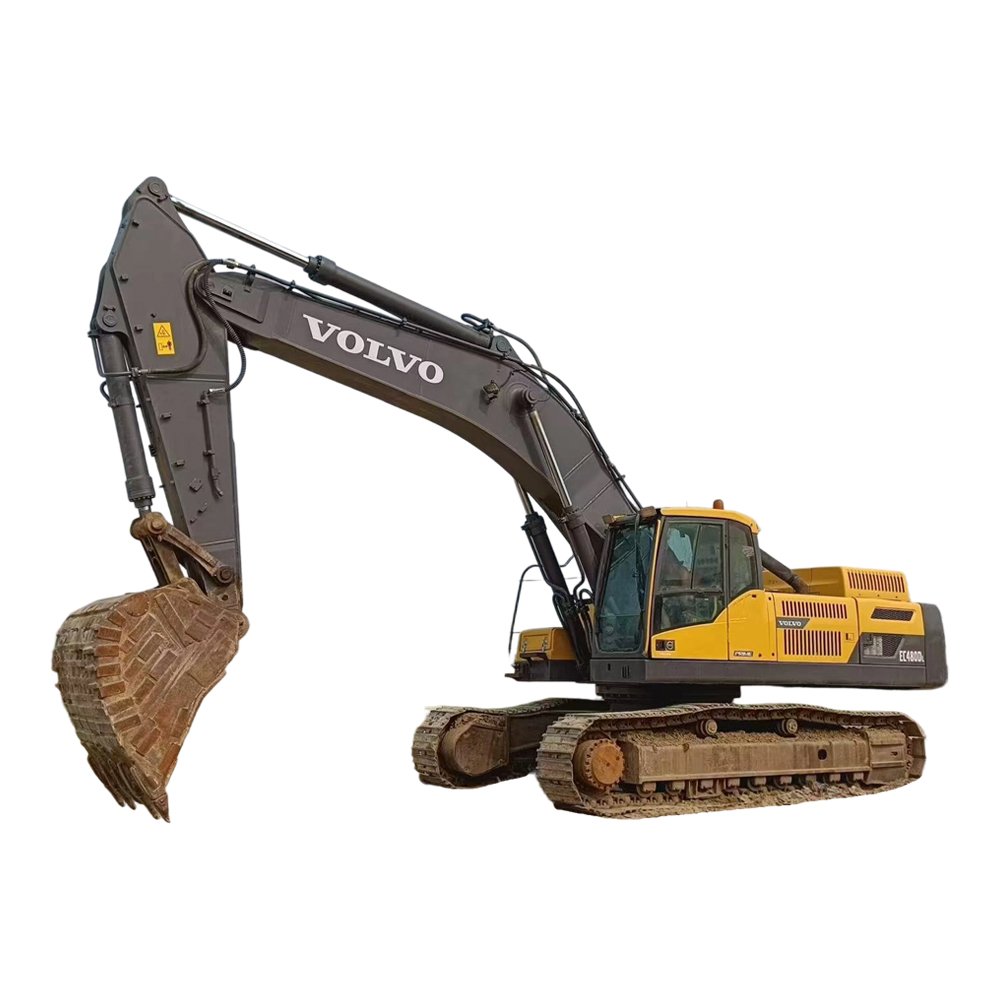
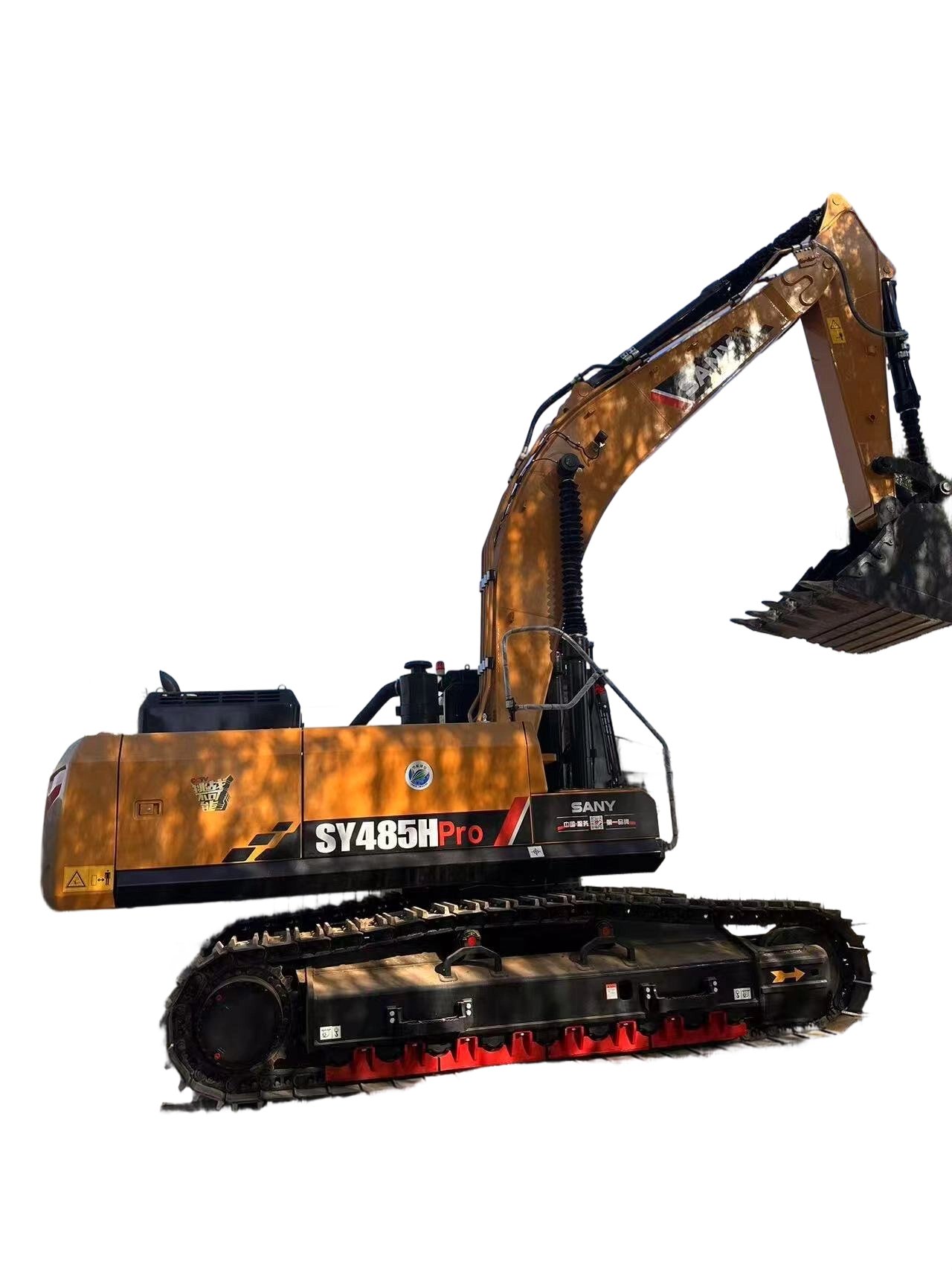
Large excavators are designed for demanding applications that require higher digging force, greater lifting capacity, and extended working capability.
They are commonly used in major construction projects, mining operations, road development, large-scale earthmoving, and infrastructure projects where productivity and power are essential.
Large excavators can handle heavier materials, deeper excavation requirements, and larger work areas. Their strong hydraulic systems and powerful engines allow operators to complete challenging tasks efficiently.
For companies involved in major construction projects, choosing a large excavator can improve project performance by providing the capacity needed for intensive operations.
How to Choose Excavator Size Based on Job Site Conditions
The job site environment plays a major role in determining the right excavator size. Before purchasing equipment, buyers should carefully evaluate the working conditions and project requirements.
For urban construction sites, residential areas, and landscaping projects, space limitations are often a key consideration. A compact mini excavator can provide better maneuverability and easier operation.
For open construction areas, commercial developments, and large excavation projects, a larger excavator may be more suitable because it can move more material and handle heavier workloads.
The type of ground condition also matters. Different soil types, excavation depths, and material handling requirements can influence which machine size provides the best results.
Consider Digging Depth, Lifting Capacity, and Attachments
Excavator selection should always consider the specific tasks the machine needs to perform. Different projects require different levels of digging depth, lifting ability, and attachment compatibility.
Mini excavators are suitable for tasks such as trenching, small-scale digging, landscaping, and light material handling. They can also work with various attachments, making them useful for multiple applications.
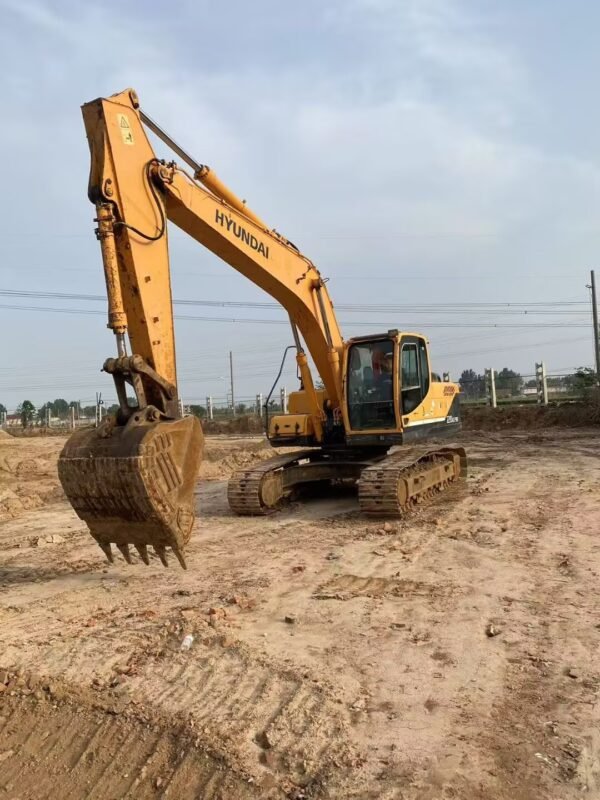
Large excavators are better suited for deeper excavation, heavy material movement, large foundation preparation, and demanding construction operations.
Attachments are another important factor when choosing equipment. Buckets, breakers, augers, and other accessories can expand excavator capabilities and allow one machine to complete more types of work.
Operating Efficiency and Long-Term Business Value
Choosing the correct excavator size can directly influence business efficiency. A machine that matches the project requirements can help operators complete work faster and improve overall productivity.
For contractors, equipment investment should be based on long-term business plans. A mini excavator may be a smart choice for companies focusing on residential construction, landscaping, and smaller projects. A larger excavator may better support businesses handling commercial construction and large infrastructure work.
Understanding customer demand, common project types, and future growth opportunities can help buyers select equipment that provides better value over time.
Maintenance, Transportation, and Daily Operation Considerations
Beyond machine size and performance, practical factors such as maintenance requirements, transportation, and operator experience should also be considered.
Mini excavators are often easier to transport and manage, making them convenient for businesses that frequently change job locations. Their compact structure also allows easier access to smaller working areas.
Large excavators require more planning for transportation and operation due to their size and working capacity. However, they provide strong performance for projects that require continuous heavy-duty operation.
A reliable maintenance plan is important for keeping excavators operating efficiently. Regular inspections, proper servicing, and professional support can help extend equipment service life.
Finding a Reliable Excavator Supplier for Your Business Needs
Choosing the right excavator is only one part of successful equipment investment. Working with an experienced supplier can help buyers find machines that match their actual applications.
Professional equipment suppliers can provide guidance based on project requirements, working environments, and operational goals. They can help customers understand different excavator configurations and select suitable equipment solutions.
THBSMN provides excavator sales services, offering equipment solutions for customers who need reliable machines for construction, agriculture, landscaping, and earthmoving applications. With industry experience and knowledge of different working conditions, THBSMN helps customers identify suitable excavator options based on practical job requirements.
For contractors and businesses looking to expand their equipment capabilities, choosing an experienced supplier can make the purchasing process more efficient and reliable.
Making the Right Excavator Choice for Every Project
There is no single excavator size that fits every job site. The best choice depends on project scale, working environment, required performance, and future business needs.
Mini excavators provide flexibility, easy transportation, and efficient performance for compact projects. Large excavators deliver powerful operation and high productivity for demanding construction environments.
By carefully evaluating job requirements and working with a knowledgeable equipment supplier, buyers can choose excavators that improve productivity and create long-term value for their business.
Whether for small landscaping projects or large construction operations, selecting the right excavator is an important step toward achieving better project results.