









Industry News
The Ultimate Guide to Skid Steer Loader Safety and Best Practices
Jun
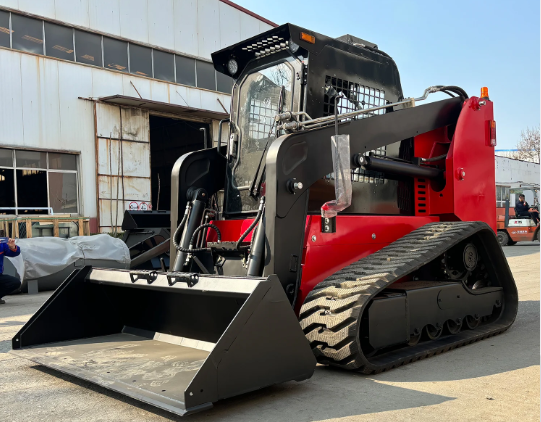
Skid steer loaders are among the most versatile and valuable pieces of equipment used across construction, landscaping, agriculture, material handling, and property maintenance industries. Their compact size, exceptional maneuverability, and compatibility with numerous attachments make them essential for a wide range of tasks.
However, achieving maximum productivity and efficiency requires more than simply operating the machine. Following proper safety procedures, maintenance routines, and operational best practices helps ensure smooth performance, extended equipment life, and a productive work environment.
This comprehensive guide explores skid steer loader safety principles and industry best practices that every operator and equipment manager should understand.
Understanding the Importance of Skid Steer Loader Safety
A skid steer loader is designed to perform demanding jobs in diverse environments. Whether moving soil, loading materials, grading surfaces, or handling pallets, operators must understand both machine capabilities and proper operating techniques.
Safe operation contributes to:
- Improved jobsite productivity
- Consistent equipment performance
- Reduced downtime
- Enhanced operator confidence
- Better project outcomes
- Longer equipment lifespan
Establishing a safety-first culture helps organizations achieve operational excellence while maximizing the value of their equipment investment.
Conducting a Thorough Pre-Operation Inspection
Every successful workday begins with a comprehensive machine inspection.
Before starting the skid steer loader, operators should carefully examine key components to ensure everything is functioning correctly.
Important inspection areas include:
- Tires or tracks
- Hydraulic hoses and fittings
- Fluid levels
- Engine compartment
- Attachment connections
- Safety devices
- Lighting systems
- Seat belts and restraints
- Warning indicators
A few minutes spent inspecting the machine can help maintain optimal performance throughout the day and support efficient project execution.
Wearing Appropriate Personal Protective Equipment
Personal protective equipment (PPE) plays an essential role in promoting safe operations.
Depending on the work environment, operators should wear:
- Safety helmets
- High-visibility clothing
- Safety glasses
- Protective gloves
- Steel-toe boots
- Hearing protection
Proper PPE helps create a professional work environment while supporting operator comfort and awareness.
Understanding Machine Controls Before Operation
Every skid steer loader model may have unique controls, display systems, and operational features.
Before operating any machine, users should become familiar with:
- Steering controls
- Travel functions
- Hydraulic controls
- Attachment operation
- Emergency shutdown procedures
- Display panel information
- Safety interlock systems
Reviewing the operator’s manual and participating in equipment training can improve efficiency and confidence when using the machine.
Entering and Exiting the Loader Correctly
Safe machine access is a fundamental best practice.
Operators should always:
- Maintain three points of contact
- Use designated handholds and steps
- Keep footwear clean
- Face the machine while entering or exiting
- Avoid carrying loose items in their hands
Consistent access procedures help maintain professionalism and reduce unnecessary distractions before work begins.
Maintaining Clear Visibility at All Times
Visibility is critical for accurate machine operation.
Before moving the skid steer loader, operators should verify that the travel path is clear and maintain awareness of surrounding activities.
Best practices include:
- Cleaning windows and mirrors
- Adjusting seating position
- Using proper lighting in low-light conditions
- Keeping attachments low during travel
- Utilizing backup cameras when available
Good visibility supports precise machine control and efficient material handling.
Operating Attachments Safely and Effectively
One of the greatest advantages of skid steer loaders is their ability to use a wide range of attachments.
Common attachments include:
- Buckets
- Pallet forks
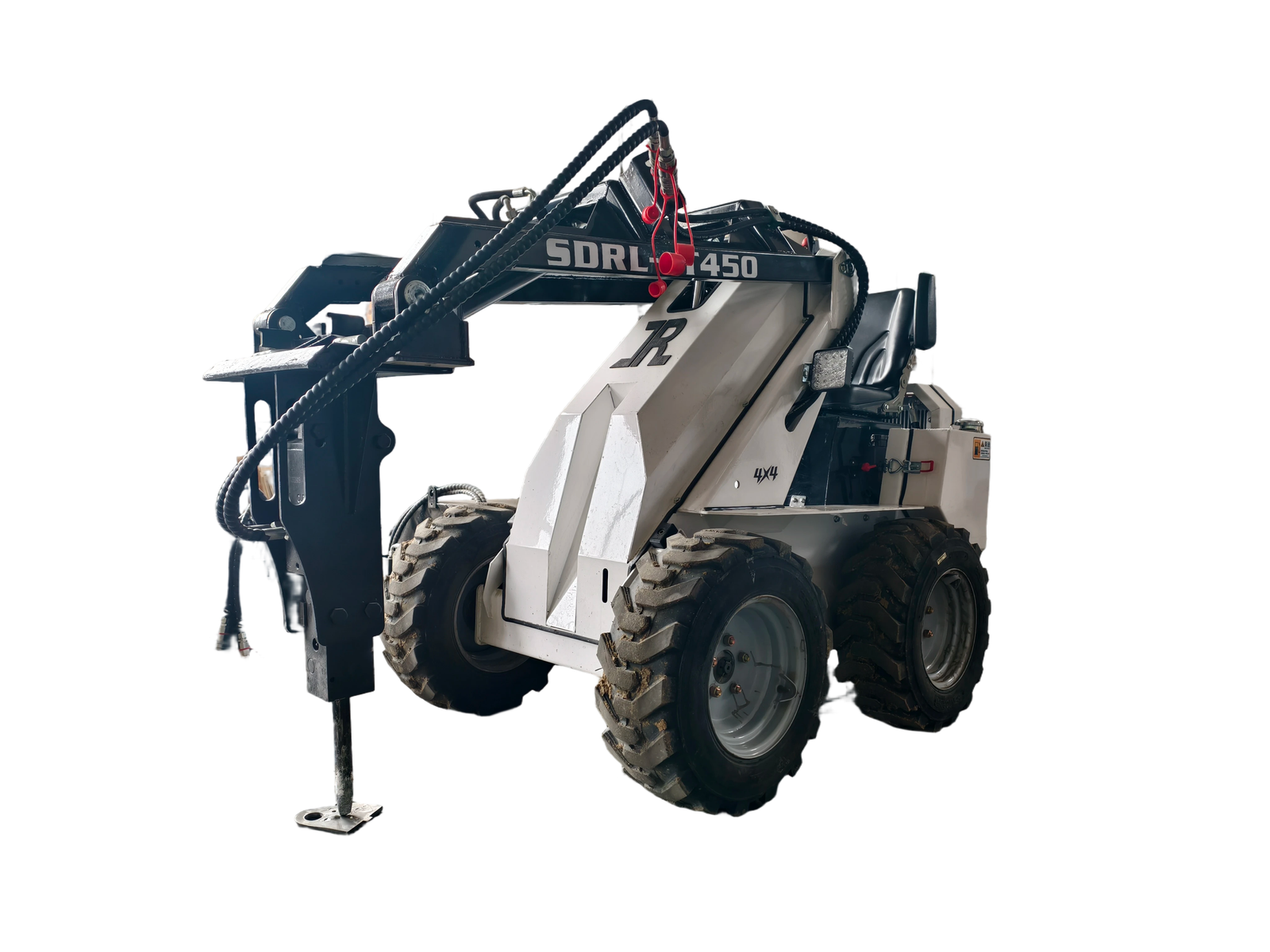
- Augers
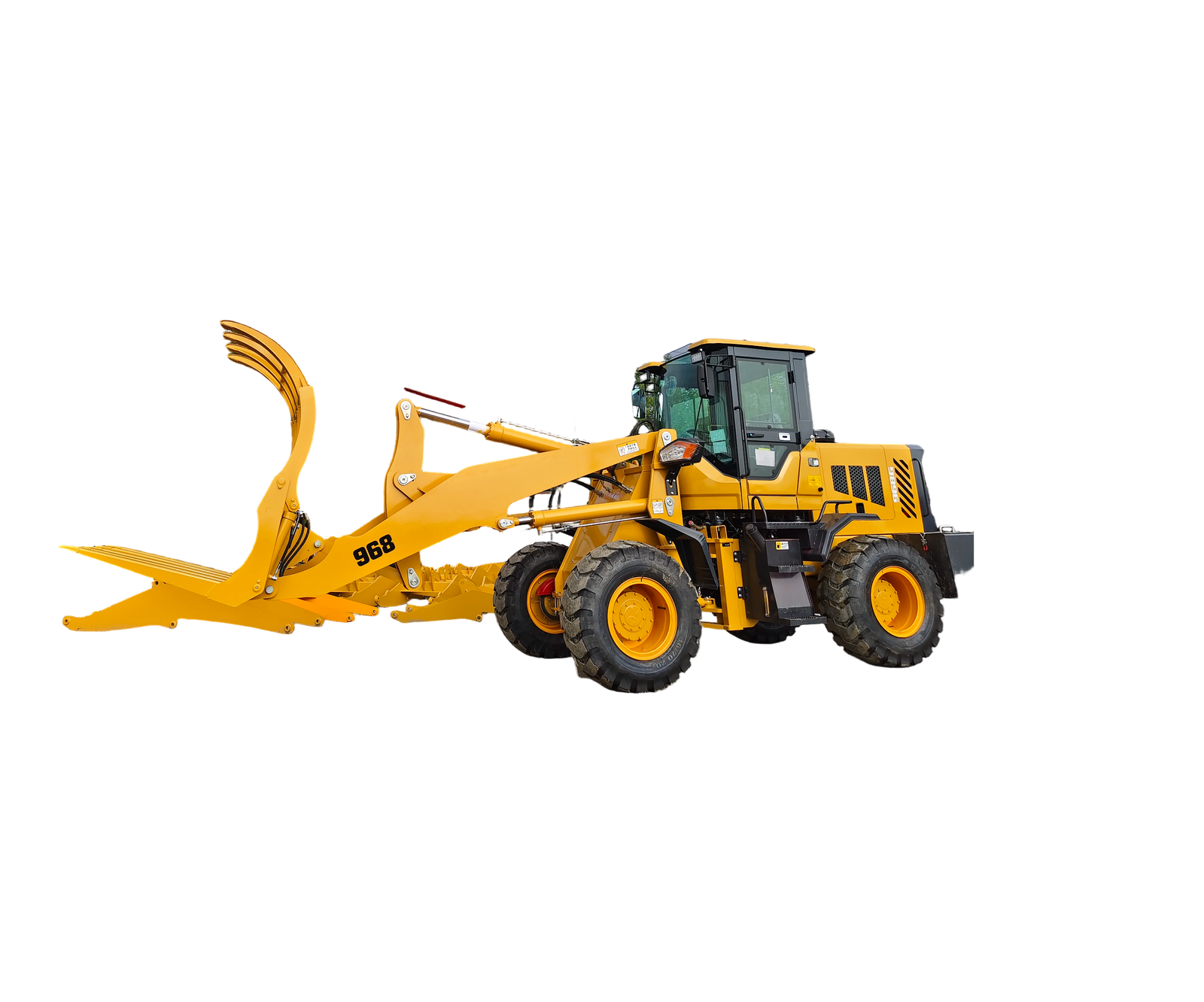
- Grapples
- Sweepers
- Trenchers
- Snow removal tools
Before using any attachment, operators should verify compatibility and understand the attachment’s operating requirements.
To maximize efficiency:
- Secure attachments properly
- Inspect hydraulic connections
- Follow manufacturer guidelines
- Operate at appropriate speeds
- Monitor attachment performance throughout the task
Proper attachment management enhances productivity and extends equipment life.
Managing Loads Correctly
Load handling is a core function of skid steer loader operation.
To maintain stability and performance:
- Keep loads within rated capacity
- Position loads evenly
- Carry loads low to the ground
- Travel at controlled speeds
- Avoid sudden directional changes
- Lower loads before parking
Proper load management improves machine efficiency and contributes to smoother operations.
Working Effectively on Different Terrain Types
Skid steer loaders frequently operate on varying surfaces, including dirt, gravel, pavement, and uneven ground.
When working on different terrain:
- Assess ground conditions beforehand
- Adjust travel speed accordingly
- Plan travel routes carefully
- Maintain balanced loads
- Use suitable tires or tracks for the application
Understanding terrain conditions helps operators maintain control and achieve accurate results.
Maintaining Safe Operating Speeds
Speed management is a key element of professional machine operation.
Operating at appropriate speeds allows operators to:
- Maintain control
- Improve precision
- Reduce machine wear
- Increase productivity
- Improve attachment performance
The most effective operators focus on smooth, controlled movements rather than excessive speed.
Communicating Effectively on the Jobsite
Clear communication improves coordination among equipment operators, supervisors, and ground personnel.
Effective communication methods include:
- Standard hand signals
- Two-way radios
- Pre-job safety meetings
- Clearly defined work zones
- Visual communication aids
Strong communication supports teamwork and helps projects progress efficiently.
Performing Routine Maintenance
Regular maintenance is essential for long-term skid steer loader performance.
Recommended maintenance activities include:
- Checking fluid levels
- Cleaning air filters
- Inspecting hydraulic systems
- Lubricating moving components
- Monitoring tire or track condition
- Testing safety systems
Following a structured maintenance schedule helps maximize equipment reliability and operational efficiency.
Utilizing Technology and Safety Features
Modern skid steer loaders often include advanced technologies that enhance both productivity and operator awareness.
Examples include:
- Rearview cameras
- Telematics systems
- Load monitoring systems
- Digital display panels
- Automatic maintenance alerts
- Enhanced lighting packages
Leveraging these features can improve equipment management and support more informed operational decisions.
Training and Continuous Skill Development
Even experienced operators benefit from ongoing training.
Professional development may include:
- Equipment certification programs
- Manufacturer training courses
- Attachment-specific instruction
- Safety workshops
- Jobsite operational reviews
Continuous learning helps operators stay current with evolving technologies and industry best practices.
Developing a Safety-Focused Work Culture
Organizations that prioritize safety often achieve stronger operational performance.
A safety-focused culture encourages:
- Regular inspections
- Consistent maintenance
- Open communication
- Ongoing training
- Professional accountability
- Continuous improvement
When safety becomes part of everyday operations, teams can work more efficiently and confidently.
Skid steer loaders are powerful, versatile machines capable of transforming productivity across numerous industries. By combining thorough inspections, proper training, effective communication, routine maintenance, and disciplined operating practices, operators can maximize performance while supporting a safe and efficient work environment.
Whether used in construction, landscaping, agriculture, or facility maintenance, adopting these skid steer loader safety and best practices helps ensure reliable operation, enhanced productivity, and long-term equipment value. Investing in operator knowledge and equipment care remains one of the most effective ways to achieve successful project outcomes and maintain high professional standards.