








Industry News
Top Tips for Inspecting a Used Mini Excavator Before Buying
Apr
Purchasing a used mini excavator is a significant investment that can greatly enhance productivity for contractors, landscapers, and property owners. However, buying a machine with hidden defects can lead to costly repairs and frustrating downtime. A thorough, systematic inspection is your best defense against a bad purchase. This guide provides essential tips to help you evaluate a used mini excavator like a seasoned professional, ensuring you get a reliable machine that delivers value for years to come.
Before you even travel to see the machine, do your homework. Research the specific make, model, and year to understand common issues, typical lifespan, and expected pricing. Reputable online marketplaces and industry forums are invaluable resources. When you contact the seller, ask detailed questions about the machine’s history: Why is it being sold? How many owners has it had? What was its primary application (e.g., light landscaping versus heavy demolition)? Request maintenance records and any available service history. A seller who is transparent and organized with paperwork is often a good sign. Finally, set a realistic budget that includes a contingency for immediate repairs or necessary attachments.
1. The Visual Walk-Around: Checking for Structural Integrity
Begin your in-person inspection with a broad visual assessment. Look at the machine from a distance and then up close.
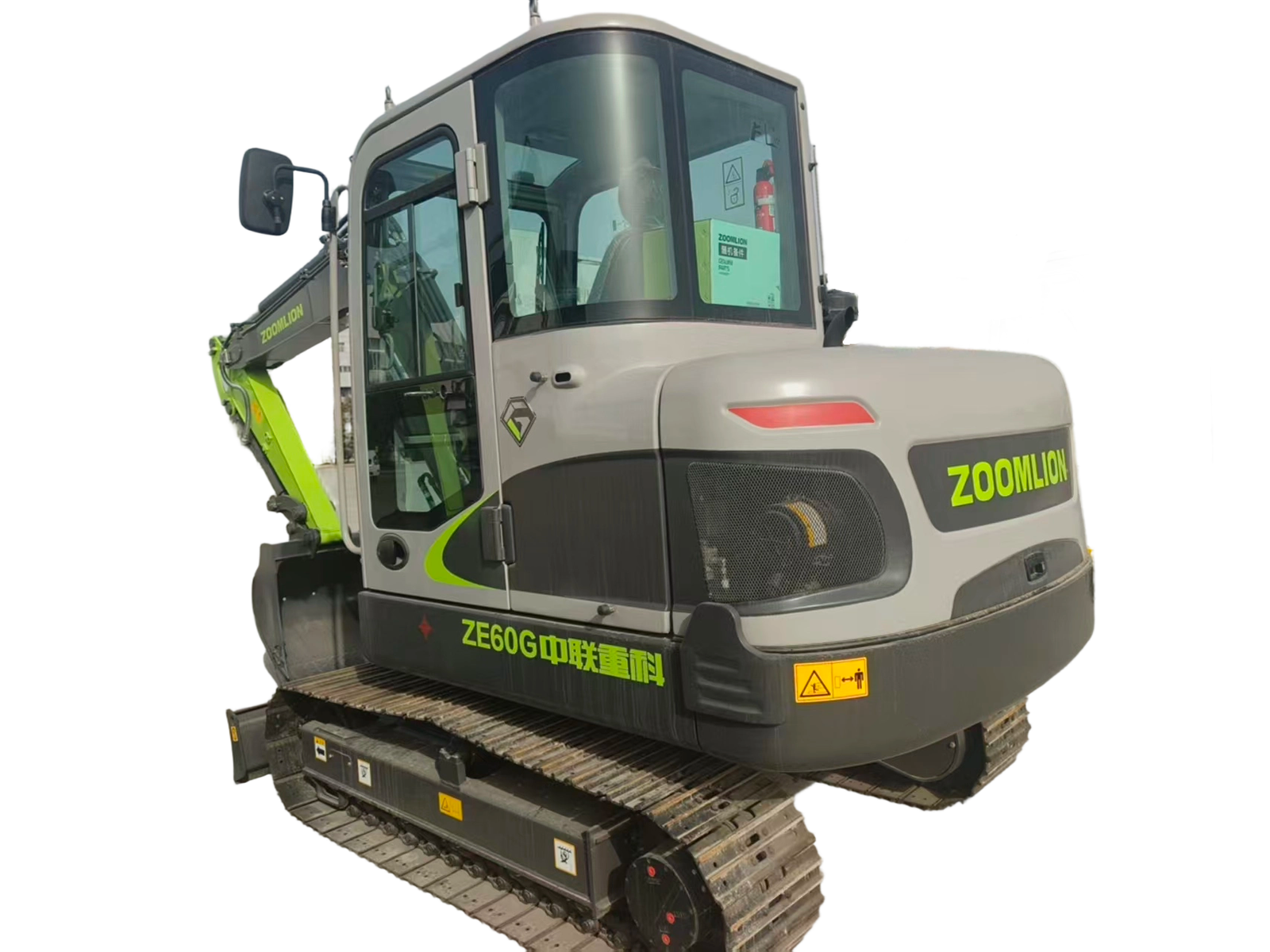
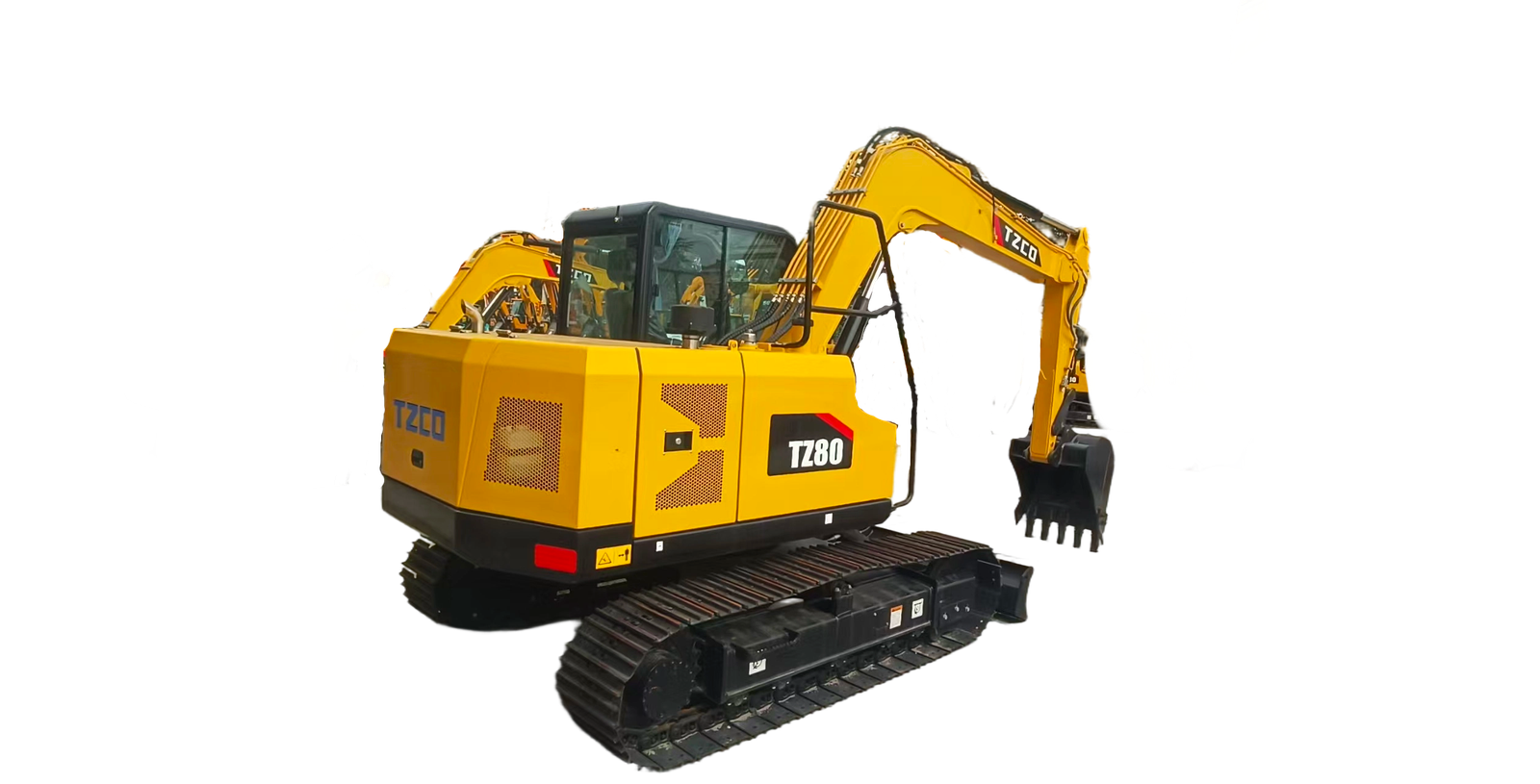
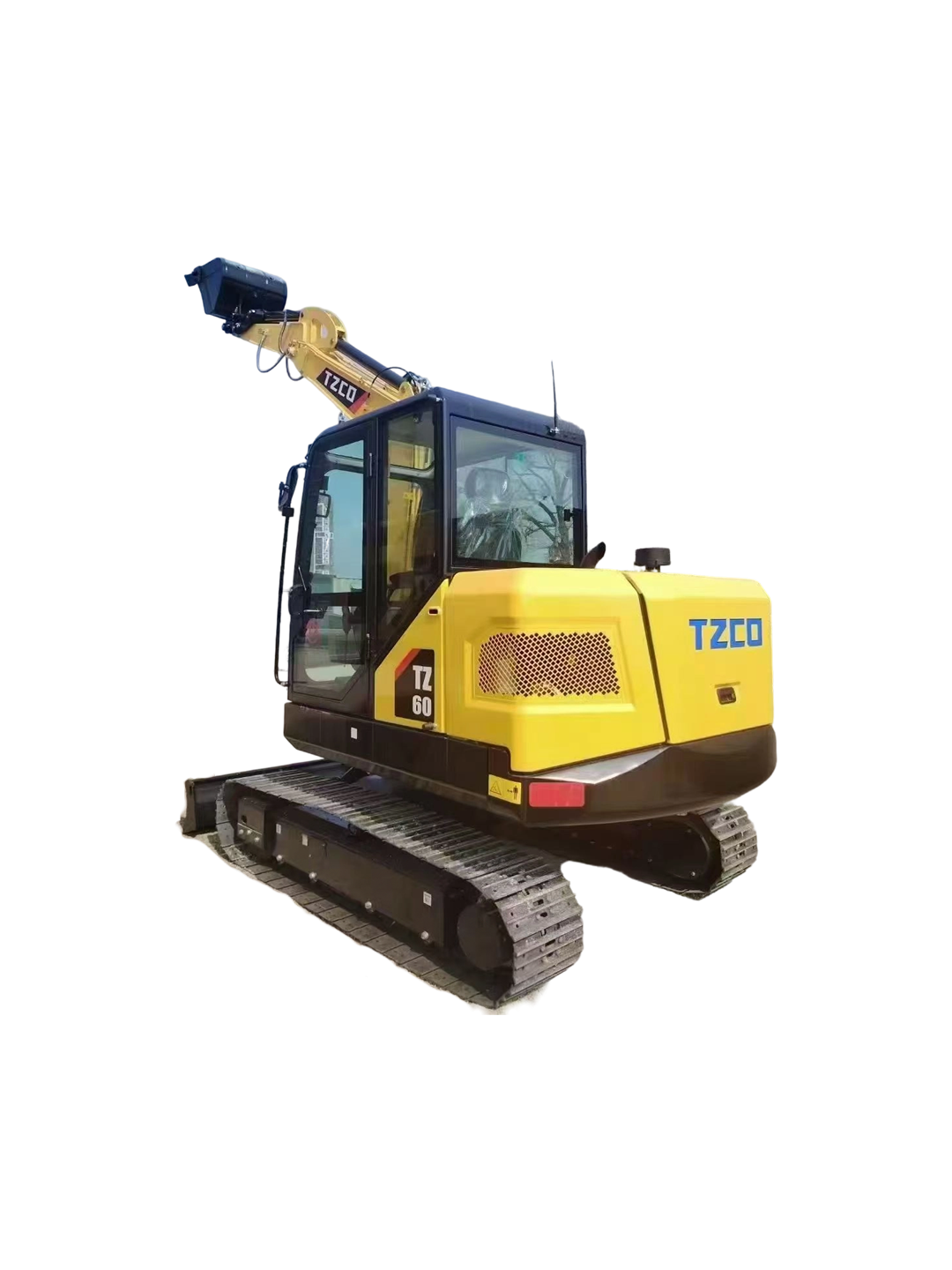
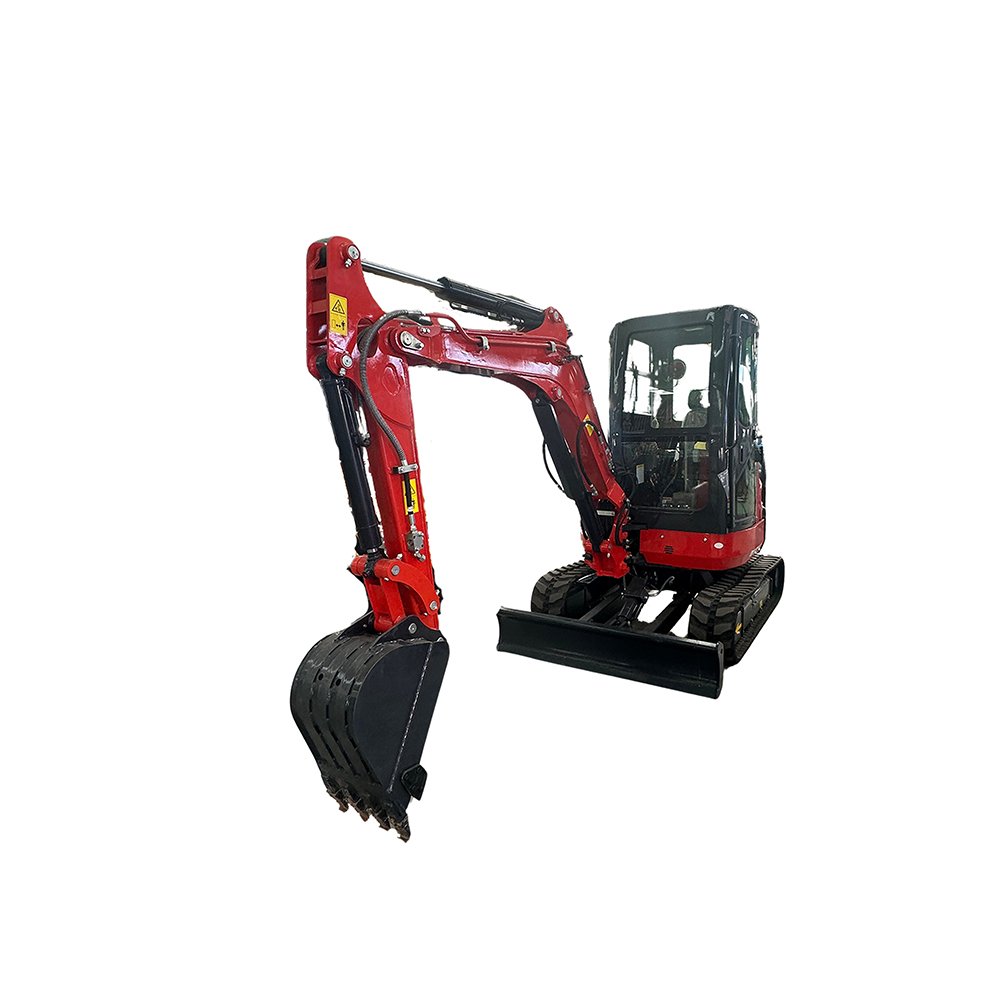
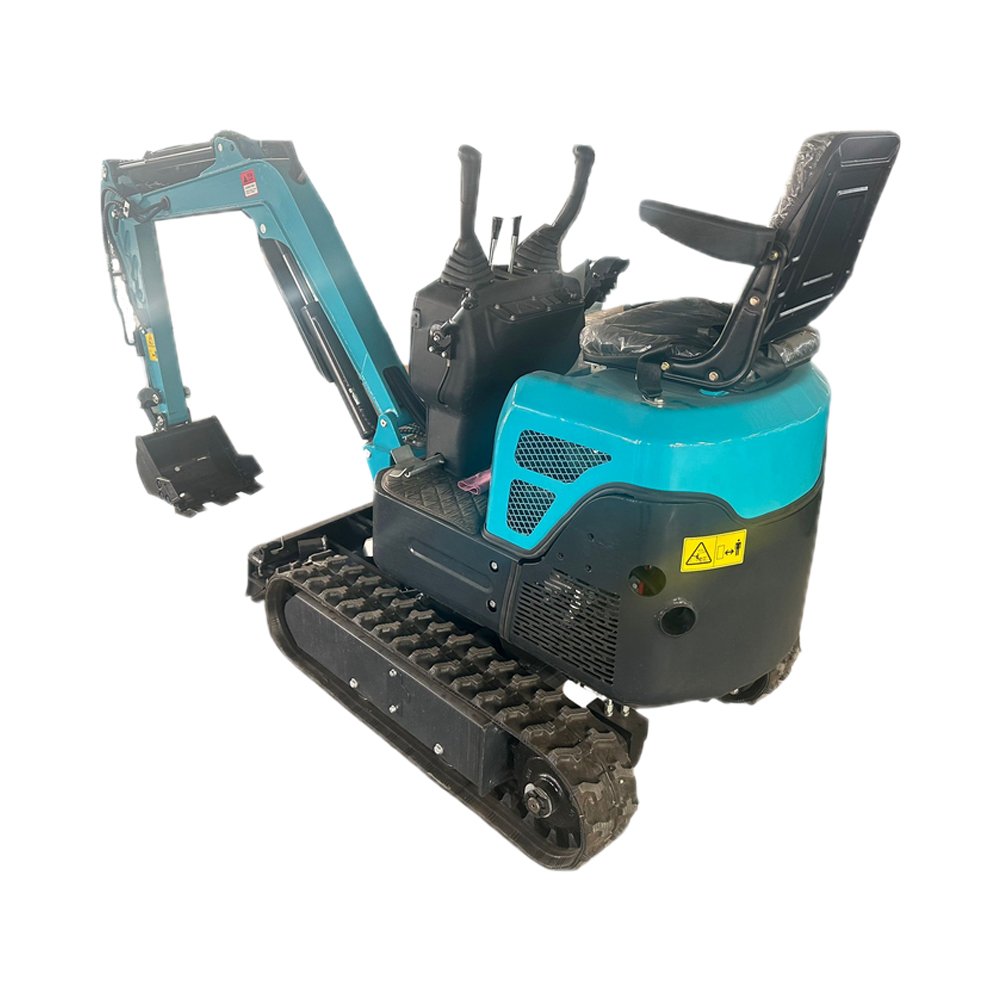
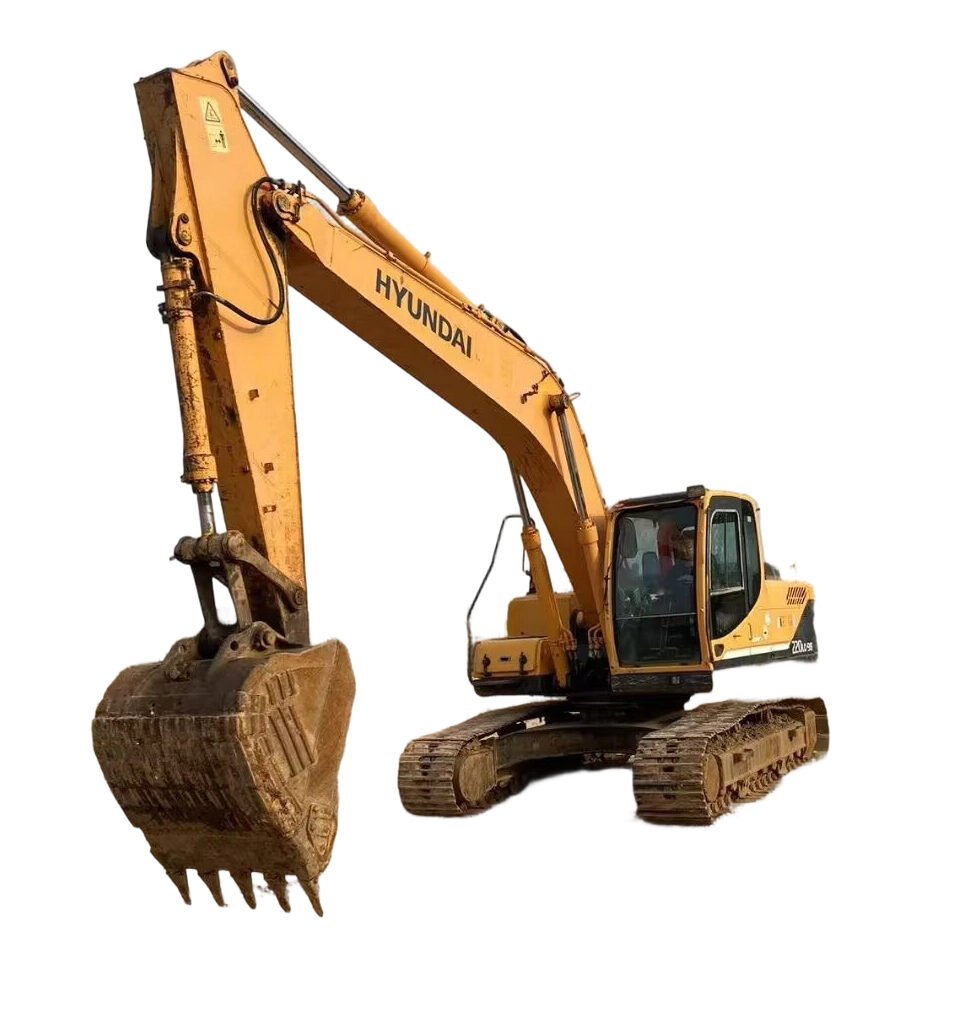
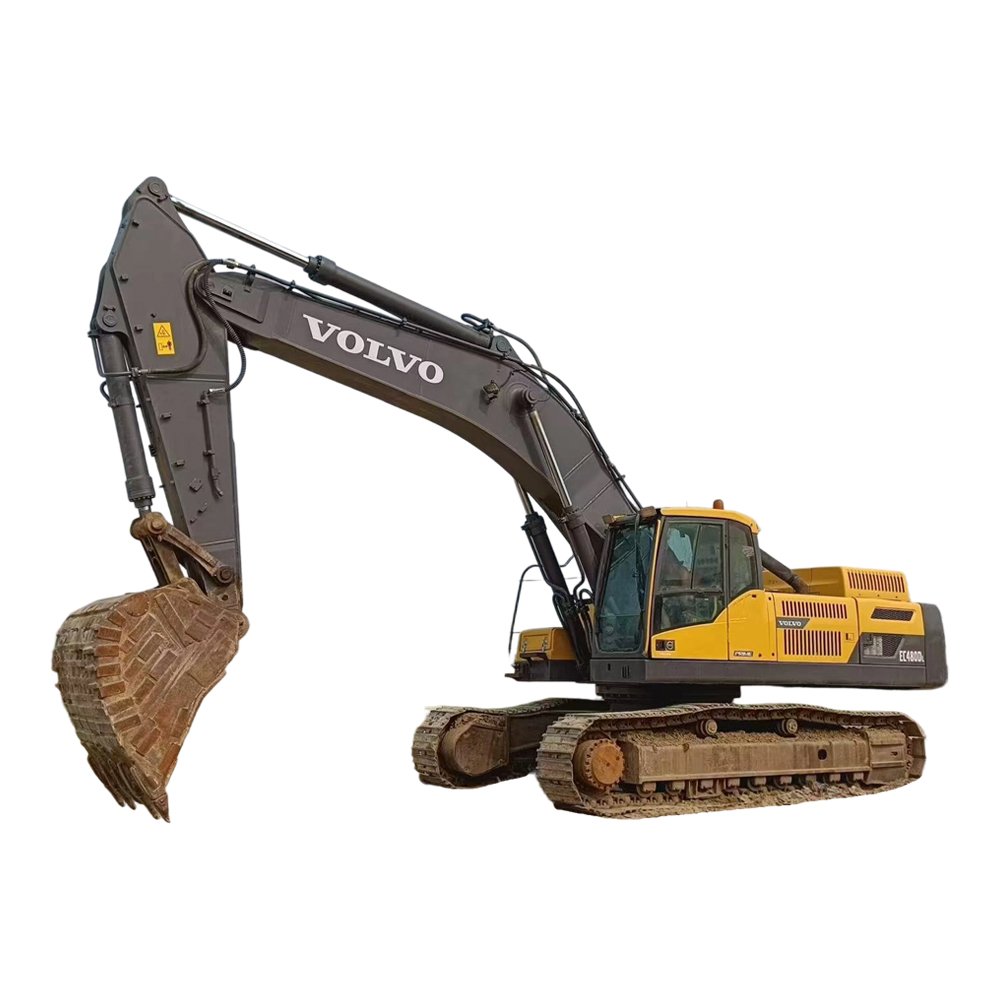
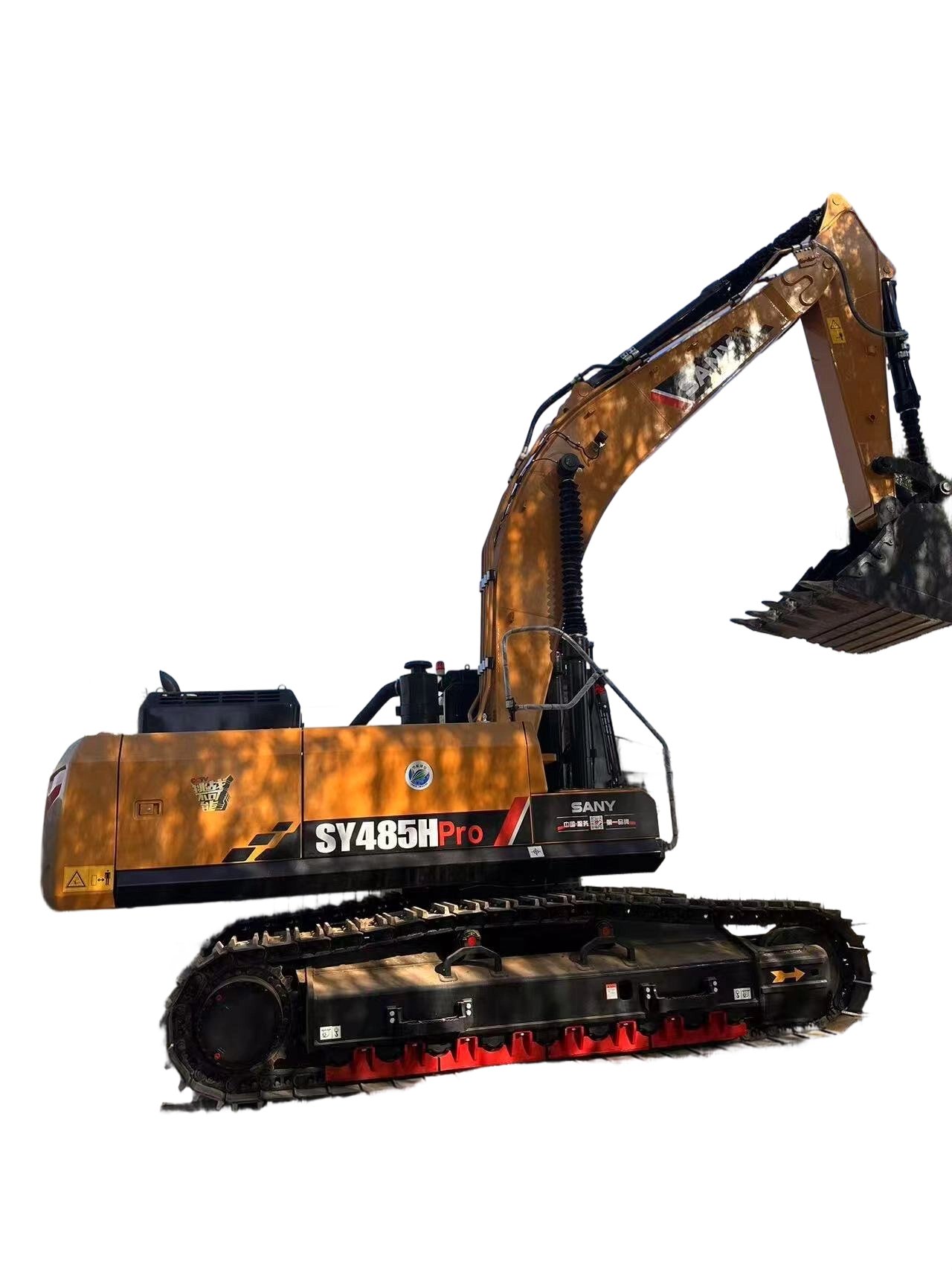
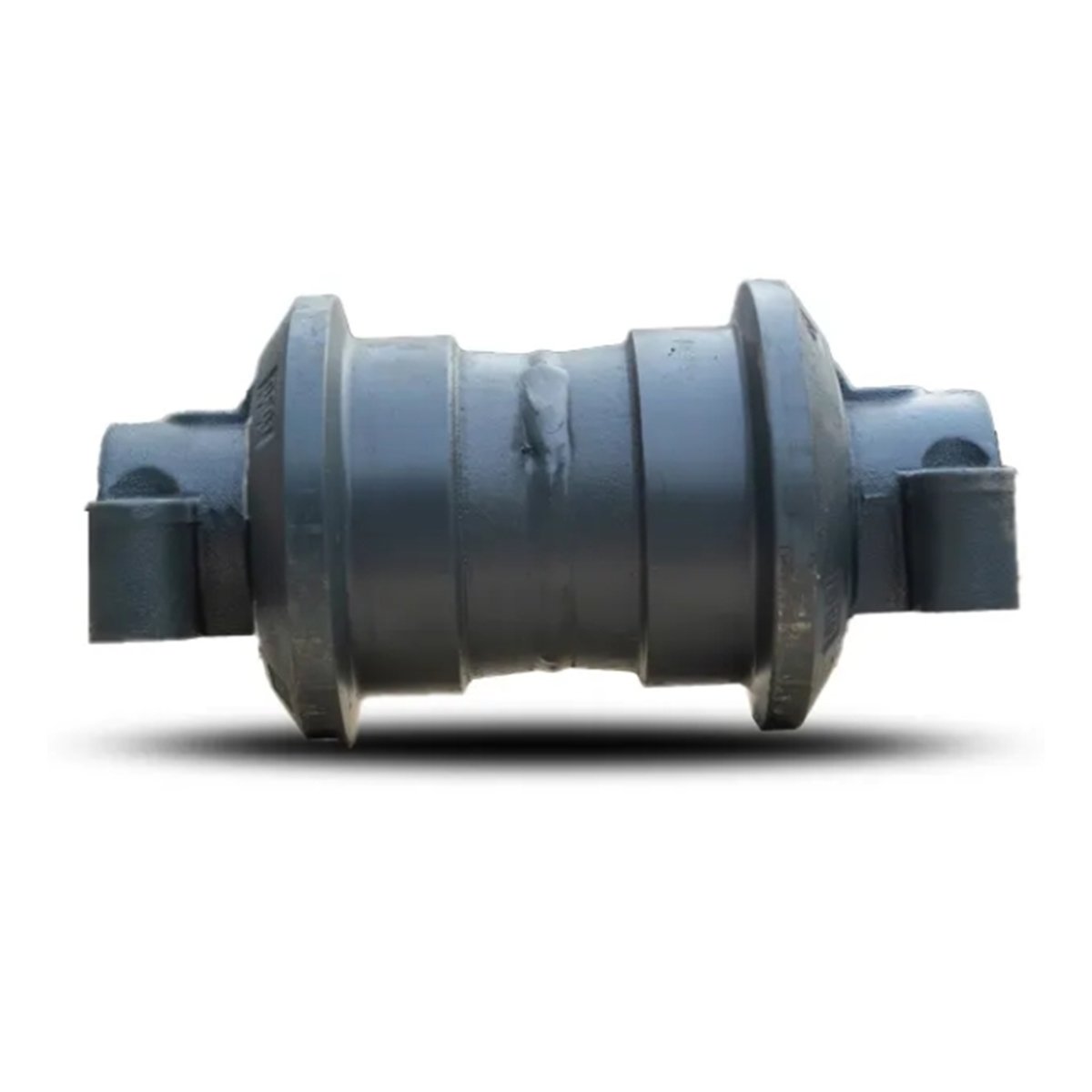
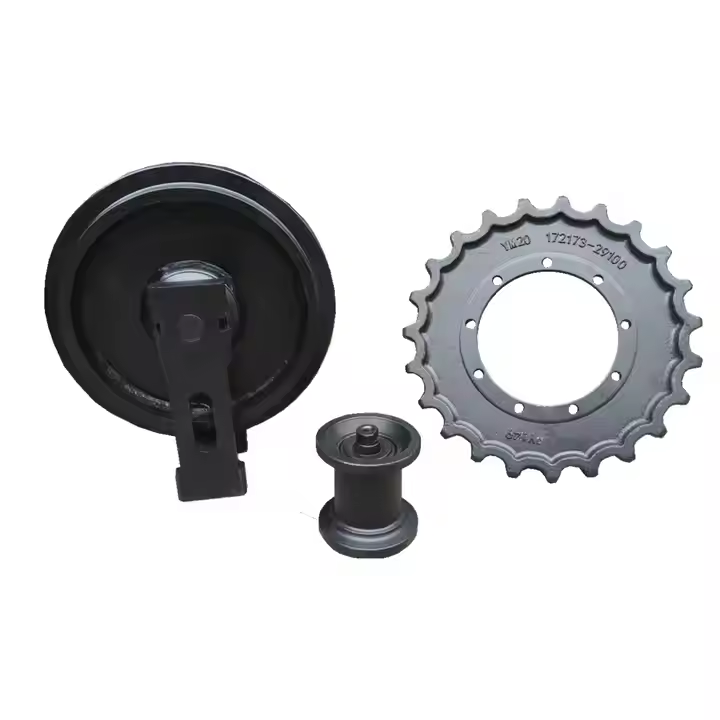
Undercarriage & Frame: This is critical. Check for any cracks, welds, or bends in the main frame and boom. Fresh paint in isolated areas can be a red flag, potentially hiding repairs. Inspect the undercarriage for excessive wear. On rubber-track machines, check for deep cuts, dry rot, and missing chunks. Measure the track tension and look for even wear. For steel-track machines, check the links, bushings, and sprockets for wear. Roll the machine forward and backward to see if the tracks track straight.
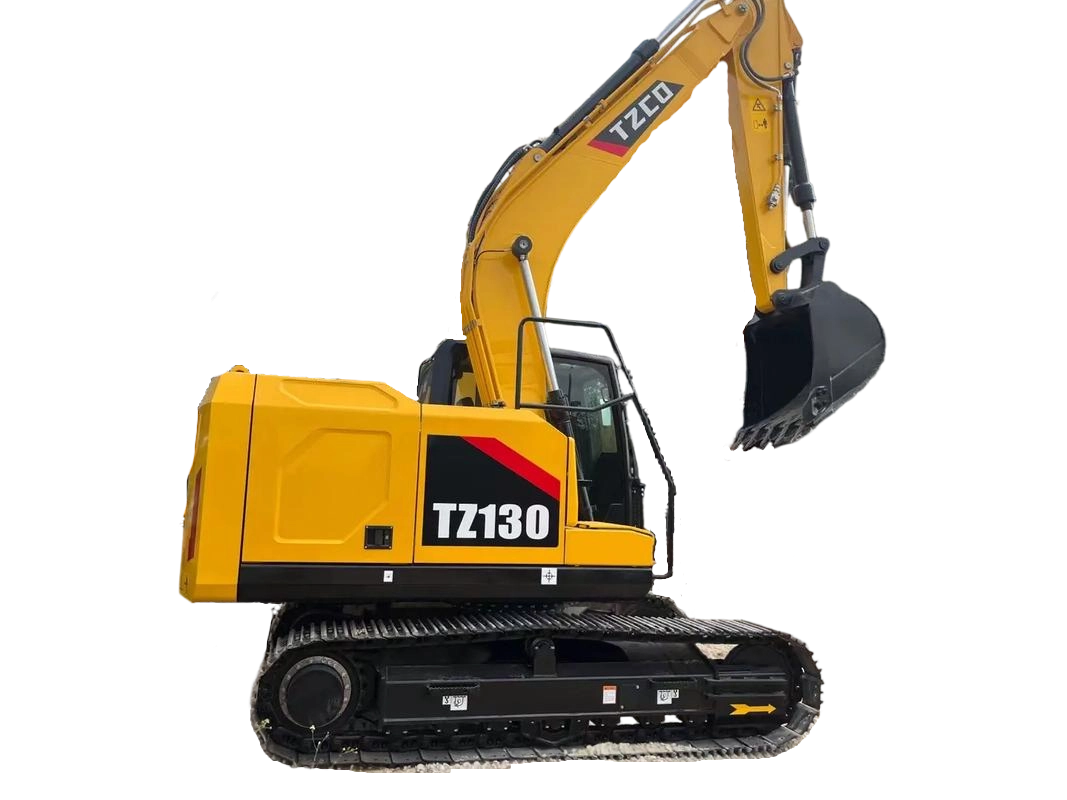
Hydraulic Cylinders & Hoses: Examine all hydraulic cylinders (boom, arm, bucket, and swing) for scratches, dents, or pitting on the chrome rods. Any damage here can destroy seals quickly. Look for oil leaks around the cylinder seals. Inspect all hydraulic hoses for cracks, abrasions, bulges, or leaks. Pay special attention to areas where hoses rub against the frame.
Bucket & Attachments: Check the bucket for wear, especially on the cutting edge and teeth. Severe wear or a “smiling” bucket indicates high hours. Inspect the bucket linkage pins and bushings for play. If other attachments are included, give them the same scrutiny.
2. Operational Checks: Testing Functions Under Load
A static inspection isn’t enough. You must operate the machine. If you’re not qualified, bring a trusted mechanic or operator with you.
Cold Start: Ask to start the machine when it’s completely cold. A hard cold start can indicate engine issues. Listen for unusual noises like knocking or excessive rattling. Observe the exhaust smoke—a little blue smoke on startup might be acceptable for an older machine, but persistent black or blue smoke is a problem.
Hydraulic System Performance: Once the machine is warmed up, test all hydraulic functions. Operate the boom, arm, and bucket through their full ranges of motion. Movements should be smooth and powerful, not jerky or sluggish. Check for “drift” in the hydraulic cylinders: lift the bucket off the ground and see if it slowly sinks over a few minutes. Excessive drift signifies worn cylinder seals.
Swing Function: Engage the swing (rotation) and ensure it turns smoothly in both directions without hesitation or unusual noises. The swing brake should hold the upper structure firmly in place when engaged.
Travel Test: Drive the machine forward, backward, and in turns. Listen for grinding noises from the travel motors. The machine should travel in a straight line without pulling to one side.
3. The Heart of the Machine: Engine and Fluid Inspection
Fluid Checks: Check all fluid levels and their condition. This includes engine oil, hydraulic fluid, coolant, and fuel. Milky engine oil or coolant indicates a possible head gasket failure. Metal shavings on the hydraulic dipstick are a major red flag for pump or motor failure. Smell the fluids; burnt smells are bad news.
Engine Bay: Look in the engine compartment for leaks, loose wires, and cracked belts. Check the air filter; a dirty filter might suggest poor maintenance. Listen for any unusual ticks, knocks, or whistles while the engine runs under load.
Cooling System: Ensure the radiator fins are clean and not clogged with debris. Check the coolant overflow tank for proper level and condition.
4. The Cab and Controls: Operator Interface and Electronics
Don’t neglect the operator’s station. Your comfort and control matter.
Controls & Gauges: Test all joysticks, pedals, and switches. Ensure they are responsive and not overly loose or sticky. Check that all gauges (temperature, pressure, fuel) work correctly. Warning lights should illuminate during startup and then turn off.
Cab Condition: Look for significant rust on the floorboards. Check the seat for condition and adjustment functionality. Ensure windows and doors open and close properly. Test any lights, horns, or other electronic accessories.
5. The Final Verification: Service History and Professional Inspection
Documentation Review: Re-examine the service records. Look for consistency in oil changes, filter replacements, and major component servicing. A well-documented history is worth a premium.
Hour Meter Verification: Compare the hour meter reading to the machine’s wear and the service records. Be aware that hour meters can be replaced or altered. Wear on pedals, seats, and controls should generally correspond to the hours shown.
Consider a Professional Inspection: For high-value purchases, hiring a certified mechanic from a reputable service provider to conduct a pre-purchase inspection is money well spent. Companies like TongHao, known for their expertise in construction equipment diagnostics and parts, can offer invaluable insights. A professional can perform advanced checks, such as hydraulic pressure tests, that are beyond a visual inspection, giving you ultimate peace of mind.
Buying a used mini excavator requires diligence, patience, and a critical eye. By following this structured inspection process—from history review and visual assessment to operational tests and fluid checks—you dramatically increase your chances of finding a dependable machine. Remember, the cheapest upfront price often leads to the highest long-term cost. Walk away from machines with major structural issues, significant hydraulic problems, or suspicious histories. When in doubt, investing in a professional inspection from a trusted service provider is the smartest tip of all. A well-inspected used mini excavator will be a powerful asset, providing a strong return on your investment for years to come.