








Industry News
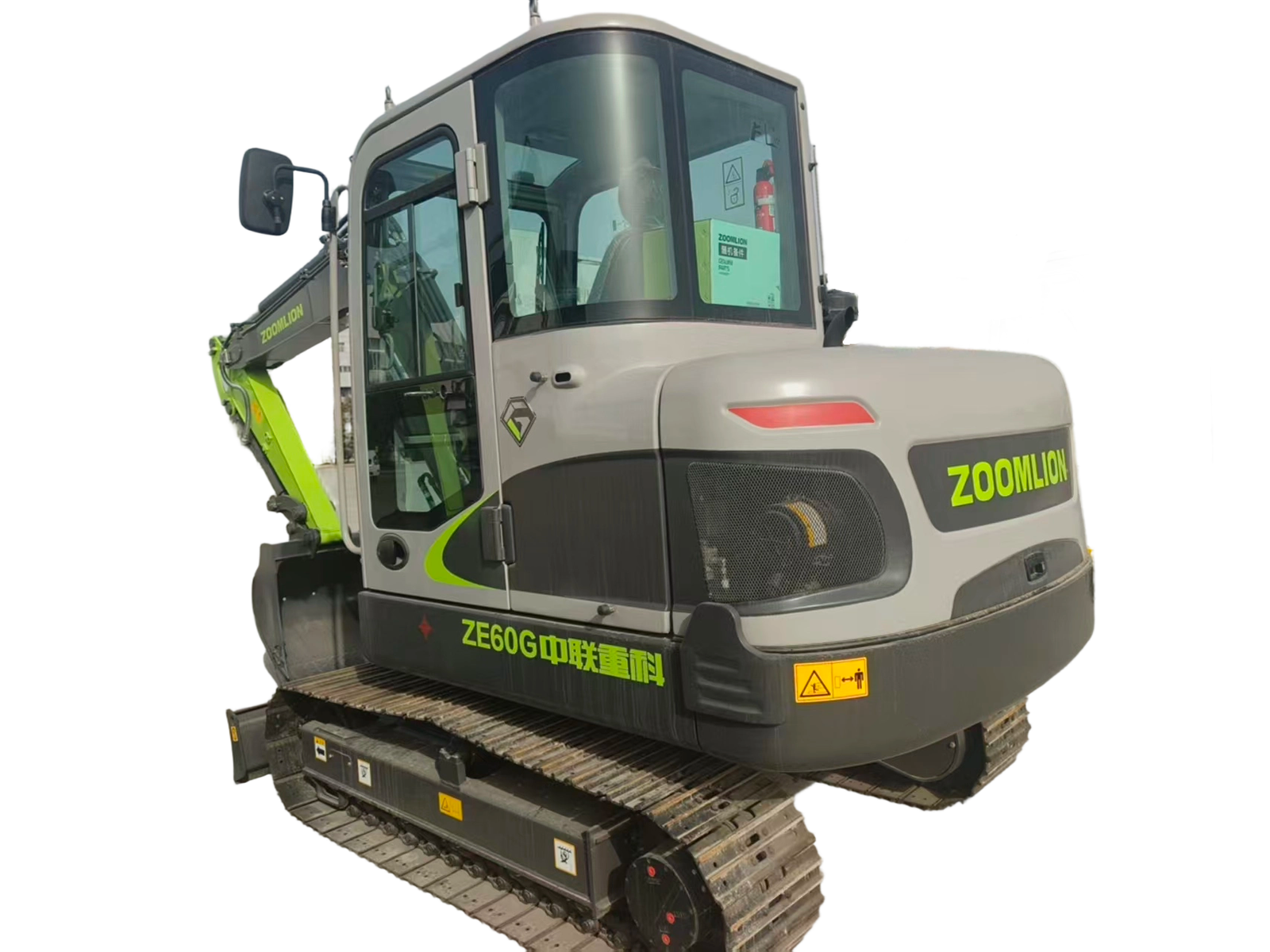
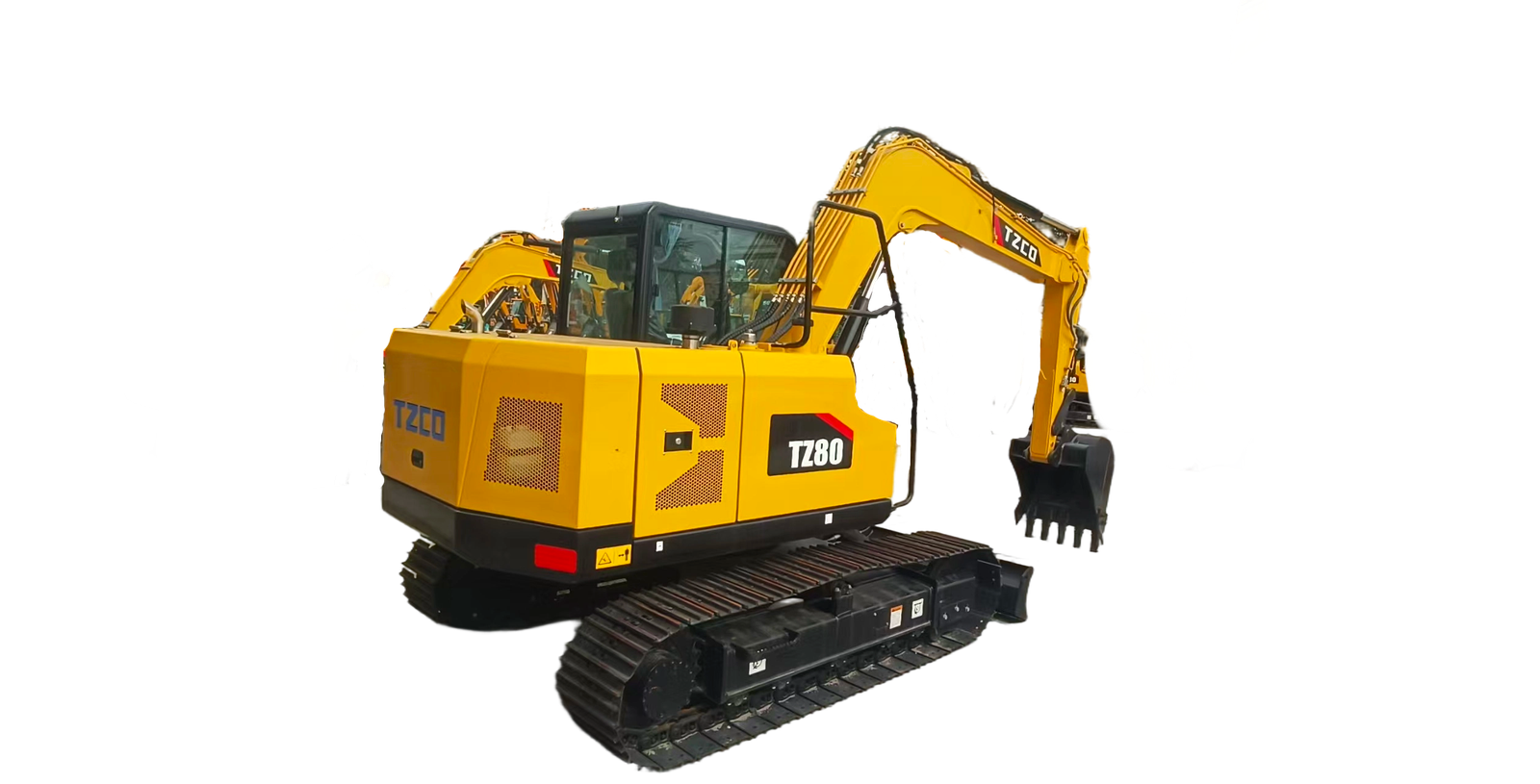
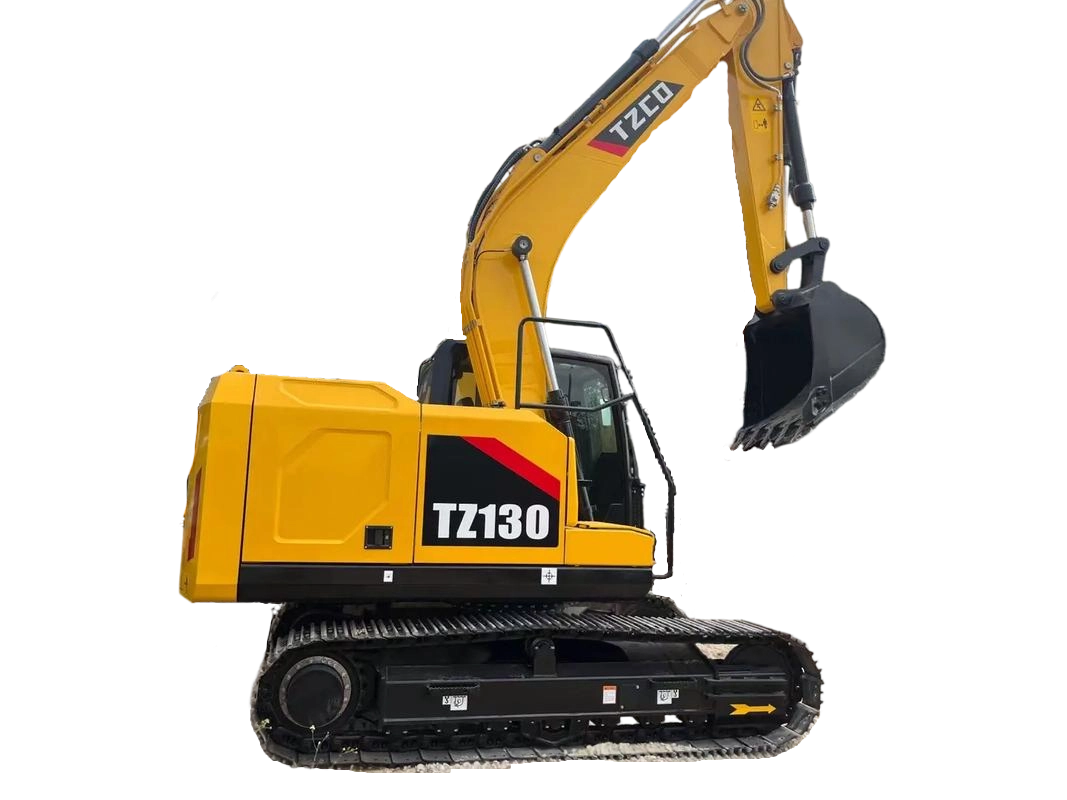
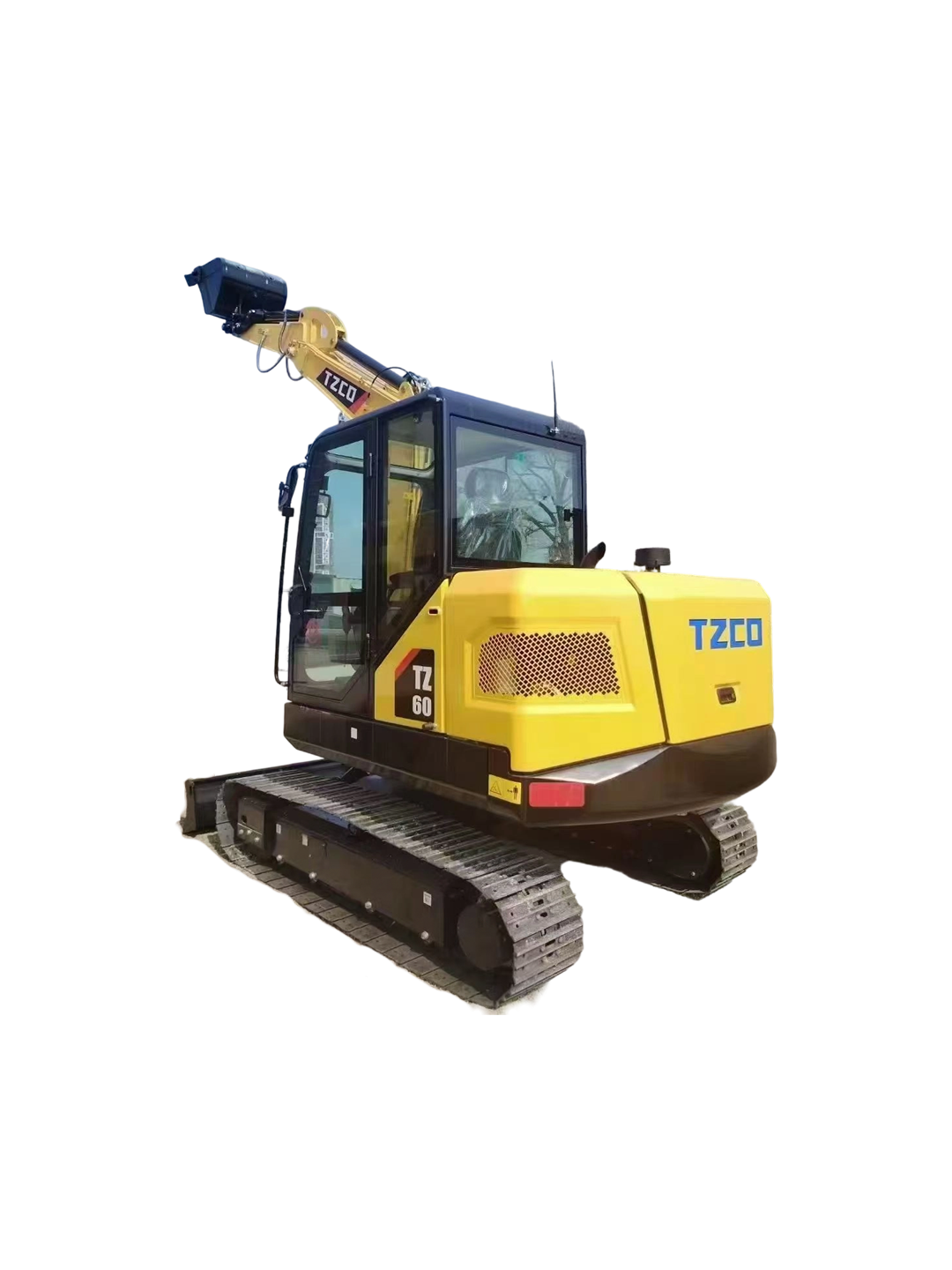
Track Excavators For Sale Key Factors To Match Tonnage With Your Project Needs
Jul
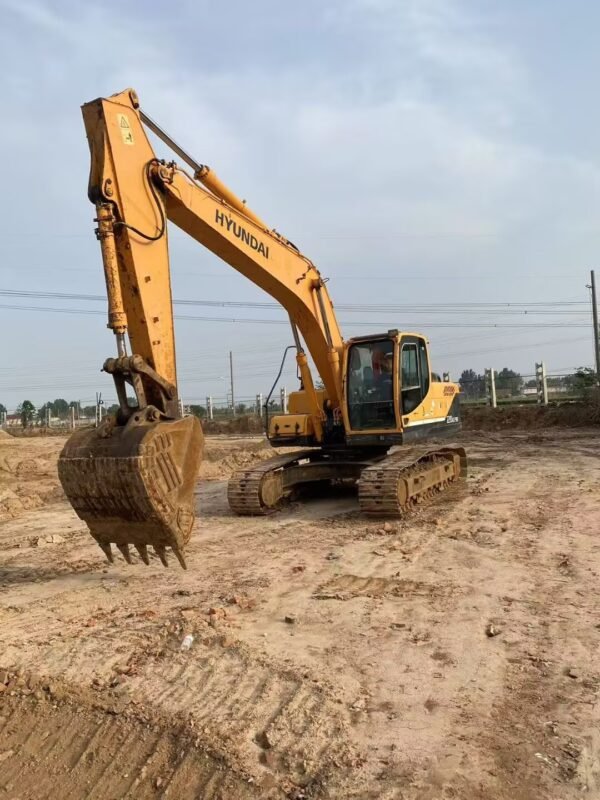
When searching for track excavators for sale, many buyers focus on machine price, brand reputation, or available features. However, one of the most important factors that directly affects productivity and operating costs is excavator tonnage.
Excavator tonnage determines the machine’s lifting capacity, digging power, transportation requirements, fuel efficiency, and suitability for different job environments. Choosing the right size is essential whether you are working on residential construction, landscaping projects, road development, agriculture, or industrial applications.
A machine that matches your project requirements can improve daily efficiency and reduce unnecessary operating challenges. On the other hand, selecting an excavator based only on appearance or initial cost may create difficulties during actual operation.
Before purchasing or renting a track excavator, it is important to understand your project conditions, workload, working space, and expected performance requirements. Matching tonnage with your needs helps ensure that your investment provides long-term value.
How Project Type Determines the Right Track Excavator Size
Every construction or earthmoving project has different requirements. The ideal excavator size depends largely on what tasks the machine needs to complete.
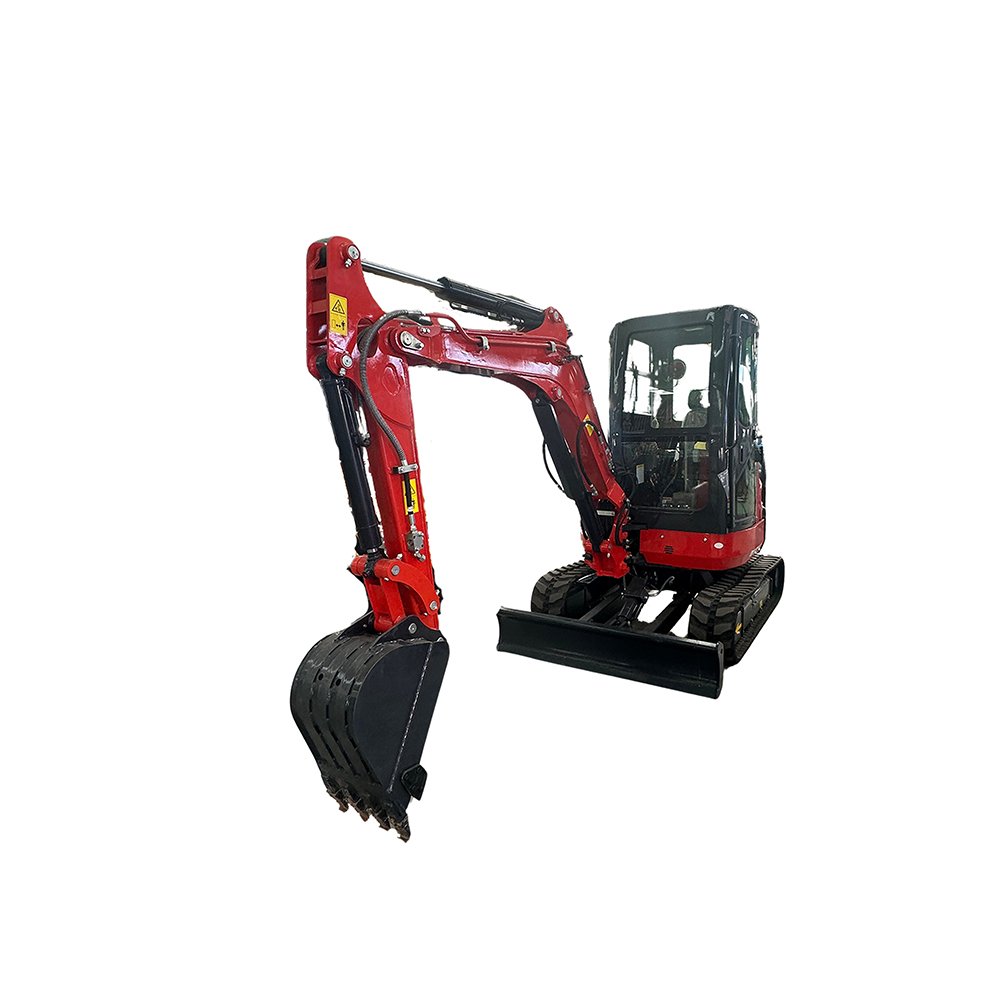
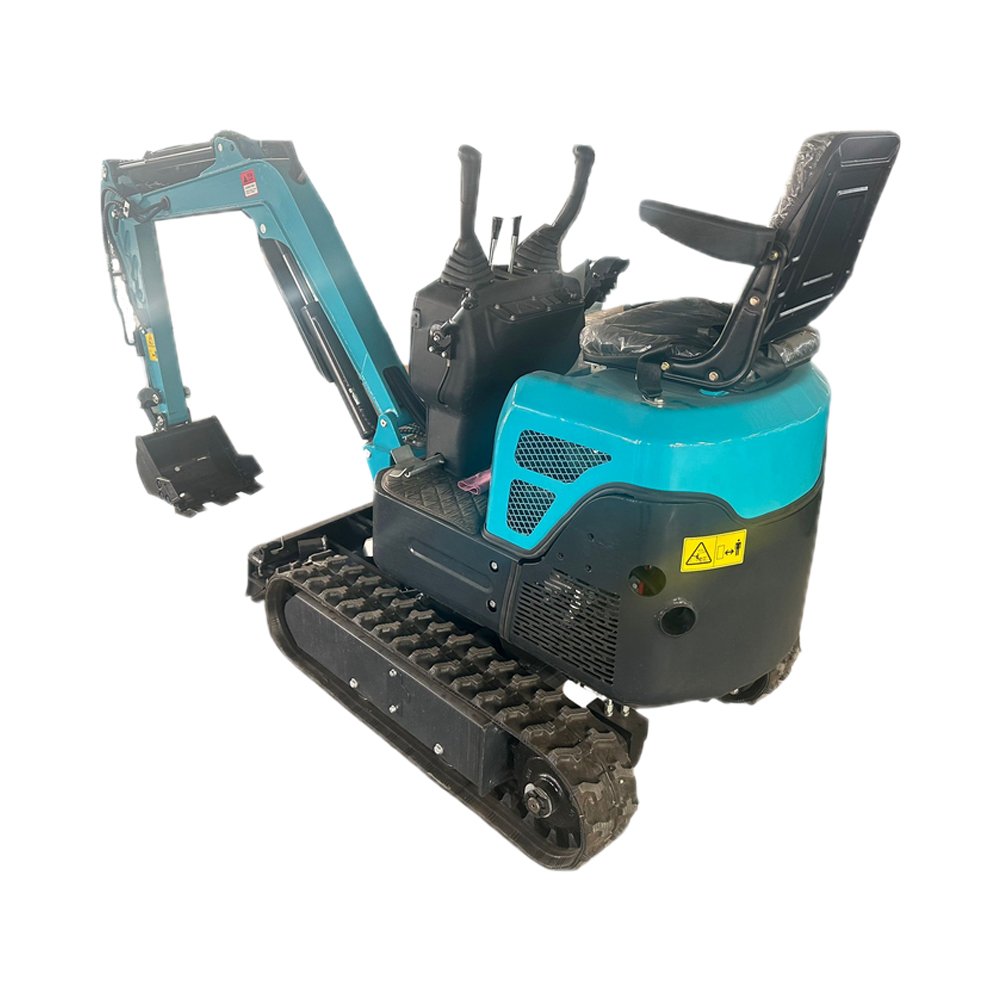
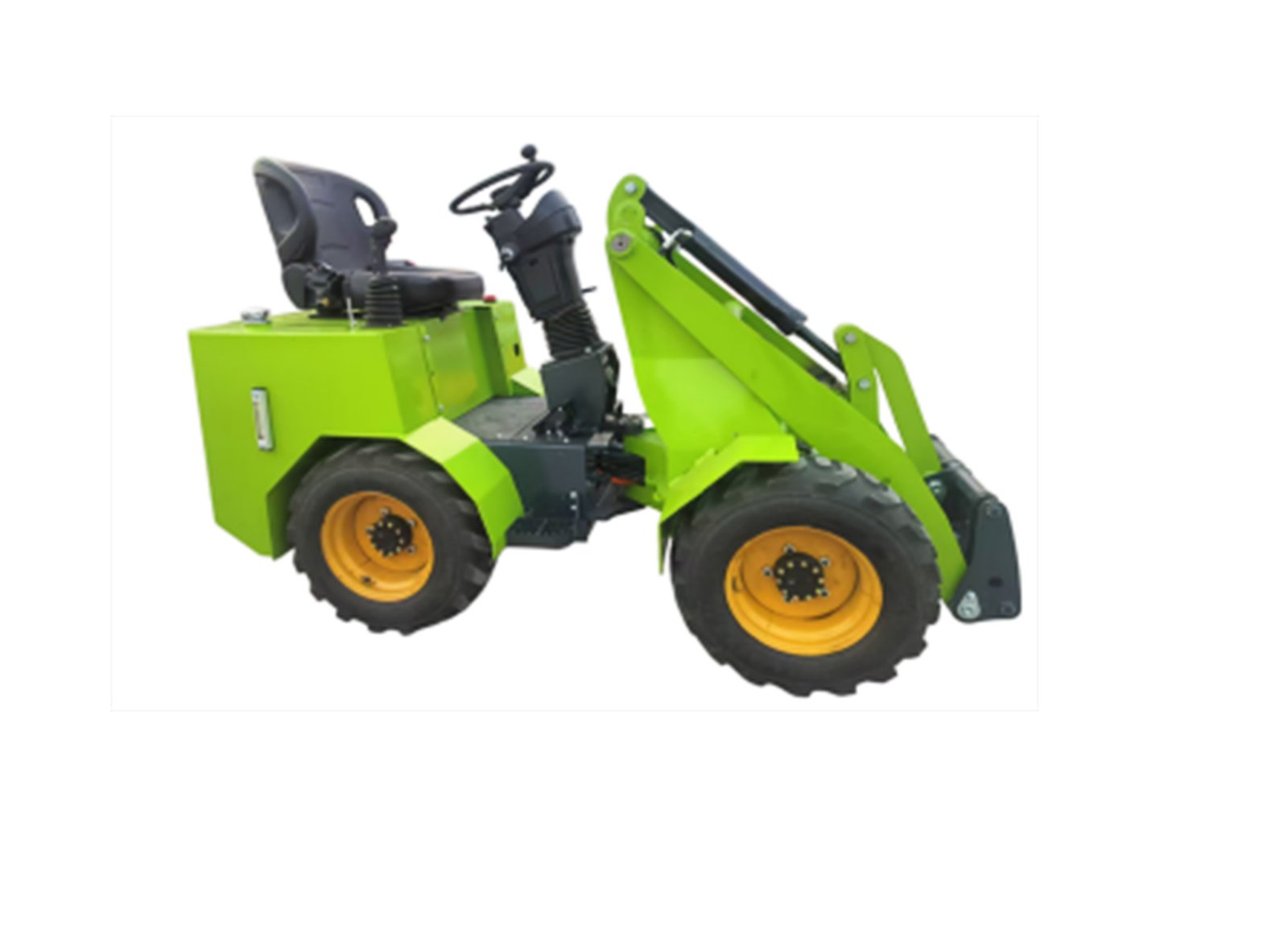
For small residential projects, such as garden improvement, drainage installation, small foundation work, and landscaping, compact track excavators are often suitable because they provide flexibility in limited spaces. Their smaller size allows operators to work efficiently around existing structures.
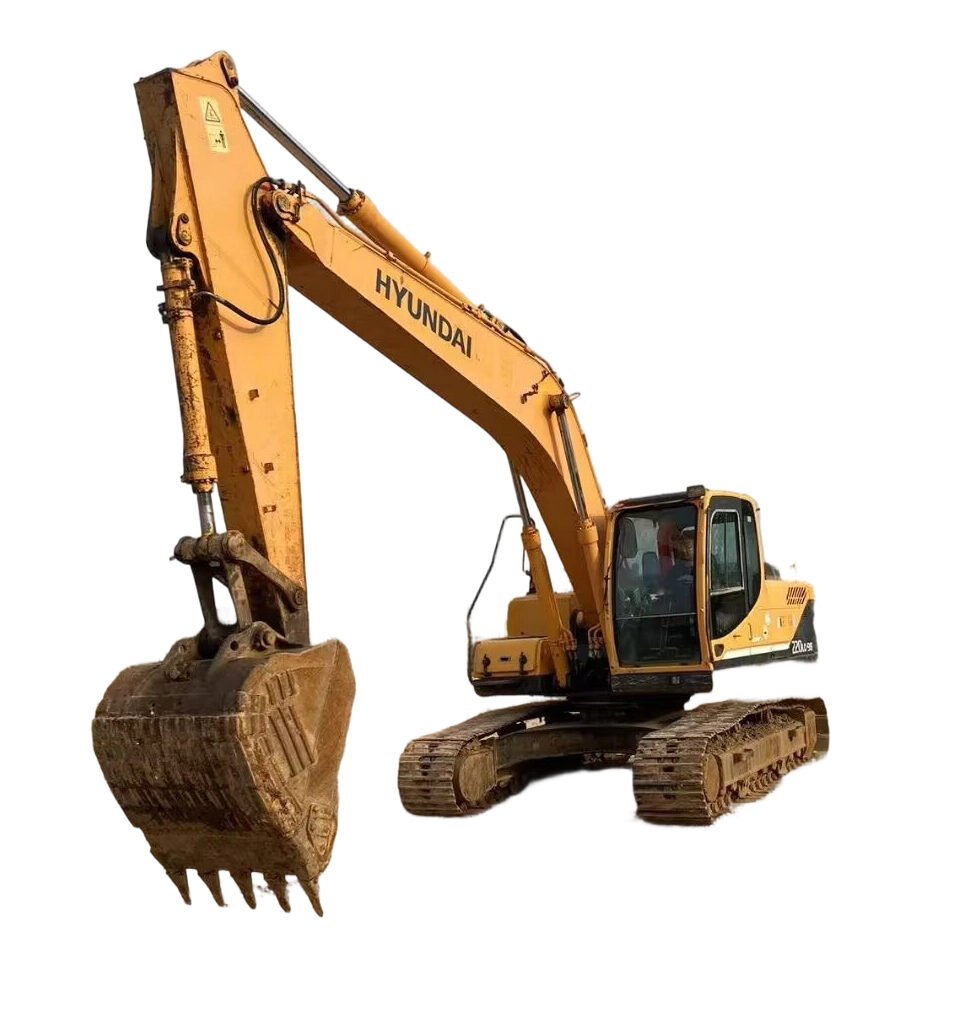
For medium-scale projects, including commercial site preparation, utility installation, and general construction work, mid-size excavators usually provide a better balance between power and mobility. They offer stronger digging performance while remaining practical for transportation and daily operation.
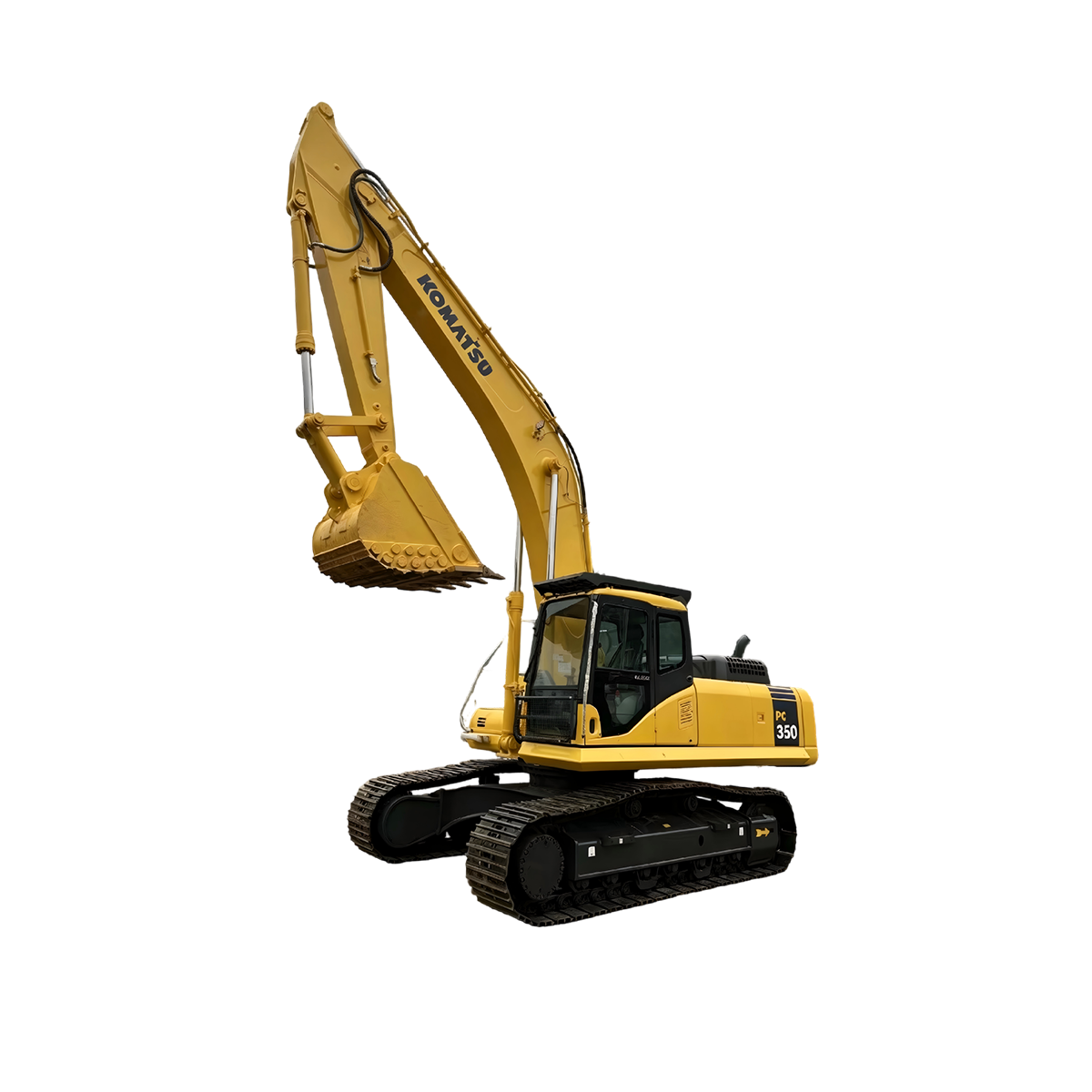
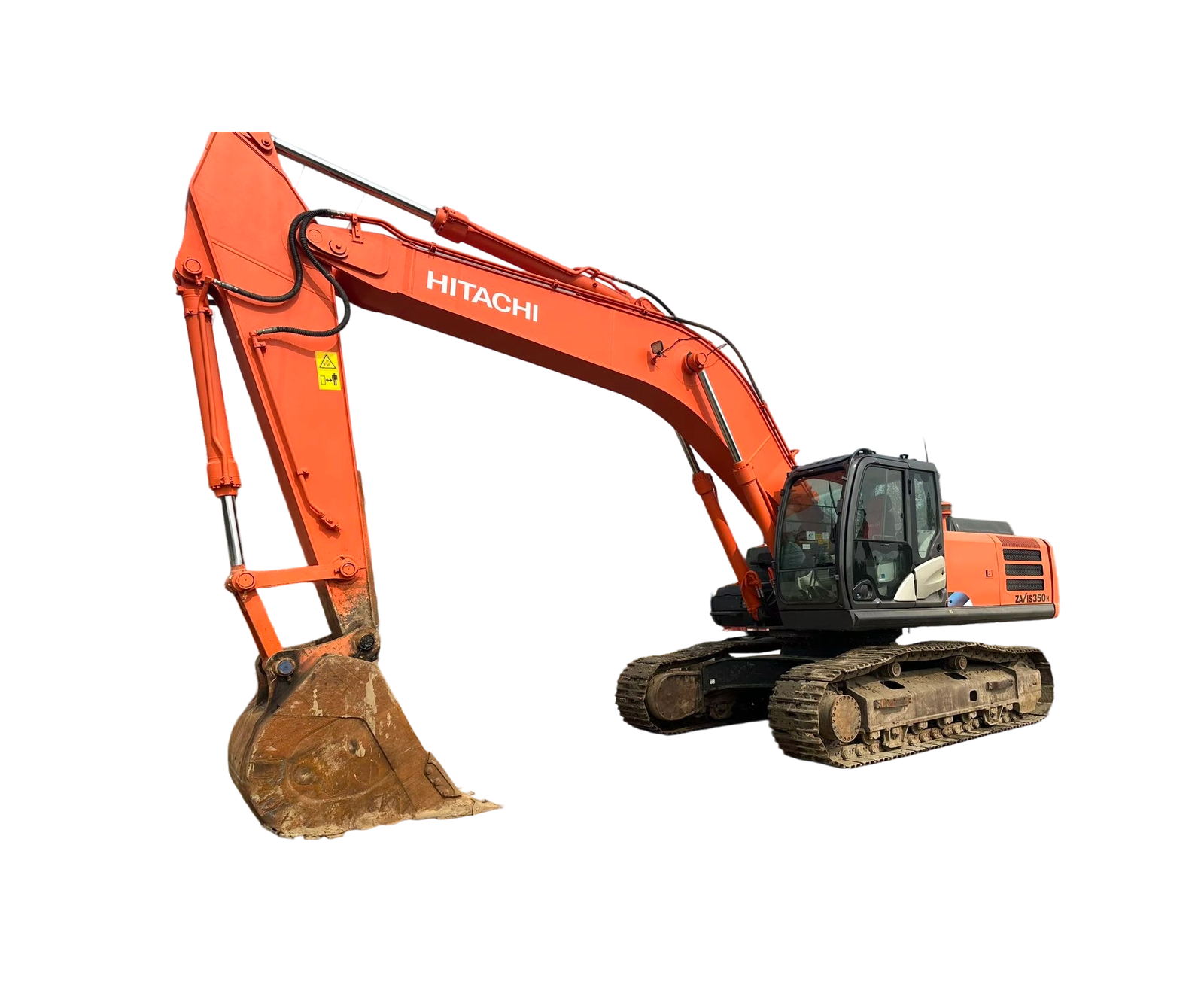
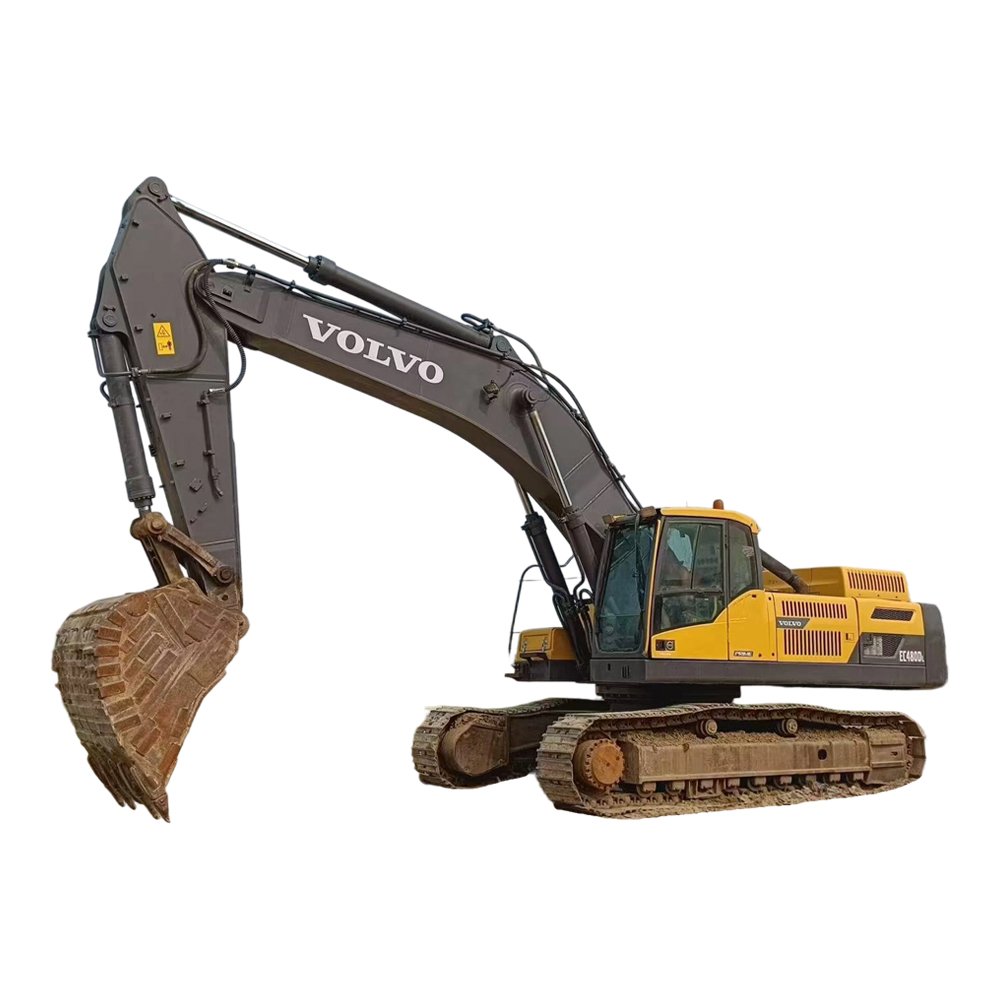
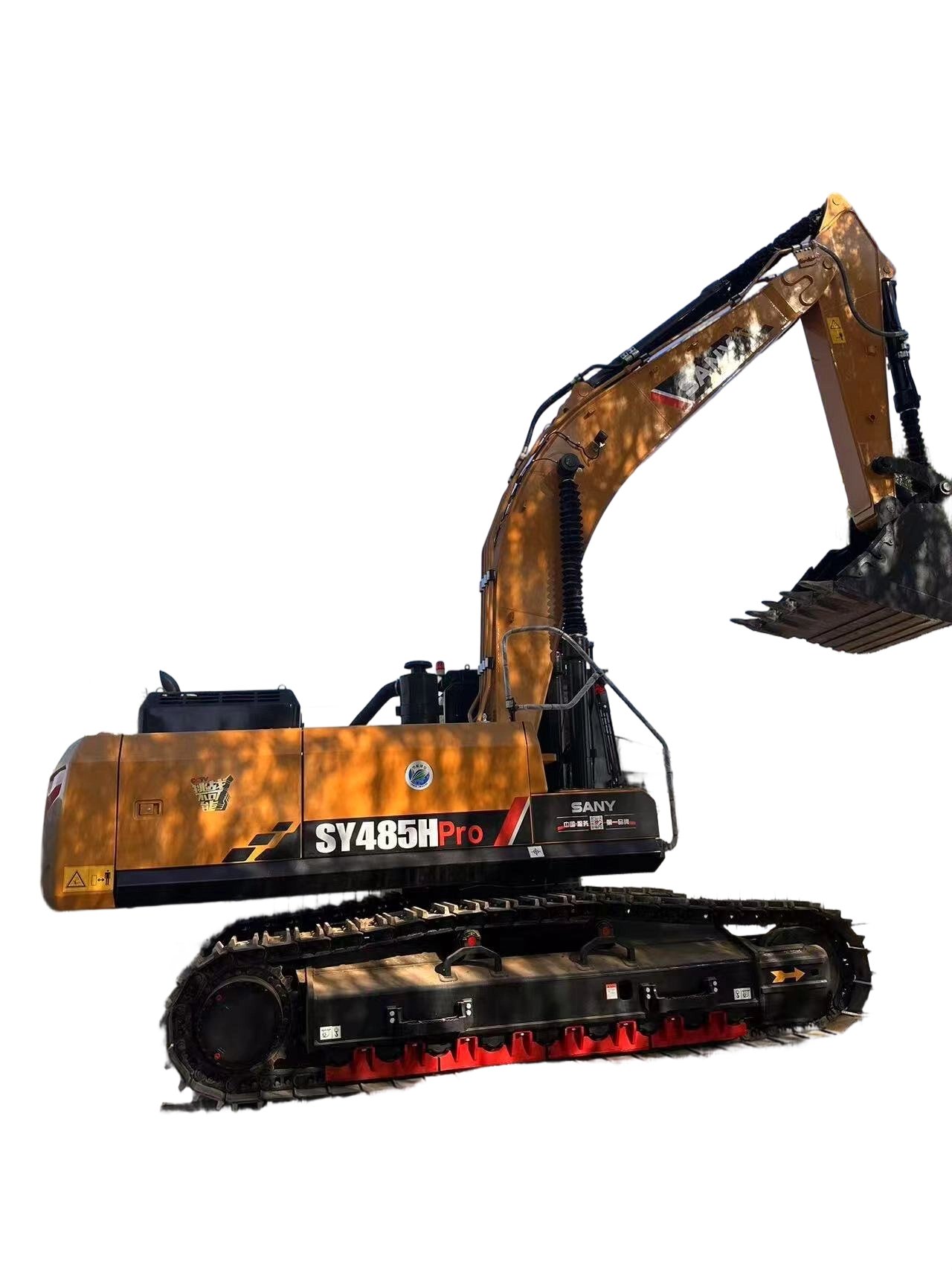
Large-scale projects such as mining, major infrastructure development, and heavy earthmoving require higher-tonnage excavators. These machines are designed for demanding workloads where greater digging depth, larger bucket capacity, and stronger operating force are required.
Understanding your project type before looking at track excavators for sale can help narrow your choices and avoid investing in equipment that does not match your actual needs.
Matching Excavator Weight With Working Environment and Space Limitations
The working environment is another key factor when selecting excavator tonnage. A machine that performs well on an open construction site may not be the best option for a restricted residential area or urban project.
For projects with limited space, smaller track excavators provide easier movement and better control. They can operate in narrow areas while reducing the impact on surrounding environments.
For farms, large construction sites, and open land projects, heavier excavators may provide advantages because they offer increased stability and stronger performance when handling larger workloads.
Ground conditions should also be considered. Soft soil, uneven terrain, slopes, and muddy areas may require machines with suitable weight distribution and track performance. Choosing the right excavator size helps operators maintain stability and complete tasks more efficiently.
A careful evaluation of the job site before purchasing equipment can save time and improve overall project results.
Key Performance Factors Beyond Excavator Tonnage
Although tonnage is an important consideration, buyers should also evaluate other machine specifications before making a decision.
Digging depth is essential for projects involving trenches, foundations, or underground utilities. Bucket capacity affects how much material can be moved during each cycle, which directly influences productivity.
Hydraulic performance is another important factor because it affects digging power, lifting ability, and attachment compatibility. A well-designed hydraulic system allows excavators to perform different tasks with greater efficiency.
Transportation requirements should also be considered. Larger excavators usually require more planning for transportation between job sites, while smaller machines can often be moved more easily.
When comparing track excavators for sale, looking at the complete performance package rather than only machine size helps buyers choose equipment that fits their long-term business goals.
Choosing a Reliable Supplier for Used Track Excavators
Finding the right supplier is an important step when purchasing a track excavator. Buyers need access to reliable equipment information, professional guidance, and suitable machine options based on their project requirements.
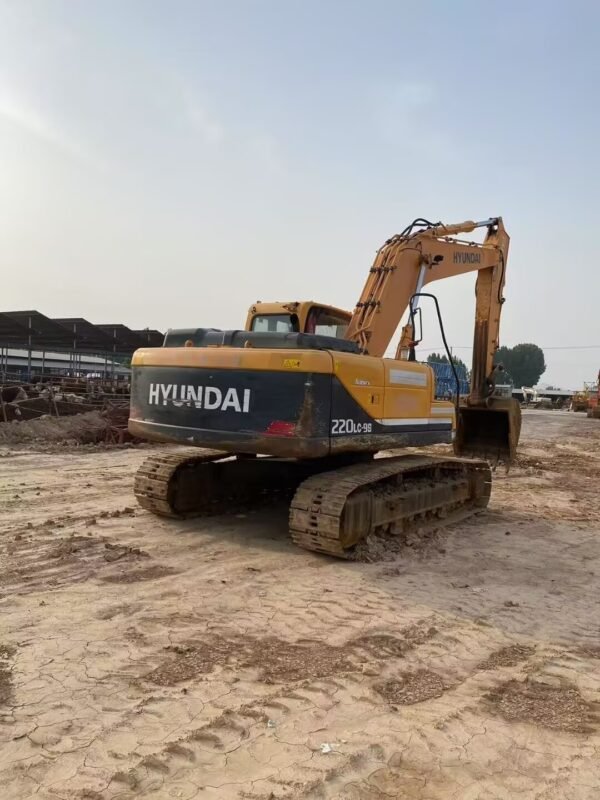
For companies and contractors looking for quality used excavators, THBSMN is a supplier worth considering. With experience in used construction equipment, THBSMN provides excavator solutions for different project needs and helps customers identify suitable machines based on application requirements.
Working with an experienced supplier allows buyers to better understand machine conditions, specifications, and practical applications. Professional support can make the purchasing process easier, especially for businesses that need equipment with the right balance between performance and investment value.
Whether you are expanding an equipment fleet or purchasing your first excavator, choosing a supplier with industry experience can provide valuable assistance throughout the selection process.
How to Evaluate Your Excavator Requirements Before Buying
Before selecting a track excavator, buyers should clearly define their operational needs. A simple project evaluation can help determine the most suitable machine category.
Consider the following questions:
What type of work will the excavator perform most frequently?
How deep and heavy are the typical digging tasks?
Will the machine operate in a restricted area or open workspace?
How often will the excavator be transported between locations?
Which attachments may be needed in the future?
These questions help create a clearer picture of the required machine specifications. For example, a contractor who mainly handles landscaping projects may prioritize flexibility and transportation convenience, while a company working on large earthmoving projects may require greater power and capacity.
Planning before purchasing reduces unnecessary costs and helps ensure the excavator supports business growth.
Making a Smart Long-Term Investment With the Right Excavator Choice
A track excavator is a major investment for contractors, construction companies, and equipment operators. The right machine can improve productivity, support more project opportunities, and provide reliable service for many years.
Choosing the correct tonnage is one of the most important steps in maximizing equipment value. A properly matched excavator can complete tasks efficiently while maintaining suitable operating costs.
When exploring track excavators for sale, buyers should consider project requirements, working conditions, machine specifications, and supplier support together. This approach creates a more practical purchasing decision.
By carefully matching excavator size with real project needs and working with experienced suppliers like THBSMN, businesses can find equipment solutions that improve efficiency and support long-term success in construction and earthmoving operations.