








Industry News
Track Excavators For sale Wheel VS Track Excavator Performance & Cost Comparison
Jul
When choosing construction equipment for farming projects, landscaping, road maintenance, property development, or excavation work, selecting the right excavator type can directly influence efficiency, operating costs, and project results. Many buyers searching for track excavators for sale often compare tracked excavators and wheel excavators to understand which machine better fits their working environment.
Both options provide strong digging capability and flexible operation, but their performance characteristics are designed for different job requirements. Understanding the differences in mobility, stability, operating conditions, and long-term value helps contractors, farmers, and small business owners make a smarter equipment investment.
Understanding Your Work Requirements Before Buying an Excavator
Before purchasing an excavator, it is important to consider how and where the machine will be used. Different projects require different levels of digging power, transportation flexibility, and ground adaptability.
For example, a farm owner may need an excavator for land preparation, drainage work, pond construction, or moving materials. A construction contractor may require equipment for foundation digging, pipeline installation, or site preparation. Property owners may use compact excavators for landscaping, driveway repairs, and outdoor renovation projects.
The best choice is not always the largest machine. A suitable excavator should match the actual workload, available space, transportation needs, and expected frequency of use.
Performance Differences in Working Environments
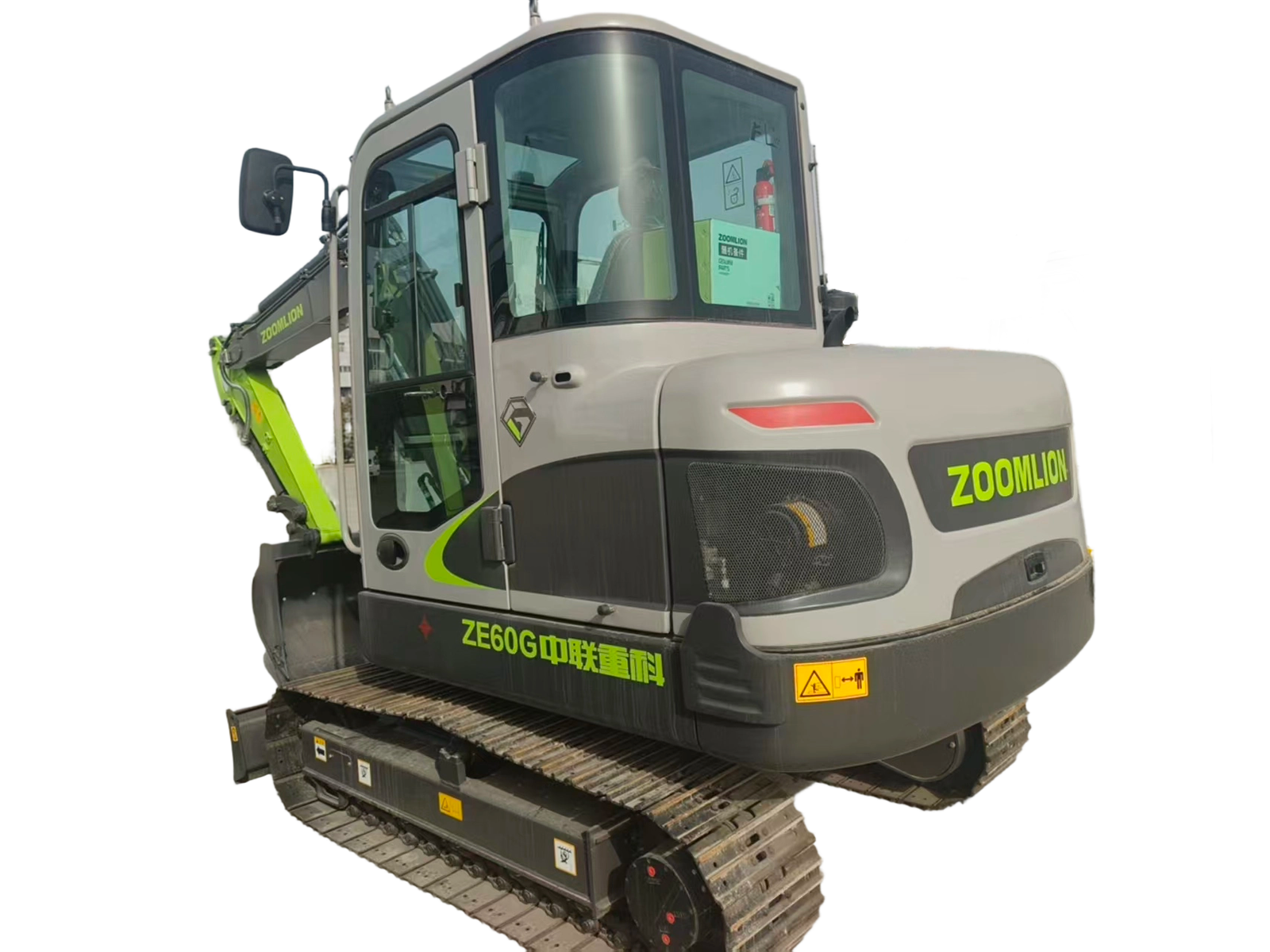
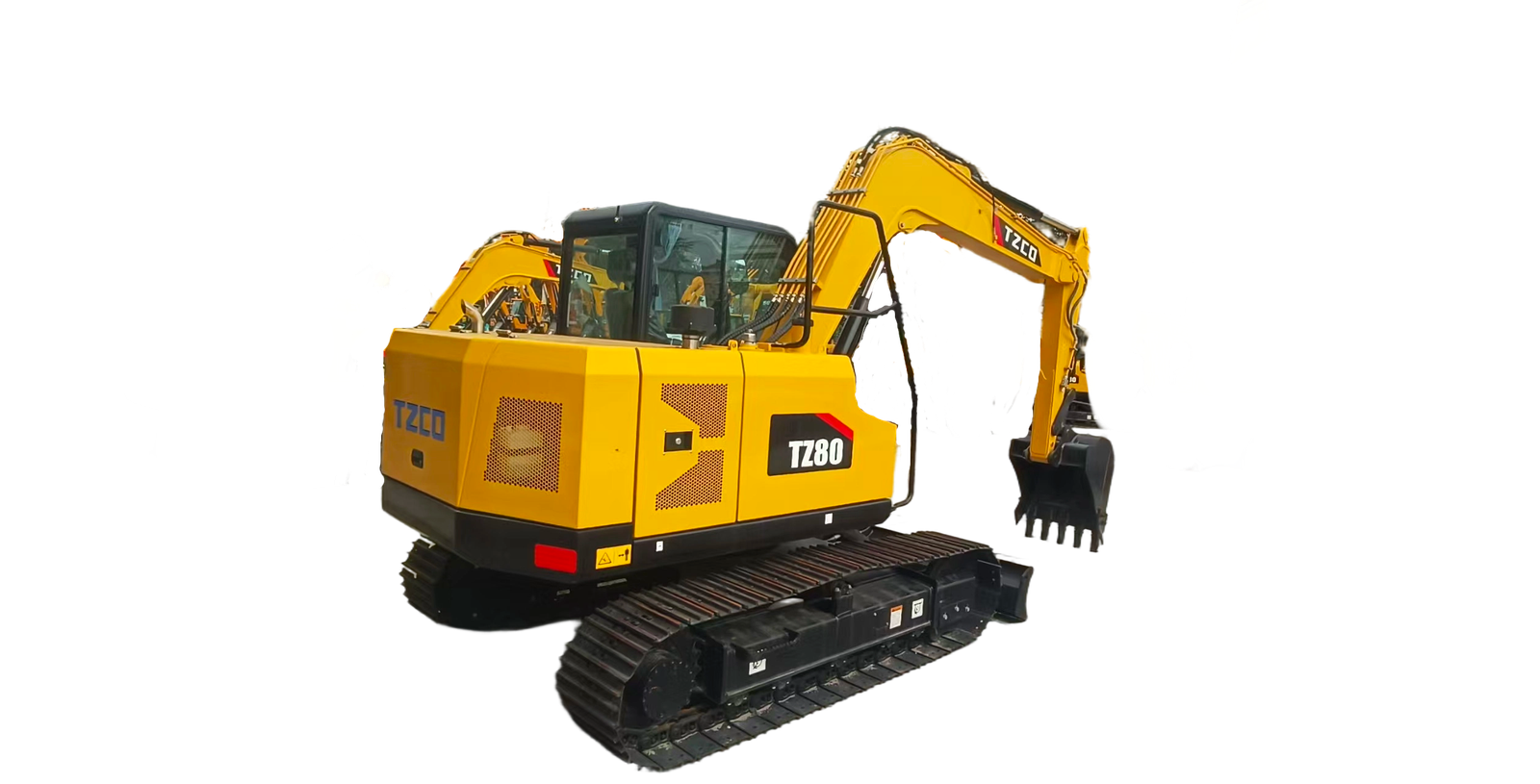
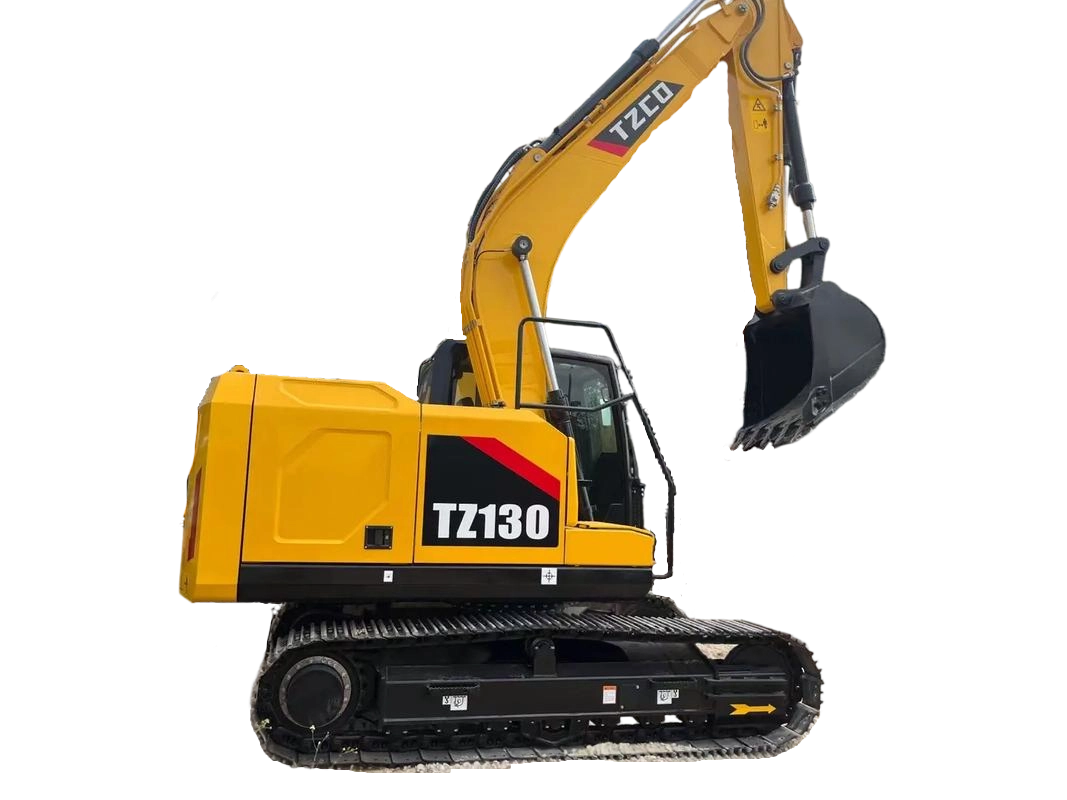
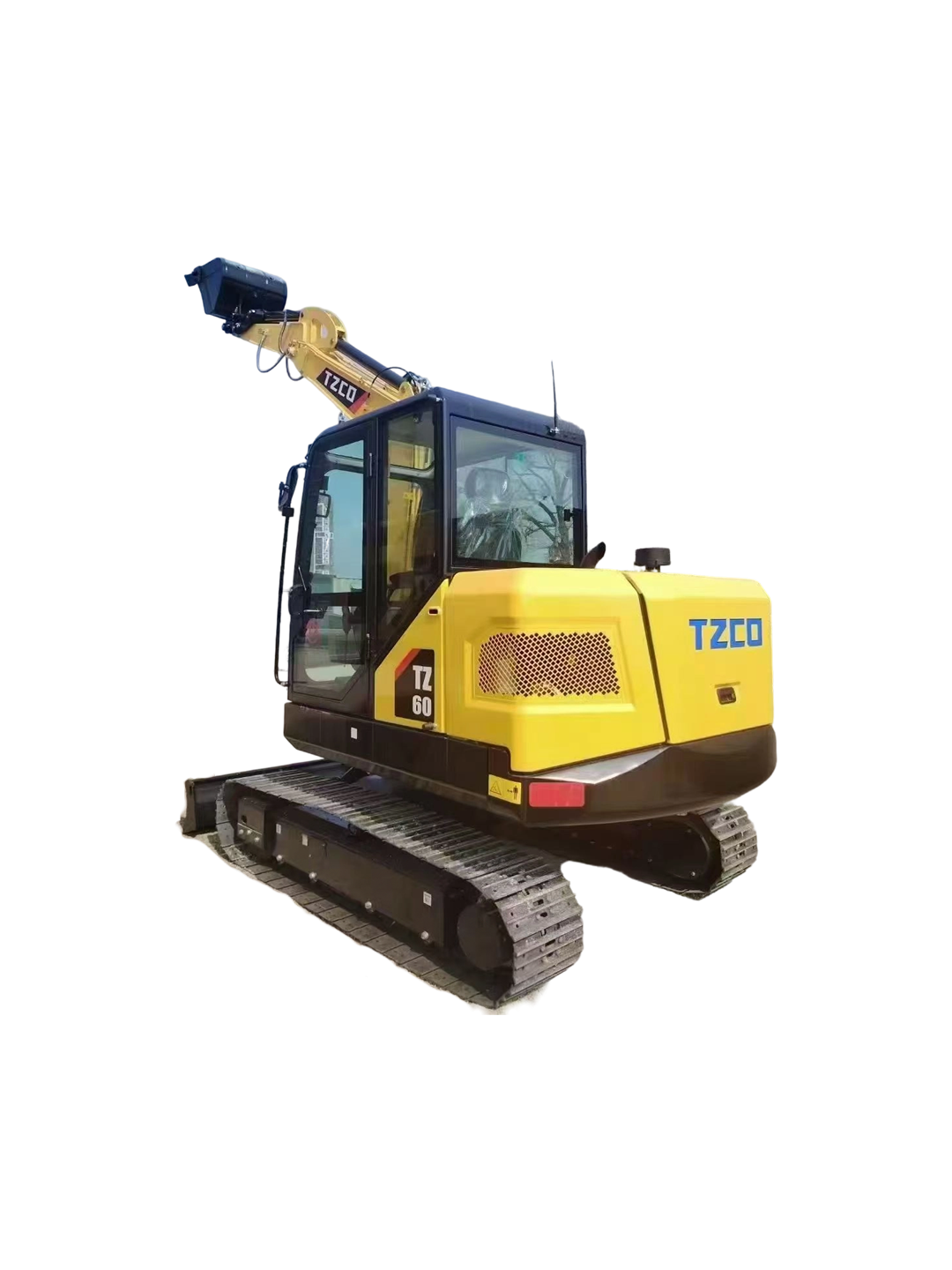
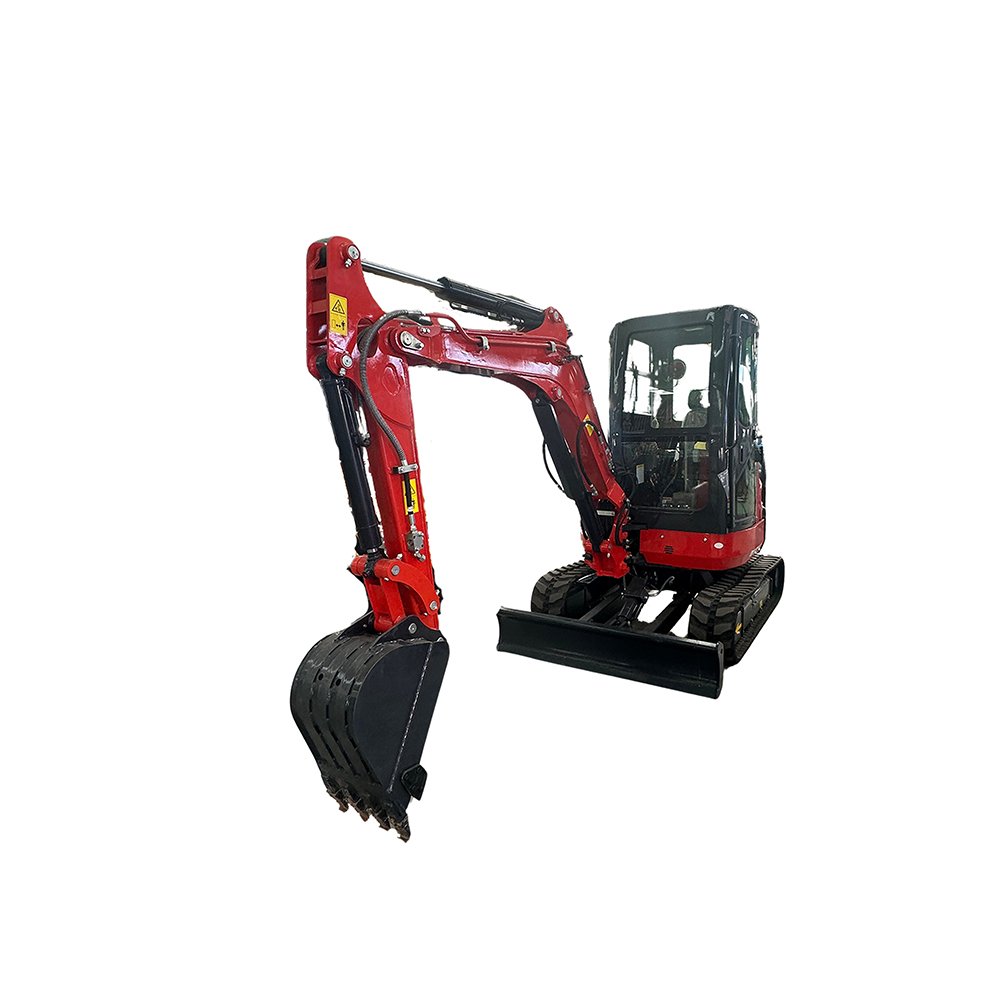
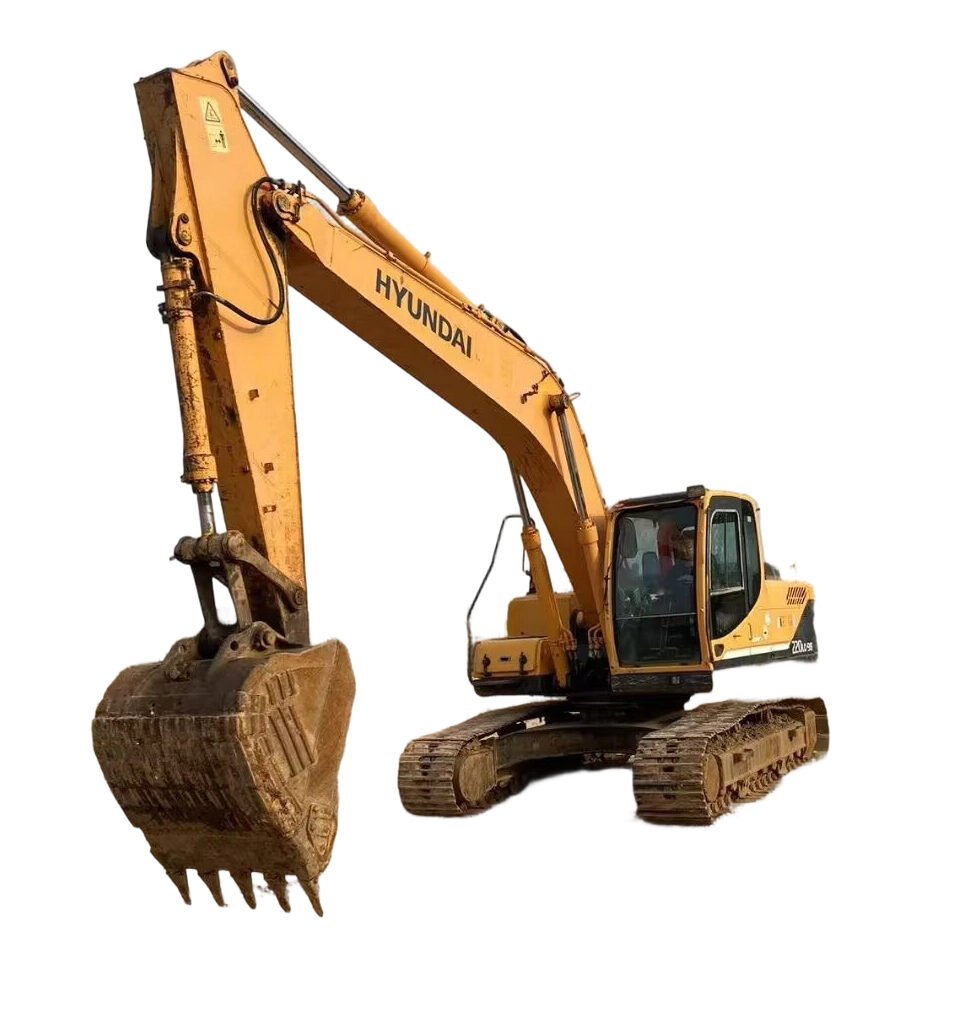
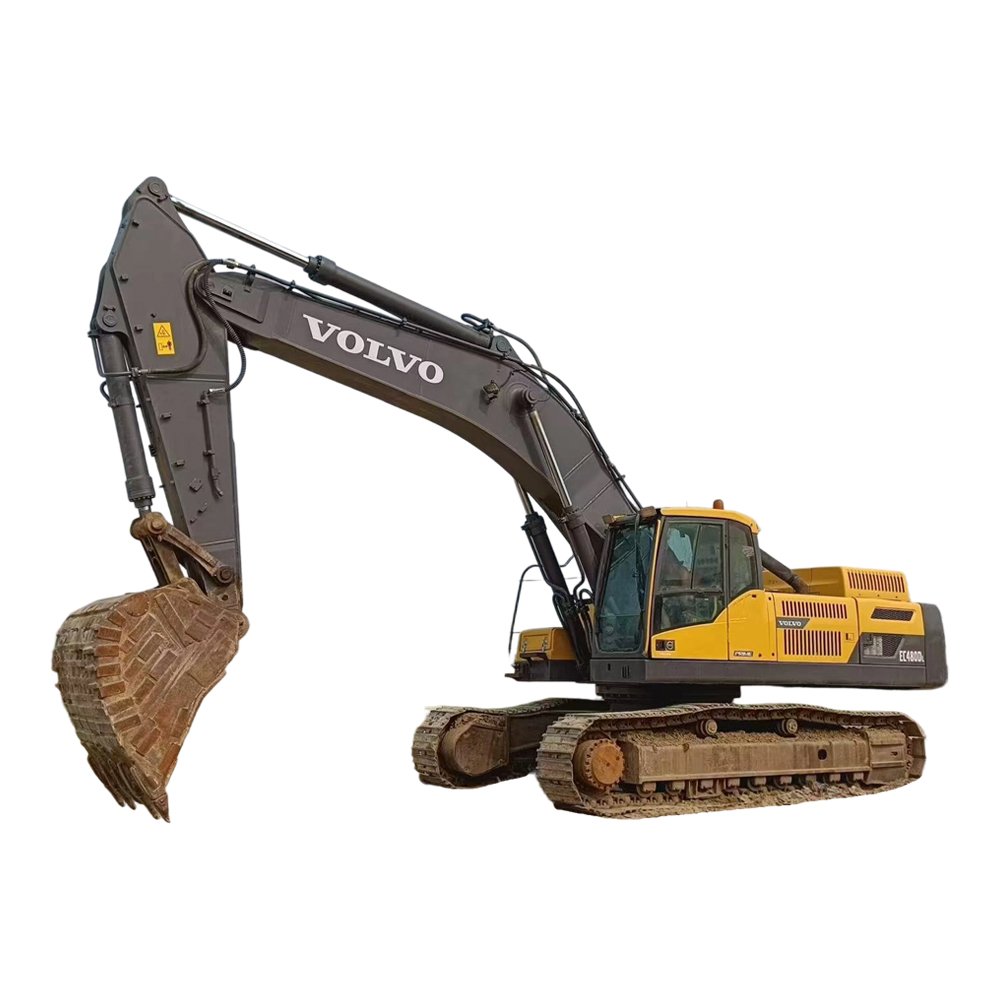
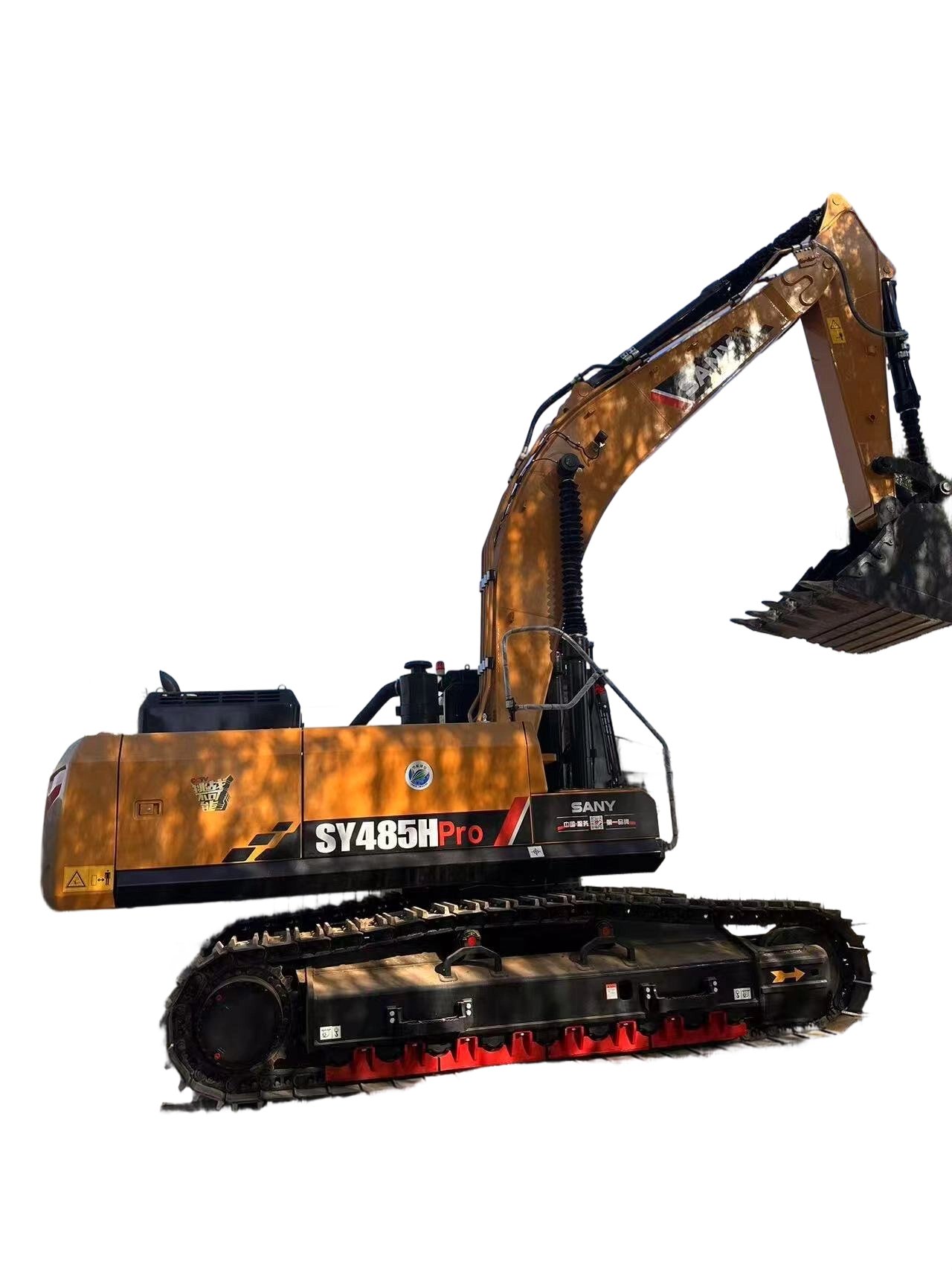
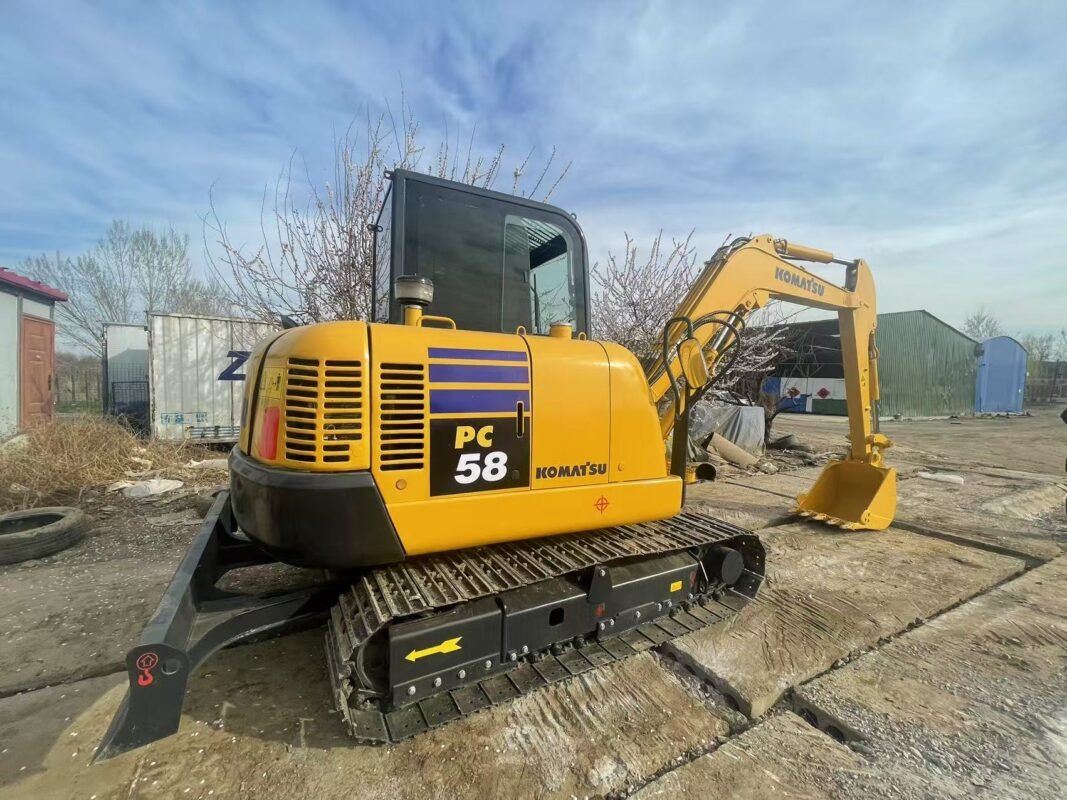
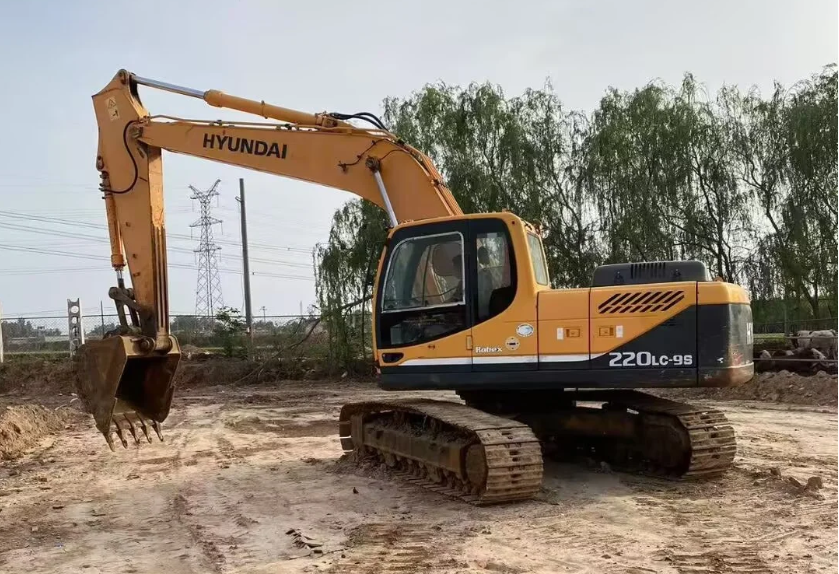
Track excavators are widely used in applications where stability and strong ground contact are important. The track system distributes machine weight over a larger surface area, helping the excavator maintain balance when working on uneven terrain, soft soil, muddy areas, or challenging landscapes.
This makes track excavators a practical choice for agricultural fields, construction sites, forestry projects, and outdoor excavation tasks where ground conditions can change frequently.
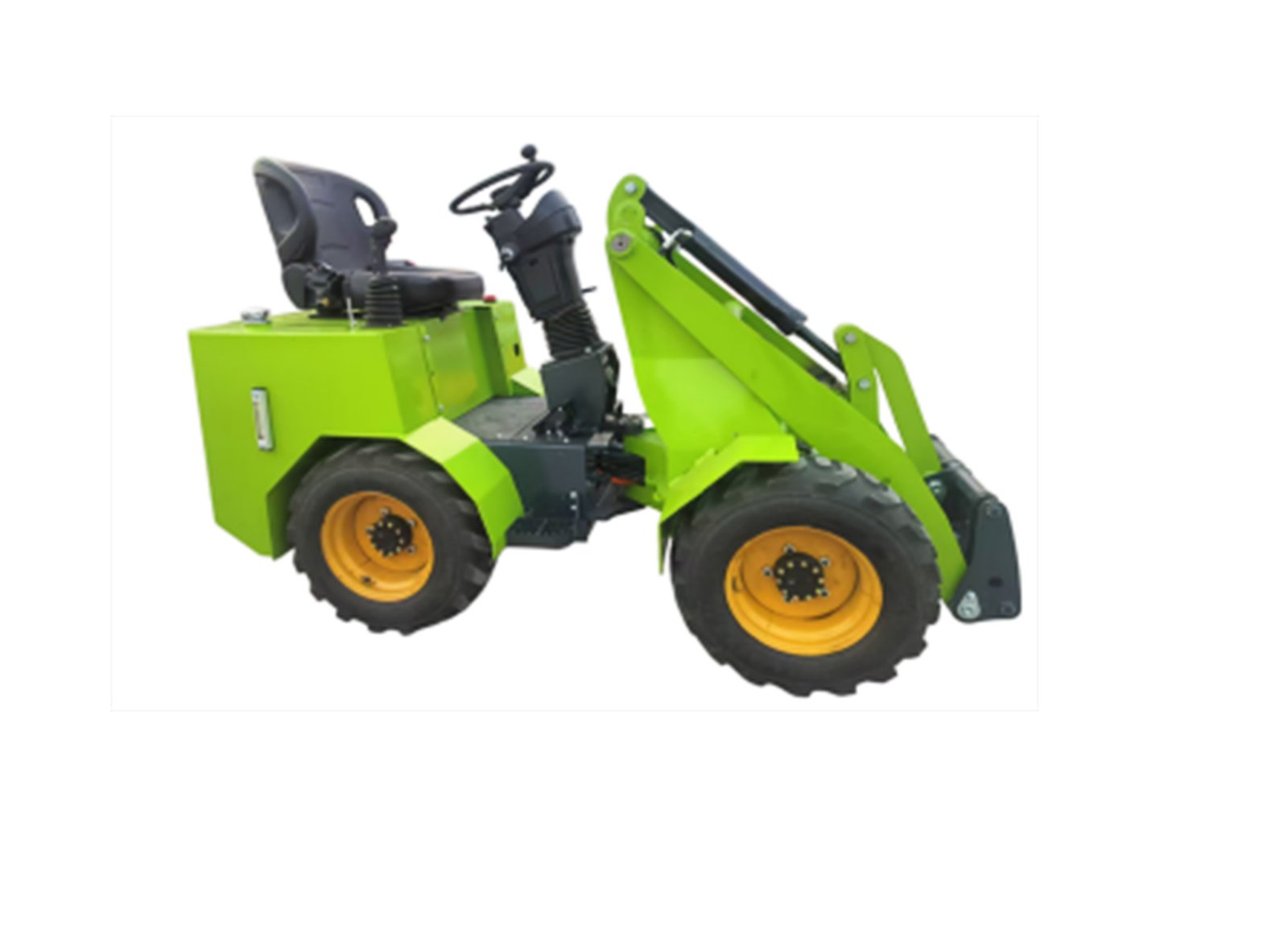
Wheel excavators are designed with mobility in mind. Their wheeled structure allows faster movement between different working locations, making them suitable for projects that require frequent transportation on roads or paved surfaces.
Understanding the working environment is the first step toward choosing the right excavator configuration.
Stability and Digging Efficiency for Heavy Work
Excavation projects often require consistent power and stable operation. Track excavators provide excellent stability because the tracks create a strong connection with the ground. This allows operators to perform digging, lifting, and loading tasks with confidence.
For projects involving deep digging, slope work, trenching, or handling heavy materials, stability plays an important role in maintaining productivity and operational control.
A stable machine can help operators work more efficiently because less time is spent adjusting the equipment position. This is especially valuable for long working days where performance consistency matters.
Mobility and Transportation Considerations
One important factor when comparing excavators is transportation convenience. Some projects require moving equipment between multiple locations during the same day.
Wheel excavators can provide advantages in situations where road travel is common. Their mobility allows operators to move between nearby job sites more conveniently without relying on additional transportation arrangements.
Track excavators are often selected for projects where the machine stays on one site for longer periods. Their design focuses on working performance, stability, and adaptability to different terrains.
When purchasing equipment, buyers should consider whether their daily operation requires frequent movement or concentrated work in one area.
Cost Considerations for Long-Term Ownership
The purchase price is only one part of excavator ownership. Buyers should also consider fuel efficiency, maintenance requirements, replacement parts, transportation costs, and overall productivity.
For businesses using excavators regularly, a machine that matches the working environment can provide better value over time. Choosing the right configuration helps reduce unnecessary operating expenses and improves project efficiency.
Small businesses and individual operators often look for equipment that offers reliable performance while maintaining reasonable ownership costs. This is why understanding the practical differences between excavator types is essential before making a final decision.
Choosing the Right Size and Configuration
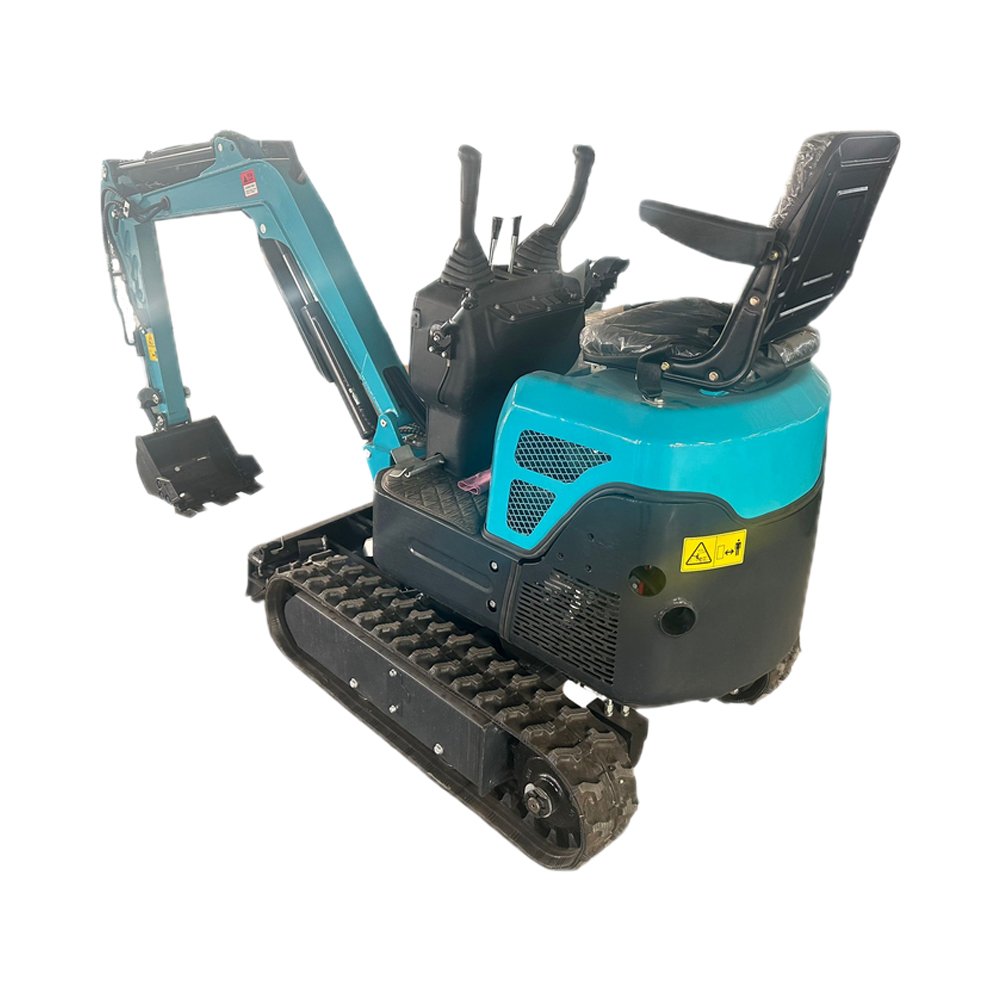
Excavators are available in different sizes and configurations to meet various applications. Compact models are ideal for residential landscaping, small construction tasks, and agricultural improvements where space is limited.
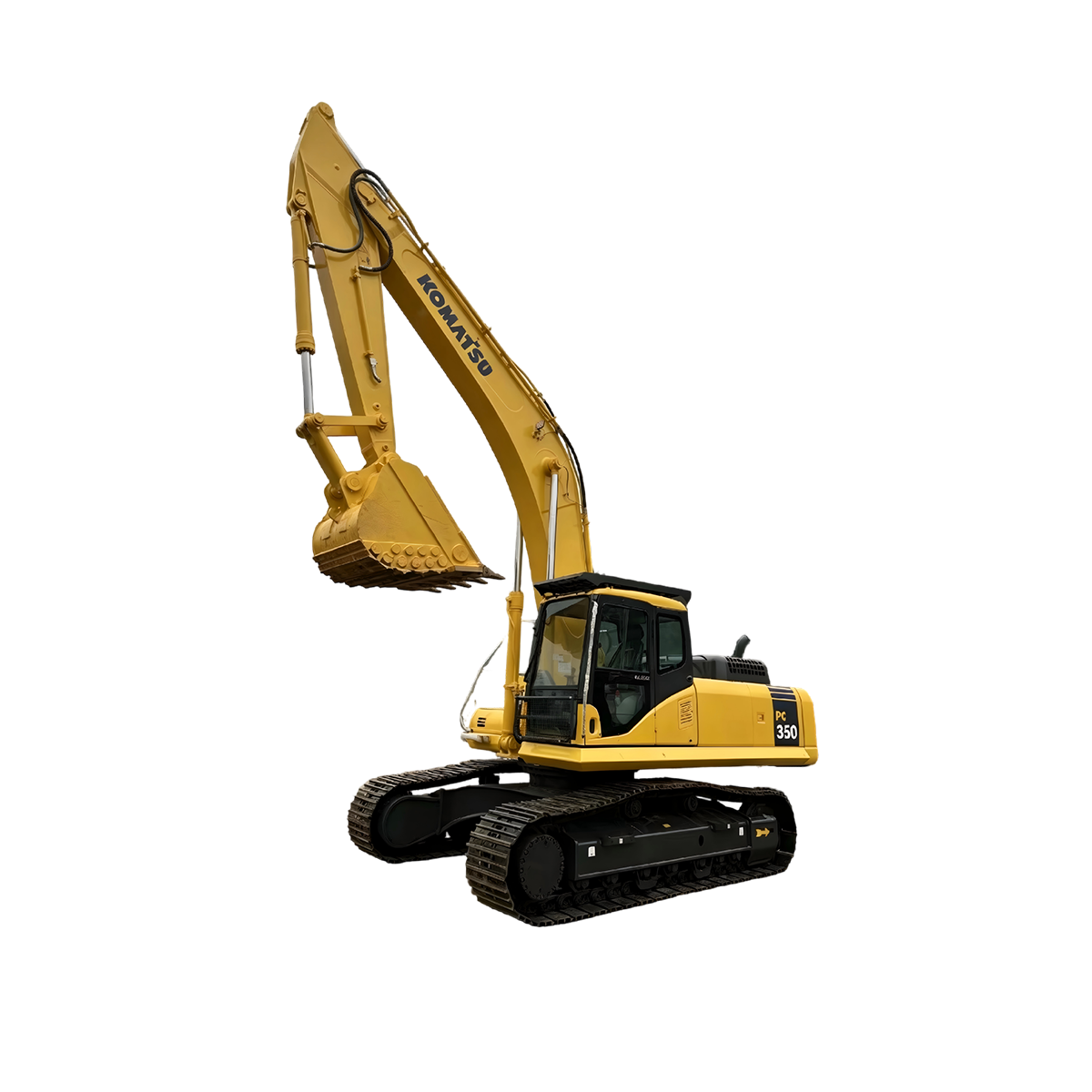
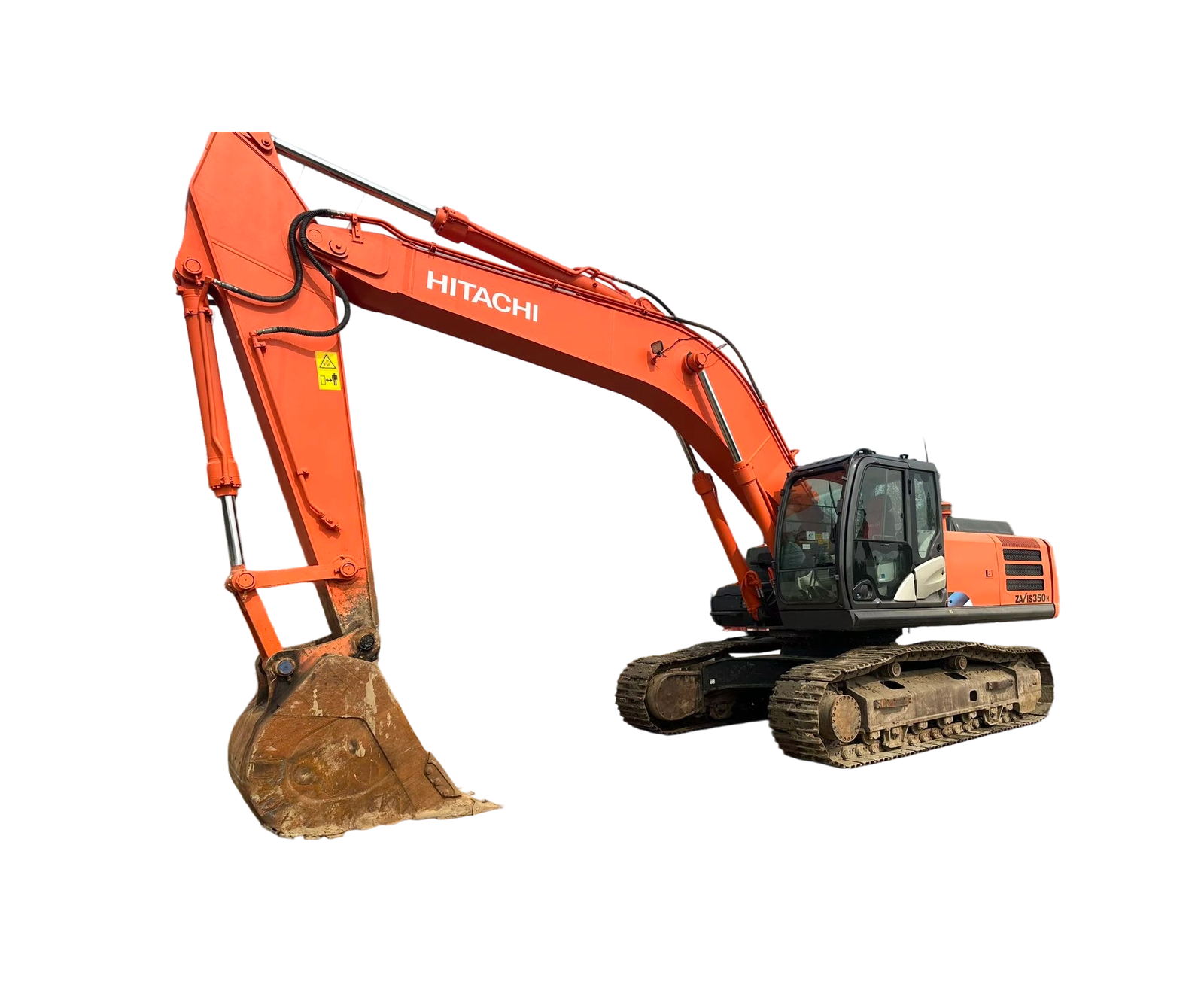
Medium and larger machines are commonly used for more demanding excavation projects that require higher digging capacity and stronger working performance.
When searching for track excavators for sale, buyers should evaluate factors such as digging depth, lifting requirements, attachment compatibility, machine size, and service support.
The right equipment choice can improve productivity while making daily operation easier and more efficient.
Reliable Excavator Solutions for Different Applications
Finding a dependable supplier is an important part of purchasing construction equipment. Buyers need not only quality machinery but also professional support, product information, and solutions that match their specific projects.
THBSMN provides reliable excavator solutions for customers looking for practical construction equipment options. With experience supporting different application needs, THBSMN helps customers select suitable machines based on working environments, project requirements, and operational goals.
Whether the equipment is needed for agricultural improvement, construction projects, landscaping, or property maintenance, choosing a suitable excavator from a trusted supplier can create better long-term value.
Making a Smart Excavator Investment
Selecting between different excavator options is ultimately about matching machine capabilities with real working needs. Factors such as terrain, transportation frequency, project scale, and budget planning all influence the best decision.
Track excavators for sale continue to attract buyers who need strong stability and reliable performance in demanding environments. By understanding performance differences and considering long-term operating requirements, users can choose equipment that supports efficient and successful projects.
A well-selected excavator is not only a working machine but also an investment that helps businesses complete tasks faster, improve productivity, and create more opportunities for future growth.