








Industry News
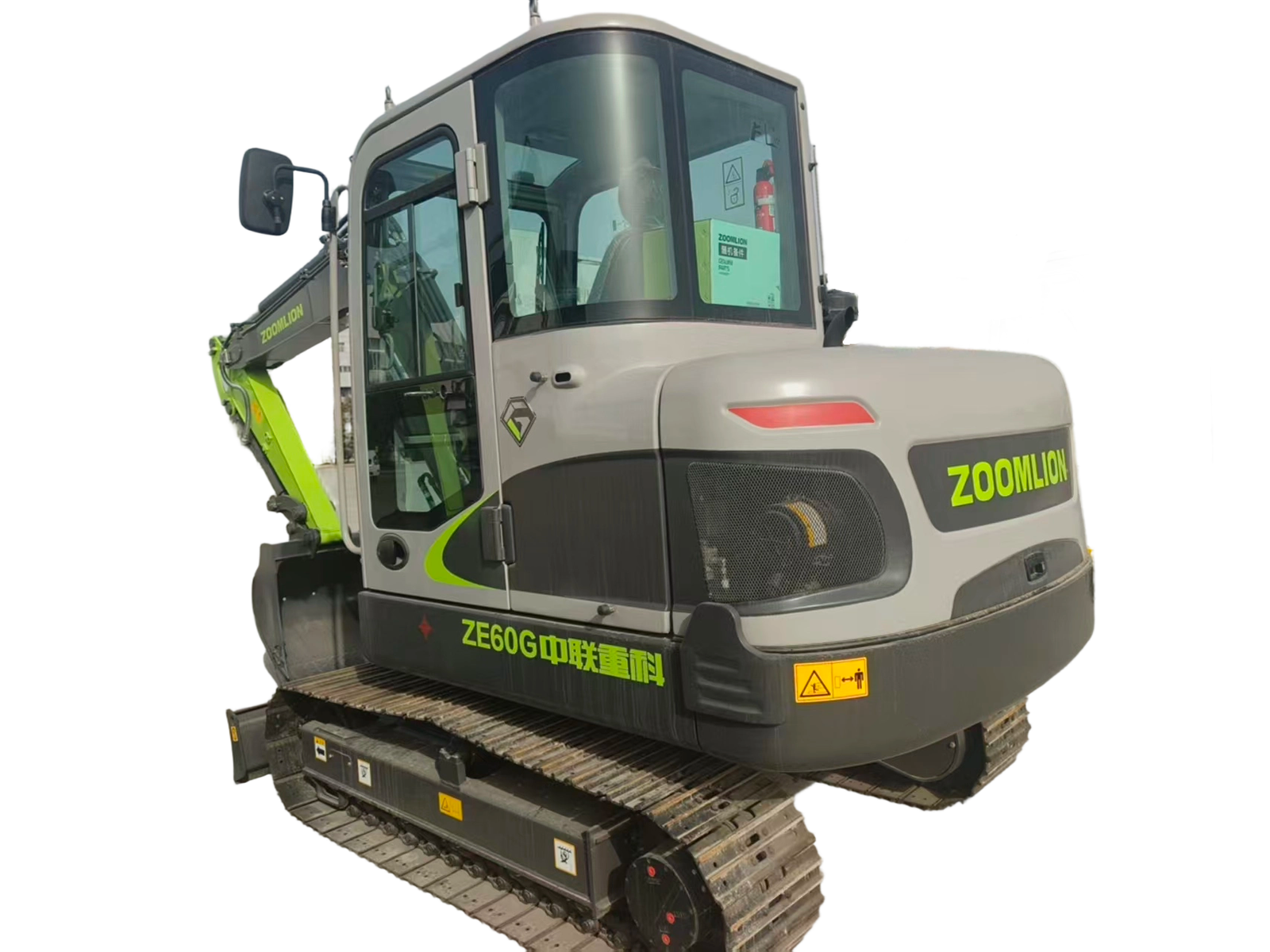
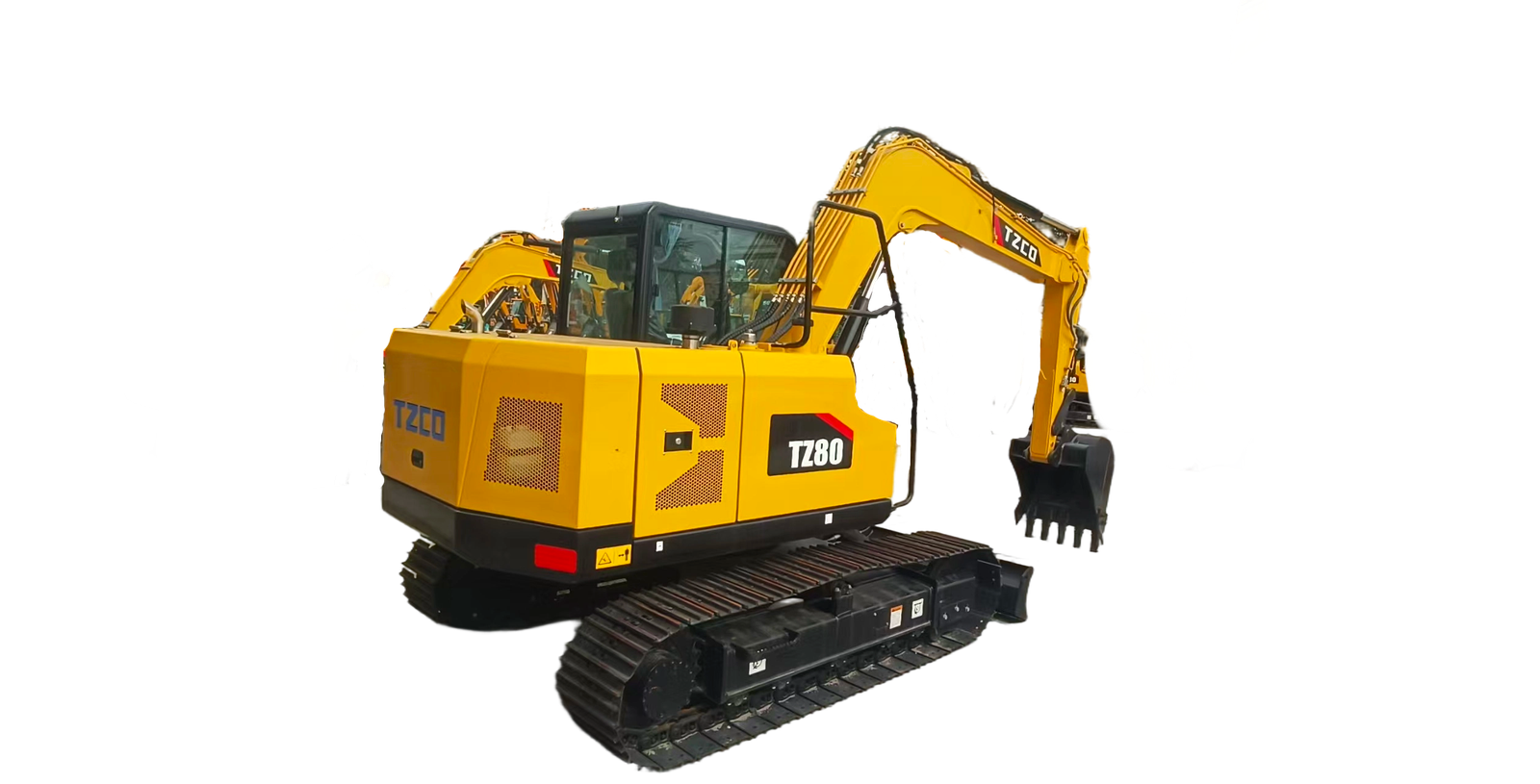
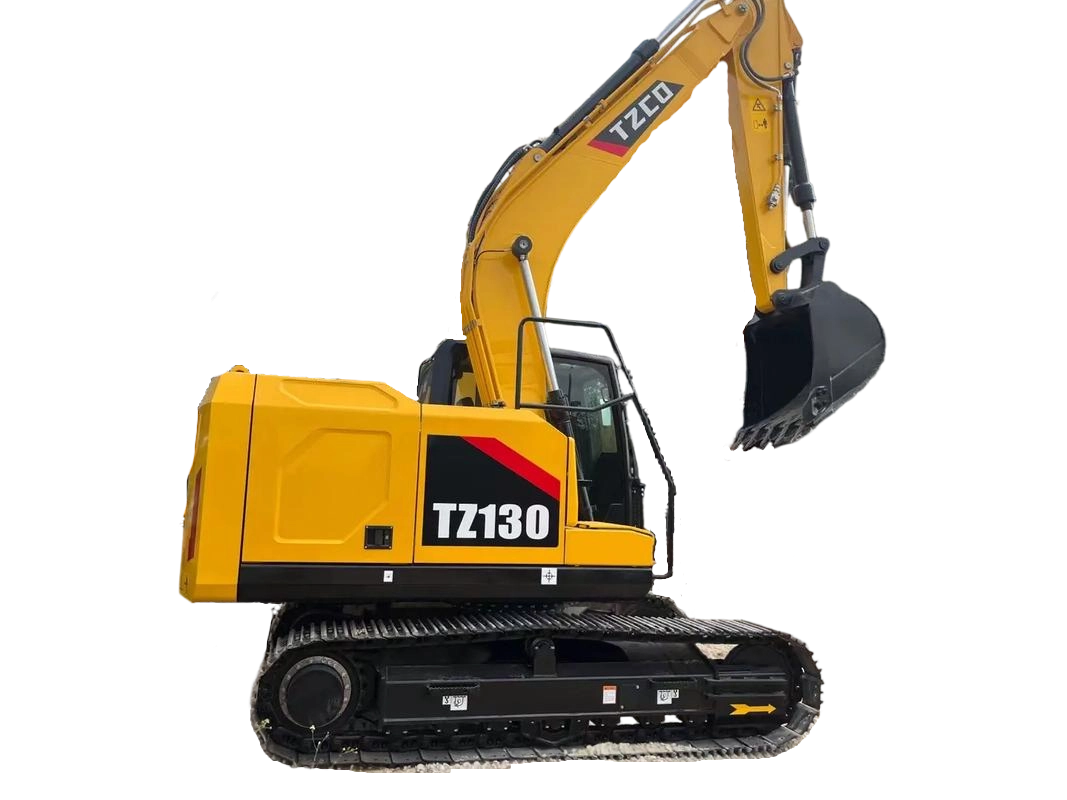
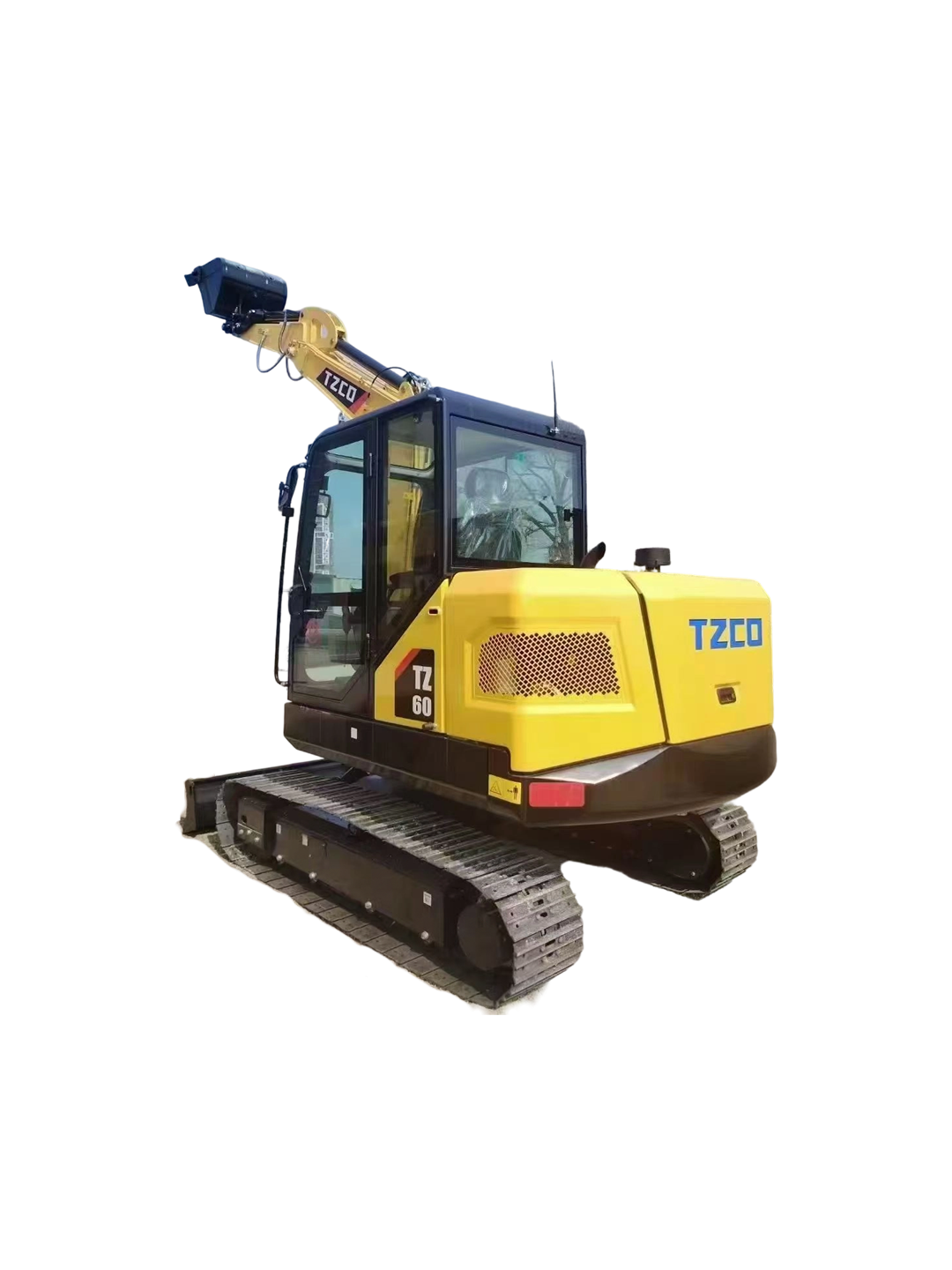
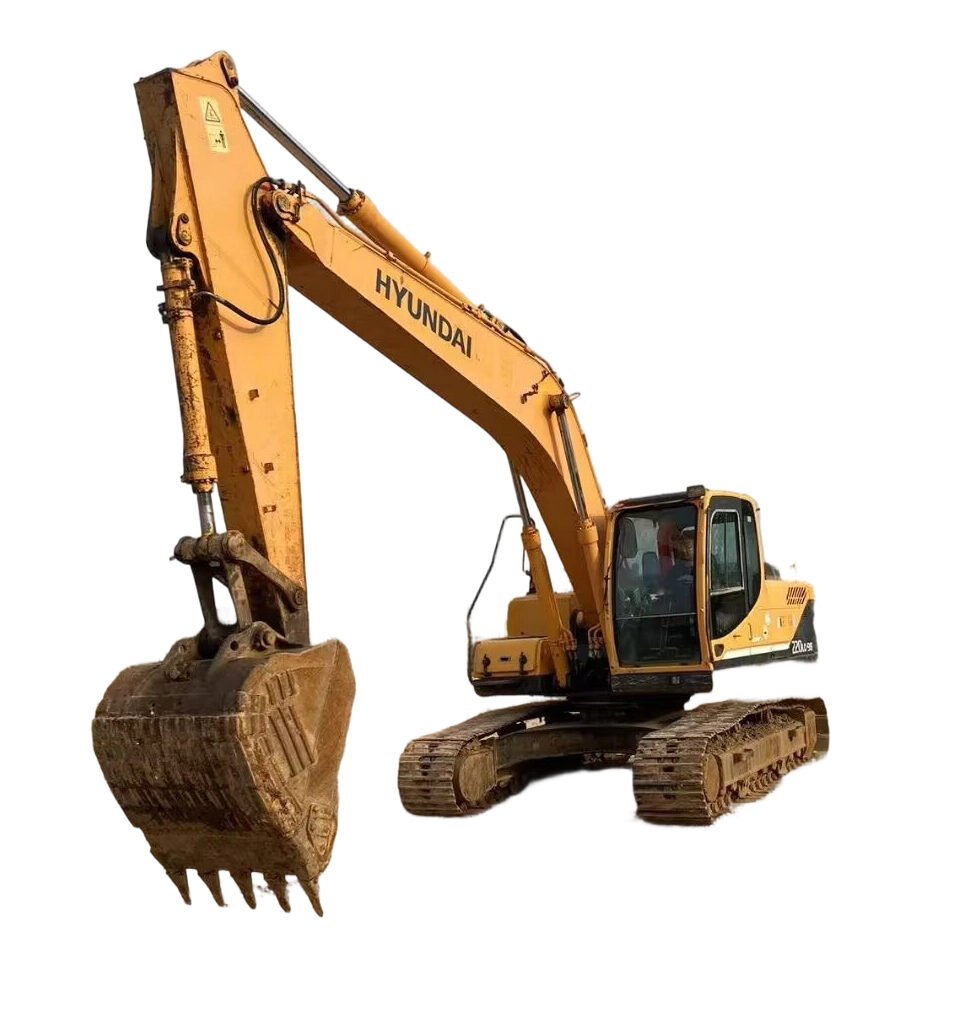
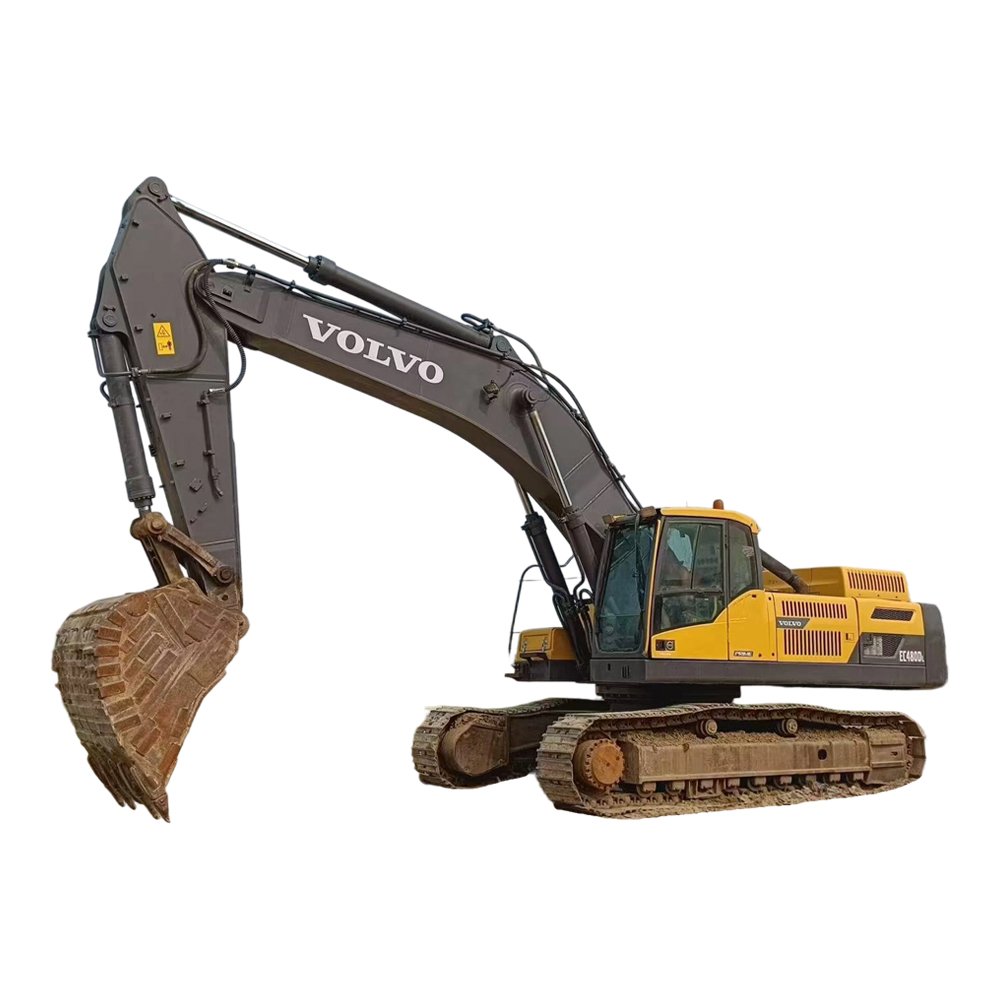
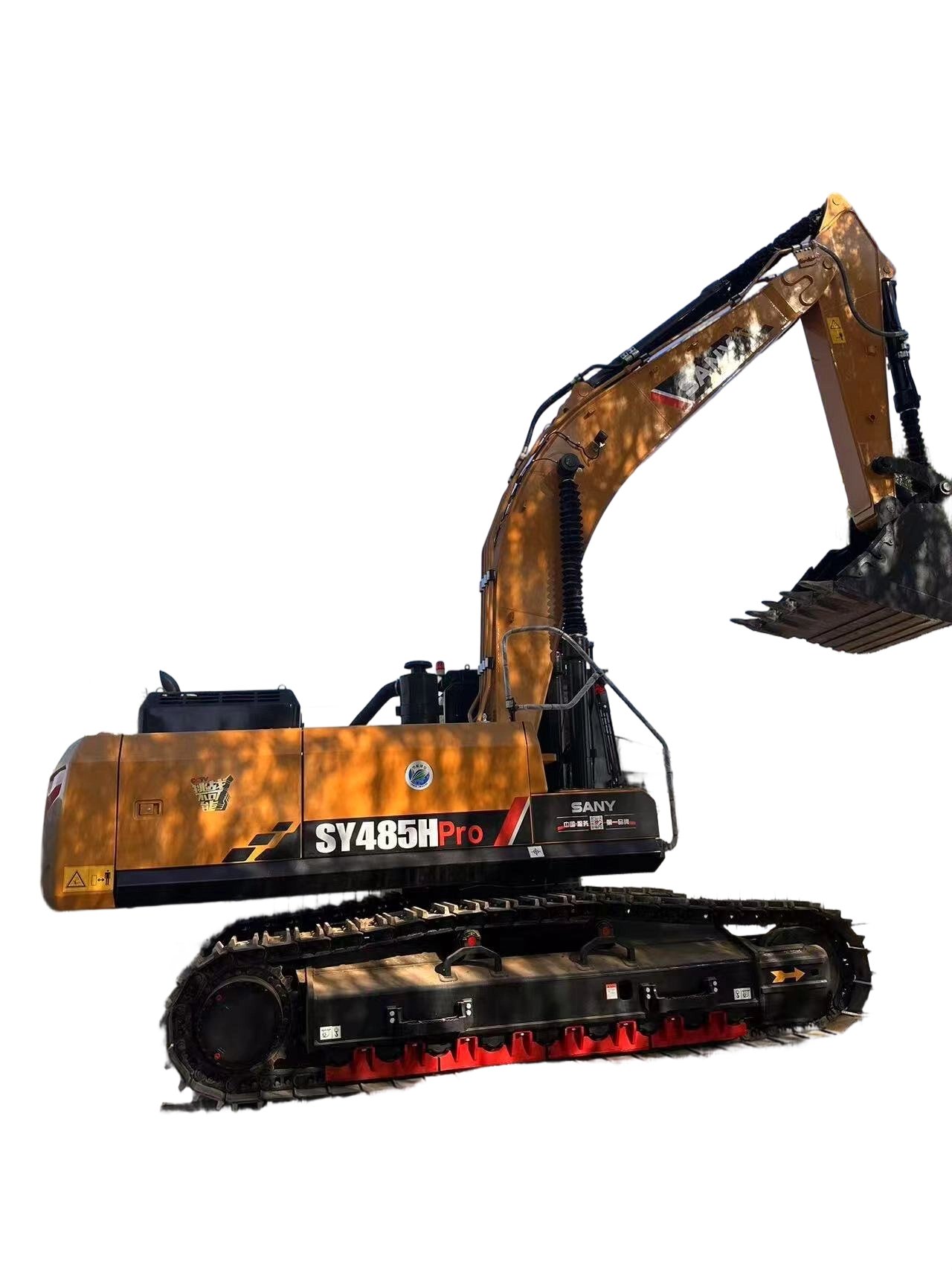
Used Excavator for Sale Affordable and Reliable Machines
Apr
Used Excavator for Sale: Your Guide to Affordable and Reliable Machines
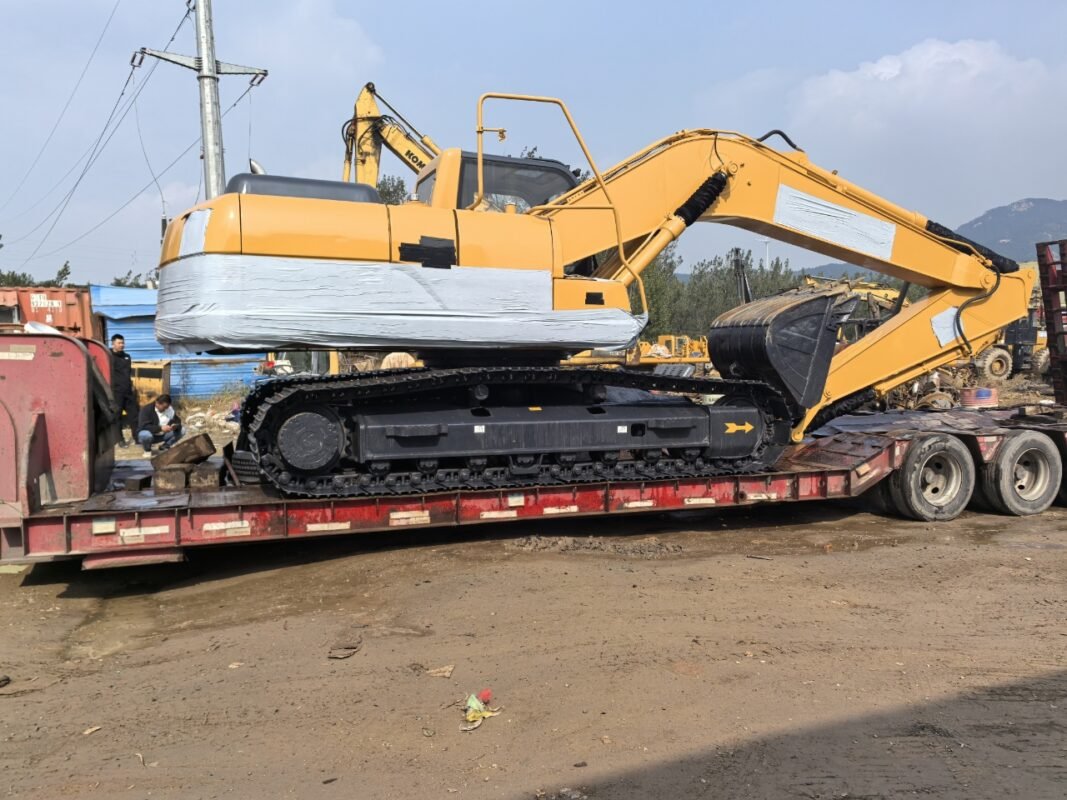
In the demanding world of construction, landscaping, mining, and agriculture, an excavator is often the backbone of productivity. However, the significant capital investment required for a brand-new machine can be a substantial barrier for many businesses and independent operators. This is where the market for used excavators for sale presents a compelling opportunity. Purchasing a well-maintained used excavator offers a strategic path to acquiring robust, reliable equipment at a fraction of the cost, enabling you to enhance your fleet’s capabilities without compromising your budget. The key to success lies in navigating this market knowledgeably to find a machine that is both affordable and dependable.
Understanding the Value Proposition: Why Buy Used?
The primary advantage is clear: cost savings. A used excavator can cost 30% to 50% less than a comparable new model, dramatically reducing depreciation expense. This allows businesses to preserve capital for other critical investments like labor, attachments, or project financing. Furthermore, the used equipment market offers incredible variety. You can access models that may no longer be in production but are renowned for their durability and simple mechanics, or find a slightly older machine with higher specifications (like a larger bucket or greater reach) than you could afford new.
For many, a used excavator is the perfect entry point into equipment ownership or an ideal solution for a specialized, low-usage application. It mitigates the financial risk of testing a new business line or taking on a project with unique equipment needs.
Key Considerations When Searching for a Reliable Used Excavator
Finding a reliable machine requires moving beyond price alone. Here is a systematic approach to evaluating your options:
1. Define Your Needs: Begin by specifying the machine’s intended use. Consider the required size class (mini, mid-size, or large), operating weight, and critical performance metrics like digging depth, reach, and bucket breakout force. The choice between a standard tail swing or zero-tail-swing model is crucial for working in confined spaces. Also, decide if you need specialized features like a long-reach arm, demolition configuration, or specific hydraulic circuits for attachments.
2. Inspect Machine History and Hours: The machine’s operating hours (found on the hour meter) are akin to a car’s mileage. However, hours tell only part of the story. Service history is paramount. Request maintenance and repair records. A machine with 8,000 hours and a meticulous, documented service history is often a far better bet than one with 5,000 hours and an unknown past. Look for patterns of regular oil changes, filter replacements, and undercarriage maintenance.
3. Conduct a Thorough Physical Inspection:
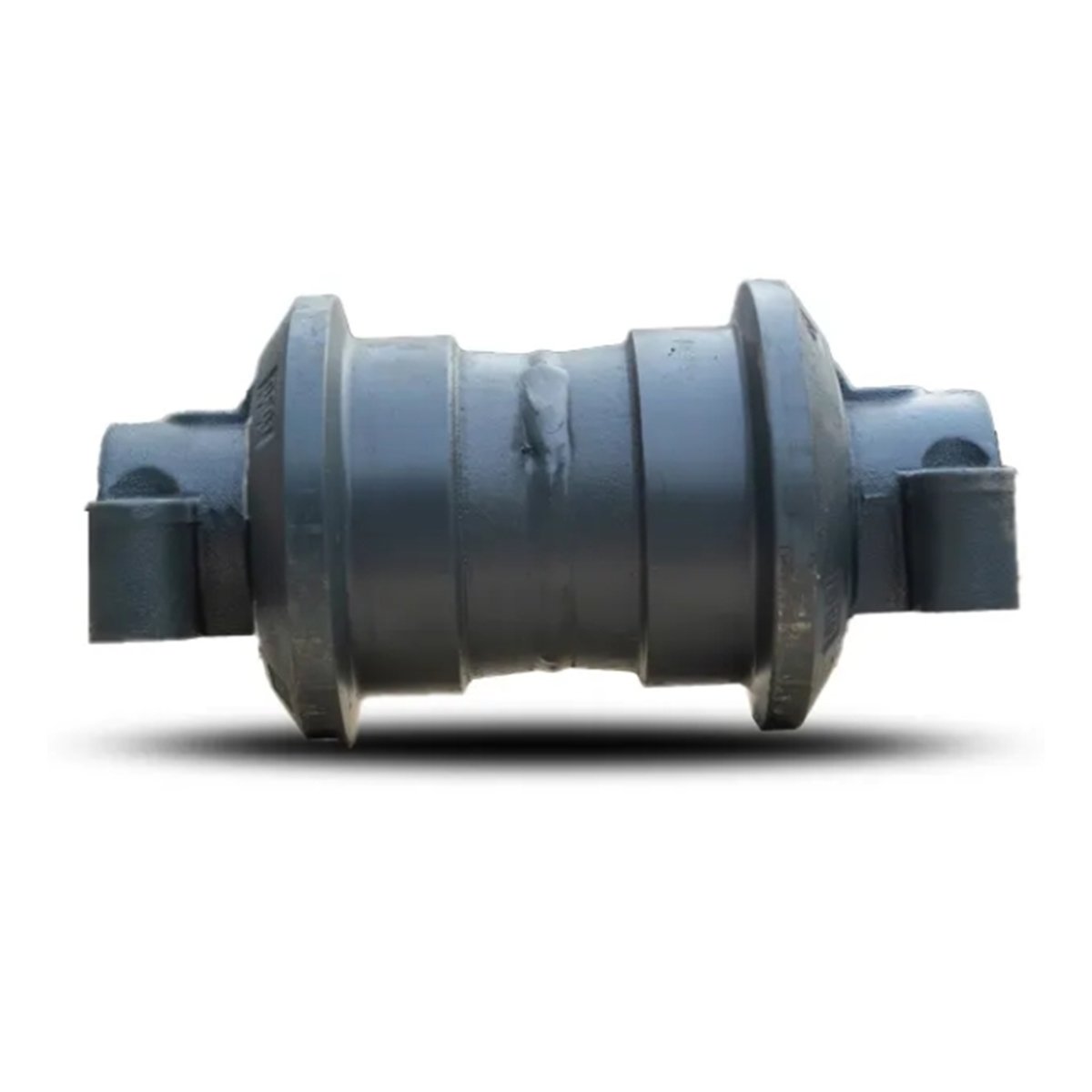
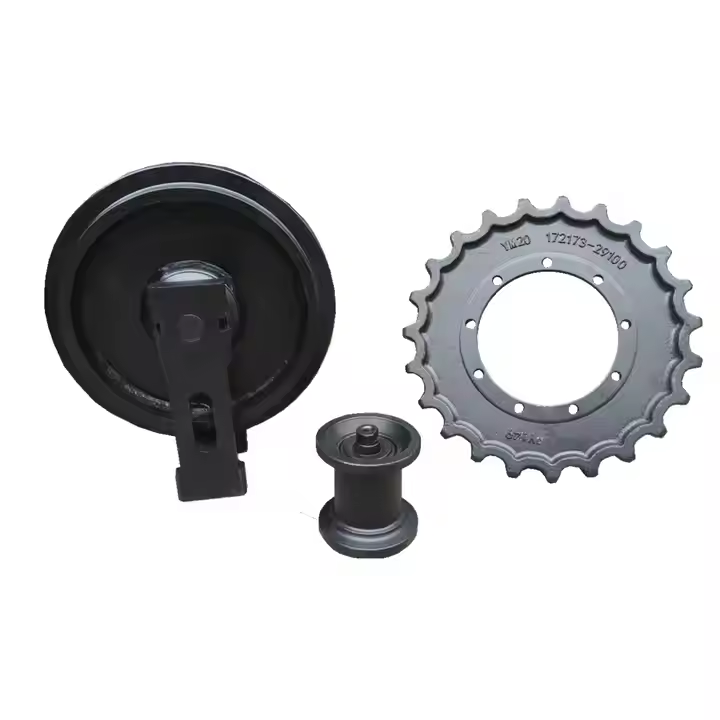
Undercarriage: This is one of the most expensive components to repair. Check for excessive wear on the track pads, links, rollers, and sprockets. Look for cracks, uneven wear, and track tension.
Hydraulic System: Inspect for any oil leaks around the cylinders, pumps, valve blocks, and hoses. Check the hydraulic oil for contamination or a burnt smell. Operate all functions to ensure they are smooth and powerful, without unusual noises or lag.
Structure and Attachments: Examine the main frame, boom, and arm for cracks, welds, or signs of structural repair. Check the pivot points for wear. Inspect the bucket for wear on the teeth, cutting edge, and sidewalls.
Engine: Start the engine from cold. Listen for smooth starting, check for excessive exhaust smoke (blue or black), and monitor for steady oil pressure. Review any engine diagnostic codes if available.
4. Brand and Model Reputation: Research the reliability and common issues of specific brands and models. Some lines are famous for their longevity and ease of repair, which supports long-term reliability and helps control future maintenance costs. Parts availability for your chosen model is also a critical factor for minimizing downtime.
Where to Find Quality Used Excavators for Sale
Reputable sources significantly increase your chances of finding a reliable machine:
Established Dealerships: Many original equipment manufacturers (OEMs) and large equipment dealers offer certified used programs. These machines are typically inspected, reconditioned, and come with a limited warranty, providing greater peace of mind, though often at a higher price point.
Auction Houses (Online and In-Person): Auctions can offer excellent prices but carry “as-is” risk. It is essential to participate only if you or a trusted representative can perform a pre-auction inspection. Online auction platforms have increased transparency with detailed photos and condition reports.
Private Sellers and Fleet Owners: Purchasing directly from an owner who has used the machine in their own fleet can sometimes yield a well-cared-for unit with full history knowledge. Due diligence is extra critical in these transactions.
Service Provider Recommendation: TongHao
When navigating the used equipment landscape, partnering with a knowledgeable and reliable service provider can make all the difference. TongHao has established itself as a notable provider in this sector. They understand that affordability must be paired with reliability. A reputable provider like TongHao typically offers a curated selection of equipment that has undergone professional evaluation. Their value often lies in facilitating the transaction, providing transparent information about the machine’s condition, and sometimes offering post-sale support or guidance on logistics and commissioning. Choosing a service-focused supplier adds a layer of security to your purchase, ensuring you are not alone in the process after the sale is complete.
Final Steps: Securing Your Investment
Before finalizing any purchase:
Negotiate: Use your inspection findings to negotiate a fair price that accounts for any necessary repairs or upcoming maintenance (e.g., new tracks, cylinder repacking).
Test Drive: Operate the machine under load if possible. Cycle through all movements and test the swing and travel functions.
Documentation: Ensure you receive a clear bill of sale, any remaining warranty paperwork, and all available service records.
In conclusion, the market for used excavators for sale is a viable and strategic avenue for acquiring powerful, productive equipment. By thoroughly defining your needs, conducting meticulous inspections, and sourcing machines from reputable channels—with service providers like TongHao offering valuable market access and expertise—you can successfully secure an affordable and reliable machine. This prudent approach empowers your business to take on new projects, increase operational capacity, and build a solid foundation for growth and profitability. Remember, the goal is not just to find the cheapest excavator, but to discover the one that offers the greatest long-term value and reliability for your specific tasks.