








Industry News
Used Excavator Price Insights Before You Buy
Jun
For construction fleet managers, independent contractors and small business owners, purchasing a used excavator often cuts upfront capital costs by 35% to 60% compared to buying a brand-new unit, which frees up budget for other core operational expenses. However, unvetted price decisions can lead to unexpected overspending on hidden repairs, compliance fines and downtime that erase all initial cost savings. These field-verified price insights, collected from 12+ years of heavy equipment market operations, help you evaluate offers accurately and lock in a deal that matches the equipment’s actual long-term value.
Core Variables That Dictate 70% of Used Excavator Pricing
Many first-time buyers make the mistake of pricing used excavators by manufacturing year alone, but three core factors drive most of the market value difference across similar age units.
First, total working hours and annual utilization rate act as the top value metric. For mainstream construction use, a standard excavator runs 1000 to 1200 hours per year on soft earthworks. Units that exceed 2000 running hours annually usually see a 15% price discount compared to same-age models that follow the baseline usage rate.
Second, historical working conditions have far more impact than surface appearance. Units previously deployed for quarry rock breaking or high-altitude heavy mining operations wear down hydraulic systems and structural frames 2 to 3 times faster than units used for municipal landscaping or residential foundation projects, so they should carry a 20% lower price tag even with identical hour counts.
Third, local emission compliance standards add significant value for eligible units. Models that meet current regional non-road emission rules are usually 25% more expensive than outdated units that cannot enter urban construction zones. As a leading professional used excavator vendor, THBSMN applies a fully transparent quantitative scoring system that weights all three factors to set each unit’s price, eliminating arbitrary markup common among small unlicensed brokers.
Hidden Costs Most First-Time Buyers Overlook in Initial Quotes
A seemingly low advertised price can turn into a financial trap if you do not account for hidden expenses that do not show up on the first page of a quote.
The largest unplanned cost usually comes from imminent part replacement. If pre-purchase inspection shows the main hydraulic pump has 70% or more internal wear, replacing it will cost between 8000 and 15000 USD depending on excavator size, and this full expense should be deducted directly from the seller’s initial asking price.
Cross-region transport and cross-border customs clearance fees are another common hidden item. Many third-party brokers advertise ultra-low base prices but exclude these logistics fees, which can add 10% to 18% to your total final expenditure. For excavator models that stopped production more than 10 years ago, spare part scarcity will drive up long-term maintenance costs 3 times higher than current generation mainstream units, so even a 20% lower sticker price cannot offset the extra operational expenses. THBSMN includes all expected maintenance costs for the first 12 months of operation in every formal quote, and offers free pre-purchase full-system inspection for all clients to avoid unforeseen spending.
2024 Verified Market Price Benchmarks for Common Excavator Classes
Referencing the latest 2024 global heavy equipment transaction data, these baseline price ranges for different excavator classes help you quickly spot unreasonably low or overpriced offers.
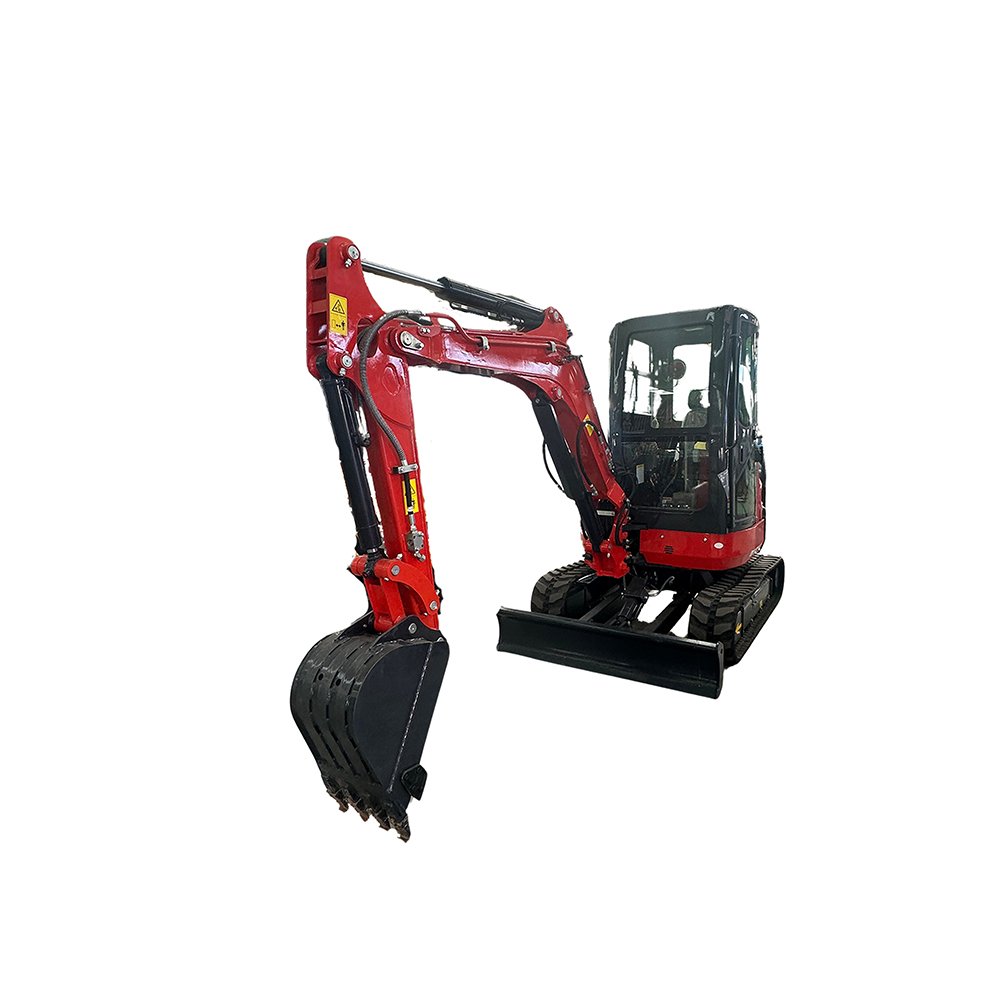
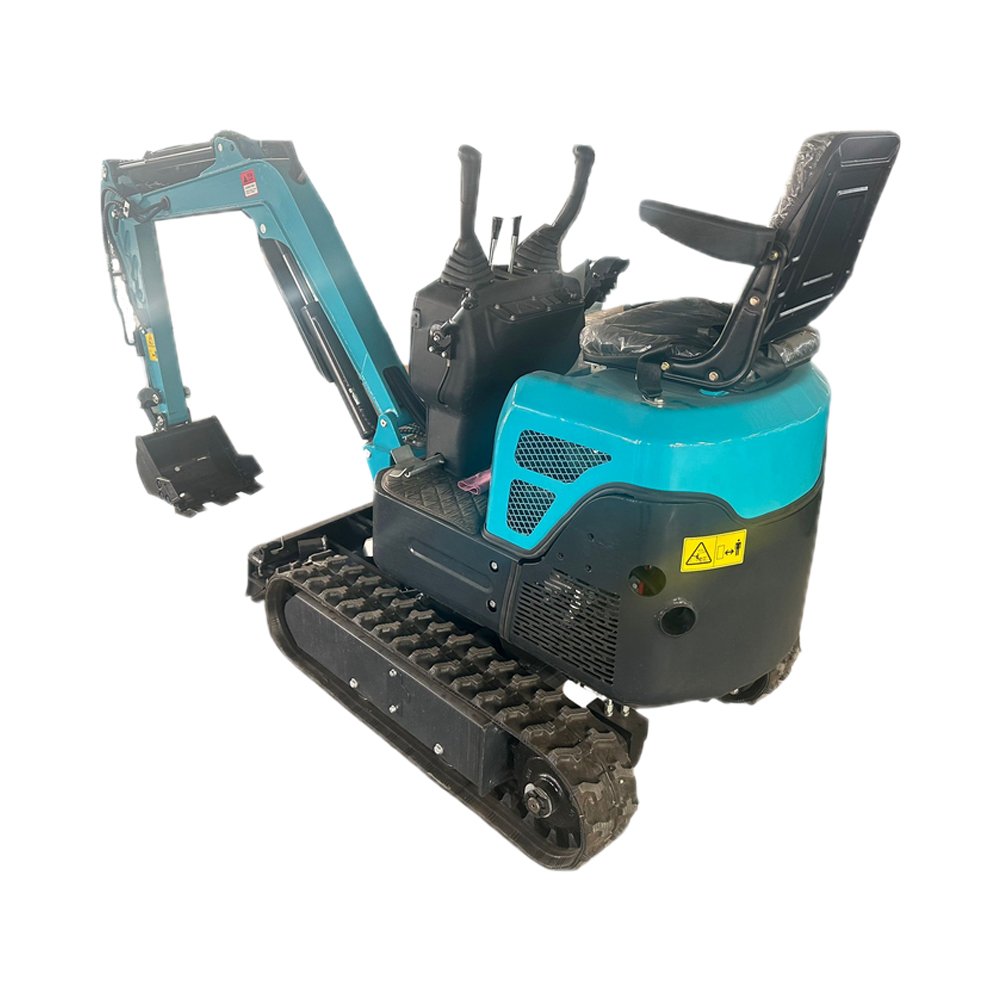
For 1 to 3 ton mini excavators manufactured between 2019 and 2021 with 1500 to 3000 working hours under regular earthwork conditions, the fair market price ranges from 12000 to 28000 USD. For 6 to 10 ton small excavators with the same age and hour range, the fair price falls between 22000 and 42000 USD.
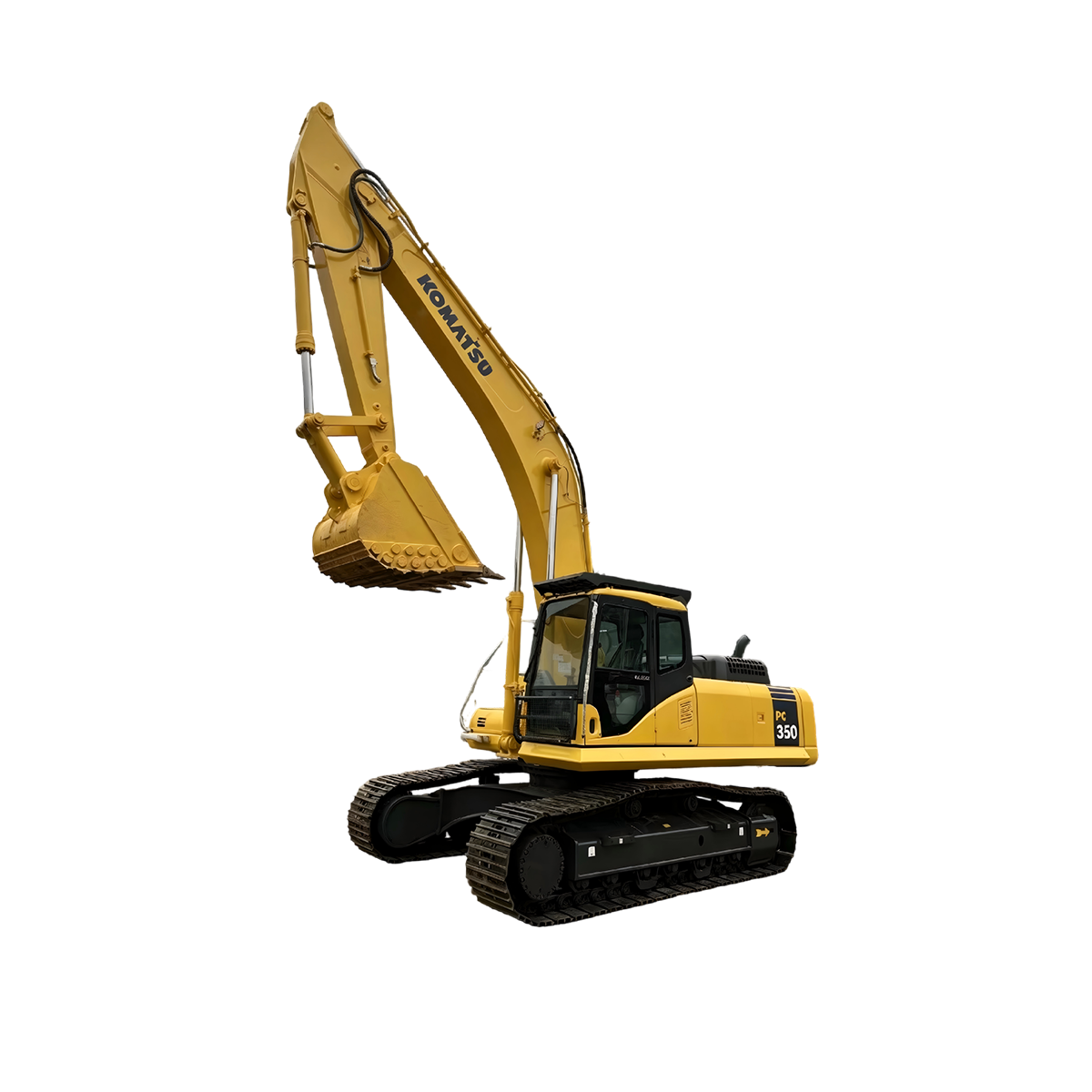
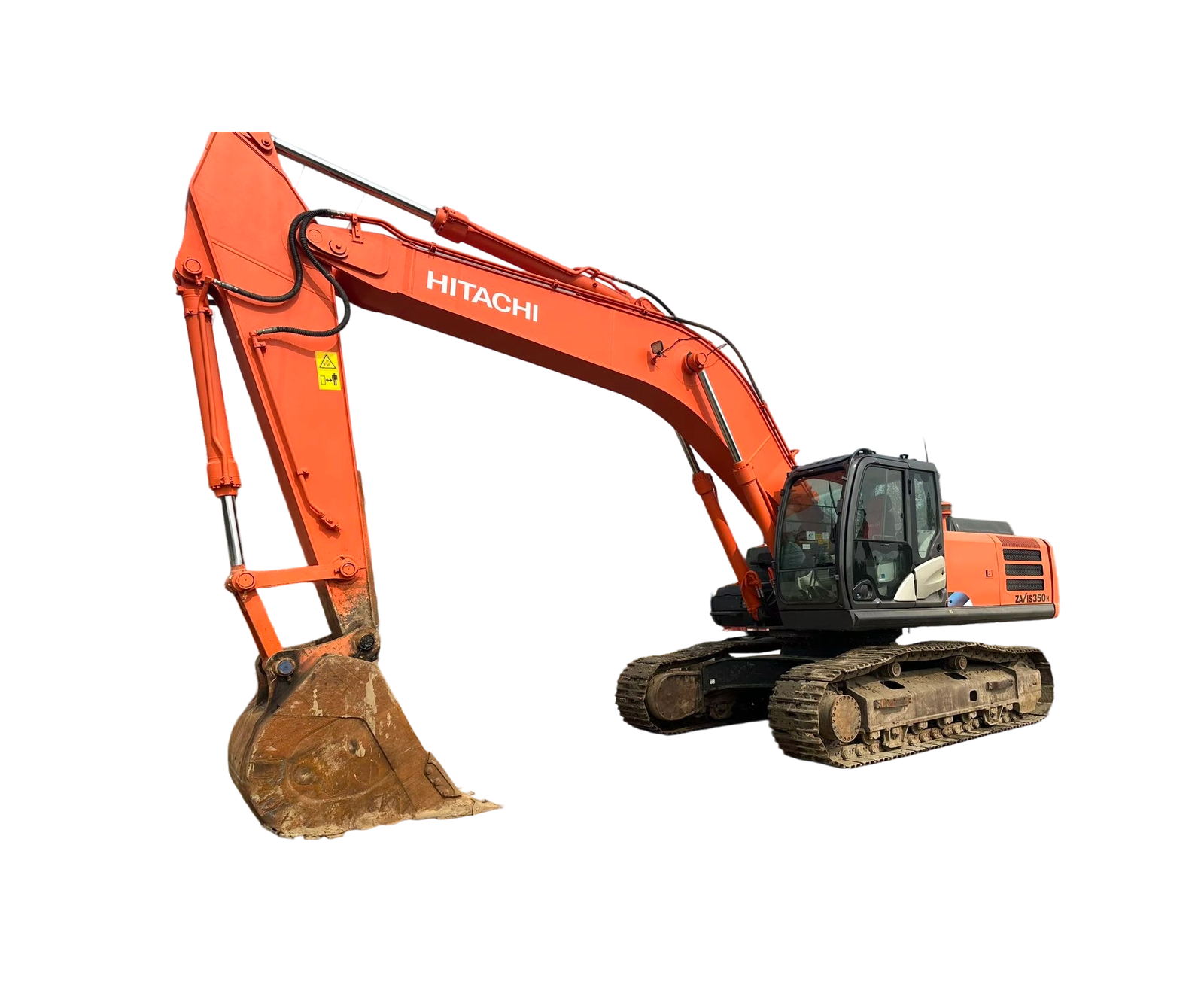
For 20 to 30 ton mid-size excavators that mostly worked on urban construction sites with 3000 to 5000 running hours, the reasonable price range is 38000 to 75000 USD. For 30+ ton heavy duty excavators produced after 2020 for large infrastructure or quarry projects, fair market pricing sits between 70000 and 160000 USD.
As a rule of thumb, any offer that sits 15% below this baseline range almost always signals hidden frame damage, severe hydraulic system issues or pending regulatory non-compliance, while any offer 10% above the baseline carries unnecessary premium unless it comes with a full set of new wear parts and 12-month official after-sales support. THBSMN’s public online price board fully aligns with these industry benchmarks, with no underpriced problem units used for clickbait and no inflated markup for popular models.
Practical Negotiation Tips to Secure a Fair Deal
You do not need to sacrifice machine quality to negotiate a reasonable price. First, always bring an independent third-party inspection report as your core negotiation reference. Every verified wear point and performance defect has a clear corresponding market repair cost, and you can use these documented figures to support a 8% to 12% discount off the initial asking price, which is a widely accepted range for legitimate vendors.
Second, prioritize offers that include after-sales warranty coverage. Spending 3% extra on your budget for a 12-month full machine warranty almost always delivers higher long-term value than chasing the lowest possible no-support price, as a single unexpected hydraulic failure can cost more than 10 times that 3% premium to fix. Third, time your purchase strategically. The global used excavator market sees a 8% to 12% price hike during early spring, when new construction projects break ground, so you can lock in far more favorable terms if you arrange procurement during the slow winter off-season.
At the end of the day, the best used excavator price is never the lowest number you can find, but a number that perfectly matches the unit’s actual working condition, remaining service life and after-sales support. Working with experienced, transparent vendors like THBSMN removes most of the guesswork from the purchasing process, helping you get a high-performing unit that delivers steady returns for years without unexpected financial risks.