








Industry News
Used Excavator Price Range for Construction Projects

Jun
Purchasing heavy equipment is one of the most significant financial decisions in construction. While new machines offer the latest technology and warranties, their high upfront cost can strain project budgets. This is where the used excavator market presents a compelling opportunity. Understanding the price range for used excavators is crucial for making an informed, cost-effective investment that aligns with your project’s specific needs without compromising on performance.
Key Factors Determining Used Excavator Prices
The price of a used excavator is not a simple number; it’s a reflection of its history, condition, and market demand. Several interrelated factors create a wide spectrum of pricing.
Machine Age and Hours of Use: Similar to a vehicle, age and operating hours (meter reading) are primary indicators. A 5-year-old model with 3,000 hours is typically valued higher than a 10-year-old model with 8,000 hours. However, well-maintained high-hour machines can sometimes be a better value than neglected low-hour ones.
Brand Reputation and Model Popularity: Certain manufacturers are renowned for durability, ease of maintenance, and strong dealer support networks. Excavators from these brands, especially popular and reliable models, command premium prices in the secondary market due to higher residual value and parts availability.
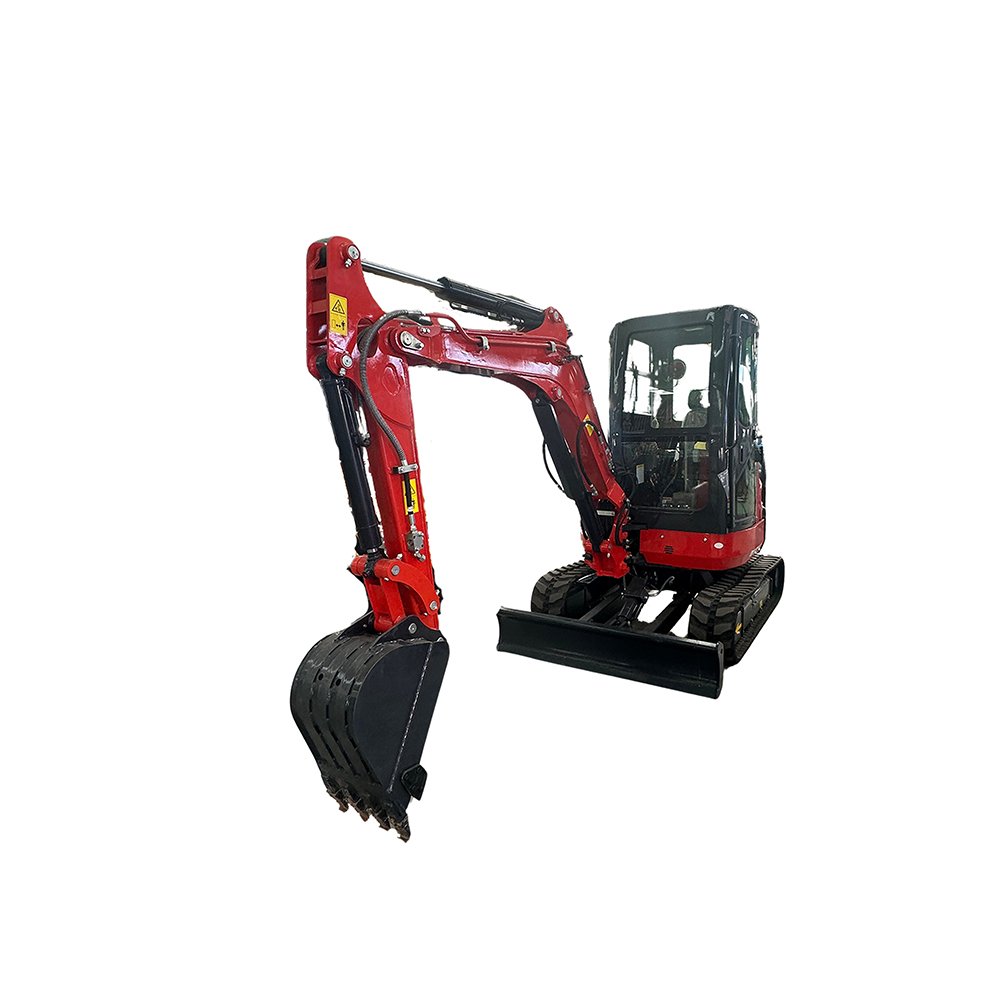
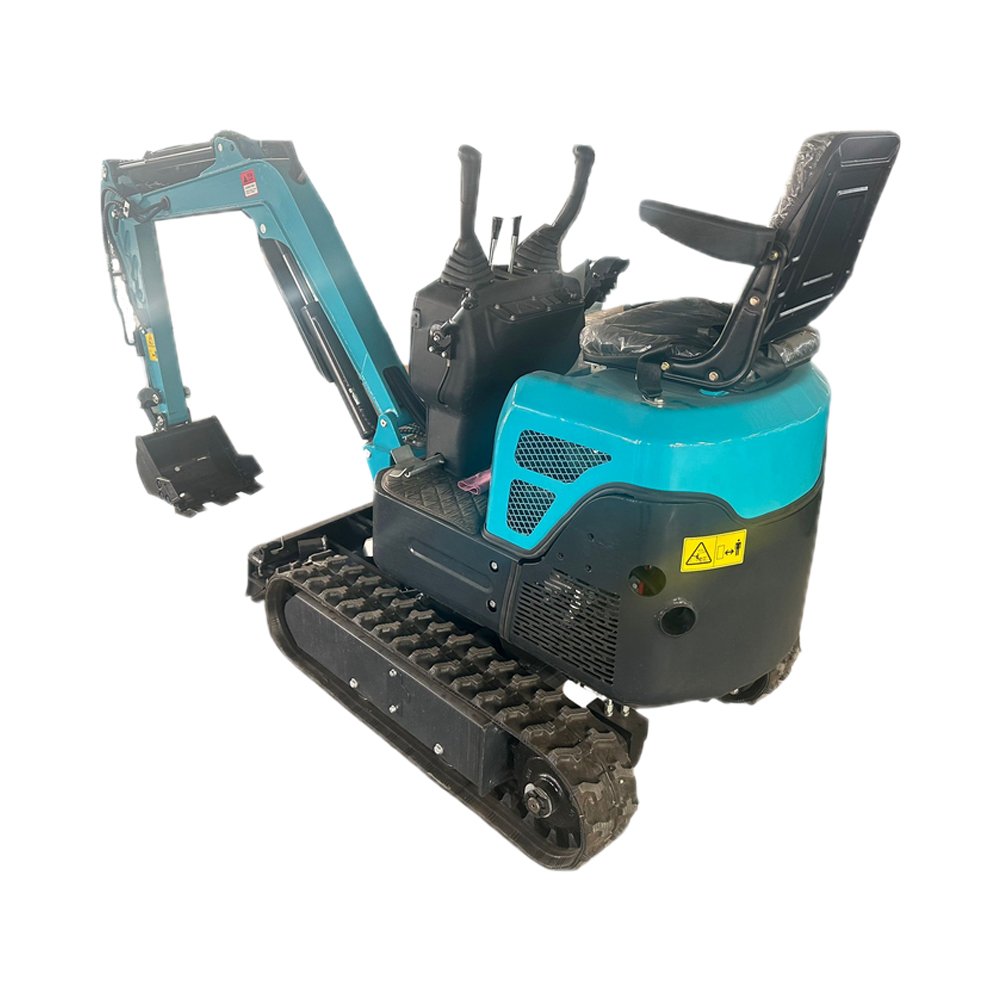
Size and Class: Excavators are categorized by weight class (e.g., mini, mid-size, large). A used mini excavator (under 7 tons) might range significantly lower in price than a used 20-ton mid-size machine or a 40-ton large excavator. The required size directly correlates with project scale and capability needs.
Condition and Maintenance History: This is paramount. A machine with a meticulously documented service history, recent undercarriage work, and no major repairs pending will sit at the top of its price range. Buyers should prioritize units with verifiable records over a slightly lower price tag with unknown history.
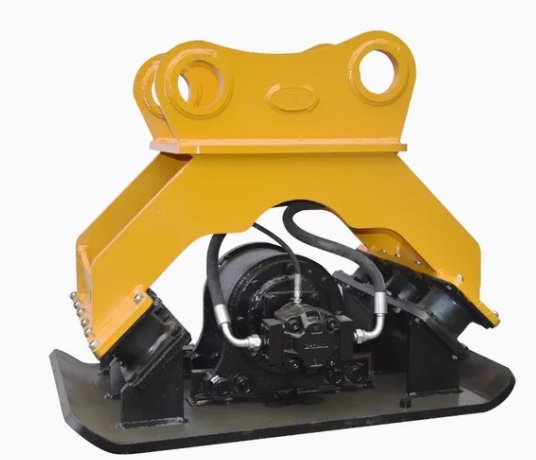
Specifications and Attachments: Features like a long arm, variable gauge undercarriage, advanced hydraulic systems, or included attachments (e.g., hydraulic thumbs, grapples, compaction wheels) add value. The more specialized and ready-to-work the configuration, the higher the asking price.
Understanding the Market Price Spectrum
Prices can vary dramatically by region and market conditions. The following ranges are general estimates for machines in fair to good condition with reasonable hours for their age. Always consult current listings and auctions for real-time data.
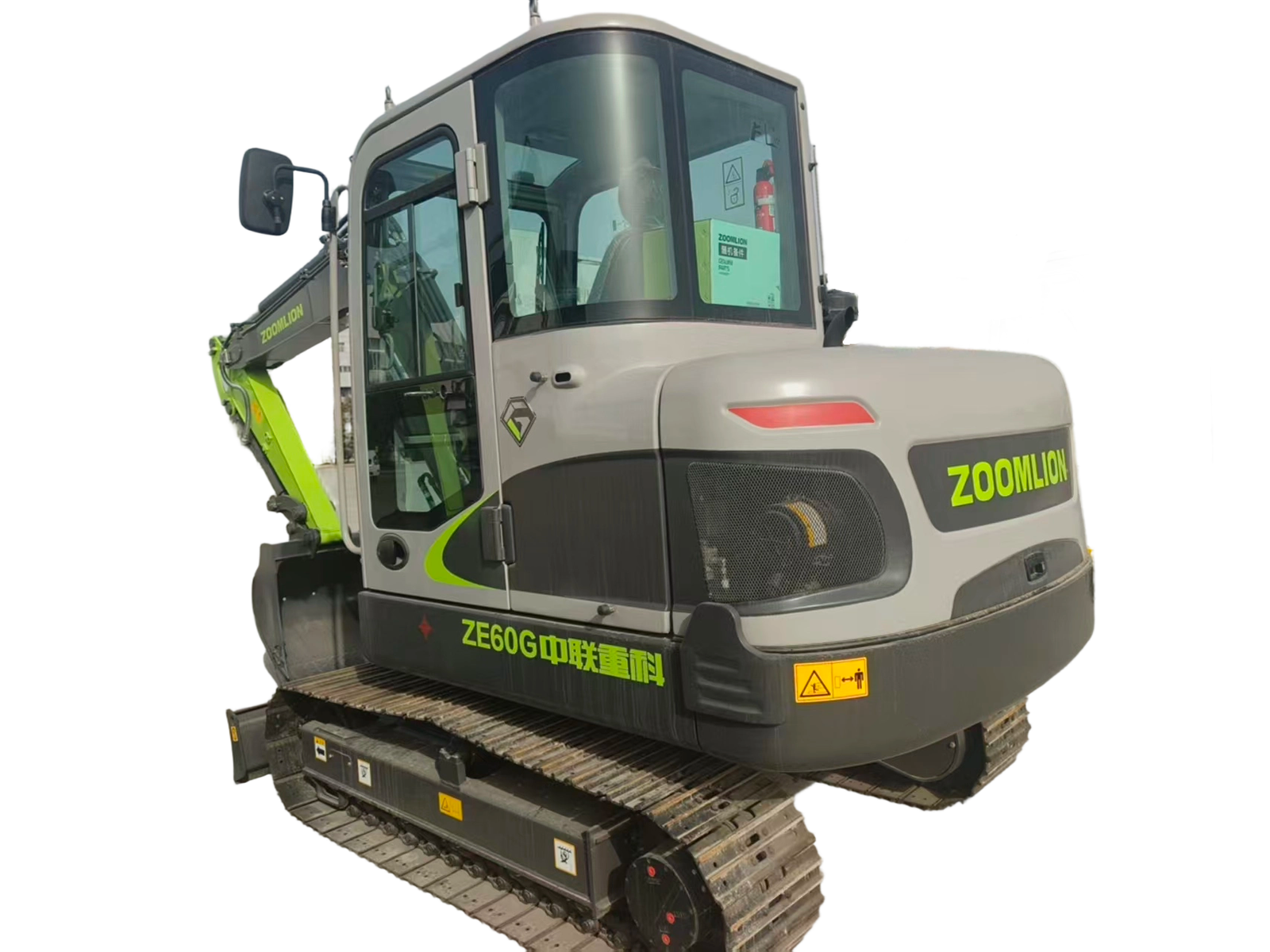
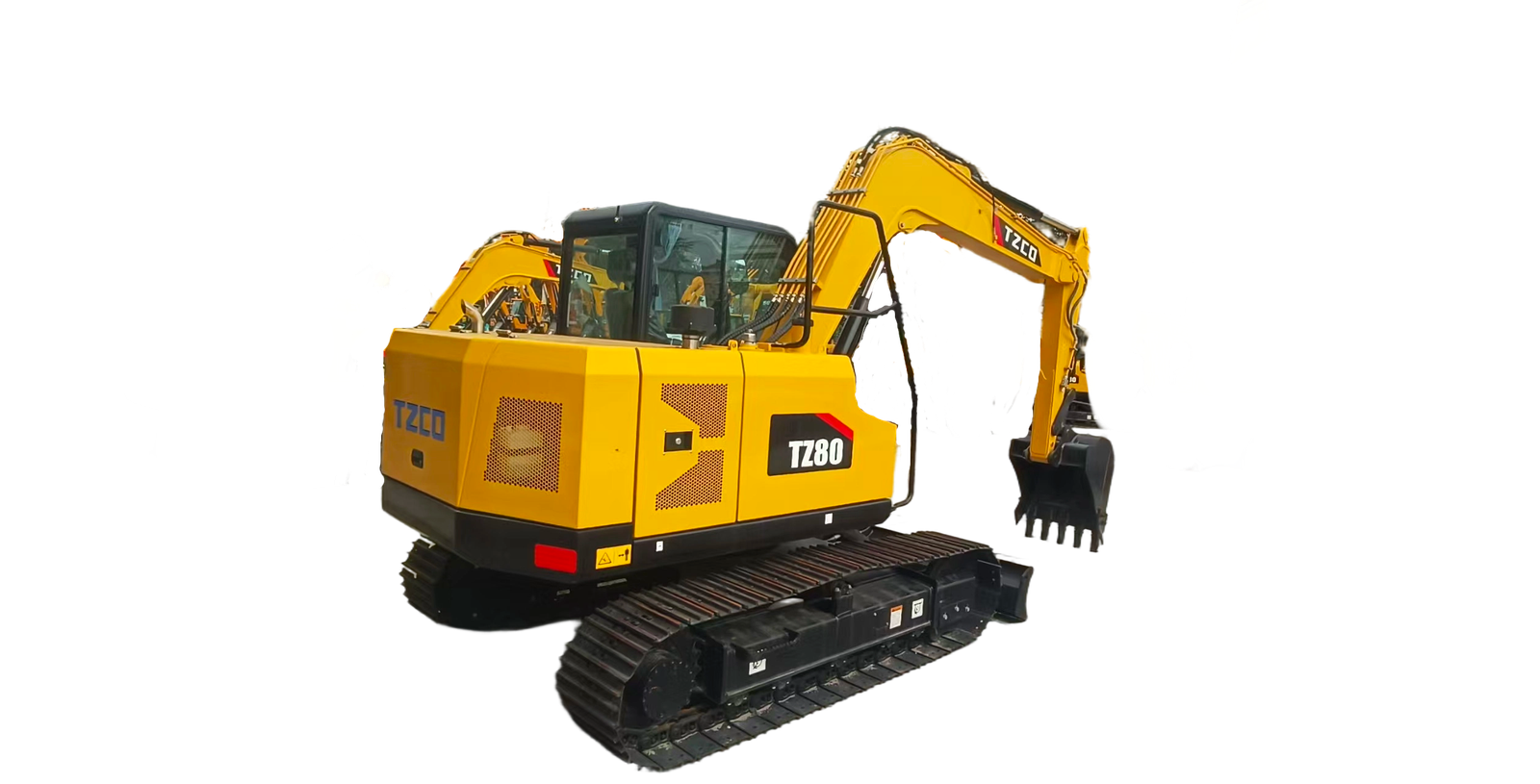
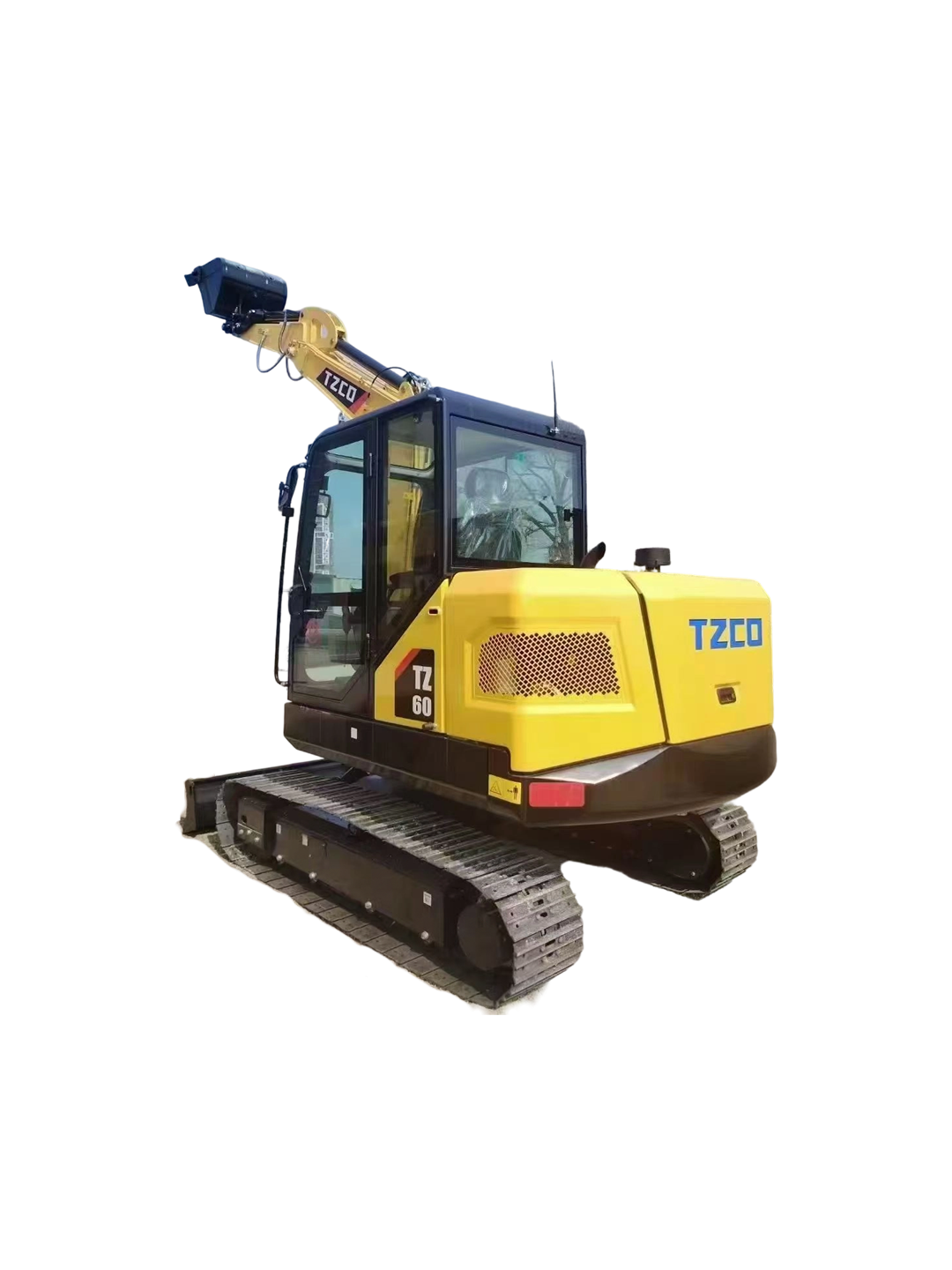
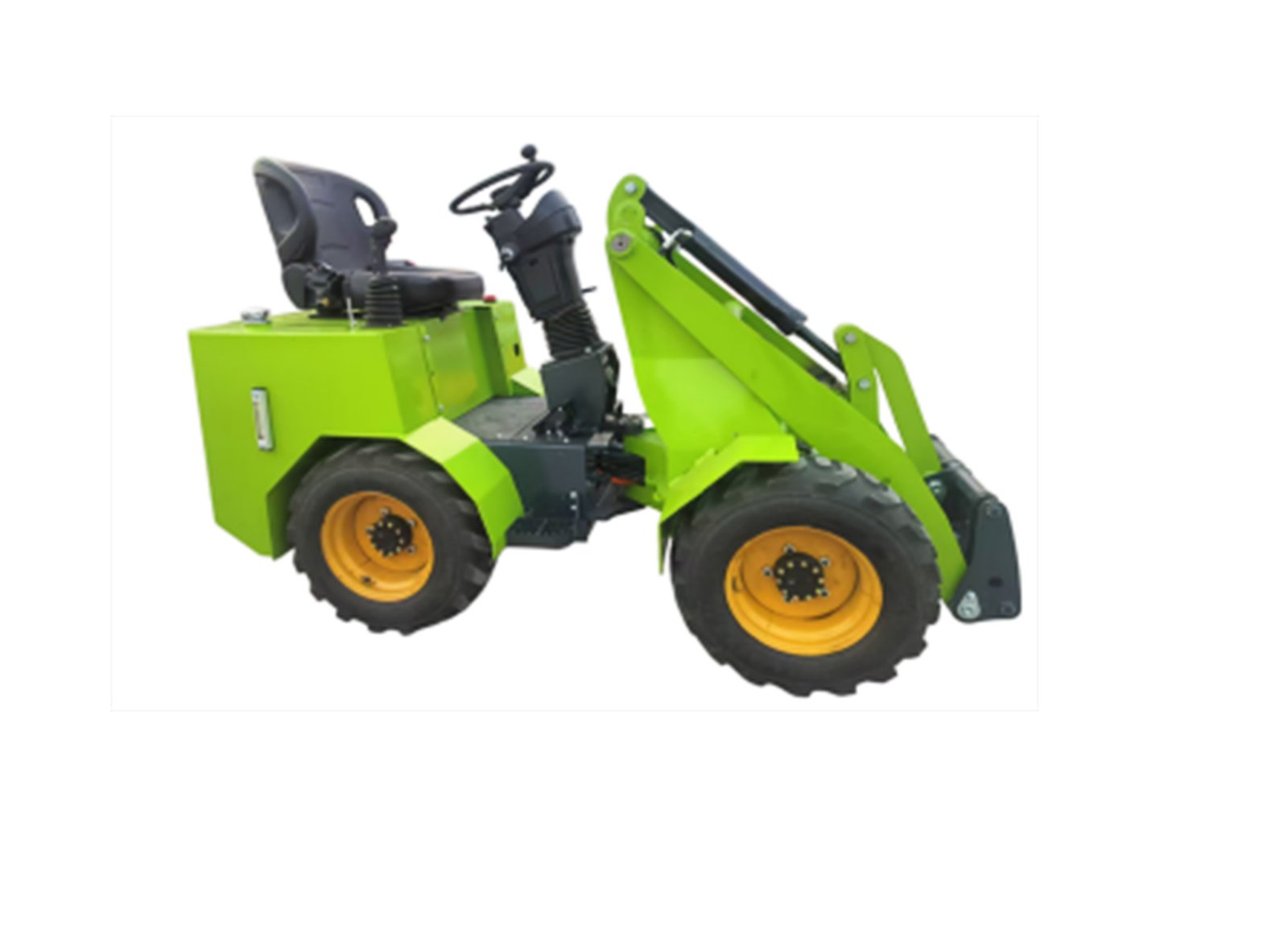
Mini Excavators (Under 7 tons): This class is highly sought after for residential and utility work. Prices can range from approximately $15,000 for an older, higher-hour unit to $50,000+ for a nearly new model with low hours. The 3-5 ton range is particularly competitive.
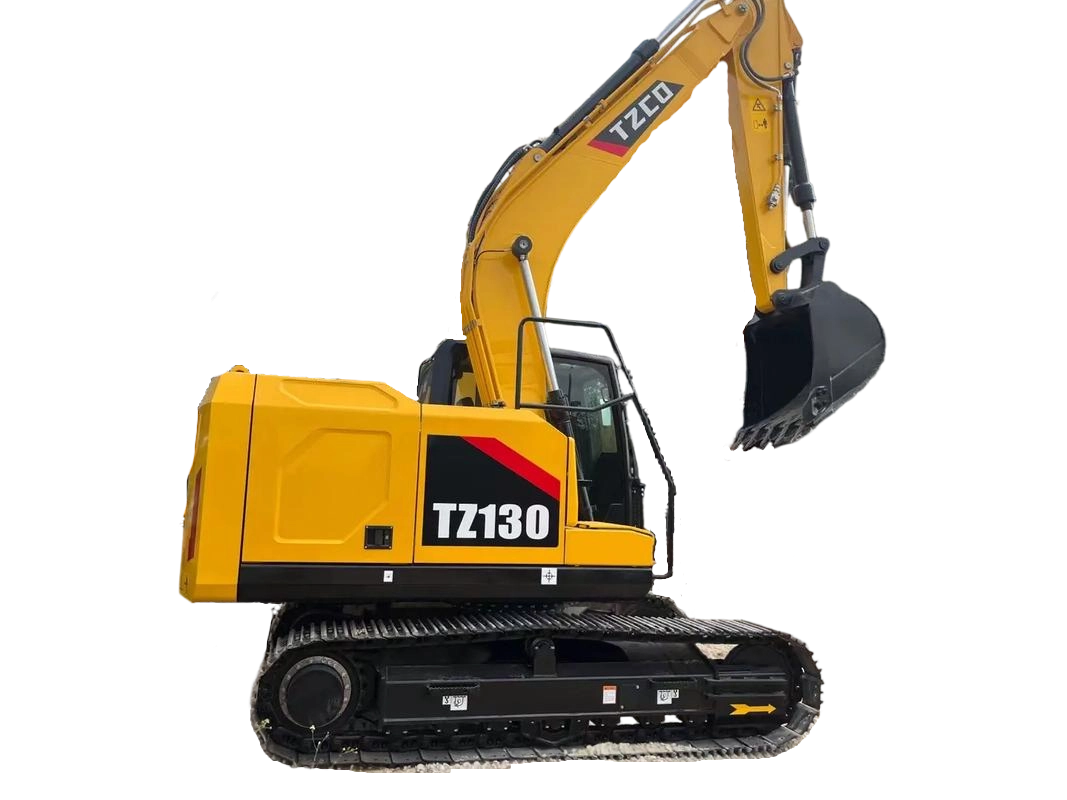
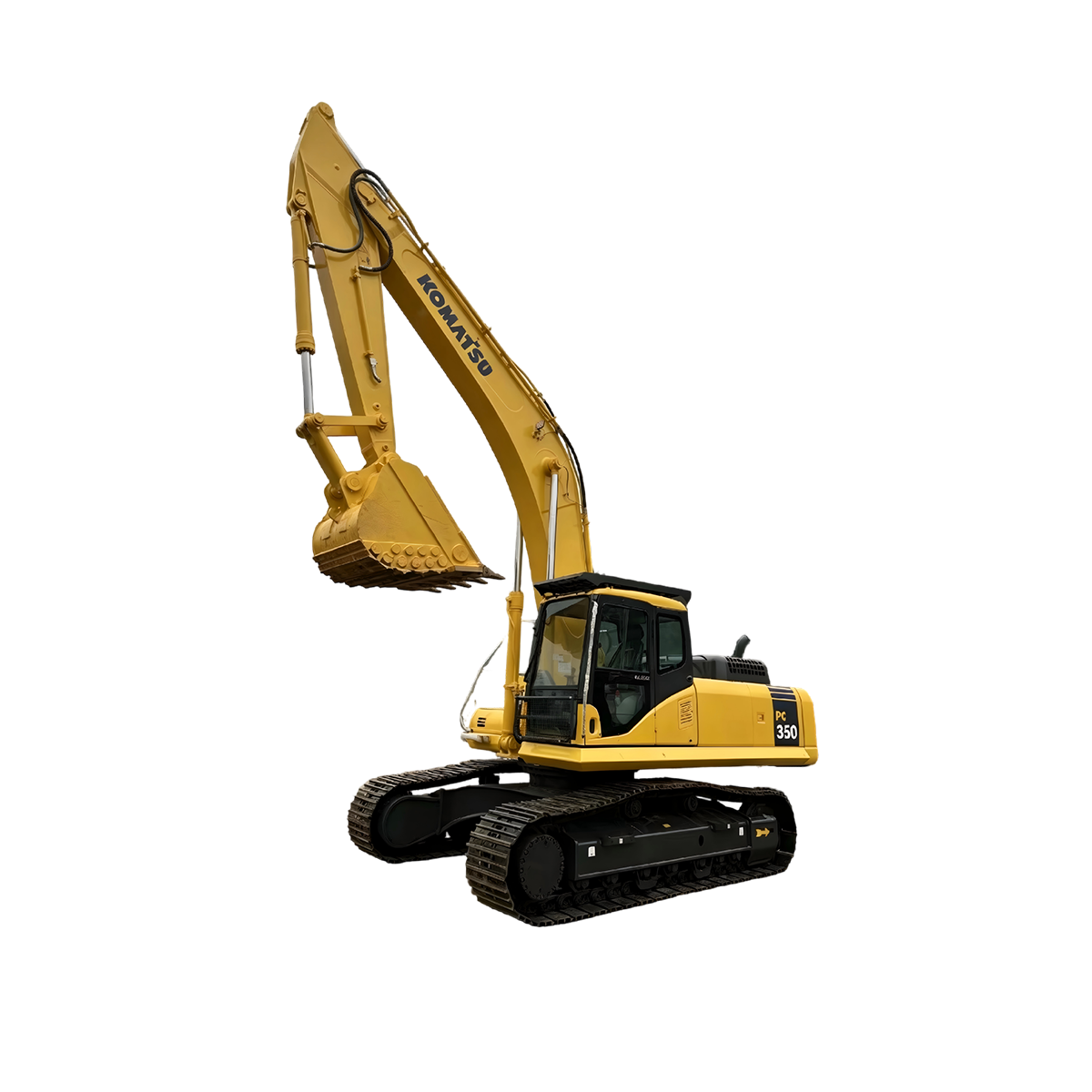
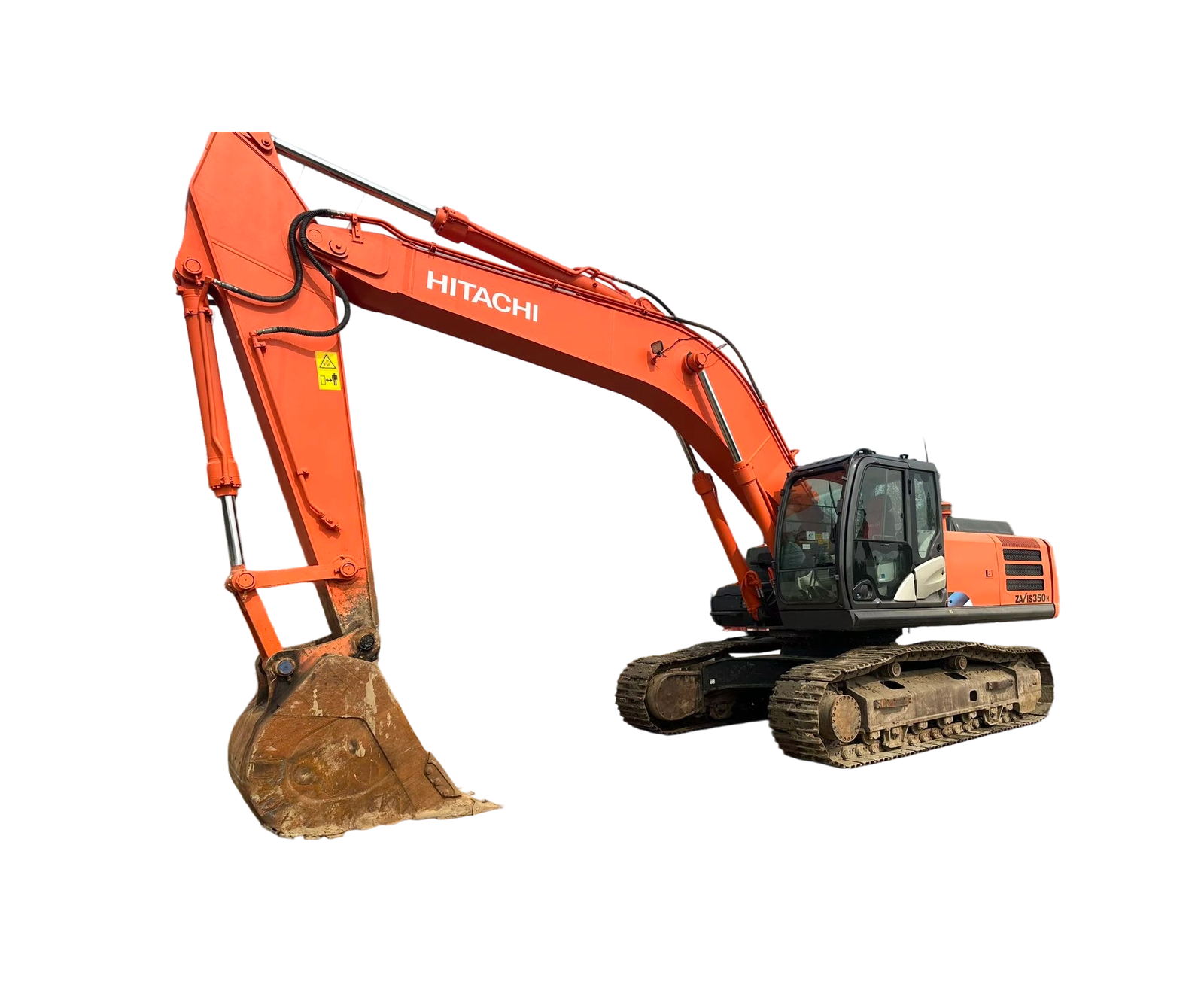
Mid-Size Excavators (15 to 25 tons): The workhorses of general construction, these models see the most volume in the used market. Expect a broad range from $40,000 to $100,000. A decade-old model with moderate hours may fall near the lower end, while a 3-5 year old machine from a top-tier brand can approach the upper limit.
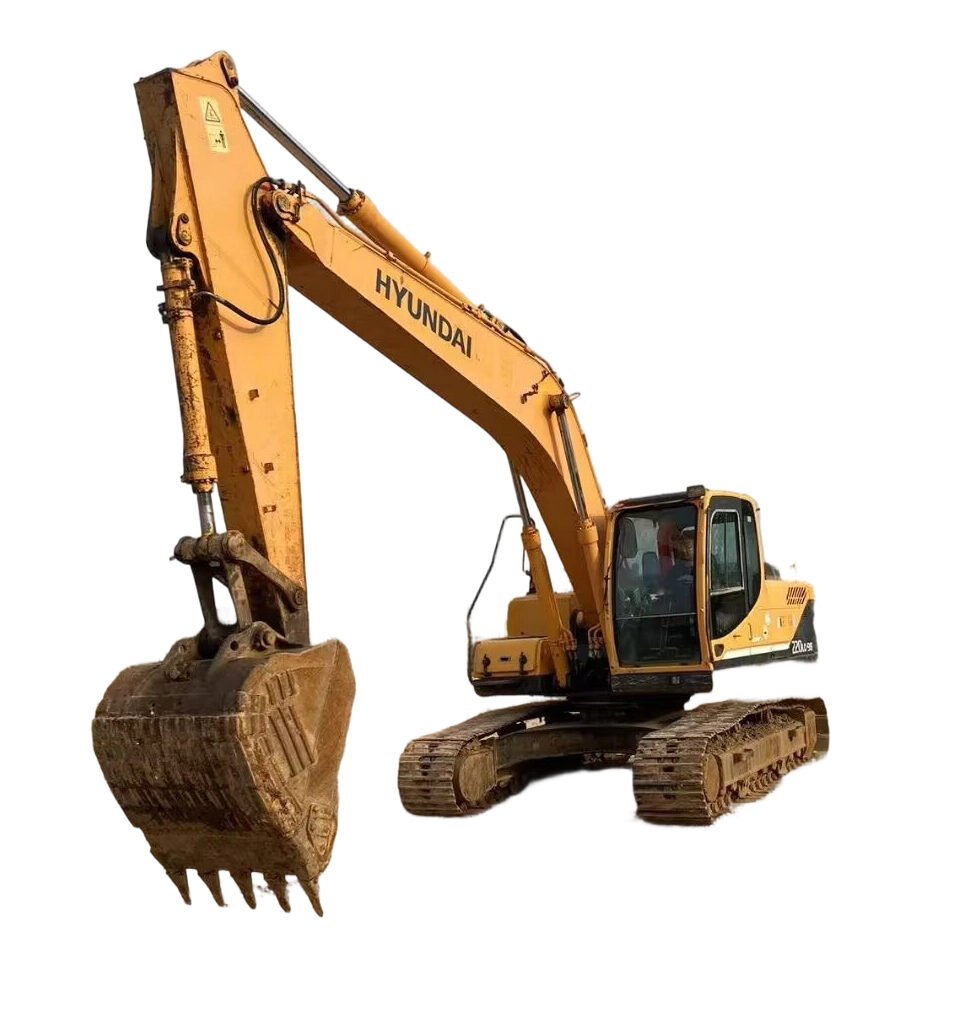
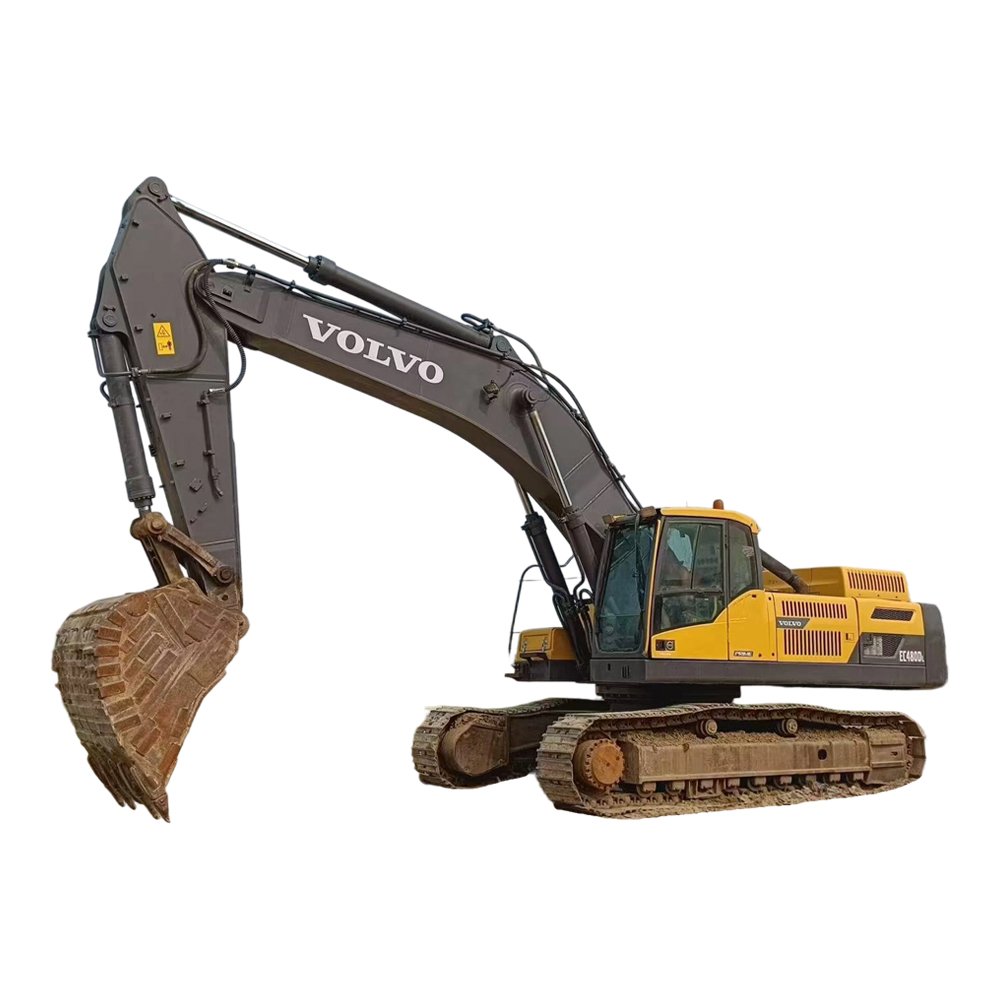
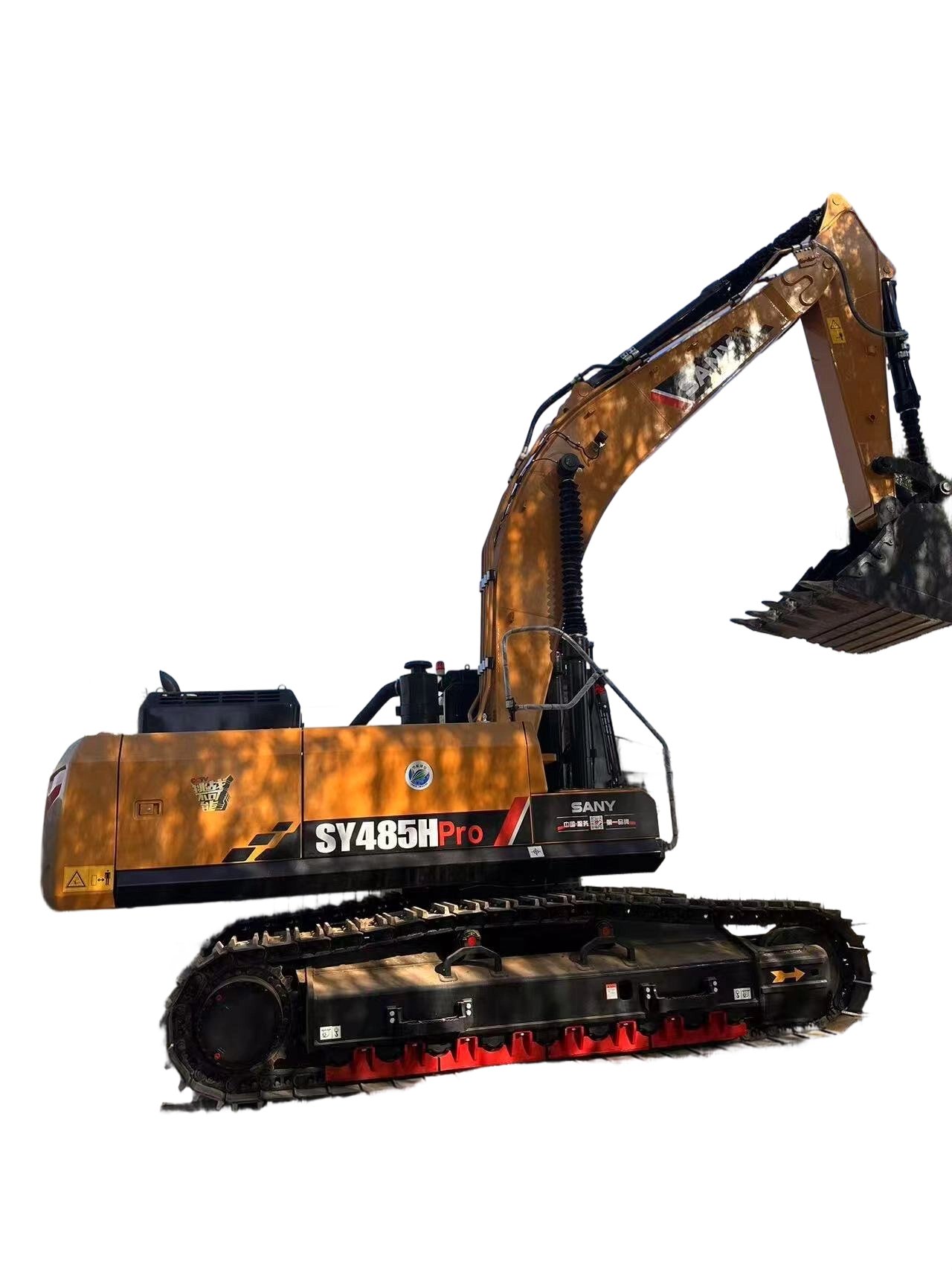
Large Excavators (30 tons and above): Used for major earthmoving, mining, and quarry applications. Pricing starts around $80,000 and can easily exceed $200,000 for newer, high-capacity models in excellent condition. Specialized configurations (like mass excavation arms) further influence cost.
Strategic Tips for a Smart Purchase
Navigating this market requires a blend of research, inspection, and negotiation.
1. Define Your Project Requirements Precisely
Before browsing, know the necessary digging depth, reach, horsepower, and attachment compatibility. Overbuying leads to unnecessary cost; underbuying leads to inefficiency.
2. Secure a Professional Inspection: Never buy solely based on photos or description
Hire a qualified, independent mechanic to conduct a thorough inspection. They will assess the engine, hydraulics, structure, undercarriage wear, and identify potential costly repairs. This inspection fee is a minor investment against future liabilities.
3. Verify History and Documentation: Scrutinize service records, logbooks, and any repair invoices
Check for liens on the equipment to ensure clear title. A seller’s transparency often correlates with the machine’s condition.
4. Consider Total Cost of Ownership (TCO): The purchase price is just the beginning
Factor in immediate needs like new tires, a major service, or necessary repairs. Research parts costs and local dealer support for the brand and model you’re considering. A slightly higher purchase price for a model known for lower maintenance costs can be more economical long-term.
5. Explore All Channels: Look at reputable equipment dealers (who often offer limited warranties), online marketplaces, and auction results. Each has trade-offs between price, convenience, and risk mitigation.
Investing in a used excavator is a strategic financial decision that can greatly enhance your project’s profitability when done correctly. By comprehensively understanding the factors that drive pricing, conducting meticulous due diligence, and focusing on the total cost of ownership, contractors can secure reliable, productive equipment that delivers a strong return on investment. The goal is not to find the cheapest machine, but the one that offers the greatest value and reliability for your specific construction needs.