








Industry News
Used Mini Excavator for Sale Near Me Buying Guide
Apr
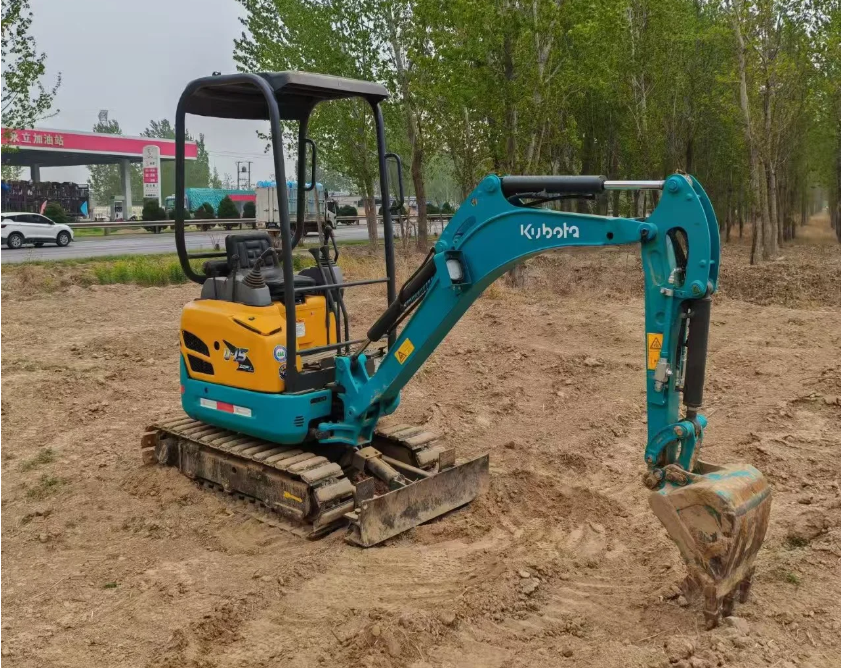
The search for a “used mini excavator for sale near me” is a smart move for contractors, farmers, landscapers, and DIY enthusiasts looking to add powerful, compact digging capability without the steep price of a new machine. A quality used mini excavator can be a tremendous asset, but navigating the market requires knowledge and caution. This comprehensive buying guide will equip you with the essential steps to make a confident and informed purchase.
1. Define Your Needs: More Than Just “Mini”
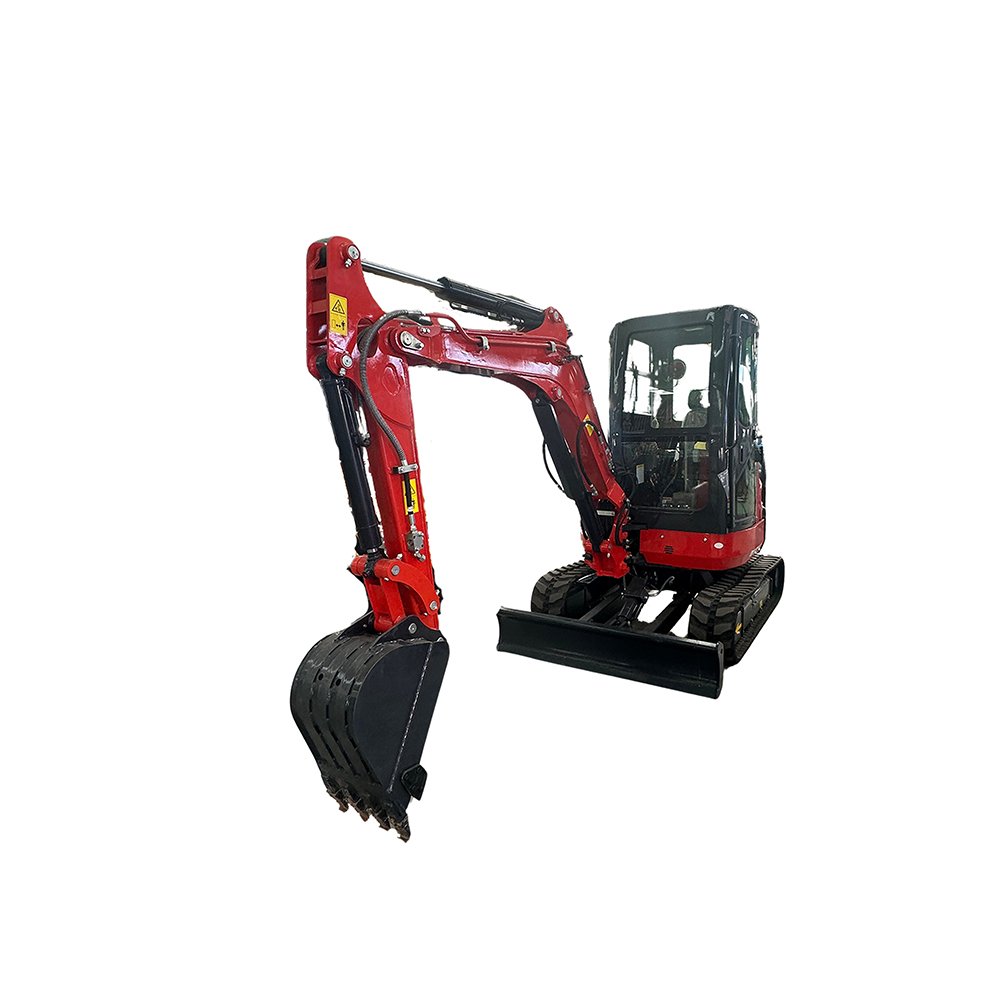
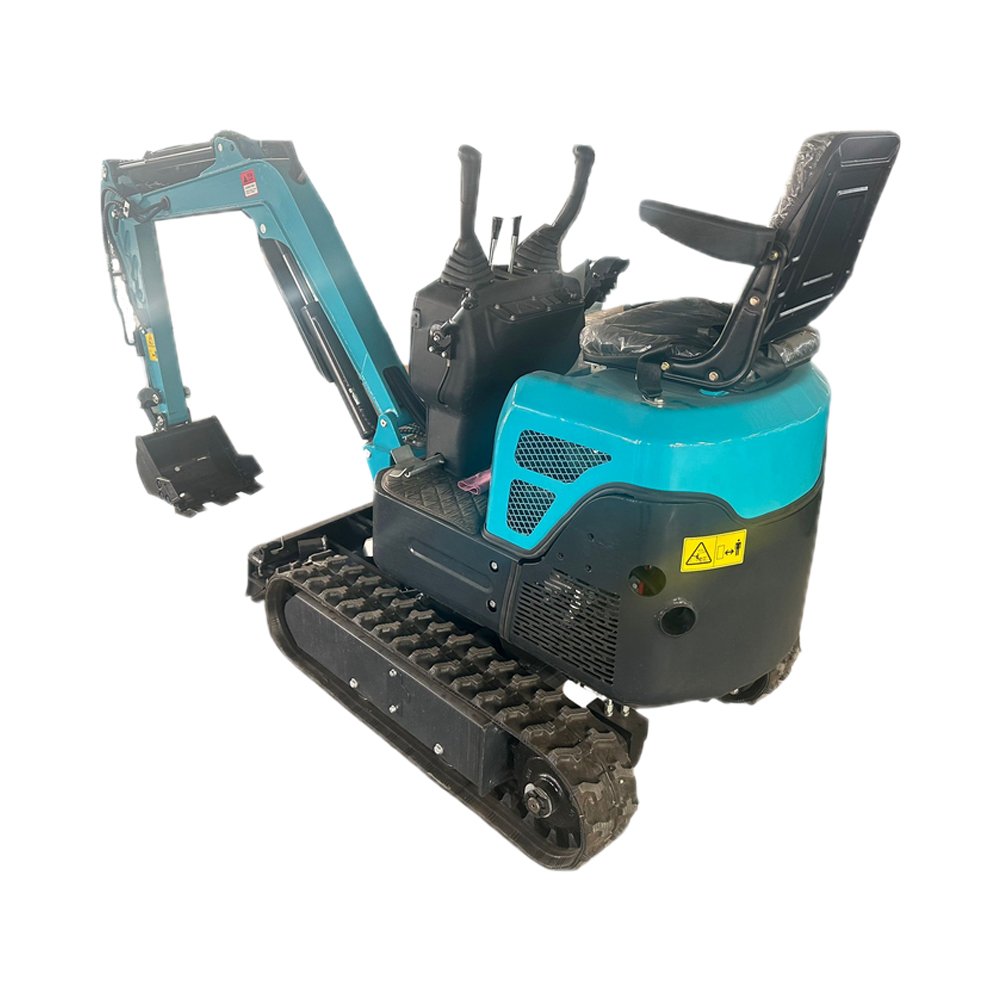
Before you start browsing listings, clearly define your project requirements. “Mini excavators” typically range from 1 to 8 tons, and choosing the right size is critical.
Machine Weight & Size: Consider your transport capabilities (trailer and truck capacity) and job site access. A 1.5-ton model might be perfect for tight backyard fences, while a 5-ton model is better for foundation work.
Digging Depth & Reach: Check the machine’s specifications for maximum dig depth and dump height. Ensure it meets or exceeds your most common tasks.
Attachment Compatibility: Identify if you need a standard bucket, or other attachments like a hydraulic thumb, breaker, or auger. Verify the auxiliary hydraulic circuit (standard or high-flow) supports your desired tools.
Operating Environment: Will you work mostly on soft soil, clay, or rocky terrain? This influences undercarriage and bucket tooth selection.
2. Where to Search: “Near Me” and Beyond
Cast a wide net in your search to find the best options.
Local Dealerships: Reputable dealers like THBSMN often offer certified used equipment with warranties, inspections, and service support. This can provide significant peace of mind.
Online Marketplaces: Websites like Machinery Trader, IronPlanet, and even Craigslist or Facebook Marketplace have vast listings. Filter by your location and radius.
Auction Houses: Both online and local industrial auctions can offer good deals but require thorough pre-inspection and understanding of auction terms (“as-is, where-is”).
Industry Networks: Word-of-mouth from other contractors can lead to well-maintained, off-market deals.
3. The Critical Pre-Purchase Inspection
Never buy a used mini excavator sight-unseen. A meticulous inspection is non-negotiable.
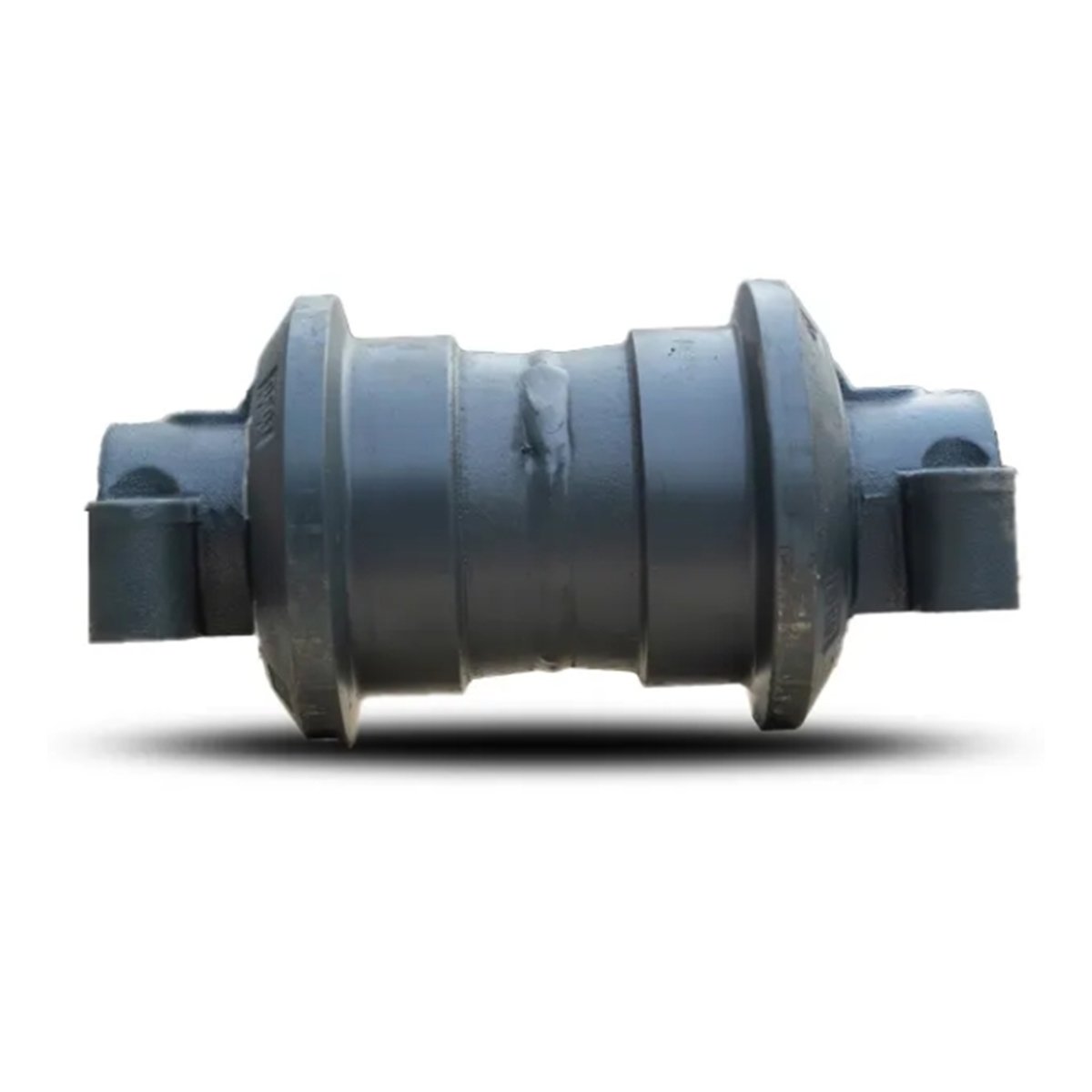
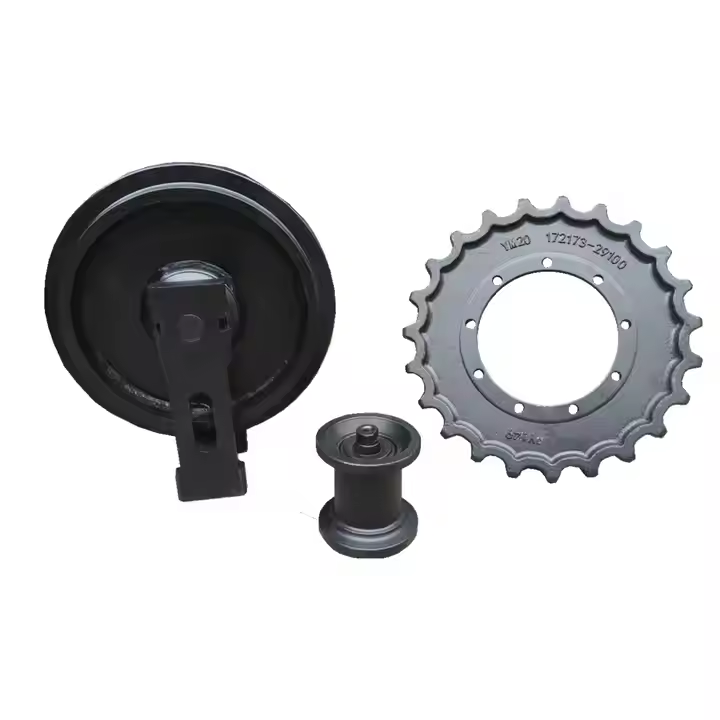
Undercarriage: This is one of the most expensive repair areas. Check for excessive wear on track pads, links, rollers, idlers, and sprockets. Look for cracks, uneven wear, and track tension.
Hydraulic System: Start the machine cold. Check for hydraulic leaks around the cylinder rods, main pump, and valve blocks. Operate all functions smoothly. Listen for whining pumps and watch for slow or jerky movements, which indicate wear or contamination.
Structure & Boom: Look closely for cracks, welds, or bends in the boom, arm, and main frame. Stress cracks often appear near pivot points.
Engine: Check for white (coolant) or blue (oil) smoke during startup and under load. Listen for unusual knocks or rattles. Review maintenance records for oil change intervals.
General Condition: Operate all controls. Test the swing function. Check the cab (if equipped) for condition and functionality of gauges. Overall cleanliness can hint at an owner’s maintenance attitude.
4. The Importance of Service History and Brand Reputation
A documented service history is worth its weight in gold. It proves regular oil changes, filter replacements, and component servicing. Brands with strong reputations for reliability and parts availability, such as Kubota, Takeuchi, Bobcat, Yanmar, and Caterpillar, often hold their value better and are easier to service. When considering a purchase from a dealer, inquire about their reconditioning process. For example, a service provider like THBSMN may offer fully inspected and serviced units, which reduces your immediate risk.
5. Test Drive and Negotiation
Just like a car, you must operate it. Dig a trench, lift a load, and swing the house. Feel for smooth power and precise control. Once you’ve identified a potential machine:
Compare Prices: Research the average market value for that model, year, and hour count.
Factor in Costs: Remember to budget for immediate repairs, transportation, and any necessary attachments.
Negotiate: Use findings from your inspection (e.g., worn track components) as leverage for a better price or request they be fixed before sale.
Get It in Writing: Ensure the sales agreement includes the machine’s serial number, exact price, and any promised repairs or included attachments.
6. Finalizing the Purchase
Before handing over payment, do a final verification. For private sales, consider a bill of sale. For dealer purchases, review the warranty terms carefully. Understand what is covered and for how long. Reputable sellers will be transparent. Plan for the machine’s delivery or secure the proper trailer for transport.
Invest Time to Save Money
Finding the right “used mini excavator for sale near me” is an investment of time that pays off in long-term performance and cost savings. By rigorously defining your needs, conducting thorough inspections, prioritizing service history, and choosing reputable sellers—whether a major dealer like THBSMN or a trusted private owner—you can secure a reliable machine that will power your projects and business for years to come. Patience and due diligence are your most valuable tools in this process.