








Industry News
Used Mini Excavator Maintenance Tips to Extend Machine Life
Apr
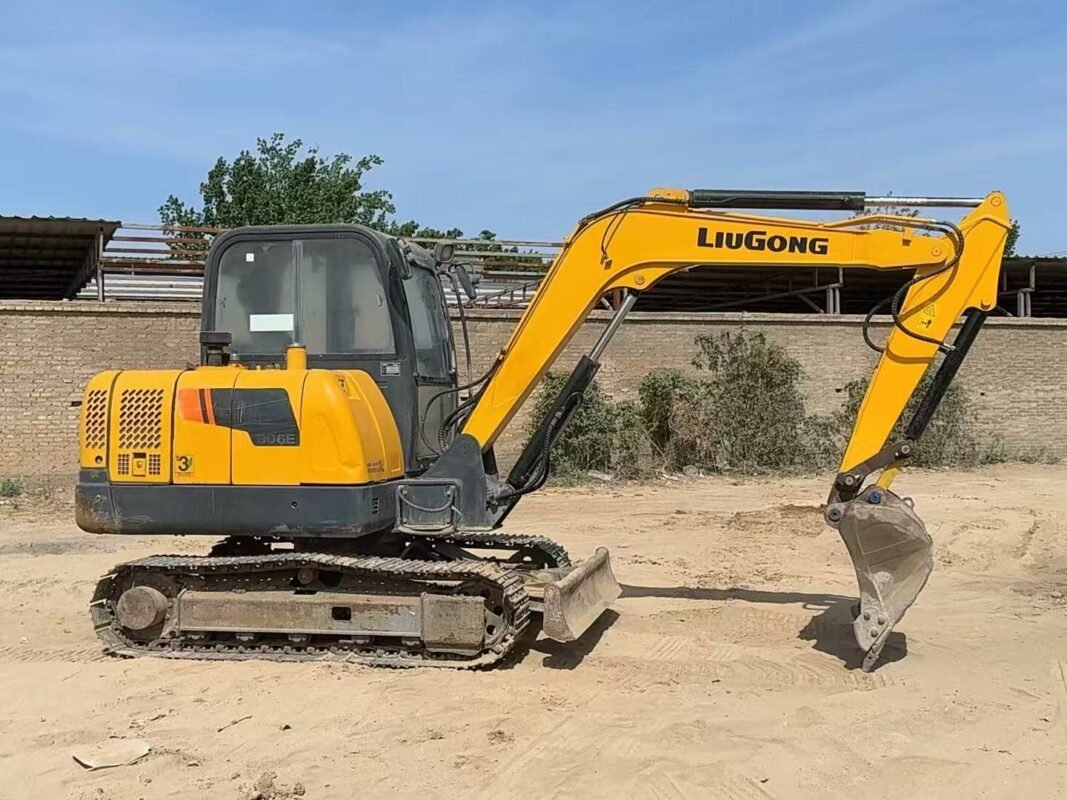
Purchasing a used mini excavator is a significant investment for contractors, landscapers, and property owners. While it offers tremendous value compared to a new machine, its longevity and reliability hinge entirely on a disciplined and proactive maintenance regimen. A well-maintained used mini excavator can deliver thousands of productive hours, whereas neglect can lead to costly downtime and premature failure. This guide provides essential maintenance tips to maximize the lifespan and performance of your used mini excavator, ensuring it remains a profitable asset for years to come. For those seeking reliable parts and expert support for their equipment, service providers like THBSMN offer valuable resources to keep your machine running smoothly.
1. Master the Pre-Start and Post-Operation Inspection
The most critical habit you can develop is a thorough daily inspection. This takes only minutes but can prevent major issues.
Fluid Levels: Before starting, check all fluids: engine oil, hydraulic oil, coolant, and fuel. Look for any signs of contamination or unusual levels. Low hydraulic oil can cause pump cavitation and severe damage.
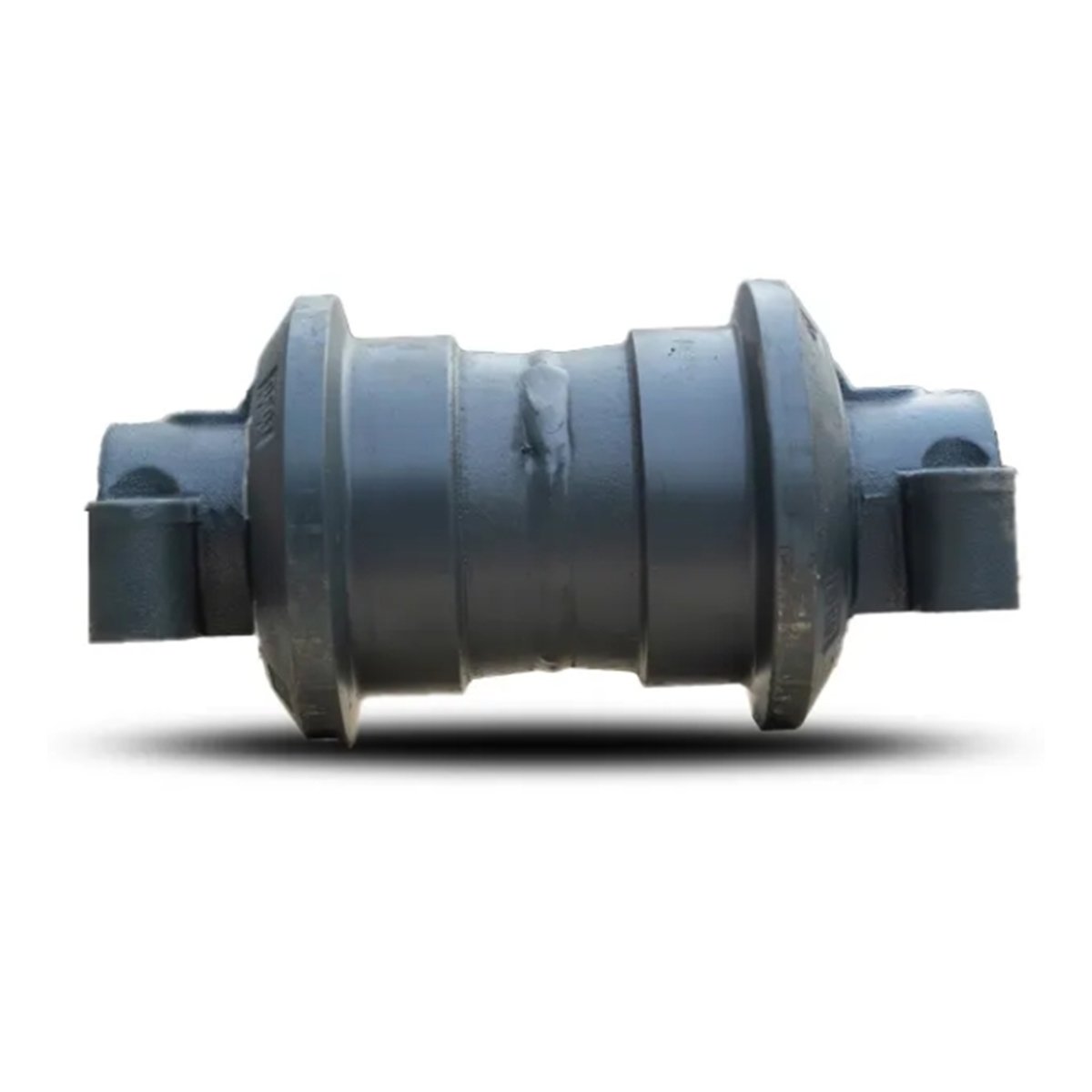
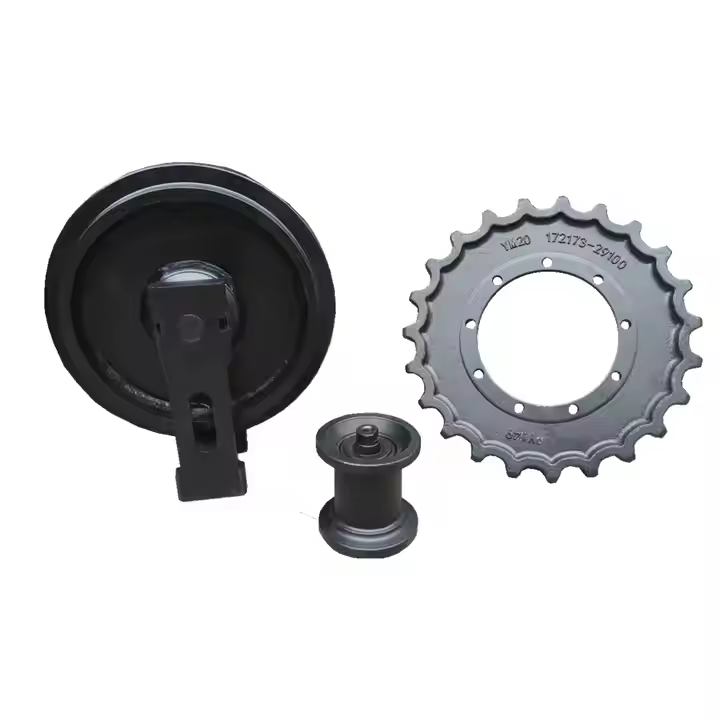
Visual Check: Inspect the undercarriage for excessive wear on tracks, loose or damaged rollers, and idlers. Look for hydraulic hose leaks, cracks, or abrasions. Check the bucket teeth, cutting edges, and pins for excessive wear.
Post-Operation: After shutting down, walk around the machine again while systems are warm. Sometimes leaks are more apparent. Check for any loose connections or new damage incurred during work.
2. Adhere Rigorously to Fluid and Filter Change Intervals
Fluids are the lifeblood of your excavator. For a used machine, following—or even shortening—the manufacturer’s recommended intervals is non-negotiable.
Engine Oil and Filters: Change engine oil and filters more frequently than recommended, especially if the machine’s history is unknown. Used engines may have more contaminants. Use the exact oil grade specified.
Hydraulic System: Hydraulic fluid breakdown is a leading cause of system failure. Change the hydraulic oil and filters on schedule. Watch for fluid discoloration (milky fluid indicates water ingress) or a burnt smell, which signals overheating.
Coolant: Maintain the correct coolant mixture to prevent freezing and corrosion. Test coolant strength seasonally and flush the system as recommended to prevent scale and clogging.
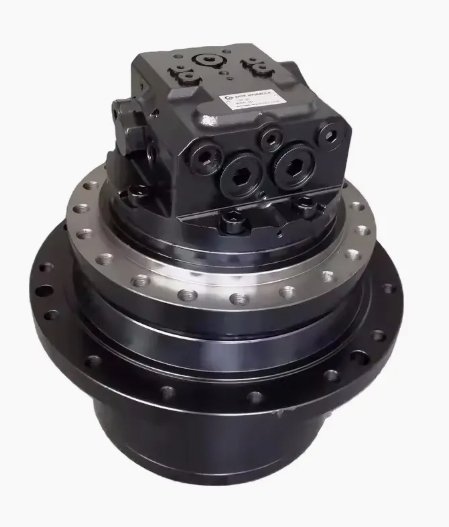
Final Drives and Swing Gearcase: These often-overlooked compartments need regular oil changes. Contaminated gear oil will rapidly wear out bearings and gears.
3. Prioritize Undercarriage Care and Alignment
The undercarriage is one of the most expensive components to repair or replace. Proper maintenance is cost-effective.
Cleanliness: Remove packed mud, rocks, and debris from the tracks, sprockets, and rollers daily. This material accelerates wear and puts stress on components.
Track Tension: Adjust track tension according to the manual. Over-tightened tracks strain rollers and idlers, while loose tracks can derail and cause excessive wear on links and sprockets.
Inspection for Wear: Regularly measure track link height, roller flange width, and sprocket tooth shape. Uneven wear often indicates misalignment or a failing component.
4. Protect the Hydraulic System: Your Machine’s Muscle
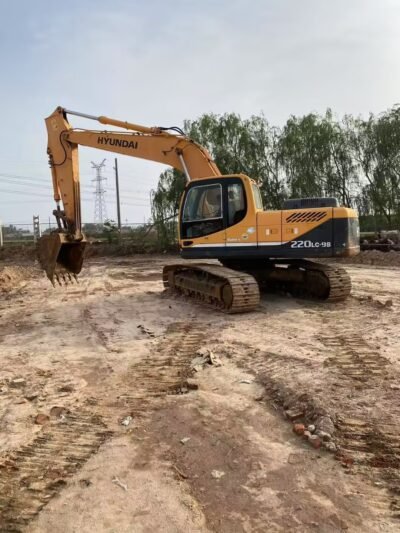
The hydraulic system powers every digging function. Its protection is paramount.
Cleanliness is Critical: Never open hydraulic components in dirty environments. When changing filters, ensure the area is spotless. A single grain of dirt can score a cylinder or valve.
Check Hoses and Fittings: Look for weeping fittings, bulging hoses, or cracked lines. Replace them immediately. A burst high-pressure hose is dangerous and costly.
Avoid Overheating: Ensure the hydraulic oil cooler is clean and free of debris. Overheating oil loses its lubricating properties and breaks down quickly. Don’t operate the machine beyond its rated capacity for extended periods.
5. Preserve the Structure: Welds, Pins, and Bushings
The machine’s structure endures immense stress. Regular attention prevents catastrophic failures.
Grease, Grease, Grease: Lubricate all pivot pins, bushings, and linkage points every day, or as specified in the manual. For a used machine, use a high-quality grease and pump until you see fresh grease purge from the seals. This forces out dirt and moisture.
Inspect for Cracks: Periodically inspect key stress areas—the boom, arm, bucket linkage, and the attachment point to the house—for hairline cracks. Early detection allows for proper repair.
Check Pin Retention: Ensure all retaining bolts and keepers for pins are secure. A lost pin during operation can cause severe damage.
6. Electrical and Battery System Upkeep
Electrical issues are a common source of frustrating downtime.
Battery Maintenance: Keep battery terminals clean and tight. Check the electrolyte level in non-sealed batteries. A weak battery strains the starter and alternator.
Connection Check: Vibration can loosen electrical connections. Inspect wiring harnesses for chafing, especially where they pass through the frame or near moving parts. Protect exposed connectors with dielectric grease.
Monitor Gauges and Alarms: Pay attention to warning lights and gauges during operation. They provide the first indication of problems like low pressure or high temperature.
7. Implement a Proactive, Documented Maintenance Schedule
Move from reactive fixes to proactive care.
Create a Log: Maintain a detailed service log. Record every inspection, fluid change, filter replacement, and repair. This log is invaluable for diagnosing recurring issues and adds value if you ever sell the machine.
Follow the Manual: Obtain the operator’s and service manual for your specific model. It contains the OEM’s precise intervals and specifications.
Source Quality Parts: When replacements are needed, use high-quality filters, fluids, and parts. Trusted suppliers like THBSMN can provide reliable components that match OEM standards, ensuring compatibility and durability for your used mini excavator.
An Investment in Reliability
A used mini excavator doesn’t have to be a maintenance headache. By treating it with care and respect, you directly invest in its reliability and your bottom line. The disciplined application of these tips—daily inspections, meticulous fluid management, diligent greasing, and proactive component checks—will dramatically extend the productive life of your machine. Remember, consistent, small investments in maintenance prevent enormous, unexpected repair bills. Partnering with a knowledgeable service and parts provider ensures you have the support needed to keep your equipment, and your projects, moving forward efficiently and profitably.