








Industry News
Used Wheel Excavator vs. Tracked Excavator: Which One is Right for You?
Jul
Choosing the right excavator is an important decision for construction companies, contractors, farmers, landscaping professionals, and equipment operators. A machine that matches the working environment can improve efficiency, reduce operating costs, and help complete projects more smoothly.
When looking for used excavators, many buyers compare used wheel excavators and tracked excavators. Both types are designed for digging, lifting, loading, and earthmoving tasks, but their structures and operating advantages make them suitable for different applications.
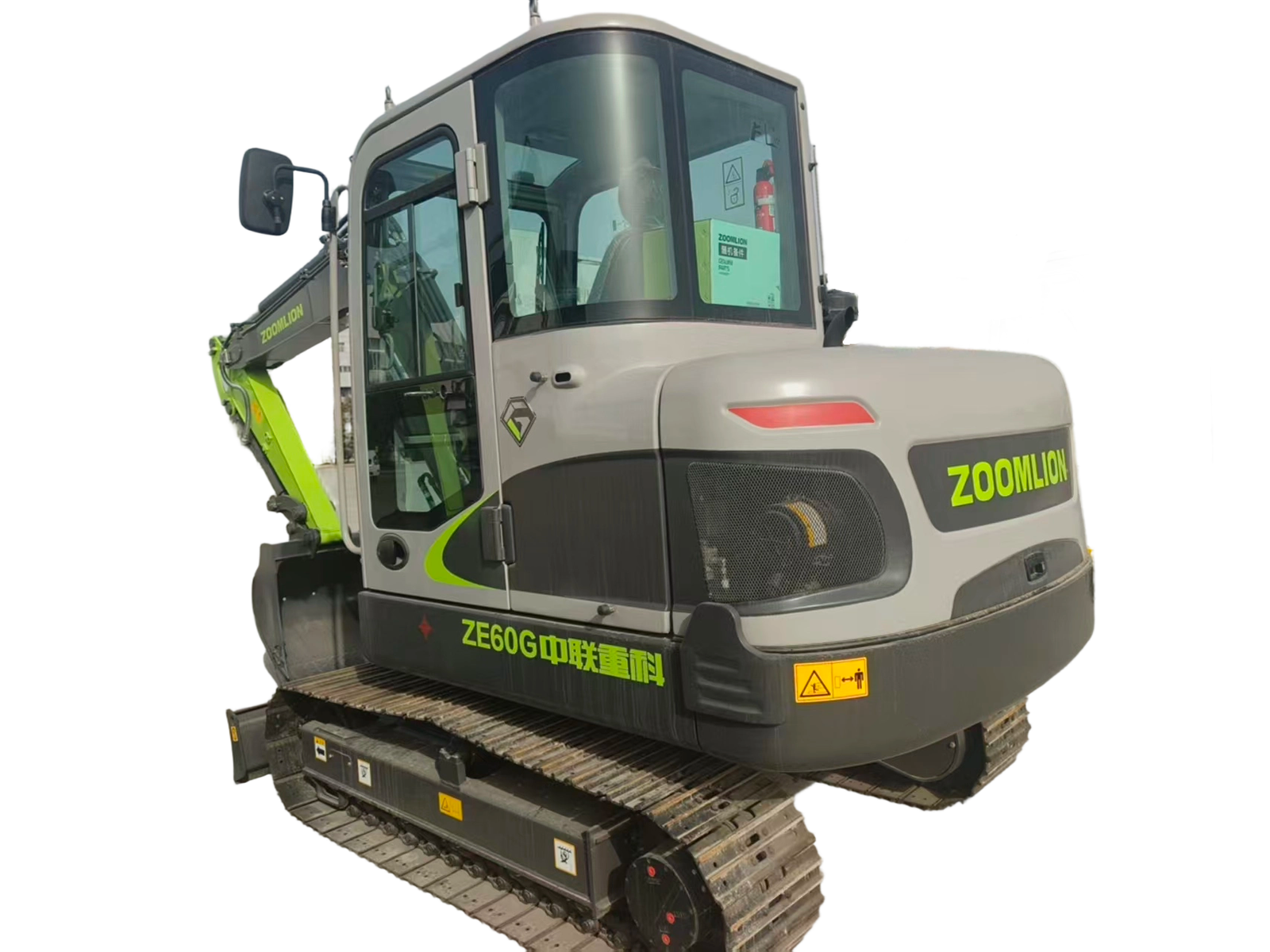
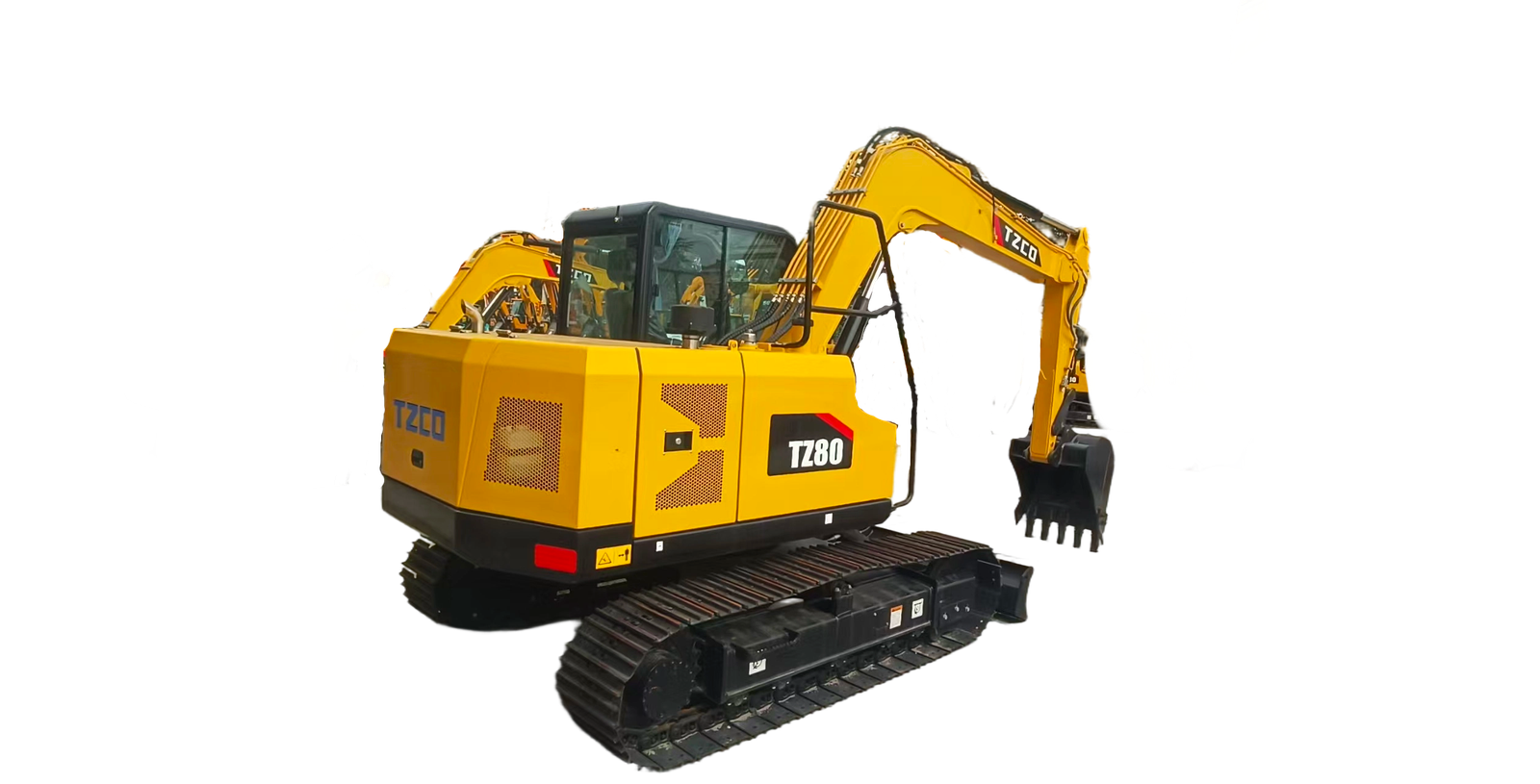
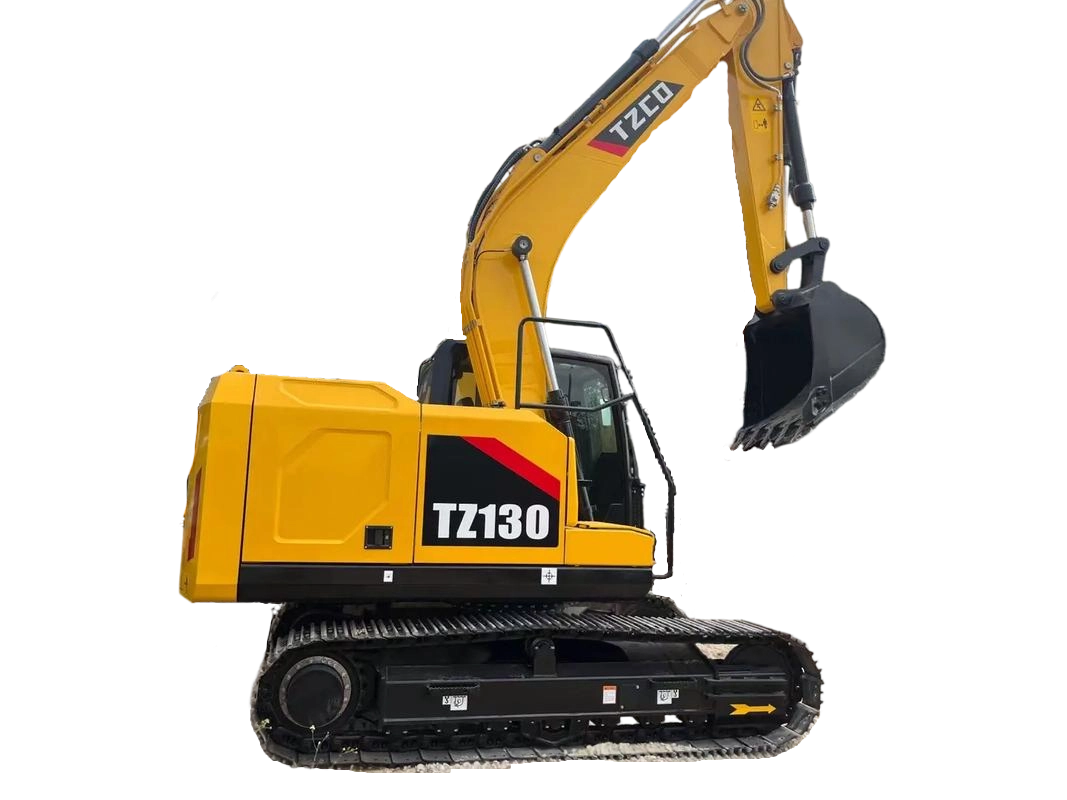
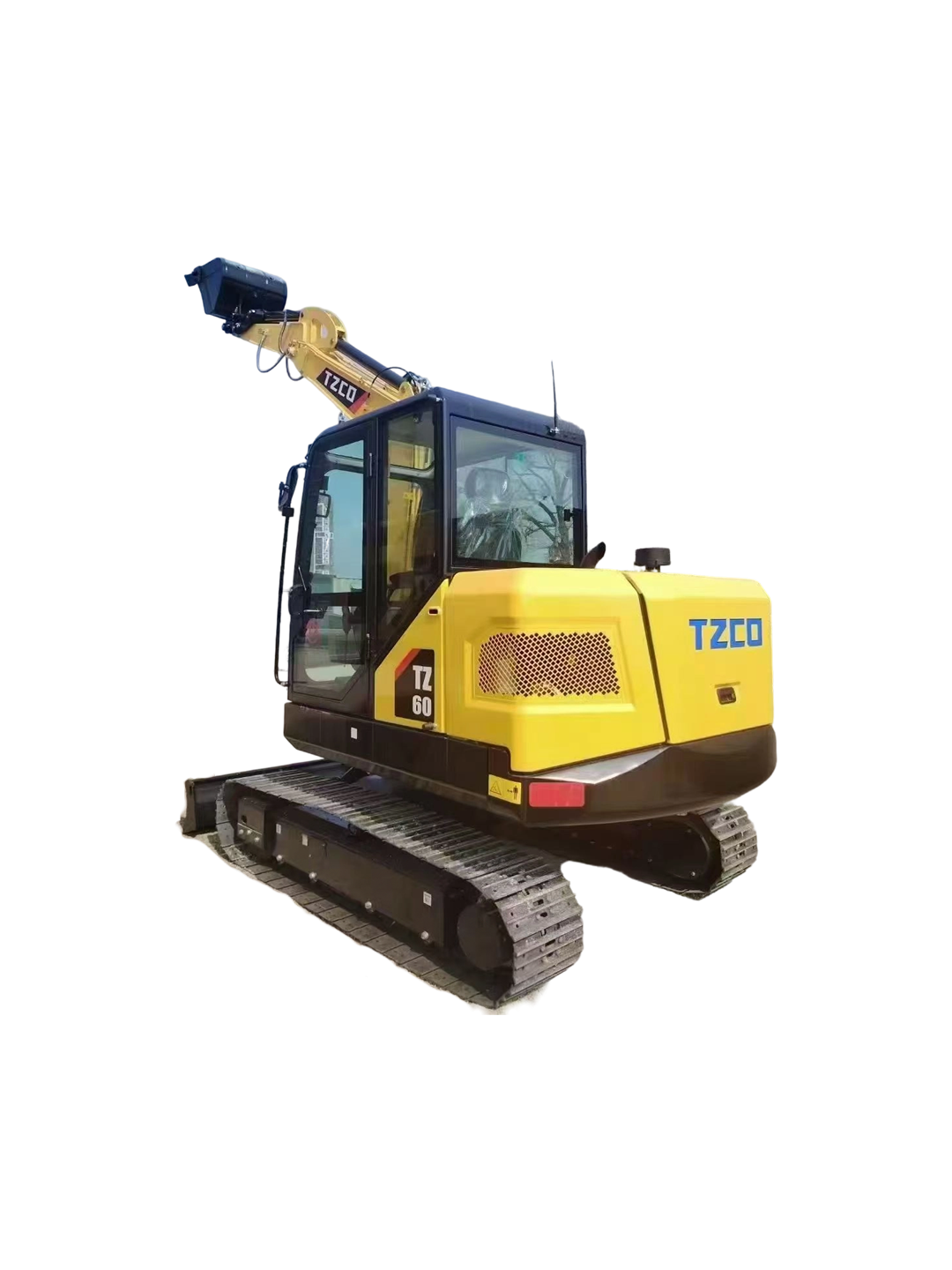
A used wheel excavator is designed with wheels instead of tracks, allowing faster movement between job locations and better performance on paved surfaces. A tracked excavator uses a crawler undercarriage, providing strong stability and excellent performance on uneven terrain.
Understanding how each machine works in real projects can help buyers make a more practical purchasing decision.
When a Used Wheel Excavator Is the Better Choice
Used wheel excavators are widely used in urban construction, road maintenance, utility projects, and landscaping because of their mobility and flexibility.
One of the biggest advantages of a wheel excavator is its ability to travel quickly between different work areas. For contractors who handle multiple small projects in a city or surrounding areas, reducing transportation time can significantly improve productivity.
For example, a utility contractor working on water pipes, electrical systems, or roadside repairs may need to move equipment frequently throughout the day. A wheel excavator allows operators to drive directly between nearby locations without requiring frequent machine transportation.
Wheel excavators are also suitable for projects where protecting existing surfaces is important. Construction work in residential communities, commercial areas, and paved environments often requires equipment that can operate efficiently while maintaining site organization.
Another practical benefit is operator convenience. Many wheel excavators provide comfortable cabins, flexible controls, and good visibility, helping operators work efficiently during long hours.
Why Tracked Excavators Remain Popular for Challenging Ground Conditions
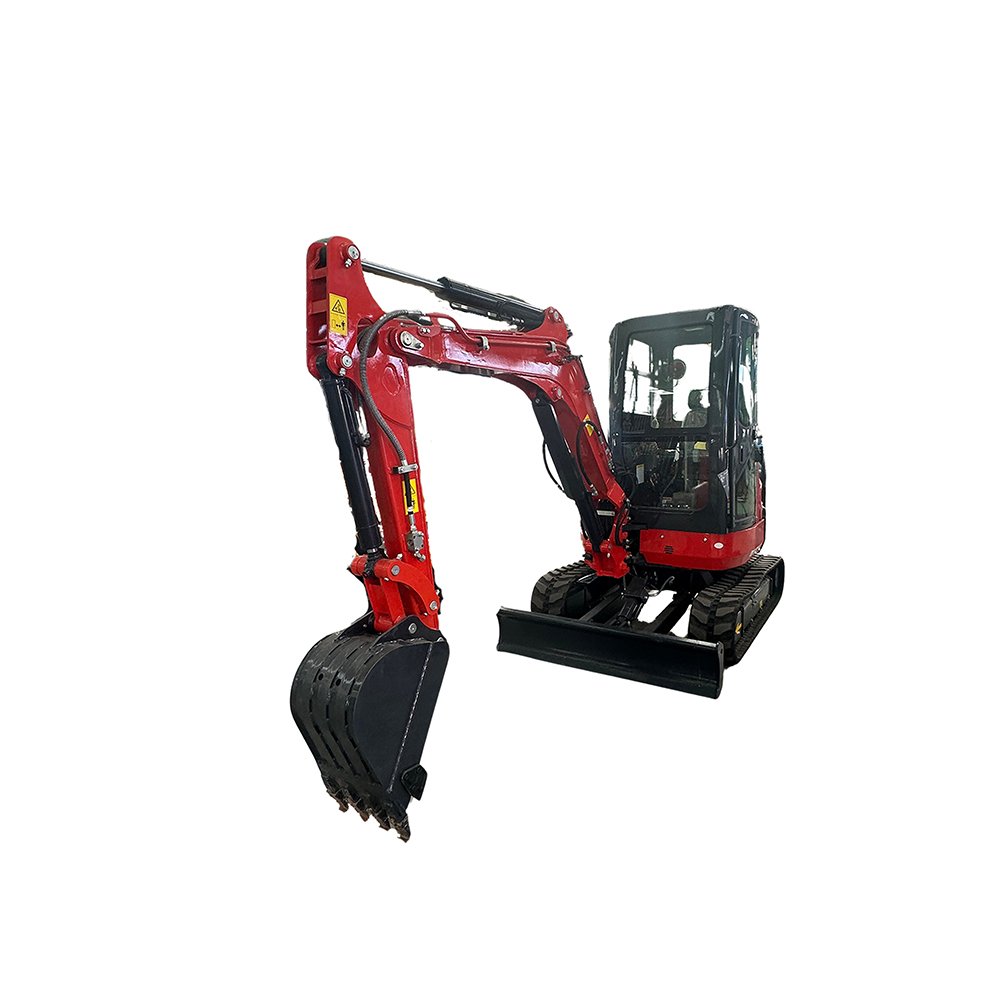
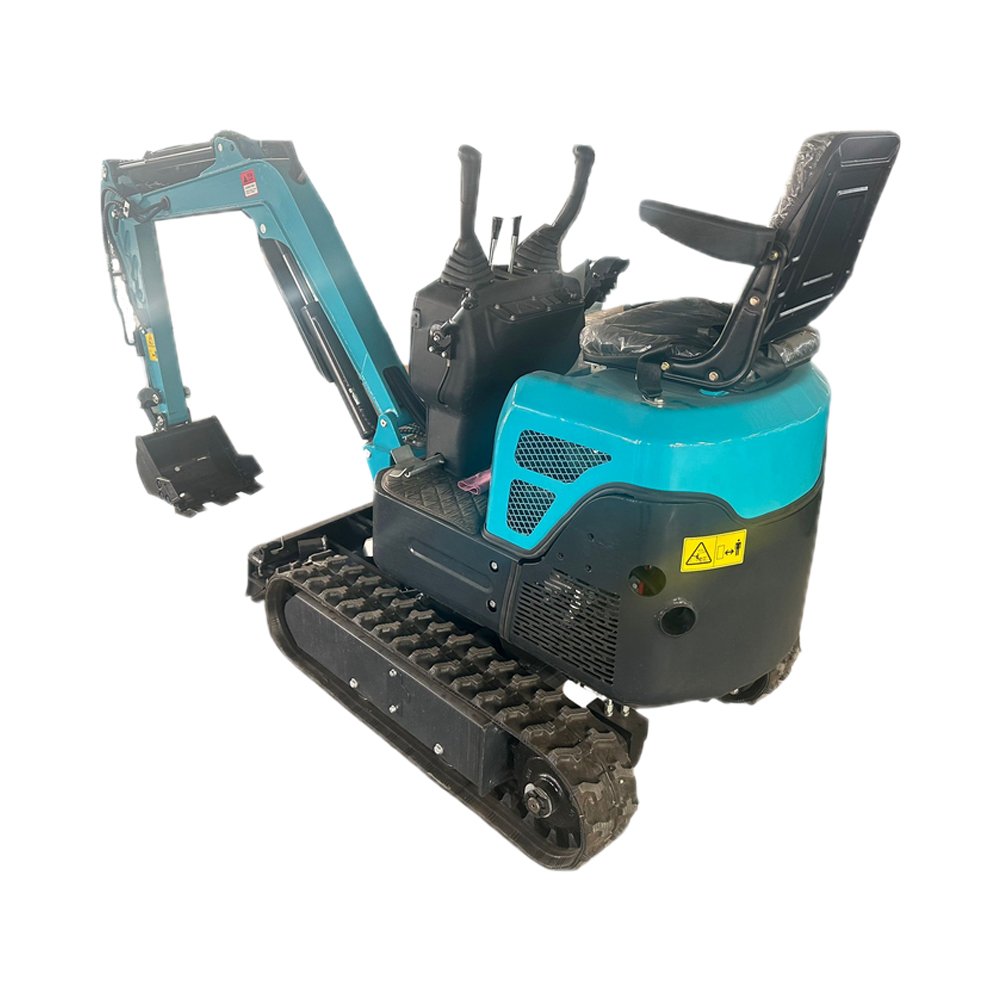
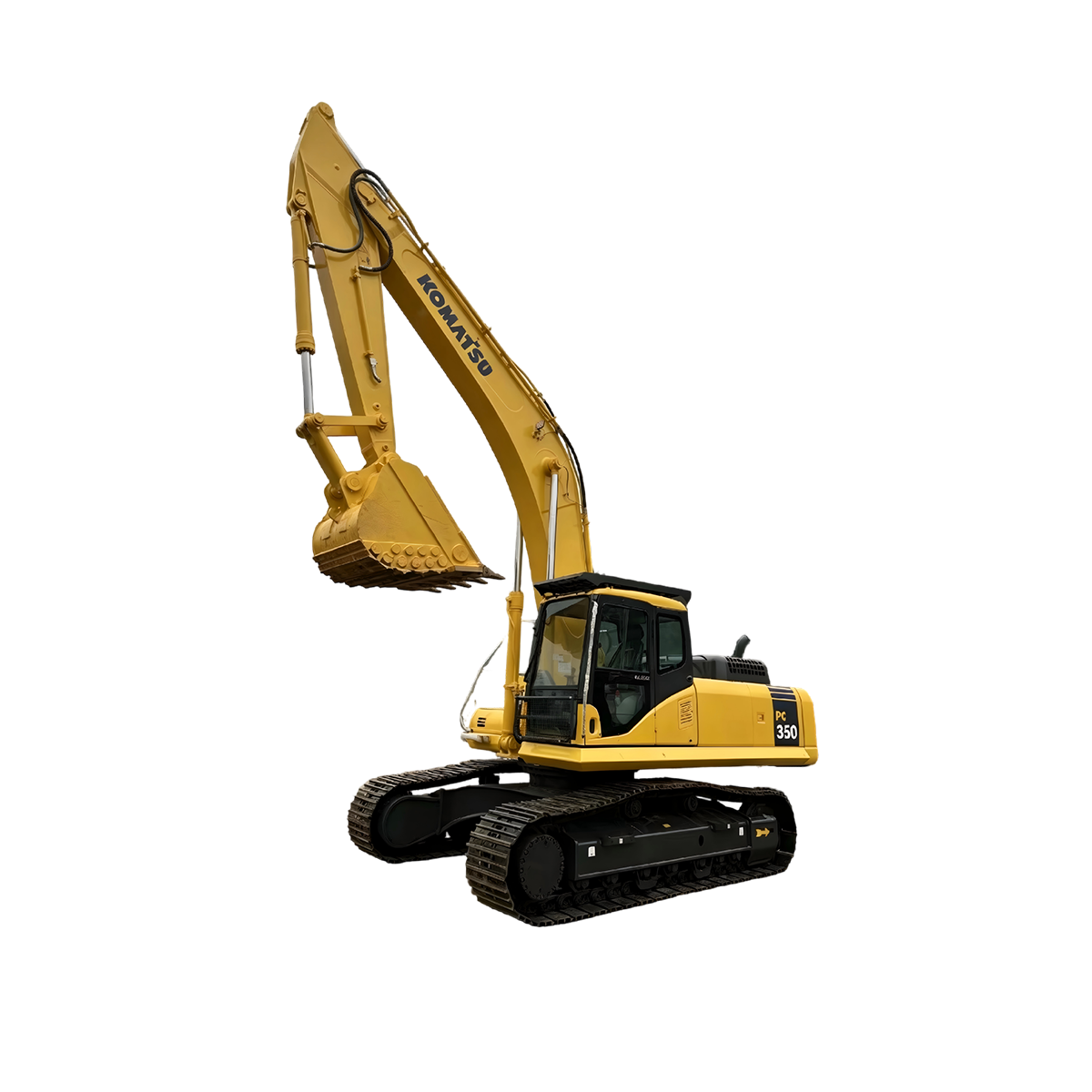
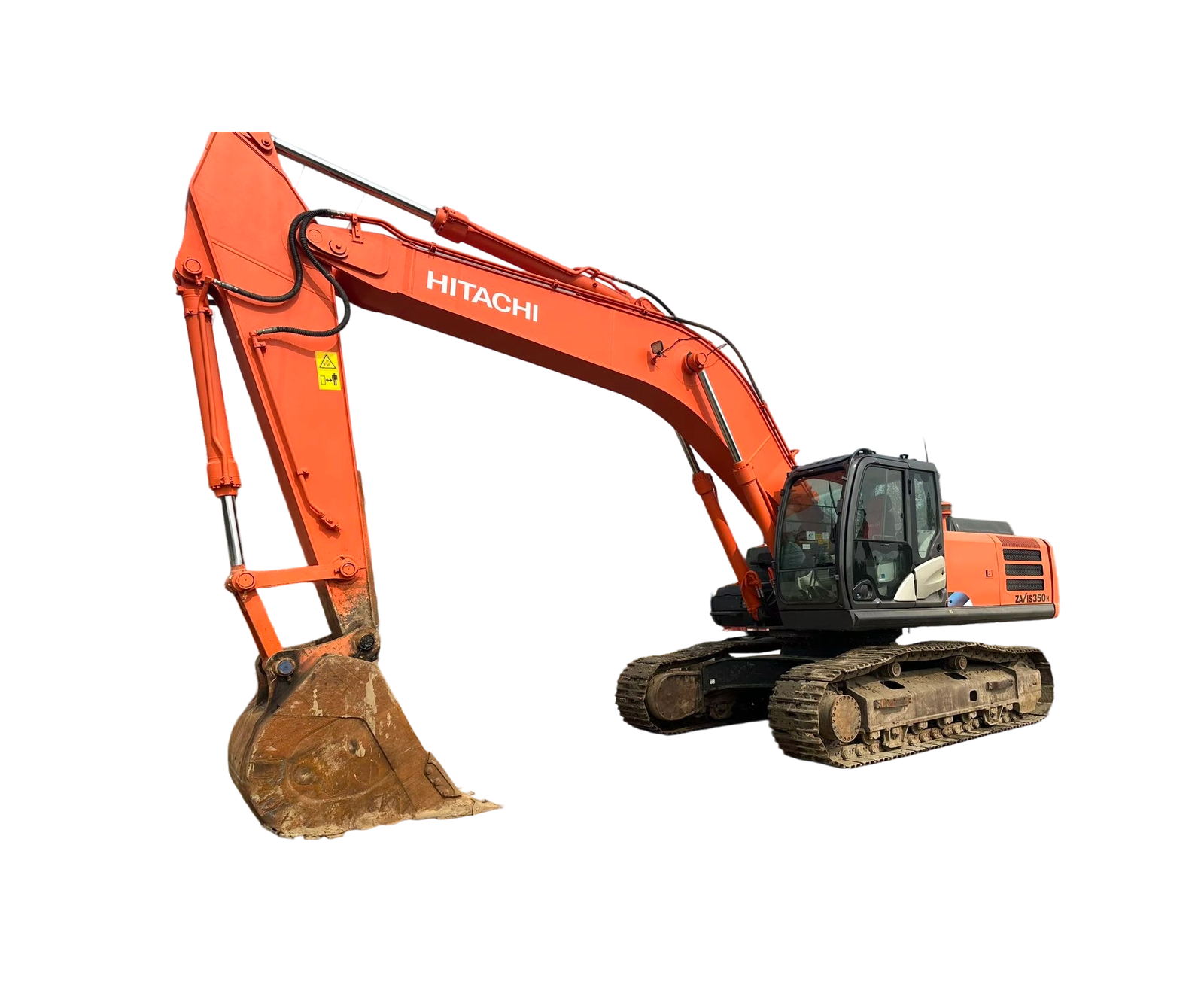
Tracked excavators are known for their excellent stability and strong digging performance, making them suitable for many heavy-duty applications.
The crawler undercarriage provides a larger contact area with the ground, helping the machine maintain balance when working on soft soil, muddy areas, slopes, and uneven construction sites.
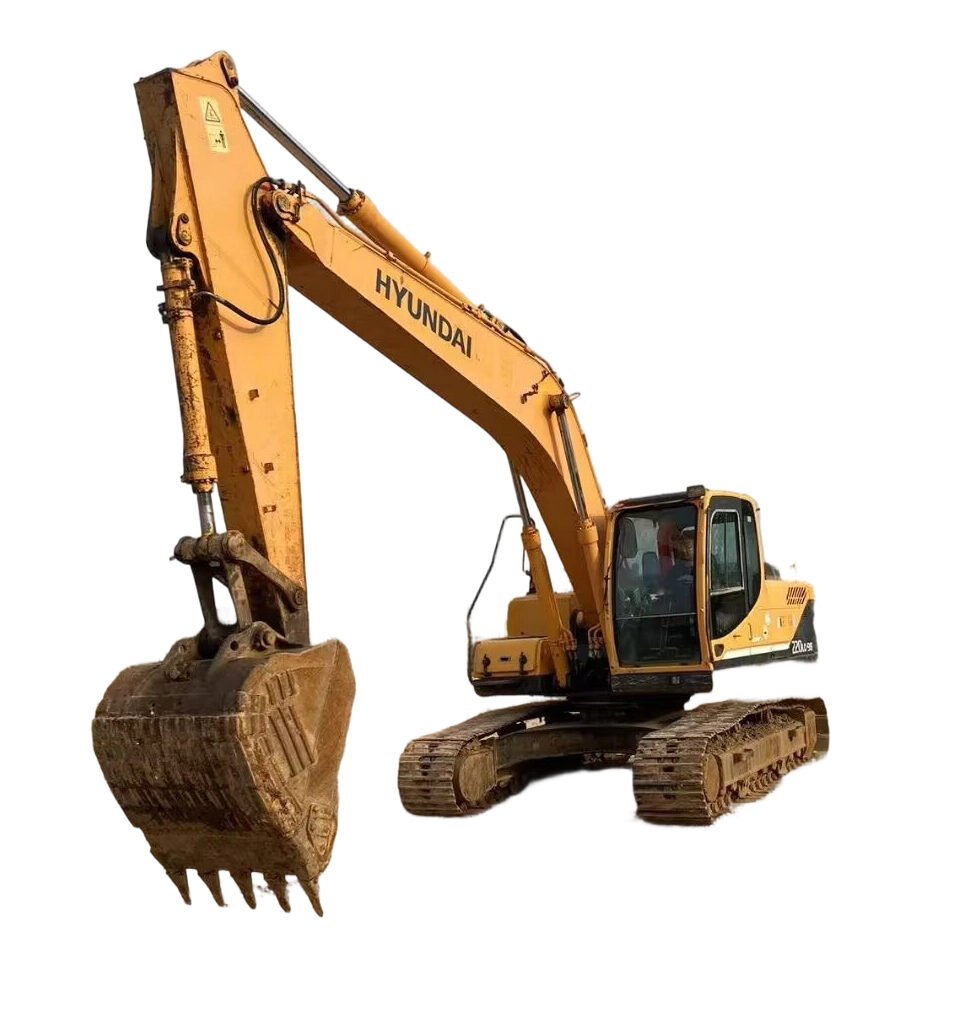
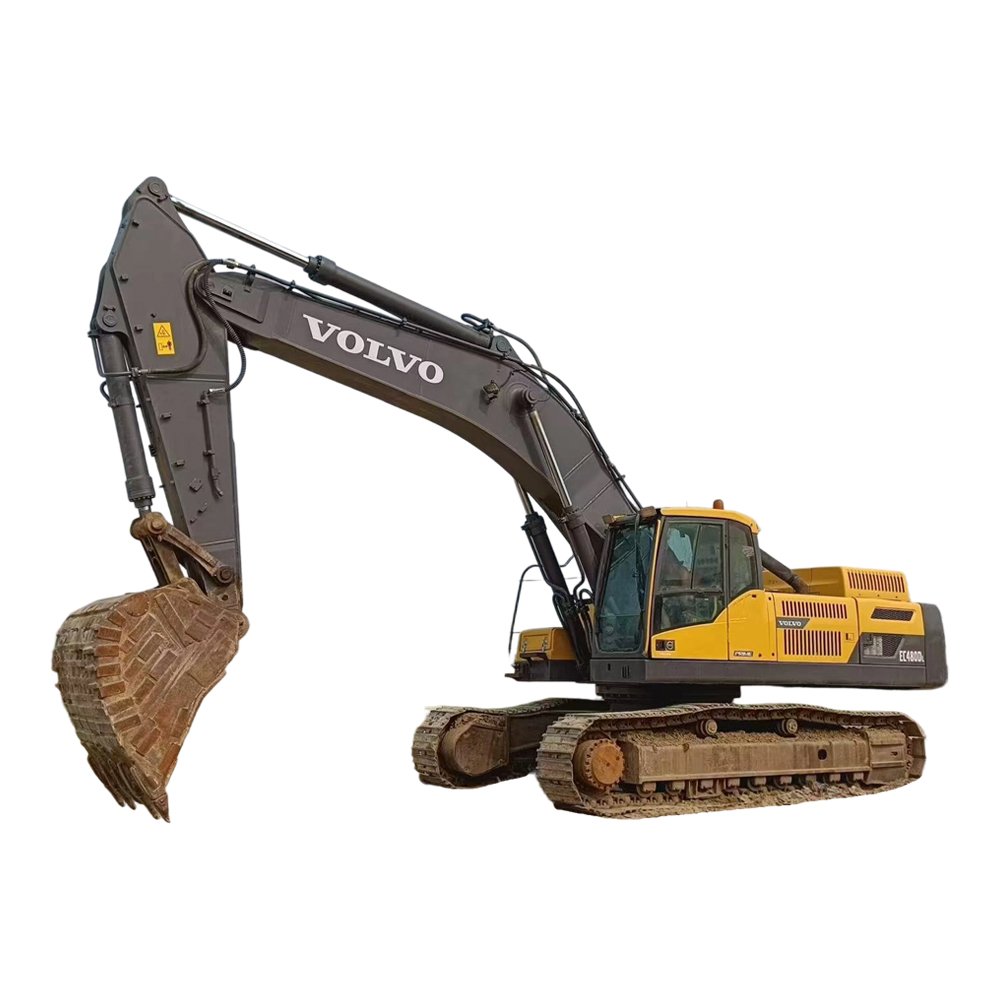
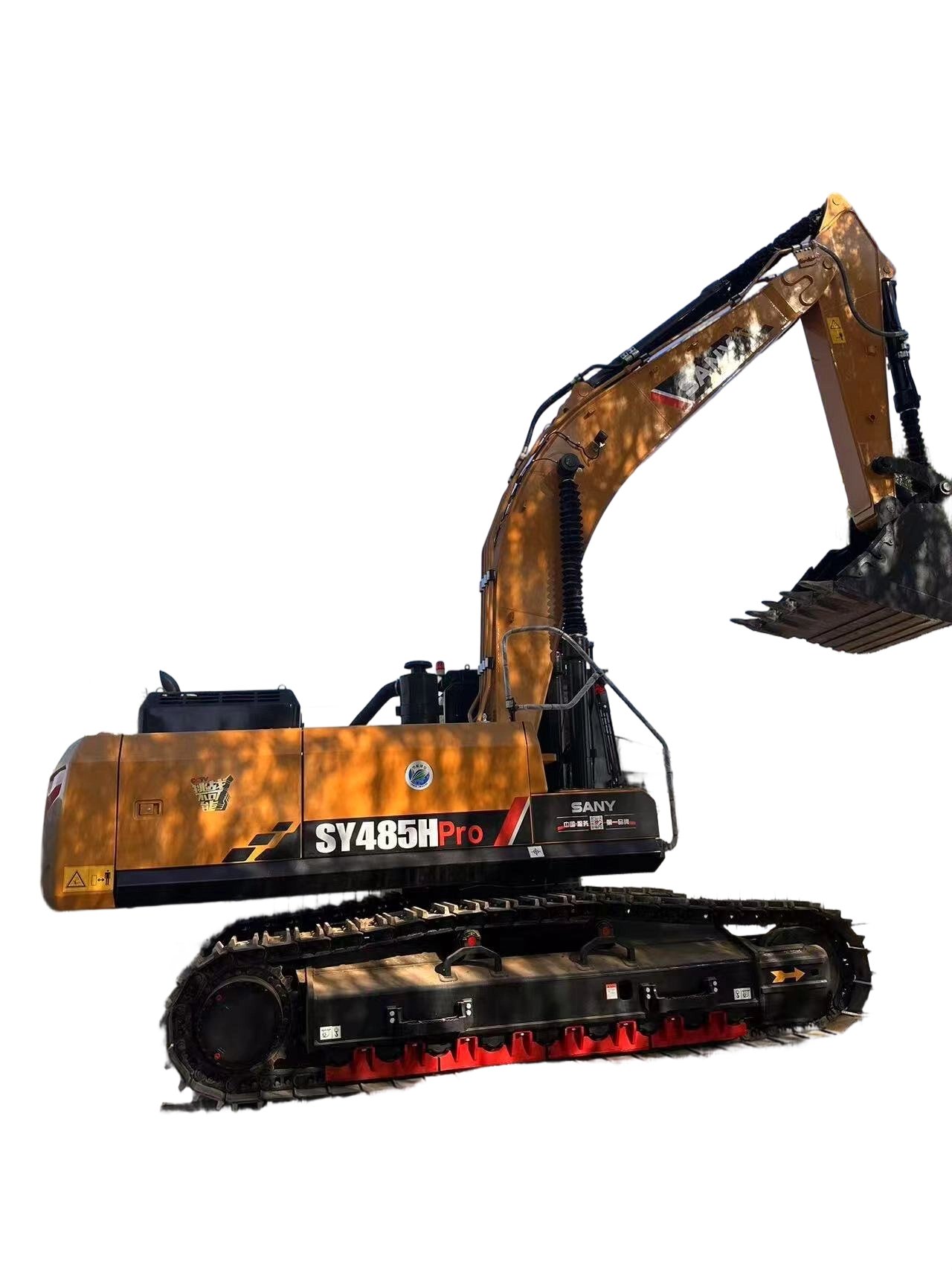
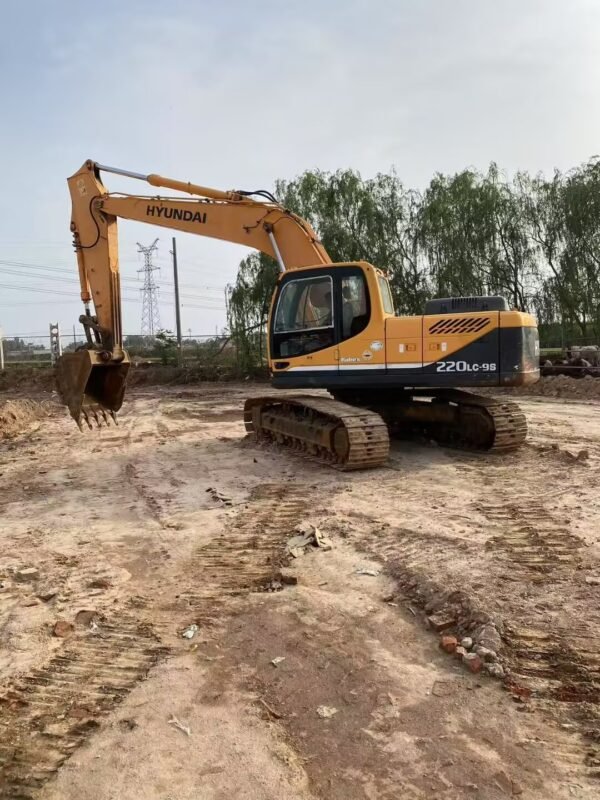
For projects such as land development, foundation excavation, agricultural improvement, mining support, and large earthmoving operations, tracked excavators provide the stability needed for demanding tasks.
A tracked excavator can handle difficult ground conditions while maintaining consistent digging power. This makes it a valuable choice for projects where ground stability and excavation strength are key priorities.
Many contractors choose used tracked excavators because well-maintained machines can continue delivering strong performance while providing a cost-effective solution for expanding equipment capacity.
Comparing Mobility, Stability, and Working Efficiency
The choice between a used wheel excavator and a tracked excavator often depends on the balance between mobility and stability.
| Feature | Used Wheel Excavator | Tracked Excavator |
|---|---|---|
| Movement Speed | Suitable for frequent relocation | Better for dedicated job sites |
| Ground Adaptability | Ideal for firm surfaces | Excellent for uneven terrain |
| Urban Projects | Highly practical | Suitable for larger construction areas |
| Stability | Flexible operation | Strong ground support |
| Transportation Needs | Often easier to move | Designed for long-term site operation |
For businesses working in cities, roads, and multiple locations, a wheel excavator can provide valuable time savings. For companies handling large excavation projects or difficult terrain, a tracked excavator can provide the stability required for efficient operation.
The best choice depends on actual working conditions rather than simply equipment size or purchase price.
Key Factors to Check When Buying a Used Excavator
Buying used construction equipment requires careful evaluation. A reliable inspection process helps buyers understand the machine’s condition and future operating potential.
The maintenance history is one of the most important factors. Regular servicing records can provide information about how the excavator was maintained and whether important components received proper care.
The hydraulic system, engine performance, working hours, operator cabin condition, and structural components should all be reviewed before purchase.
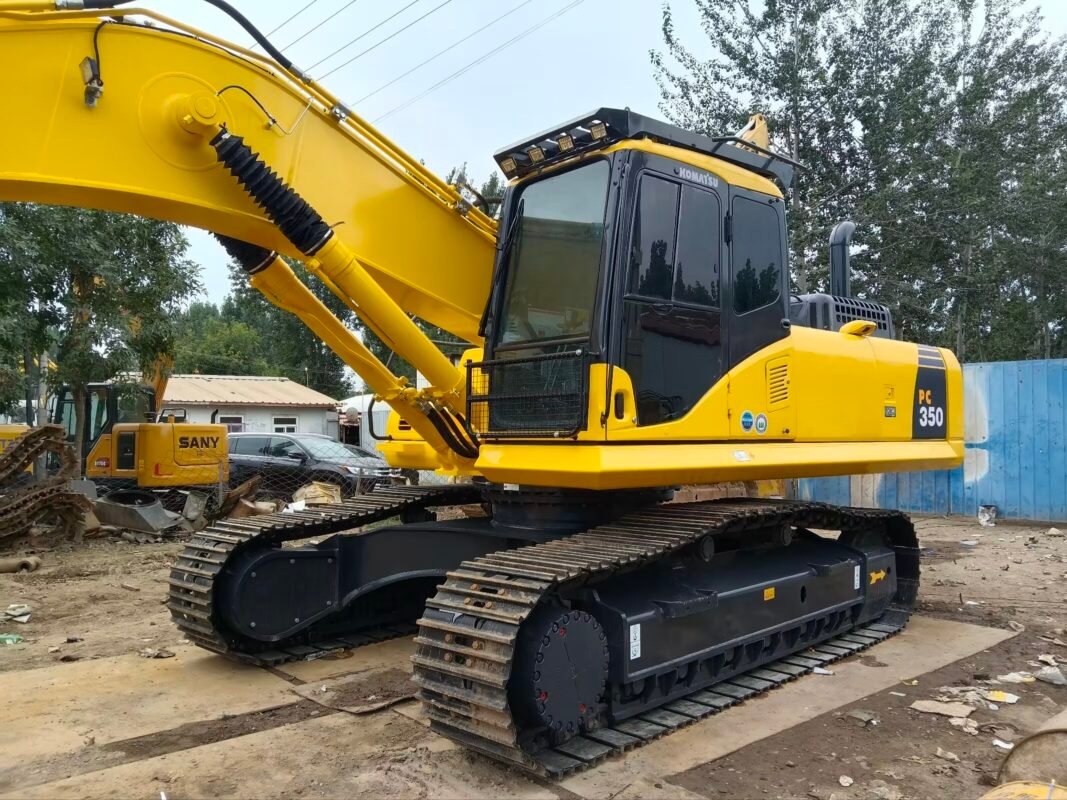
For wheel excavators, buyers should pay attention to tire condition, steering performance, and mobility functions. For tracked excavators, the undercarriage, track system, and overall stability should be carefully evaluated.
Choosing an experienced supplier can make the buying process easier. THBSMN provides used excavator solutions and helps customers select suitable machines based on project requirements, operating conditions, and budget planning.
Selecting the Right Excavator for Different Industries
Different industries have different equipment needs.
In urban construction, contractors often value flexibility and quick movement. Used wheel excavators can be highly practical for road repairs, municipal projects, pipeline installation, and maintenance work.
In agriculture, tracked excavators are commonly used for land preparation, drainage projects, pond construction, and soil improvement because they can work effectively in changing ground conditions.
Landscaping companies may choose either option depending on project type. Smaller residential projects may benefit from mobile equipment, while larger landscape transformations may require stronger digging capability.
Understanding the daily working environment is the most important step before purchasing equipment.
How Maintenance Planning Affects Long-Term Equipment Value
Regardless of the excavator type, proper maintenance directly influences performance and service life.
Regular inspections, scheduled lubrication, hydraulic checks, and component monitoring help maintain equipment reliability. Good maintenance habits also help businesses control unexpected costs and keep machines ready for future projects.
Used excavators can provide excellent long-term value when they receive proper care. Many professional operators focus not only on purchase price but also on how effectively the machine can support daily operations.
A well-managed excavator becomes a valuable business asset that contributes to productivity and project success.
Making the Right Investment Decision
The choice between a used wheel excavator and a tracked excavator should be based on project requirements, working environment, and future business plans.
If your work involves frequent movement between locations, urban construction, and paved surfaces, a used wheel excavator may provide the flexibility you need.
If your projects involve uneven ground, heavy excavation, and demanding conditions, a tracked excavator may be the better match.
Before purchasing, evaluate your typical projects, required digging capacity, transportation needs, and maintenance plans. Choosing the right machine helps maximize productivity and create long-term value.
With careful selection and professional equipment support, a used excavator can become a reliable partner for construction, agriculture, landscaping, and infrastructure projects.