








Industry News
Where to Find Quality Second Hand Excavators
May
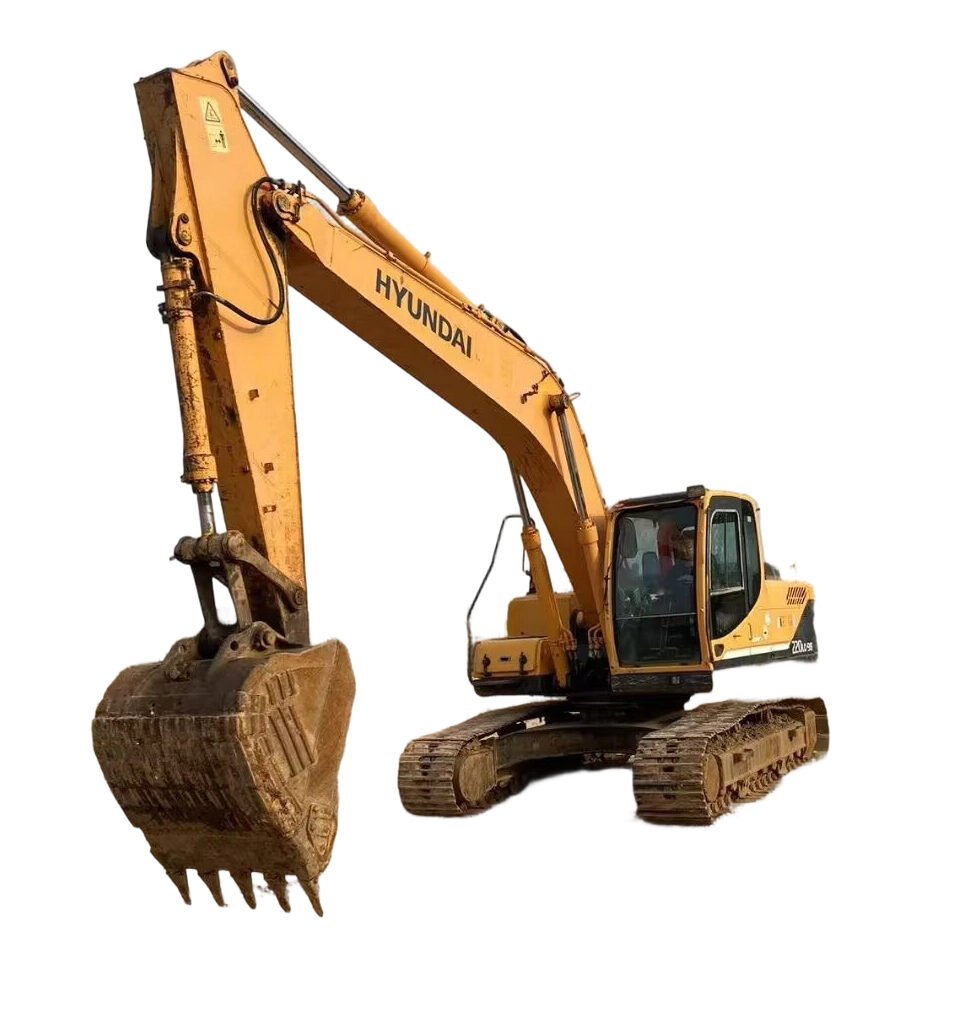
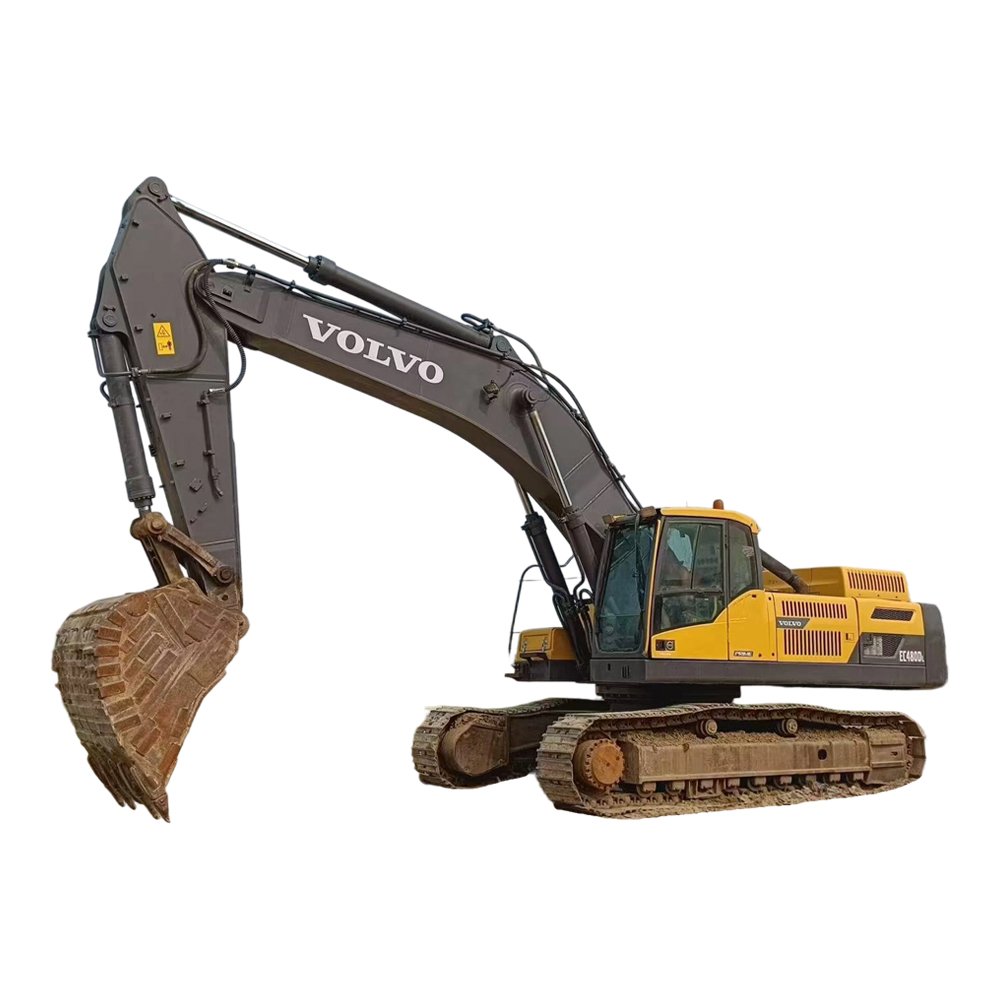
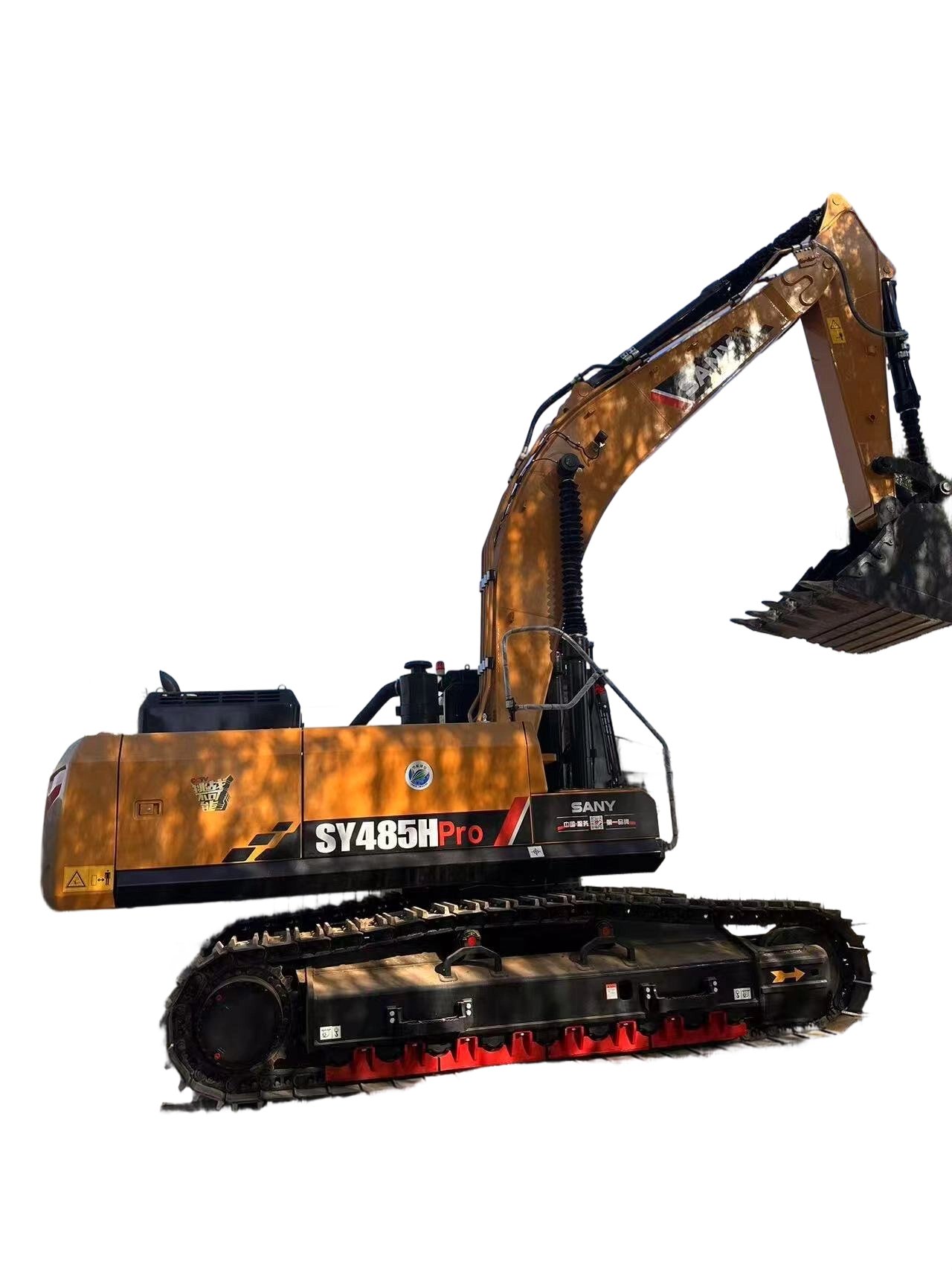
The global construction and heavy equipment industry continues to grow rapidly, increasing demand for reliable and cost-effective machinery solutions. For many contractors, construction companies, mining operators, and agricultural businesses, purchasing second hand excavators has become a practical way to expand equipment fleets while controlling operational costs. High-quality used excavators can provide excellent performance, durability, and long-term value when sourced from reputable suppliers. However, finding dependable second hand equipment requires careful research, equipment evaluation, and an understanding of trusted marketplaces.
Why Second Hand Excavators Are Popular
Second hand excavators have become increasingly popular because they offer a more affordable alternative to purchasing brand-new machinery. Many construction businesses need reliable equipment but also want to maintain healthy cash flow and reduce capital expenses.
Used excavators provide several important advantages:
- Lower initial investment
- Faster return on investment
- Reduced depreciation costs
- Immediate equipment availability
- Access to higher-capacity machines within budget
For small and medium-sized contractors, second hand excavators often provide the best balance between performance and affordability.
Even large construction companies frequently expand their fleets using high-quality used machinery to improve project flexibility and control costs.
Understanding the Demand for Used Excavators
The demand for second hand excavators is growing globally due to increased infrastructure development, urban construction, road projects, and industrial expansion.
Industries commonly using used excavators include:
- Construction
- Mining
- Agriculture
- Landscaping
- Demolition
- Forestry
- Road maintenance
As equipment prices continue rising, businesses increasingly seek dependable used machinery that can deliver strong productivity at a lower purchase cost.
Improved maintenance standards and advanced manufacturing quality also mean many excavators now remain operational for extended service lifespans.
Authorized Equipment Dealers
One of the safest and most reliable places to find quality second hand excavators is through authorized heavy equipment dealers.
Professional dealers often provide:
- Equipment inspections
- Maintenance records
- Refurbishment services
- Financing options
- Technical support
- Warranty coverage
Authorized dealers typically evaluate machines before resale to ensure equipment meets performance and safety standards.
Many buyers prefer working with established dealers because they offer greater transparency and after-sales support compared to informal equipment markets.
Dealer networks also provide access to a wide variety of excavator models and sizes suitable for different applications.
Construction Equipment Auctions
Construction equipment auctions are another common source for second hand excavators. Auctions attract contractors, fleet operators, equipment rental companies, and machinery traders looking for competitive pricing opportunities.
Auction platforms may offer:
- Mini excavators
- Medium excavators
- Large crawler excavators
- Wheeled excavators
- Specialized construction equipment
Buyers can often inspect equipment before bidding, allowing them to assess machine condition and operational performance.
Online auction platforms have also expanded access to international used equipment markets, making it easier for businesses to compare machinery from different regions.
Online Heavy Equipment Marketplaces
Digital marketplaces have transformed the used construction equipment industry. Many businesses now search for second hand excavators through specialized online platforms.
Online marketplaces provide:
- Large equipment inventories
- Detailed machine specifications
- Equipment photos and videos
- Seller information
- Pricing comparisons
- International sourcing opportunities
These platforms allow buyers to quickly compare different excavator models, production years, operating hours, and machine conditions.
For buyers seeking efficiency and wider market access, online equipment platforms offer a highly convenient purchasing solution.
Local Equipment Suppliers
Local machinery suppliers remain an important source for second hand excavators, especially for businesses seeking nearby inventory and faster equipment delivery.
Working with local suppliers offers several benefits:
- Easier equipment inspection
- Faster transportation
- Local maintenance support
- Reduced shipping costs
- Better communication
Local suppliers may also understand regional construction needs and recommend machines suitable for local terrain and project requirements.
Building long-term relationships with reliable local suppliers can improve future equipment purchasing opportunities.
Equipment Rental Companies Selling Fleet Units
Equipment rental companies regularly update their machinery fleets and often sell well-maintained excavators after several years of operation.
These machines are frequently serviced according to strict maintenance schedules and may include detailed operational records.
Benefits of purchasing from rental companies include:
- Consistent maintenance history
- Professional fleet management
- Reliable operational performance
- Access to newer machine models
Many buyers consider former rental fleet excavators a dependable option because professional rental businesses prioritize machine reliability and uptime.
International Equipment Importers
Many businesses source second hand excavators through international equipment importers. Countries with large construction industries often export significant volumes of used machinery to global markets.
Imported excavators may offer:
- Competitive pricing
- Broader model selection
- Advanced equipment configurations
- Access to premium machinery
Professional importers usually assist with:
- Shipping logistics
- Customs procedures
- Equipment inspections
- Documentation support
Global equipment sourcing allows buyers to access wider inventory options and potentially lower acquisition costs.
Trade Shows and Equipment Expos
Construction equipment exhibitions and industry trade shows are valuable places to explore second hand excavators and connect with machinery suppliers.
Trade shows provide opportunities to:
- Compare equipment directly
- Meet suppliers face-to-face
- Discuss technical specifications
- Explore financing solutions
- Learn about market trends
Industry events also help buyers build professional networks and discover reputable machinery providers.
For businesses planning fleet expansion, attending equipment expos can support more informed purchasing decisions.
Key Factors to Evaluate Before Buying
Finding a quality second hand excavator involves more than locating a seller. Buyers should carefully evaluate machine condition, operational history, and overall value.
Important inspection areas include:
- Engine condition
- Hydraulic system performance
- Track or tire wear
- Boom and arm integrity
- Cabin functionality
- Maintenance records
- Operating hours
A well-maintained excavator with documented service history often provides stronger long-term reliability.
Professional inspections may also help buyers assess machine performance more accurately before purchase.
Understanding Excavator Hours
Operating hours are one of the most important indicators of excavator usage. Similar to mileage in vehicles, excavator hours help estimate machine wear and remaining service life.
However, lower hours alone do not guarantee better condition.
Buyers should also consider:
- Maintenance quality
- Operating environment
- Previous applications
- Service frequency
A properly maintained excavator with higher hours may outperform poorly maintained machines with lower operating time.
Evaluating overall machine condition remains essential.
Choosing the Right Excavator Size
Different projects require different excavator sizes and capabilities. Buyers should select equipment based on operational requirements rather than simply choosing the largest machine available.
Common excavator categories include:
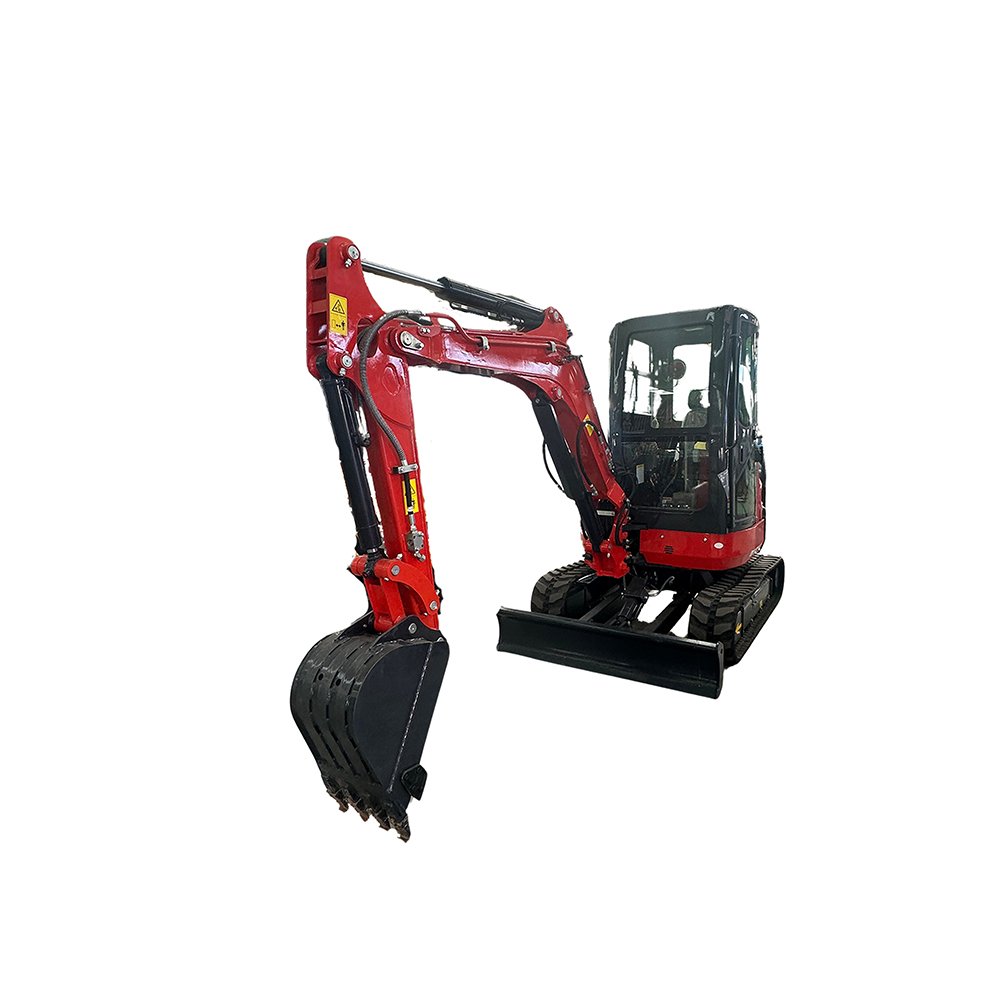
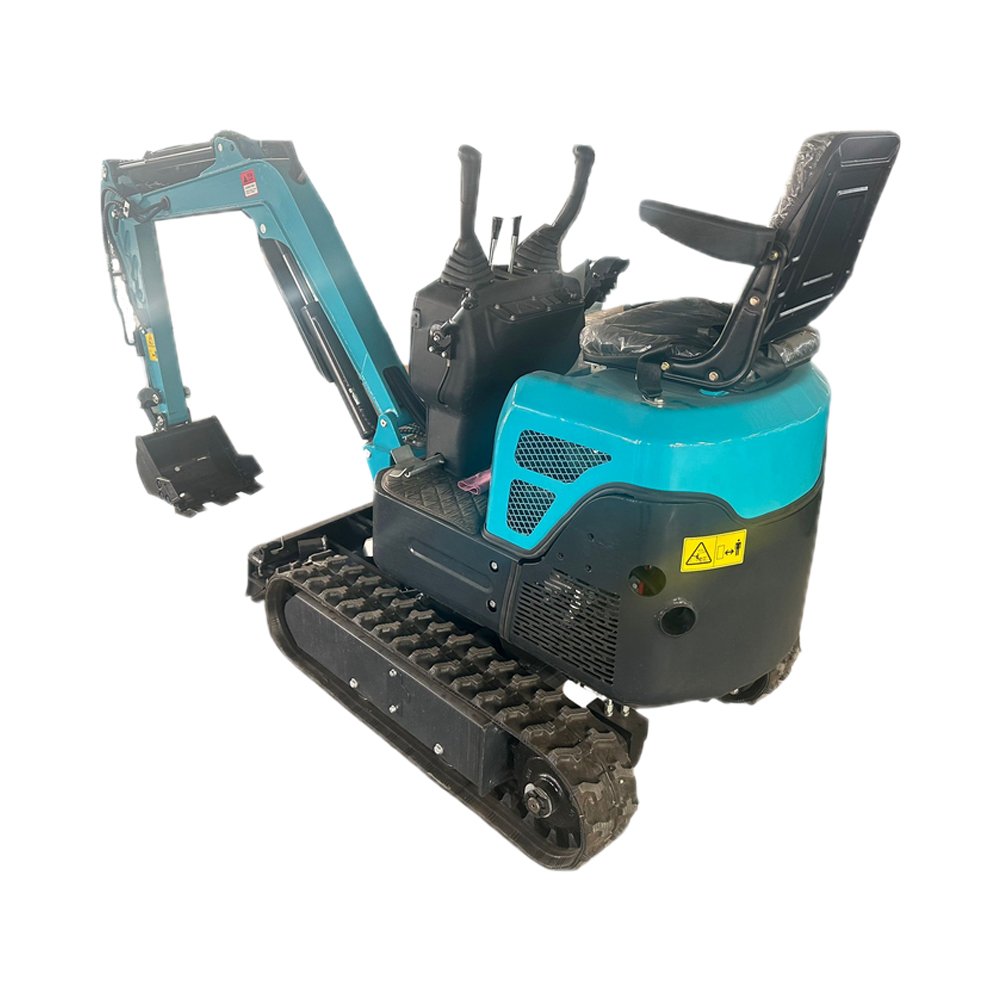
- Mini excavators
- Compact excavators
- Medium excavators
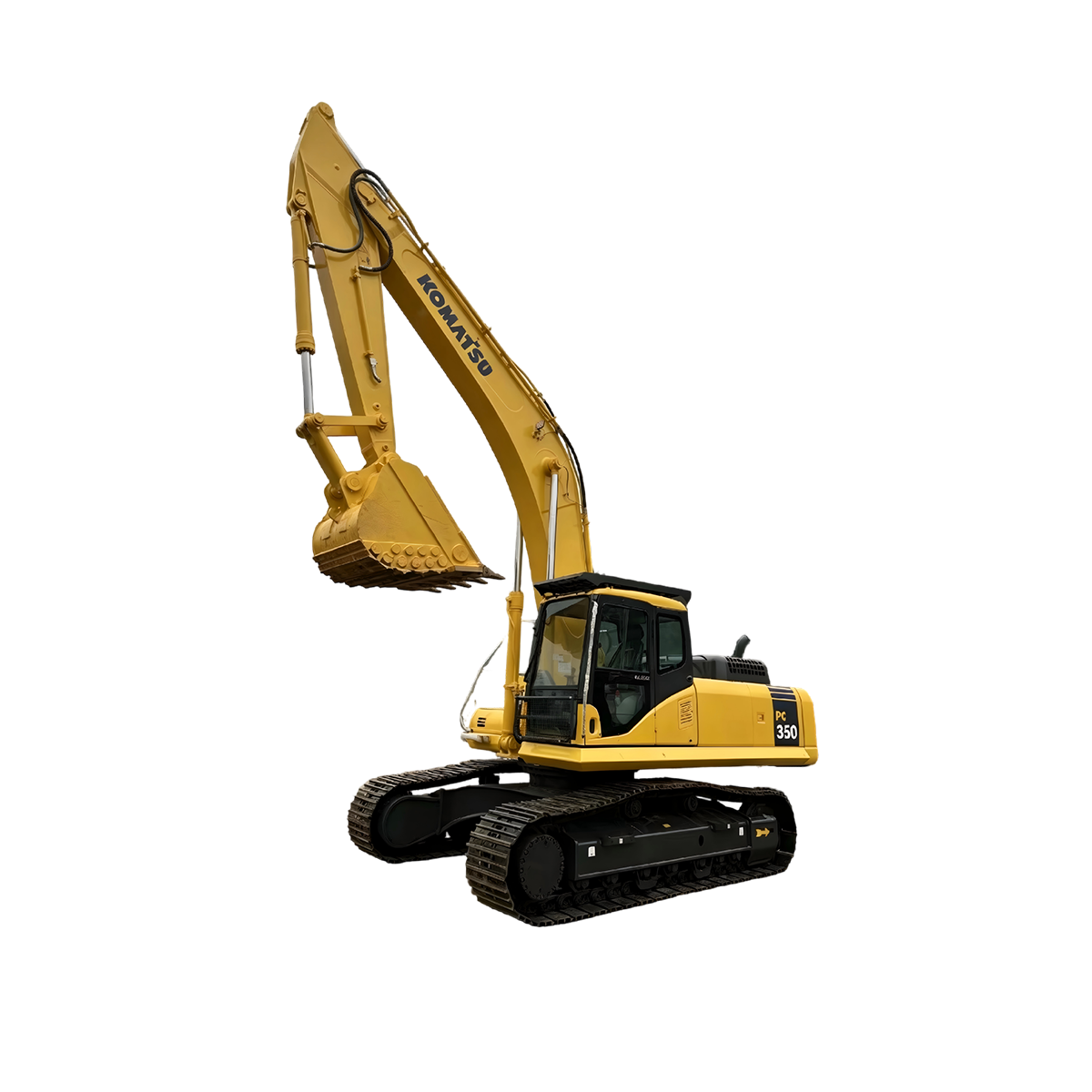
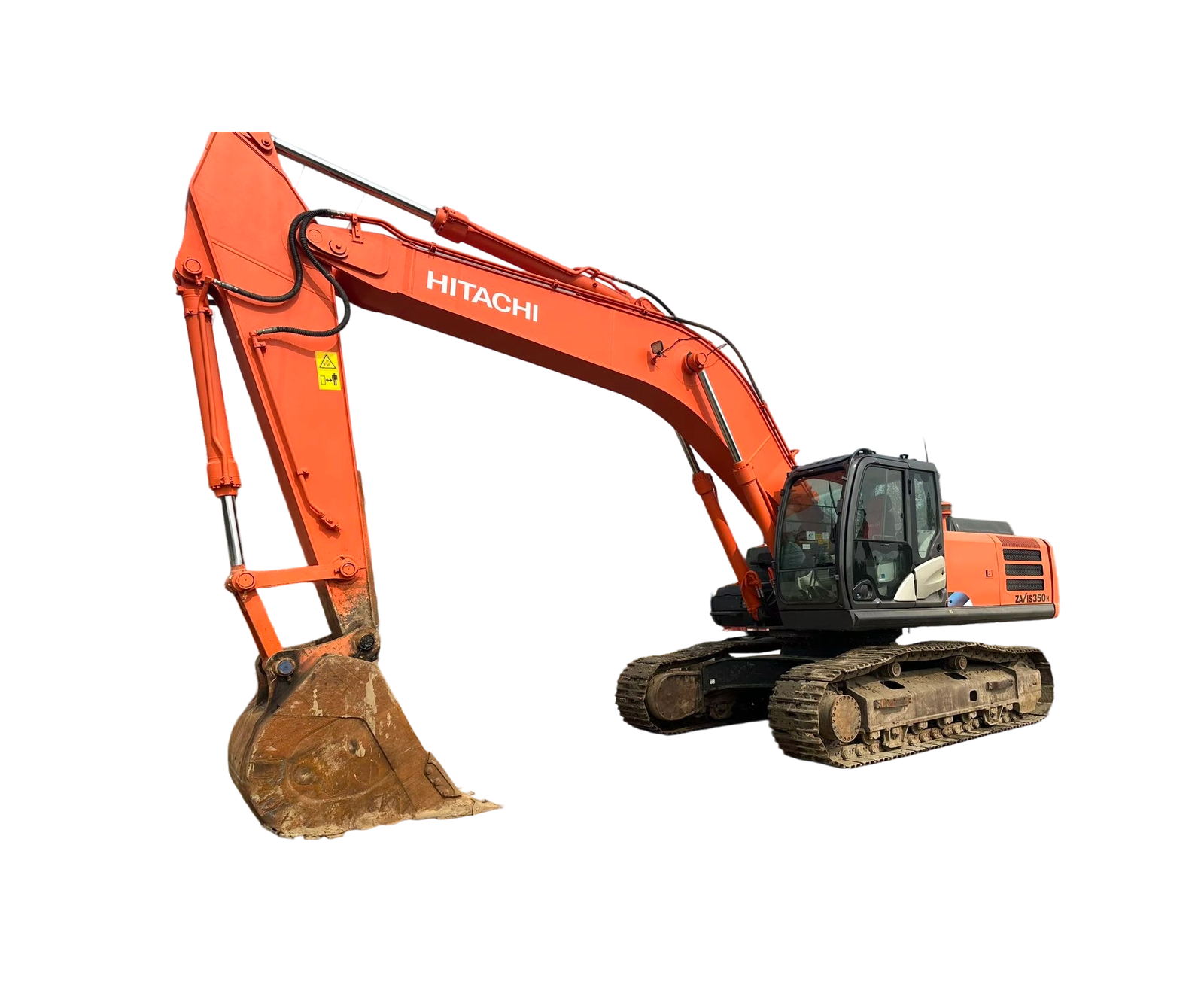
- Large excavators
Factors influencing size selection include:
- Jobsite space
- Digging depth requirements
- Transportation limitations
- Fuel efficiency
- Attachment compatibility
Choosing the correct machine size improves productivity and operational efficiency.
Importance of Maintenance History
Maintenance history provides valuable insight into how well a second hand excavator has been cared for during its operational life.
Well-documented service records may include:
- Oil changes
- Hydraulic servicing
- Component replacements
- Scheduled inspections
- Repair history
Machines with comprehensive maintenance documentation are often more reliable and easier to evaluate.
Buyers should prioritize excavators with consistent maintenance practices and professional servicing records.
Technology Features in Modern Used Excavators
Many modern second hand excavators include advanced technologies that improve efficiency and operator comfort.
Available features may include:
- GPS machine guidance
- Fuel efficiency systems
- Operator monitoring displays
- Hydraulic optimization controls
- Safety monitoring systems
These technologies help improve productivity while reducing operating costs.
Buyers can often access advanced machine features at lower costs by purchasing high-quality used excavators.
Financing Options for Used Equipment
Many equipment dealers and financial institutions offer financing solutions for second hand excavators.
Financing benefits may include:
- Lower upfront costs
- Improved cash flow
- Flexible payment terms
- Faster equipment acquisition
Businesses should compare financing structures carefully to identify options that align with operational budgets and project timelines.
Affordable financing can make fleet expansion more manageable for growing construction companies.
Building Long-Term Value Through Smart Purchasing
Purchasing a second hand excavator is a significant investment that can impact productivity, operational efficiency, and project profitability.
Successful buyers focus on:
- Equipment quality
- Supplier reputation
- Maintenance standards
- Operational suitability
- Long-term ownership value
Careful purchasing decisions help businesses maximize equipment lifespan and reduce unexpected operational interruptions.
Quality used excavators can continue delivering reliable performance for many years when properly maintained.
Finding quality second hand excavators requires research, careful inspection, and collaboration with reliable equipment suppliers. From authorized dealers and online marketplaces to auctions and rental fleet sales, buyers now have access to a wide range of sourcing options.
For construction companies, agricultural businesses, mining operators, and contractors, used excavators offer an affordable and practical solution for expanding equipment capabilities while controlling costs.
By evaluating machine condition, maintenance history, operational requirements, and supplier reputation, businesses can confidently invest in second hand excavators that deliver strong long-term value and dependable performance.