








Industry News
Why a Small Wheel Loader Is Ideal for Compact Workspaces
Jun
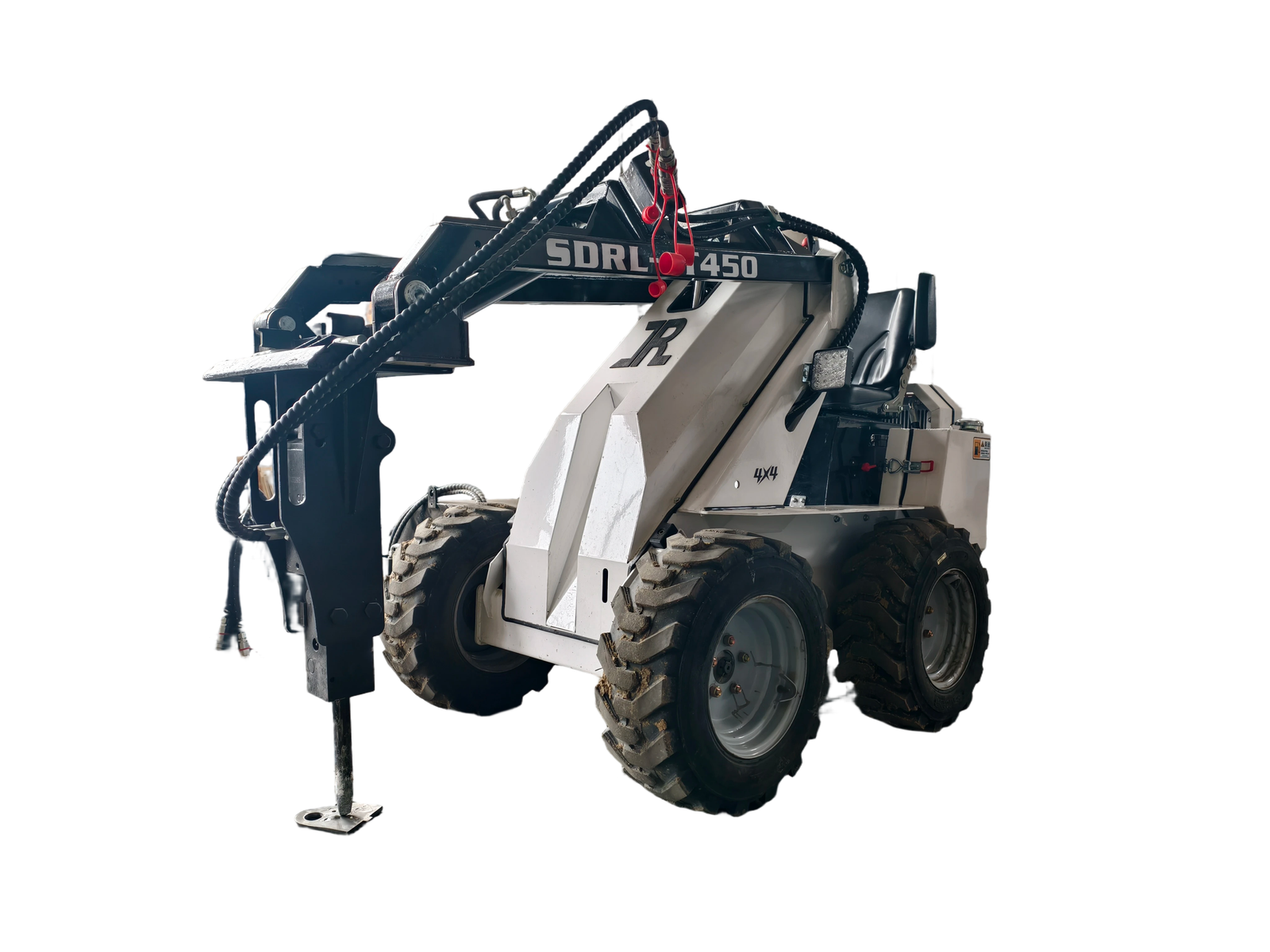
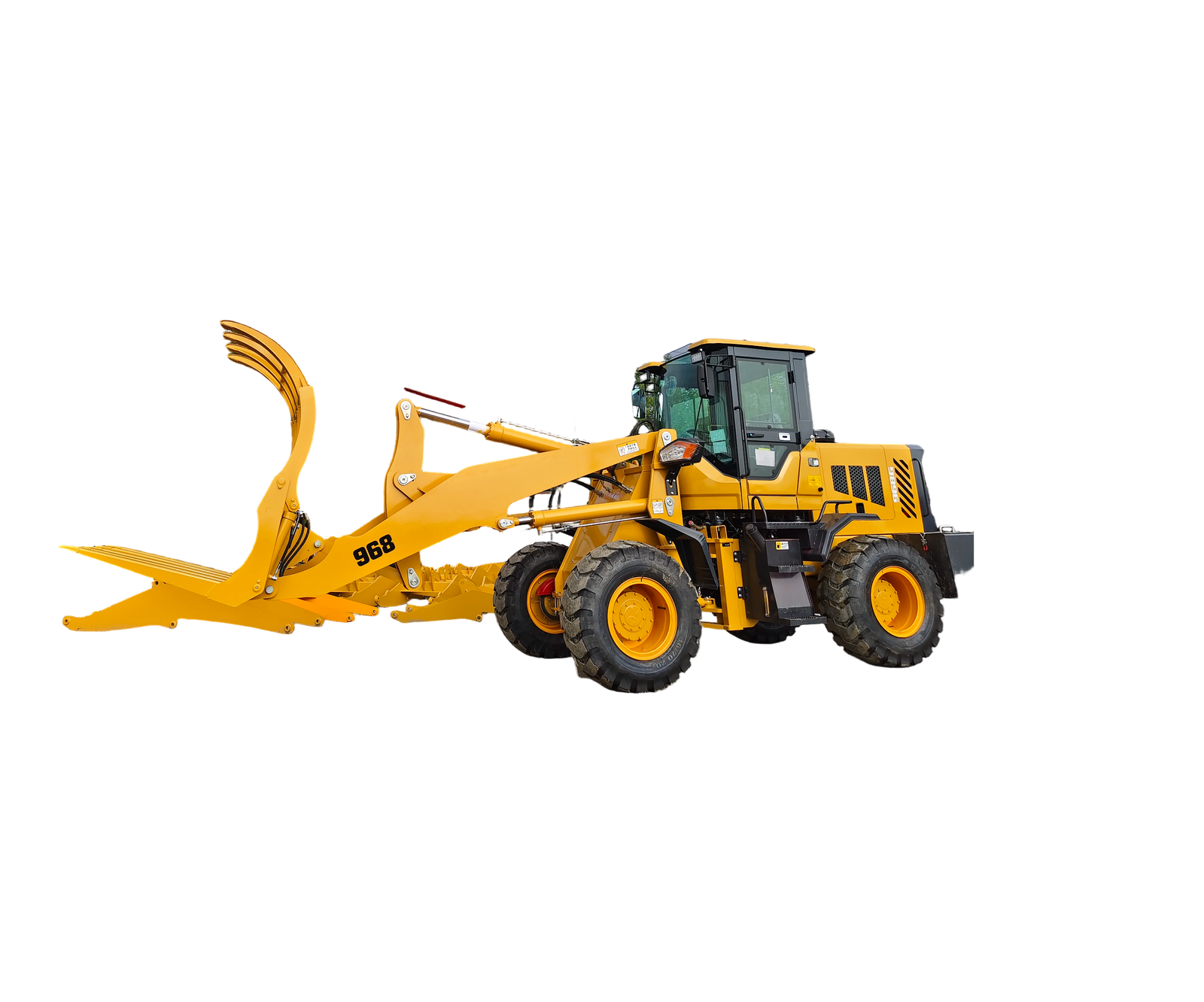
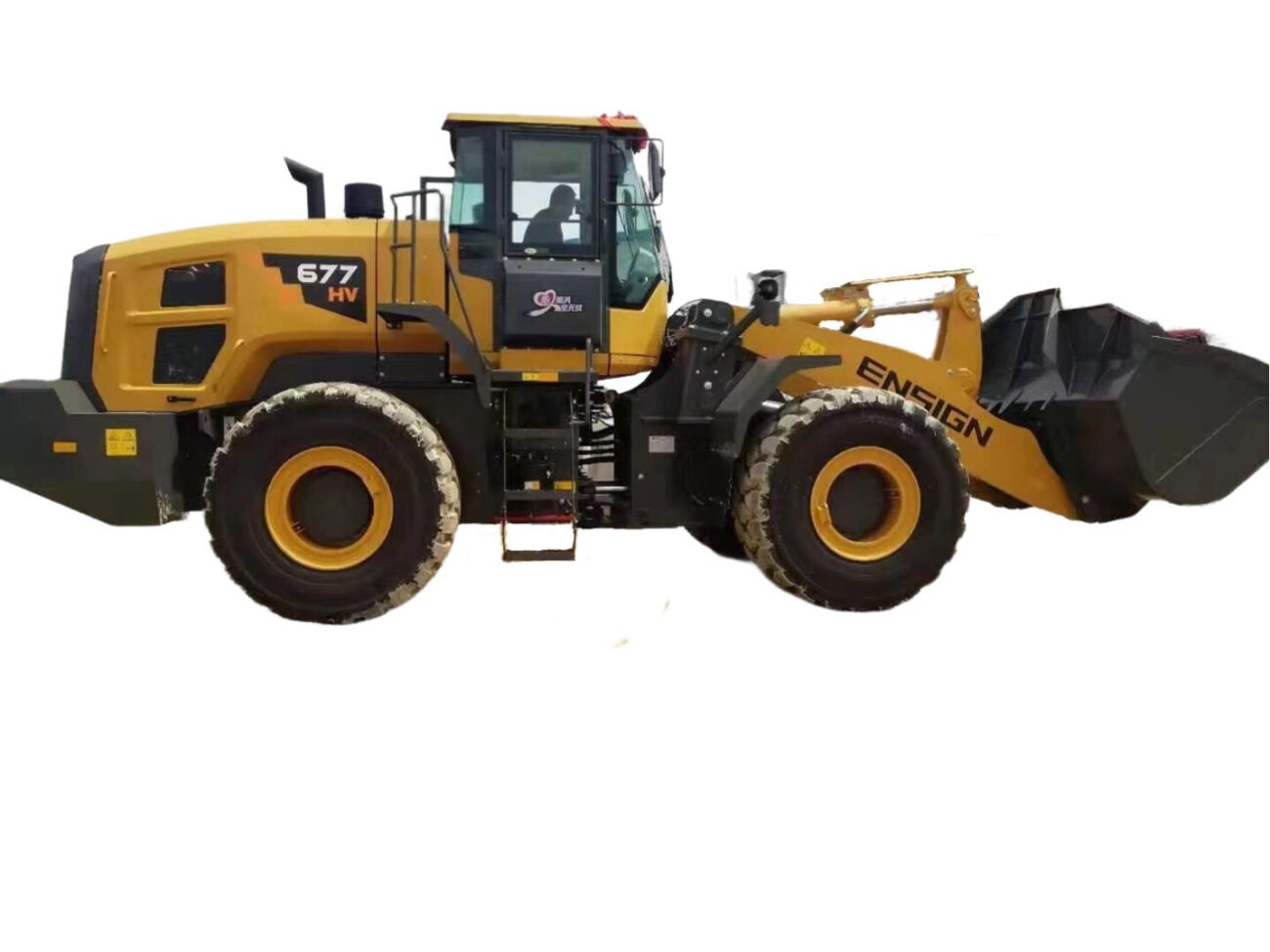
If you have ever tried to maneuver a full-size construction machine down a 1.8 meter wide residential alley, or fit loading equipment through a standard commercial building service entrance, you know how costly and frustrating oversized gear can be for tight project sites. Over years of working with hundreds of local contractors, landscaping teams, and property renovation crews, professional used construction equipment provider THBSMN has seen first-hand why small wheel loaders have become the top pick for all compact workspace jobs, far outperforming larger machines on efficiency, cost savings, and on-site safety.
Unlike one-size-fits-all heavy equipment that is built for open mine sites or large development plots, small wheel loaders are engineered specifically to solve pain points unique to restricted work areas. Below we break down the core advantages that make these machines irreplaceable for small scale, space-constrained projects.
Unmatched Maneuverability in Restricted Zones
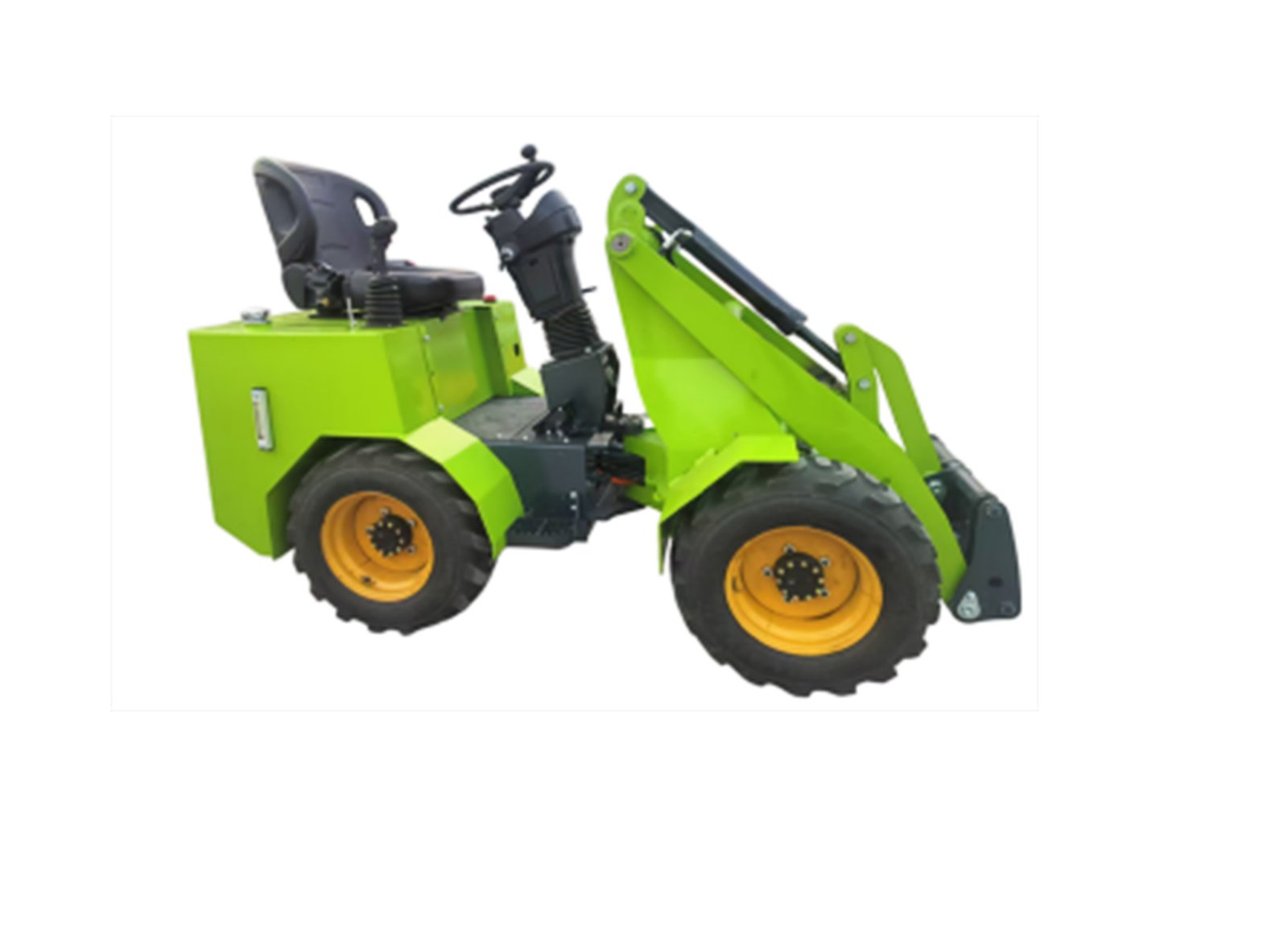
The most obvious benefit of a small wheel loader for compact workspaces is its industry-leading tight turning radius, which most mid-range models keep below 2 meters. A full-size standard wheel loader often needs 5 to 7 meters of clear space to complete a full 180-degree turn, which is impossible to find on narrow urban sidewalks, basement renovation sites, or tight backyard landscaping plots.
Most compact wheel loader models also have a total height of less than 2 meters and total width under 1.5 meters, meaning they can easily roll through standard residential doorways, fit inside building construction elevators, and pass between closely spaced parked cars in public parking lot resurfacing projects. THBSMN service records show that for inner-city alley repair projects, teams that switched to small wheel loaders cut their total project timeline by 35% compared to crews using larger hand-operated tools and oversized equipment.
Multi-Purpose Functionality Reduces Site Footprint
Compact workspaces rarely have extra spare area to park multiple different pieces of equipment. A single small wheel loader can swap between 10+ different attachments in less than 5 minutes, eliminating the need to bring separate forklifts, sweepers, snow plows, or material haulers to the site.
For example, a small residential community renovation team can use the bucket to move construction waste first, swap to a pallet fork to unload new paving stones, then attach a rotary broom to clean the finished surface before they leave, all with one machine that takes up less space than a full-size pickup truck. None of their operations take up extra public road space, which removes the need for extra city permits for large equipment parking on site. Many THBSMN clients report they no longer get local government fines for occupying excess public space after switching to a single small wheel loader for all their neighborhood projects.
Lower Ground Pressure for Delicate Surfaces
A hidden pain point for many compact workspaces is that their ground surfaces are not designed for heavy construction equipment. Most tight project sites are located on finished asphalt sidewalks, well-maintained residential lawns, or indoor epoxy floors that crack, tear, or scuff easily under heavy loads.
The average compact wheel loader has a ground pressure of only 30 to 50 kPa, which is 70% lower than a full size wheel loader of equal loading capacity. Models fitted with solid non-marking tires can operate fully inside finished retail spaces, warehouses, and exhibition halls without leaving any dark rubber marks or scratching polished floor surfaces. This removes the extra cost of repairing damaged ground surfaces after construction, which can often add 20% to the total project budget for small renovation jobs.
Easy Transport Between Small Job Sites
Most teams that work on compact workspace projects run 3 to 4 separate small jobs across a wide service area every single day. Full size heavy equipment requires a specialized heavy duty lowboy trailer to move between sites, and often needs pre-approved transit permits for narrow urban roads that delay work for hours at a time.
A small wheel loader usually weighs less than 3 tons, which means it can be towed by a standard 1/2 ton pickup truck on a regular lightweight flatbed trailer, no special transport permits required. You can easily pull up to a small residential job site, unload the machine in 2 minutes, and finish the full task before any large equipment would even finish arranging transit access to the area. THBSMN’s low-hour certified used small wheel loader inventory all comes with factory pre-installed standard tow hook connections, so new owners can start moving between multiple job sites immediately after purchase.
Optimized Operating Cost for Small Scale Projects
Most compact workspace projects have relatively tight budgets that cannot support the high operating costs of large construction equipment. A full size wheel loader often burns 12 to 18 liters of diesel per hour during operation, while an equivalent capacity small wheel loader only uses 2 to 4 liters per hour, cutting fuel costs by more than 75%.
Routine maintenance for small wheel loaders is also far simpler, with common service parts widely available at local hardware stores, no specialized technician callouts required for regular oil changes and part replacements. If you select a high-quality pre-owned unit, the total purchase cost of a small wheel loader is often 50% lower than a brand new unit, without any drop in performance for light to medium compact workspace tasks.
For any team that regularly works on tight, space-constrained project sites, a small wheel loader is not just a “nice to have” piece of equipment, it is a high return-on-investment workhorse that cuts timelines, reduces extra costs, and eliminates almost all the logistical headaches that come with bringing large machinery into confined areas.