








Industry News
2nd hand excavator Wheel VS Track Diggers Suitability For Different Job Sites
Jul
When purchasing construction equipment, choosing the right excavator type can directly influence work efficiency, operating convenience, and project results. For many contractors, farmers, landscaping companies, and small construction businesses, buying a 2nd hand excavator is a practical way to access reliable machinery while managing project budgets effectively.
Among used excavators, wheel excavators and track excavators are two common options with different working characteristics. Understanding their suitability for different job sites helps buyers make better decisions based on actual working conditions, transportation needs, and project requirements.
A used excavator is not simply a machine purchase. It is an investment in productivity. The right equipment should match the environment where it will operate, whether that means urban construction areas, agricultural land, road projects, or earthmoving tasks. By evaluating factors such as ground conditions, mobility, stability, and workload, users can select a machine that delivers long-term value.
Wheel Excavators Provide Flexible Mobility for Urban and Road Projects
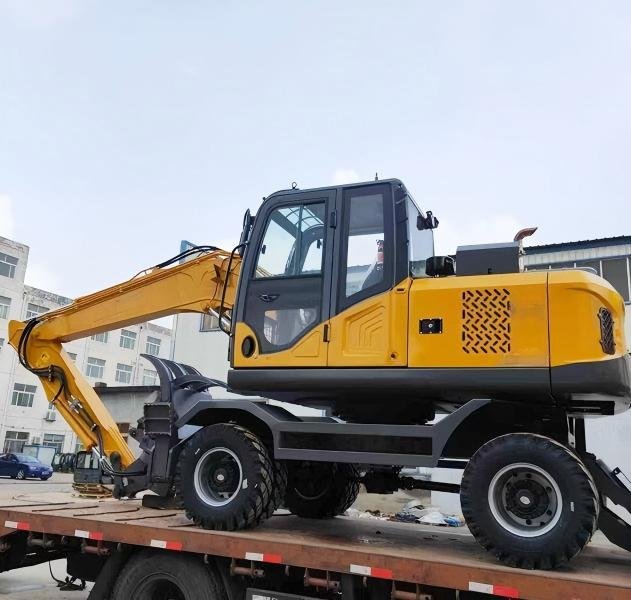
Wheel excavators are known for their excellent mobility and convenient movement between different locations. Their wheeled structure allows operators to travel efficiently on paved roads and prepared surfaces, making them suitable for projects where frequent relocation is required.
For urban construction projects, wheel excavators can be a practical choice. City environments often involve multiple work areas within a limited distance, such as utility installation, road maintenance, drainage projects, and landscaping improvements. The ability to move quickly between locations helps reduce transportation time and improves daily productivity.
Road construction and municipal maintenance teams also benefit from the flexibility of wheel excavators. When working along streets or public areas, equipment mobility becomes an important factor because projects may require frequent repositioning.
For businesses managing multiple small projects, a 2nd hand wheel excavator can provide a useful combination of performance and flexibility. A properly maintained used machine can continue supporting daily operations while offering a practical solution for companies that need adaptable equipment.
Track Excavators Deliver Stability for Challenging Ground Conditions
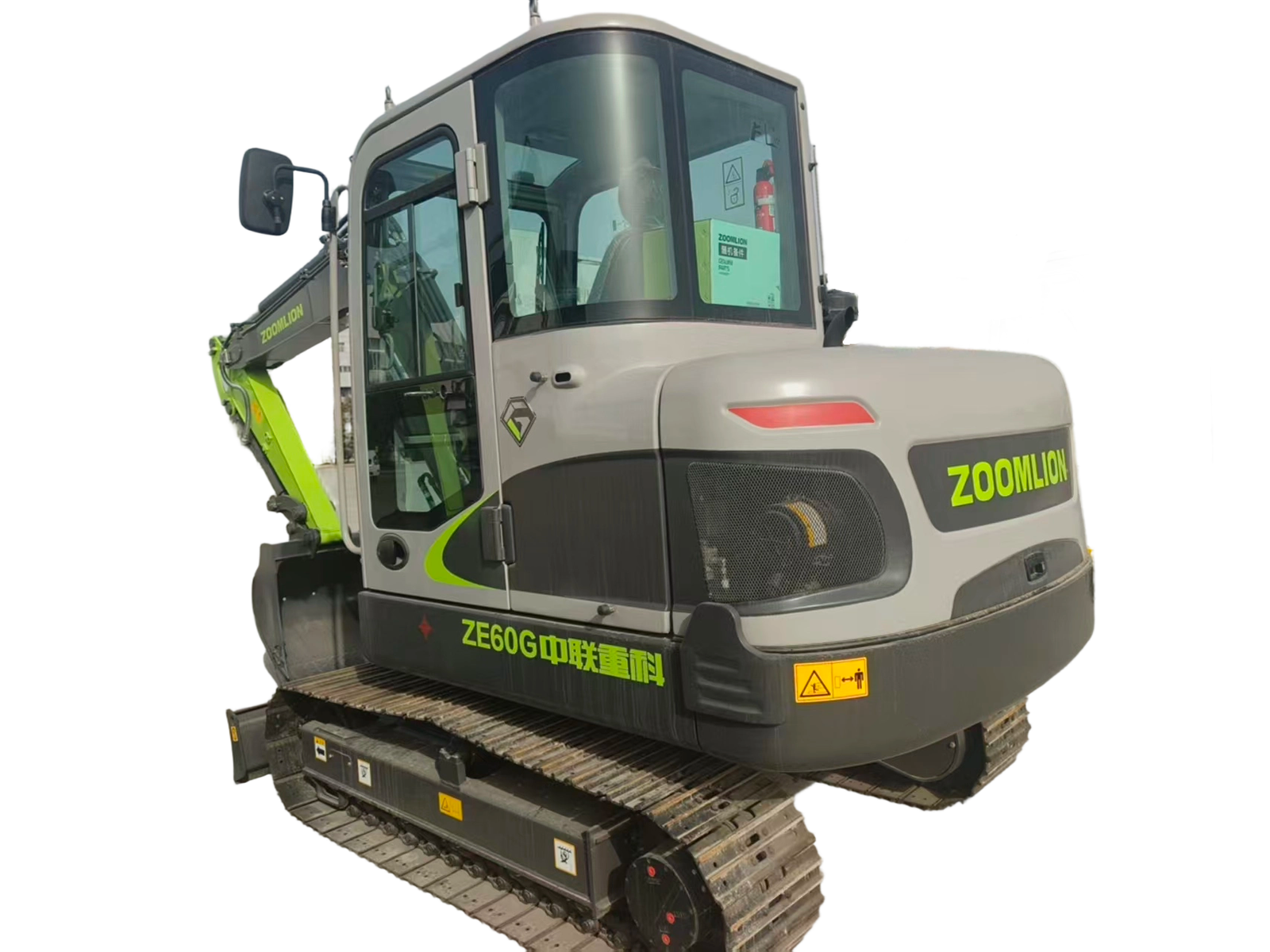
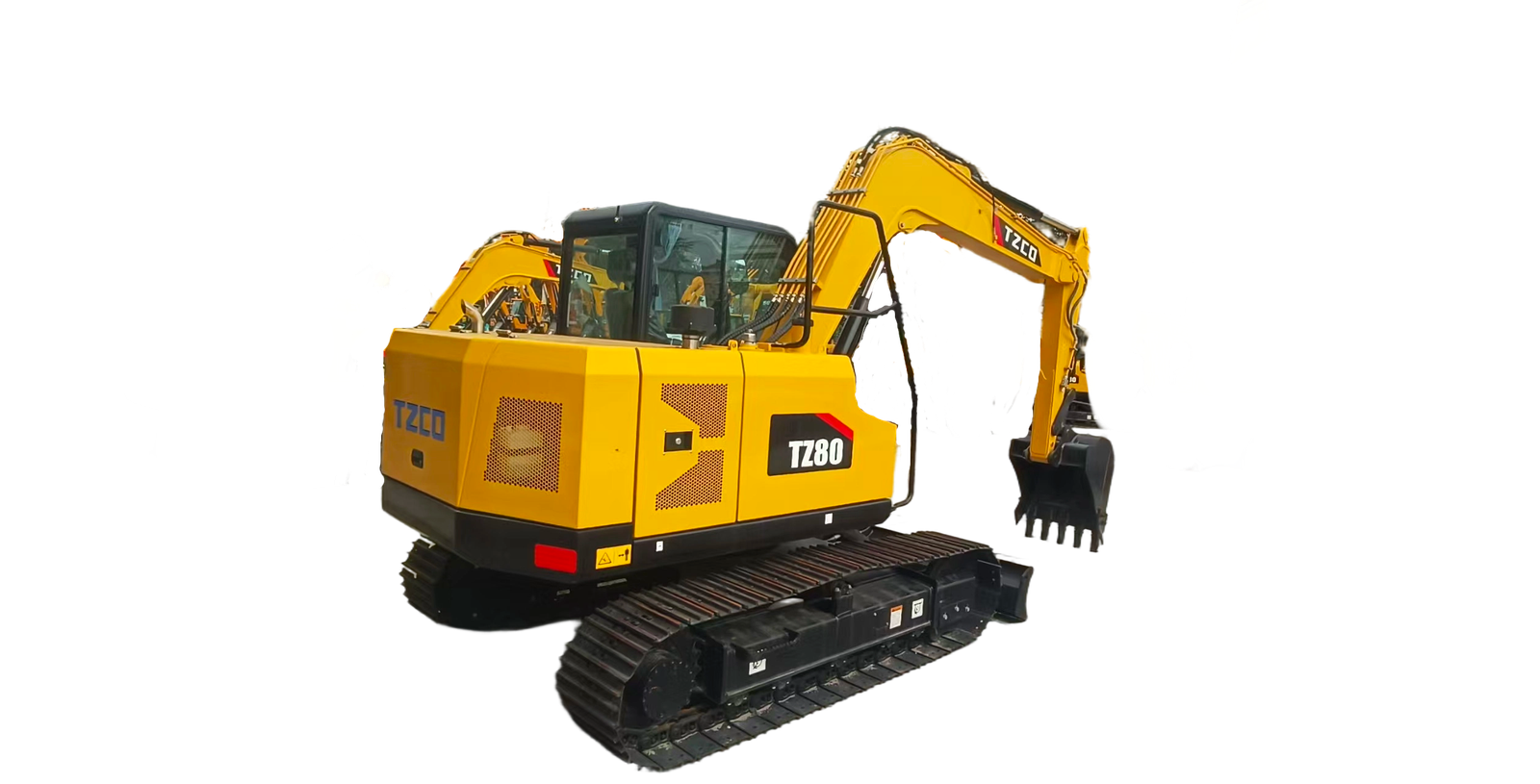
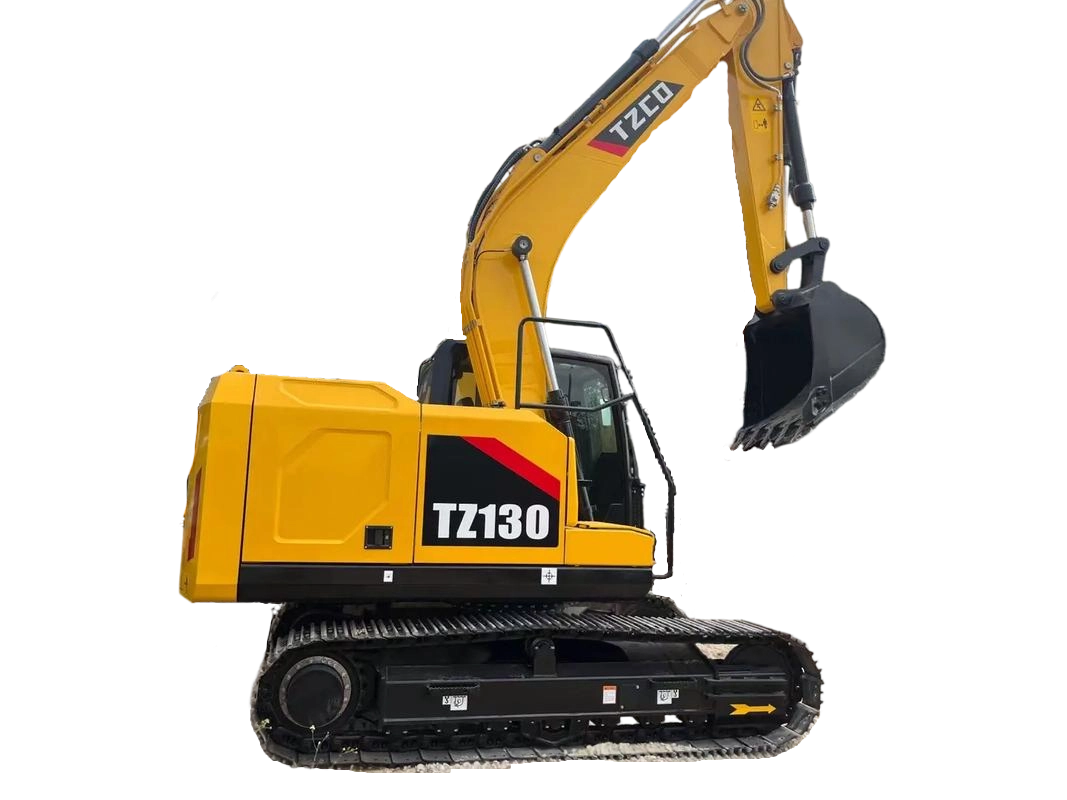
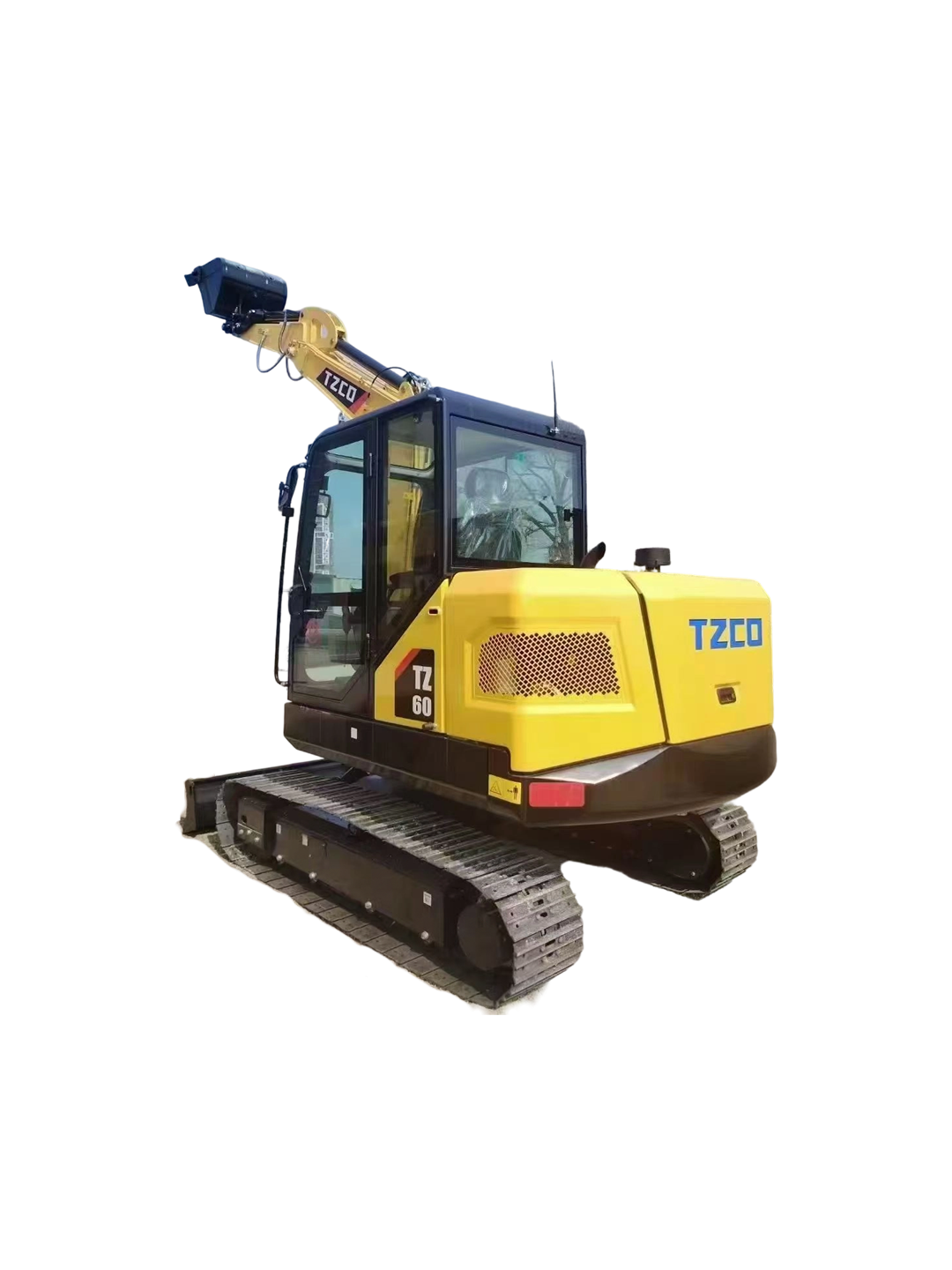
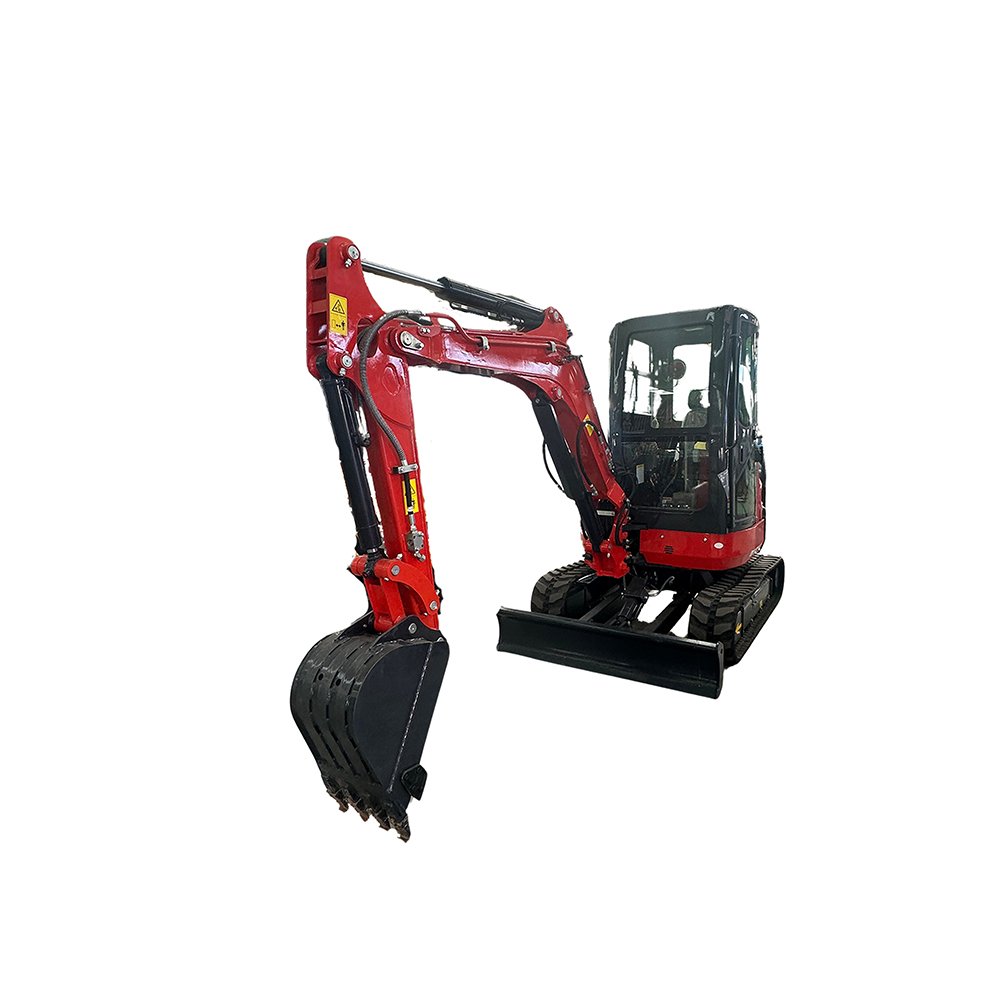
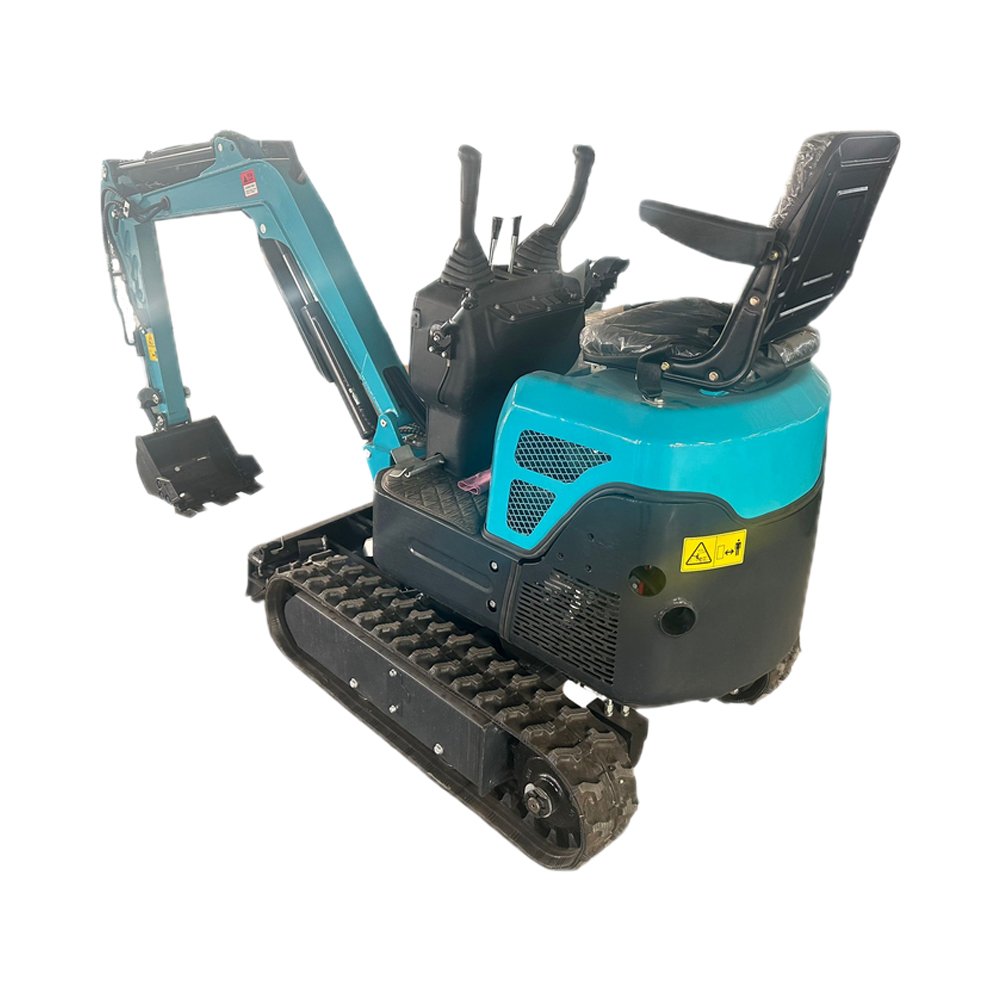
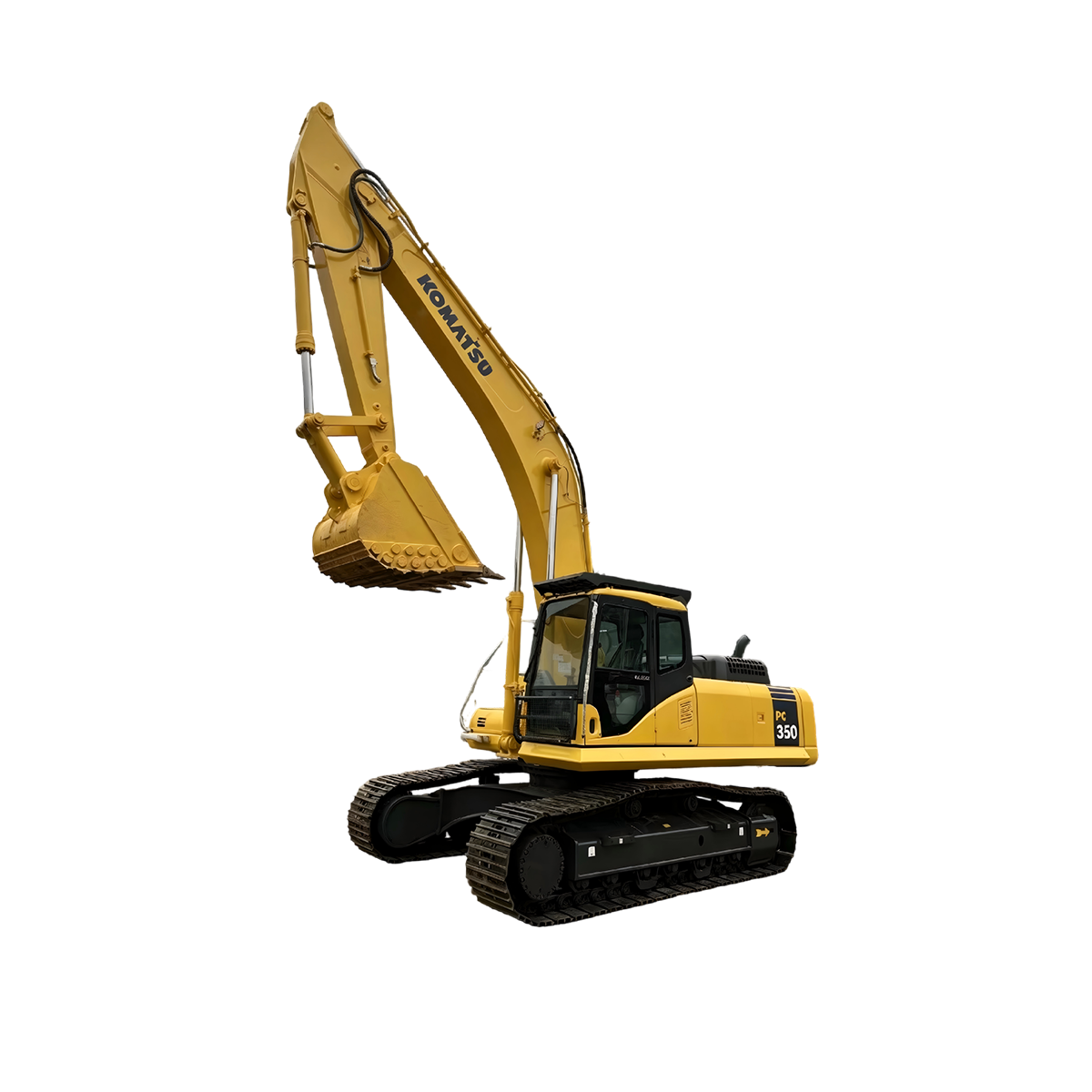
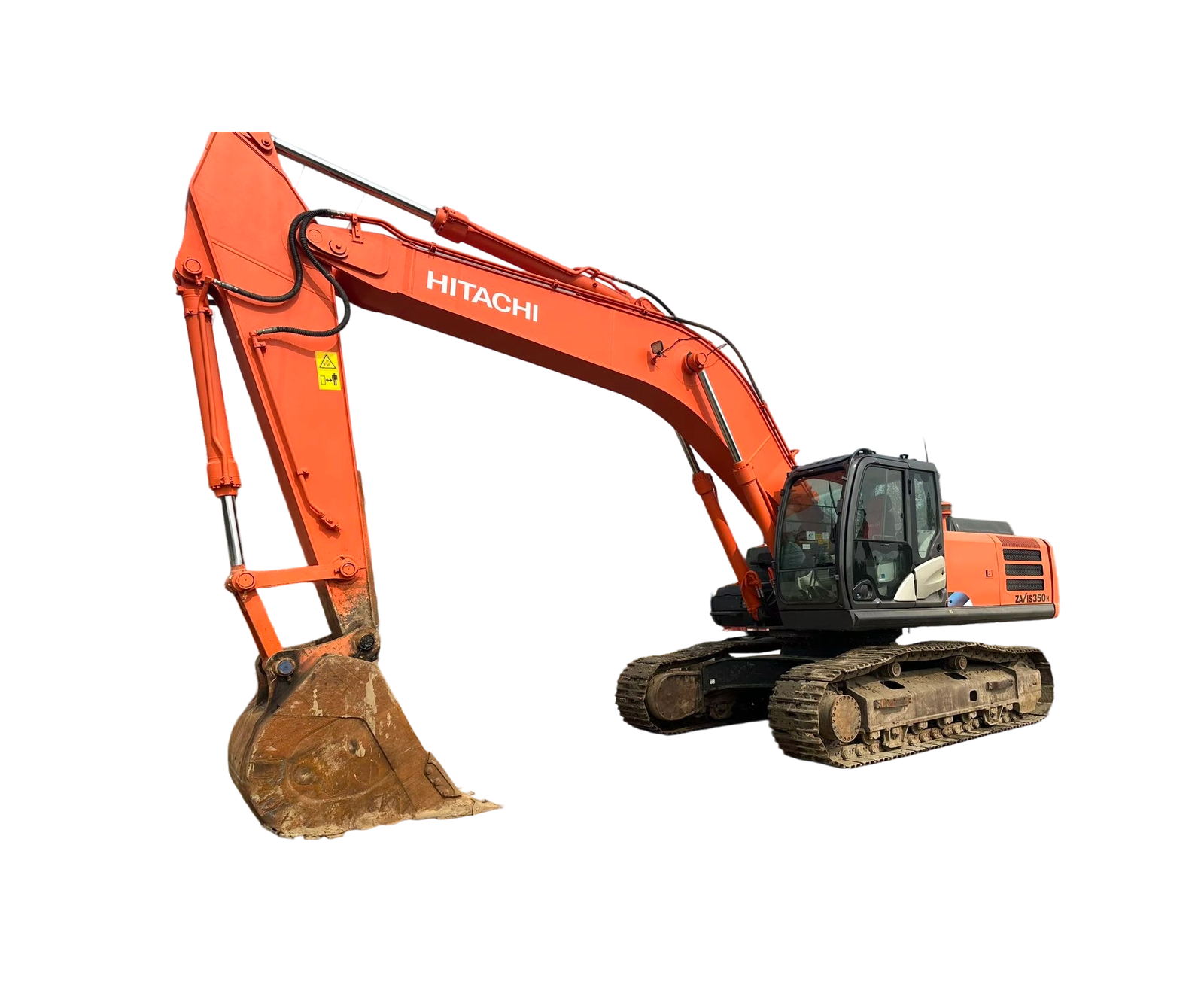
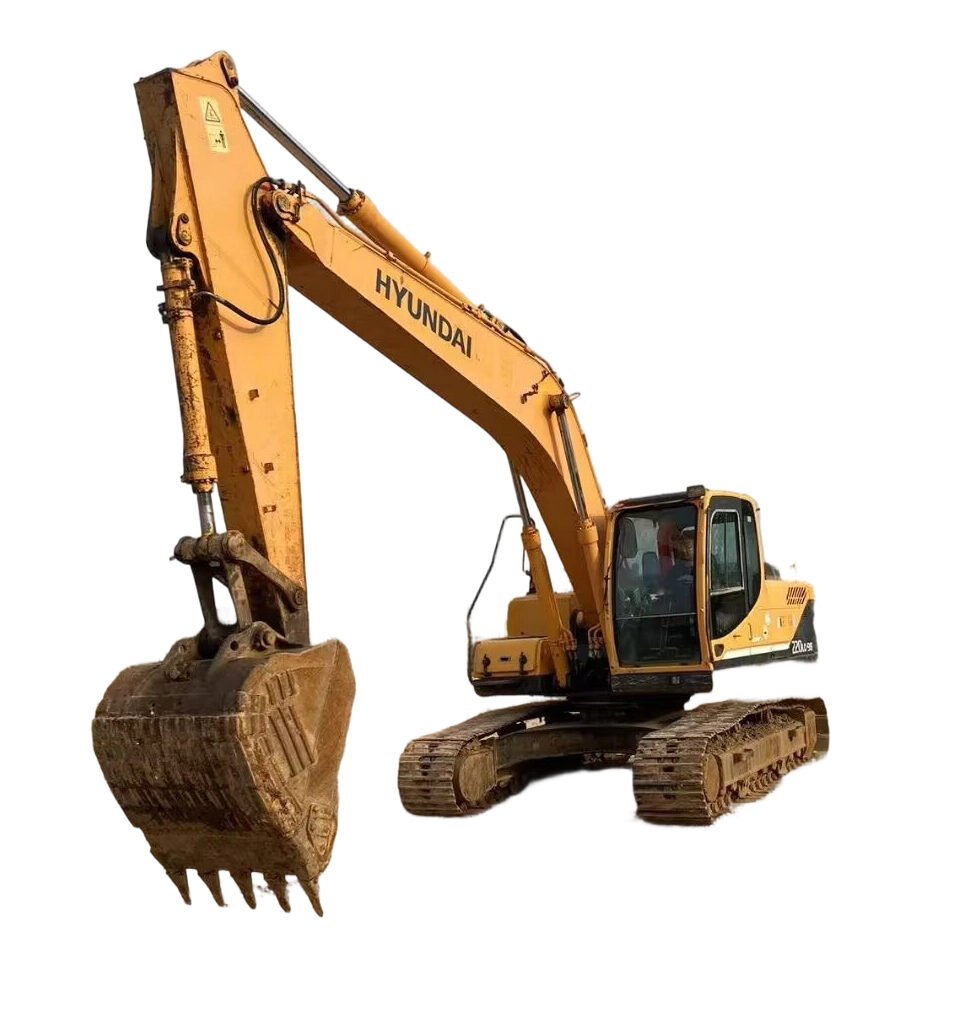
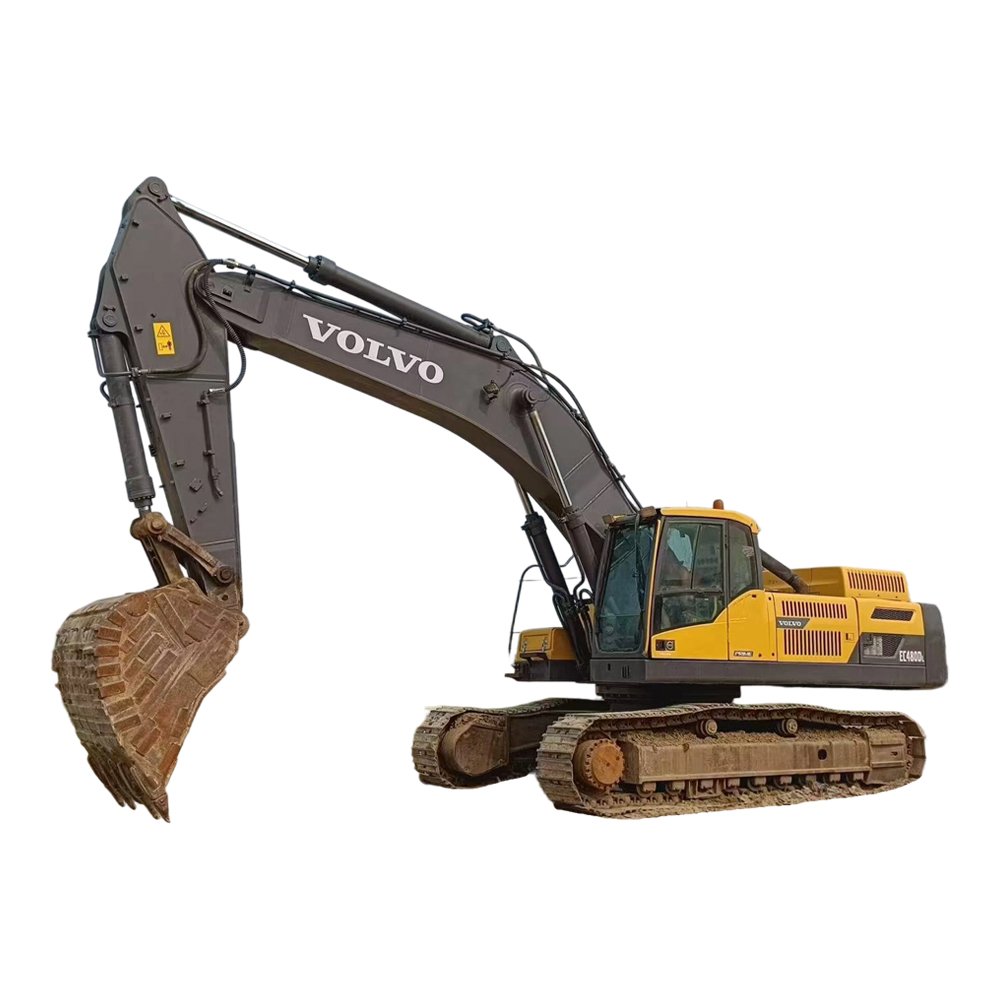
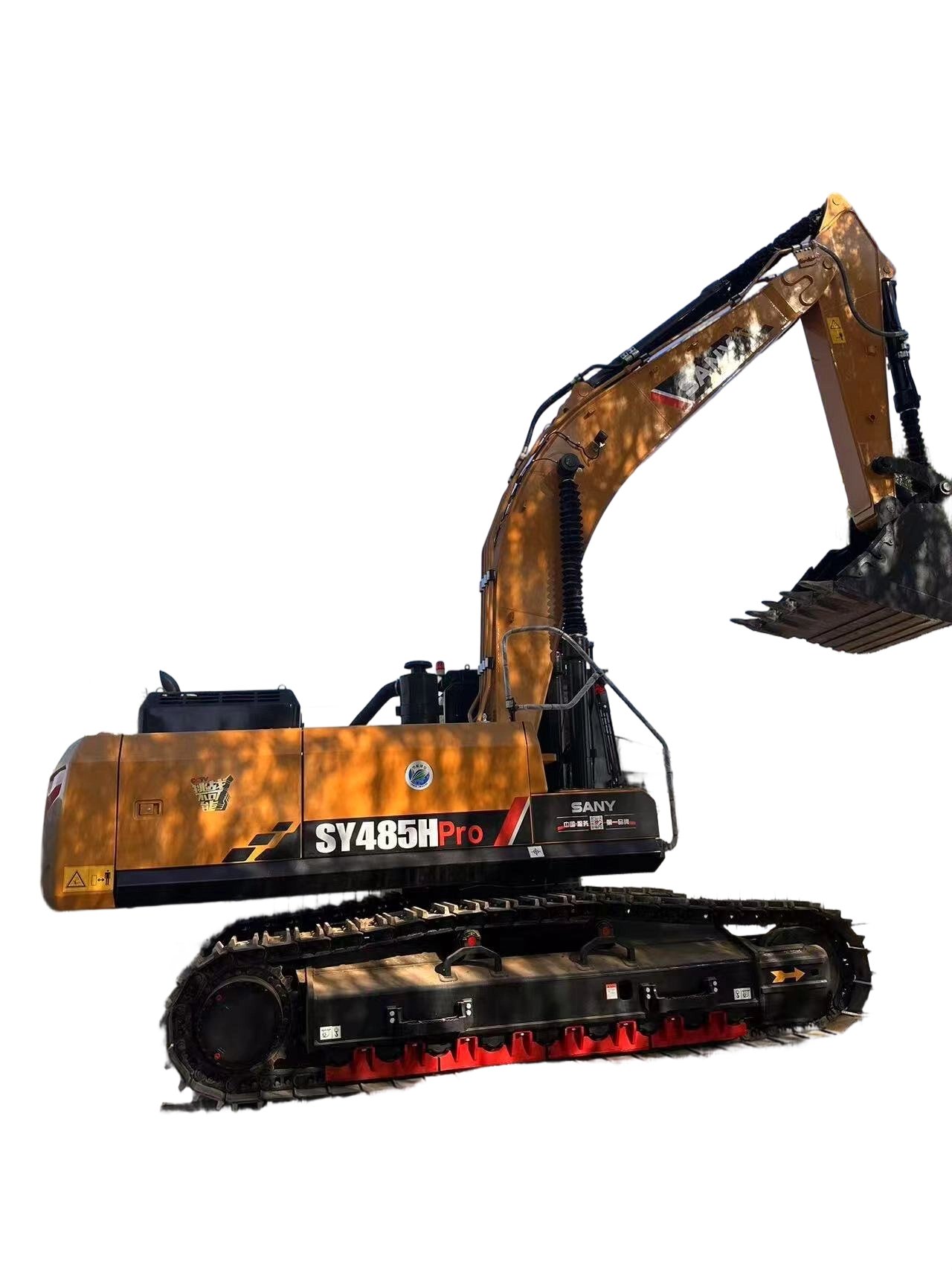
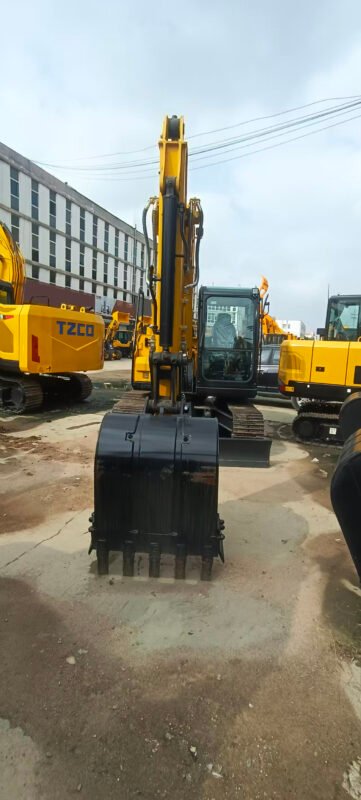
Track excavators are widely used in projects that require strong stability and reliable digging performance. Their tracked undercarriage distributes machine weight across a larger contact area, allowing them to operate effectively in environments where ground conditions vary.
For earthmoving, land development, mining support, and large-scale excavation projects, track excavators are often suitable because they provide steady operation during heavy digging tasks. Their stable structure allows operators to work confidently when handling large amounts of soil, rocks, or other materials.
Agricultural projects can also benefit from track excavators. Farm ponds, irrigation systems, land preparation, and drainage improvements often involve uneven terrain where stability is important. A used track excavator with proper maintenance history can become a valuable working partner for long-term projects.
When choosing a 2nd hand track excavator, buyers should pay attention to operating condition, maintenance records, and working hours. These details help ensure that the machine matches the intended workload and provides dependable performance.
Comparing Job Site Requirements Before Buying a Used Excavator
The best excavator choice depends largely on the working environment. Instead of focusing only on machine specifications, buyers should consider how and where the equipment will be used.
For projects requiring frequent movement between locations, a wheel excavator may offer greater convenience. Examples include urban maintenance, road repairs, pipeline installation, and landscaping services. The ability to travel efficiently can help teams complete more tasks within a working day.
For projects involving uneven ground, soft soil, slopes, or heavy digging requirements, a track excavator may provide better working stability. Construction sites with changing terrain often require equipment that can maintain consistent operation under different conditions.
Understanding the main purpose of the machine is an important step before purchasing. A contractor mainly working on city projects may have different needs from a company focusing on land development or agricultural construction.
Important Factors When Buying a 2nd Hand Excavator
Buying a used excavator requires careful evaluation to ensure the machine meets future working demands. Although the purchase price is important, long-term operating value should also be considered.
The maintenance history is one of the most useful sources of information. Regular servicing, proper inspections, and professional care can indicate how well a machine has been managed throughout its working life.
The condition of major components should also be reviewed. Important areas include the hydraulic system, engine performance, operating controls, and structural condition. A detailed inspection helps buyers understand the machine’s current status before making a decision.
The supplier’s experience also matters. A professional supplier can provide information about machine history, specifications, and suitable applications. THBSMN offers used excavator solutions for customers looking for reliable construction equipment options, helping buyers find machines suitable for different project requirements.
How Different Industries Use Wheel and Track Excavators
Excavators play important roles across many industries, and different businesses choose equipment according to their specific applications.
Construction companies often use excavators for foundation work, site preparation, material handling, and infrastructure projects. Landscaping businesses may need compact and flexible equipment for garden development, park improvement, and outdoor construction.
Agricultural users often require excavators for water management projects, land improvement, and farm infrastructure. Meanwhile, contractors involved in larger earthmoving operations may prioritize equipment that provides strong stability and consistent digging ability.
Both wheel and track excavators have valuable roles. The key is matching machine characteristics with actual working requirements. A carefully selected used excavator can support business growth by improving efficiency and expanding service capabilities.
Making a Smart Equipment Investment Decision
Choosing between a 2nd hand wheel excavator and a track excavator depends on understanding project environments, transportation needs, and operating goals. There is no single option suitable for every job because each work site has different challenges and requirements.
A thoughtful purchasing process should include evaluating daily tasks, expected workload, terrain conditions, and future business plans. This approach helps buyers choose equipment that continues providing value over time.
With professional guidance and reliable sourcing channels, businesses can find used excavators that match their operational needs. Suppliers such as THBSMN provide support for customers searching for suitable second-hand excavation equipment, helping users select practical machines for different applications.
The right excavator can improve productivity, simplify daily operations, and support successful project completion. By understanding the differences between wheel and track excavators, buyers can make more informed choices and build a stronger foundation for future work.