








Industry News
Discover what is an excavator used for in drainage projects
Jul
Drainage systems play an essential role in protecting properties, improving land conditions, and supporting infrastructure development. From residential communities and agricultural fields to roads and commercial construction areas, effective drainage helps control water flow and maintain stable ground conditions.
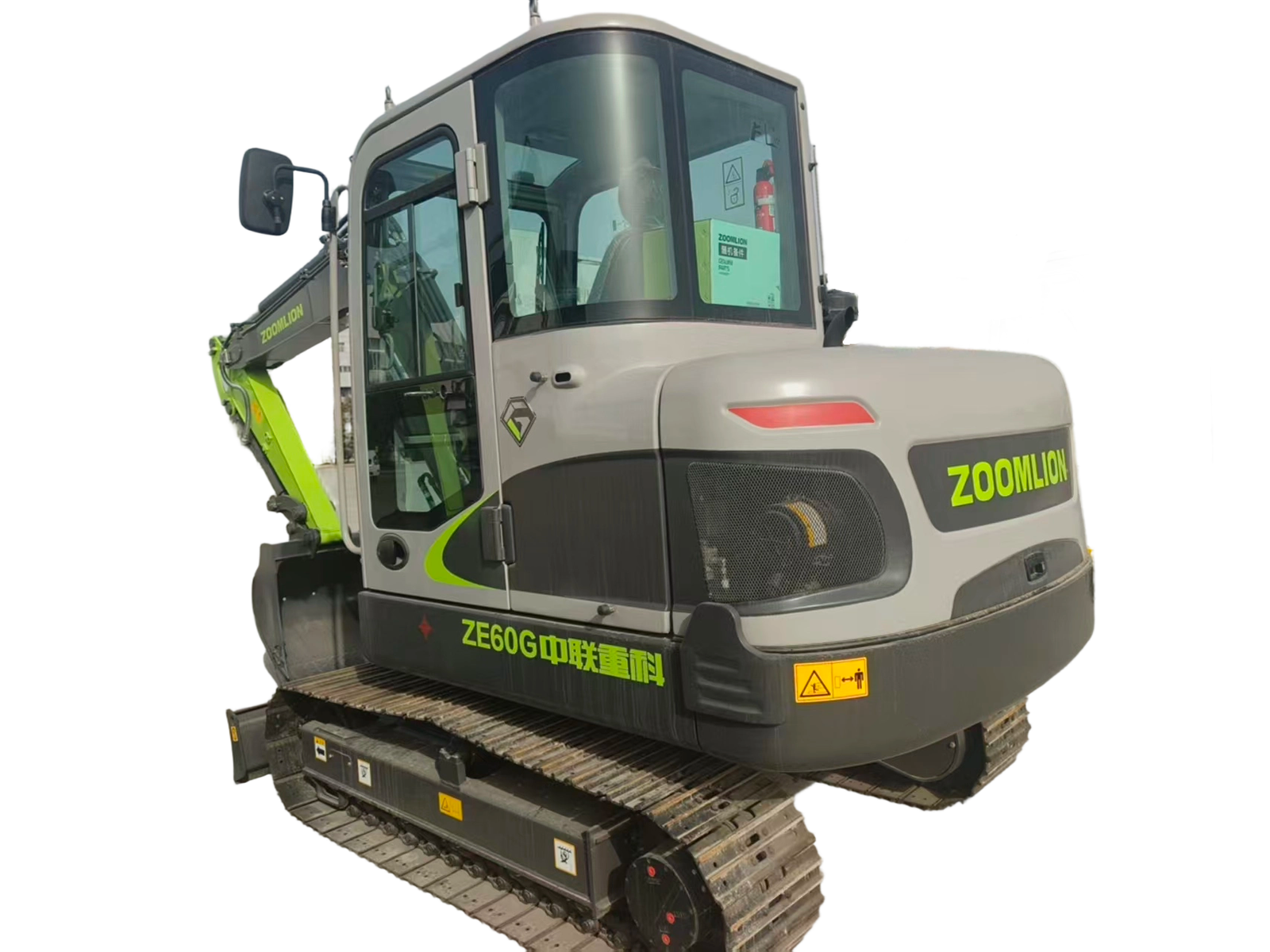
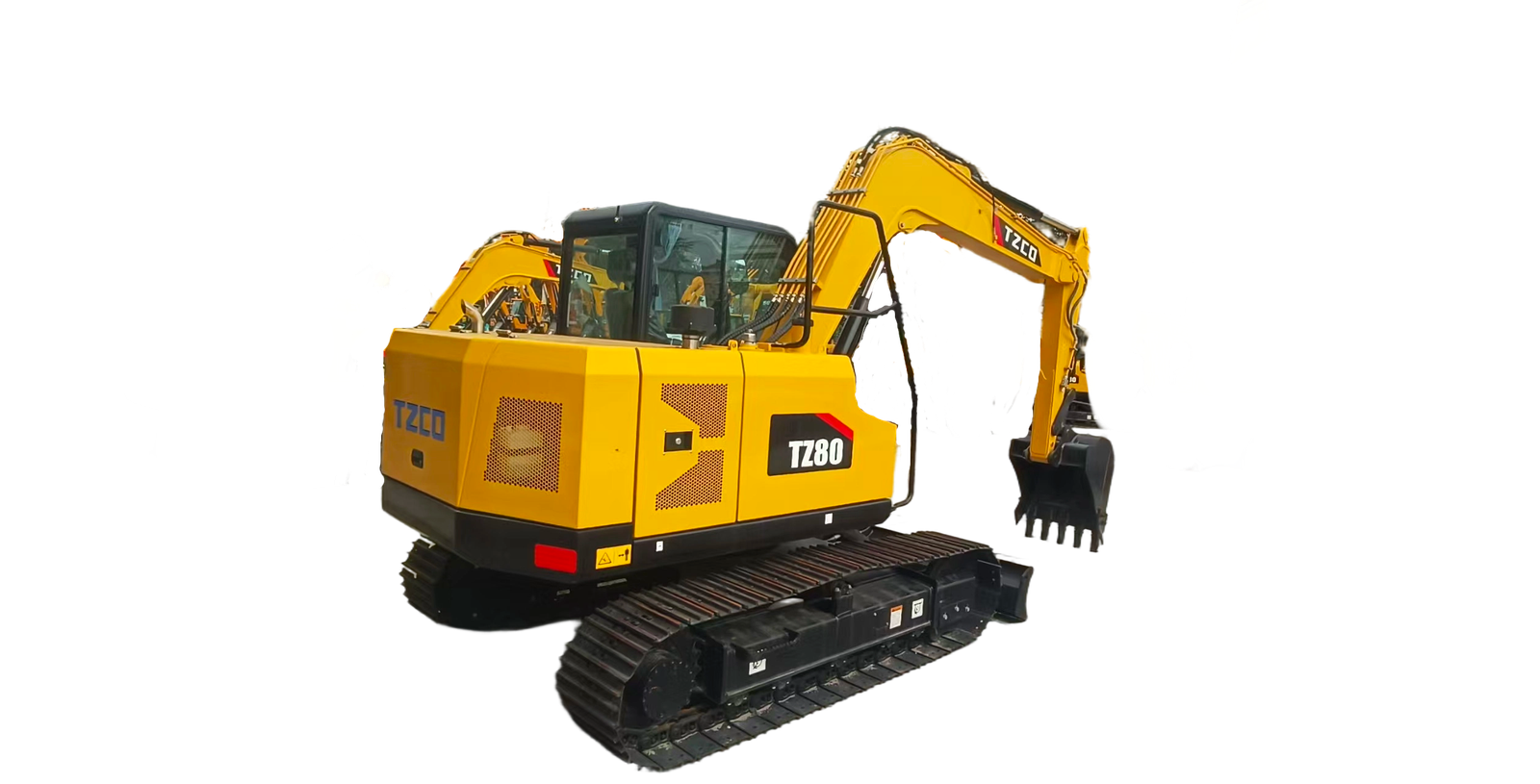
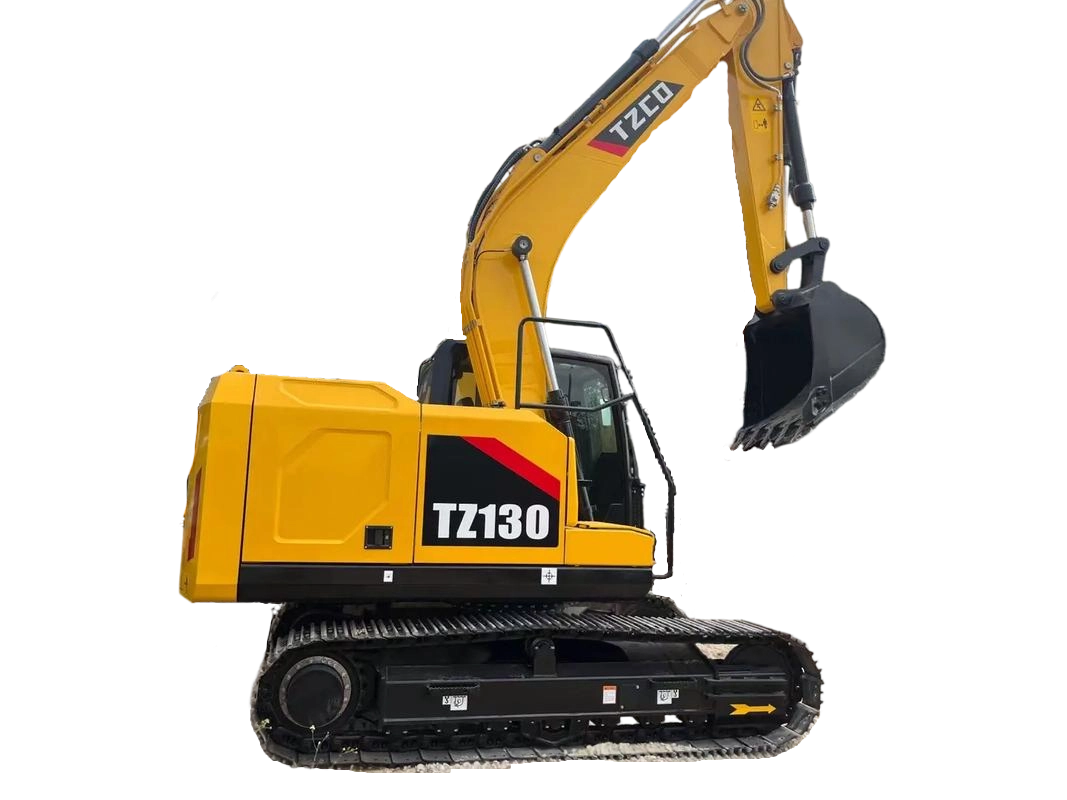
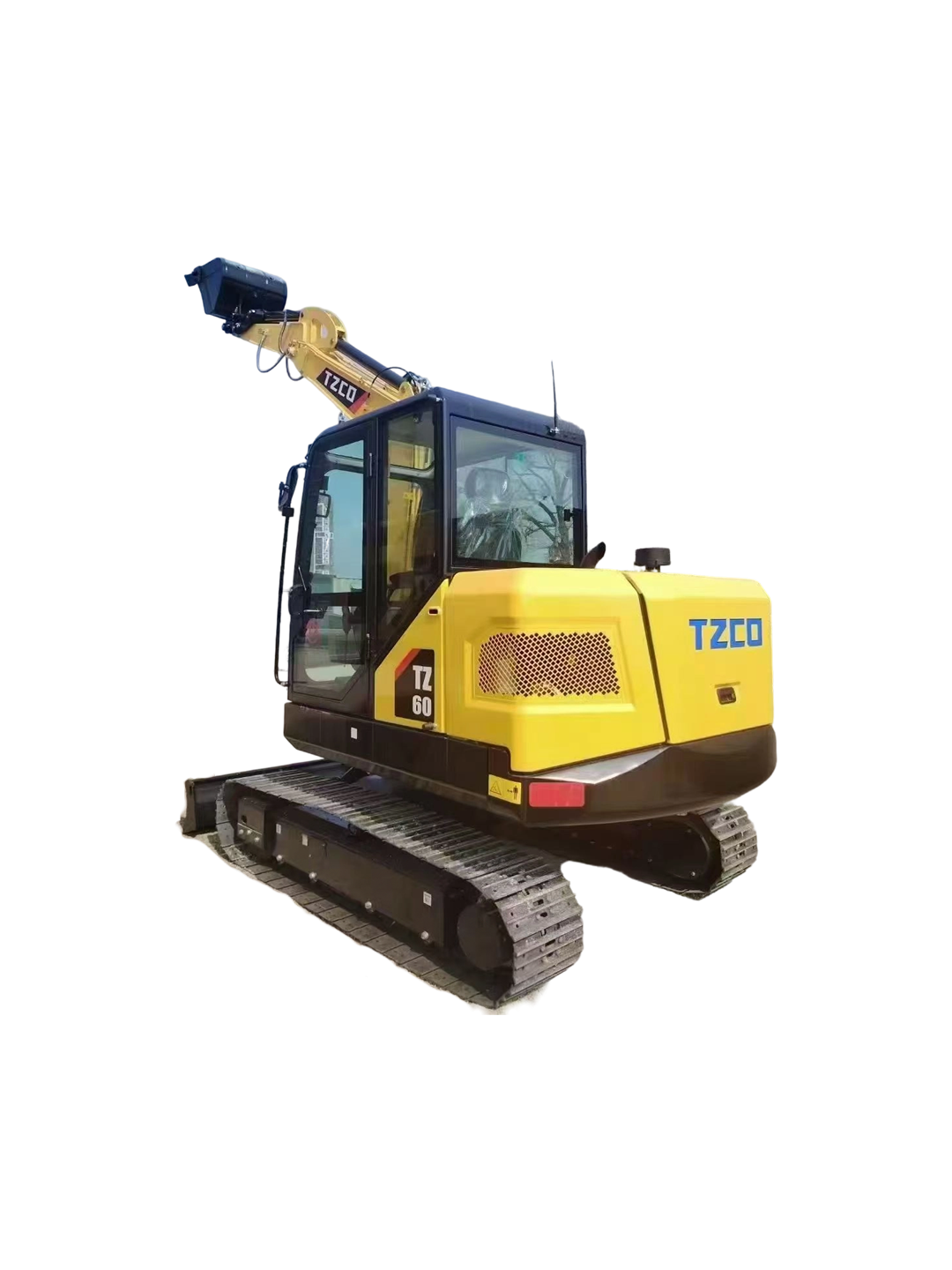
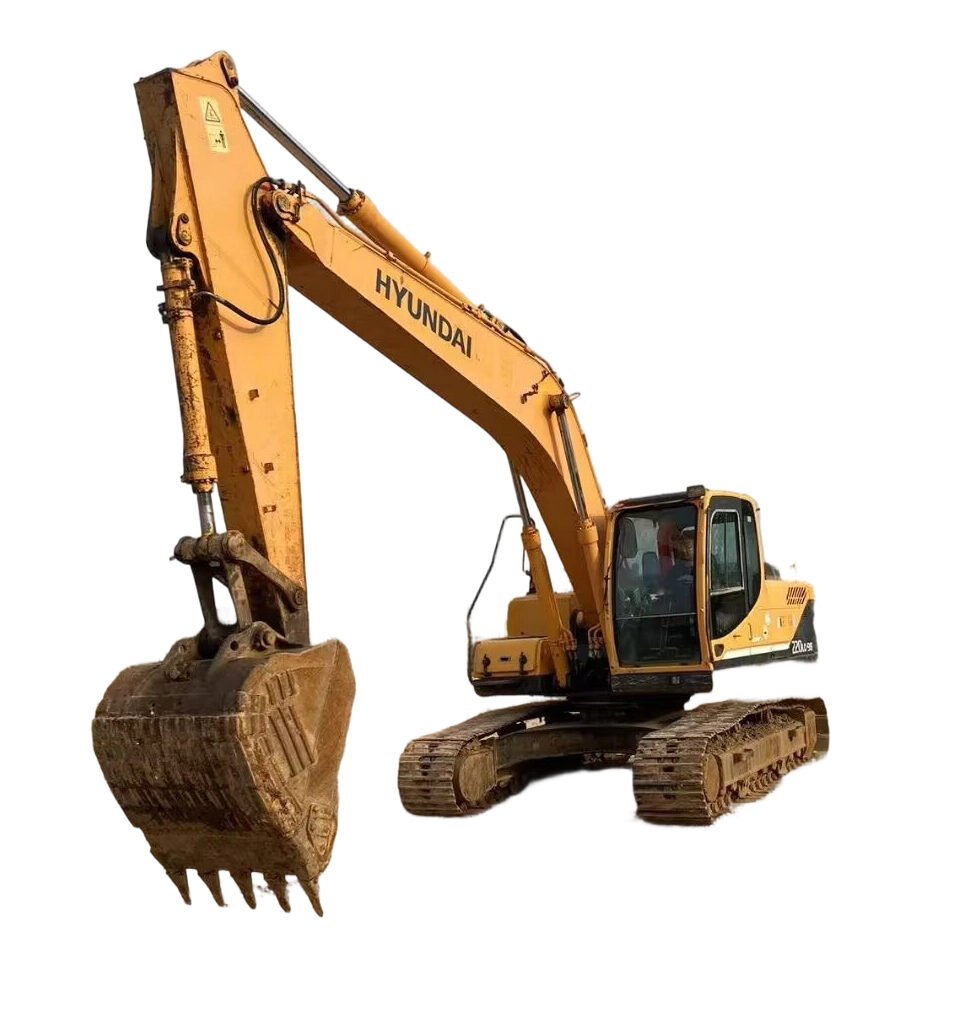
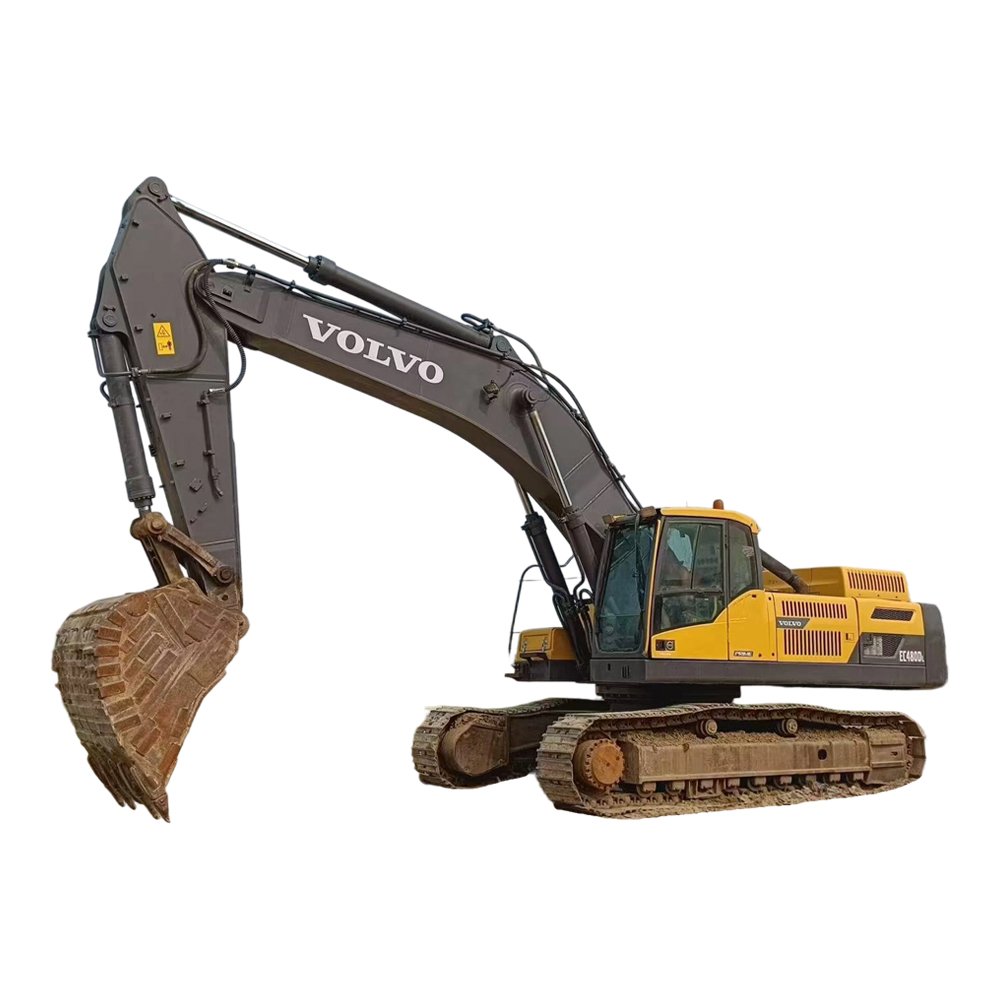
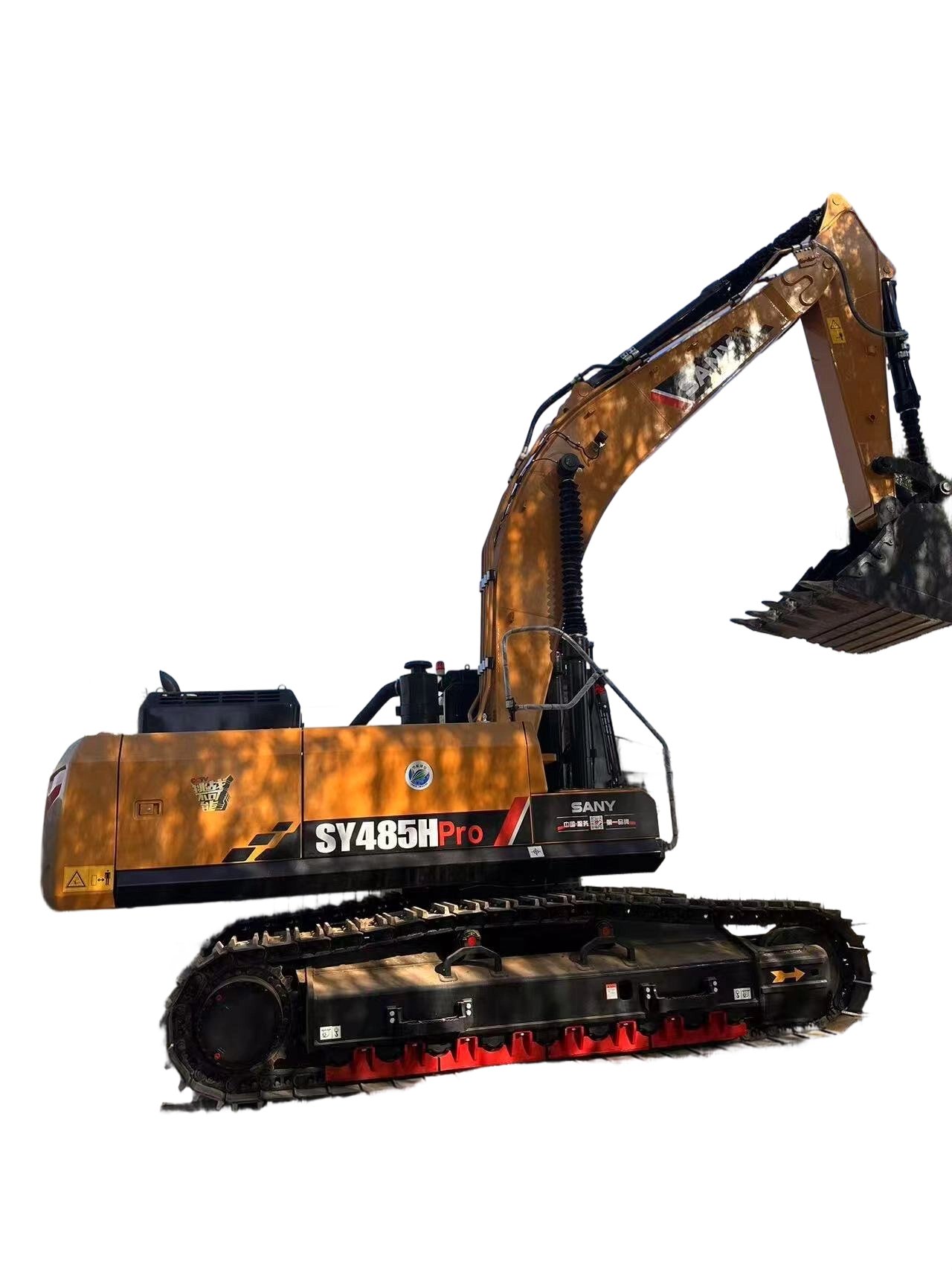
When people ask “what is an excavator used for in drainage projects,” the answer goes far beyond simple digging. Excavators are versatile construction machines that help complete many important tasks, including trench preparation, pipe installation, soil movement, land shaping, and site preparation.
For contractors, property developers, farmers, and construction teams, choosing the right excavation equipment can significantly improve project efficiency. Understanding how excavators contribute to drainage work helps businesses plan projects more effectively and use machinery in a more practical way.
Excavators Help Create Accurate Drainage Trenches
One of the most common uses of excavators in drainage projects is digging trenches for drainage pipes. Proper trench preparation is essential because drainage systems rely on accurate placement and suitable depth to guide water movement effectively.
Excavators allow operators to remove soil efficiently while maintaining better control over trench dimensions. Different drainage projects require different trench sizes depending on pipe diameter, ground conditions, and water management requirements.
For example, a residential drainage improvement project may involve creating narrow trenches around a property, while agricultural drainage systems may require longer channels across large areas of farmland. Excavators provide the flexibility needed for both small and large-scale applications.
Modern excavators can also work with different attachments, allowing operators to adjust equipment according to project needs. This flexibility makes them valuable tools for various drainage construction environments.
Supporting Drainage Pipe Installation and Site Preparation
After trenches are prepared, excavators continue to support the next stages of drainage installation. They are commonly used for moving soil, placing materials, and preparing the surrounding area.
During drainage construction, workers often need to handle large amounts of earth, gravel, sand, or other materials. Excavators help transport and position these materials more efficiently, reducing manual workload and improving project organization.
For example, when installing underground drainage pipes, excavators can assist with preparing bedding areas and ensuring the installation space is ready before pipes are placed. After installation, the machine can also help return soil and reshape the surface.
This makes excavators an important part of the complete drainage workflow, not just a tool for initial excavation.
Excavators Improve Efficiency in Agricultural Drainage Projects
Agricultural land often faces challenges related to water management. Excess water can affect soil conditions, crop growth, and farming operations. Proper drainage systems help farmers maintain healthier fields and improve land usability.
In agricultural drainage projects, excavators are commonly used to create drainage channels, reshape farmland areas, and improve water flow paths. Their ability to move large amounts of soil makes them suitable for preparing extensive areas efficiently.
For farmers and agricultural contractors, equipment efficiency is important because drainage work often needs to be completed within specific seasonal periods. Reliable excavation machinery helps complete projects according to planned schedules.
Whether creating field channels, maintaining drainage routes, or preparing land improvements, excavators provide practical support for modern farming needs.
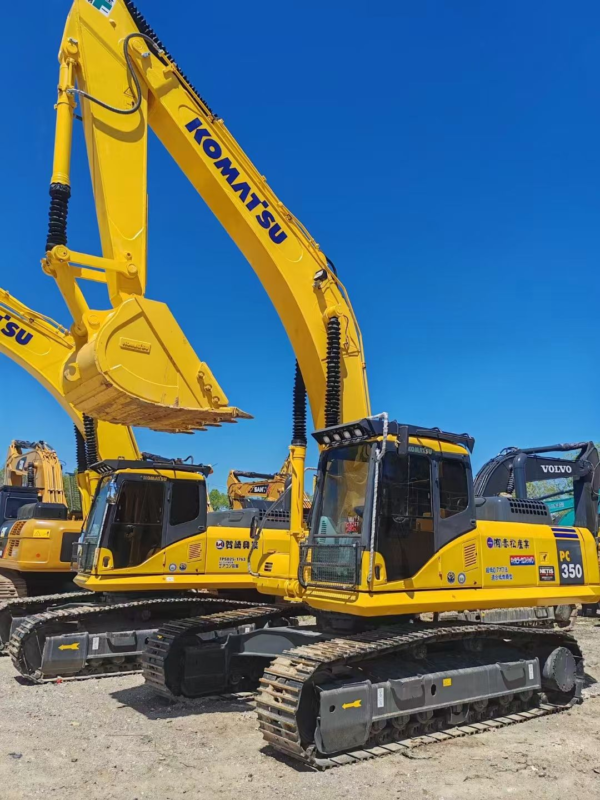
Excavators Assist Road and Infrastructure Drainage Construction
Drainage is also a critical part of road and infrastructure development. Roads require effective water management systems to maintain stable conditions and improve long-term usability.
During road construction projects, excavators are used for tasks such as digging drainage ditches, preparing underground pipe routes, moving construction materials, and shaping surrounding land.
Large infrastructure projects often involve complex site conditions, making flexible equipment essential. Excavators can operate in different environments and support various construction stages, from early ground preparation to final site adjustments.
For construction companies, using suitable excavation equipment helps improve workflow coordination and allows teams to complete drainage-related tasks more efficiently.
Choosing the Right Excavator for Drainage Applications
Different drainage projects require different machine capabilities. Selecting the right excavator depends on factors such as project size, working environment, soil conditions, and required attachments.
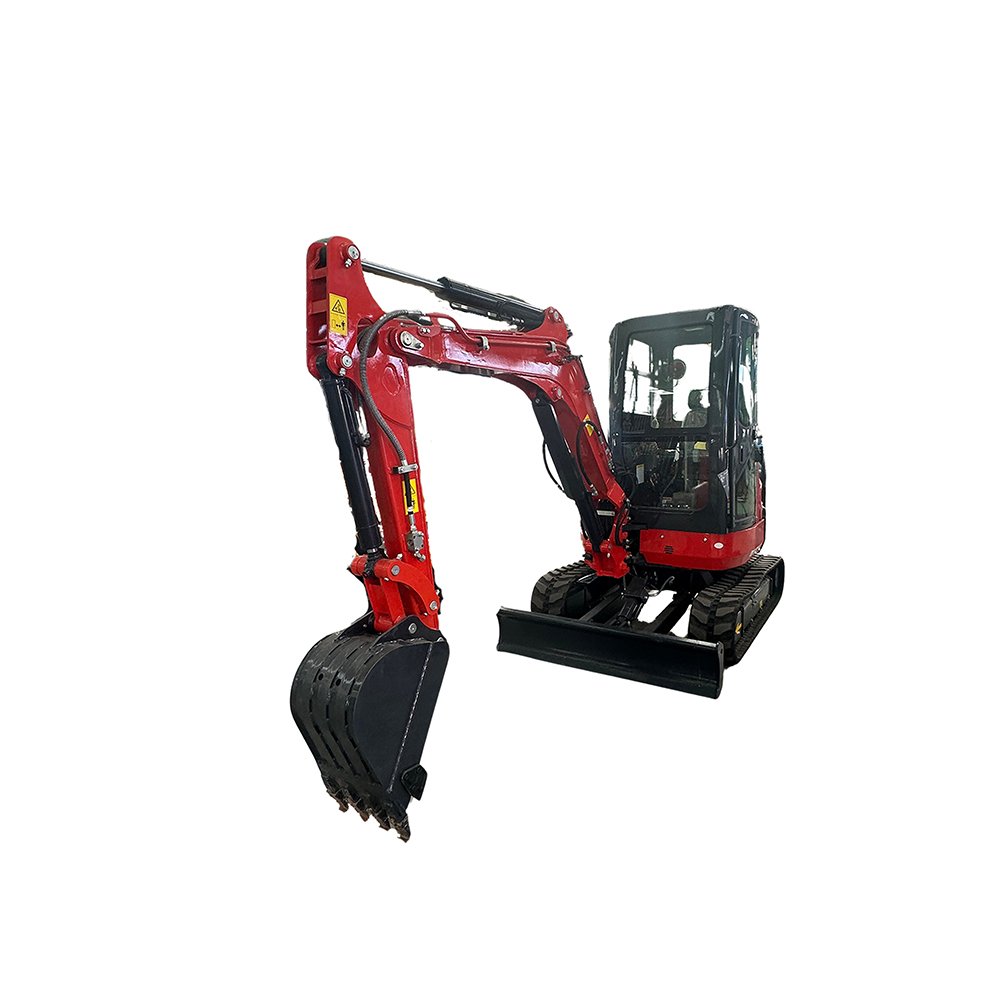
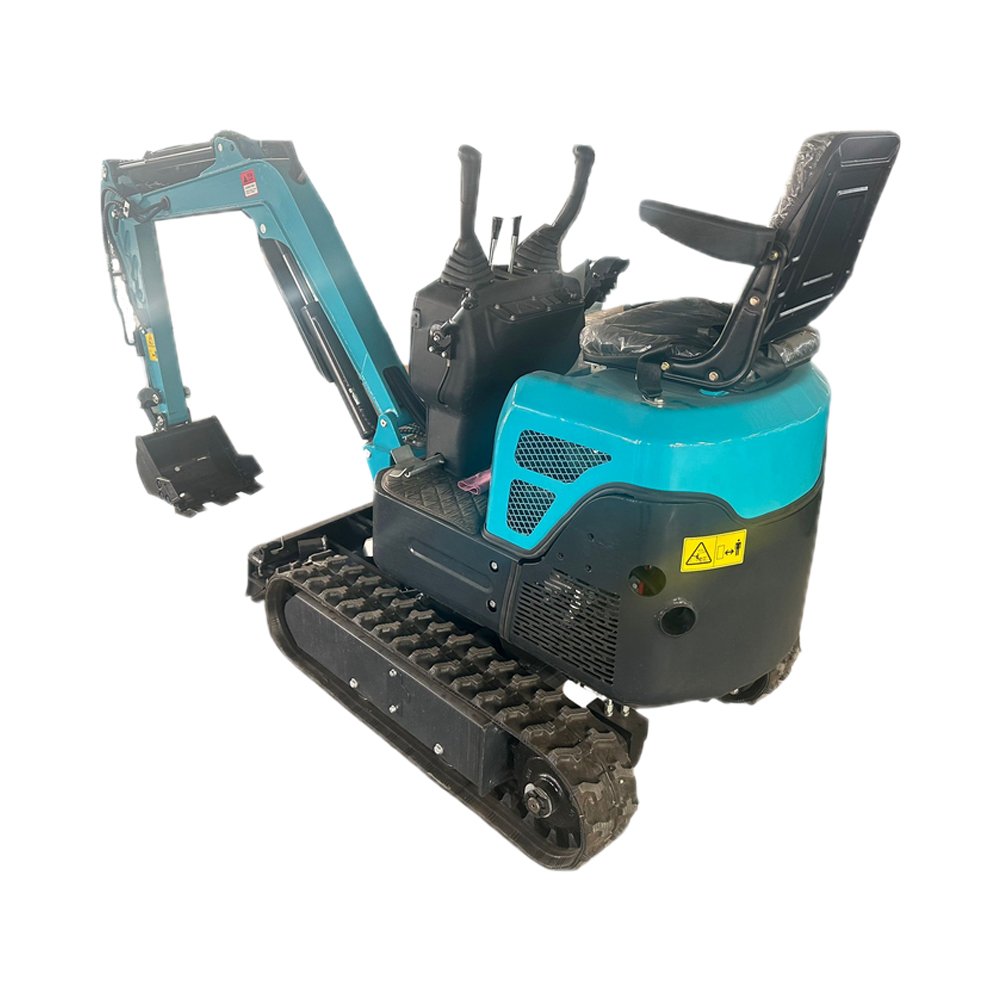
For smaller residential projects, compact excavators may provide convenient operation in limited spaces. For larger land development or infrastructure projects, machines with greater digging capacity may be more suitable.
Operators should also consider machine flexibility. Excavators that support different attachments can provide more application possibilities, allowing one machine to handle multiple drainage tasks.
Before purchasing or renting equipment, contractors should evaluate project requirements carefully. Understanding the actual workload helps avoid choosing machinery that does not match the application.
How Excavators Support More Efficient Construction Planning
Successful drainage projects depend on good planning, accurate execution, and suitable equipment selection. Excavators contribute to each stage by improving productivity and helping teams complete tasks more systematically.
Construction managers can use excavators to organize earthmoving operations, prepare work areas, and coordinate different construction activities. This improves overall project management and helps maintain smoother workflows.
In addition, experienced operators can maximize machine performance by selecting appropriate working methods for different ground conditions. Proper equipment operation plays an important role in achieving high-quality drainage results.
For companies that need reliable used excavation equipment solutions, THBSMN provides professional support and a range of machinery options suitable for different construction applications. Choosing suitable equipment from an experienced supplier can help businesses improve project preparation and operational efficiency.
Building Better Drainage Solutions with Proper Excavator Use
Excavators are an essential part of modern drainage projects because they provide efficient digging, material handling, and site preparation capabilities. Their role extends from creating trenches to supporting complete drainage system installation.
Understanding what an excavator is used for in drainage projects helps contractors, farmers, and property owners make better decisions when planning construction work.
With proper equipment selection, skilled operation, and effective project planning, excavators can help create reliable drainage systems that support safer properties, improved land management, and stronger infrastructure development.