








Industry News
A Complete Guide to Buying Farm Excavator for Sale
Jun
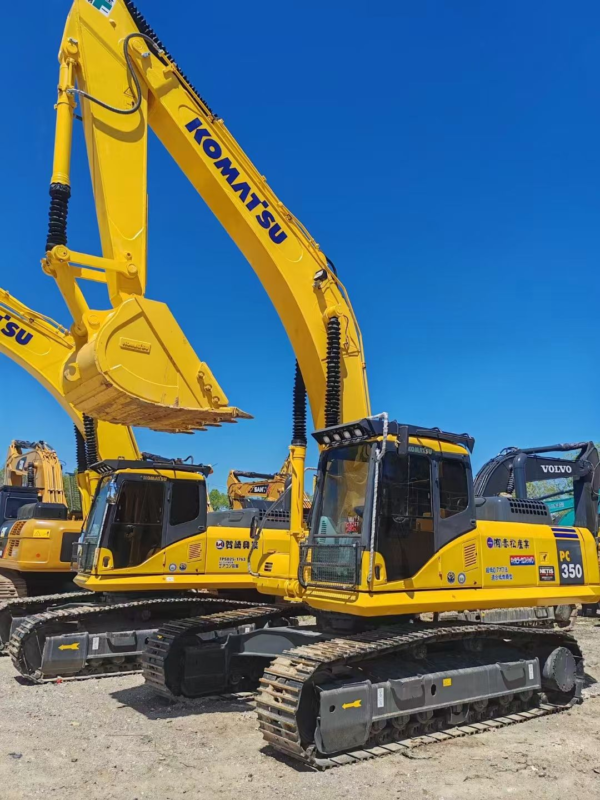
For most small to large scale farm operators, a dedicated excavator is one of the highest return on investment equipment you can add to your fleet. It cuts down 90% of manual labor for digging irrigation trenches, setting fence posts, clearing overgrown field edges, building livestock ponds, and moving heavy farm supplies, eliminating the cost of hiring third-party construction teams every time you complete a routine land upgrade. With thousands of farm excavator for sale listings scattered across local marketplaces, dealer sites and second-hand platforms, many first-time buyers end up picking a mismatched model that wastes budget, lacks power for their regular tasks, or breaks down mid-harvest season with no support. This practical guide breaks down every step of the buying process to help you pick a reliable unit that fits your farm’s exact needs for years of smooth operation.
Start With Your Unique Farm Operation Requirements
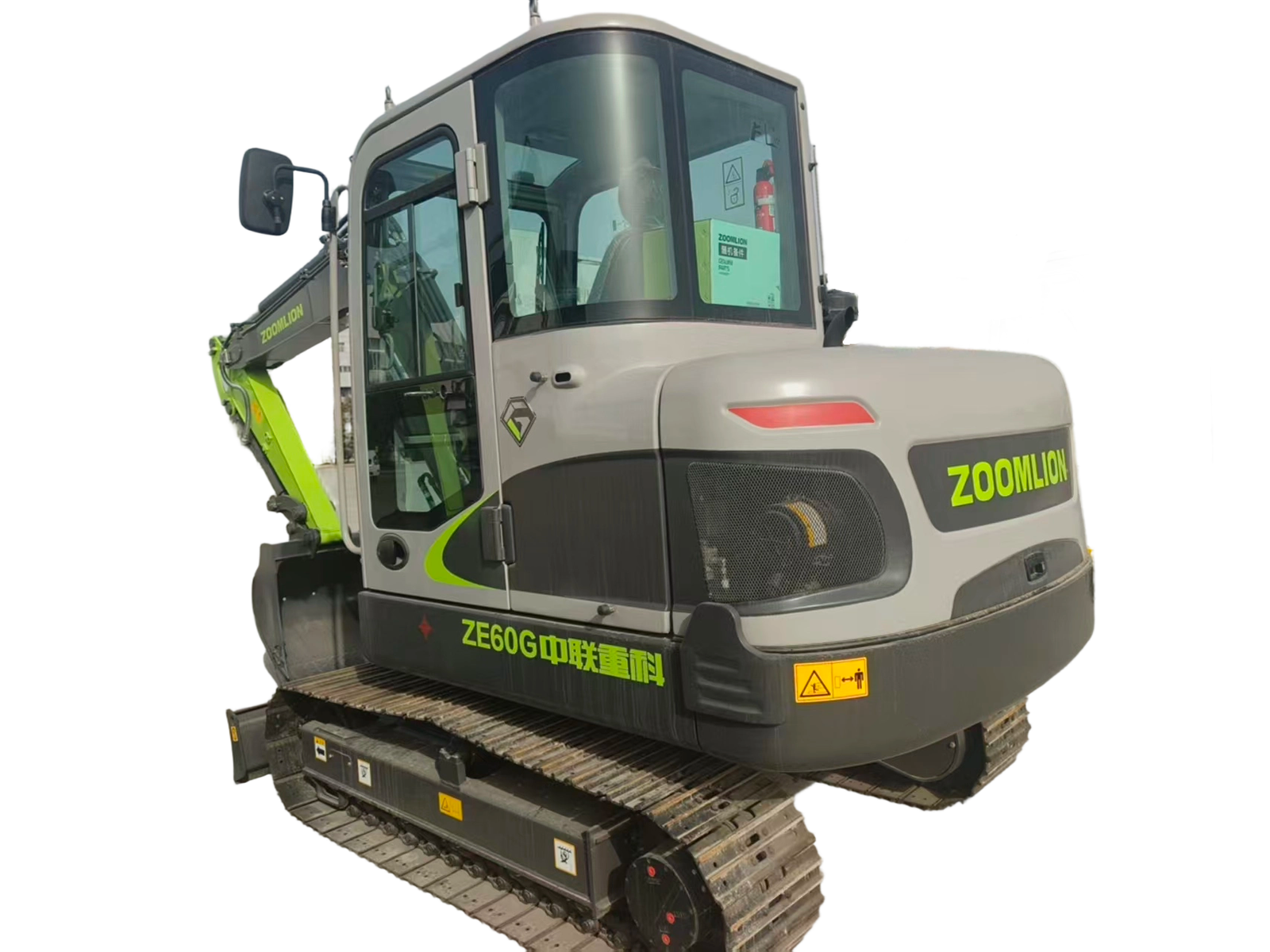
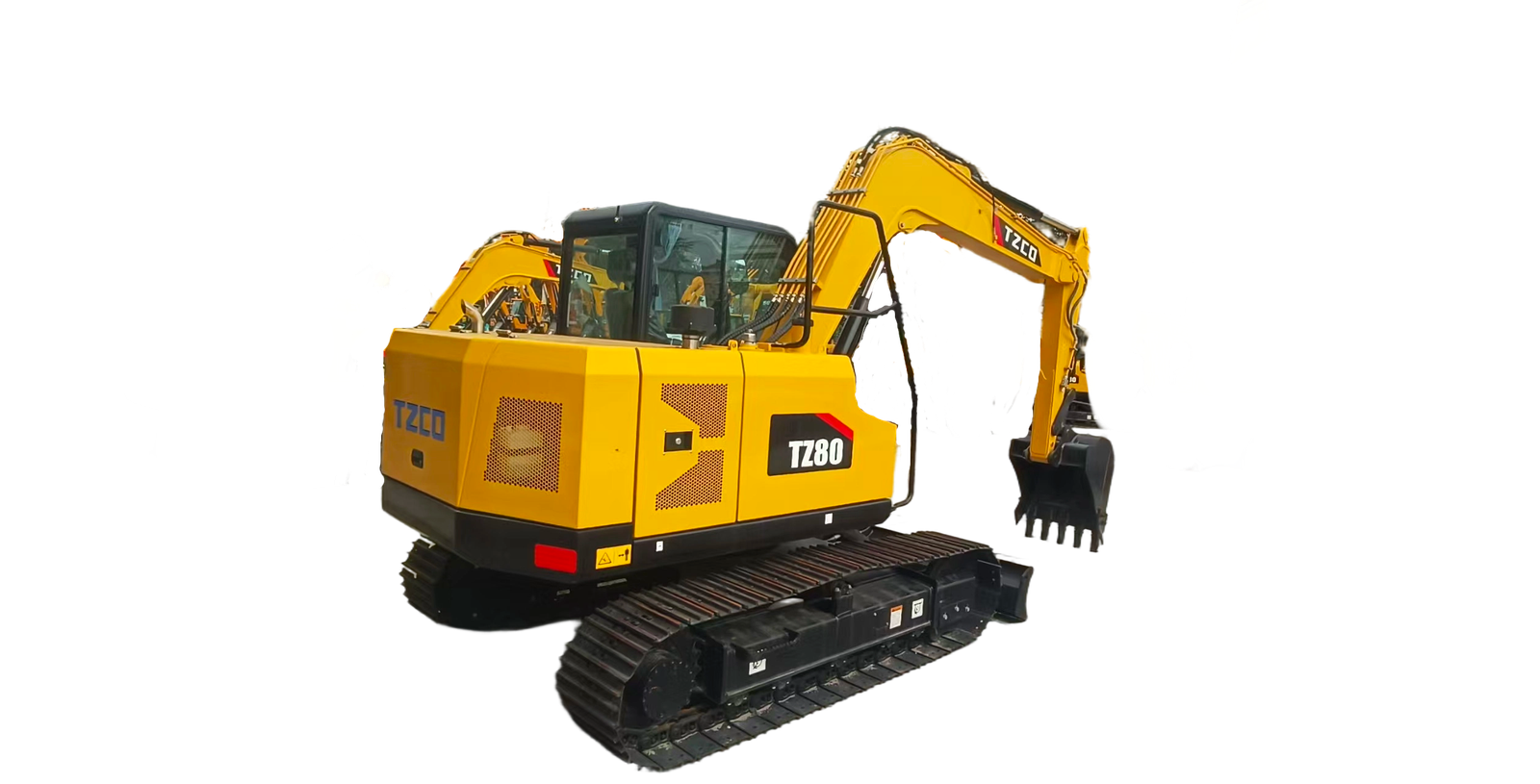
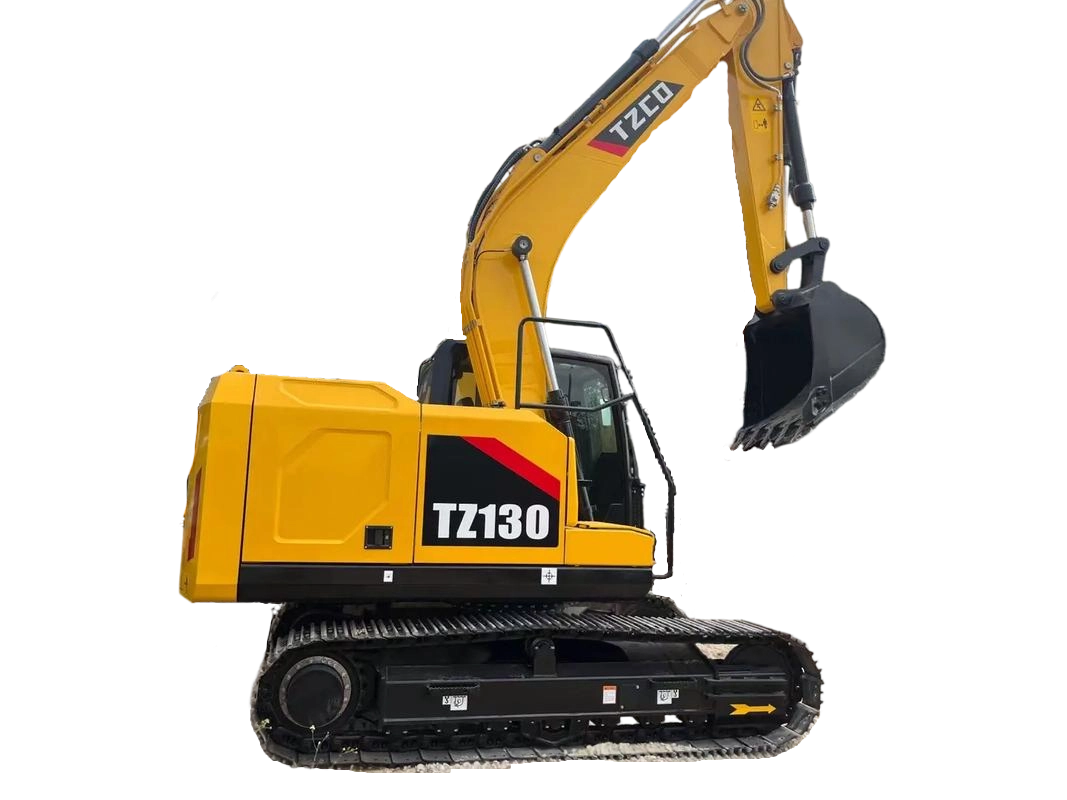
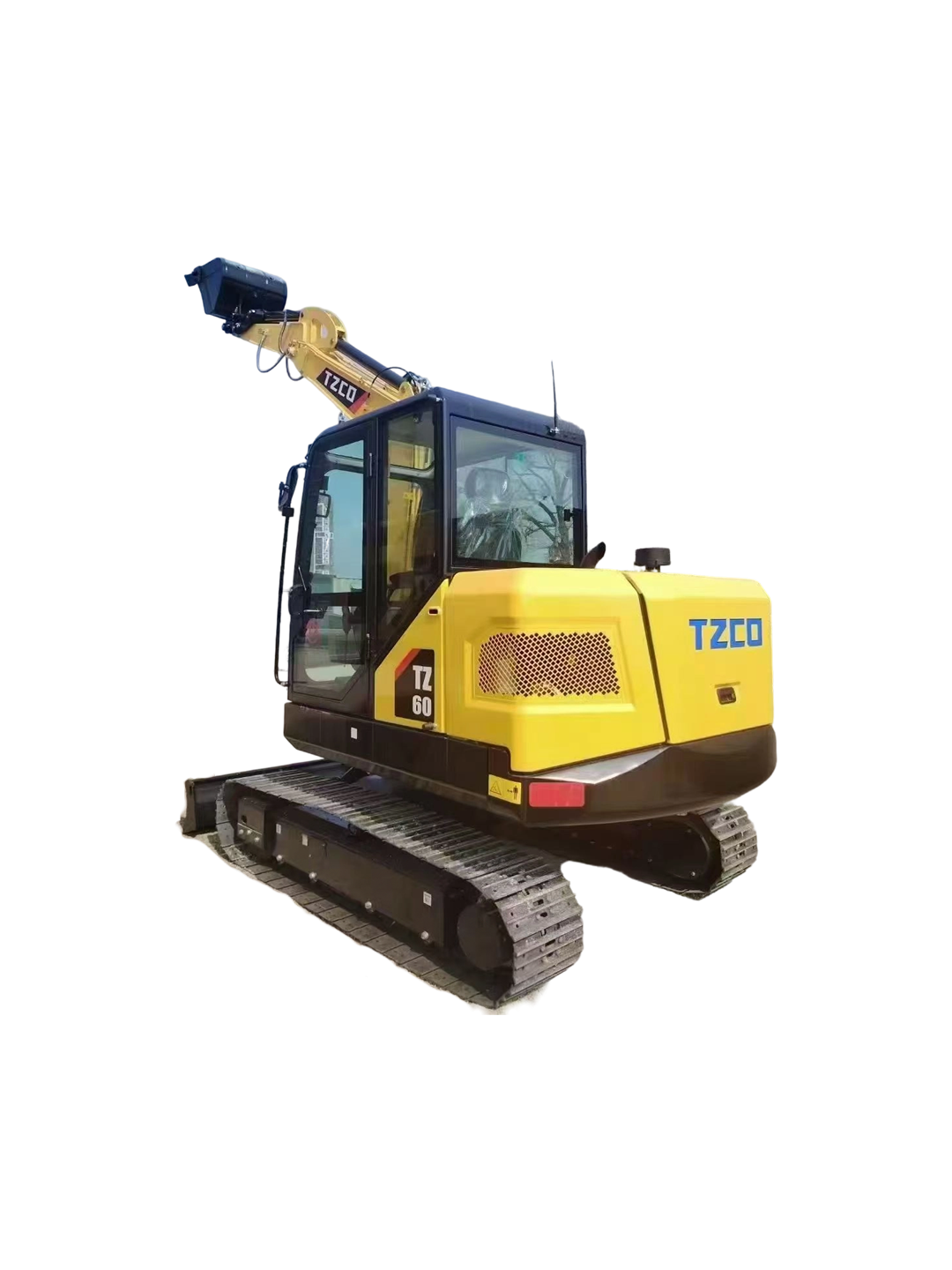
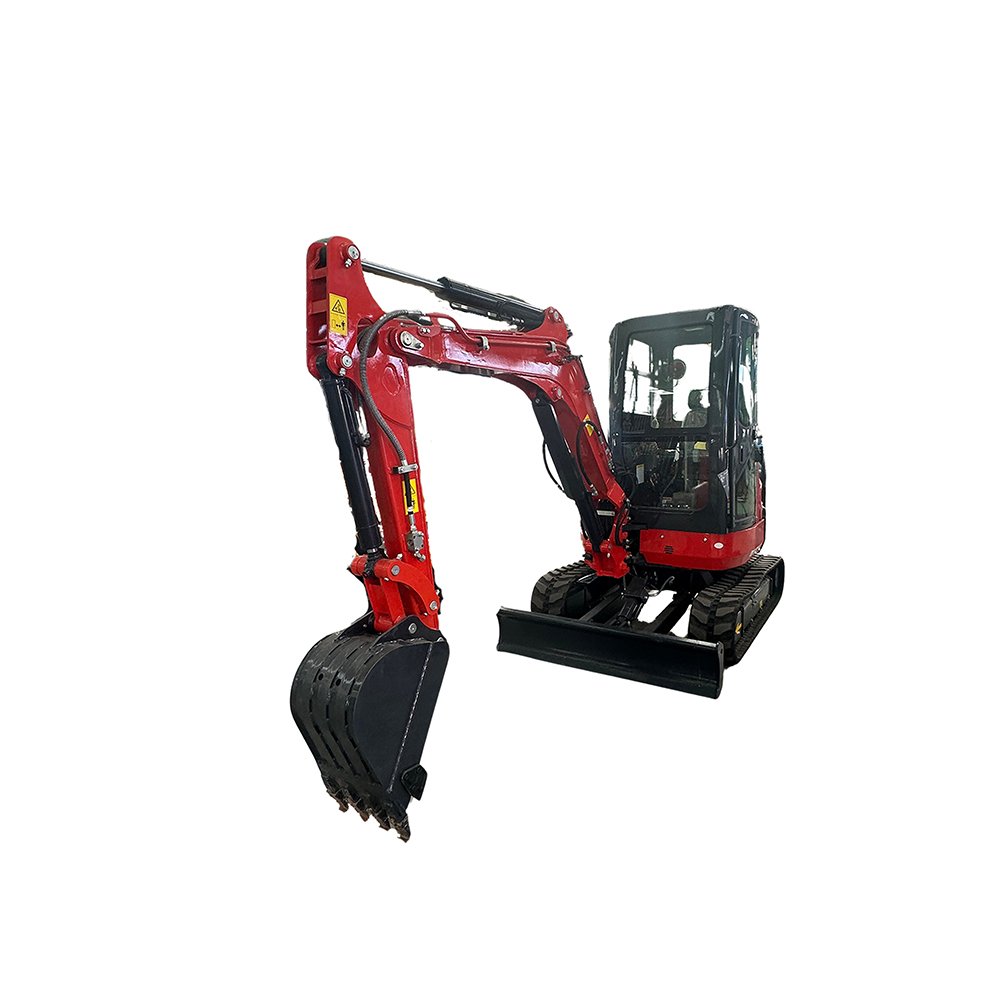
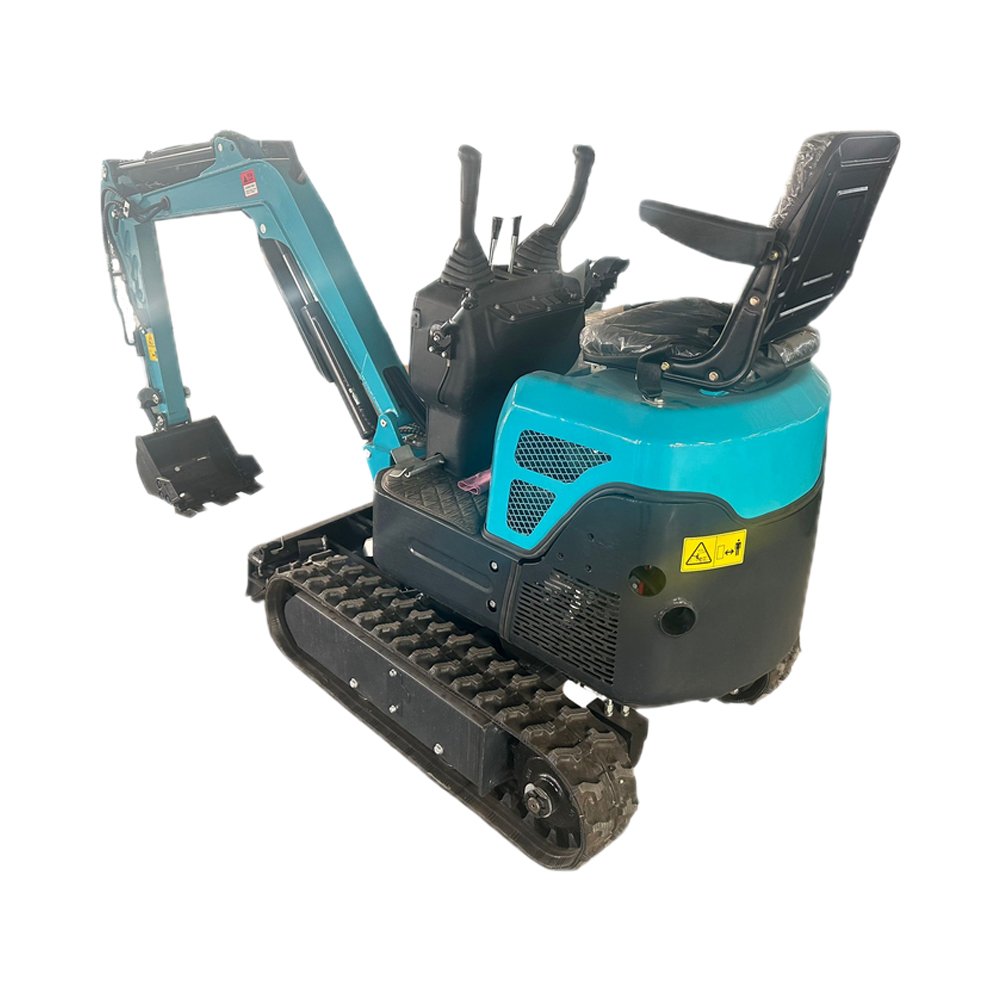
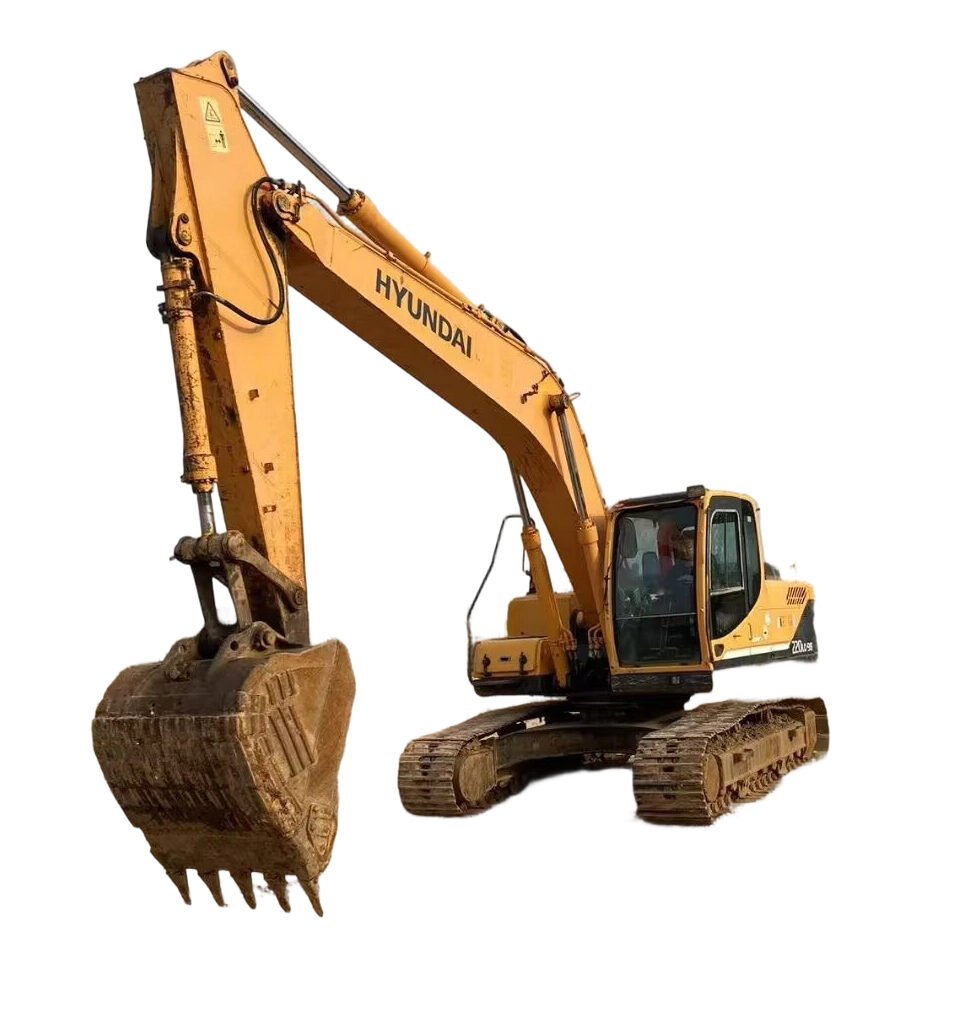
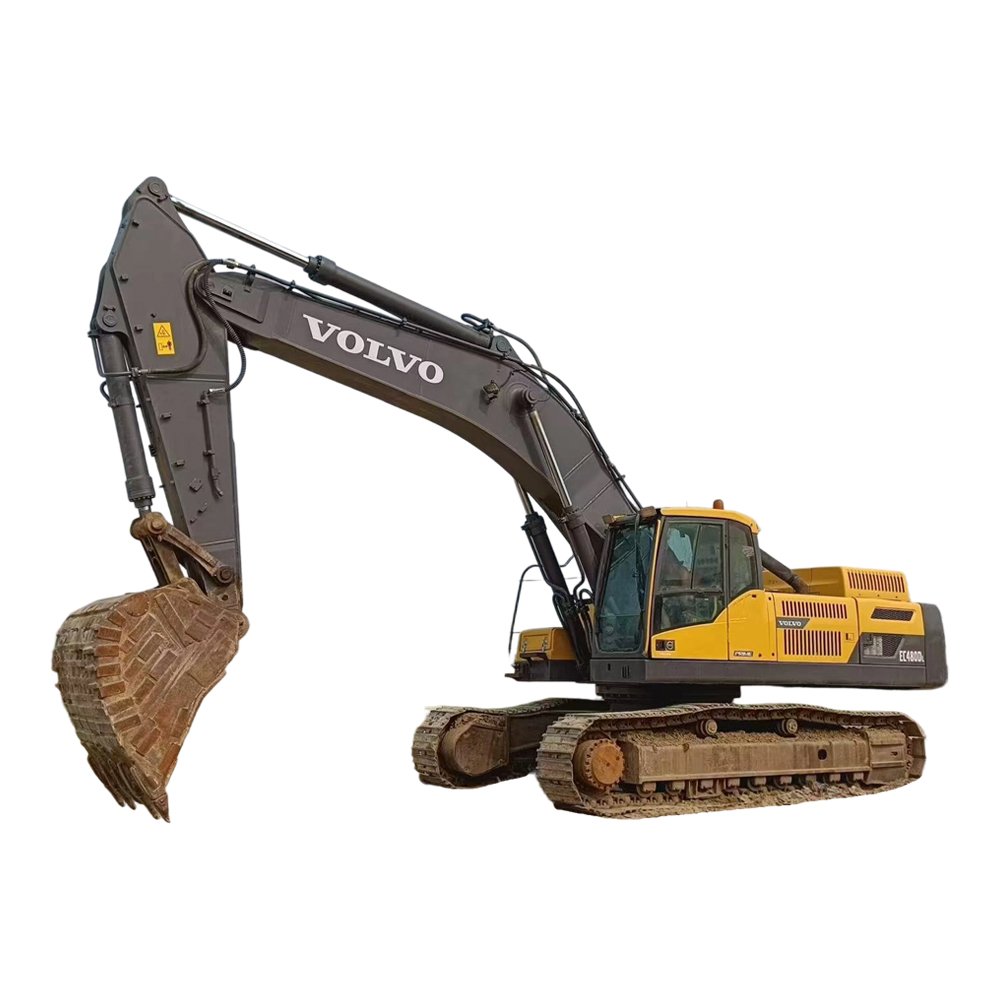
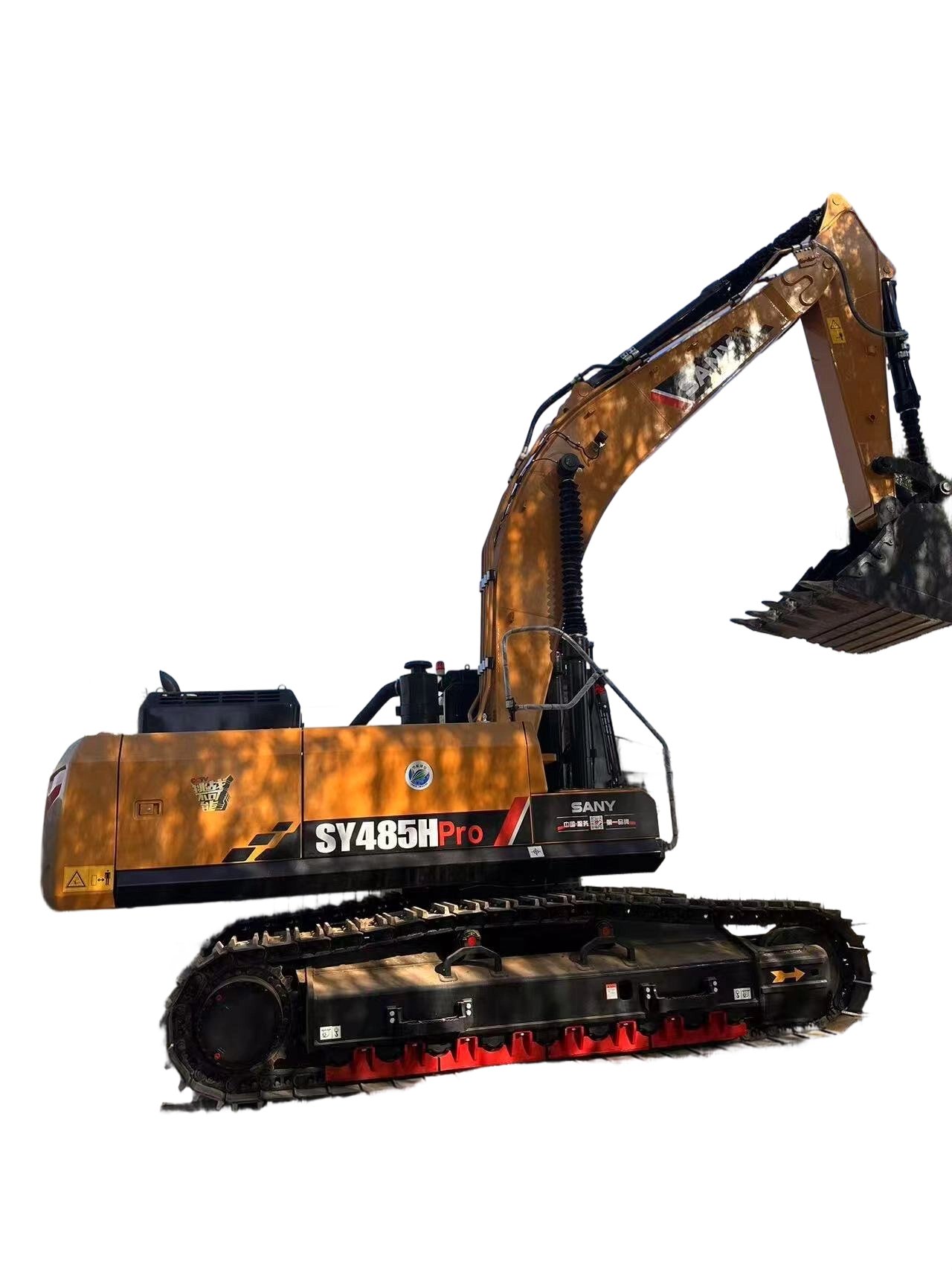
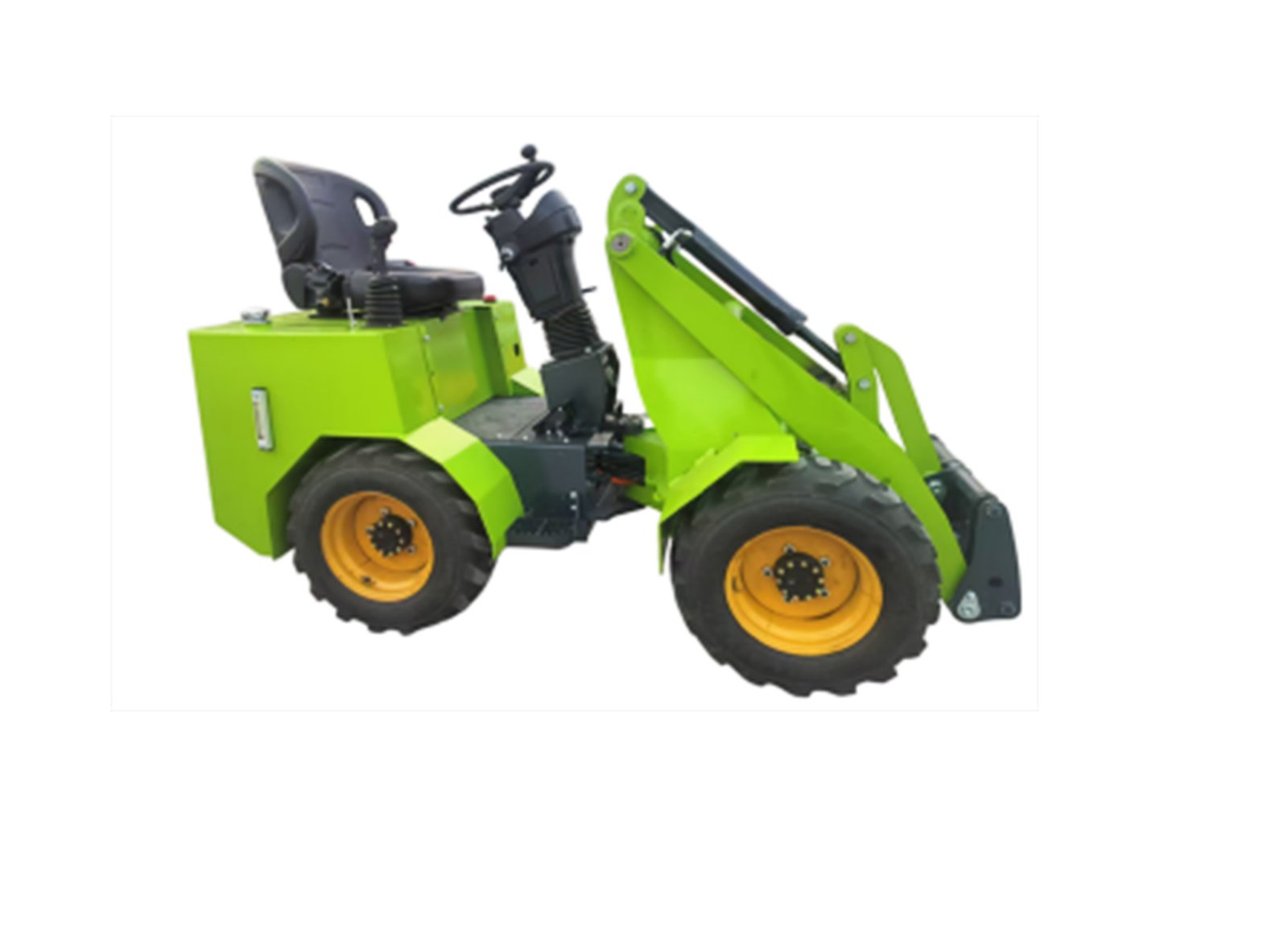
Before browsing any farm excavator for sale listings, map out your core use scenarios and site conditions to avoid overspending on unnecessary features or buying an underpowered unit. For small family farms under 20 acres that only use the machine for digging garden drainage, setting fence posts and clearing small debris, a 1 to 3 ton compact mini excavator is the most cost effective choice, as it can fit through narrow gate paths and move freely on soft tilled soil without damaging crop root systems. For large cattle ranches, grain farms over 100 acres, or operations that need to dig deep water channels, level new farm roadways, and demolish old farm structures regularly, 6 to 12 ton mid-size farm excavators offer enough digging depth and load bearing capacity to handle heavy daily tasks for 4 to 6 hours a day. You should also list all the attachments you plan to use in the next 3 to 5 years, including auger drill bits for post holes, rakes for collecting field stones, and hydraulic hammers for breaking old concrete foundations, to make sure the model you pick is compatible with these add-ons without extra modification fees.
Evaluate Core Performance Metrics for Long-Term Farm Use
Unlike excavators built for urban construction sites, farm excavators need to operate in harsh, unpaved conditions for most of their service life, so you need to prioritize 3 core metrics over flashy extra features. First, check the chassis and track durability: heavy duty sealed track systems with reinforced anti-slip pads work far better on muddy, uneven farm land, and reduce the risk of getting stuck during rainy seasons. Second, test the stability of the hydraulic system, which determines consistent digging power even when you are working on slopes or lifting heavy materials like large hay bales. Third, calculate the hourly fuel consumption: many low-priced unbranded units use outdated engine systems that can cost you an extra 30% more on diesel fees every year, adding thousands of dollars in extra operating costs over a 5 year period. If you hire part-time seasonal staff to operate the excavator, pick a model with open, wide visibility cabins and lightweight control handles, to reduce operator fatigue during long hours of field work.
Verify Condition and Value for Both New and Used Listings
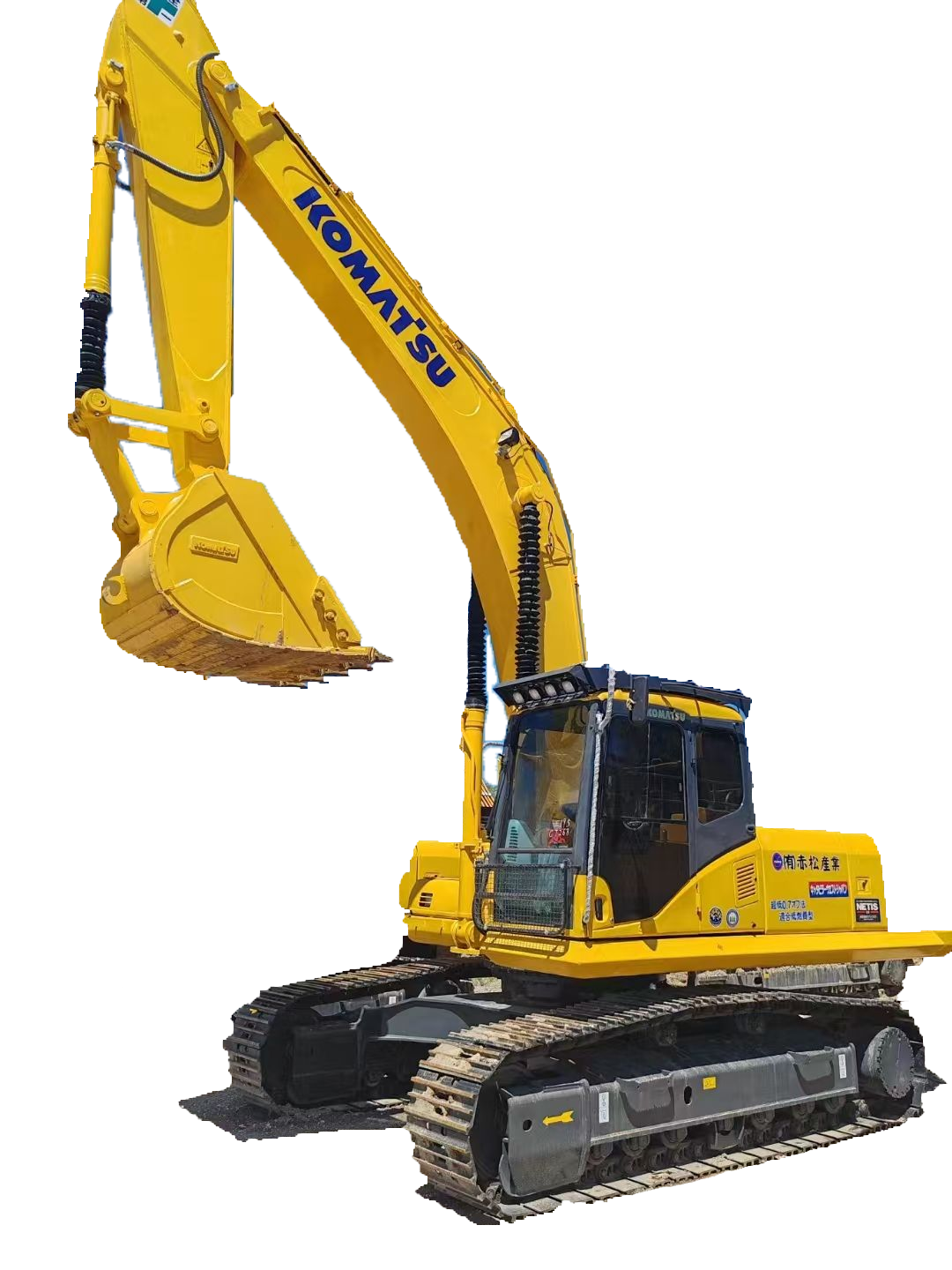
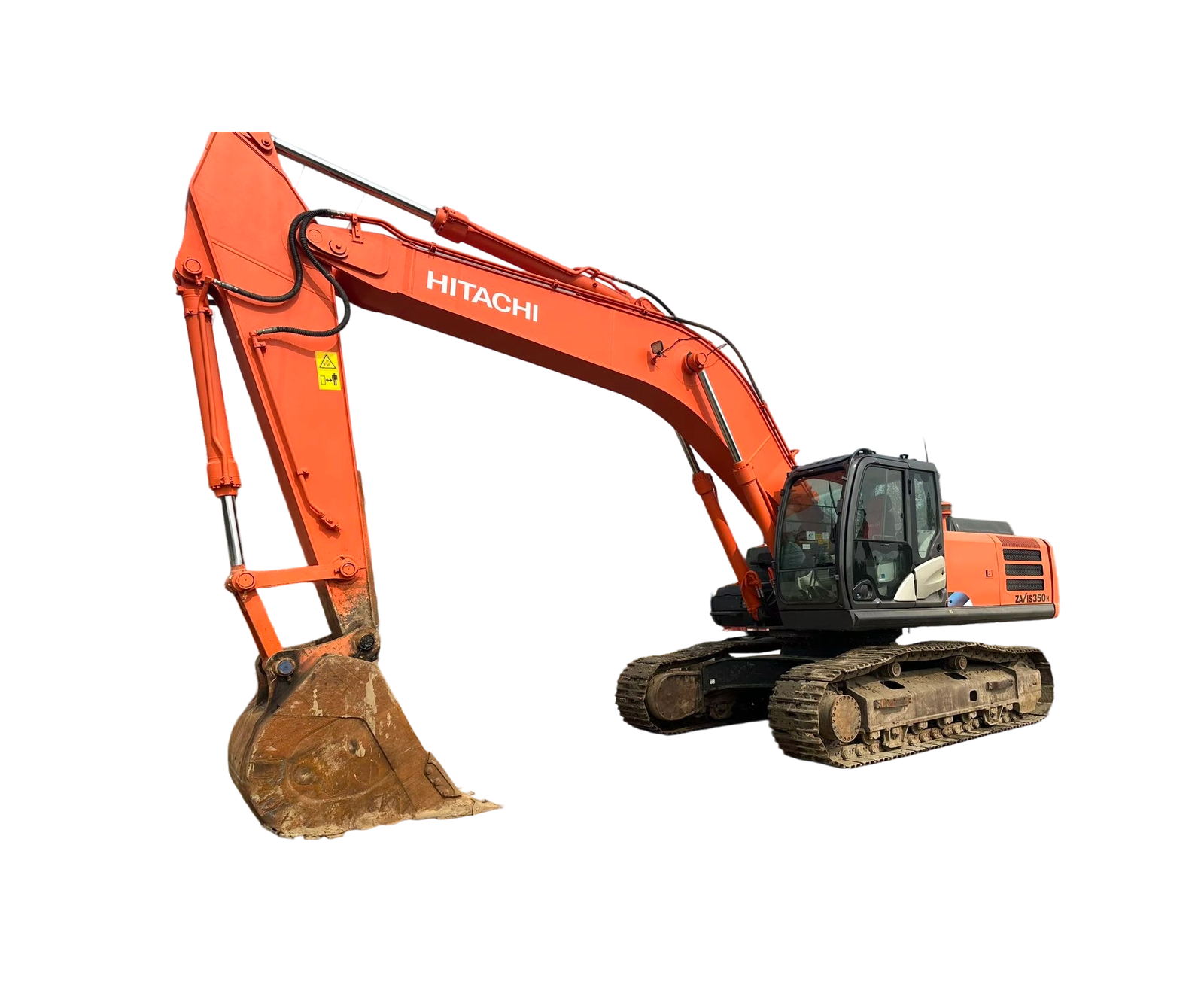
Many farm operators struggle to choose between new and used units from farm excavator for sale listings, and the best choice depends on your annual usage frequency. If you run a mid to large scale farm that uses the excavator for over 150 hours a year, a new unit will deliver a far lower total cost of ownership, as you get full factory coverage for repairs and no unexpected breakdowns during peak farming seasons. For small farms that only use the excavator for less than 80 hours a year, a well-maintained low-hour used unit can cut your upfront cost by 40% to 60% without sacrificing performance. When inspecting a used listing, first check the total operation hours: farm excavators with under 200 annual hours count as light use and have far longer remaining service life. Pull a small sample of hydraulic oil to check for metal debris, inspect the track wear level, and confirm the engine starts smoothly in cold weather, to avoid purchasing a unit that has gone through major unreported accident repairs.
Work With a Trusted Supplier for End-to-End Support
One of the most common mistakes farm buyers make is purchasing from unvetted small resellers that offer no after-sales support, leaving you waiting weeks for replacement parts when the unit breaks down during critical planting or harvest seasons. THBSMN, a leading supplier specialized in agricultural construction machinery, offers a full line of farm excavator for sale options tailored to different scale farming operations. All brand new units from THBSMN come with a farm-exclusive 3-year unlimited hour warranty, with free on-site repair support for 70% of the rural areas across the country. Every pre-owned unit in their inventory goes through a 128-point farm condition test, and comes with a 12-month limited maintenance guarantee. Their professional team can also arrange a free on-site visit to your farm before purchase, evaluate your typical working conditions, and give customized recommendations for the most suitable excavator model and matching attachments, rather than pushing the most expensive unit for higher profit. Their nationwide spare part warehouses make sure any core replacement part can be delivered to your farm within 48 hours, to minimize downtime during busy farming seasons. Multiple long-term farm clients report that their excavators purchased from THBSMN maintain an average 98% operation attendance rate over 5 years, cutting total labor and equipment cost by 35% compared to their previous experience with random private sellers.
Final Pre-Purchase Checks to Avoid Hidden Costs
Before you sign any purchase contract, arrange a test drive of the unit on a typical section of your farmland, to confirm that the unit moves smoothly on soft soil, the digging force meets your requirements, and the operator cabin is comfortable enough for long shifts. Calculate the full total cost of ownership instead of only comparing the bare unit price, and confirm that all transportation fees, basic tool kits, initial maintenance services are included in your quote, to avoid hidden extra charges that many low-priced online listings do not mention. You can also ask for a free 1 to 2 hour on-site operation training session for your staff, which helps avoid common misoperation errors that cause unnecessary early equipment failures.
By following these steps, you can pick a farm excavator that matches your exact operational needs, delivers reliable performance for 10 years or longer, and helps your farm cut down massive unnecessary manual labor costs year after year.