








Industry News
Used Wheel Loaders for Sale – Good Condition Second Hand Loaders In Stock

Jun
When your construction, agricultural, or material handling business needs a reliable wheel loader without breaking the bank, the used equipment market offers exceptional value. But with hundreds of machines available, how do you separate a well-maintained workhorse from a costly headache? This guide walks you through everything you need to know about purchasing second hand wheel loaders—from inspection checklists to warranty considerations—so you can buy with confidence.
Why Choose a Used Wheel Loader?
A new wheel loader can cost upwards of $150,000, while a well-maintained used model from a reputable source often delivers 80% of the performance at half the price. Depreciation hits hardest in the first three years, meaning a three- to five-year-old machine still has thousands of hours of productive life left. Many operators also prefer the simplicity of older models—less complex electronics mean easier repairs and lower diagnostic costs.
Beyond cost, used loaders are typically available for immediate delivery. No factory order wait times. No production delays. You can inspect the machine, arrange financing, and have it on your job site within days.
Key Considerations Before Buying
Machine Age and Hour Meter Reading
Hours are more important than years. A 10-year-old loader with 4,000 hours may be in better shape than a 5-year-old machine with 12,000 hours. Generally, 8,000–10,000 hours is considered medium use for a wheel loader. Machines under 6,000 hours are still relatively young. Always verify hour meter accuracy—look for wear patterns on pedals, seat, and joystick that match the reading.
Brand and Parts Availability
Stick with brands that have strong dealer networks and readily available parts. While smaller manufacturers may offer lower initial prices, downtime waiting for obscure parts will cost you more in the long run. THBSMN sources only from proven manufacturers and maintains a large inventory of common spares.
Previous Application
Was the loader used in a quarry (abrasive dust, heavy impact), a scrap yard (punctures, corrosion), or a farm (lower hours, gentler use)? Quarry machines tend to have more structural wear; scrap yard loaders often suffer tire and cylinder damage. Ask for the unit’s work history.
Essential Inspection Checklist
A thorough physical inspection can save thousands in repairs. Focus on these components:
Engine and Cooling System
– Check for blue or black smoke at startup and under load.
– Listen for unusual knocking or ticking.
– Inspect radiator fins for debris damage and leaks.
– Look at the coolant reservoir—should be clean, not oily.
– Check oil dipstick for milky appearance (coolant intrusion).
Transmission and Axles
– Test forward/reverse shuttle engagement—should be smooth, not jerky.
– Listen for whining or grinding in all gears.
– Inspect axle seals for leaks.
– Check differential oil for metal particles or water contamination.
Hydraulic System
– Raise the boom and tilt the bucket—watch for drooping (internal cylinder leaks).
– Feel the control levers—should move freely without excessive play.
– Inspect all hoses for cracks, bulges, or chafing.
– Check hydraulic oil level and smell—burnt odor indicates overheating.
Tires and Undercarriage
– Measure tread depth and look for uneven wear (alignment issues).
– Check sidewalls for cuts, bulges, or dry rot.
– Inspect rims for cracks or dents.
– For loaders on tires, examine the rims and bead area.
Structural Integrity
– Look for cracks around the boom pivot points, articulation joint, and bucket corners.
– Check for weld repairs—some are fine, some hide serious structural damage.
– Open the cab and inspect the floor, door seals, and seat mount for rust.
Maintenance Records and Service History
A machine with complete service records is worth 15–20% more than one without. Look for regular oil changes, filter replacements, and major component rebuilds. Pay special attention to:
– Engine overhauls (date and parts used)
– Transmission rebuilds
– Hydraulic pump replacements
– Tire replacement dates
If the seller cannot provide records, consider that a red flag—or negotiate a lower price to account for unknown maintenance gaps.
Test Drive Protocol
Never buy a used wheel loader without operating it. Schedule a test drive that includes:
– Cold start (observe starting ease and smoke)
– Warm-up cycle (listen for irregular sounds)
– Loaded operation (fill the bucket and drive up a grade)
– Brake test (full stop on a slope)
– Articulation check (turn fully left and right while stationary)
Take note of any warning lights, error codes, or abnormal vibrations. If you’re not comfortable performing this yourself, hire a third-party inspector. Many independent services charge $300–$500 for a comprehensive report that covers all major systems.
Financing and Warranty Options
Even for used machines, THBSMN offers flexible financing with competitive rates. Terms typically range from 12 to 60 months, with as little as 10% down for qualified buyers. Some sellers also provide limited warranties—commonly 30 to 90 days on the engine and transmission.
Ask about extended warranty plans. They add cost but can protect you from unexpected repairs. Always read the fine print: what’s covered, what’s excluded (tires, wear items, seals), and the claims process.
Why Buy From THBSMN?
THBSMN has been a trusted supplier of used wheel loaders for over a decade. Every machine in our inventory undergoes a rigorous 120-point inspection performed by certified technicians. We grade each unit on a clear A/B/C scale:
– Grade A: Low hours, excellent cosmetics, full service history, ready to work
– Grade B: Moderate hours, normal wear, functional with minor cosmetic flaws
– Grade C: Higher hours or cosmetic issues, mechanically sound but priced accordingly
We also provide:
– Free detailed photos and videos on request
– Honest disclosure of any prior repairs or accidents
– Assistance with shipping, customs, and documentation
– After-sales support, including spare parts sourcing
Our reputation is built on transparency. We don’t hide imperfections—we want you to know exactly what you’re getting before you commit.
How to Secure the Best Deal
1. Set a budget, including transport, taxes, and any immediate repairs.
2. Compare multiple units—don’t fall in love with the first one.
3. Negotiate on facts: use inspection findings to justify your offer.
4. Get everything in writing: purchase agreement, warranty terms, payment schedule.
Avoid wire transfer payments to unknown parties. Use an escrow service or pay with a credit card for additional protection.
A good-condition used wheel loader can be a game-changer for your operations—reducing capital expenditure while maintaining productivity. The key is doing your homework: inspect thoroughly, verify history, and buy from a reputable dealer like THBSMN who stands behind their equipment.
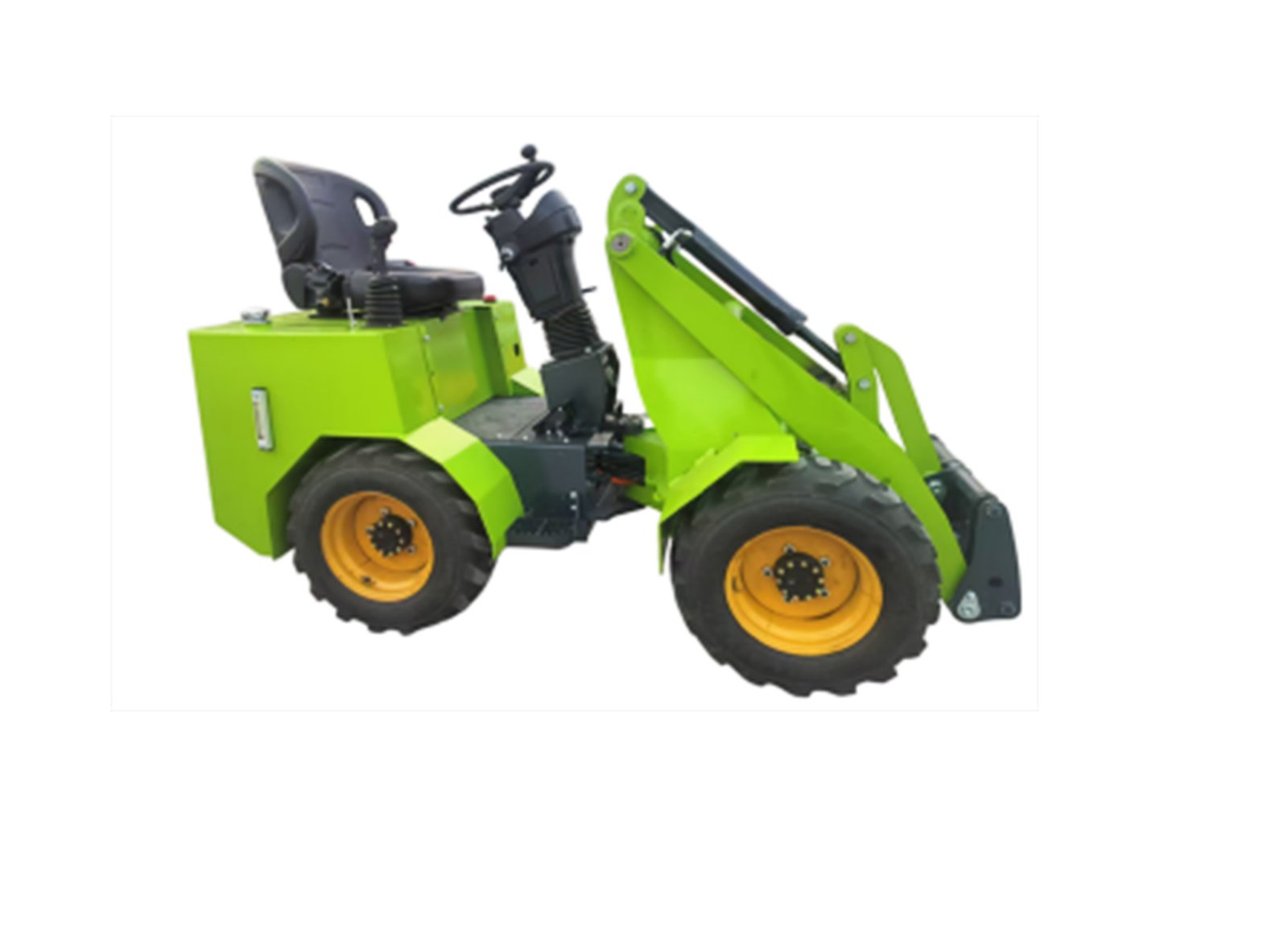
Whether you need a compact loader for tight sites or a heavy-duty model for large-scale earthmoving, our stock includes a wide range of makes, models, and sizes.
Contact THBSMN today to speak with our sales team, schedule a virtual walkaround, or arrange a visit to see the loaders in person. We’ll help you find the right machine at the right price—with no pressure, just honest advice.