








Industry News
Avant Wheel Loader Price Guide and Cost Factors
Jun
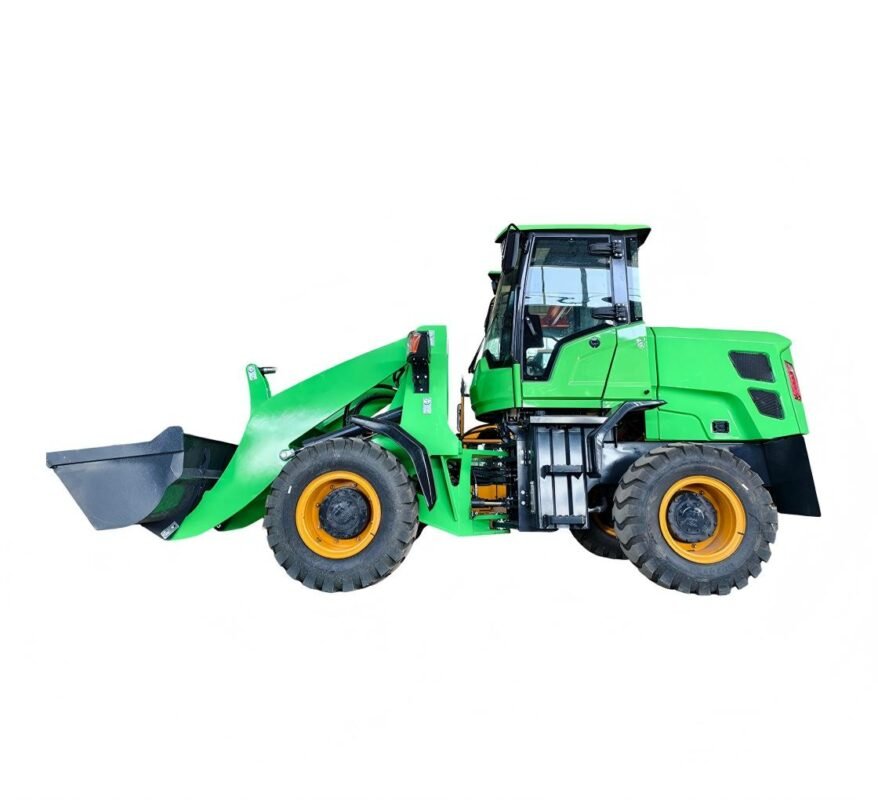
Avant wheel loaders have become a popular choice across construction, landscaping, agriculture, property maintenance, and material handling industries. Known for their compact design, versatility, and ability to work in confined spaces, these machines help operators improve productivity while reducing labor requirements. However, when considering the purchase of an Avant wheel loader, understanding the factors that influence pricing is essential. The total investment goes beyond the machine itself and may include attachments, configuration options, maintenance considerations, and long-term operational value. This guide explores the key cost factors that affect Avant wheel loader pricing and helps buyers make informed purchasing decisions.
Understanding the Value of an Avant Wheel Loader
The price of any wheel loader reflects more than its physical size or engine power. Avant wheel loaders are designed to perform a wide variety of tasks using interchangeable attachments, making them highly adaptable for different industries.
Many businesses choose these machines because they can replace multiple pieces of equipment with a single versatile platform. From lifting pallets and moving soil to snow removal and landscaping work, one machine can support numerous applications throughout the year.
This versatility often contributes significantly to the overall value proposition and should be considered when evaluating purchase costs.
Machine Size and Model Selection
One of the most important factors affecting the price of an Avant wheel loader is the specific model selected.
Manufacturers typically offer multiple series designed for different workloads and operating environments. Smaller models are often ideal for residential landscaping, property maintenance, and indoor applications where maneuverability is critical.
Larger models generally provide:
- Higher lifting capacity
- Greater operating weight
- Increased engine power
- Enhanced hydraulic performance
- Improved productivity for demanding jobs
As machine capabilities increase, pricing generally rises as well. Buyers should carefully match machine specifications to operational requirements rather than simply selecting the largest available model.
Choosing the right size helps maximize both efficiency and return on investment.
Engine Performance and Power Requirements
Engine specifications play a major role in overall equipment pricing.
Wheel loaders equipped with higher horsepower engines are capable of handling heavier loads and powering more demanding hydraulic attachments. These machines are often preferred for professional applications involving intensive daily use.
Factors that influence cost include:
- Horsepower rating
- Fuel efficiency technology
- Emission compliance systems
- Hydraulic output capacity
- Overall machine performance
Businesses operating in demanding environments may find that investing in higher-performance models delivers greater productivity and long-term value.
Attachment Compatibility and Equipment Packages
One of the defining advantages of Avant wheel loaders is their ability to support a wide range of attachments.
Common attachments include:
- Buckets
- Pallet forks
- Grapples
- Snow blowers
- Sweepers
- Augers
- Mowers
- Material handling tools
The number and type of attachments selected can significantly influence the total purchase cost.
Many buyers choose complete equipment packages tailored to their specific industries. While additional attachments increase the initial investment, they can also expand the machine’s functionality and improve operational flexibility.
For many businesses, attachment versatility becomes one of the most valuable aspects of ownership.
Hydraulic System Capabilities
Hydraulic performance is a critical consideration when evaluating wheel loader pricing.
Advanced hydraulic systems allow operators to use more powerful attachments and perform tasks more efficiently. Machines with higher hydraulic flow rates often support a broader range of professional-grade tools.
Enhanced hydraulic systems may contribute to higher purchase prices due to:
- Increased operating efficiency
- Greater attachment compatibility
- Faster cycle times
- Improved overall productivity
When comparing models, buyers should evaluate hydraulic specifications alongside engine performance and lifting capacity.
Operator Comfort and Technology Features
Modern wheel loaders increasingly incorporate features designed to improve operator comfort and productivity.
These may include:
- Ergonomic controls
- Adjustable seating
- Enhanced visibility
- Digital displays
- Advanced monitoring systems
- Efficient control layouts
Machines equipped with premium comfort and technology packages often command higher prices.
However, improved operator experience can lead to increased productivity, reduced fatigue, and more efficient operation over the lifespan of the equipment.
For businesses that rely on daily machine use, these features can represent a worthwhile investment.
Build Quality and Durability
Equipment durability plays an important role in long-term ownership costs.
High-quality wheel loaders are engineered to withstand demanding operating conditions while maintaining reliable performance over time.
Factors contributing to durability include:
- Structural design
- Frame strength
- Component quality
- Protective coatings
- Manufacturing precision
A well-built machine may require a larger upfront investment, but it often delivers excellent value through extended service life and consistent productivity.
When evaluating pricing, buyers should consider total lifecycle value rather than focusing solely on initial acquisition costs.
New Versus Used Equipment Considerations
Both new and used Avant wheel loaders can offer advantages depending on budget and operational goals.
New machines typically provide:
- Latest technology
- Full warranty coverage
- Maximum service life potential
- Customized configurations
Used equipment may offer:
- Lower initial purchase cost
- Faster return on investment
- Proven operational history
The final price difference depends on factors such as machine age, operating hours, maintenance records, and overall condition.
Careful evaluation helps buyers identify the option that best aligns with their business objectives.
Maintenance and Operating Costs
Purchase price represents only one part of total equipment ownership.
Long-term operating expenses should also be considered, including:
- Routine maintenance
- Fuel consumption
- Replacement parts
- Hydraulic fluid
- Tire replacement
- Scheduled servicing
Machines designed for easy maintenance can help reduce downtime and improve operational efficiency.
Evaluating ownership costs over several years provides a more accurate picture of overall equipment value.
Industry Applications and Return on Investment
The versatility of Avant wheel loaders allows them to generate value across multiple industries.
Common applications include:
- Construction projects
- Landscaping services
- Agricultural operations
- Property maintenance
- Municipal work
- Material handling
Because one machine can perform numerous functions with different attachments, businesses often achieve higher equipment utilization rates.
Improved productivity and labor efficiency can contribute significantly to long-term return on investment.
For many organizations, these operational benefits justify the initial purchase price.
Choosing the Right Machine for Your Budget
Finding the right wheel loader involves balancing performance requirements, operational needs, and available budget.
Buyers should evaluate:
- Intended applications
- Required lifting capacity
- Attachment needs
- Expected operating hours
- Future growth plans
- Ownership costs
A strategic purchasing decision focuses not only on price but also on long-term business value.
Selecting equipment that matches actual workload requirements often produces the best financial outcome.
Understanding Avant wheel loader pricing requires evaluating a range of factors beyond the machine’s base cost. Model size, engine performance, hydraulic capabilities, attachments, technology features, durability, and operating expenses all contribute to total ownership value.
By carefully assessing current and future operational needs, buyers can choose a wheel loader that delivers the right combination of performance, versatility, and efficiency. Whether used for construction, agriculture, landscaping, or material handling, a well-selected Avant wheel loader can become a valuable asset that supports productivity and business growth for years to come.