









Industry News
How to Use a Backhoe on a Small Job Site
Jun
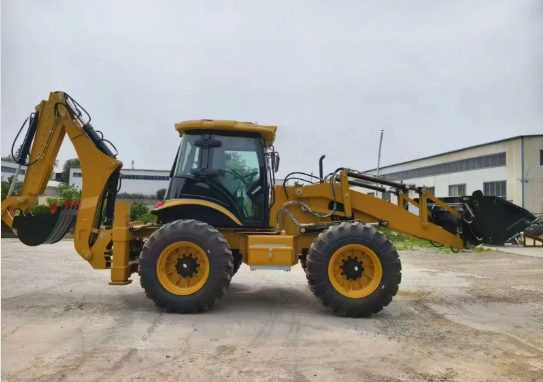
Backhoes are among the most versatile pieces of construction equipment available today. Combining the capabilities of a loader and an excavator in a single machine, a backhoe can perform digging, trenching, material handling, grading, landscaping, and site preparation tasks with remarkable efficiency. For contractors, property owners, landscapers, and utility crews working in limited spaces, a backhoe often provides the ideal balance between power, maneuverability, and productivity.
On small job sites, proper planning and operation are essential to maximize efficiency and ensure smooth project execution. Understanding how to use a backhoe effectively can help operators complete tasks faster, reduce unnecessary machine movement, and achieve professional results. This guide explains the key considerations, techniques, and best practices for using a backhoe on a small job site.
Understanding the Advantages of a Backhoe on Small Projects
A backhoe is uniquely suited for compact work environments because it combines multiple functions into a single machine. Instead of transporting separate equipment for excavation and loading, operators can complete a wide variety of tasks using one versatile unit.
Small construction projects often involve limited access points, confined working areas, and multiple job requirements. A backhoe can move easily between tasks such as digging foundations, loading materials, removing debris, and leveling surfaces.
Its compact footprint makes it easier to navigate residential properties, urban construction zones, agricultural sites, and landscaping projects. This flexibility helps save time and improve overall project efficiency.
Planning the Job Site Before Operation
Successful backhoe operation begins with careful site planning.
Before bringing equipment onto the site, evaluate the work area and identify the tasks that need to be completed. Consider access routes, material storage locations, excavation zones, and equipment movement paths.
Proper planning allows operators to position the machine strategically, reducing unnecessary travel and increasing productivity. Mapping out the work sequence in advance can also help minimize interruptions during the project.
Site preparation may include clearing obstacles, marking excavation boundaries, and ensuring sufficient working space around the machine.
A well-organized site contributes to smoother operations and better project outcomes.
Conducting a Pre-Operation Inspection
Before starting any work, operators should perform a thorough inspection of the backhoe.
A routine inspection helps ensure that all systems are functioning properly and that the machine is ready for efficient operation.
Key inspection areas include:
- Hydraulic systems
- Engine fluid levels
- Tires or tracks
- Loader bucket condition
- Backhoe attachment components
- Controls and instrumentation
- Safety features
- Lighting systems
Regular inspections support equipment reliability and help maintain consistent performance throughout the project.
Positioning the Backhoe Efficiently
Machine positioning plays a major role in productivity on small job sites.
Because working space is limited, operators should place the backhoe in a location that allows access to multiple work areas with minimal repositioning.
When digging trenches or foundations, position the machine so that the backhoe arm can reach the maximum work area while maintaining stability. Proper positioning reduces cycle times and improves fuel efficiency by limiting unnecessary machine movement.
Efficient placement also allows smoother loading and material handling operations.
Using the Loader for Site Preparation
The front loader is often the first tool used when arriving on a job site.
Before excavation begins, the loader can be used to remove loose materials, level uneven ground, transport aggregates, and clear debris. These tasks help create a more organized and accessible work environment.
The loader is also useful for moving construction materials such as gravel, sand, soil, and landscaping products around the site.
By utilizing the loader effectively, operators can complete multiple site preparation tasks without requiring additional equipment.
Digging Trenches and Foundations with Precision
One of the primary functions of a backhoe is excavation.
Small job sites frequently require trenching for utilities, drainage systems, irrigation lines, and foundation work. The backhoe attachment allows operators to dig accurately while maintaining control over depth and alignment.
To achieve precise results, operators should use smooth, consistent movements and monitor excavation progress regularly. Working methodically helps maintain trench dimensions and reduces the need for corrective work.
Modern backhoes offer excellent visibility and hydraulic control, making them ideal for detailed excavation tasks in confined spaces.
Managing Material Handling Efficiently
Material movement is often a significant portion of any construction project.
A backhoe simplifies material handling by allowing operators to load, transport, and distribute materials directly on site. Soil removed during excavation can be relocated quickly, while construction materials can be delivered precisely where needed.
Efficient material management reduces labor requirements and improves workflow.
On smaller sites where space is limited, careful placement of stockpiles and loading areas can further enhance productivity and keep operations organized.
Maximizing Maneuverability in Tight Spaces
One of the key advantages of a backhoe is its maneuverability.
Residential developments, urban projects, and landscaping jobs often involve narrow access points and confined work zones. Backhoes are designed to operate effectively in these environments while maintaining strong performance.
Operators should take advantage of the machine’s compact dimensions and responsive steering to navigate efficiently around structures, utilities, and other site features.
Planning machine movement in advance can help avoid unnecessary repositioning and improve overall project speed.
Utilizing Attachments for Greater Versatility
Many backhoes can be equipped with specialized attachments that expand their capabilities.
Depending on project requirements, attachments may include:
- Augers
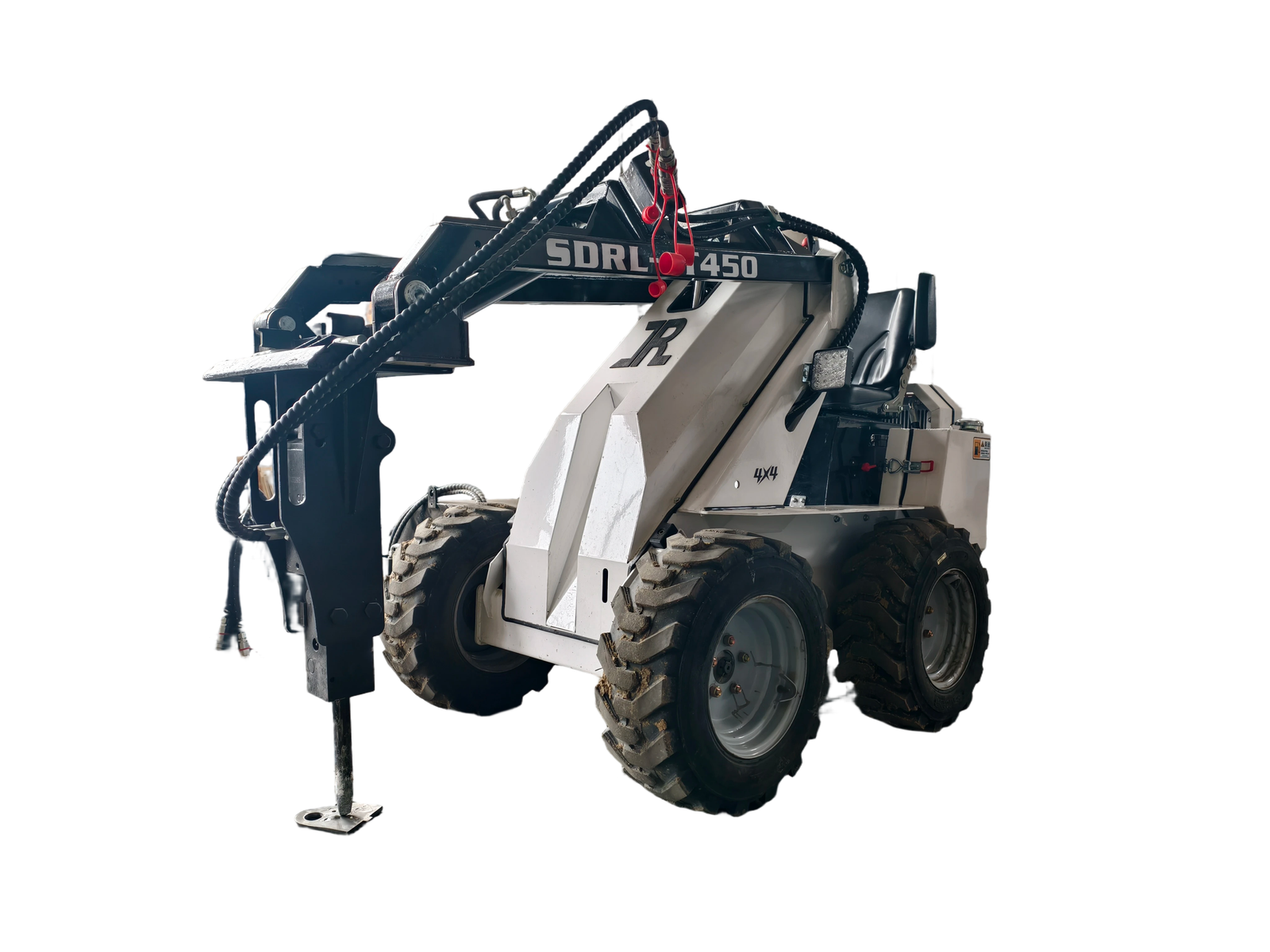
- Hydraulic breakers
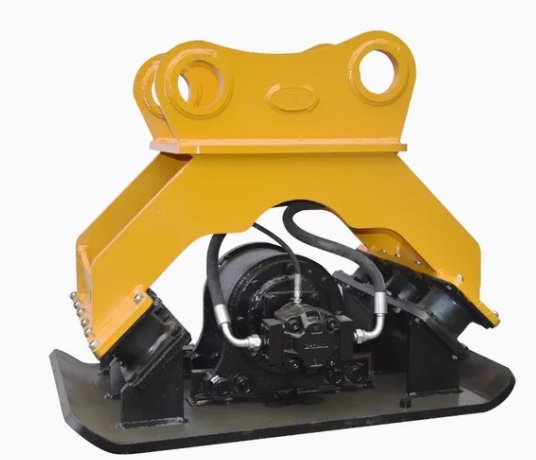
- Compaction tools
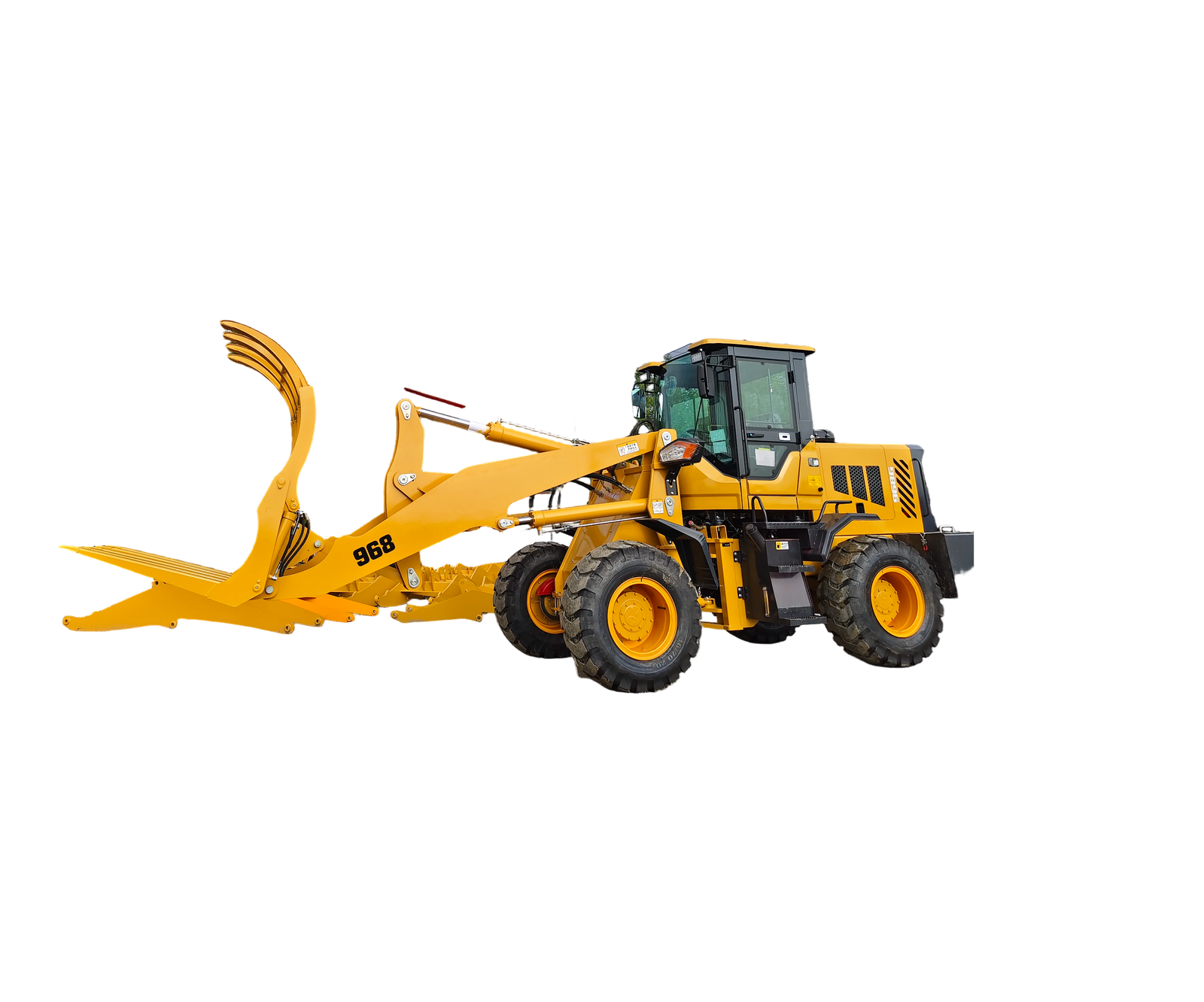
- Grapples
- Specialized buckets
These attachments allow a single machine to perform a wider range of tasks without requiring additional equipment.
For small job sites, this versatility can significantly increase productivity while simplifying project logistics.
Maintaining Productivity Throughout the Project
Consistent productivity is essential for completing projects on schedule.
Operators can improve efficiency by organizing work sequences logically and minimizing machine downtime. Combining excavation, loading, grading, and cleanup tasks into a streamlined workflow helps maximize machine utilization.
Regular communication between crew members also contributes to smoother operations and better coordination.
By maintaining an organized approach, contractors can achieve higher productivity while delivering quality results.
Supporting Professional Results with Proper Technique
The quality of machine operation directly impacts project outcomes.
Smooth control inputs, accurate bucket positioning, and careful attention to grading and excavation details help produce professional-quality work. Experienced operators understand how to balance speed with precision to achieve the best results.
Continuous practice and familiarity with machine controls can further enhance efficiency and accuracy over time.
Investing in operator skill development often leads to improved project performance and customer satisfaction.
The Growing Role of Backhoes in Modern Construction
As construction projects continue to evolve, backhoes remain one of the most valuable pieces of equipment for small and medium-sized job sites.
Advancements in machine design, hydraulic technology, fuel efficiency, and operator comfort have made modern backhoes even more capable and productive. Their ability to perform multiple tasks using a single machine continues to make them a practical choice for contractors across various industries.
Whether used for residential construction, landscaping, utility installation, agriculture, or infrastructure work, backhoes provide the flexibility needed to meet diverse project requirements.
Using a backhoe effectively on a small job site requires careful planning, proper machine positioning, efficient material handling, and skilled operation. By leveraging both the loader and excavator functions, operators can complete a wide range of tasks while maximizing productivity in limited spaces.
The versatility, maneuverability, and efficiency of a backhoe make it an ideal solution for small construction projects. With the right techniques and a well-organized workflow, contractors and equipment operators can achieve excellent results while maintaining smooth project execution from start to finish.