








Industry News
Best Practices for Using a Backhoe in Landscaping Work
May
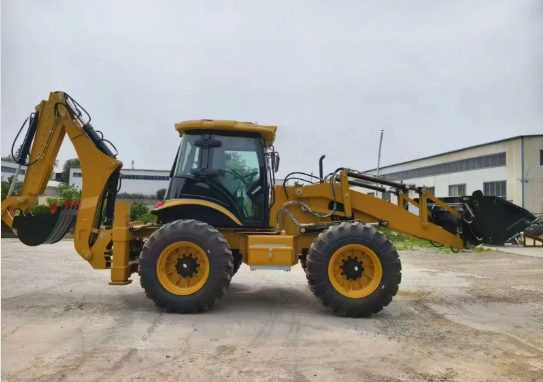
Backhoes are among the most versatile machines used in landscaping and outdoor construction projects. Whether you are creating garden features, digging trenches, grading land, or preparing foundations, a backhoe can significantly improve efficiency and precision. Its combination of a front loader and rear digging arm allows operators to handle multiple landscaping tasks with a single machine.
Modern landscaping projects often require speed, accuracy, and flexibility. A backhoe provides the power needed for heavy-duty work while still being maneuverable enough for residential and commercial properties. Understanding how to use a backhoe properly can help achieve smoother project execution and better long-term landscape results.
Understanding the Main Parts of a Backhoe
Before operating a backhoe, it is important to understand its main components and how they function together.
Front Loader
The front loader is used for moving soil, gravel, mulch, rocks, and debris. It is ideal for leveling surfaces and transporting landscaping materials across the site.
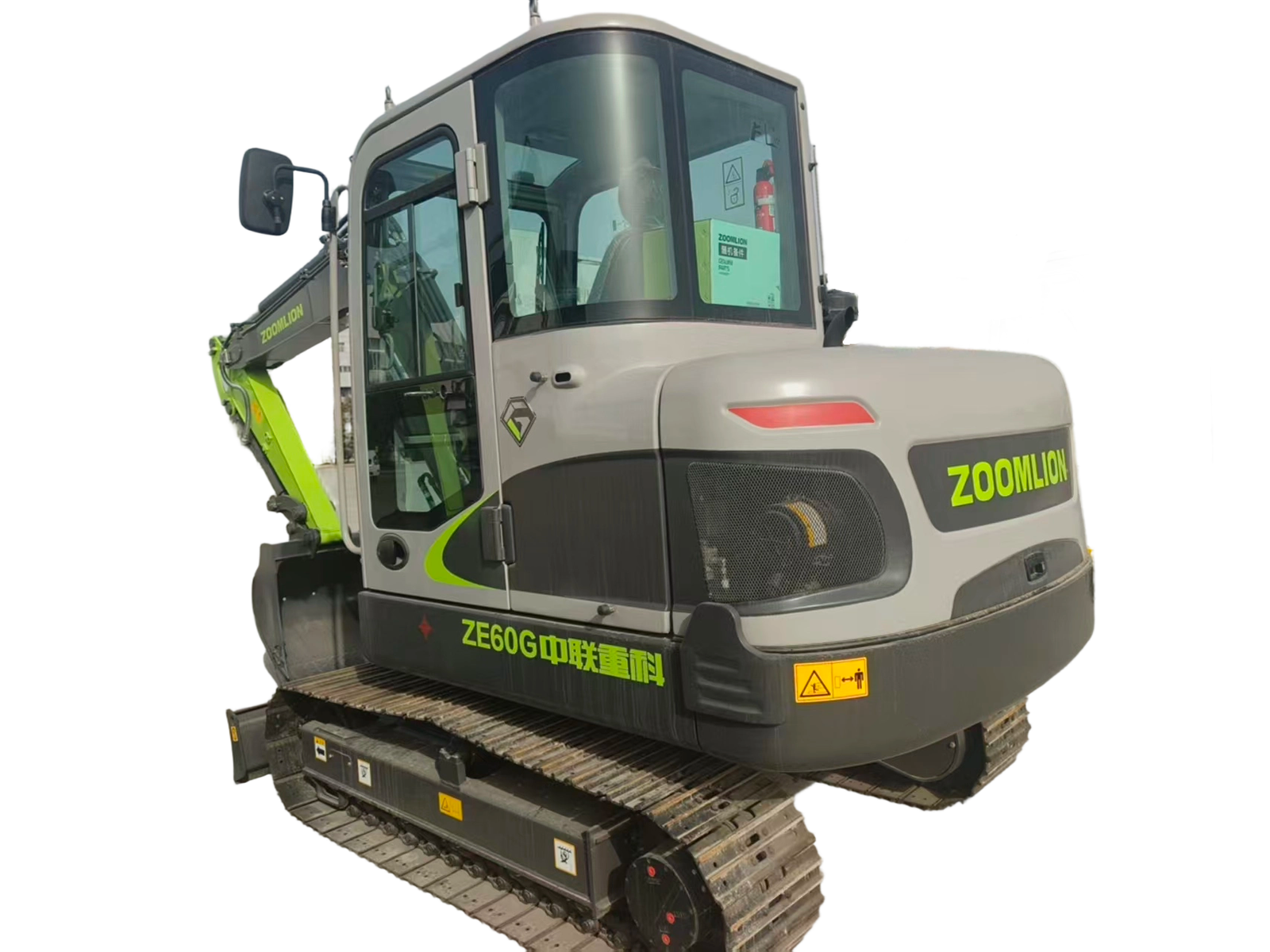
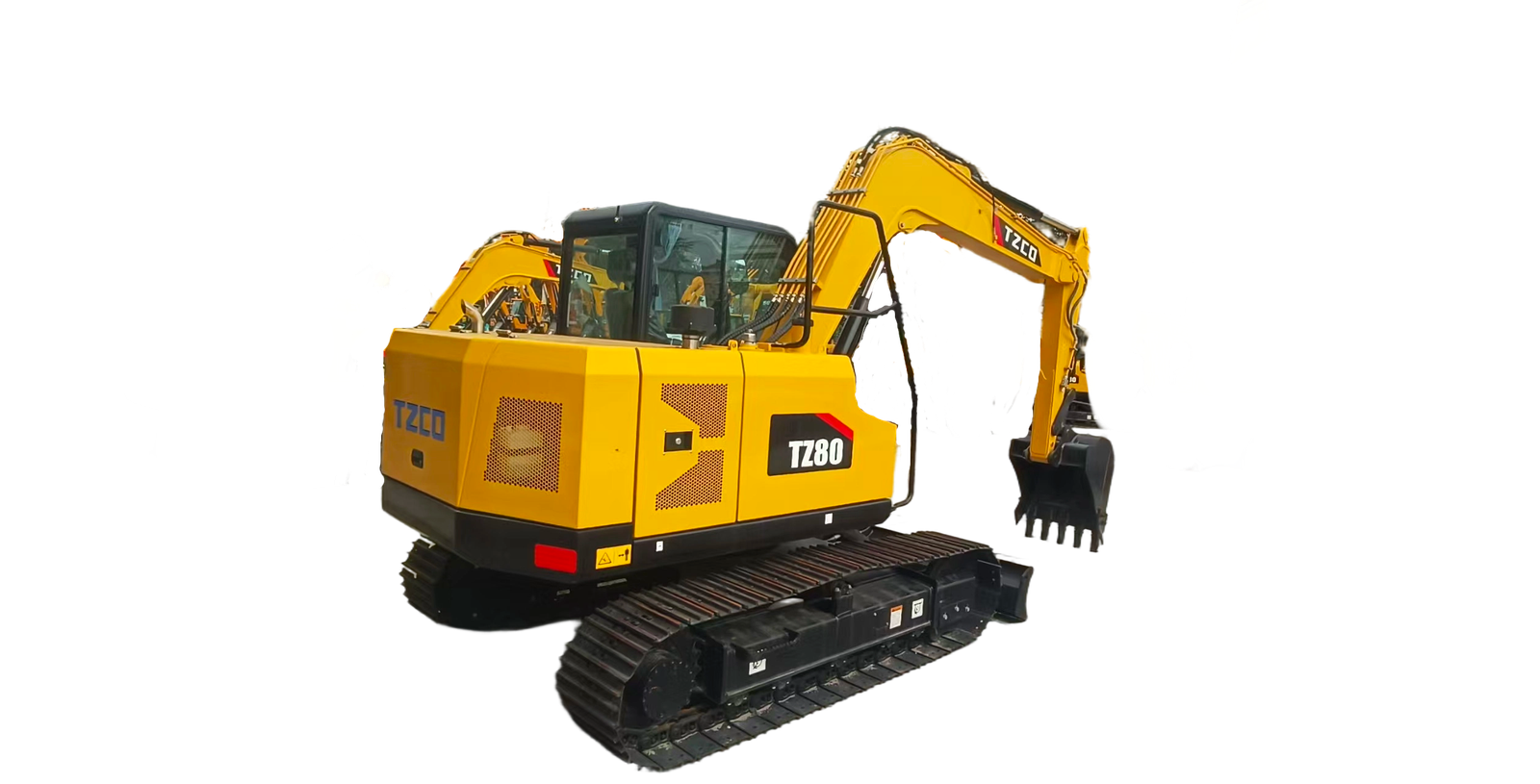
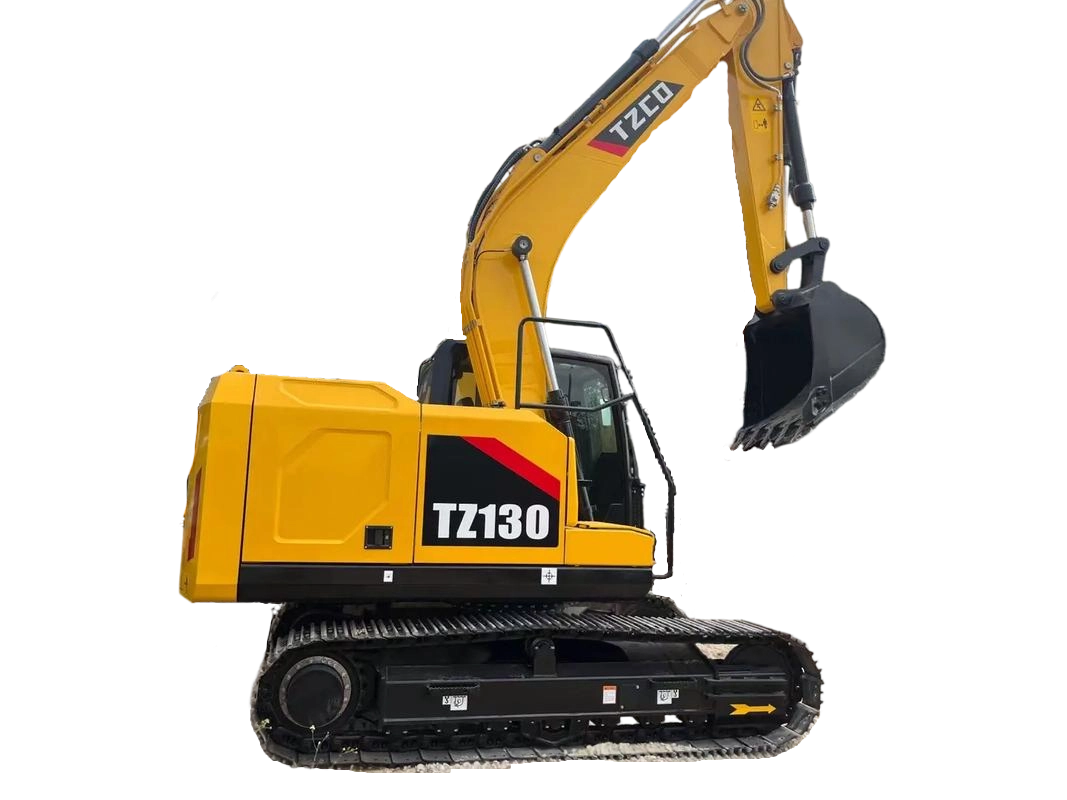
Rear Excavator Arm
The rear digging arm is designed for excavation tasks such as trenching, planting large trees, or removing soil. It offers excellent digging depth and precision control.
Stabilizers
Stabilizers help keep the machine balanced during excavation. Proper stabilizer placement improves safety and digging accuracy.
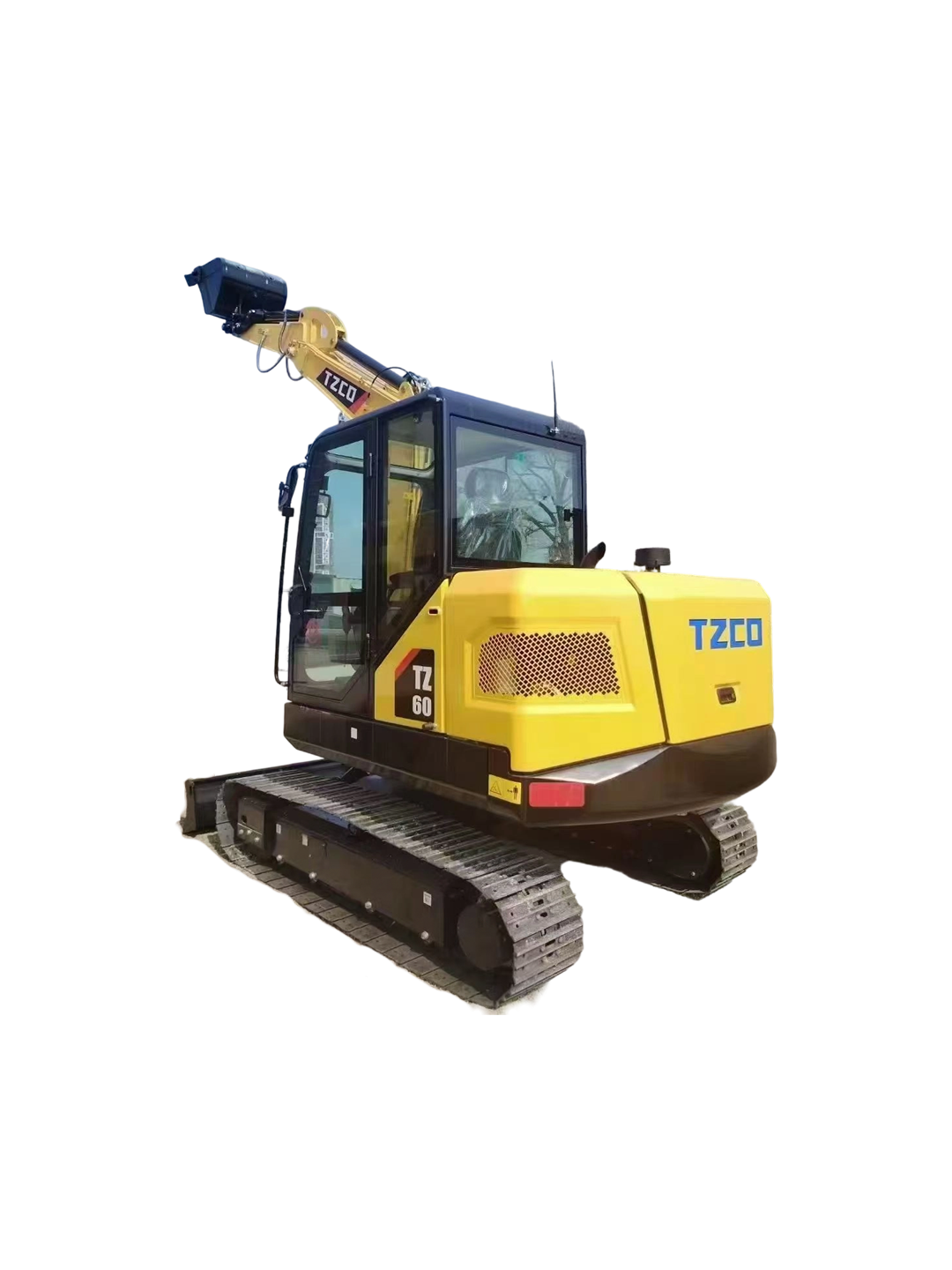
Operator Cabin
The cabin contains all machine controls, including steering, hydraulic levers, pedals, and monitoring systems. Modern backhoes often include ergonomic seating and advanced visibility features for improved operation comfort.
Preparing the Site Before Using a Backhoe
Proper site preparation is essential for successful landscaping work. Before starting the machine, inspect the work area carefully.
Check for:
- Underground utility lines
- Large rocks or hidden obstacles
- Uneven ground conditions
- Wet or unstable soil
- Nearby structures or trees
Marking utility locations before digging is especially important for safe trenching and excavation work. A clean and organized job site helps improve operational efficiency and reduces unnecessary delays.
Choosing the Right Backhoe Attachment
Backhoes can support multiple attachments that improve landscaping productivity. Selecting the appropriate attachment depends on the project requirements.
Common landscaping attachments include:
- Standard digging buckets
- Trenching buckets
- Hydraulic thumbs for handling rocks
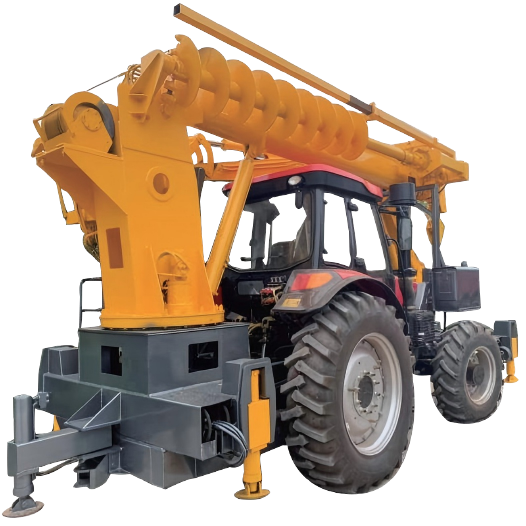
- Augers for fence post holes
- Rakes for clearing debris
Using the right attachment allows operators to complete landscaping tasks more efficiently while maintaining accuracy and surface quality.
How to Operate a Backhoe for Landscaping
Learning basic operating techniques is important for achieving professional landscaping results.
Starting the Machine
Begin by performing a pre-operation inspection. Check hydraulic fluid, engine oil, tire condition, fuel levels, and attachment connections.
After entering the cabin:
- Fasten the seatbelt
- Start the engine
- Allow hydraulic systems to warm up
- Test all controls slowly before beginning work
Smooth control movements help prevent sudden machine motions and improve precision.
Digging Trenches
Backhoes are commonly used for irrigation systems, drainage lines, and landscape lighting installation.
To dig a trench:
- Position the machine on stable ground
- Lower the stabilizers
- Extend the rear arm gradually
- Use the bucket to pull soil toward the machine
- Swing the arm carefully to deposit excavated soil nearby
Consistent bucket movement helps create clean and even trenches.
Moving Landscaping Materials
The front loader can efficiently transport soil, gravel, mulch, or decorative stone.
When carrying material:
- Keep the bucket low while driving
- Avoid sudden turns
- Balance the load evenly
- Travel at controlled speeds
Proper material handling improves safety and protects finished landscape surfaces.
Using a Backhoe for Tree Planting
Backhoes are highly effective for planting medium and large trees during landscaping projects.
The excavation arm can quickly create deep planting holes with accurate dimensions. Operators can also use the loader to transport trees, soil, and mulch around the property.
When planting trees:
- Dig holes wider than the root ball
- Preserve surrounding soil structure
- Avoid excessive soil compaction
- Use smooth bucket movements near roots
Careful excavation helps support healthy root development and long-term plant growth.
Land Grading and Surface Preparation
Land grading is one of the most valuable landscaping applications for a backhoe. Proper grading improves drainage, prepares lawns, and creates stable foundations for patios or pathways.
The front loader can level soil by gradually spreading and smoothing material across the site.
Effective grading tips include:
- Work in small layers
- Frequently check slope consistency
- Remove large debris before leveling
- Compact soil after grading if needed
Accurate grading contributes to both visual appearance and long-term landscape durability.
Creating Landscape Features With a Backhoe
Backhoes can help build many decorative and functional landscape elements.
Popular projects include:
- Garden ponds
- Retaining wall preparation
- Water drainage channels
- Outdoor fire pit foundations
- Pathway excavation
- Rock garden installation
The machine’s versatility allows contractors and property owners to complete complex outdoor projects more efficiently.
Safety Tips for Backhoe Landscaping Work
Safe operation is essential for successful landscaping projects. Following proper safety procedures helps protect both operators and nearby workers.
Important safety practices include:
- Wear proper protective equipment
- Keep bystanders away from active work areas
- Always use stabilizers during digging
- Avoid overloading the bucket
- Maintain clear visibility around the machine
- Operate on stable surfaces whenever possible
Routine machine inspections also help ensure reliable performance throughout the project.
Maintaining a Backhoe for Long-Term Performance
Regular maintenance improves machine efficiency and extends equipment lifespan.
Important maintenance tasks include:
- Checking hydraulic hoses regularly
- Cleaning dirt from moving parts
- Monitoring tire pressure
- Lubricating joints and pivot points
- Replacing worn bucket teeth when necessary
A well-maintained backhoe performs more consistently and supports higher productivity on landscaping jobs.
Benefits of Using a Backhoe for Landscaping Projects
Backhoes offer several advantages for landscaping professionals and property owners.
Key benefits include:
- Multi-purpose functionality
- Faster project completion
- Improved digging precision
- Efficient material handling
- Reduced manual labor
- Better site preparation capabilities
Their versatility makes them valuable for both small residential projects and larger commercial landscaping operations.
Using a backhoe for landscaping projects can dramatically improve efficiency, precision, and overall project quality. From trenching and grading to tree planting and material transport, backhoes provide the flexibility needed for a wide range of outdoor tasks.
Understanding machine operation, choosing the right attachments, and following proper safety practices are essential for successful landscaping results. With proper planning and maintenance, a backhoe becomes a powerful tool for creating durable, attractive, and professionally finished landscapes.