








Industry News
Avant Wheel Loader Specs Explained for Buyers
May
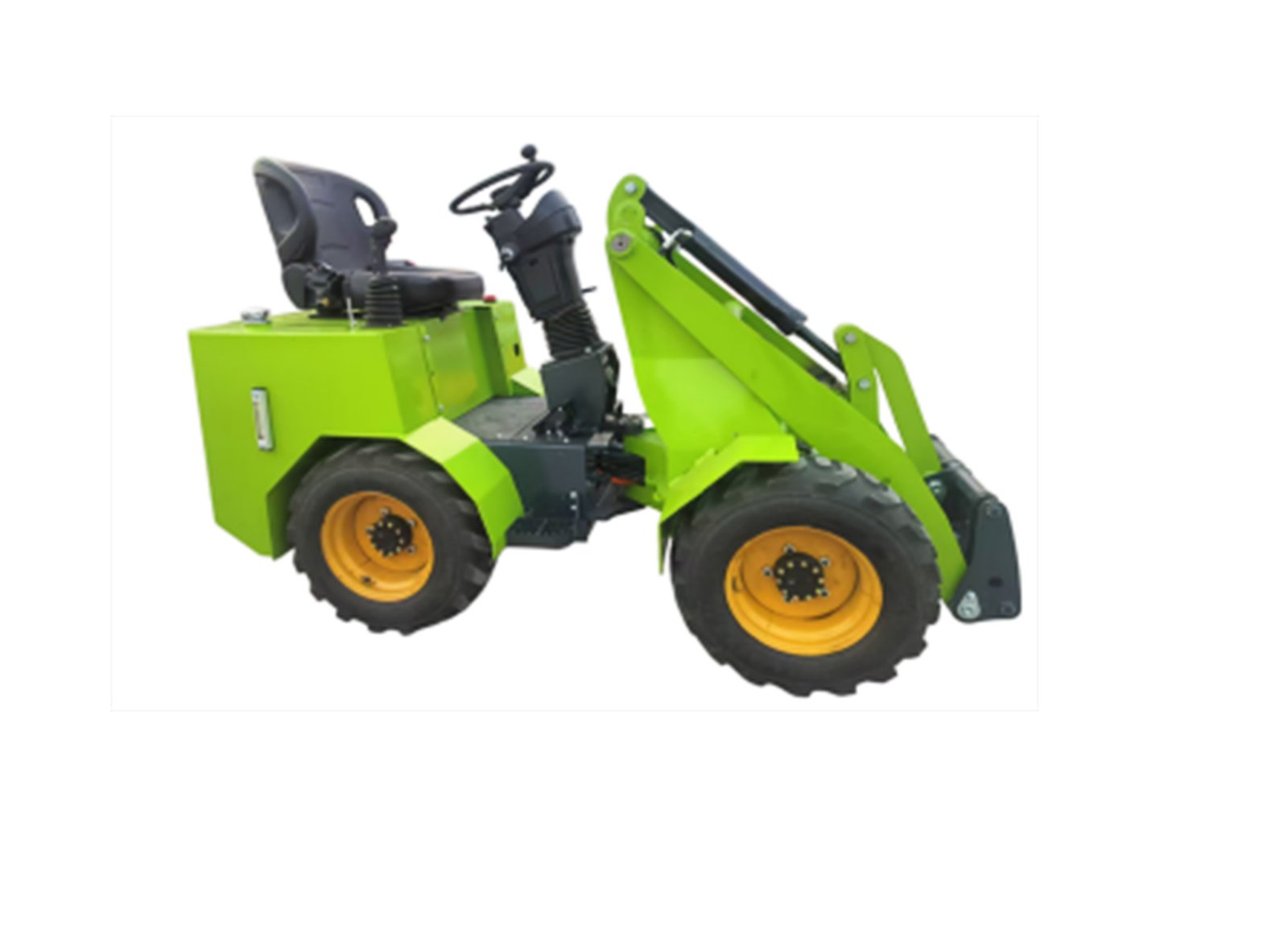
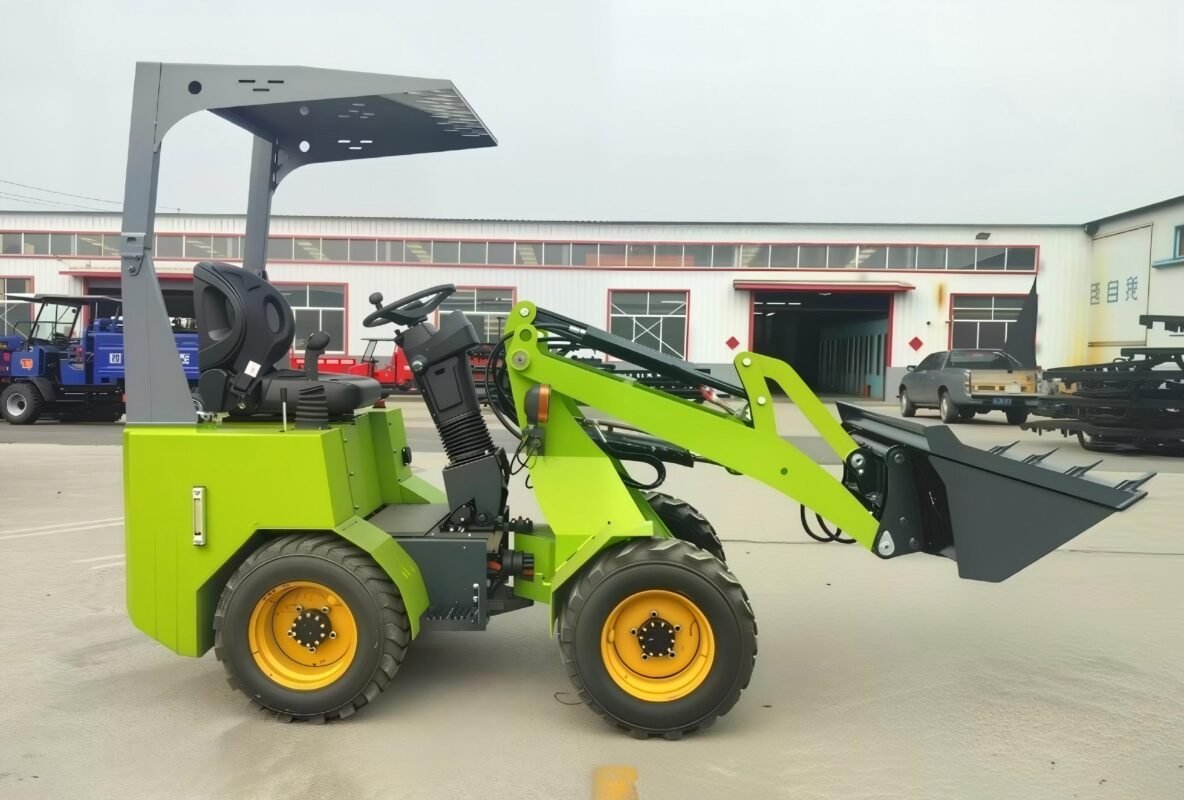
Avant wheel loaders are compact, versatile machines widely used in construction, landscaping, agriculture, property maintenance, and material handling. Buyers appreciate these machines because they combine strong lifting power, maneuverability, and attachment compatibility in a compact design. Understanding Avant wheel loader specifications helps buyers choose the right model for their specific applications and maximize long-term productivity.
When comparing wheel loader models, specifications such as engine power, lifting capacity, operating weight, hydraulic flow, and travel speed all play important roles. A careful evaluation of these factors ensures that the machine can perform efficiently in real-world working conditions.
Why Specifications Matter When Buying a Wheel Loader
Machine specifications directly affect jobsite performance, operating efficiency, and attachment compatibility. Buyers who understand technical details can better match a wheel loader to their workload requirements.
The right specifications help improve:
- Material handling efficiency
- Fuel economy
- Operator comfort
- Jobsite safety
- Attachment performance
- Overall productivity
Whether the machine is used for moving soil, loading materials, clearing snow, transporting pallets, or landscaping work, the correct specs make daily operations smoother and more efficient.
Engine Power and Performance
One of the most important specifications in an Avant wheel loader is engine power. Most modern compact wheel loaders use efficient diesel engines designed to deliver strong torque while maintaining low fuel consumption.
Engine horsepower affects:
- Lifting performance
- Driving power on slopes
- Hydraulic attachment operation
- Acceleration and travel capability
Buyers working in demanding environments often prefer higher horsepower models for better performance with heavy loads and advanced hydraulic attachments.
Modern engines also focus on reduced emissions and improved fuel efficiency, making them suitable for long working hours across different industries.
Lifting Capacity and Load Handling
Lifting capacity is a key factor when selecting a wheel loader. This specification determines how much weight the machine can safely lift and transport.
Typical wheel loader tasks include:
- Pallet movement
- Soil transport
- Gravel loading
- Feed handling
- Snow removal
- Construction material transport
A higher lifting capacity allows operators to move larger loads more efficiently, reducing the number of trips required on the jobsite.
Buyers should also evaluate the tipping load and maximum lift height to ensure compatibility with loading trucks, stacking pallets, or handling bulk materials.
Compact Design and Machine Dimensions
Avant wheel loaders are known for their compact dimensions and excellent maneuverability. Machine width, height, and turning radius are especially important for buyers working in tight spaces.
Compact loaders are ideal for:
- Urban construction sites
- Residential landscaping
- Barn and farm work
- Warehouse operations
- Indoor material handling
A small turning radius improves navigation in narrow pathways and crowded work areas. Compact dimensions also make transportation easier when moving equipment between jobsites.
Hydraulic System and Attachment Performance
The hydraulic system powers the machine’s attachments and significantly impacts versatility. Hydraulic flow rate and hydraulic pressure determine how effectively attachments operate.
Common hydraulic attachments include:
- Buckets
- Forks
- Sweepers
- Augers
- Snow blowers
- Grapples
- Mowers
Higher hydraulic flow supports demanding attachments that require continuous power. Buyers planning to use multiple tools should pay close attention to hydraulic performance specifications.
Fast attachment connection systems also improve efficiency by reducing downtime during equipment changes.
Operating Weight and Stability
Operating weight influences stability, traction, and lifting safety. Heavier machines generally offer improved balance when carrying loads, especially on uneven terrain.
Stable operation is important for:
- Lifting heavy materials
- Operating on slopes
- Rough terrain applications
- Agricultural tasks
- Construction work
Balanced weight distribution enhances operator confidence and improves overall machine control.
Buyers should choose a machine that provides sufficient stability without sacrificing maneuverability.
Travel Speed and Mobility
Travel speed determines how quickly the loader can move across jobsites. Faster travel speeds increase efficiency, especially for larger properties or construction sites where operators frequently transport materials over long distances.
Wheel loaders with good mobility are beneficial for:
- Large landscaping projects
- Agricultural properties
- Snow clearing operations
- Industrial facilities
Some models also feature articulated steering systems that improve traction and maneuverability in challenging terrain conditions.
Operator Comfort and Cabin Features
Modern wheel loaders are designed with operator comfort in mind. Comfortable operators can work longer hours more efficiently and safely.
Important cabin and ergonomic features include:
- Adjustable seating
- Easy-to-use controls
- Excellent visibility
- Low vibration levels
- Climate control systems
- Quiet cabin operation
Good visibility improves precision during loading and attachment work, while ergonomic controls reduce operator fatigue.
Many buyers now prioritize comfort features because they directly affect productivity and long-term user satisfaction.
Tire Options and Terrain Compatibility
Different tire configurations allow wheel loaders to operate efficiently on various surfaces. Buyers should select tires based on their primary working environment.
Common applications include:
- Mud and soft soil
- Gravel surfaces
- Asphalt areas
- Snow-covered terrain
- Farm environments
Proper tire selection improves traction, reduces ground damage, and enhances machine stability.
Some loaders also support specialized tires for sensitive landscaping applications where minimal surface disturbance is required.
Fuel Efficiency and Maintenance Considerations
Fuel economy plays an important role in reducing operating costs. Efficient engines help lower fuel consumption while maintaining strong performance.
Routine maintenance factors buyers should consider include:
- Easy engine access
- Hydraulic system service points
- Filter replacement intervals
- Cooling system maintenance
- Lubrication access
Machines designed for easy maintenance reduce downtime and improve long-term reliability.
Regular servicing also helps extend equipment lifespan and maintain consistent performance.
Choosing the Right Avant Wheel Loader Model
Selecting the correct wheel loader depends on workload size, terrain conditions, attachment needs, and operating environment.
Buyers should evaluate:
- Daily lifting requirements
- Available working space
- Attachment compatibility
- Surface conditions
- Transportation needs
- Budget and operating costs
Smaller models may be ideal for residential or light landscaping work, while larger models provide greater lifting capacity and hydraulic power for demanding commercial applications.
Testing machine handling and reviewing specification sheets carefully can help buyers make informed decisions.
Applications Across Multiple Industries
Avant wheel loaders are used across many industries because of their versatility and compact size.
Popular industries include:
- Construction
- Agriculture
- Landscaping
- Property maintenance
- Municipal services
- Warehousing
- Snow removal
Their ability to switch attachments quickly allows a single machine to perform multiple tasks throughout the year.
This versatility makes wheel loaders a valuable investment for businesses seeking efficient equipment utilization.
Long-Term Value and Productivity
A quality wheel loader offers long-term operational value through durability, efficiency, and attachment flexibility. Buyers who understand machine specifications can choose equipment that delivers consistent performance for years.
Key benefits include:
- Reduced labor requirements
- Faster project completion
- Multi-purpose functionality
- Lower operational downtime
- Improved worksite efficiency
Investing in the right wheel loader helps businesses improve productivity while maintaining reliable daily performance.
Understanding Avant wheel loader specifications is essential for buyers seeking the best machine for their operational needs. Important factors such as engine power, lifting capacity, hydraulic flow, operating weight, travel speed, and attachment compatibility all influence machine performance and efficiency.
By carefully reviewing specifications and matching them to real-world applications, buyers can select a wheel loader that delivers excellent productivity, versatility, and long-term value across construction, agriculture, landscaping, and material handling industries.